What is Tulum really like? The first thing that changed my impression was the layout. I had pictured the Caribbean beaches, jungle, cenotes and Mayan ruins as parts of one fairly compact destination. Once we started moving between them, Tulum felt much more spread out, and traffic and prices became part of the experience rather than background details.
Tulum Pueblo and the Hotel Zone began to feel like different destinations surprisingly quickly.
Near the beach and luxury hotels, Tulum looked polished and expensive. Back in Pueblo, then out again by bike towards cenotes, beaches and nature reserves, the mood kept changing. By then, the wildly different opinions people have about Tulum made much more sense.
🌴 What Is Tulum Really Like to Explore?
Tulum feels less like one compact resort and more like several different experiences sharing the same base. That became obvious once we started moving between the beach, Pueblo, cenotes and inland sights rather than judging it from one area.
How Spread Out Is Tulum?
Unlike Cancún, where a large hotel can contain much of the holiday, or Playa del Carmen, where restaurants, shopping and nightlife cluster around a walkable centre, Tulum kept sending us somewhere else. We would cycle between beaches and drive to cenotes, explore archaeological sites and finish the evening in a completely different part of town.
That movement stopped our days becoming repetitive. A morning at the beach could give way to freshwater swimming later on, then an independent café tucked into the jungle would alter the feel of the day again. Tulum’s variety became clearer through those changes than through any single attraction.
That rhythm suits travellers who enjoy discovering places for themselves, though it also explains why it is worth thinking about who Tulum is really for before committing to a trip.
Does Tulum Suit Independent Travellers?
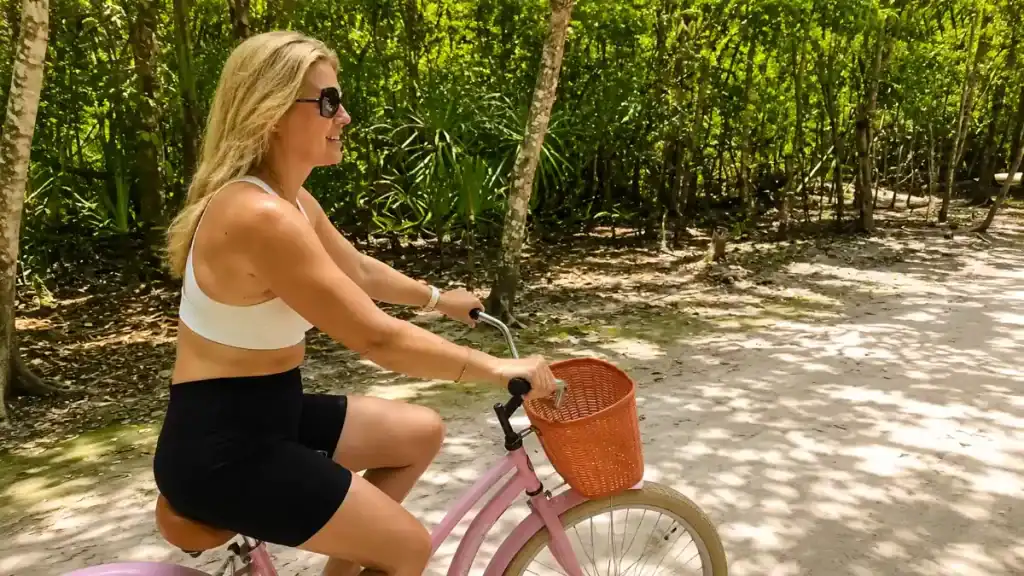
Our trip worked better once exploring became part of the plan rather than an inconvenience between attractions. Hiring a bike, trying different beaches and eating away from the same strip gave each day more shape than staying in one place would have done.
🧭 THE VERSION OF TULUM CHANGES WITH THE TRIP
🏖️ Hotel Zone: polished, beach-focused and the more expensive side of the destination.
🌮 Pueblo: more everyday town life, more approachable prices and a different evening rhythm.
🚲 Moving around: the cenotes, ruins and quieter roads make Tulum feel much broader than either base alone.
Had we arrived expecting something closer to Cancún, the distances and constant movement would have felt like drawbacks rather than part of the experience. That mismatch between expectation and reality explains a lot of the disappointment surrounding Tulum.
⭐ Who Is Tulum Best Suited To?
| 💚 I Would Enjoy Tulum If… | ❌ Tulum Would Frustrate Me If… |
|---|---|
| 🌴 You enjoy nature as much as beaches | 🏨 You expect a traditional resort holiday |
| 🚲 You like exploring independently | 🚶 You want everything within walking distance |
| 📸 Unique places matter more than convenience | 💰 You’re travelling on a tight budget |
| 🌿 Boutique hotels appeal to you | 🎉 Your priority is nightlife every evening |
| 🧭 You enjoy relaxed, flexible travel | 📋 You prefer organised package holidays |

✨ Why Do Travellers Have Such Different Opinions of Tulum?
Travellers can come away with very different opinions of Tulum because the experience changes sharply with where you stay, how you move around and which parts you actually see. One stretch of our trip could disappear pleasantly into cycling between cenotes, eating in local restaurants and slowing down on quieter beaches.
Then a single afternoon sitting in traffic before paying premium prices at a crowded beach club could make the same destination feel far less appealing.
Both experiences belong to Tulum. If we had encountered them on separate trips, they could easily have produced two completely different verdicts.
That is why the divided reviews no longer seem surprising. Tulum does not deliver one standard holiday experience; where you stay, how you travel and what happens during the day can keep changing the balance.
The temptation to squeeze everything into one day faded once the travelling time became obvious. Slowing down left more of our day for the places themselves. Giving yourself several days creates room for quieter beaches, earlier cenote visits and parts of Tulum that are easy to miss when every hour already has a job.
😲 What Should You Know Before Visiting Tulum?
| 😲 Surprise | 💡 What I’d Expect |
| 🚲 Distances | Attractions are further apart than many visitors expect |
| 💰 Prices | The Hotel Zone is significantly more expensive than Tulum Pueblo |
| 🚗 Traffic | Congestion can build during busy afternoons and evenings |
| 🌴 Nature | Jungle surrounds much of the development, giving Tulum a distinctive feel |
| 🚶 Layout | Tulum is spread across several distinct areas rather than one town centre |
None of those surprises has to ruin the trip. Knowing they are coming changes the calculation. Once we stopped fighting the layout, transport and timing became things to plan around instead of repeated irritations.
💭 Does Tulum Live Up to Expectations?
| 💭 Expectation | ✅ Reality |
|---|---|
| 💸 Cheap beach destination | 💰 Prices are among the highest in the Riviera Maya |
| 🏖️ Quiet tropical paradise | 👥 Popular areas become busy, especially in high season |
| 🚶 Everything is walkable | 🚲 Cycling or scooters make exploring much easier |
| 🌊 It’s all about the beach | 🌴 Beaches, cenotes, ruins and jungle all shape the experience |
| ⏰ A quick day trip is enough | 🌅 Most visitors benefit from spending several days |
🌴 What Makes Tulum Different From a Typical Beach Resort?
What makes Tulum different from a typical beach resort is the combination of Caribbean coast, cenotes, Mayan ruins, jungle and a town that feels separate from the beachfront. Traffic, prices and busy beach venues gave us plenty to criticise, yet those contrasts kept winning the argument back once we moved beyond the busiest parts of the Hotel Zone.
How Much Variety Can You Fit Into a Day in Tulum?
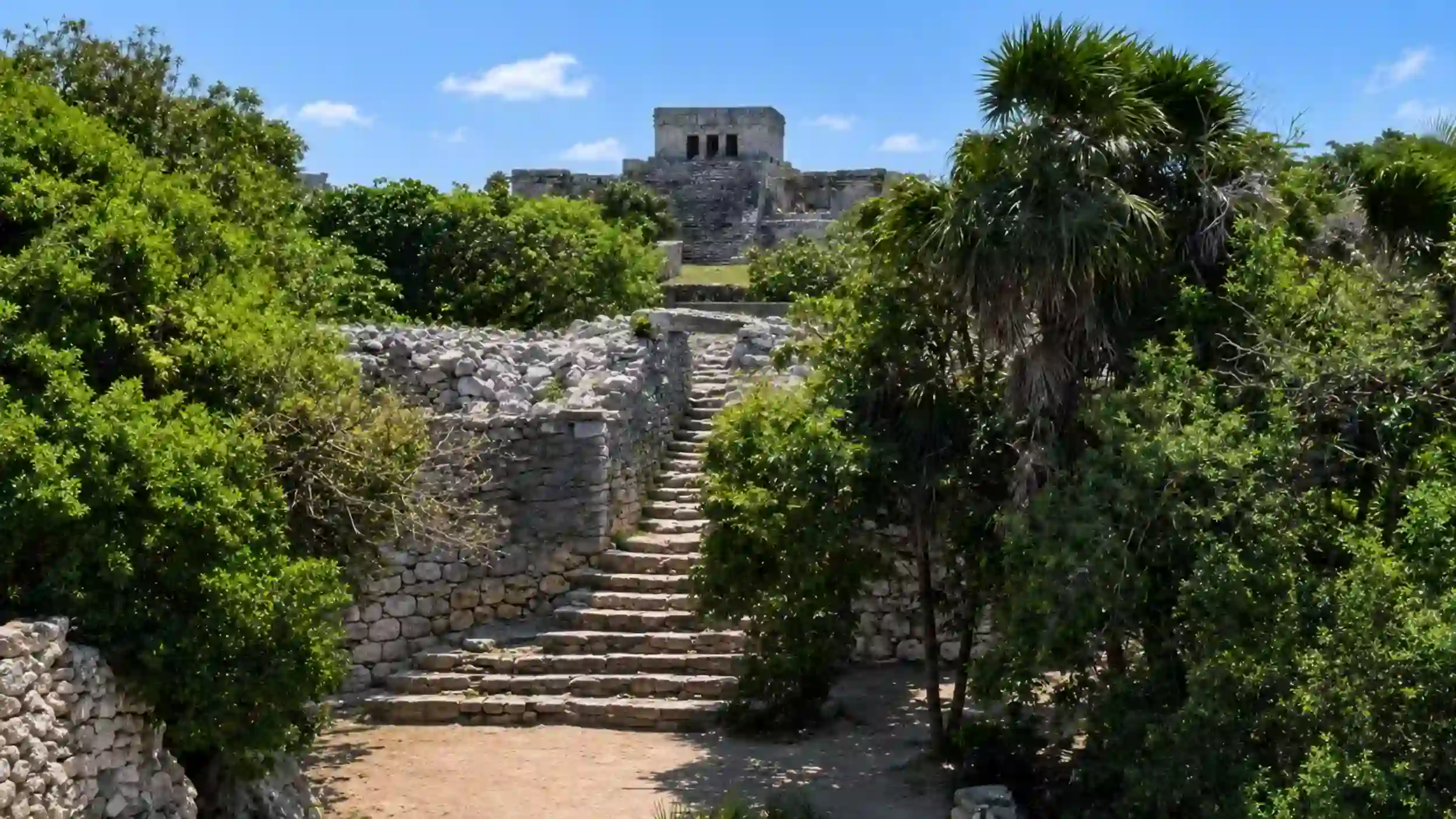
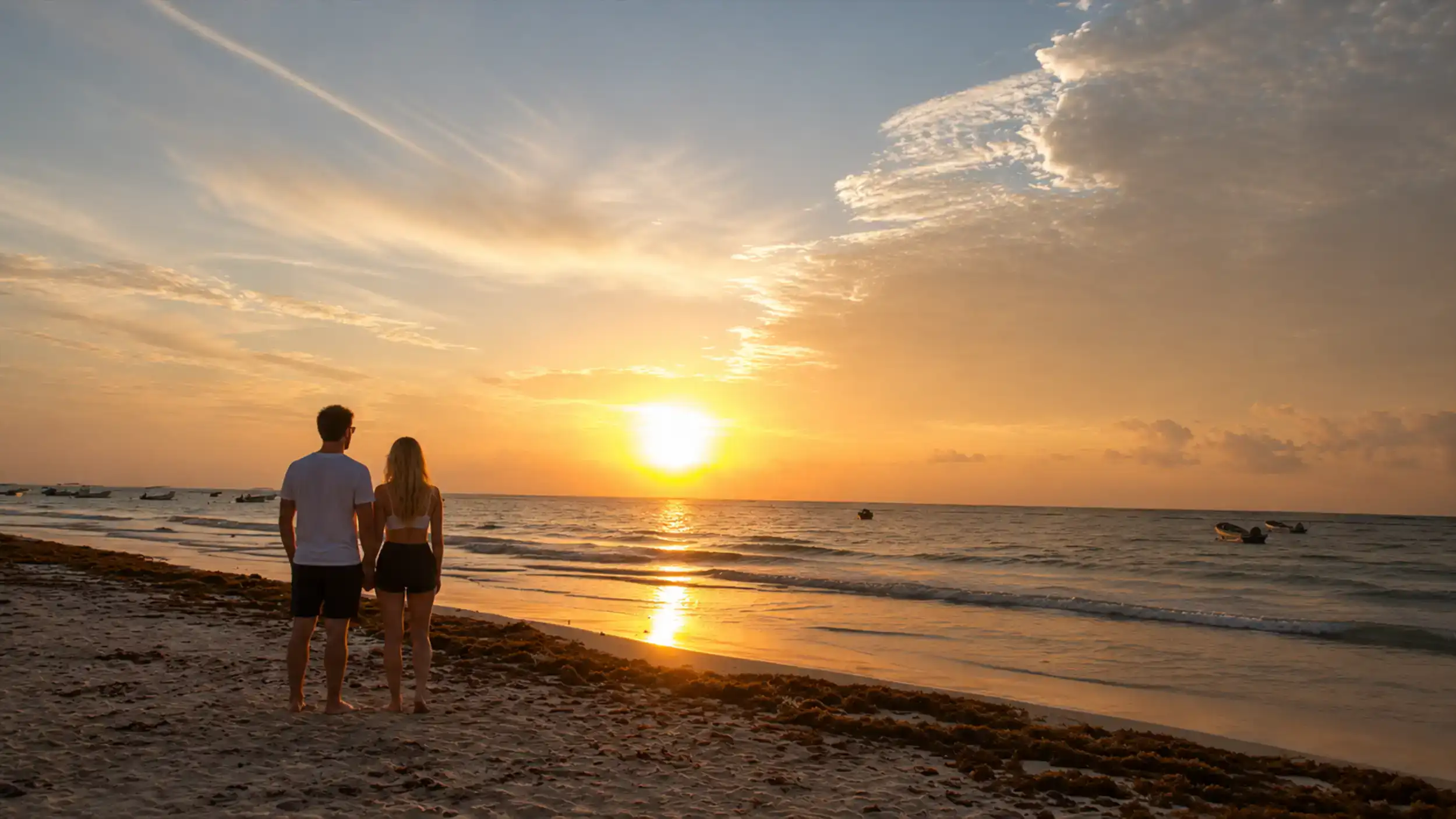
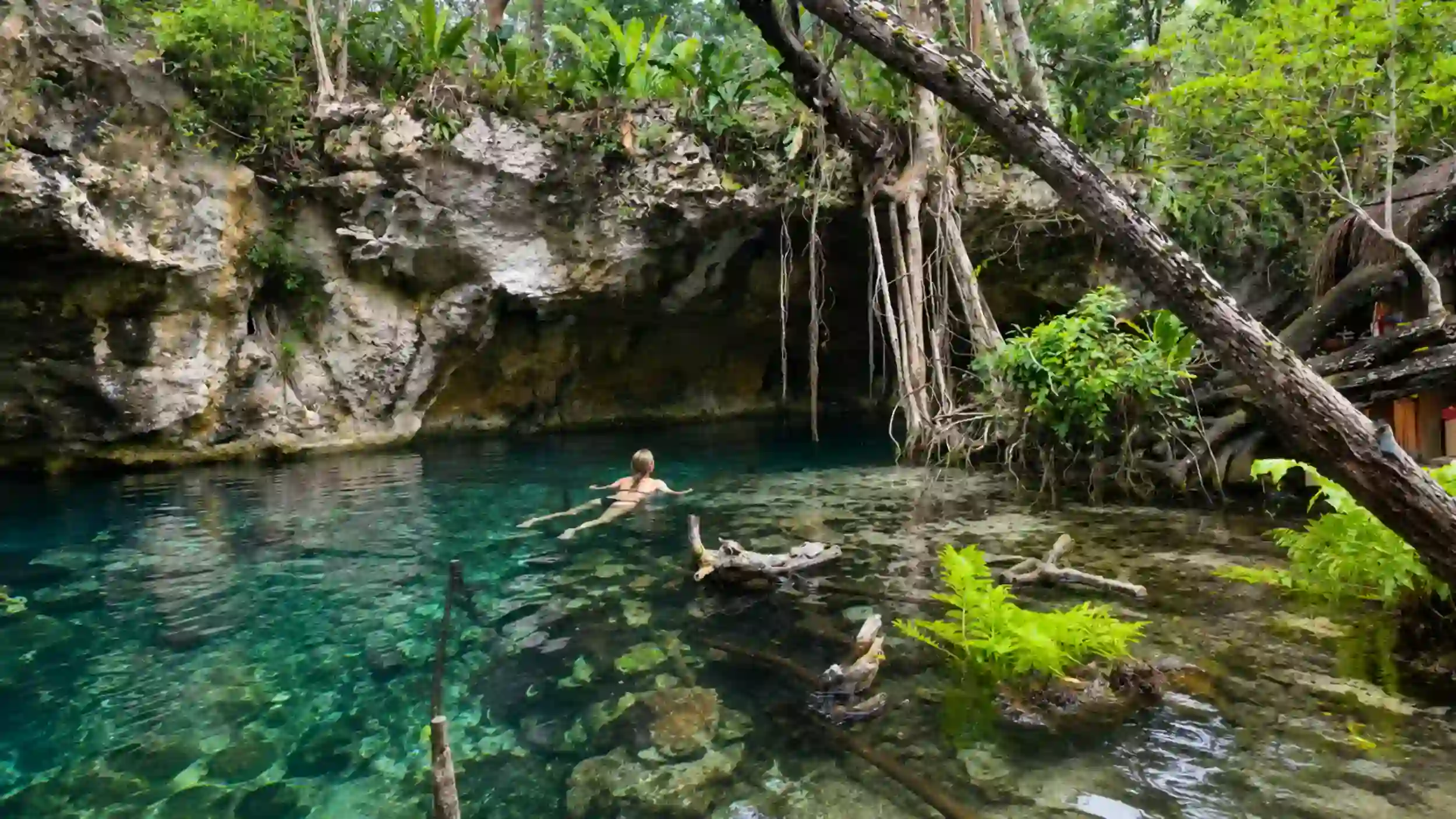
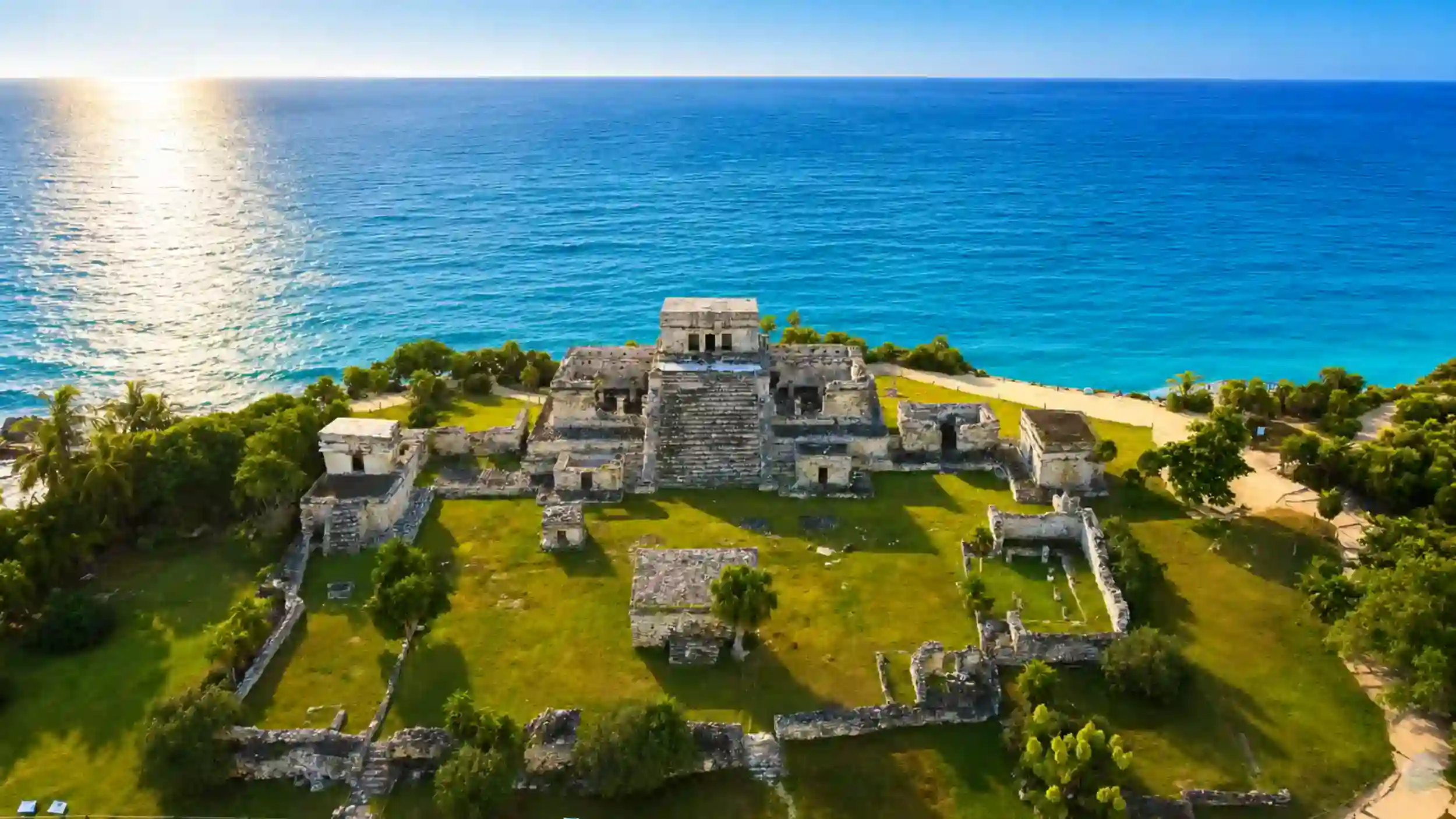
A morning among ancient Mayan ruins did not have to dictate the rest of the day. By afternoon we could be cooling off in freshwater, then finish beside the Caribbean. Those changes of setting are where Tulum’s strongest argument emerged.
Jungle vegetation, eco-style accommodation and open spaces also soften the development in places. Even with substantial building, some stretches still feel noticeably less urban than neighbouring resorts, particularly after leaving the main traffic behind.
No single attraction carried our trip. The appeal accumulated as those different experiences started connecting.
| ❤️ What I’d Remember Most | 🌴 Why It Stands Out to Me |
| 💦 Swimming in cenotes | Experiences you won’t find at most beach resorts |
| 🚲 Exploring by bike | Freedom to discover different parts of Tulum |
| 🌊 Caribbean beaches | Soft white sand and turquoise water |
| 🌿 Jungle surroundings | A setting unlike larger resort towns |
| 🌮 Local restaurants | Great food beyond the beachfront venues |
📍 How Different Are Tulum Pueblo and the Hotel Zone?
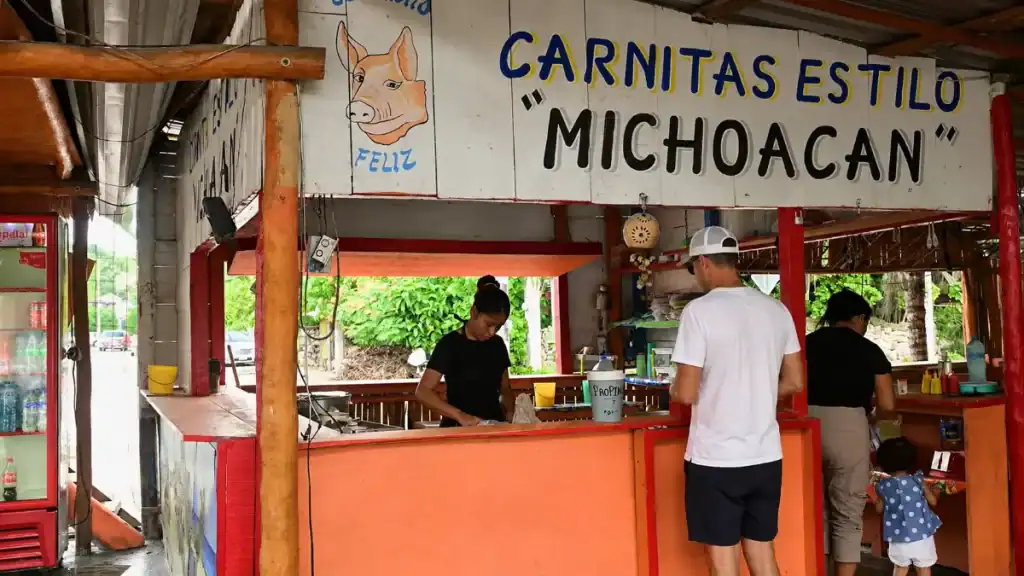
Tulum Pueblo and the Hotel Zone feel noticeably different. The coast is the polished, beach-focused and more expensive side; Pueblo feels more like an everyday town, with restaurants, cafés and generally more approachable prices. Spending most of the trip in either one could easily shape your impression of Tulum as a whole.
| 📍 Area | 🌅 Atmosphere | ⭐ Best For Me When |
|---|---|---|
| 🏖️ Beach / Hotel Zone | Stylish, lively and scenic | Beach clubs, boutique hotels and ocean views |
| 🌮 Tulum Pueblo | Authentic, energetic and better value | Local food, cafés, shopping and everyday life |
| 🌿 Jungle & connecting roads | Quiet, natural and relaxed | Eco hotels, cycling and escaping the crowds |
What surprised me was how different these areas could feel despite being only a few kilometres apart. Moving through all three gave us a much fuller picture than staying in one and assuming the rest of Tulum worked the same way.
📍 WHAT CHANGES BETWEEN THE MAIN AREAS
🏖️ Coast: boutique hotels, beach clubs and a more stylised atmosphere.
🌮 Pueblo: better value, cafés, restaurants and everyday street activity.
🌿 Connecting roads: quieter stretches where jungle, bikes and smaller roads change the pace.
What Is the Tulum Hotel Zone Like?
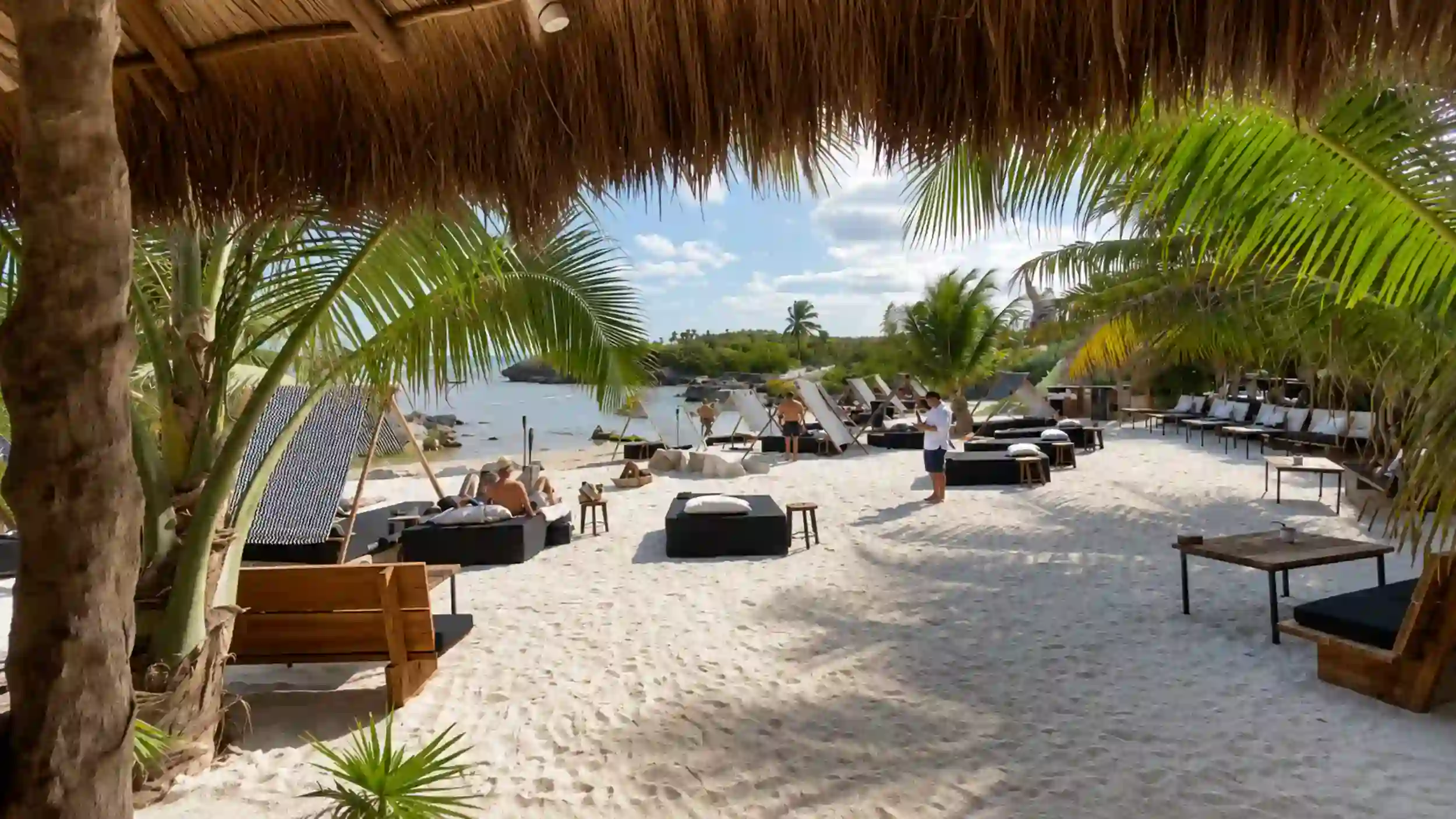
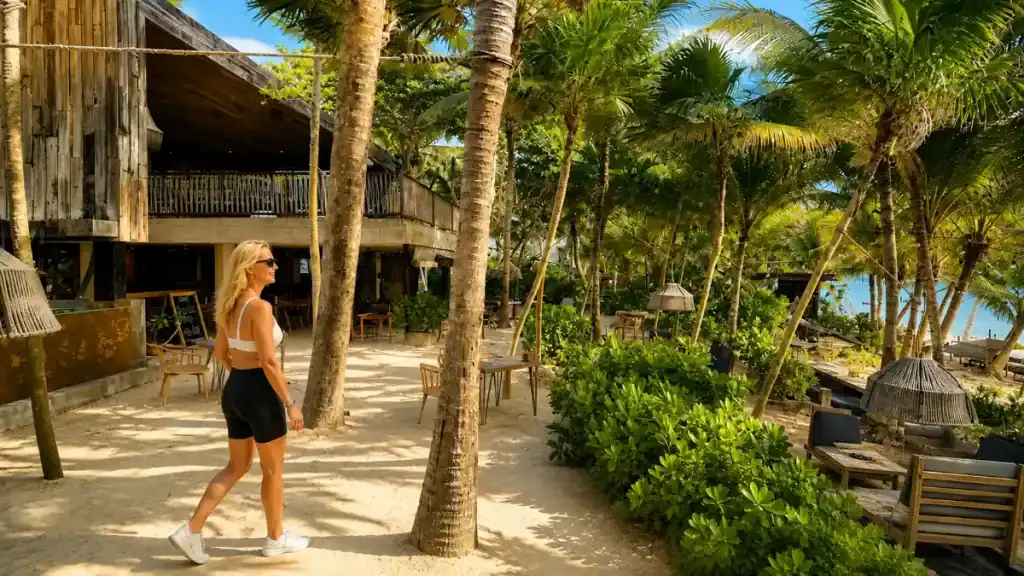
The Hotel Zone is the polished, highly photographed version of Tulum. Boutique hotels, beach clubs and restaurants line the coast, with the Caribbean on one side and jungle vegetation on the other. Earlier in the day it can feel relaxed; later, restaurants and beach clubs fill and the same stretch becomes noticeably livelier.
What Is Tulum Pueblo Like?
Back in Pueblo, restaurants, cafés, shops and everyday street life make the surroundings feel more like a working town than a beach resort. It is busier in a different way, but prices are generally more approachable than along the beachfront. After time in the Hotel Zone, that contrast is hard to miss.
Move away from the main roads and the noise can fall away surprisingly quickly. Jungle vegetation closes around eco-style accommodation, smaller roads and cycling routes, creating quieter pockets close to a destination that otherwise feels heavily visited.
What Is Tulum Like in the Evening?
During the day, Tulum revolves around the outdoors. People head to the beach, swim in cenotes, cycle between attractions or explore the nearby ruins. Even the busier areas can feel relatively relaxed before lunchtime.
By late afternoon, the change is easier to see. Beach clubs become livelier, restaurant tables fill and music becomes part of the experience across sections of the Hotel Zone.
The evening never turned Tulum into Playa del Carmen or Cancún. Bars, live music venues and beach clubs provide nightlife, but long dinners, cocktails and a sociable atmosphere fit the experience better than expecting an all-night party town.
💭 What Is the Overall Feel of Tulum?
The overall feel of Tulum is varied rather than consistent: polished and expensive in places, relaxed and natural in others, with traffic and distance adding friction between them. No single attraction explains it particularly well. What stayed with us was the way beaches, cenotes, jungle and ruins repeatedly changed the shape of the day.
Had we expected a traditional resort holiday, the distances and movement might have felt like unnecessary work. Once exploring became part of the holiday rather than something between relaxing moments, those same characteristics became part of the appeal.
Tulum never became perfect or effortless. Traffic could irritate, the Hotel Zone could feel expensive and the distances occasionally made a simple plan less simple. Then a quieter jungle road, a cenote or the shift back into Pueblo would change the mood again. That unsettled, varied version is what stayed with me.