Best Resorts in Tenerife Spain: Where to Stay
Discover the best resorts in Tenerife Spain for a perfect island getaway. From luxury beachfront retreats to family-friendly escapes, Tenerife


Soft Footprints
Travel Guides
Soft Footprints Travel Guides
Our Destinations:
Your Inspiration!
Tenerife sits in the Canary Islands as the largest with Mount Teide volcano dominating the center, black sand beaches, and stark landscape contrasts from desert to cloud forest. The island splits personality between northern green valleys and southern resort beaches. Package tourists fill the south while the north stays more Spanish and authentic. One week covers the main areas and volcano trip. Winter brings Northern Europeans escaping cold with mild 20 degree temperatures perfect for beach time. Summer gets hot but trade winds cool things down. The island works year round with microclimates creating different weather zones within short distances. Flights land constantly from Europe making it accessible and affordable.
Mount Teide rises 3718 meters as Spain’s highest peak and the volcano dominating Tenerife’s center. The national park surrounds the peak with lunar landscapes, volcanic rock formations, and the caldera stretching vast. The drive up passes through pine forests then opens to otherworldly terrain with lava flows and colored rocks. The cable car Teleférico climbs to 3555 meters near the summit. The upper station has trails to viewpoints but reaching the actual summit requires a free permit booked months ahead. The views stretch across the island and to other Canary Islands on clear days. The cable car runs weather dependent closing for wind. Sunrise and sunset light the rocks in reds and oranges. The Roques de García rock formations near the visitor center create dramatic photos. The drive through the park takes the TF-21 road with multiple viewpoints and trails.
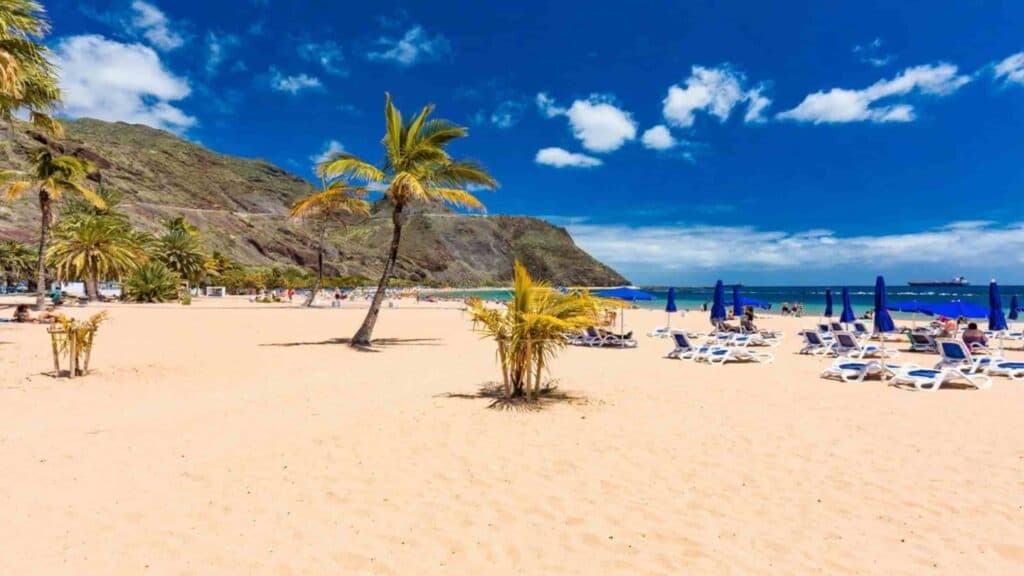
Playa de las Américas and Los Cristianos merge as the main southern resort strip with high-rise hotels, British pubs, and beach clubs. The beaches have imported golden sand with calm water protected by breakwaters. It’s not pretty but delivers guaranteed sun and facilities. Families and older tourists fill the resorts. Costa Adeje west has more upscale hotels and the Siam Park water park ranked among the world’s best. The beaches stay artificial but well maintained. El Médano southeast has natural beach with strong wind drawing kitesurfers and windsurfers. The town feels more authentic with Spanish vibe. Playa de las Teresitas near Santa Cruz has golden sand imported from Sahara creating the island’s prettiest beach. Palm trees line the shore and the village La Laguna nearby has UNESCO colonial center.
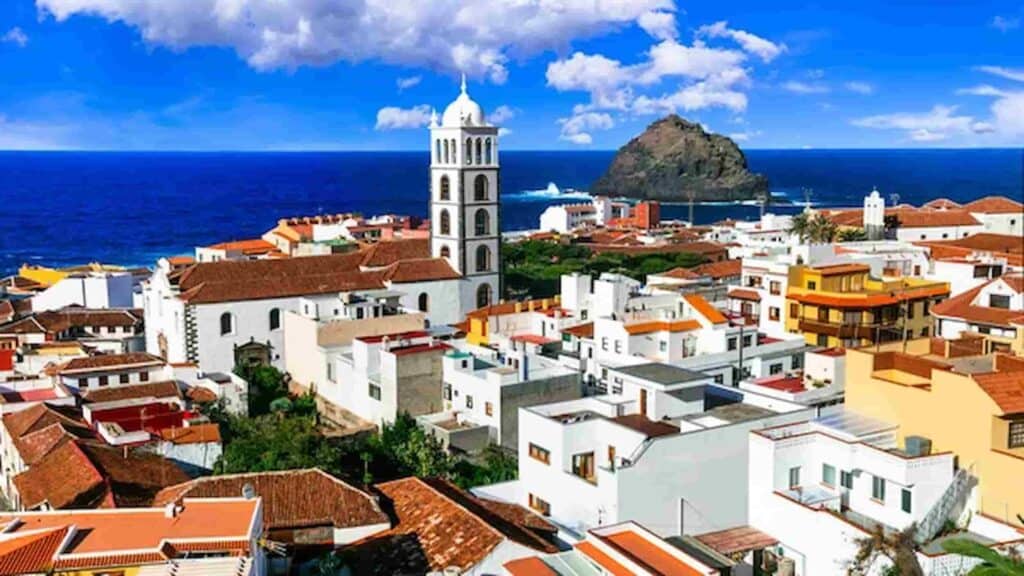
Puerto de la Cruz on the north coast has the old tourist town feel with Lago Martiánez lido complex designed by César Manrique using volcanic rock pools. The town has botanical gardens and the black sand Playa Jardín. The north stays greener with banana plantations on terraced hillsides. La Orotava inland has colonial mansions and the Casa de los Balcones with wooden balconies. Garachico west was the main port until volcanic eruption destroyed it in 1706. The lava created natural pools El Caletón for swimming. Masca village perches in the mountains with dramatic gorge hike descending to the coast. The village draws day trippers but the setting impresses. The Anaga Mountains northeast have cloud forest and hiking trails through laurel trees.
Food is papas arrugadas wrinkly potatoes with mojo sauce red and green, fresh fish, conejo rabbit in salmorejo sauce, gofio toasted grain, bienmesabe almond dessert, tropical fruits, local cheese, Spanish tapas, cheap wine.
Discover the best resorts in Tenerife Spain for a perfect island getaway. From luxury beachfront retreats to family-friendly escapes, Tenerife
Places of interest in Tenerife showcase stunning volcanic landscapes, beaches, and cultural landmarks. This guide highlights must-visit spots such as
I’m a travel-obsessed guy who’s been chasing that perfect moment for more years than I can remember – still buzzing like a kid! One Greek island trip changed everything. Now I share travel secrets most tourists miss through Soft Footprints. Trust me: life-changing places aren’t all on TripAdvisor.
Subscribe to Soft Footprints!
Get updates on the latest posts and more from Soft Footprints straight to your inbox.

This website uses cookies to improve your experience. We'll assume you're ok with this, but you can opt-out if you wish. Read More