
Do you need a car in Bohol? Usually not. Hiring one gives you maximum independence, but private drivers and organised tours remove the need to navigate or park, while scooters can suit shorter journeys and travellers comfortable riding independently.
Where you stay changes the calculation.
Someone based on Panglao and taking organised day trips may have little use for a car. If you plan to explore independently over several days, having your own transport becomes much more useful.
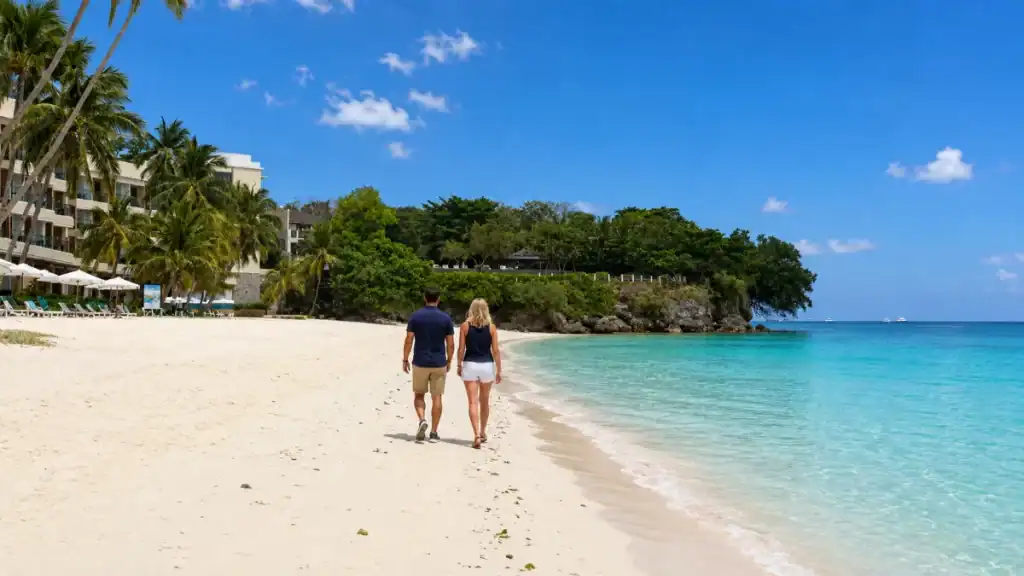
🚗 Why your transport choice changes the whole trip
Transport affects much more than getting from one attraction to another.
It determines how flexible your itinerary can be, how much time you spend travelling and whether your days feel relaxed or rushed. A poor transport choice can add unnecessary cost or leave you paying for a vehicle that spends most of the holiday parked outside your hotel.
Plan your itinerary before choosing transport
Before comparing rental prices, think about what your holiday actually looks like.
Are you staying in Panglao and spending most of your time on the beach? Are you planning one sightseeing day followed by several days diving or island hopping? Or do you want to explore as much of Bohol as possible, including quieter inland villages?
Each itinerary points towards a different transport solution.
Someone planning two organised excursions and several beach days rarely needs a rental car. Someone who enjoys independent road trips and wants to stop wherever they like may find hiring a car completely worthwhile.
Your itinerary should decide your transport, not the other way around.
Flexibility or convenience?
Every transport option involves a trade-off.
A rental car gives you complete freedom, but you are responsible for driving, parking and navigation. Organised tours remove almost all planning, although you lose the flexibility to change your schedule. Private drivers offer independence without the responsibility of driving, while scooters provide inexpensive freedom for shorter journeys.
The important question is not which option is best.
It is which compromise suits your holiday.
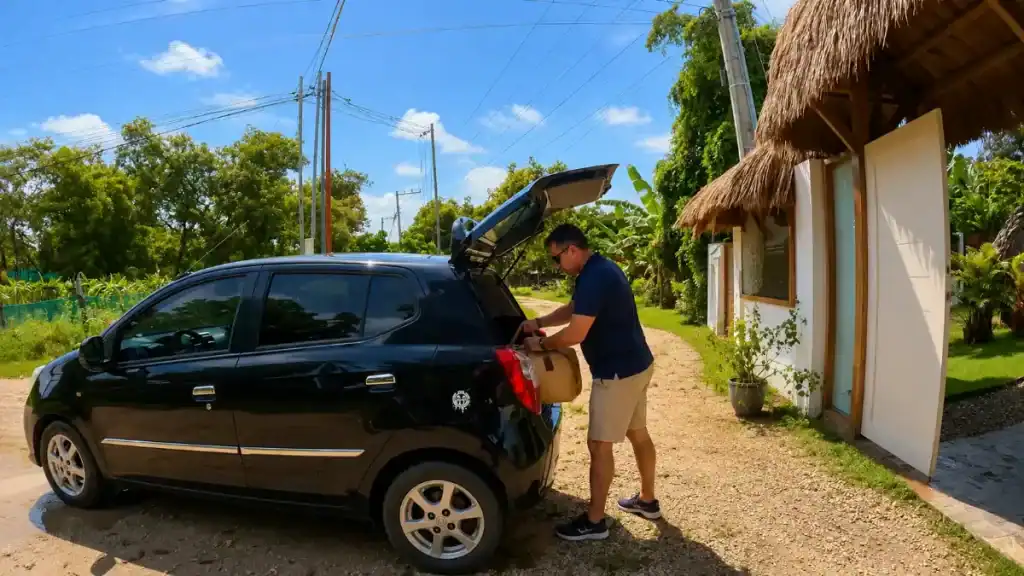
🔑 When hiring a rental car makes sense
A rental car is the right choice for travellers who genuinely plan to use its flexibility.
If you enjoy driving, like discovering places at your own pace and intend to spend several days exploring inland Bohol, hiring a car can transform the experience.
Who benefits most from a rental car?
Independent travellers usually gain the most.
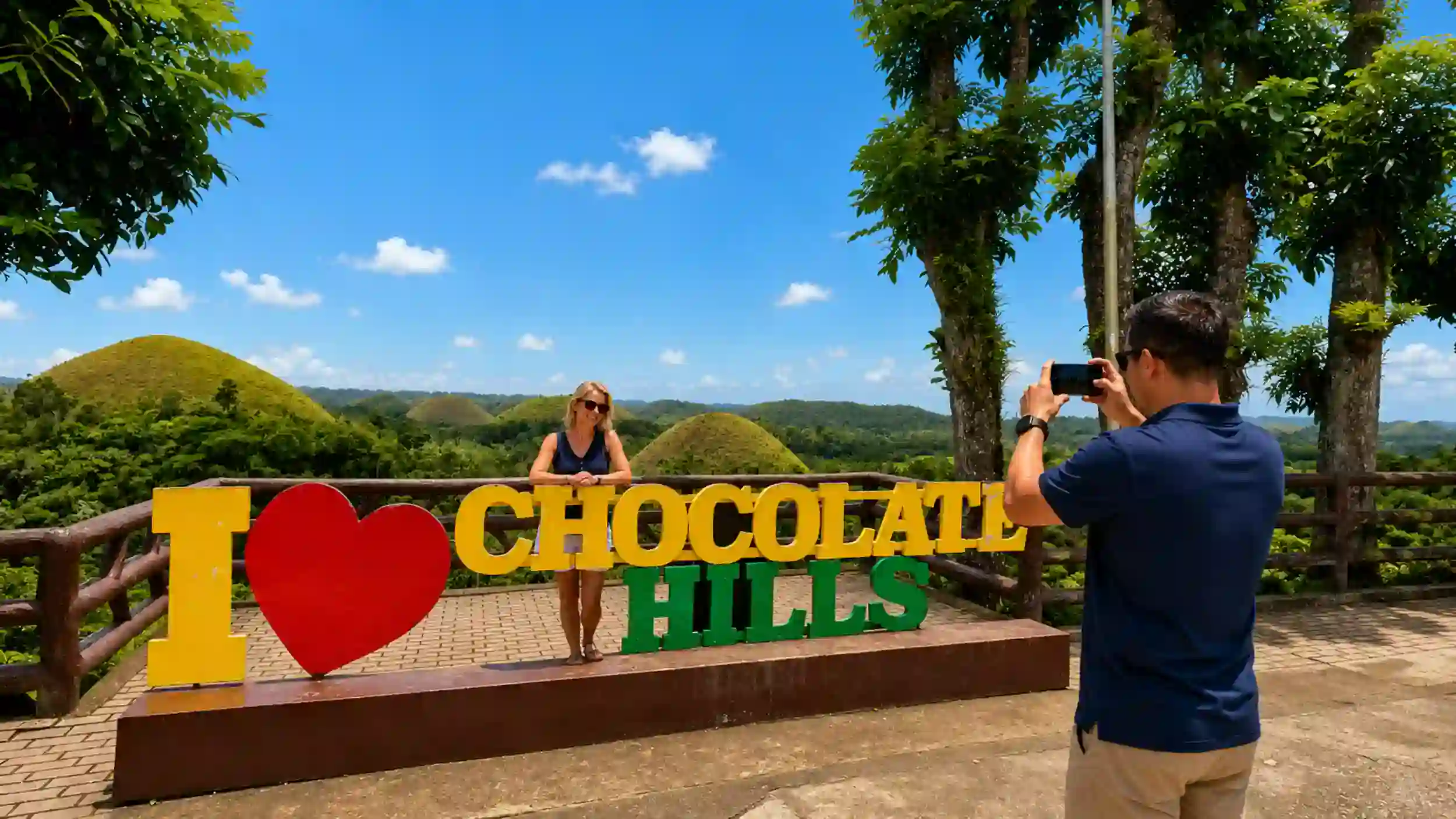
Instead of following a fixed tour schedule, you can leave early, avoid the busiest times at the Chocolate Hills, stop at viewpoints that catch your attention and spend longer wherever you are enjoying yourself.
A rental car is also useful if you are staying in more than one part of the island.
Moving between Panglao, Anda and other areas becomes straightforward, and you are not dependent on arranging transport every time you change accommodation.
Groups and families often find that sharing the cost of a rental car makes it better value than expected, particularly if they plan to sightsee on several days.
The responsibilities that come with driving
Freedom always comes with extra responsibility.
You need to be comfortable driving in unfamiliar surroundings, finding your way around and dealing with local traffic. Roads linking the main attractions are generally straightforward, but driving standards may feel different from what you are used to at home.
There is also the practical side of hiring a vehicle.
Parking, fuel, insurance and collecting or returning the car all take time that organised tours or private drivers simply eliminate.
Some travellers enjoy that independence.
Others quickly realise they would rather spend the journey looking at the scenery than concentrating on the road.
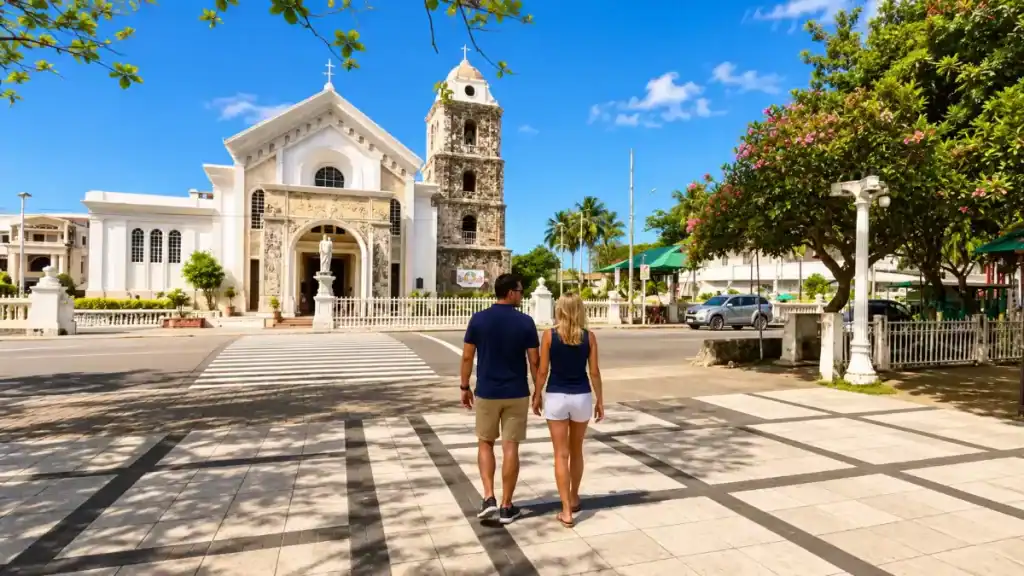
🛣️ Is driving in Bohol easy?
For confident drivers, yes.
Driving in Bohol is generally easier than many people expect, especially compared with larger cities elsewhere in Southeast Asia. Once you leave the busiest parts of Tagbilaran, traffic usually becomes lighter and the roads connecting the island’s main attractions are straightforward to follow.
That does not mean every journey is quick.
Road conditions and traffic
Most visitors spend their time travelling between Panglao, the Chocolate Hills and the Loboc River.
These routes are well used and generally in reasonable condition, although traffic naturally increases around towns and during busy periods.
Motorcycles are common, local driving styles may feel unfamiliar and some rural roads are narrower than visitors expect. None of these should discourage confident drivers, but they are worth knowing before you book a rental car.
Travel times visitors often underestimate
The biggest surprise is rarely the roads themselves.
It is how long journeys take.
Driving across Bohol often takes longer than maps suggest, particularly when combining several attractions into one day. A route that looks straightforward can become a full day’s sightseeing once stops, traffic and slower rural roads are added together.
That is one reason many visitors discover they do not actually need a car.
If your itinerary only includes one full sightseeing day, hiring a private driver or joining an organised tour often provides the same experience with far less responsibility.
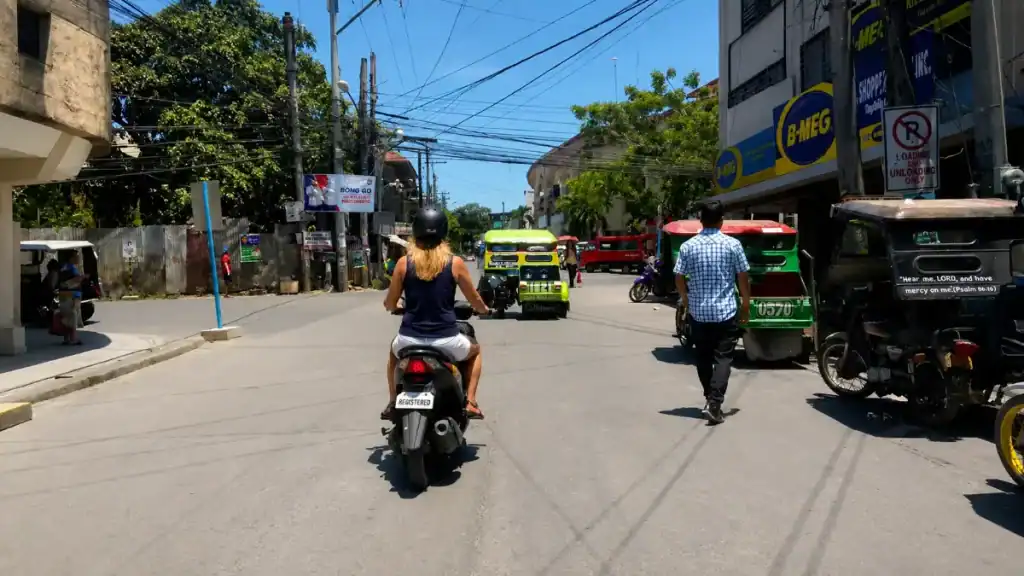
⚖️ Getting Around Bohol: Which Works Best?
| Option | Best For | Main Trade-Off |
|---|---|---|
| 🚗 Rental car | Maximum independence & island-wide exploring | Cost and responsibility of driving |
| 🛵 Scooter | Panglao, beaches & short journeys | Less comfortable for long distances |
| 🚙 Private driver | ⭐ Flexible sightseeing days | More expensive per day |
| 🚌 Organised tour | Easy access to the main highlights | Fixed itinerary and timings |
| 🚐 Public transport | Budget travellers with plenty of time | Slow and less convenient for attractions |
Best compromise: 🚙 A private driver if you only have one or two major sightseeing days.
🧭 Which transport suits your travel style?
There is no single answer that fits every visitor.
The best choice depends on how you plan to spend your holiday rather than how much you enjoy driving.
First-time visitors
Most first-time visitors do not need a rental car.
A combination of organised tours, taxis and private drivers usually covers everything on a typical itinerary while removing the stress of driving unfamiliar roads.
If you enjoy independent travel, hiring a car for one or two days rather than the entire holiday is often a better compromise.
Couples
Couples staying in Panglao frequently find that scooters provide enough freedom for everyday travel.
They are ideal for beaches, restaurants and short coastal drives, while a private driver or organised tour can be used for longer sightseeing days.
This combination often costs less than keeping a rental car parked outside your accommodation all week.
Families
Families usually value comfort over independence.
A rental car can work well if you expect to explore on several days, but many parents prefer a private driver so everyone can relax between attractions instead of concentrating on directions and traffic.
The convenience becomes particularly noticeable on longer sightseeing days.
Longer holidays
The longer your stay, the more flexibility you have.
Instead of hiring a car from arrival to departure, consider using different transport options for different parts of the trip. A rental car for two or three days, followed by taxis or walking around Panglao, is often more practical than paying for a vehicle that sits unused while you relax on the beach.
Beach-focused holidays
If your plans revolve around Panglao, island hopping and relaxing by the sea, you may not need a rental car at all.
Many visitors discover they only need transport to and from the airport, one sightseeing trip and perhaps a handful of short taxi journeys.
In that situation, hiring a car adds cost without adding much value.
The best transport choice is the one that supports your itinerary rather than complicates it.
📊 Transport comparison
| Option | Best for | Verdict |
|---|---|---|
| 🚗 Rental car | Independent travellers | Best if you’ll explore inland on several days. |
| 🛵 Scooter | Couples & solo travellers | Ideal for getting around Panglao. |
| 👨✈️ Private driver | First-time visitors | Excellent balance of flexibility and convenience. |
| 🚌 Organised tour | Short stays | The easiest way to see the highlights. |
| 🚍 Public transport | Budget travellers | Cheap, but slow for sightseeing. |
No single option is best for every visitor. A rental car offers the most freedom, but many travellers only need that freedom for one or two days. In those cases, combining tours, taxis or a private driver often provides a better overall experience.
📍 The easiest way to reach Bohol’s main attractions
| Attraction | 🚗 Self-drive | Best option |
| Chocolate Hills | ⭐⭐⭐⭐⭐ | Car, driver or organised tour |
| Loboc River | ⭐⭐⭐⭐⭐ | Car, driver or organised tour |
| Panglao beaches | ⭐⭐⭐⭐⭐ | Walk, scooter or taxi |
| Anda | ⭐⭐⭐⭐⭐ | Car or private transfer |
| Balicasag Island | ⭐⭐⭐⭐⭐ | Boat tour from Panglao |
| Bohol-Panglao Airport | ⭐⭐⭐⭐⭐ | Taxi or hotel transfer |
Most visitors only make one or two full sightseeing trips during their holiday. Hiring a rental car for an entire week simply to reach those attractions is often unnecessary. If the rest of your time will be spent around Panglao or relaxing on the beach, mixing transport options is usually the smarter choice.
👥 Which option suits different travellers?
| Traveller | Recommended option | Why |
| 👋 First-time visitor | 👨✈️ Private driver or 🚌 Tour | Simple, stress-free sightseeing. |
| 🚗 Independent explorer | 🚗 Rental car | Complete freedom to explore. |
| ❤️ Couple staying in Panglao | 🛵 Scooter + 🚌 Tour | Flexible and affordable. |
| 👨👩👧👦 Family | 👨✈️ Private driver | Comfortable on longer days out. |
| 💷 Budget traveller | 🚍 Public transport + taxis | Lowest overall cost. |
| 🌴 Beach holiday | 🚕 Taxis or 🛵 Scooter | No need to rent a car all week. |
| 🧳 Multi-centre trip | 🚗 Rental car | Makes changing bases much easier. |
The best transport choice is not the one with the most freedom. It is the one that matches the holiday you’ve planned.
If you’re exploring a different part of Bohol every day, a rental car is a worthwhile investment. If your itinerary is built around beaches, island hopping and a single sightseeing day, combining different transport options will usually save money while making the holiday simpler and more enjoyable.