
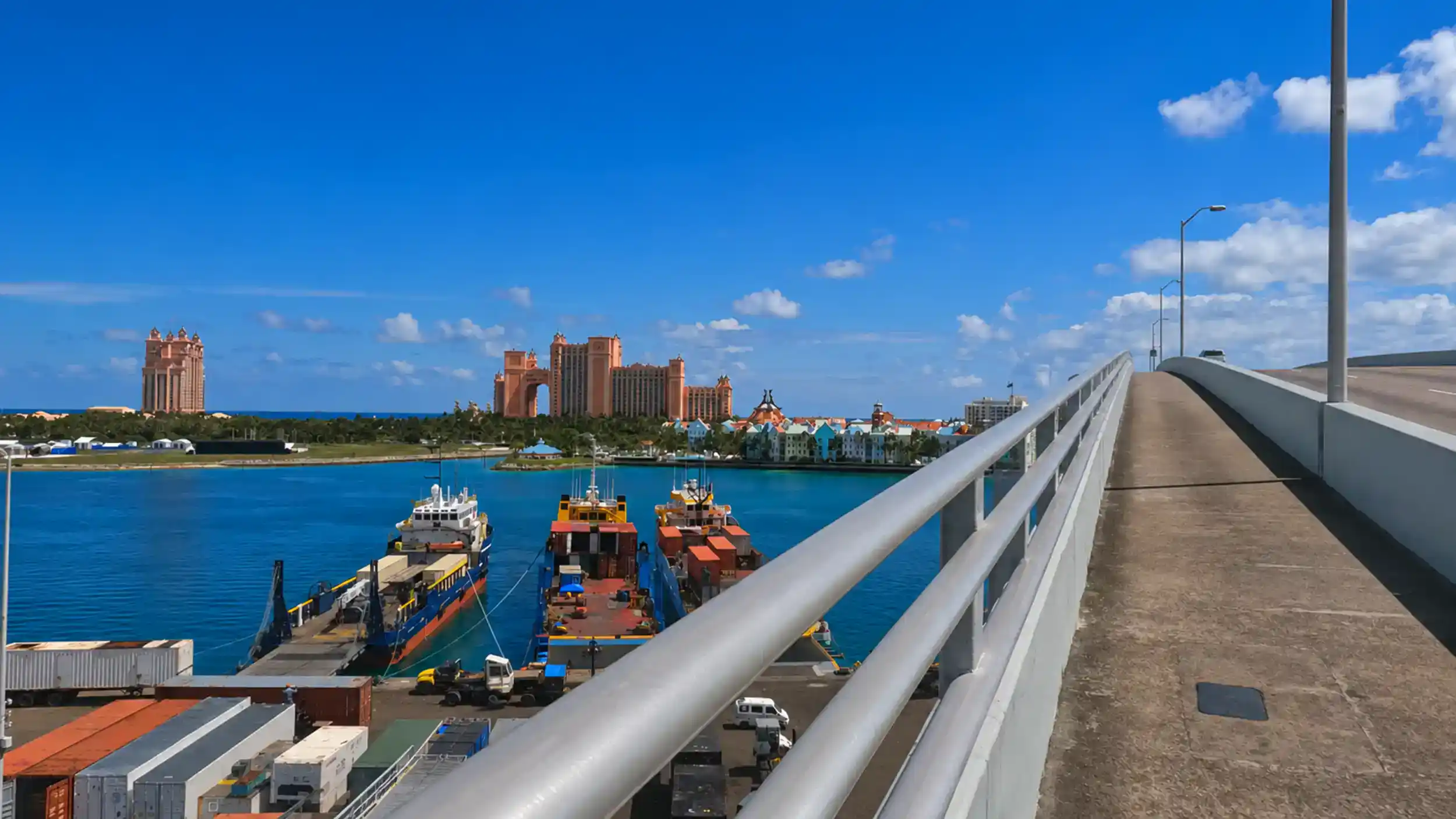
Do you need a car in Nassau? On most trips, we don’t hire one. When we stay around Paradise Island, Cable Beach or Downtown Nassau, we walk where it makes sense, use taxis for the awkward journeys and let organised excursions handle their own transport. A hire car rarely earns its keep.
Where we stay is what changes the answer. Once we’re in a villa or holiday rental away from the main tourist areas, the distances start working against us. Shopping, restaurants and different beaches can all become separate journeys, and that is when having our own car begins to make much more sense.
We start with the holiday we’re actually having, not the assumption that an island trip needs a car. If we keep returning to the same beach, restaurants and resort area, the keys add very little.

📌 Do You Need a Car in Nassau?
Most visitors do not need a car in Nassau if they stay around Paradise Island, Cable Beach or Downtown. For us, the decision changes only when the holiday involves a villa away from the main tourist areas or regular independent exploring across New Providence.
| 🌴 Holiday Situation | 🚗 Do I Need a Car? | ⭐ My Recommendation |
|---|---|---|
| 🏨 Staying on Paradise Island | ❌ No | ⭐⭐⭐⭐⭐ |
| 🏖️ Staying at Cable Beach | ❌ Usually not | ⭐⭐⭐⭐⭐ |
| 🏛️ Staying Downtown | ❌ No | ⭐⭐⭐⭐☆ |
| 👨👩👧👦 Resort holiday | ❌ No | ⭐⭐⭐⭐⭐ |
| 🚤 Mostly organised excursions | ❌ No | ⭐⭐⭐⭐⭐ |
| 🏡 Holiday rental | ✅ Usually | ⭐⭐⭐⭐☆ |
| 🌴 Exploring the island every day | ✅ Yes | ⭐⭐⭐⭐⭐ |
That distinction has proved more useful to us than any blanket rule about driving in Nassau. From the main tourist areas, most days naturally revolve around walking, the odd taxi or an organised excursion rather than a car parked outside the hotel.
Once we start ranging farther across New Providence, the calculation changes. We use the freedom rather than merely paying for it.
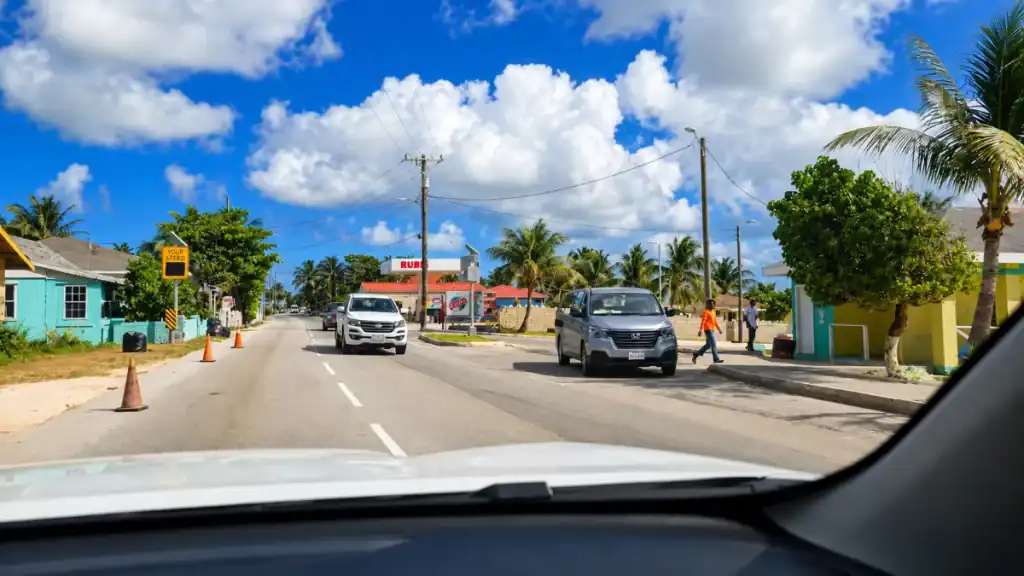
🚶 How Do You Get Around Nassau Without a Car?
Walking, taxis, local buses and organised excursion transport are enough for most Nassau stays without a car. We walk where distances are genuinely short, use taxis for awkward journeys and let excursion operators handle transport on days when a hire car would simply sit parked.
| 🚕 Transport | 🎯 Best For | ⭐ Convenience | 💰 Cost |
|---|---|---|---|
| 🚶 Walking | Beaches, restaurants, resorts | ⭐⭐⭐⭐⭐ | 💰 |
| 🚕 Taxi | Most visitors | ⭐⭐⭐⭐☆ | 💰💰💰 |
| 🚌 Local buses | Budget travellers | ⭐⭐⭐☆☆ | 💰 |
| 🚗 Hire car | Independent exploration | ⭐⭐⭐⭐⭐ | 💰💰💰💰 |
We mix those options rather than forcing one transport method to do everything. Short local journeys are easy to walk; taxis solve the occasional direct trip farther away, while local buses become more useful when keeping costs down matters more than door-to-door convenience.
🧭 HOW WE WOULD GET AROUND WITHOUT A CAR
🚶 Walking: our first choice when beaches, restaurants and sights are genuinely nearby.
🚕 Taxis: what we use for occasional longer or more convenient journeys.
🚌 Local buses: the option we consider when budget matters more than flexibility.
🚤 Organised excursions: days when we would let the operator solve the transport completely.
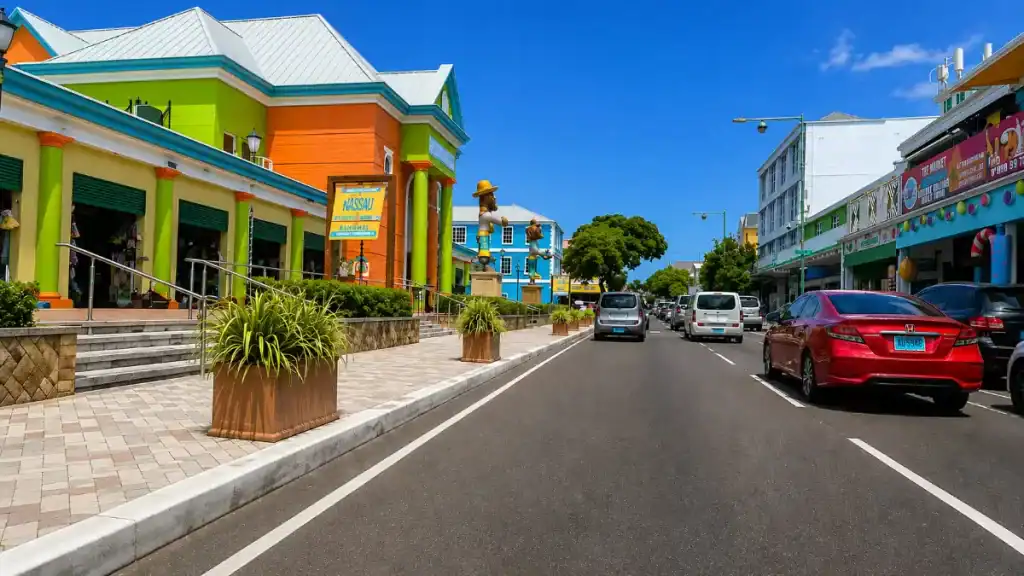
📍 Do You Need a Car on Paradise Island, Cable Beach or Downtown Nassau?
No. We would normally stay car-free on Paradise Island, Cable Beach and in Downtown Nassau because the places we use most are concentrated enough for walking, taxis or resort transport to cover the gaps. On Paradise Island in particular, a car is difficult to use often enough to justify paying for it every day.
Cable Beach gives us much the same answer. If the beach, hotel and restaurants are already close to where we’re staying, we would rather take the occasional taxi than hire a car for the whole trip just in case we need it.
Downtown changes the surroundings but not our decision. Around Bay Street, the waterfront and nearby sights, we walk. Returning repeatedly to a parked car would make a compact sightseeing day more awkward, not easier.
| 📍 Area | 🚗 Need a Car? | 💡 Why |
|---|---|---|
| 🏨 Paradise Island | ❌ No | Everything is close together |
| 🏖️ Cable Beach | ❌ Usually not | Excellent restaurants and beaches nearby |
| 🏛️ Downtown Nassau | ❌ No | Easy to explore on foot |
| 🌴 Western New Providence | ⚠️ Sometimes | Depends on your accommodation |
| 🏡 Residential holiday rentals | ✅ Usually | Greater distances between attractions |
The farther we stay from those visitor hubs, the more seriously we consider driving. The car becomes useful when distance starts affecting ordinary parts of the holiday rather than one isolated day out.

🏡 Do You Need a Car for a Villa or Holiday Rental in Nassau?
Yes, a car becomes much more useful when a villa or holiday rental puts distance between you and the places you use every day. We start wanting our own transport once shopping, different beaches and evening restaurants all become separate journeys.
The word “Nassau” in an accommodation listing is not enough for us to decide. We look at the exact location first. A rental close to the places we want can still work without a car; one farther into a residential area can make our own transport far more valuable.
🏡 WHAT WOULD PUSH US TOWARDS A CAR?
🛒 Regular shopping: we value our own transport more when groceries require a separate journey.
🏖️ Different beaches: the car becomes more useful when we want to move around rather than stay near one base.
🍽️ Eating out: repeated evening journeys can make taxis less attractive.
🗺️ Independent exploring: this is where we get the greatest benefit from having the keys.
💵 Is It Cheaper to Hire a Car or Use Taxis in Nassau?
Taxis are usually better value when only a handful of separate journeys are needed; a hire car starts making more financial sense when it will be used repeatedly across the stay. We compare the whole holiday rather than letting one expensive-looking taxi fare make the decision for us.
| 🌴 Holiday Style | 💵 Better Value |
|---|---|
| 🏨 Mostly relaxing at your hotel | 🚕 Taxis |
| 🏖️ Beach holiday | 🚕 Taxis |
| 🚤 One or two excursions | 🚕 Taxis |
| 🌴 Exploring somewhere new every day | 🚗 Hire car |
| 📸 Visiting remote beaches | 🚗 Hire car |
| 🏡 Staying outside resort areas | 🚗 Hire car |
If we’re only making a handful of separate journeys, taxis make more sense to us. If we’re leaving the accommodation every day, seeking quieter beaches and exploring different parts of New Providence, the car starts justifying more of its cost.
That is the comparison we care about: occasional paid journeys versus continuous access to a vehicle. We choose according to how often we’re actually going to use that access.

🚢 Do You Need a Car on a Nassau Cruise Stop?
No. We would not hire a car for a Nassau cruise stop. Downtown is immediately relevant, taxis can take us to a specific beach or attraction, and organised excursions already solve the journey without adding car collection and return to a day with a fixed deadline.
We wouldn’t add car collection, driving and returning the vehicle to a day that already has a fixed deadline. With only a limited number of hours ashore, we’d rather spend them seeing Nassau than managing a rental.
🚢 HOW WE WOULD HANDLE A CRUISE DAY
🏛️ Staying Downtown: we walk.
🏖️ Heading to one beach: we take a taxi.
🚤 Booking an excursion: we use the transport already built into the day.
⏰ Watching the clock: we avoid adding a rental-car return to the ship deadline.

🚗 When Is Hiring a Car in Nassau Worth It?
Hiring a car becomes worth it when independent exploration is a major part of the holiday. If we want quieter beaches, different parts of New Providence and the freedom to stop when something interests us, having control of the day is more useful than arranging individual journeys each time.
That freedom is what makes the extra cost worthwhile to us. We leave when we want, change the plan when something looks more interesting and stay longer without first arranging the next ride.
So we see independent exploration as the strongest argument for a hire car in Nassau. Staying around one resort area is the strongest argument against it.
⚖️ Should You Hire a Car in Nassau?
For most Nassau holidays, we would not hire a car. Paradise Island, Cable Beach, Downtown Nassau, resort stays and cruise stops are generally easier with walking, taxis and organised transport, and we see little value in paying for a vehicle that may spend long stretches unused.
Put us in a villa away from the main tourist areas or give us a trip built around exploring New Providence and we hire one. In that situation, the car is doing something tangible for us every day rather than merely offering freedom we may never use.
We would choose where you’re staying first, look honestly at how much travelling that location creates, and decide afterwards. If our holiday is mainly beaches, resorts and a few excursions, we usually save money and leave the driving to somebody else.