
What is Rome famous for? The Eternal City is known for ancient monuments, iconic cuisine, Vatican landmarks, and vibrant neighborhoods. This guide highlights its famous fountains, historic forums, lively markets, and essential travel tips. Discover what truly defines Rome and why its timeless charm continues to captivate visitors.
👀 At a Glance:
🗓️ Best time: Visit Rome during April, May, September, or October for nice weather. Crowds are smaller and temperatures stay good for walking all day long.
💰 Budget range: Expect to spend forty to fifty euros daily on food alone here. Museum tickets cost twelve to fifteen euros each at most places around town.
✈️ Getting there: Fiumicino Airport connects to the city centre via express train in minutes. The Leonardo Express costs fourteen euros and runs every fifteen minutes all day.
⏰ Duration recommendation: Plan at least four full days to see major sites without rushing much. A week lets you explore neighbourhoods and eat like actual Romans do.
💡 Insider tip: Buy the Roma Pass for fast entry to sites and unlimited transport rides. It costs thirty eight euros and saves both money and waiting time.
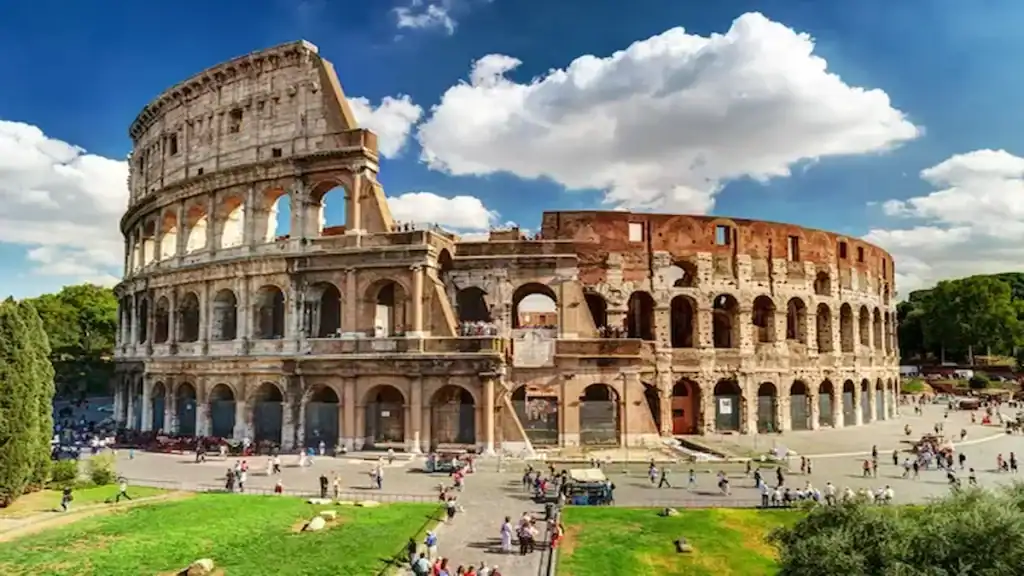
🏛️ What Is Rome Famous For: The Colosseum and Pantheon
The Colosseum stands as one of the most famous places in the city. This old Roman stadium held gladiator battles that entertained fifty thousand people at once. The building is one of the seven wonders of the world today. Visit Rome to see this amazing old structure that shows Roman history.
Gladiator battles happened on the arena floor for Roman fun many centuries ago. The underground area shows where gladiators got ready before entering the stadium above. Book these special tickets weeks ahead because this top spot sells out fast. Regular tickets cost sixteen euros but underground tours need separate booking and payment.
Exploring the Colosseum in Rome
The Pantheon shows old Roman building skills that architects still study even today. Its huge dome stays the world’s largest concrete dome after two thousand years. Emperor Hadrian built this place with its famous hole at the very top. Entry is totally free, making it one of the best deals you’ll find.
The marble floor stays cool even during August heat waves hitting ninety degrees. The Pantheon works as a burial place for Italian kings from unified Italy. Visit early morning around seven thirty to skip crowds at this top spot. Light coming through the hole creates cool effects you’ll want to photograph always.
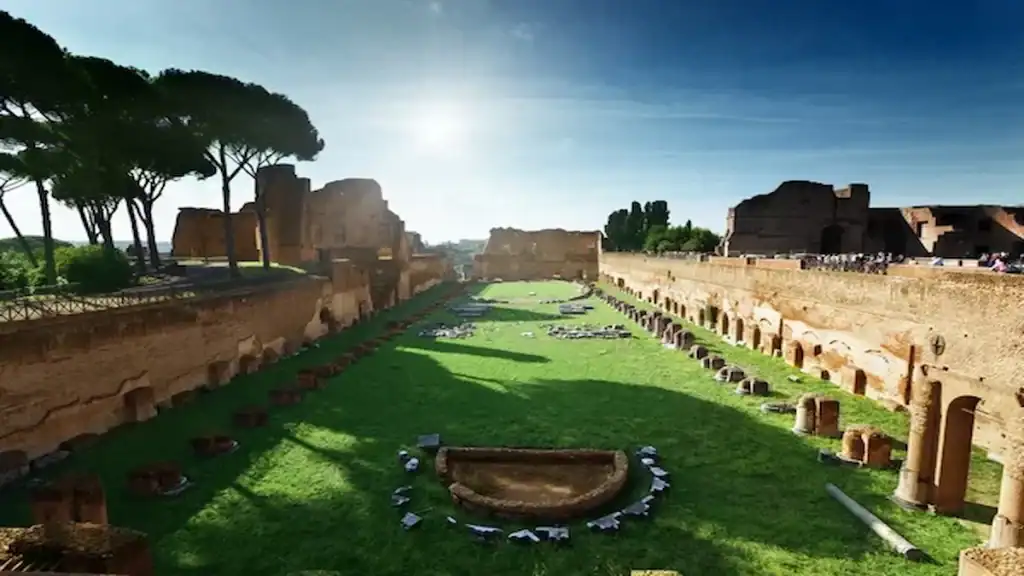
🏛️ Roman Forum and Palatine Hill Where Rome Began
Ancient Rome comes alive when walking through the Roman Forum’s falling down buildings. This is where Rome is known for starting Western government ideas long ago. Old ruins fill this huge area where Roman leaders once ruled big territories. The Roman Forum and Palatine Hill make one of the best places.
Julius Caesar gave speeches right where you’ll stand during your visit to Rome. Old temples for Roman gods line the ancient Roman streets all around here. The Temple of Saturn and Arch of Titus still stand after thousands of years. Guided tours explain old history that shaped the whole monument area over time.
Things to Do in Rome: Walk Ancient Streets
Palatine Hill rises high above giving great views across Rome’s famous seven hills. Legend says Romulus and Remus started Rome on this exact hill spot. Old Roman leaders built fancy palaces looking over the entire Rome city below. The House of Augustus and Domus Flavia ruins show old paintings to explore.
Combined tickets for both sites cost just sixteen euros for full entry today. These old ruins connect directly so you can walk between them super easily. Plan at least three hours looking around both areas without rushing too much. Visit the Rome tourism official site for current hours and special shows happening.
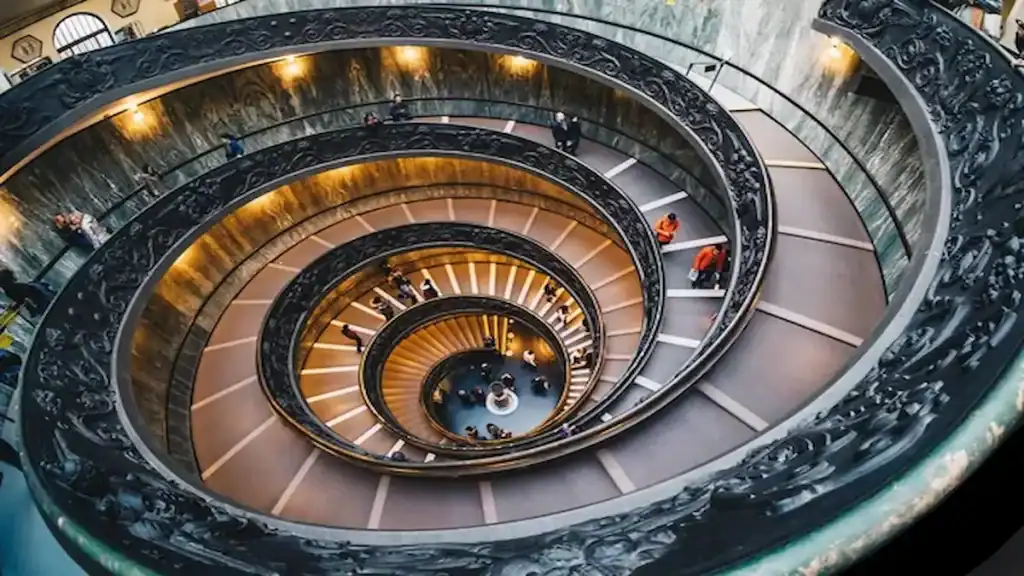
⛪ Vatican City Museums and Sistine Chapel Treasures
Vatican City works as its own country within Rome’s borders and surrounding area completely. St Peter’s Basilica stands out with its huge dome you see across Rome. The Sistine Chapel holds old paintings that Michelangelo did over four long years. What is Rome famous for includes this huge collection of art pieces.
St Peter’s Basilica costs nothing to enter, which seems almost too good to believe. Michelangelo’s Pietà statue sits inside protected by bulletproof glass after an attack. The marble looks super soft even though it’s solid stone from old quarries. Climb the dome for ten euros to see amazing views over Rome.
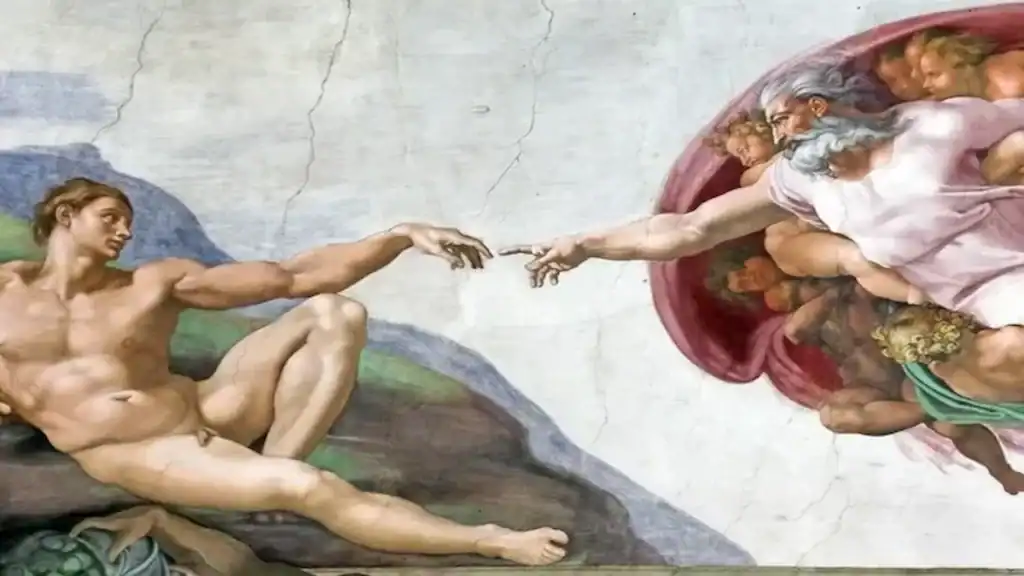
What Is Rome Famous For: The Sistine Chapel
The Vatican Museums need tickets bought online to skip terrible waiting lines outside today. Book through the Vatican Museums official website for timed entry times available all day long. The museums hold five hundred forty rooms spanning twenty six thousand total steps walking. The Sistine Chapel shows old paintings including Michelangelo’s famous ceiling and big wall.
Raphael Rooms show amazing Renaissance paintings that mean a lot across many long centuries. The Gallery of Maps shows detailed paintings of Italian areas done very carefully. No photos allowed inside the chapel though many tourists break this rule anyway. Plan your whole visit around Vatican opening times for the best time possible.
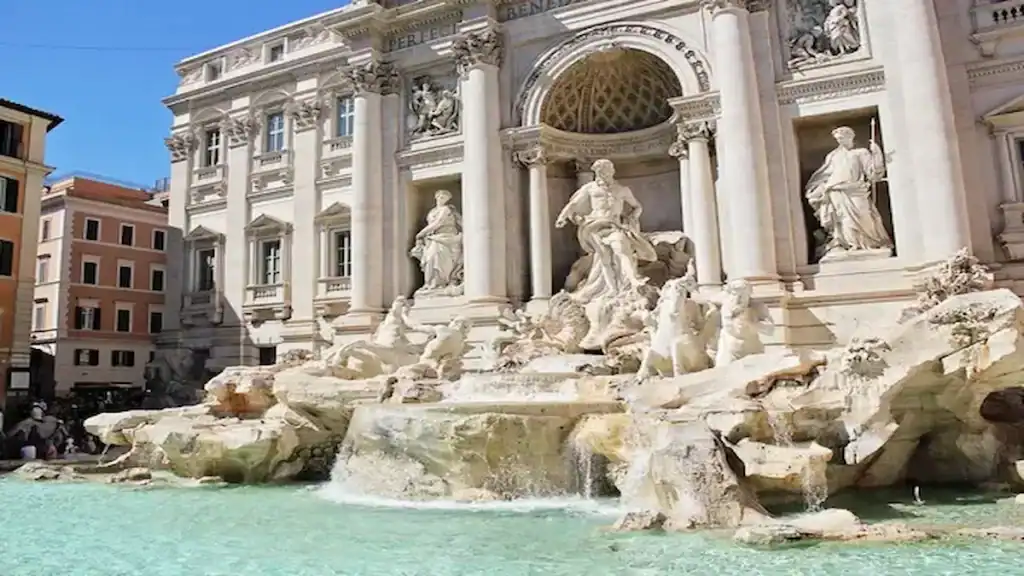
⛲ Trevi Fountain and Piazza Navona Famous Squares
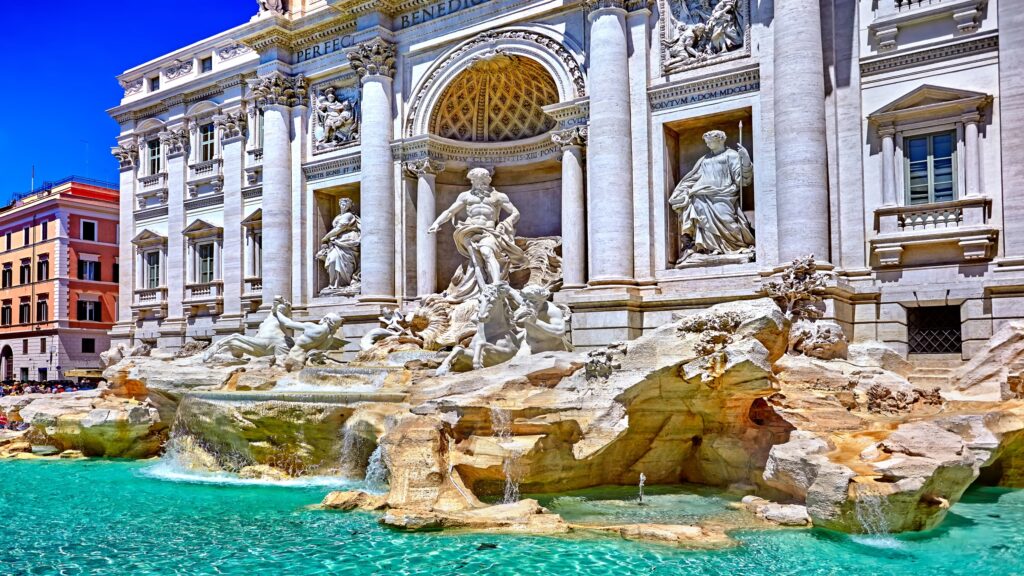
The Trevi Fountain is one of the most famous fountains in the world. Throw a coin into the fountain following the old Roman luck tradition here. One coin means return to Rome, two coins mean finding real true love. The fountain collects over three thousand euros in coins every single blessed day.
Fancy buildings surround this fountain made to look like a big theatre stage beautifully. The fountain shows Neptune’s chariot pulled by sea horses through falling splashing water. You can hear water echoing off the narrow alley walls from two streets away. Daytime crowds make getting close to the fountain edge almost totally impossible now.
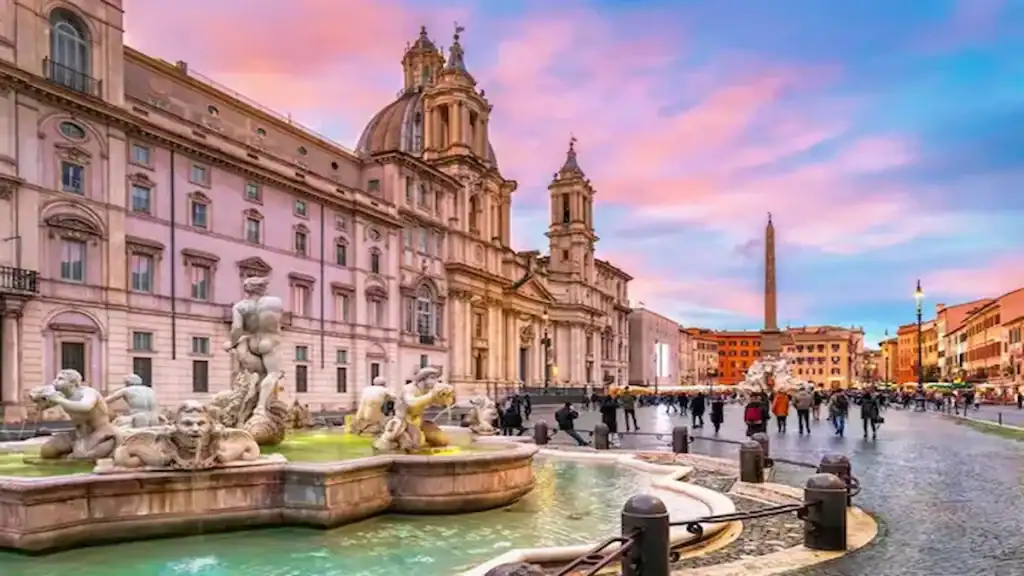
Visiting Piazza Navona and Spanish Steps
Piazza Navona sits right on top of an old Roman stadium used for races. The oval shape matches the old stadium shape under modern Roman street pavement. Bernini’s Fountain of the Four Rivers is one of Rome’s best places ever. The Fountain of Neptune and Fountain of the Moor finish the three fountains.
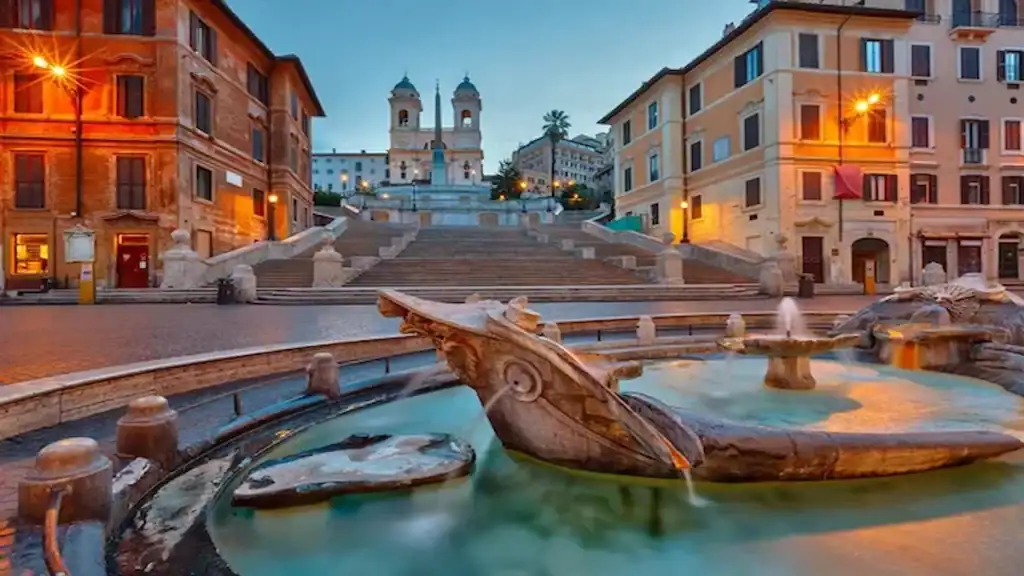
The Spanish Steps and Piazza di Spagna give different feelings with Trinità dei Monti church. Skip restaurants charging twenty five euros for bad pasta around the main squares. Grab gelato from nearby shops and people watch from fountain edges instead always. Street performers fill each square every evening with live shows for big crowds.
🏘️ Trastevere Neighborhood and Rome City Districts
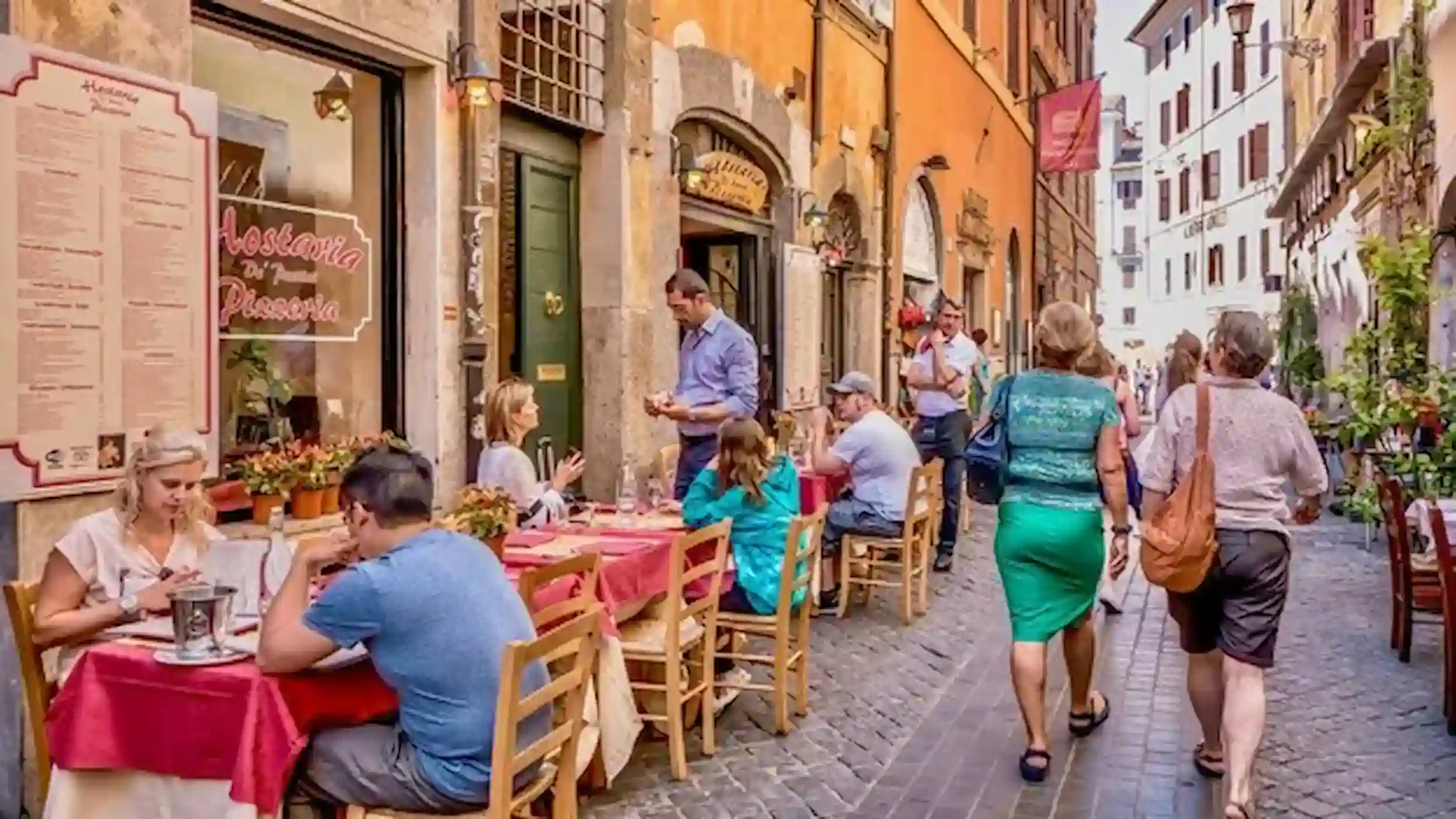
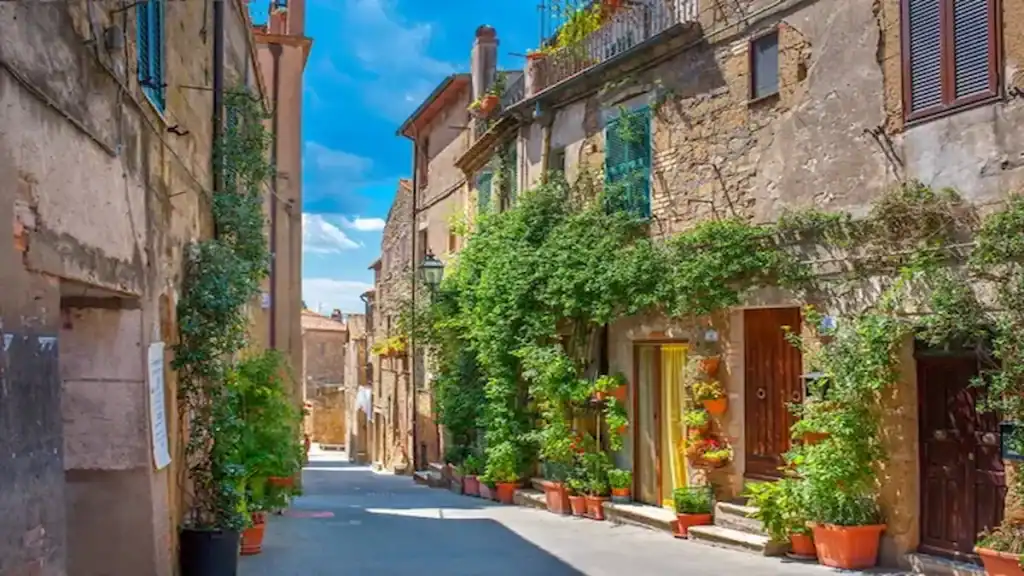
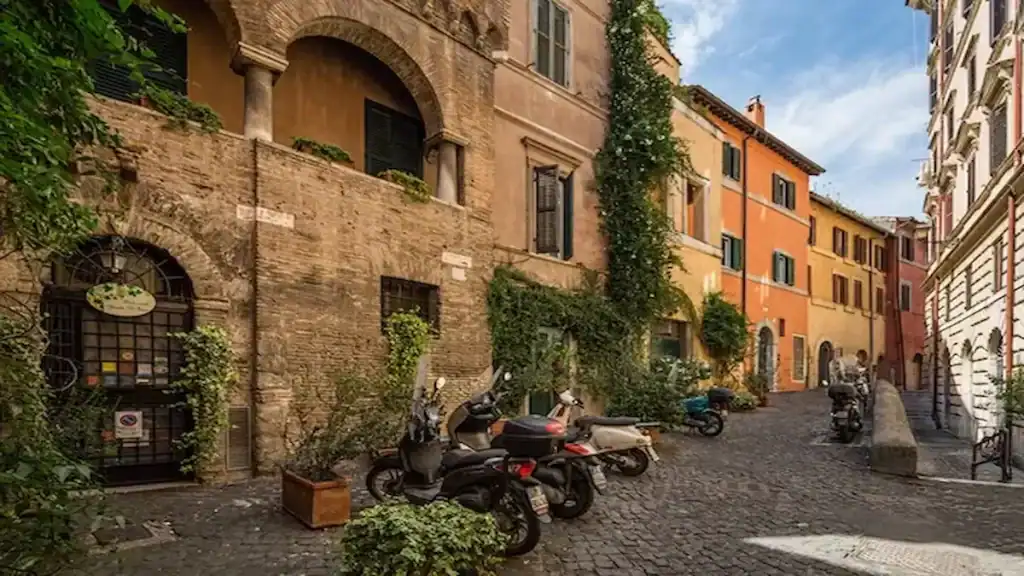
Trastevere sits across the Tiber River from Rome’s old centre and main tourist spots. Narrow stone streets wind between old buildings where real Romans live their lives. Walking here feels like stepping back fifty years to quieter simpler times. What is Rome famous for includes real areas where Rome is home.
Walk beyond the main tourist streets to find real neighbourhood life happening every day. Family restaurants serve real food without English menus or tourist prices at all. Da Enzo makes amazing cacio e pepe for twelve euros using old traditional methods. The restaurant stays busy with locals even on random Tuesday nights without tourists.
What Is Rome Famous For: Trastevere Cobblestone Streets
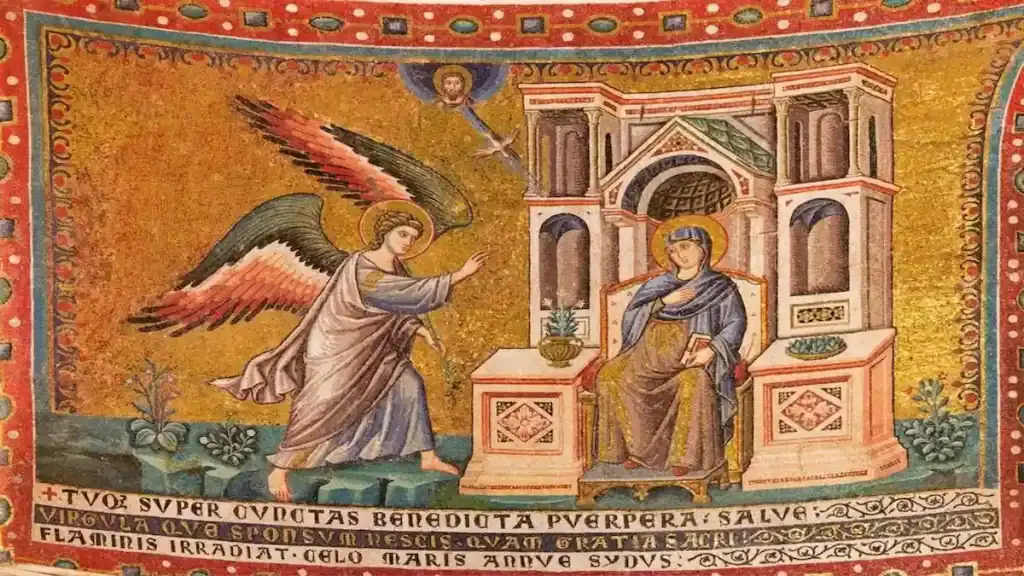
Santa Maria in Trastevere has stunning tile pictures from the twelve hundreds inside carefully. The church square becomes a meeting spot where Romans hang out for drinks. Locals sit on fountain steps drinking wine and talking for hours without rushing. The feeling seems real rather than fake for tourist cameras and photo chances.
Testaccio neighbourhood works as Rome’s old food area since ancient Roman times long ago. The area near the Tiber River built its name on good quality prices. Mordi e Vai makes Rome’s best sandwich using slow cooked beef done perfectly. Explore more real neighbourhoods through the Italian tourism board for travel guides.
🍝 Roman Cuisine: Traditional Pasta Dishes
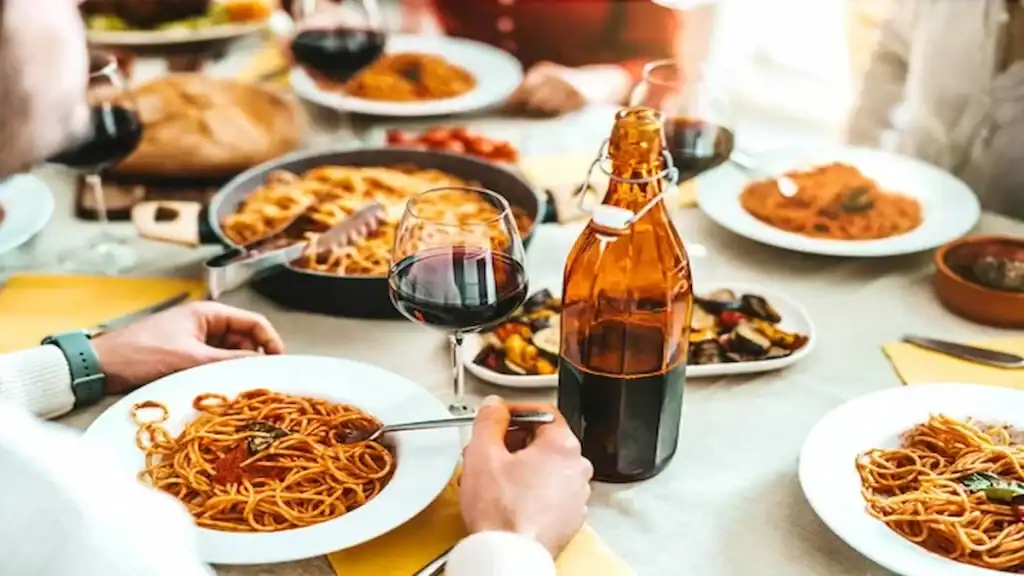
Roman cuisine follows strict old rules that locals protect with genuine fierce strong passion. Is Rome famous for carbonara? Yes absolutely, using eggs, pecorino Romano, and guanciale only. Adding cream will make every Roman in the room mad without any question. What foods is Rome famous for includes pasta dishes made perfect over centuries.
Carbonara started in Rome and is one of the city’s four main classic dishes. Cacio e pepe uses just pecorino Romano cheese and black pepper mixed together. This cheese and pepper dish needs real skill with pasta water mixing tricks. Many restaurants mess up this simple looking main dish sold here every day.
Things Rome Is Famous For: Traditional Pasta
Amatriciana sauce mixes tomatoes, guanciale, and pecorino for another classic Roman pasta dish. Gricia is basically carbonara without eggs, using just guanciale and pecorino cheese together. Romans eat dinner after nine, not seven like tourists do at fake spots. The best ones cost twelve to fifteen euros at real local restaurants.
Is Rome famous for pizza? Pizza al taglio means pizza by the slice here. Is Rome famous for gelato desserts? Real gelato uses natural stuff shown properly. For more culinary experiences, check the official Rome tourism website for food tours.
🛍️ Best Places: Campo de Fiori Food Market
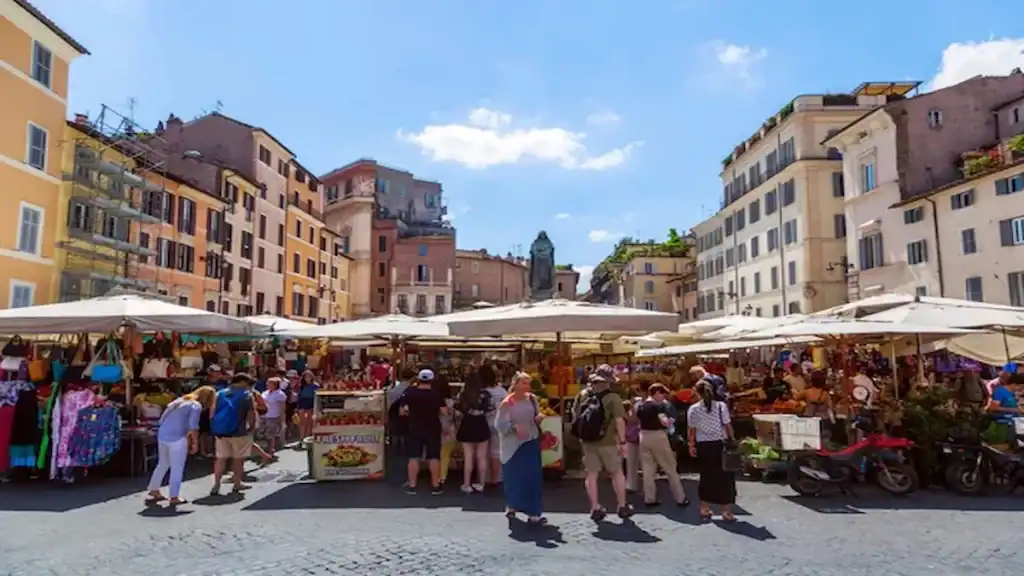
Campo de Fiori has Rome’s most famous outdoor food market every single blessed morning. Food markets sell fresh produce, spices, flowers, and local Italian food special items. The market runs Monday through Saturday until one thirty in afternoon every day. Romans shop here for stuff they’ll cook for dinner that same evening.
The spice guy speaks five languages and makes custom blends for tourists visiting from abroad. His carbonara mix has proper pecorino Romano and black pepper amounts exactly right. He’ll explain old cooking tricks using his spices during your whole visit here. A small bag costs five euros and makes great real gifts back home.
Visit Rome’s Campo de Fiori Market
Mercato Testaccio near the old slaughterhouse brings together Rome’s best food sellers all together. Unlike tourist food courts, real Romans shop and eat lunch here during breaks. The porchetta stand serves slow roasted pork with crispy crackling on fresh bread. Mordi e Vai’s eight euro sandwich easily feeds two people who share it together.
Nuovo Mercato Esquilino shows modern Rome’s mixed population and different food choices available now. December brings Christmas food like panettone but summer means fresh peaches and tomatoes. The Ethiopian injera bread stand near entrance serves real traditional African food items. These food markets show how Rome is definitely getting more mixed and different.
💡 Rome City Dining Tips and Getting Around
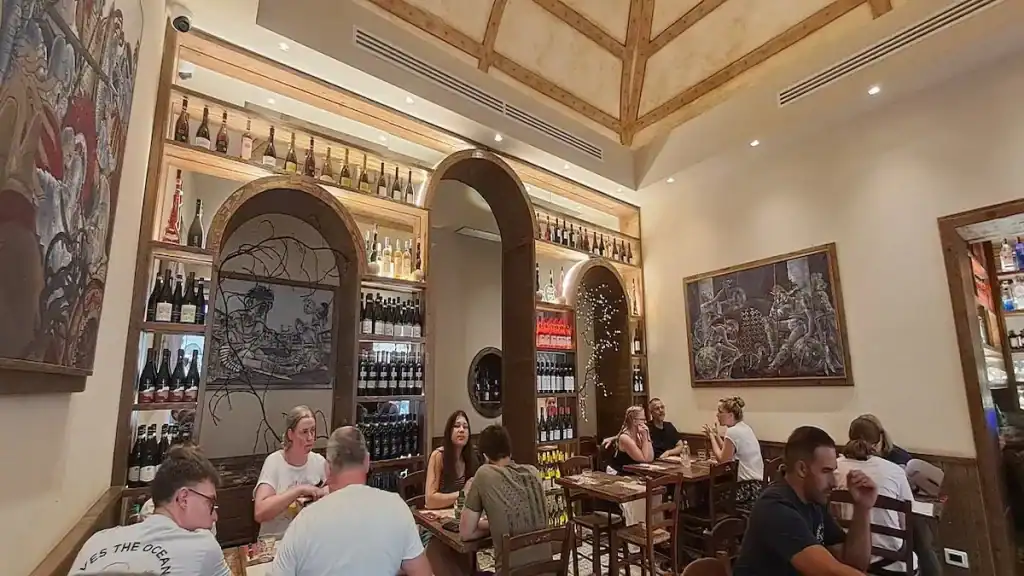
Any restaurant with photo menus and staff speaking many languages probably charges tourists way too much. Romans eat dinner after eight, so places serving earlier want visitors and tourists. Look for handwritten Italian only menus and tables full of local Roman people. Da Enzo in Trastevere and Flavio al Velavevodetto serve real authentic food.
This city proves that old stones and new life can exist together perfectly. ATMs show up everywhere but bank fees add up quick with many withdrawals. Budget forty to fifty euros daily for food plus museum entry fees across Rome. For full planning, check Italia official tourism portal for updated travel information.
Things to Do in Rome: Buy a Roma Pass
Rome city metro has only two lines, not like Paris or London’s huge networks. You’ll walk way more than expected around this old hilly capital each day. Comfortable walking shoes become survival stuff, not just fashion choices for your visits. The Roma Pass costs thirty eight euros and includes transport plus top sites.
Museums get busiest between ten and two when tour groups show up in waves. Churches close for lunch from twelve thirty until three thirty most afternoons here. The Colosseum, Vatican, and Borghese Gallery need tickets bought ahead for entry always. Planning around these times saves wasting time waiting for places to open again.