
Egypt temperature zones vary widely, from the scorching deserts to milder coastal regions along the Mediterranean and Red Sea. Understanding these differences helps travelers plan the best time and place to visit. Exploring Egypt temperature zones ensures a comfortable and enjoyable experience, whether you’re seeking desert adventures, Nile cruises, or relaxing by the sea.
👀 At a Glance:
🗓️ Best time: October to April for milder conditions
💰 Budget: Varies by region and activities chosen
✈️ Getting there: Multiple transportation options available
🏖️ Can’t miss: Aswan’s intense desert heat experience
💡 Insider tip: Early morning hours offer cooler exploring
🌡️ Understanding Egypt’s Temperature Climate Zones
Different climate zones create totally different travel experiences throughout parts of Egypt. Northern coast areas get nice Mediterranean influences that keep things cooler. Southern Egypt regions deal with hot desert climate conditions all year long.
Climate zones of Egypt include Mediterranean coastal areas and hot and dry desert regions. The huge deserts of Egypt experience intense heat throughout most of the year. Northern coastal areas along the northern coast stay way more comfortable with milder Egypt temperature readings.
🔥 Southern Egypt’s Temperature: Desert Climate Zone Regions
Egypt Temperature Extremes in Desert Regions
The huge deserts of Egypt deal with year-round intense heat according to climate data. Summer from June brings temperature rises beyond 110°F in these remote desert regions. These areas represent Egypt’s most extreme temperature zones.
Upper Egypt Climate Conditions
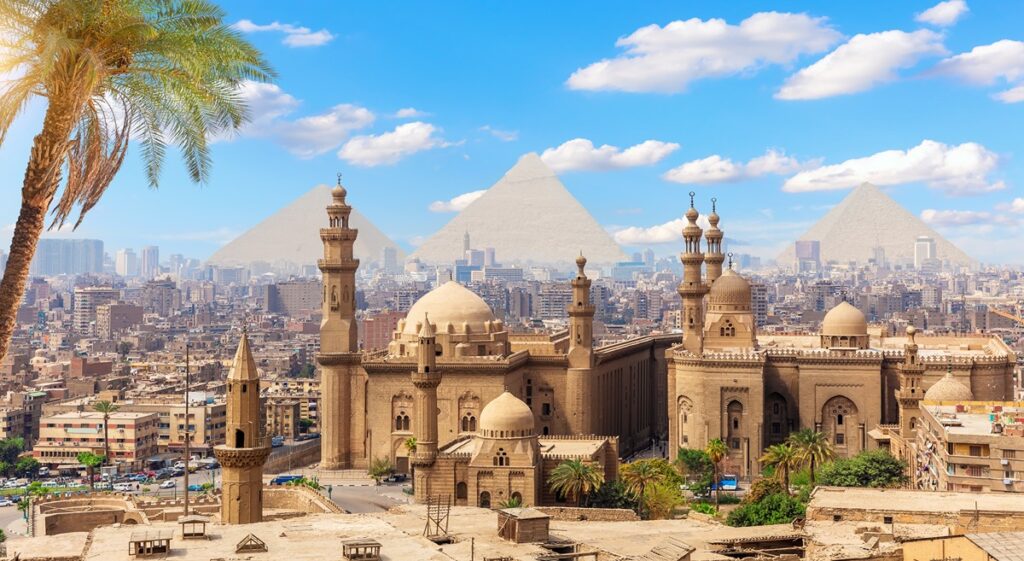
Ancient cities of Luxor and Aswan in Upper Egypt show Egypt’s incredible temperature range. These desert climate zone destinations regularly hit high temperatures between March and October. Both cities experience some of Egypt’s most intense heat conditions.
Aswan Monthly Temperature Patterns
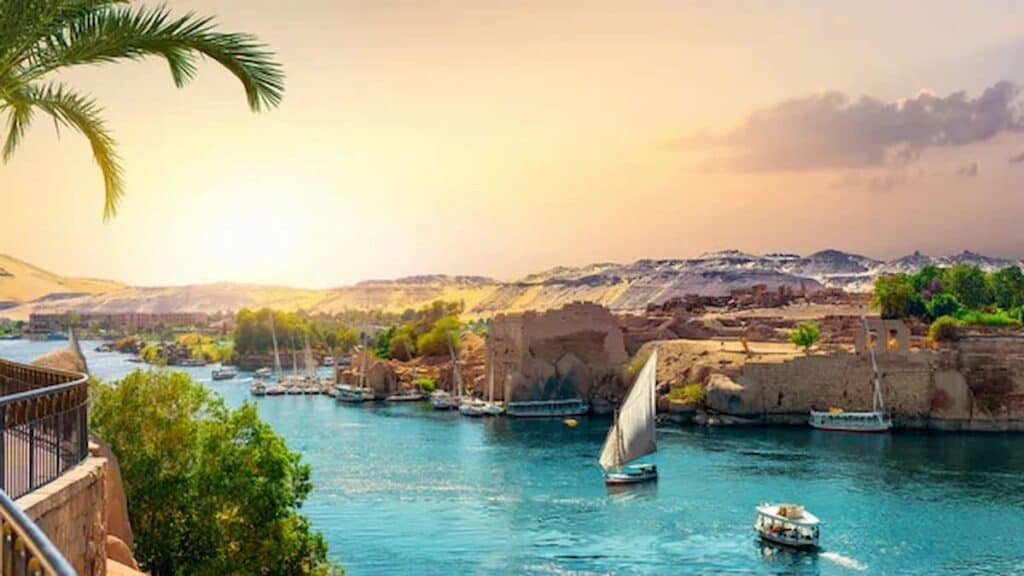
Aswan is one of Egypt’s warmest destinations with extreme monthly temperature patterns. Located south of Egypt from Cairo, this historic city deals with intense heat. Summer months regularly go over 100°F between April and October.
Temperature records show Aswan’s summer highs create tough conditions for visitors. Winter months bring milder winter temperatures with average temperatures around 80°F. Evening temperatures drop with big temperature relief from daytime heat.
🏜️ Desert Climate Zones: Egypt’s Temperature Records
Interior Desert Climate Patterns
Desert climate takes over Egypt’s interior regions beyond the Nile River corridor. These arid zones with low humidity get dramatic temperature changes. Hot desert climate means almost no rainfall in Egypt and intense sunshine.
Siwa Oasis Egypt’s Temperature Data
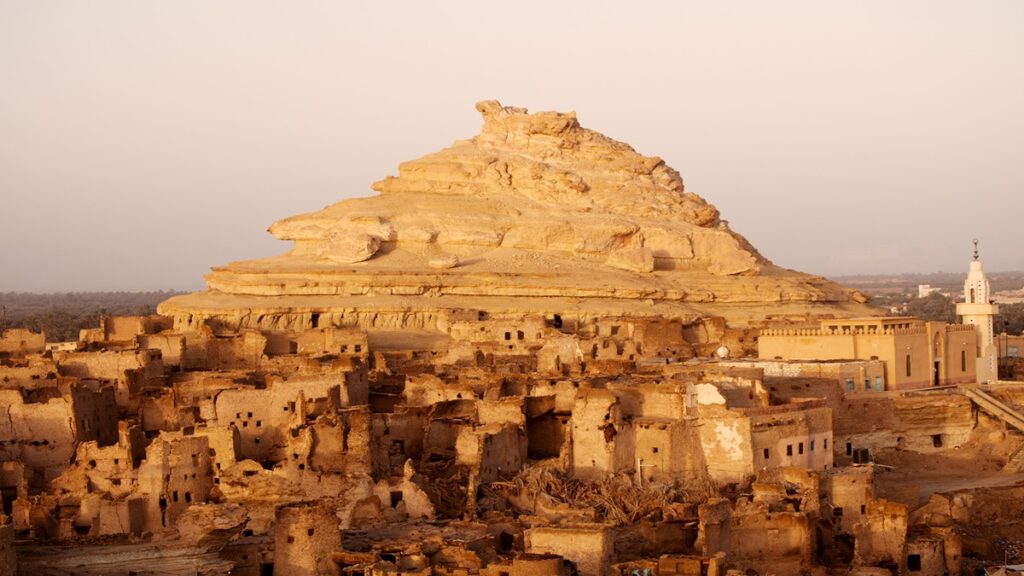
Siwa Oasis shows Egypt’s temperature extremes near Libya’s border. Summer daytime highs reach 100°F creating hot during the day conditions between June and August. Winter months bring cooler average values in the 70s with big day-night temperature differences.
Desert regions like Siwa show climate temperature changes throughout the year. The isolated location keeps distinct climate patterns in these areas of Egypt. Traditional mud-brick architecture adapts to these distinctive Egypt temperature conditions.
Hot desert climate covers most of Egypt’s climate outside the Nile Valley. These zones get extreme heat during summer months. The Egyptian Ministry of Tourism and Antiquities tracks winter conditions from December to February that bring big temperature cooling compared to blazing daytime temperatures.
🌊 Mediterranean Climate: Egypt’s Temperature Variations
Mediterranean climate makes Egypt’s northern coast way more comfortable than the rest of the country. Cities along the Mediterranean coast stay much cooler year-round. Those sea breezes really help when the interior gets crazy hot.
Along the northern coast, you’ll find temperatures that are way more bearable than desert areas. These Mediterranean coastal cities give you a break from Egypt’s brutal desert heat. Winter stays nice and mild while the interior can get pretty chilly.
Coastal areas along the Mediterranean Sea actually get some winter rain. That’s totally different from those bone-dry desert regions where it never rains. This northern coastal zone is basically Egypt’s sweet spot for moderate weather.
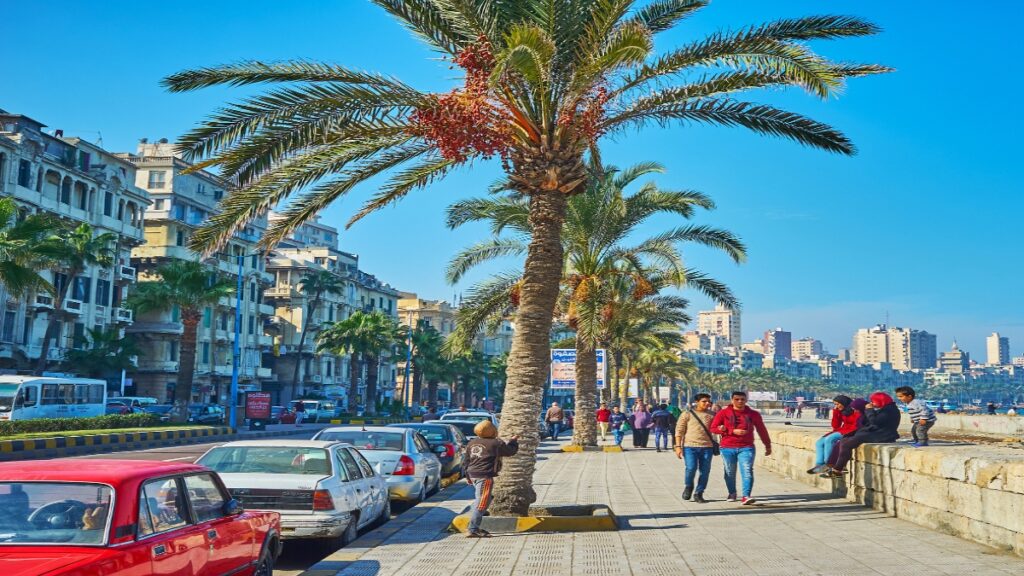
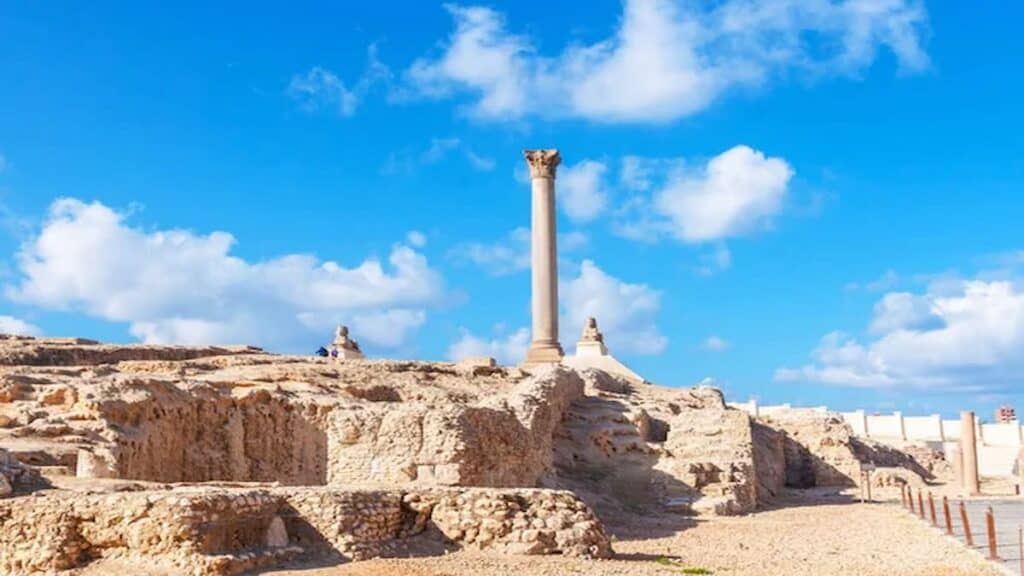
Alexandria is the perfect example of this Mediterranean climate zone’s comfortable temperatures. This coastal spot gets awesome natural cooling from sea breezes. The Alexandria Tourism Authority says Alexandria and Port Said areas have Egypt’s mildest weather changes all year.
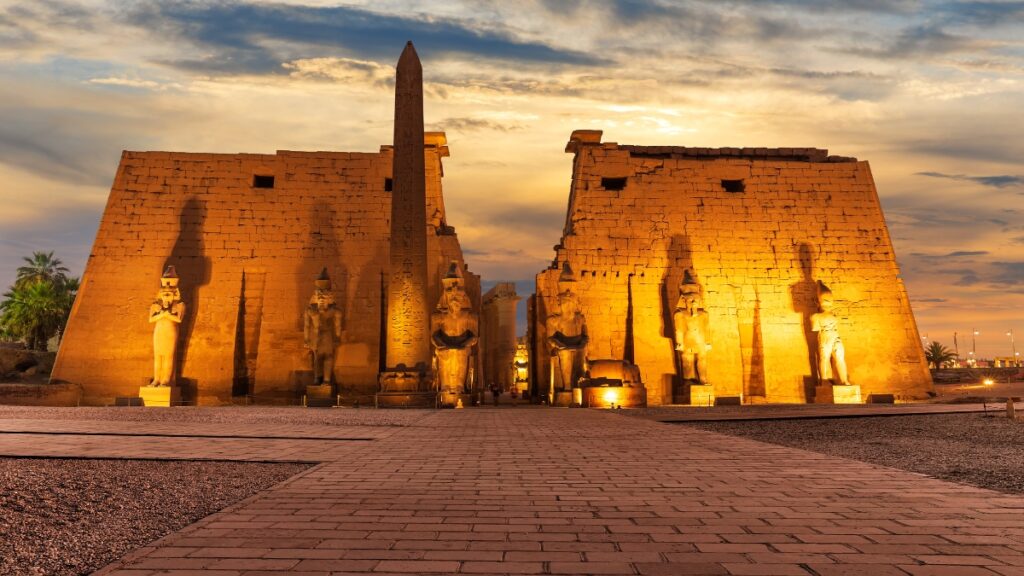
🏺 Luxor: Egypt Climate and Monthly Temperature Data
Luxor’s unique Egypt climate patterns shape daily life along the Nile Valley east bank. This former pharaonic capital deals with desert climate zone conditions. Historic temples show centuries of adapting to desert heat.
Summer highs go over 100°F creating hot during the day conditions from April through October in Luxor. The city shows Egypt temperature extremes in regions throughout Egypt. Ancient building techniques adapted to these tough temperature conditions.
Winter months from December to February bring nice 70°F days perfect for exploring ancient sites. Monthly temperature changes affect optimal visiting times for Luxor’s attractions. The Luxor Tourism Development Authority recommends early morning hours that offer cooler conditions for temple exploration.
Climate extremes in Luxor need careful planning for comfortable visits. The Nile River’s presence moderates some temperature effects. Riverside areas provide cooling breezes during hot afternoon periods.
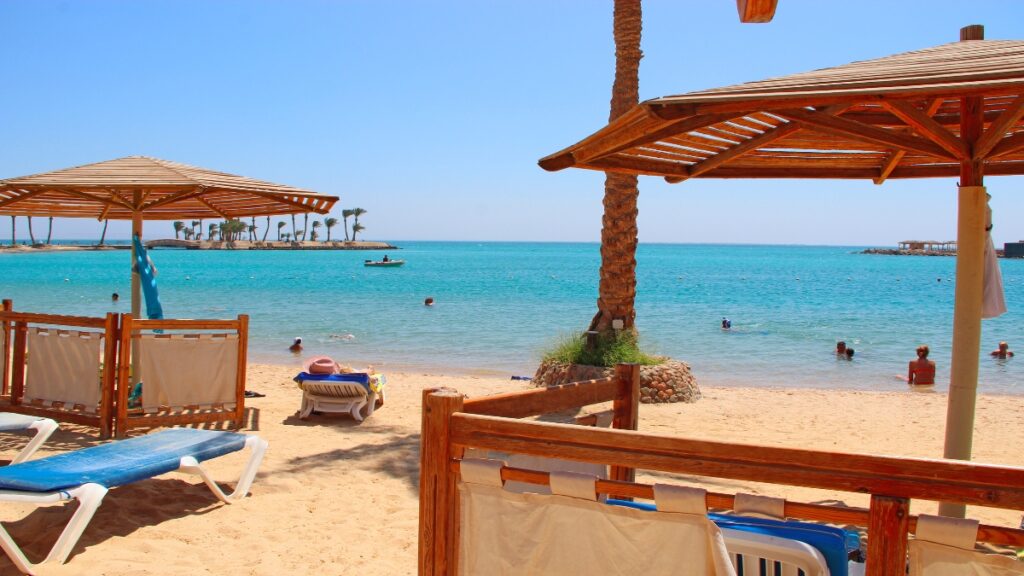
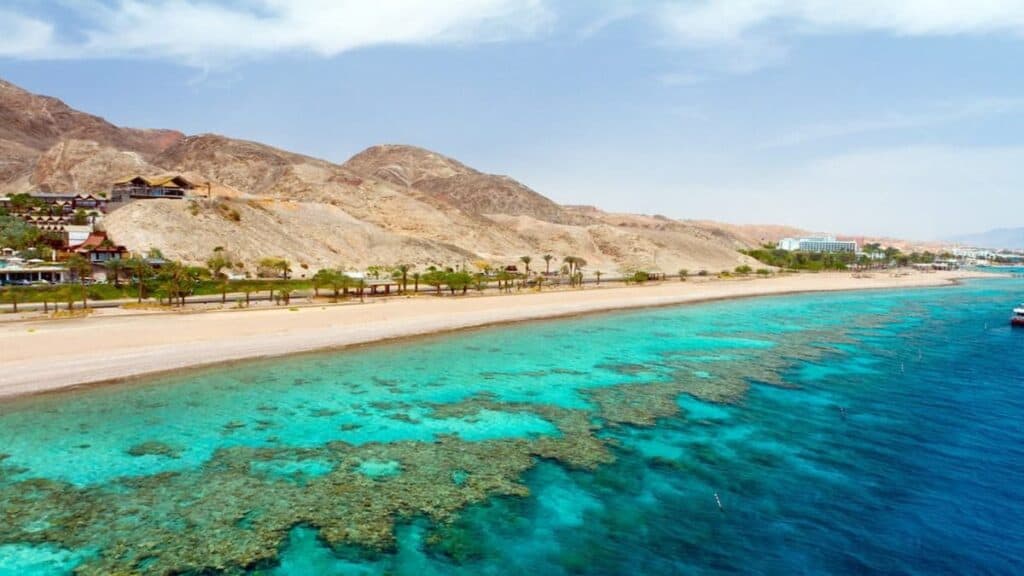
🏝️ Red Sea Coast: Semi-Arid Climate Conditions
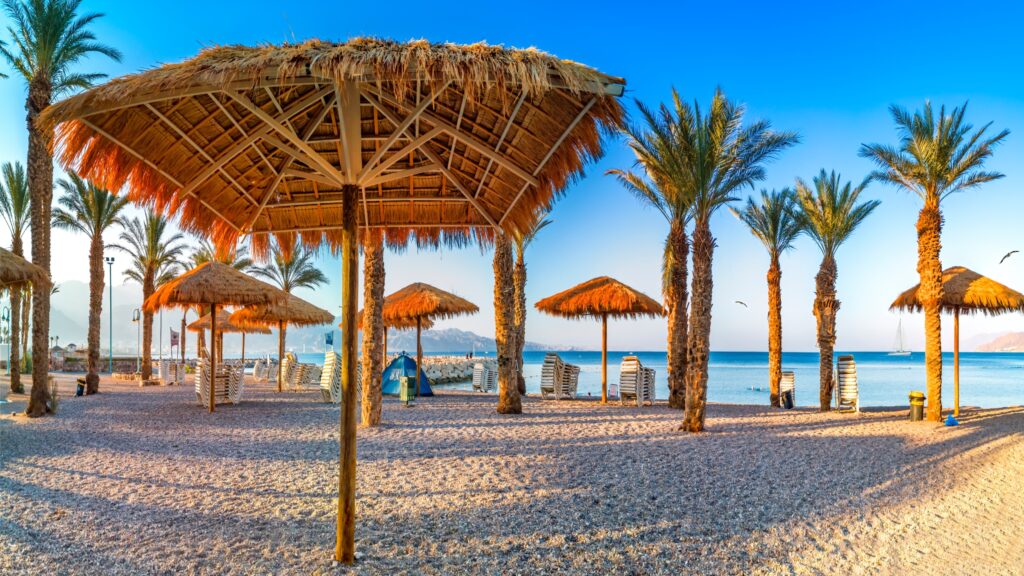
Hurghada’s unique climate patterns create favorable conditions along the Red Sea coast. This coastal location experiences more moderate temperature ranges. The Red Sea moderates desert climate extremes with water temperature staying warm.
Coastal climate along the Red Sea coast offers more balanced temperature conditions. Summer averages reach around 90°F compared to higher desert temperatures. Winter brings milder conditions around 80°F with comfortable water temperature for activities.
Red Sea coastal areas benefit from maritime climate influences with similar climate patterns year-round. Water activities remain possible throughout most of the season in Egypt. The Red Sea Governorate Tourism Office confirms coastal breezes help moderate the intense heat of interior regions.
Seasonal considerations show Hurghada’s climate supports diverse activities year-round. The stable coastal climate contrasts with extreme desert conditions. Beach and water activities benefit from moderate temperature patterns with comfortable water temperature.

📊 Egypt Weather: Maximum and Minimum Temperature Records
Regional Climate Data Analysis
Climate data reveals significant regional climate differences across Egypt’s climate zones. Southern Egypt desert zones experience the most extreme heat conditions. Northern coastal areas maintain notably cooler average temperature readings.
Seasonal Weather Patterns
Different regions in Egypt show consistent seasonal weather patterns. Desert areas experience intense summer heat and milder winter temperatures. Coastal zones maintain more stable temperature ranges with maximum and minimum variations throughout the year.
Maximum and minimum temperature records highlight Egypt’s climate extremes in desert regions. Summer conditions create challenging environments in southern areas with the lowest temperature records at night. Winter provides relief with significantly more moderate temperature ranges.
Regional climate variations affect travel planning and daily activities in different climate regions. Understanding temperature patterns helps visitors choose appropriate timing. Each climate zone requires different preparation strategies for diverse climate conditions.

⛅ Best Time to Visit Egypt: Season Planning
Best time to visit Egypt varies significantly by climate zone and regions in Egypt. Southern Egypt desert areas work best during cooler winter months. Northern coast regions remain comfortable throughout more of the year.
Winter from December to February provides the most favorable climate conditions for different climate regions. Understanding Egypt temperature patterns helps plan the perfect trip timing. This season in Egypt offers ideal conditions for exploring historic desert sites.
The Time to visit coastal areas like the Red Sea coast remains flexible year-round. Maritime climate influences create more stable temperature conditions with mean temperature stability. Winter months still provide the most comfortable overall weather patterns.
Visit Egypt strategically based on regional climate patterns and temperature expectations in different areas of Egypt. Different climate zones require different seasonal planning approaches. The Egyptian General Authority for Tourism Promotion confirms October through April generally provides the most moderate conditions with annual average temperatures most comfortable.
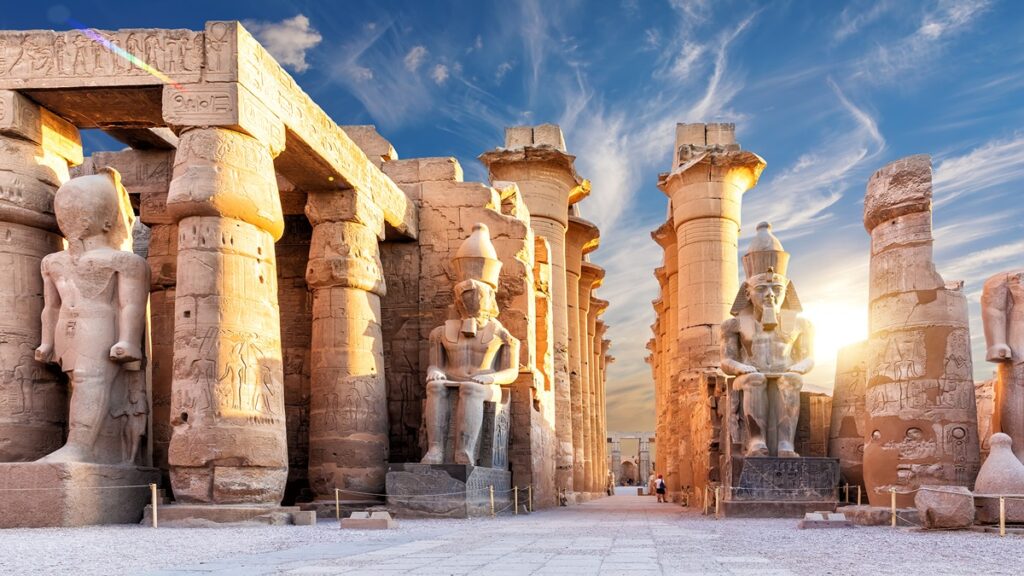
🌡️ Visit Egypt: Summer Climate and Precipitation Patterns
Egypt’s climate needs careful planning based on regional climate changes and Egypt’s climate patterns. Southern Egypt desert regions get the most extreme heat conditions. Coastal areas offer more moderate temperature ranges for visitors with diverse climate options.
Temperature differences between northern Egypt and southern Egypt regions can be huge within the same time period. Desert areas may be 20-30 degrees hotter than coastal zones. Understanding these changes helps with appropriate preparation for Egypt’s different climate regions.
Diverse climate conditions across Egypt’s climate mean multiple weather experiences are possible in different areas of Egypt. Northern Mediterranean areas stay cooler than southern Egypt regions. Each climate zone presents different temperature challenges and opportunities with tropical desert climate conditions in some areas.
Local climate knowledge helps visitors prepare for Egypt temperature extremes appropriately with semi-arid climate understanding. Morning and evening hours offer more comfortable conditions in hot regions. The Cairo Tourism Board advises that desert areas need sun protection and hydration planning for extreme Egypt temperature conditions and elevation changes.