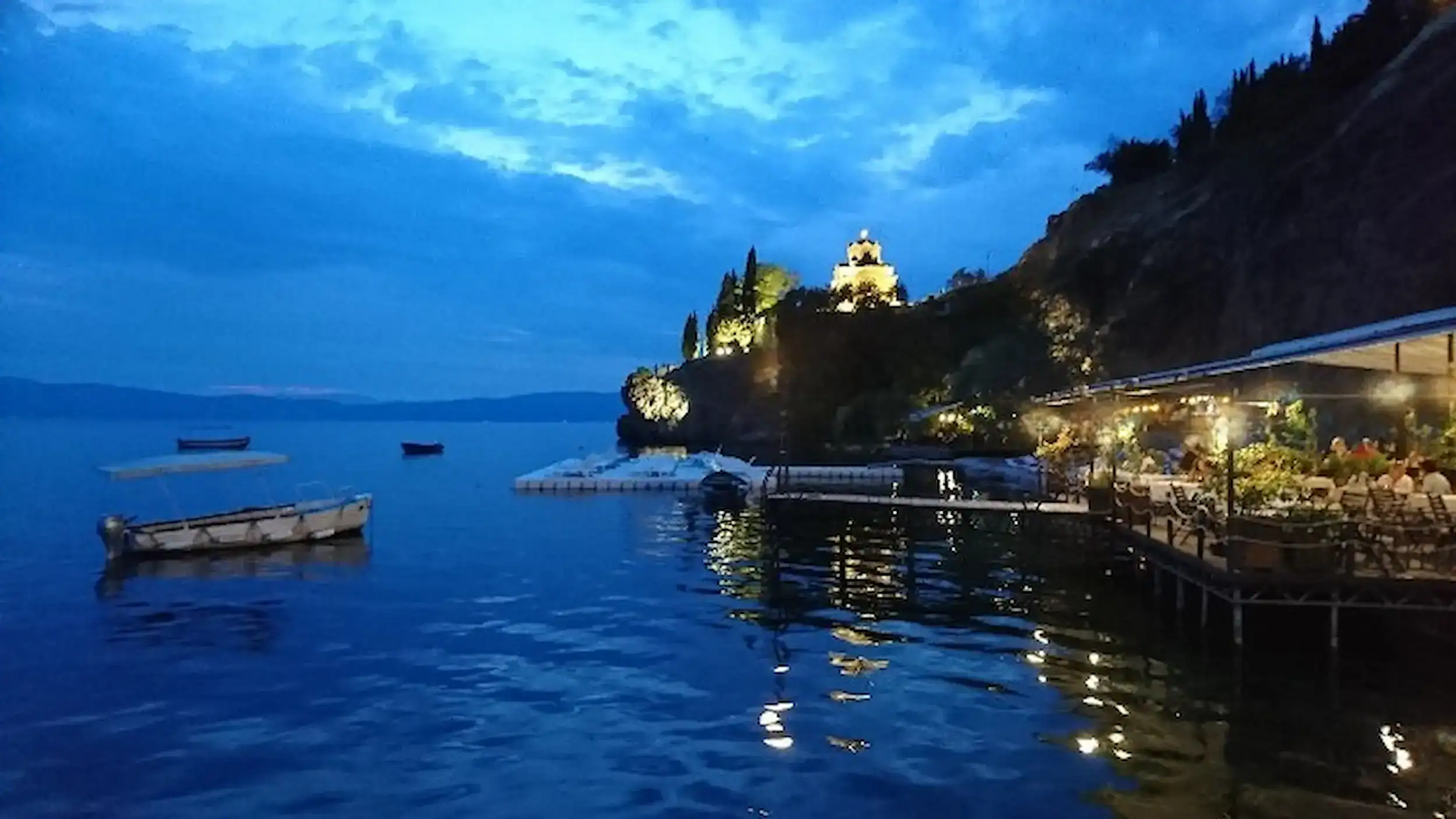
Ohrid, North Macedonia is a UNESCO World Heritage lakeside city on Lake Ohrid’s northeastern shore, featuring over 365 Orthodox churches including the 11th-century Saint Sofia Cathedral and Saint John at Kaneo. Located 170 kilometers southwest of Skopje at 695 meters elevation, this ancient settlement offers the 4th-century BCE Samuel’s Fortress, the Roman Amphitheater, and Europe’s oldest lake exceeding one million years.
👀 Ohrid North Macedonia: At a Glance
📌 Location: Southwestern North Macedonia, 170km from Skopje, on Lake Ohrid
👥 Population: 38,000 (crowded July-August)
⏱️ Ideal Stay: 2-3 days
🌤️ Best Time: April-May or September-October (avoid summer crowds)
💰 Daily Budget: €30-50 (hostel €10-20, meals €5-15)
⚠️ Critical Warning: Pebble beaches, freezing water, cash-only accommodations
🚫 Skip if: You want sandy beaches, hate cold water, only have 1 day
🏔️ Understanding Ohrid: Location and History
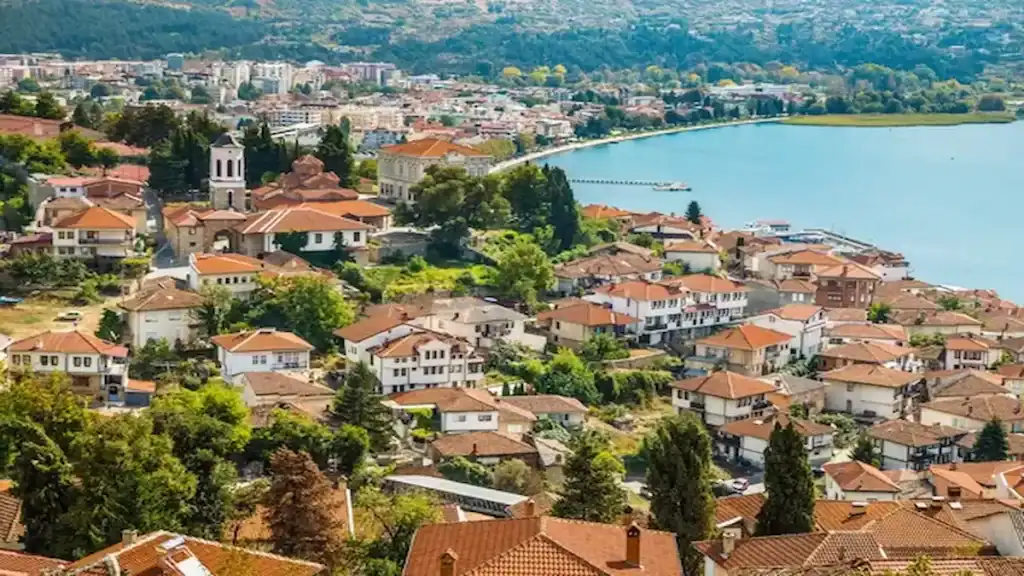
Ohrid is a lakeside town of 38,000 people in southwestern North Macedonia. The town sits at 695 meters elevation on Lake Ohrid’s northeast shore. Albania owns the opposite shore 30 kilometers away.
Lake Ohrid formed between 3-5 million years ago making it one of Earth’s oldest lakes. The lake reaches 288 meters deep and spans 138 square miles. Over 1,200 endemic species live here that exist nowhere else on the planet.
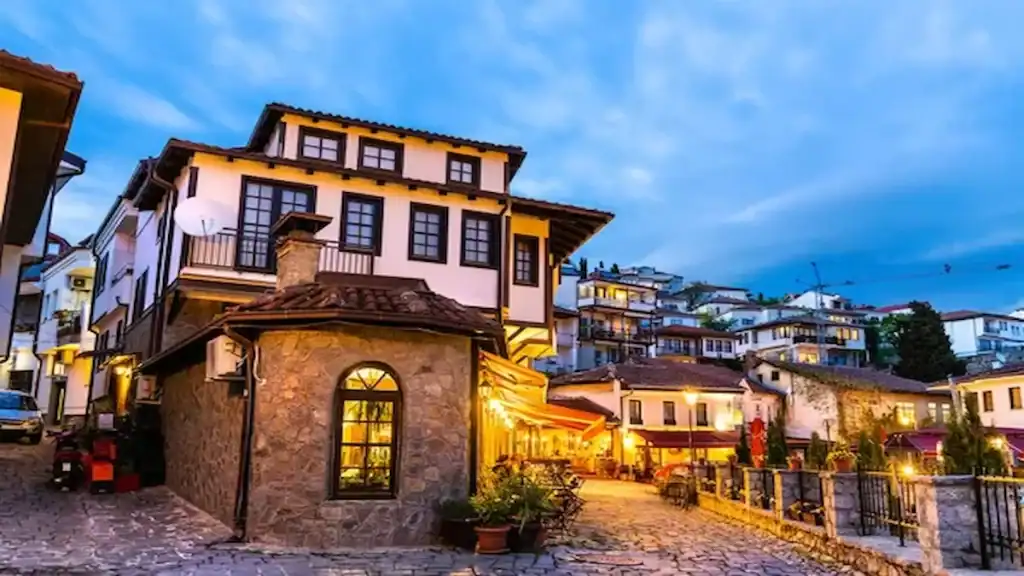
The town earned UNESCO World Heritage status twice – both Cultural and Natural. Only 40 places worldwide hold this dual designation. Ohrid’s Old Town cascades down steep hillsides with medieval churches dotting cobblestone streets.
The “365 Churches” Legend Explained
Locals call Ohrid the “Jerusalem of the Balkans.” Legend claims 365 churches once stood here – one per day. This isn’t historically verified but dozens remain today.
St. Sophia Church dates to the 11th century with Byzantine frescoes. The Church of St. John at Kaneo from the 13th century perches on a dramatic cliff. These churches house priceless artwork spanning 2,500 square meters.
Ancient Greeks founded the city as Lychnidos around 200 BC. Romans built the amphitheater that still stands today. Bulgarians made it their empire’s capital in the 10th century under Tsar Samuel.
🚨 The Honest Reality: What Blogs Don’t Tell You
Every traveler mentions these issues first. Here’s what you need to know before booking.
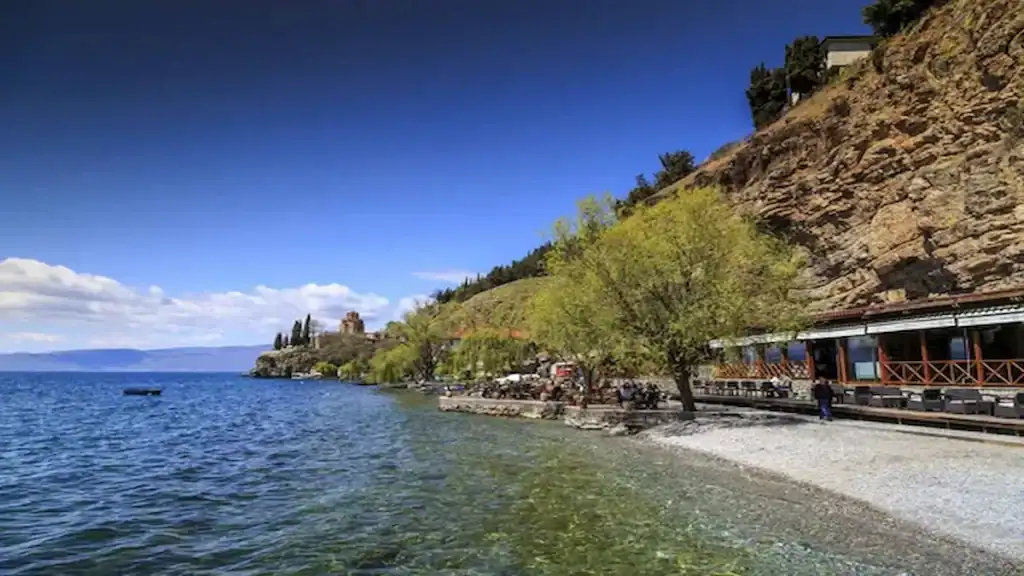
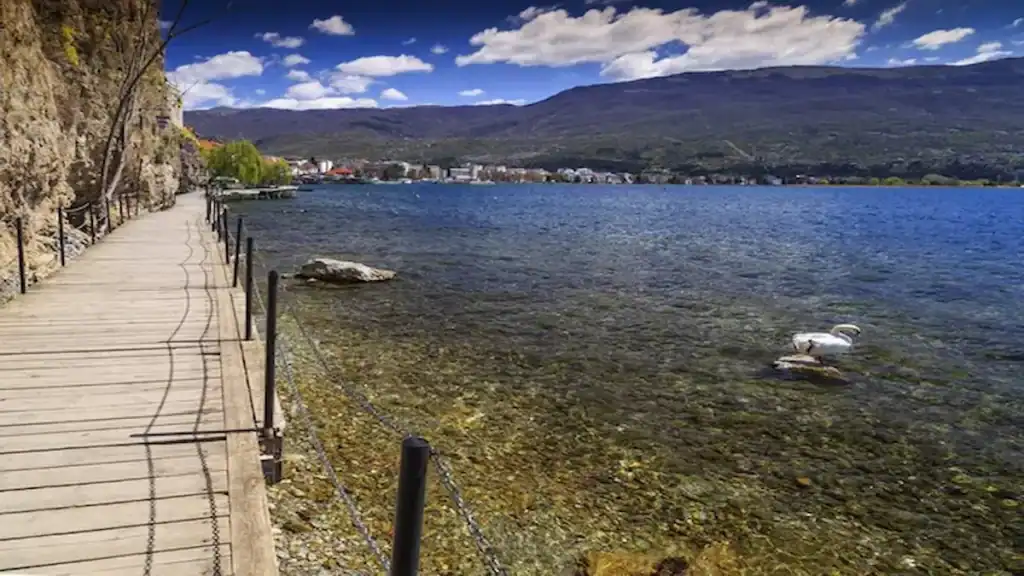
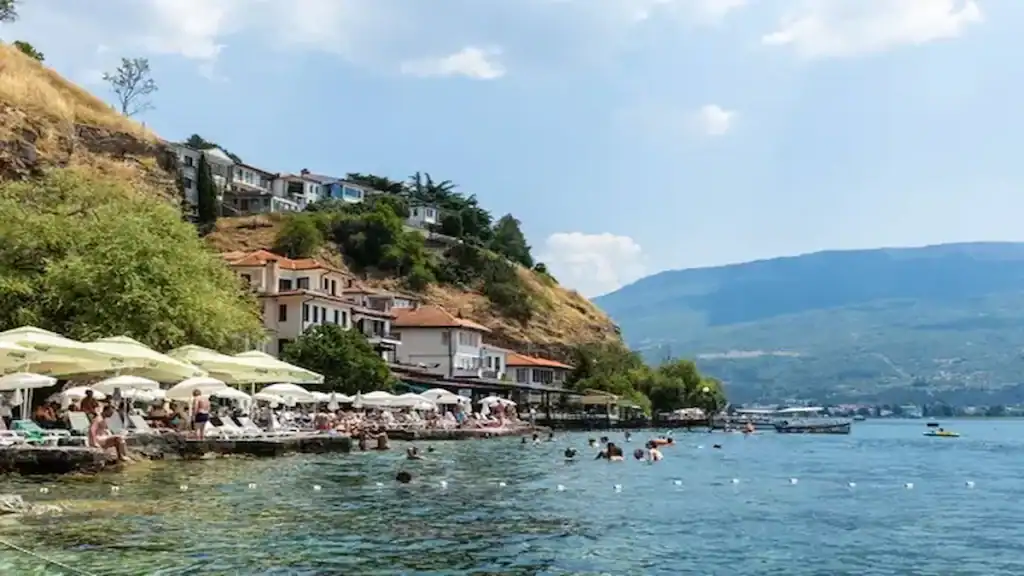
The beaches aren’t sand – they’re smooth pebbles. Getting into water means walking across stones barefoot. Many travelers call this “quite painful.” Bring water shoes or swimming sandals. Popular Potpesh Beach and Saraiste Beach are both pebble.
Multiple travelers from July-August 2024 called the lake “absolutely freezing.” Lake Ohrid stays cold because of its 288-meter depth. Even at summer’s peak, expect shock when jumping in. Late August offers the warmest temperatures.
Critical Cash and Payment Issues
You must pay cash for accommodations on arrival day. Booking.com secures your reservation but doesn’t process payment. Property owners expect cash in Macedonian denars (MKD). ATMs exist in town but plan accordingly.
Credit cards work at hotels and large restaurants only. Smaller establishments want denars. The exchange rate is 60 MKD to 1 Euro. Euros are sometimes accepted but you’ll receive denar change.
The bus station sits 2 kilometers from Old Town. That’s a 25-30 minute uphill walk with luggage. Budget €5-10 for a taxi to accommodations.
🚌 How to Get to Ohrid
Getting there requires planning but multiple options exist.
St. Paul the Apostle Airport sits 10 kilometers north. Only 4-5 airlines fly here with just 2-4 daily flights. Wizz Air, Turkish Airlines, and seasonal carriers operate. Taxis cost 730 MKD (£10) for the 15-minute drive.
Buses from Skopje depart 10+ times daily. Galeb company runs frequent service taking 3-3.5 hours. Cost is 520 denars (€8.50). Book 2-3 days ahead in July-August when buses fill up.
Alternative Routes from Tirana
Two direct buses run daily from Tirana to Ohrid. Journey takes 2.5 hours normally but border crossings extend this to 3-4 hours. Alternative: bus to Struga (15km north) then local bus or taxi.
You’ll walk everywhere in Old Town. Most attractions sit within 1 kilometer. Expect hills and cobblestone streets. For St. Naum Monastery 30km south, take boat tours (€20-25), bus, or taxi.
⏰ How Many Days in Ohrid?
Two to three days is ideal for most travelers.
One day works for day-trippers but you’ll rush everything. Morning at St. John at Kaneo, fortress, and theater. Afternoon swimming and dinner. This misses Ohrid’s relaxed vibe completely.
Two days covers main sights comfortably. Day one: Old Town churches, Samuel’s Fortress, Ancient Theatre, Old Bazaar. Day two: St. Naum boat tour, swimming, sunset at Kaneo church.
The Perfect Three-Day Balance
Three days adds relaxation time without rushing. Spend a full day at the lake swimming and trying water sports. Visit Plaošnik archaeological site and quieter southern beaches. Take time to enjoy the atmosphere.
Four-five days feels too long for most. Travelers staying this long said they could have left earlier. Ohrid is small -three days covers everything unless working remotely.
🌊 Best Things to Do in Ohrid
Prioritize these must-see attractions over tourist traps.
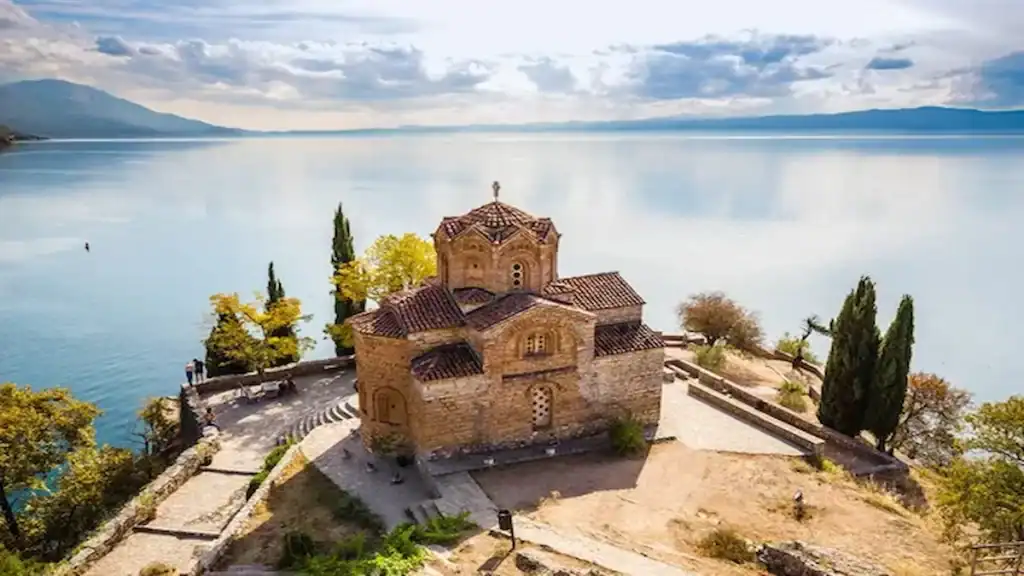
The 13th-century Church of St. John at Kaneo crowns every Ohrid photo. The cliff-top position above the lake creates jaw-dropping views. Walk the over-water boardwalk from Old Town harbor to reach it. The journey takes about 15 minutes from the main port.
Arrive before 09:00 or after 18:00. Tour groups swarm 10:00-17:00 in summer. Early morning light illuminates the eastern facade beautifully. Golden hour and sunset offer equally stunning photos with the lake glowing behind.
Inside is small and plain with simple frescoes. The exterior and cliff-top setting matter most. Entry costs a few euros to see medieval artwork. Most visitors skip inside and enjoy the views instead.
Samuel’s Fortress and Ancient Theatre Worth Your Time
The 10th-century fortress sits atop Ohrid’s highest hill. Bulgarian Tsar Samuel built it with 2003 renovations rebuilding collapsed sections. Walking the 3-kilometer walls provides 360-degree views. Spot Albania across the lake on clear days.
Entry costs 150 MKD (€2.50) with most people spending 30-45 minutes. The fortress itself is mostly rubble and reconstructed walls. Come for panoramic views of Old Town, Lake Ohrid, and surrounding mountains. Sunset makes the ancient stone walls glow beautifully.
The Ancient Theatre built around 200 BC is Macedonia’s only Hellenistic theater. Romans used it for gladiator fights and Christian executions. Locals buried it after Rome fell because they despised its history. Construction workers accidentally discovered it in the 1980s during building work.
Today it hosts Ohrid Summer Festival performances July-August. The theater sits between residential houses which creates surreal juxtaposition. Modern homes literally overlook this 2,200-year-old structure. Spend 15-20 minutes here between fortress and churches.
Potpesh Beach near Old Town is most popular but gets crowded. Expect pebble shoreline requiring water shoes. Crystal-clear water reaches 20 meters visibility. Late August offers warmest temperatures around 22°C. No lifeguards exist so watch children carefully.
Quieter beaches exist 30 minutes south along the eastern shore. Multiple small beaches with nearby restaurants dot the coast toward St. Naum. Saraiste Beach sits just before the famous boardwalk. The water quality is excellent everywhere.
What to Skip and Save Money
Bay of Bones Museum feels like tourist trap to many travelers. It’s 16 kilometers from Ohrid town center. The site recreates prehistoric lake dwellings using modern replicas. Entry costs 150 MKD but structures aren’t authentic originals.
Old Bazaar Street shopping sells generic souvenirs mostly. Standard shops offering similar items crowd the pedestrian street. Ohrid pearls made from fish scales are authentic but expensive. Only two families produce real ones – Talevi and Filevi families. Skip most jewelry shops selling fake versions.
🏨 Where to Stay in Ohrid
Stay in Old Town – don’t look elsewhere.
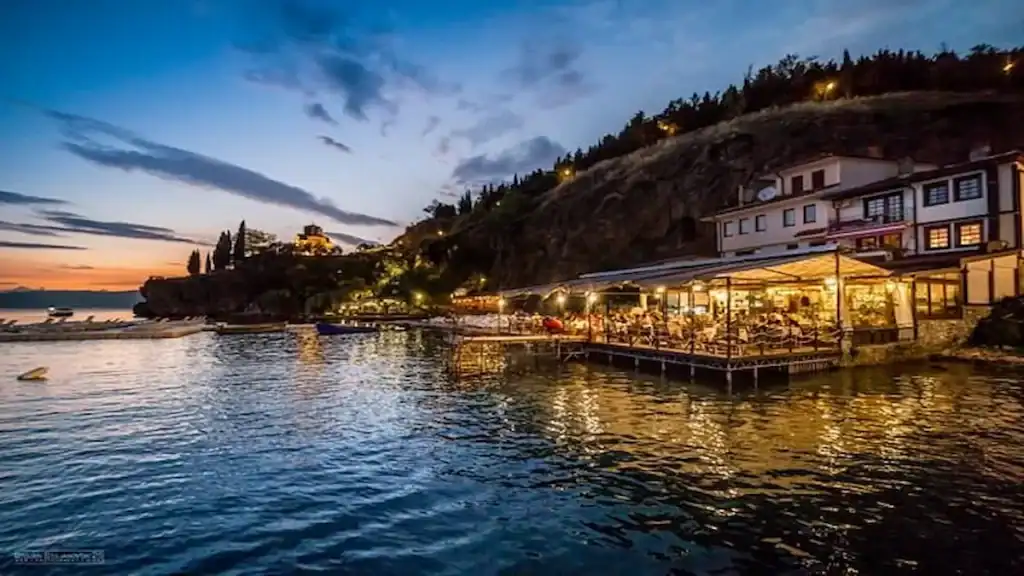
Everything’s walkable from Old Town accommodations within 15 minutes. Churches, fortress, restaurants, lake, and boardwalk are all close. The maze of cobblestone streets creates atmospheric setting. Morning coffee on terraces overlooks the sparkling lake.
Accommodations outside Old Town require uphill walking or taxis every time. The bus station area looks grim with grey communist-era buildings. Budget chains exist here but you’ll waste 30 minutes commuting daily.
Accommodation Prices and Booking Strategy
Hostels cost €10-20 per bed with good facilities. Sunset Lake Hostel gets strong reviews from solo travelers. Most hostels offer breakfast and common areas.
Apartments run €40-60 nightly for couples or small groups. Book through Booking.com but pay cash on arrival. Lake view apartments cost €10-20 more. Check if parking is included if driving.
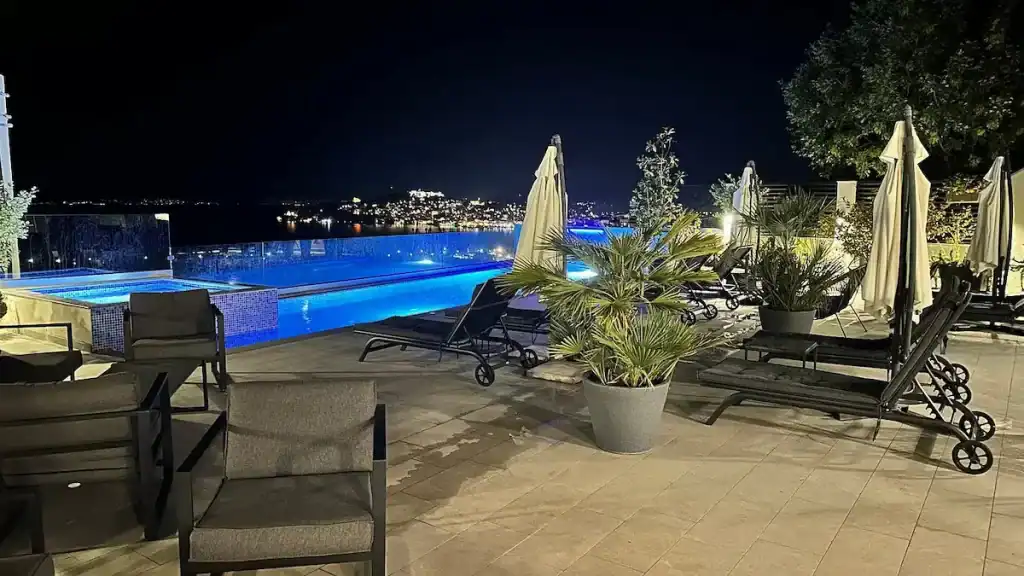
Hotels charge €50-100+ per night with more amenities. Vila Bisera offers two pools and air conditioning. Hotels accept credit cards unlike private apartments. Breakfast is typically included.
Reserve months ahead for July-August peak season. Accommodations fill completely during summer. Shoulder seasons offer 20-30% lower prices and better availability.
💡 Essential Practical Information
Plan accordingly with these critical details.
The Macedonian Denar (MKD) is official currency at 60 MKD = 1 Euro. ATMs exist throughout Old Town with English options. Most accept international cards. Withdrawal fees are typically 1-2%.
Bring euros and exchange at banks or official exchanges. Street dealers offer poor rates. Scottish and Northern Irish banknotes won’t be accepted. Exchange only what you need since British banks don’t exchange denars back.
Ohrid ranks very safe for tourists. Violent crime is extremely rare. Petty theft and pickpocketing are uncommon even in crowds. Women travel solo without issues. The biggest safety risk is tripping on cobblestones.
Safety and Common Scams
Watch for taxi scams at bus station and airport. Ensure the meter runs or agree on fixed prices beforehand. Legitimate taxis have clear company names displayed.
Restaurant bill padding happens occasionally. Some places add items you didn’t order. Always check bills carefully before paying. Most restaurants are honest but verify everything.
Unofficial tour guides may demand extra payment mid-tour. Book tours through established companies instead.
For current safety information, review U.S. State Department North Macedonia travel advisory (Level 1: Exercise Normal Caution) and UK Foreign Office North Macedonia travel advice before departure.
Health and Visa Requirements
No special vaccinations are required. Standard travel vaccines like Hepatitis A are recommended. Check CDC travel health recommendations for North Macedonia for current guidance.
Tap water is safe to drink in Ohrid. Some restaurants automatically serve tap water unless you request bottled. Healthcare quality varies – Skopje has better facilities. Travel insurance covering medical evacuation is strongly recommended.
U.S., UK, EU, Canadian, and Australian citizens don’t need visas for stays under 90 days. Passports must be valid 90 days beyond arrival. You must register with local police within 48 hours. Hotels do this automatically at check-in.
For official tourism information, visit North Macedonia’s official tourism website maintained by the government’s Agency for Promotion and Support of Tourism.
✅ Is Ohrid Worth It?
Ohrid delivers if you set realistic expectations.
You’ll love Ohrid for affordable Balkans travel, medieval history, dramatic scenery, and swimming in ancient lakes. Budget travelers thrive here with €30-50 daily costs. History enthusiasts find Byzantine churches, Roman theaters, and Ottoman architecture everywhere.
Skip Ohrid if you want sandy beaches, warm water, luxury resorts, or significant nightlife. Lake Como or Croatian coast suit travelers wanting upscale beach resorts. Ohrid targets budget and mid-range travelers seeking authenticity.
Why Ohrid Remains Worth Visiting
Summer weekends bring crowds with tour groups swarming Church of St. John at Kaneo. But Ohrid escapes overtourism plaguing Dubrovnik or Santorini. Visit shoulder season and crowds disappear completely.
The “hidden gem” label no longer fully applies – Ohrid is known. But it remains undervisited compared to its beauty and value. Most Americans and Western Europeans still bypass North Macedonia entirely.
For 2-3 days, Ohrid absolutely delivers. The Church of St. John at Kaneo sunset alone justifies the trip. Add fortress views, ancient theater, lakeside swimming, €5 meals, and welcoming locals – it’s excellent value.