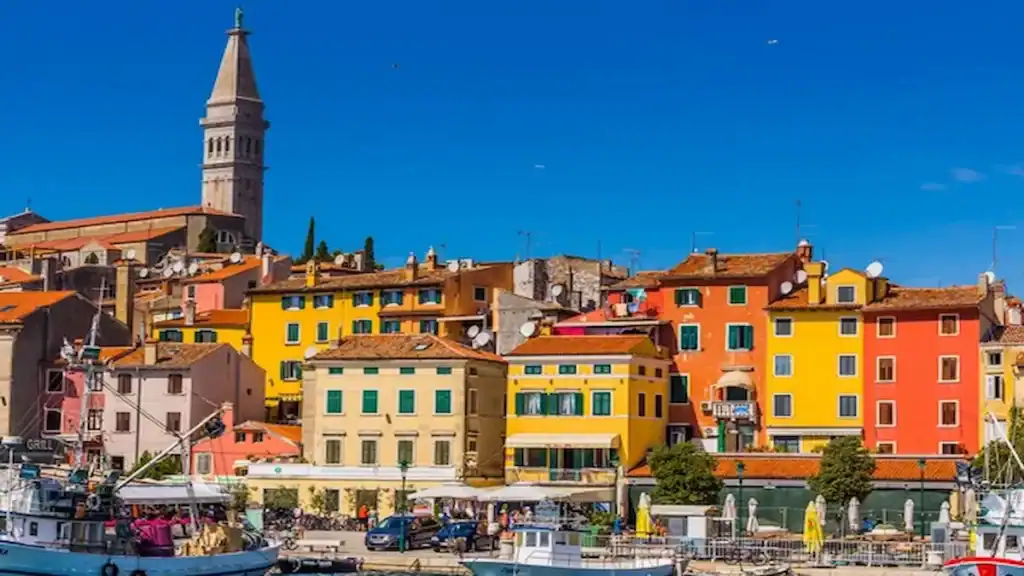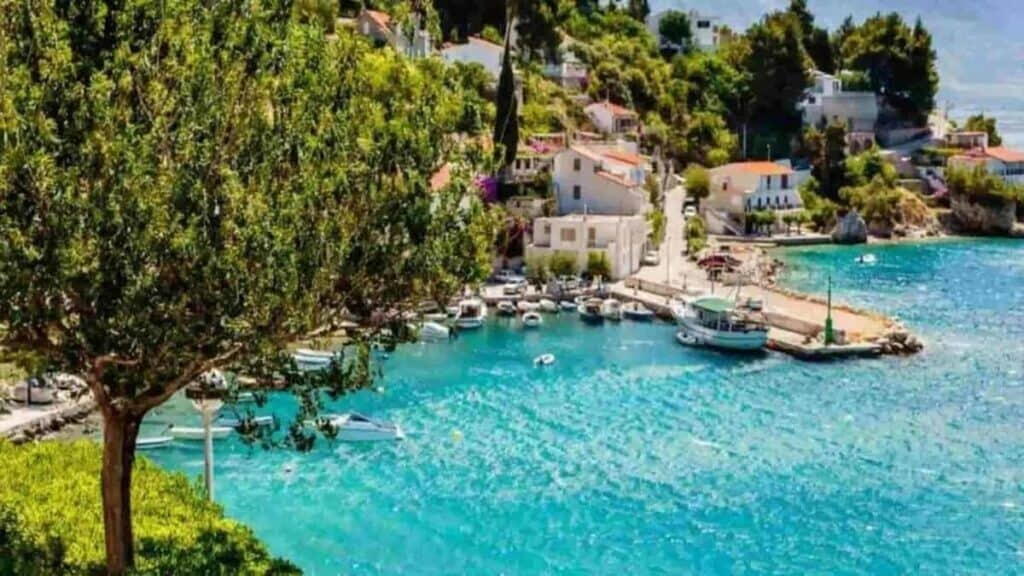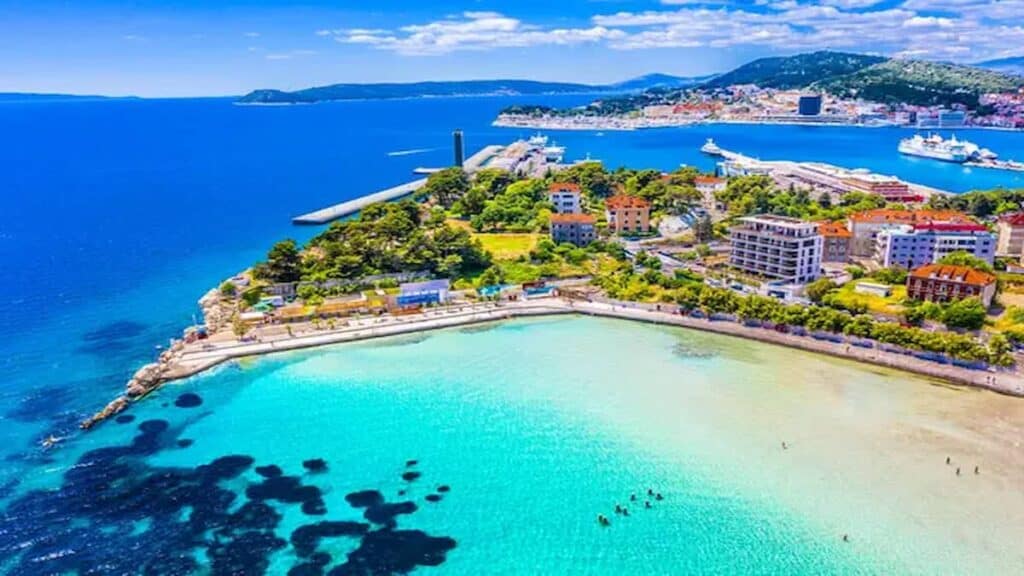

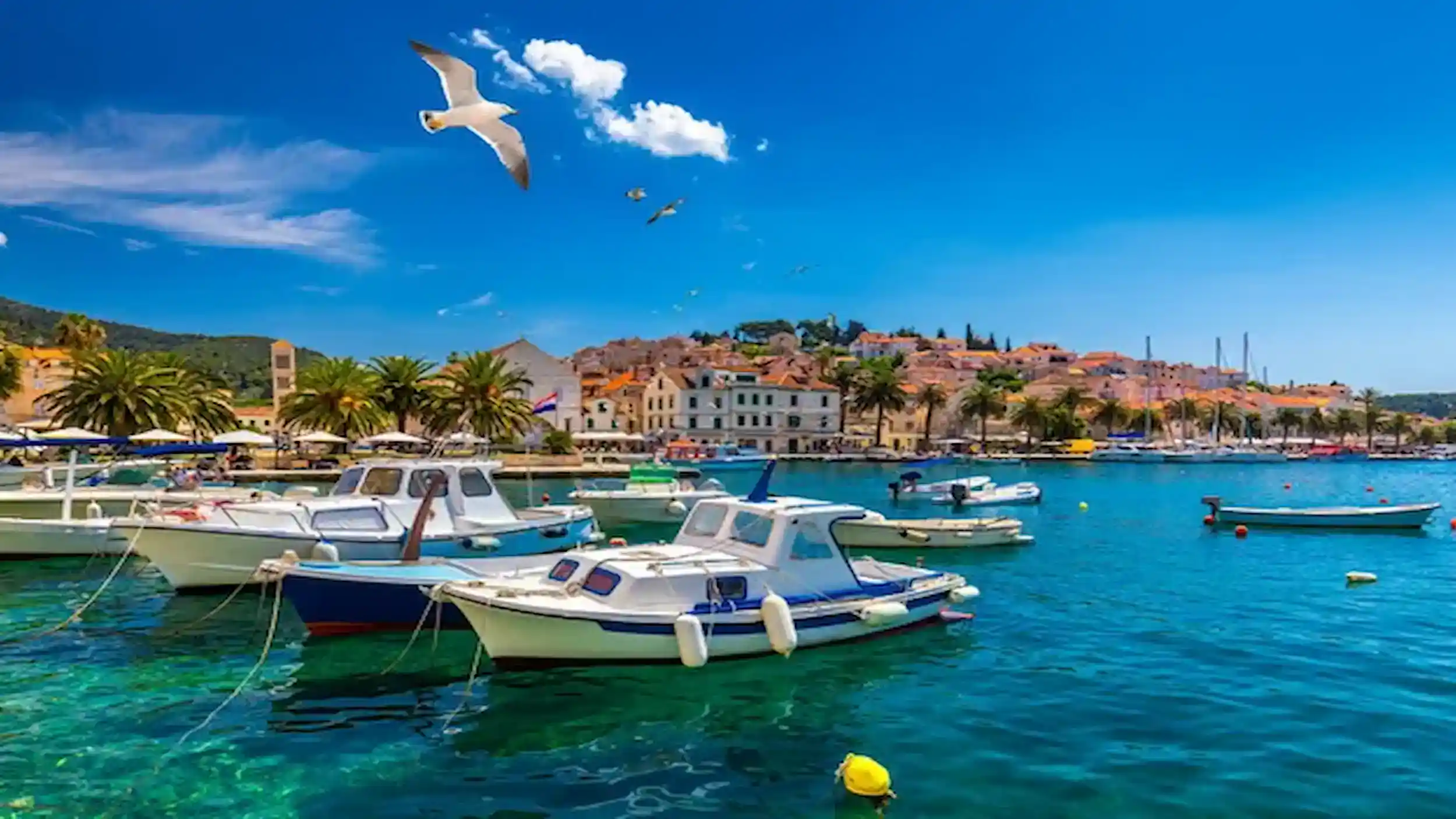
Things to do in Hvar include exploring the 13th-century Fortica Fortress (30 kuna entry, 20-minute climb), island-hopping to Pakleni Islands’ Mlini Beach (15-minute boat ride), touring UNESCO-listed Stari Grad Plain (2,400 years old), swimming at Dubovica Beach, visiting Hvar Town’s Renaissance St. Stephen’s Cathedral, experiencing lavender fields peak season (June-July), and enjoying sunset cocktails at Hula Hula Beach Bar.
👀 Things to Do in Hvar: At a Glance
📌 Location: Adriatic Sea, 1-2 hour ferry from Split
👥 Best For: Beach lovers, wine enthusiasts, history fans, island hoppers
⏱️ Ideal Duration: 3-5 days (minimum 2 for highlights)
🌤️ Best Time: May-June or September-October (avoid July-August crowds)
💰 Daily Budget: €100-150 per person (mid-range travel)
⚠️ Key Warning: Book ferries and accommodation months ahead for summer visits
🚫 Skip If: You want budget travel (Hvar is Croatia’s priciest island)
🏔️ Understanding Hvar: Croatia’s Longest Island
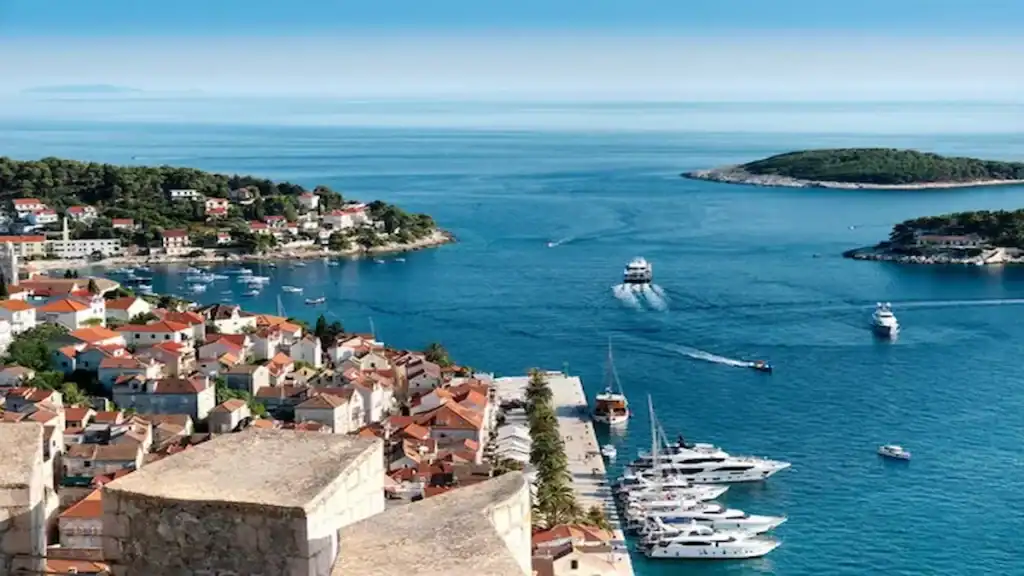
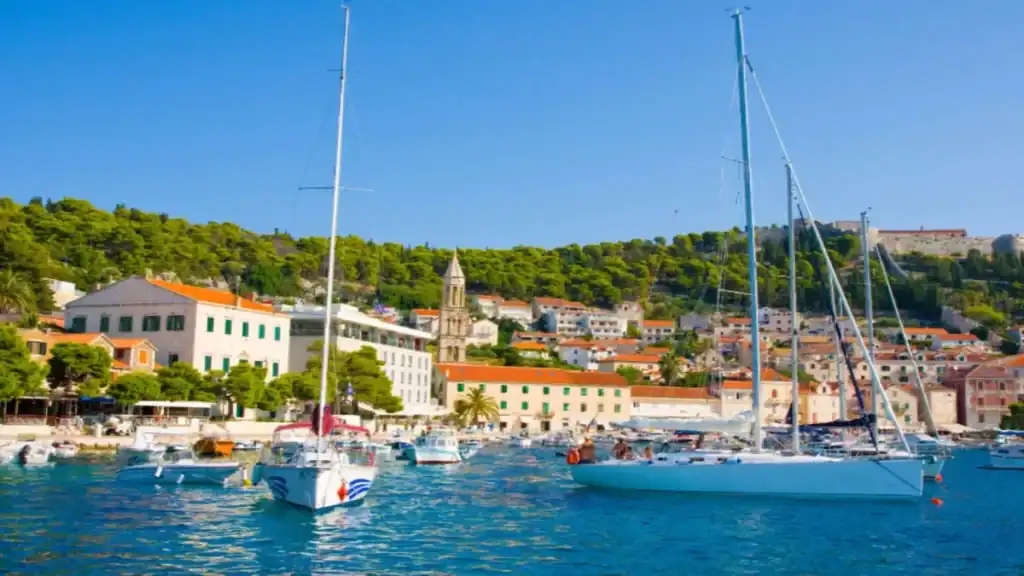
Hvar stretches 68 kilometers along Croatia’s Dalmatian coast, making it the country’s fourth-largest island. The island sits just opposite the Makarska Riviera on the mainland, with the ferry port of Split serving as the primary gateway. Most travelers confuse Hvar the island with Hvar Town, the main settlement on the western tip.
The island’s geography splits into distinct personalities. Hvar Town brings Venetian architecture, yacht-filled harbors, and beach clubs that attract celebrities like Beyoncé and Prince Harry. Travel 20 kilometers east and you’ll find Stari Grad, one of Europe’s oldest continuously inhabited towns dating to 384 BC. The northern coast features quieter villages like Jelsa and Vrboska, while the southern shore hides secluded beaches accessible only by boat or steep hiking trails.
Hvar’s Historical Significance
Greeks from Paros colonized Hvar in the 4th century BC, establishing vineyards and olive groves still cultivated today. The UNESCO-listed Stari Grad Plain preserves these ancient agricultural plots unchanged for 2,400 years. Venice ruled from 1420-1797, leaving behind the Spanish Fortress and St. Stephen’s Cathedral that define Hvar Town’s skyline today.
Check U.S. State Department Croatia travel advisory for current safety information before traveling. Croatia maintains a Level 1 advisory (Exercise Normal Precautions), making it one of Europe’s safest destinations.
🚨 The Honest Reality: What Travel Blogs Won’t Tell You
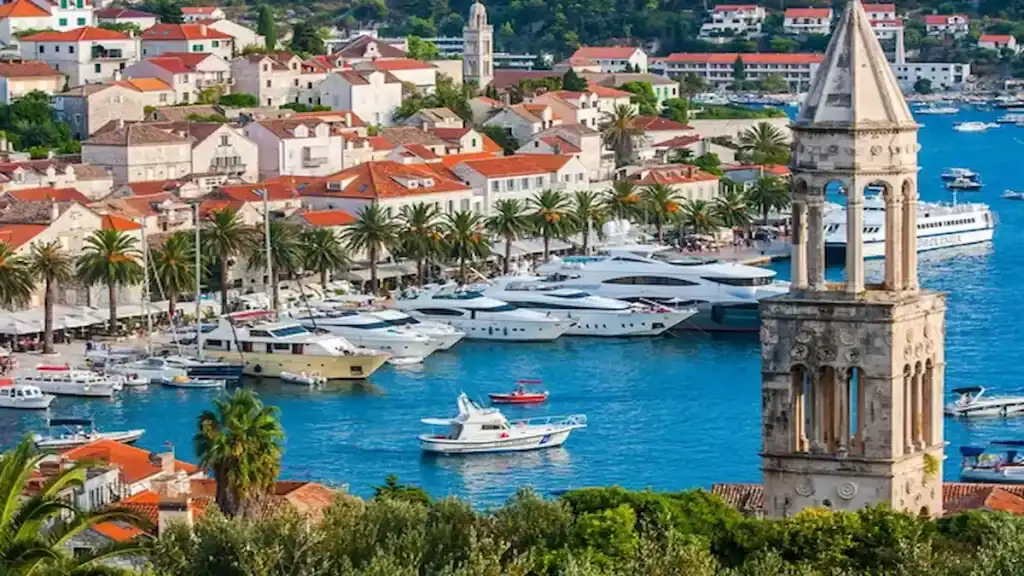
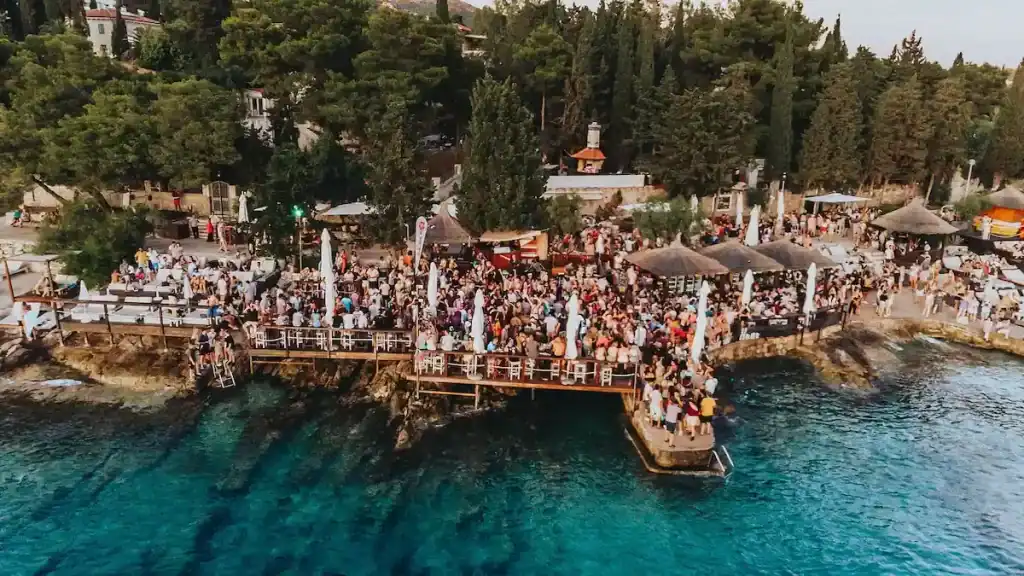
Most guides paint Hvar as either a non-stop party island or a peaceful Mediterranean paradise. The truth sits somewhere between. Hvar Town’s reputation as Croatia’s Ibiza stems from beach clubs like Hula Hula and Carpe Diem, which do attract crowds in July and August. But walk 30 minutes from the harbor and you’ll find nearly empty coves.
The bigger shock? Prices. Expect to pay €15 for a cocktail at waterfront bars, €25-40 for restaurant mains, and €200+ per night for basic accommodation in peak season. Split costs half as much. Budget travelers report spending €70-150 daily versus €40-60 in other Croatian destinations.
Critical Planning Issues to Know
Bus schedules between Hvar Town and other villages run infrequently (sometimes only 2-3 daily). The 2020 boat licensing change means you can’t just rent a small boat anymore without certification – you’ll need a licensed skipper or join group tours. Ferry tickets from Split sell out weeks ahead in summer.
Weather matters more than you’d think. The famous Bora wind can cancel ferries and Blue Cave tours with zero notice. Summer temperatures regularly hit 35°C (95°F), making midday fortress climbs miserable. Pack accordingly.
Review CDC travel health recommendations for Croatia for required vaccinations and health precautions before departure.
🚌 How to Get to Hvar and Navigate the Island
Getting to Hvar requires reaching Split first. Budget airlines like Ryanair and easyJet fly directly to Split Airport from major European cities May-October. From Split, you have two ferry options to reach Hvar Island.
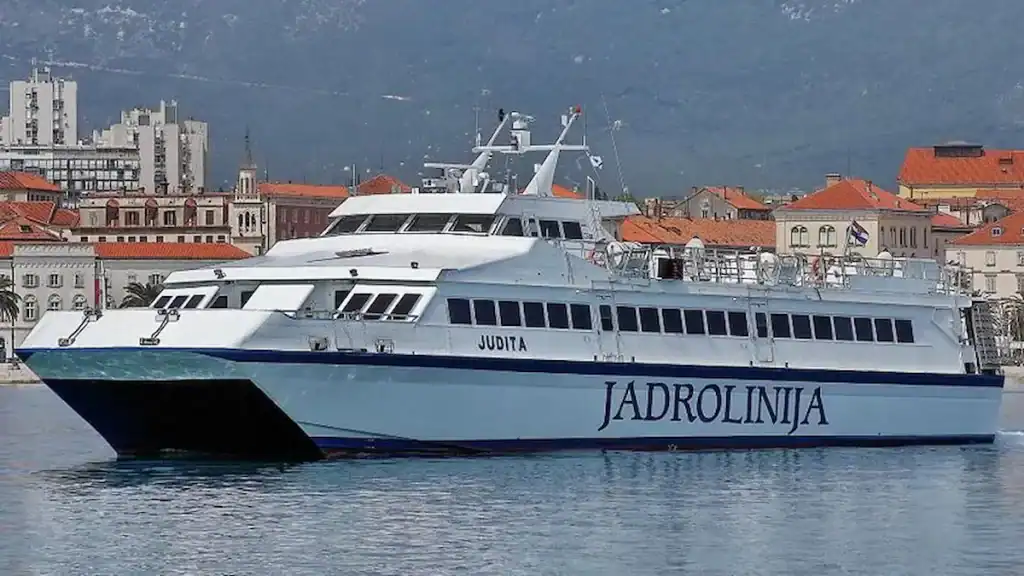
The Jadrolinija car ferry departs Split for Stari Grad (90 minutes, €8-12 per person). From Stari Grad port, local buses run to Hvar Town (30 minutes, €5). Book ferries at Ferryhopper 2-4 weeks ahead for summer travel.
Faster catamarans run Split to Hvar Town directly (1 hour, €15-25). Krilo and Jadrolinija operate these routes 3-5 times daily in summer. The catamaran drops you at Hvar Town’s main harbor, eliminating bus connections.
Moving Around Hvar Island
Hvar Town itself requires only walking. The Spanish Fortress, St. Stephen’s Cathedral, and harbor bars cluster within 20 minutes on foot. Exploring beyond town requires planning.
Rent cars through Suncity (€35-50 daily) or VW Beetles through Rapidus (€50 daily plus fuel). Scooters cost €20-30 daily but limit you to towns since island roads wind through mountains. The dramatic Pitve-Zavala tunnel connects north and south coasts – it’s narrow, dark, and requires confidence driving.
Local buses connect Hvar Town, Stari Grad, Jelsa, and Vrboska 2-5 times daily depending on season. Check CazmaTransfers for current schedules. Missing the last bus means paying €40-60 for a taxi back.
⏰ How Many Days Do You Need in Hvar?
Three to five days hits the sweet spot for experiencing Hvar without rushing. You’ll cover Hvar Town’s main sights, take a Pakleni Islands boat trip, explore one or two quieter villages, and still have beach time.
Two days works if Hvar is part of a broader Croatia itinerary. Spend day one in Hvar Town (fortress, old town, sunset drinks) and day two boat-hopping to Pakleni Islands. You’ll miss the quieter side of the island but see the highlights.
A full week lets you dive deep. Add day trips to the Blue Cave on Biševo, cycling the UNESCO plains around Stari Grad, wine tasting at island vineyards, and discovering hidden southern beaches like Dubovica and Zaraće.
Sample 3-Day Hvar Itinerary
Day 1: Arrive by morning ferry, explore Hvar Town’s old streets, climb to Spanish Fortress for sunset (30 minutes uphill), dinner at Konoba Menego.
Day 2: Full-day boat tour to Pakleni Islands with swimming, snorkeling, and beach club lunch. Return for evening drinks on Hvar’s waterfront.
Day 3: Morning in Stari Grad (bus or taxi), afternoon at Dubovica Beach, farewell dinner at Fig restaurant before departure.
This schedule assumes shoulder season (May-June or September) when you’re not fighting crowds. July-August requires booking everything ahead and accepting longer wait times.
🌊 Best Things to Actually Do in Hvar
Hvar delivers activities across history, nature, food, and nightlife. Here’s what actually matters versus what’s tourist marketing.
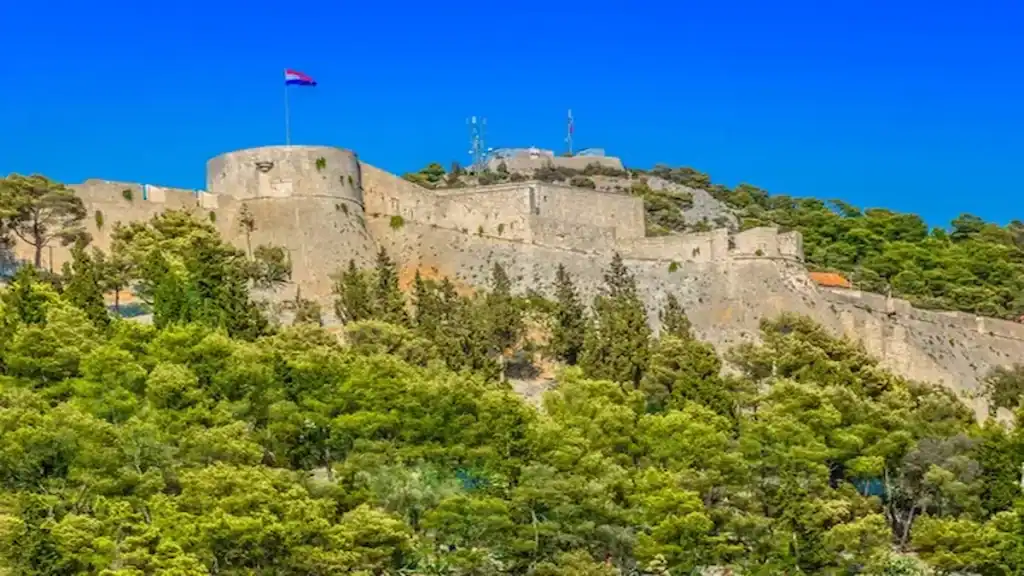
Spanish Fortress (Fortica) sits 90 meters above Hvar Town providing the island’s most photographed viewpoint. The 20-minute uphill walk through pine-scented switchbacks leads to 16th-century ramparts overlooking red roofs, the Pakleni archipelago, and Adriatic blue stretching to Italy. Entry costs €10. Visit at opening (8:00 AM) for cool temperatures and empty grounds, or sunset for golden hour photos. The fortress includes a small museum, prison cells, and cafe.
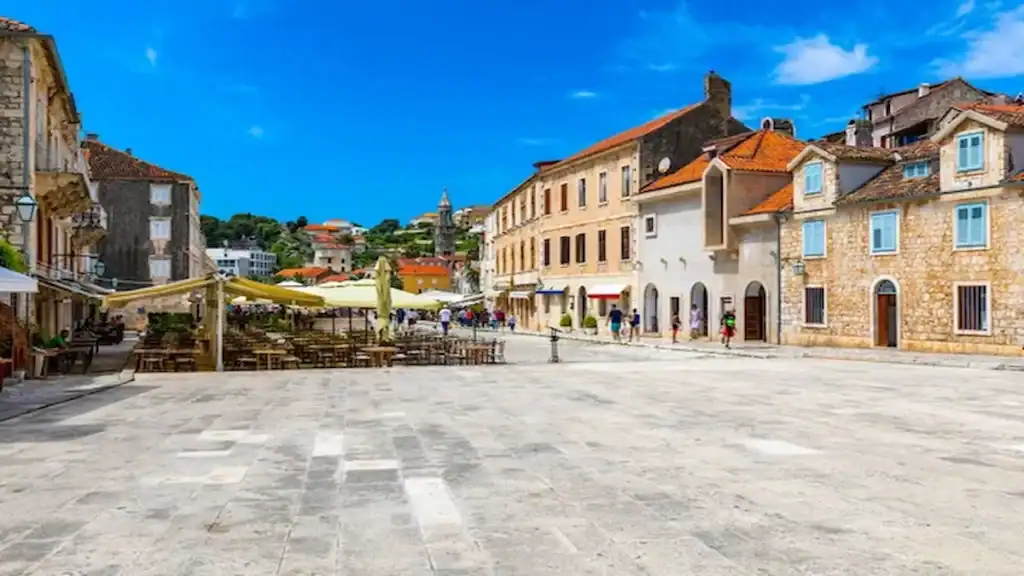
St. Stephen’s Cathedral and square anchor Hvar Town’s social life. This Renaissance church built 1551-1619 features a 17th-century bell tower and Baroque altars. The massive square spreading before it (one of Dalmatia’s largest) hosts morning markets, evening promenades, and cultural festivals. Don’t eat at square-side restaurants – they’re tourist traps charging €20 for mediocre pasta. Walk two blocks into old town for better food at half the price.
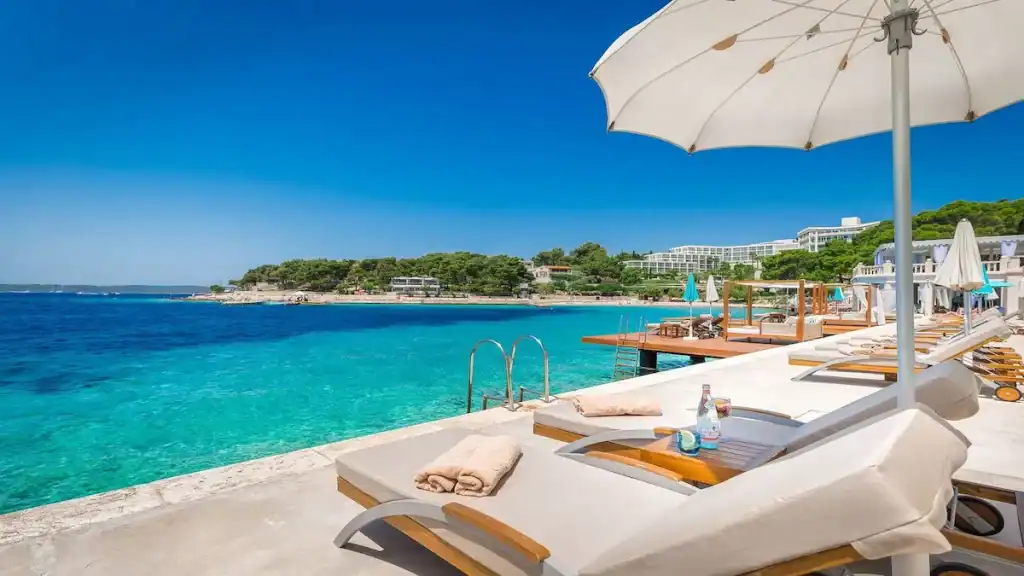
Pakleni Islands archipelago floating offshore offers Hvar’s clearest swimming and most popular day trip. Water taxis (€15-20 return) run to Palmižana, Stipanska, and Vlaka beaches every 30 minutes May-September. Or book private speedboat tours (€60-100 per person) visiting 3-4 islands with snorkeling gear included. The islands feature beach clubs, naturist beaches, and hiking trails through fragrant pine forests.
Beyond Hvar Town’s Bubble
Stari Grad provides everything Hvar Town doesn’t – reasonable prices, authentic atmosphere, and locals who actually live there year-round. This 2,400-year-old town features narrow stone streets, family-run konobes, and Tvrdalj Palace (Renaissance poet Petar Hektorović’s fortified home). The surrounding Stari Grad Plain – those ancient Greek agricultural plots – makes excellent cycling. Rent bikes in town and pedal through lavender fields and vineyards.
Jelsa and Vrboska offer even quieter alternatives. Jelsa sits in a protected bay with excellent swimming and gelato shops worth the trip alone. Vrboska earned the nickname “Little Venice” for its canal running through town center, though one canal doesn’t quite match Venice. The fortress-church of St. Mary provided refuge during Ottoman raids and remains an impressive sight.
Beaches beyond the main harbor vary wildly. Dubovica Beach (8km east of Hvar Town) features a picturesque pebble cove, turquoise water, and a konoba serving fresh seafood. Arrive before 11:00 AM before tour boats appear. Zaraće’s two facing bays (Malo and Velo) offer some of Hvar’s clearest water but require a car or scooter to reach. Robinson Beach requires a 45-minute coastal walk from Hvar Town but rewards with white pebbles and a restaurant operating without electricity.
🏨 Where to Stay in Hvar: Town vs. Elsewhere
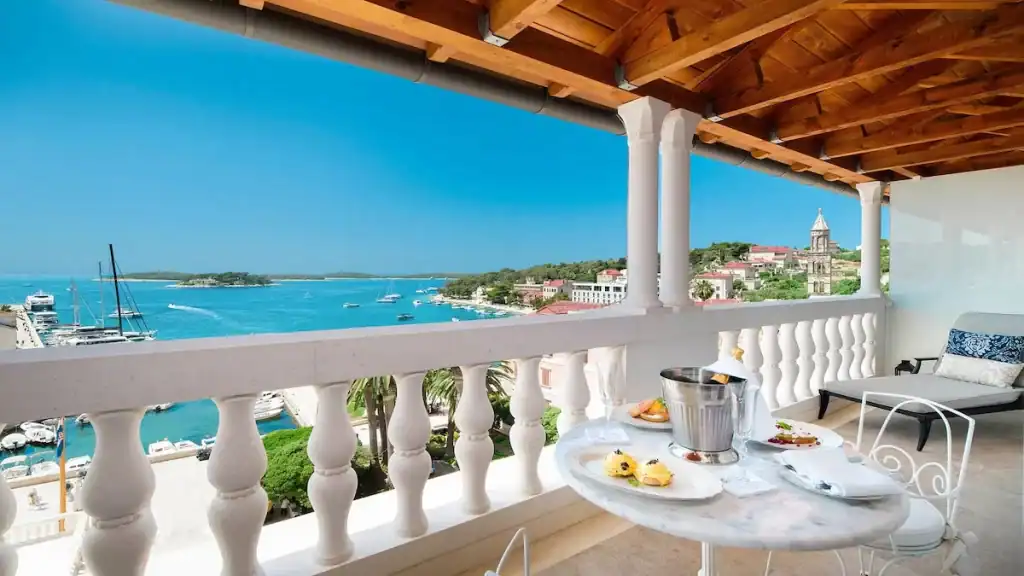
Hvar Town puts you at the action’s center with bars, restaurants, and boat departures at your doorstep. Expect €150-300 nightly for decent accommodation in summer, €80-150 in shoulder season. Palace Elisabeth Heritage Hotel offers luxury in a 19th-century building steps from the harbor. Budget travelers choose White Rabbit Hostel (€25-40 per dorm bed) or Green Lizard Hostel (€30-45).
Staying in Hvar Town means dealing with noise. Beach clubs pump bass until 2:00 AM June-August. Ferry horns blast at 6:00 AM. Book accommodation away from the harbor if you value sleep.
Stari Grad costs 30-40% less than Hvar Town while offering better restaurants and authentic atmosphere. The 20-minute bus connection (or €25 taxi) to Hvar Town makes day trips easy. Maslina Resort (€400+ nightly) provides five-star luxury, while Hotel Arkada (€100-150) delivers solid mid-range quality.
Jelsa suits travelers wanting maximum quiet with beach access. Accommodation runs €60-120 nightly with family-run guesthouses dominating. The trade-off? You’re 30-40 minutes by bus from Hvar Town’s restaurants and nightlife.
Booking Timeline and Strategy
Reserve accommodation 2-3 months ahead for July-August visits, 1 month for shoulder season. Hvar Town and Stari Grad sell out early since inventory is limited. Airbnb and Booking.com offer the widest selection, though local guesthouses (ask at tourist offices) sometimes provide better value.
Skip all-inclusive resortsHv – ar’s best experiences involve exploring independent restaurants and beaches. The island isn’t large enough to justify staying put at one property.
💡 Essential Practical Information for Your Visit
Hvar runs entirely on euros (Croatia adopted the Euro in January 2023). ATMs cluster around Hvar Town’s harbor and Stari Grad’s center, but charge €2-4 withdrawal fees. Bring cash since smaller restaurants and beach bars don’t accept cards.
Summer temperatures (June-August) average 28-32°C with peaks hitting 35°C+. The Croatian sun burns faster than northern Europe – SPF 50 isn’t overkill. Pack a light jacket for evenings as temperatures drop to 18-22°C after sunset.
Safety and Health Considerations
Croatia ranks among Europe’s safest countries with low violent crime rates. Petty theft occurs in crowded areas – watch bags at beach clubs and busy ferry terminals. The main danger? Sunstroke and dehydration during summer. Carry water always.
The controversial boat licensing rule means you cannot rent boats under 30 horsepower without a valid license since 2020. This eliminated the popular “rent a small boat for the day” option many travelers expect from older blog posts. You’ll need a licensed skipper (€100-200 daily) or join organized tours instead.
Check Croatia’s official tourism website for current entry requirements and seasonal travel information before finalizing plans.
Swimming safety matters more than you’d think. Hvar’s beaches are pebbles – bring water shoes. Sea urchins inhabit rocky areas (painful but not dangerous). The Adriatic’s salt content makes floating easy but can dehydrate you faster.
Money-Saving Tips That Actually Work
Eat away from the waterfront – restaurants two blocks inland charge 40% less for identical food quality. Shop at Hvar Town’s morning market for bread, cheese, and produce to make picnic lunches.
Travel shoulder season (May-early June, September-October) for 30-50% lower prices across accommodation, restaurants, and tours. The weather remains excellent (25-28°C) with warm swimming, plus ferries and buses run almost as frequently as peak summer.
Group boat tours cost €60-100 per person versus €600-900 for private boats. Yes, you’ll follow a schedule, but you’ll see the same islands for 1/10th the cost. For couples or solo travelers, group tours make financial sense.
✅ Is Hvar Worth It? The Final Verdict
Hvar deserves your Croatia itinerary if you want beautiful beaches, excellent wine, and historical charm in one compact island. The Spanish Fortress views alone justify the ferry ride. Pakleni Islands offer some of Adriatic’s clearest swimming. The food scene from family konobes to waterfront fine dining satisfies all tastes.
Skip Hvar if you’re backpacking on €30-40 daily – you’ll blow your budget in two days. The party reputation is overblown for anyone over 25. Quieter Croatian islands like Korčula or Vis provide similar beauty at lower prices with fewer crowds.
When Hvar Makes Perfect Sense
Visit Hvar if you’re island-hopping Croatia and want the complete experience – Split’s urban energy, Hvar’s island glamour, Dubrovnik’s history. Three to five days here balances sightseeing with beach relaxation.
Shoulder season (May-June, September-October) brings Hvar’s best value. Crowds thin, prices drop, and you’ll actually enjoy wandering old town without dodging tour groups. Swimming remains comfortable through mid-October thanks to those 2,700 annual sunshine hours.