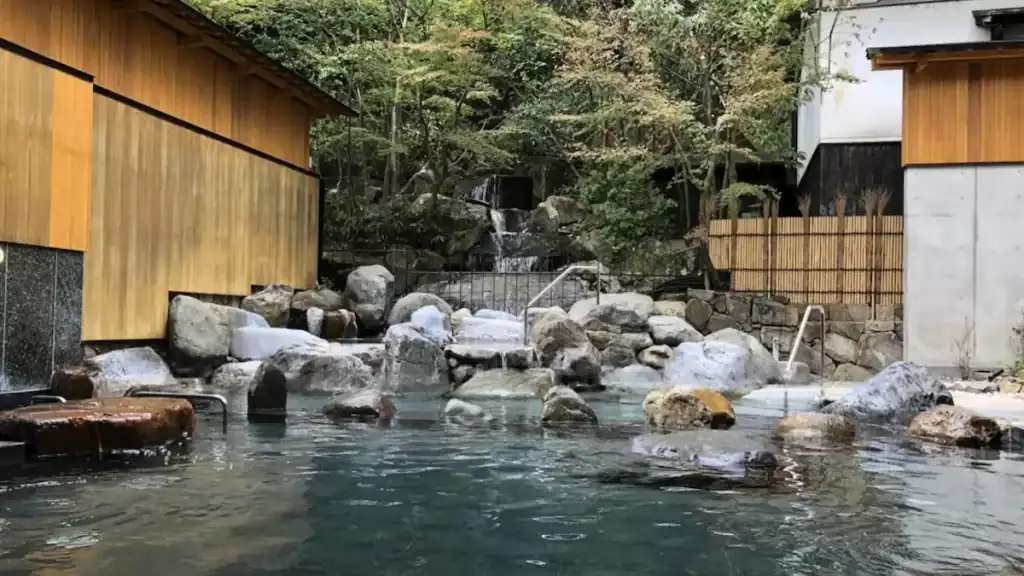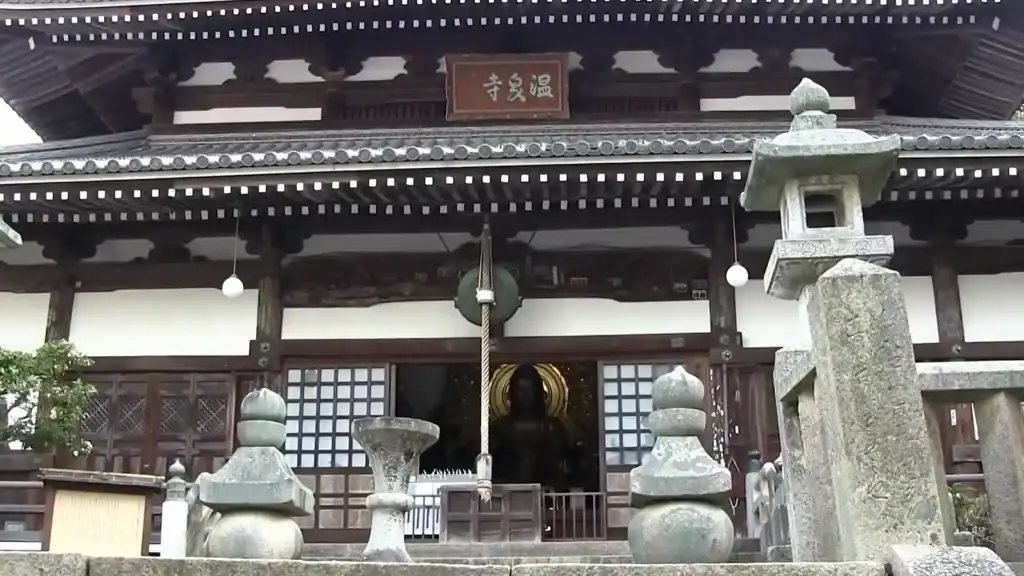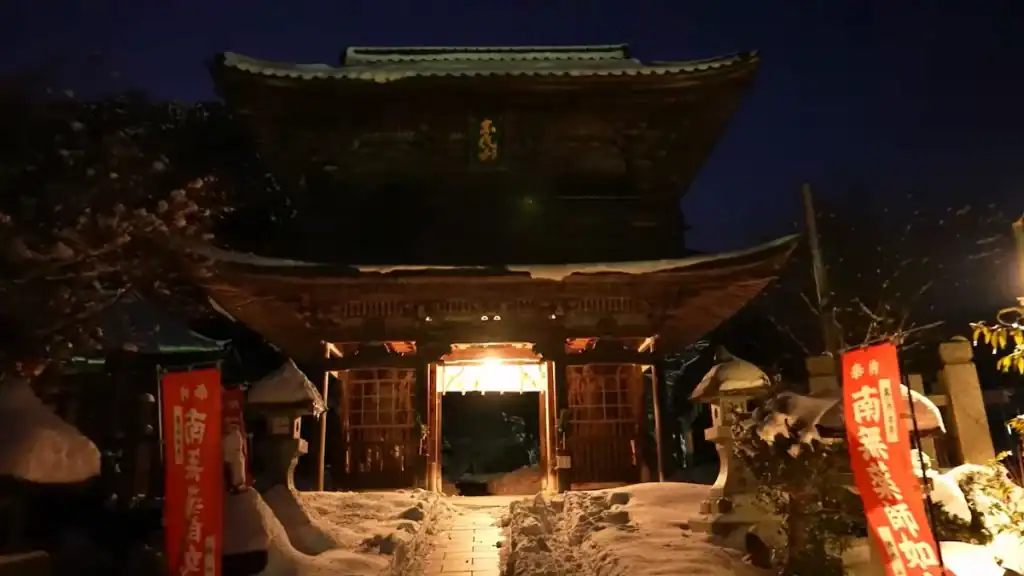

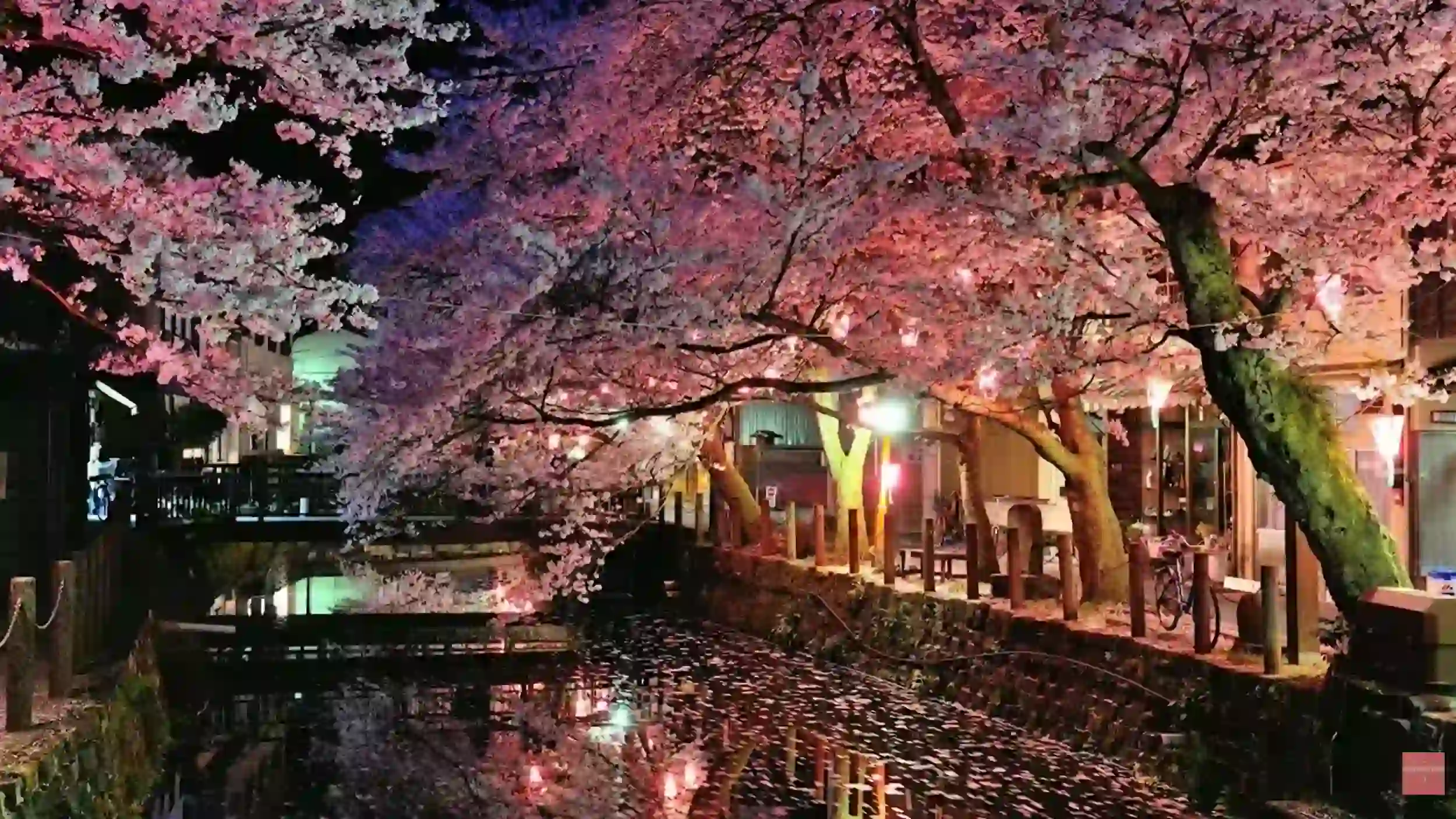
Kinosaki budget ryokans start at ¥8,000-¥12,000 per person with two meals, significantly below the town’s ¥15,000-¥50,000 average. Established options include Mikiya Ryokan, Tsukimotoya, and Yamamotoya, all located within 400 meters of Kinosaki Station and offering authentic tatami accommodations, kaiseki dinners, and complimentary passes to all seven public onsens – delivering exceptional value without compromising the traditional hot spring experience.
👀 Kinosaki Budget Ryokans: At a Glance
📌 Price range: ¥15,000-¥60,000 per person defines the spectrum
👥 Budget threshold: Under ¥25,000 qualifies as budget-friendly
⏱️ Peak pricing: Winter crab season doubles rates across all tiers
🌤️ Best value: Weekday summer visits offer 30-40% discounts
💰 Trade-off: Room-only rates save ¥8,000-12,000 versus half-board
⚠️ Hidden costs: Seven public baths remain free regardless of ryokan price
🚫 Skip if: You’re visiting specifically for premium Tajima beef kaiseki
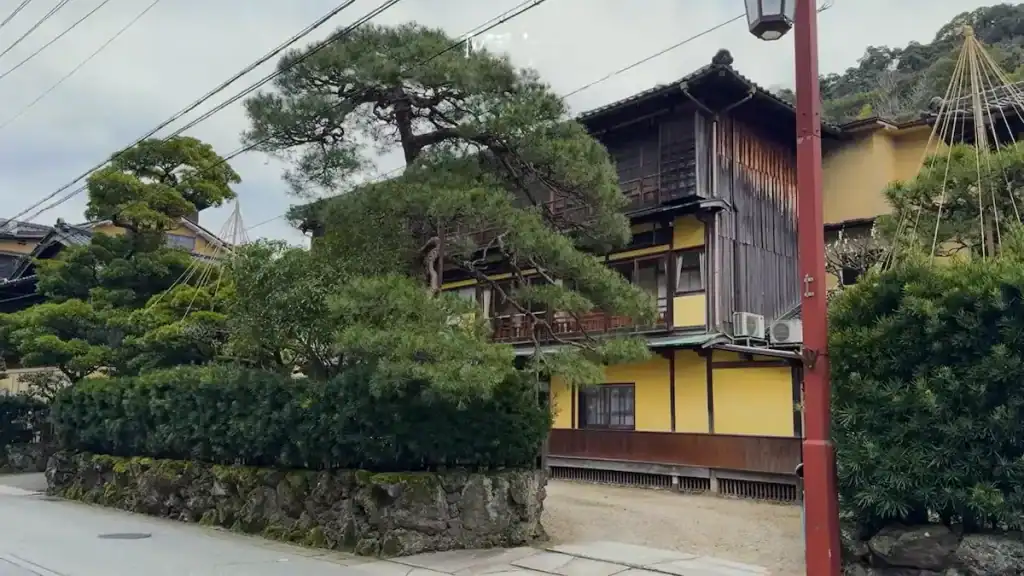
💴 Price Tiers Defining Kinosaki Budget Ryokans to Luxury
Kinosaki’s ryokan pricing follows three distinct categories that directly correlate with what you receive. Budget ryokans under ¥20,000 per person focus on basic accommodation with futon bedding and shared facilities. Mid-range properties between ¥30,000-40,000 add kaiseki meals and modest room upgrades. Luxury ryokans exceeding ¥50,000 include private onsen, premium seasonal ingredients, and sukiya-style architecture.
The pricing structure shifts dramatically during winter months when snow crab becomes available. According to the Kinosaki Onsen Ryokan Cooperative, properties increase rates by 40-60% between November and March. A ryokan charging ¥18,000 in July might demand ¥32,000 in January for identical accommodation. This seasonal fluctuation means summer budget travelers access facilities that winter visitors pay luxury prices to experience.
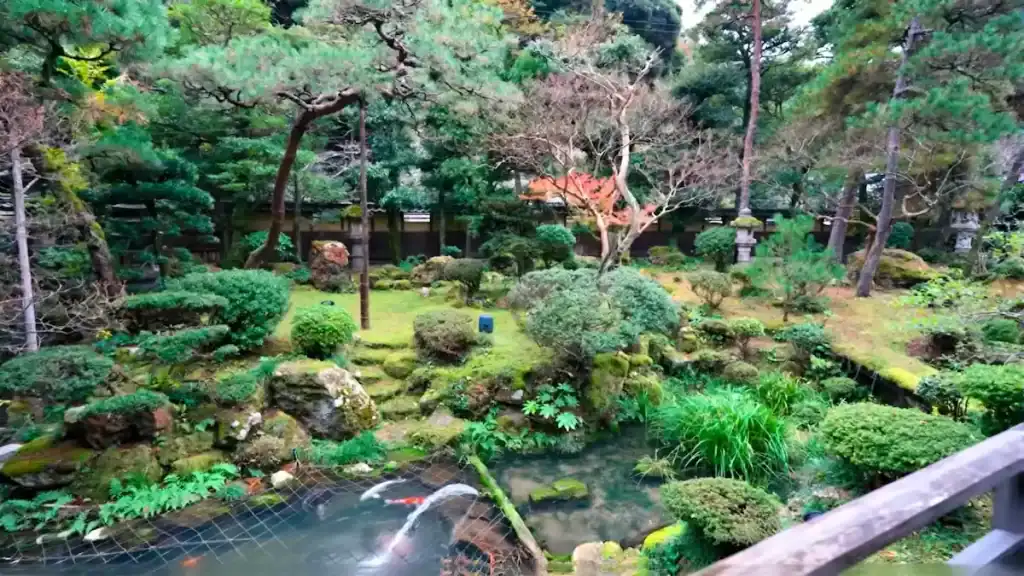
Under ¥20,000, ¥30,000-40,000, and ¥50,000+ Categories
Budget tier properties under ¥20,000 typically occupy older wooden buildings away from the willow-lined canal. You’ll sleep on standard futon with basic yukata robes and standard-issue towels. Breakfast might be Western-style bread and coffee rather than traditional Japanese spreads. The primary sacrifice involves meal quality and room size, not access to Kinosaki’s seven public bathhouses, which remain equally available to all visitors.
Premium ryokans above ¥50,000 deliver tangible luxury through private rotenburo attached to your room, multi-course kaiseki featuring Tajima wagyu and Matsuba crab, and attentive nakai service. The Japan National Tourism Organization notes these properties often limit guest numbers to maintain exclusivity. Room sizes expand to 12-15 tatami mats with separate sitting areas overlooking private gardens. The experience transitions from accommodation to curated cultural immersion.
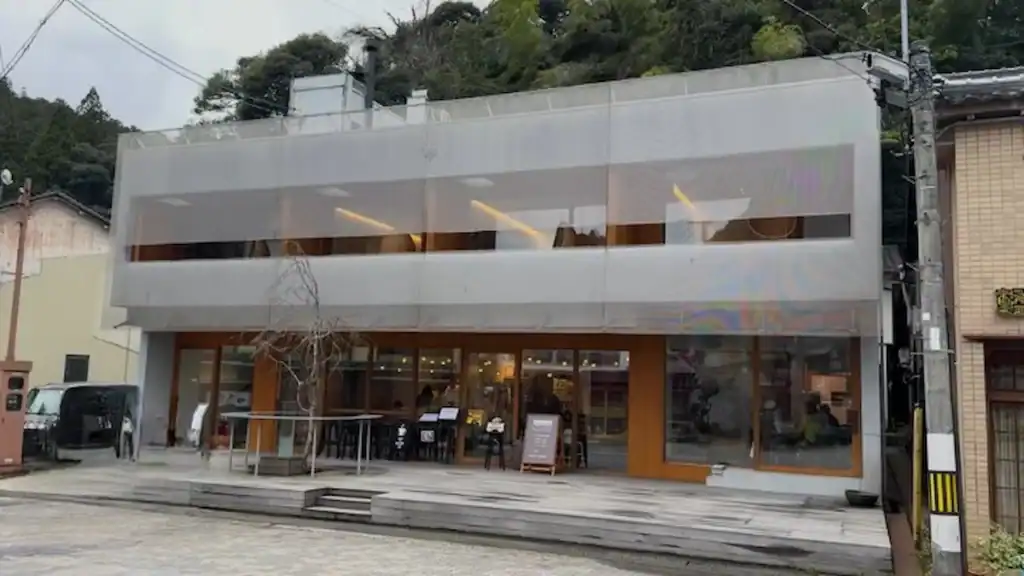
✂️ What Kinosaki Budget Ryokans Cut to Lower Prices
The most significant cost reduction comes from eliminating meals entirely. Room-only rates at budget ryokans start around ¥12,000-15,000 per person, while adding half-board kaiseki increases this to ¥23,000-28,000. Kinosaki’s compact layout allows easy access to independent restaurants along the canal. You can eat exceptional crab donburi for ¥3,500 or udon for ¥900 rather than paying ¥12,000 for a kaiseki meal you might not fully appreciate.
Budget properties reduce staffing levels and service frequency. Don’t expect staff to carry luggage or turn down futon while you bathe. The Ministry of Land, Infrastructure, Transport and Tourism regulates basic safety standards, but service style remains unregulated. Many budget ryokans operate with minimal English-speaking staff and simplified check-in procedures. This self-service approach works fine for independent travelers comfortable navigating Japanese hospitality norms.
Room-only Rates Versus Half-board Kaiseki Service
Choosing room-only provides maximum flexibility for exploring Kinosaki’s diverse food scene. The town’s restaurant row offers everything from ¥1,200 ramen to ¥8,000 crab kaiseki at standalone establishments. Budget-conscious travelers often book room-only at ¥15,000, spend ¥4,000 on excellent independent meals, and save ¥9,000 compared to mandatory half-board packages. This strategy works especially well during off-season when restaurants offer competitive pricing.
Half-board packages make sense when you’re visiting specifically for traditional kaiseki experience or during winter crab season when restaurant reservations become difficult. The Hyogo Prefecture tourism data shows half-board guests spend 25% less time coordinating dinner reservations. Premium ryokans source superior ingredients and employ trained kaiseki chefs whose skills justify the upcharge. If you’ve never experienced 12-course traditional Japanese cuisine, the premium often delivers proportional value.
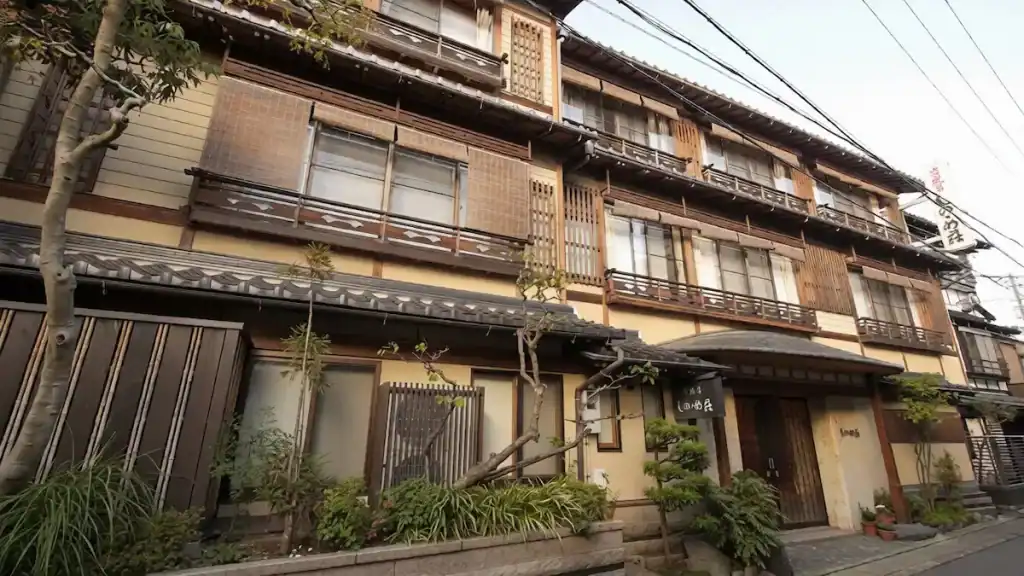
🏆 Best Value Kinosaki Budget Ryokans Under ¥25,000
Mikiya and Tsuchiya consistently appear in budget-conscious traveler reviews for delivering clean, well-located accommodation under ¥20,000. Both occupy traditional wooden buildings within five minutes of Kinosaki Station. Rooms feature standard tatami and futon setup with shared facilities. Neither offers private baths, but both provide yukata and geta for the essential ritual of hopping between public bathhouses. The ¥16,000-18,000 per person room-only rate represents Kinosaki’s sweet spot for budget accessibility.
Shinonomeso Inn bridges budget and mid-range categories at ¥22,000-25,000 with half-board. This family-run property includes a modest kaiseki dinner featuring local fish and seasonal vegetables. The building shows its age through creaking floors and dated bathroom fixtures, but the onsen water flows from the same municipal source feeding luxury properties. Location along the main canal provides immediate access to Kinosaki’s atmospheric evening scene.
Strategic Off-season Booking and Weekday Discounts
Visiting between April-June or September-October slashes rates by 30-45% while maintaining pleasant weather. The Japan Meteorological Agency records average May temperatures of 18-22°C, ideal for outdoor yukata walks between bathhouses. A ¥28,000 winter weekend rate often drops to ¥16,000 on Tuesday in May. This dramatic reduction applies across all price tiers, meaning budget travelers can sometimes access mid-range properties at budget prices through strategic timing.
Weekday stays Monday-Thursday typically cost ¥5,000-8,000 less than Friday-Sunday regardless of season. Many ryokans implement dynamic pricing that punishes weekend demand. Booking two months ahead provides best selection, though last-minute weekday availability sometimes yields unexpected discounts. The trade-off involves potentially fewer open restaurants and quieter town atmosphere, which some travelers prefer over weekend crowds cramming the narrow bathhouse corridors.
💎 When Splurging Beyond Budget Matters Most
Winter crab season represents the clearest justification for exceeding budget constraints. Matsuba crab caught in the Sea of Japan between November and March commands premium pricing throughout Kinosaki. Budget ryokans either skip crab entirely or serve minimal portions of lower grades. Spending ¥45,000-55,000 at established properties like Nishimuraya Honkan delivers full crab kaiseki with multiple preparation styles showcasing this regional delicacy. The Fisheries Agency of Japan certifies authentic Matsuba crab, which budget establishments rarely feature.
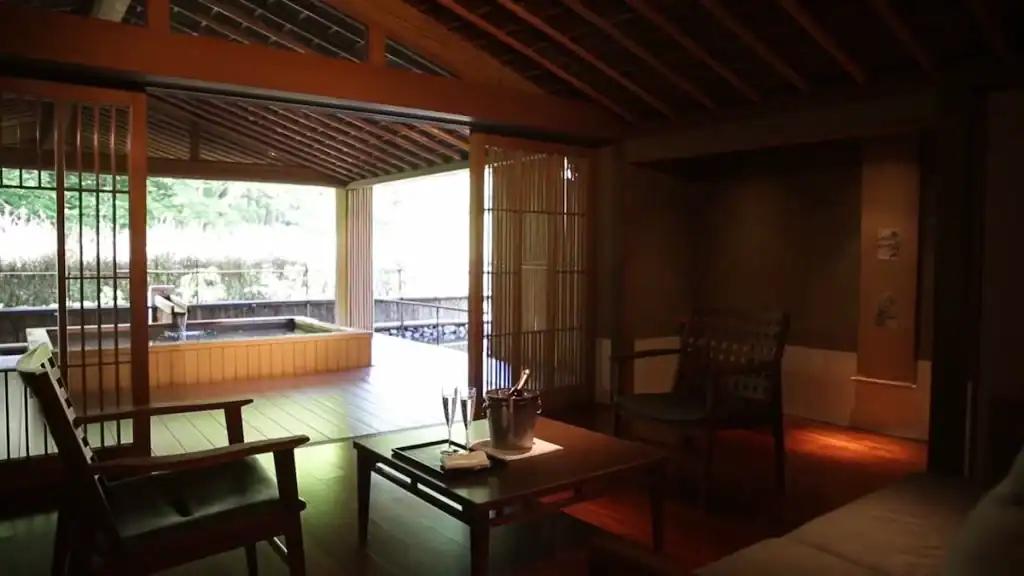
Private rotenburo attached to your room eliminates the primary friction point of shared bathing facilities. While Kinosaki’s seven public baths provide excellent variety, peak evening hours create crowding and reduced relaxation potential. Premium ryokans with in-room baths allow unlimited soaking on your schedule without navigating cold outdoor corridors. This convenience matters most for couples seeking privacy, elderly travelers with mobility concerns, or anyone uncomfortable with communal nude bathing culture.
Private Baths and Premium Crab Dinner Experiences
Kashoutei Hanaya and Nishimuraya Shogetsutei lead the luxury category with private outdoor baths and kaiseki featuring Tajima wagyu alongside crab. Rates exceeding ¥60,000 per person include exceptional service, room sizes above 60 square meters, and priority access to limited seasonal ingredients. These properties justify premium pricing through culinary execution that budget ryokans cannot replicate. If your Kinosaki visit centers on experiencing Japan’s highest-level traditional hospitality, budget constraints become false economy.
The honest assessment: most travelers visit Kinosaki primarily for the unique seven public bathhouse circuit and atmospheric canal walks. Budget ryokans provide perfectly adequate bases for this core experience at ¥15,000-20,000. Splurging makes sense when food quality drives your trip or when special occasions justify premium treatment. Otherwise, save ¥30,000 and allocate those funds toward extending your Japan itinerary elsewhere. Have you found the right balance between budget and experience for your Kinosaki visit? Share which factors matter most to your decision in the comments.