

When deciding how many days in Hoi An, most travelers need 1 day to see Ancient Town and visit tailors (8 hours total). A 1-day Hoi An + 2-day Tam Ky split allows beach time at 90% less crowded coastline while saving $360 over a 3-night Hoi An stay. Add a second Hoi An day only for Lantern Festival.
👀 How Many Days in Hoi An: At a Glance
📌 Ancient Town Duration: 4 hours covers main sights and walking tours
👥 Tailor Fittings: 2 hours for initial measurements and fabric selection
⏱️ Beach Time: 2 hours at An Bang Beach completes the 8-hour experience
🌤️ Best Months: February to August offers dry weather and fewer floods
💰 Cost Reality: Hoi An accommodation is 3x more expensive than nearby Tam Ky
⚠️ Overcrowding: 14th lunar month brings massive crowds for Lantern Festival
🚫 Skip if: You need quiet beaches or hate tourist-heavy destinations
💰 Why “How Many Days in Hoi An” Has One Answer for Content (Another for Cost)
Most travel blogs tell you to spend 3-4 days in Hoi An because that’s what fills itineraries and sounds impressive. The truth is more complicated. You can see everything worth seeing in Hoi An’s Ancient Town in about 8 hours, but hotel prices push most travelers into multi-night bookings.
Hoi An operates on a pricing model that punishes efficiency. Single-night stays at mid-range hotels average $80-120, while 3-night packages drop to $60-90 per night. The Ancient Town ticket costs 120,000 VND and remains valid for 24 hours, encouraging you to split visits across two days even when unnecessary.
Ancient Town + Tailor Fittings = 1 Day, But 3-Night Stays Are Standard
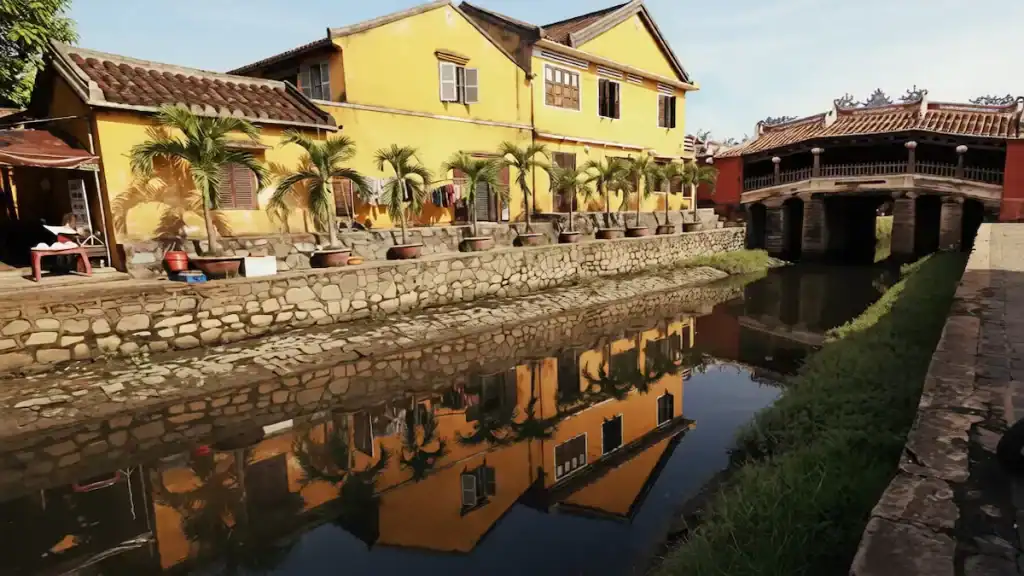
The actual content you came to see takes far less time than the accommodation industry suggests. The Japanese Covered Bridge, Tan Ky Ancient House, Fujian Assembly Hall, and riverside walking routes consume 4 hours at a relaxed pace. Add 2 hours for tailor measurements and fabric selection, plus 2 hours at An Bang Beach, and you’ve completed Hoi An.
But here’s the cost trap. Tailors require 24-48 hours for fittings, so ordering custom clothing automatically extends your stay. Hotels know this and price single nights prohibitively. The Lantern Festival (14th lunar month) creates another pressure point. Rooms book months ahead, forcing 2-3 night minimums during peak dates. According to U.S. State Department travel information for Vietnam, visitors should plan accommodations carefully during festival periods.
⏰ How Many Days in Hoi An You Actually Need: The 8-Hour Breakdown
Start at 7am when Ancient Town is empty and light is perfect for photos. Most tourists sleep until 9am, giving you golden hours to photograph the Japanese Bridge and walk Bach Dang Street without dodging selfie sticks. The UNESCO heritage zone opens all hours, so early arrival costs nothing but provides premium experience.
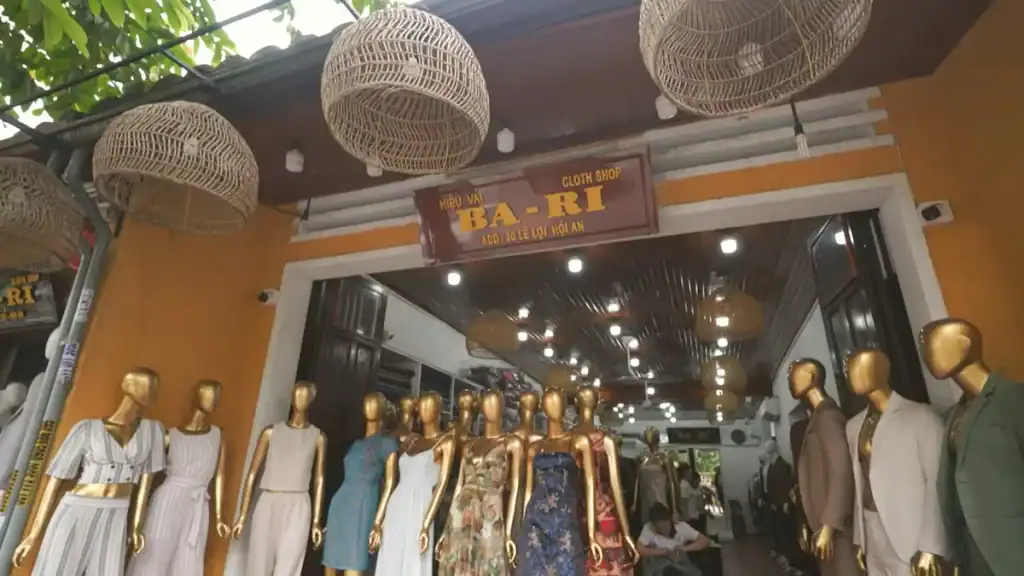
Rent a bicycle for 50,000 VND daily and cover the Old Town Market Square, Cantonese Assembly Hall, and Museum of Trade Ceramics by 10am. Stop for cao lau noodles at a riverside restaurant, then bike to tailor shops by 11am for measurements. Serious tailors (avoid the aggressive touts) need 30 minutes for proper fitting.
4 Hours Ancient Town, 2 Hours Tailors, 2 Hours An Bang Beach = Done
Afternoon belongs to An Bang Beach, located 4 kilometers from Ancient Town. The beach stretches 3 kilometers with white sand and minimal development. Unlike Hoi An’s crowded center, An Bang sees sparse midweek visitors. Rent a sunbed for 50,000 VND, order coconut water, and swim in clear water until 4pm.
Return to Ancient Town by 5pm for second tailor fitting if you ordered clothes. Most tailors complete simple items (dresses, shirts) in 24 hours, complex suits in 48 hours. Pick up finished items by 6pm, then decide: stay for night market and lanterns, or move on. The CDC Vietnam travel health page recommends mosquito repellent for evening activities near water.

🏖️ The 1 Day Hoi An, 2 Days Tam Ky Split: Why It Works
Tam Ky sits 60 kilometers south of Hoi An and costs 40% less for accommodation. The provincial capital offers Tam Thanh Beach, Tam Thanh Mural Village, and authentic Vietnamese markets without tour groups. Most importantly, it provides the beach relaxation that other places promise but fail to deliver due to overcrowding.
Spend Day 1 completing Hoi An’s 8-hour circuit as described above. Leave by 6pm via local bus (50,000 VND) or Grab car (300,000 VND) to Tam Ky. Check into beachfront hotels for $30-50 nightly, half of Hoi An’s rates. You’ve seen the UNESCO sites, ordered tailored clothes, and escaped before evening crowds peak.
Day 1: Hoi An Ancient Town. Days 2-3: Tam Ky Beaches and Village Markets
Days 2-3 belong to Tam Ky’s uncommercialized coast. Tam Thanh Beach stretches 2 kilometers with fishing boats, pine forests, and almost zero foreign tourists. The mural village features 100+ painted houses created by Korean and Vietnamese artists in 2016, providing Instagram content without Hoi An’s shoulder-to-shoulder crowds.
Ha Thanh Beach (10 kilometers north of Tam Thanh) offers seafood restaurants and local Vietnamese coffee culture. Tam Ky Market operates daily from 6am-10am, selling fresh produce, fish sauce, and street food without tourist markup. You’ll pay 30,000 VND for banh mi versus 50,000 VND in Hoi An. The Ky Anh Tunnels, a 32-kilometer underground network from the Vietnam War, provide historical depth that Hoi An’s merchant houses lack. Check current conditions via U.S. State Department Vietnam travel advisory before planning day trips.

🏮 When to Add a Second Day (Lantern Festival, Cooking Classes)
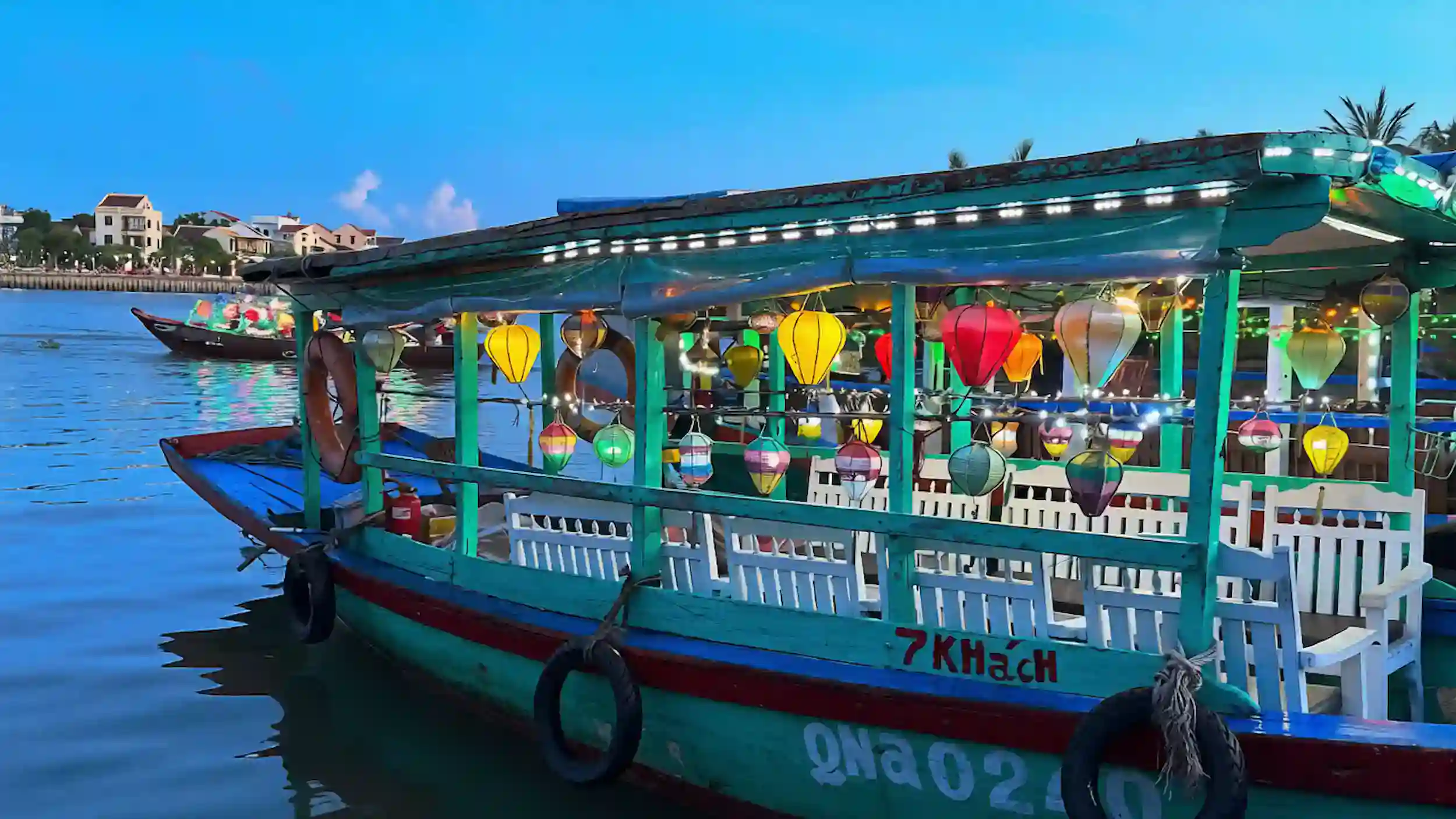
The monthly Lantern Festival (14th lunar day) justifies staying overnight in Hoi An. Electric lights shut off at 8pm, and 10,000+ silk lanterns illuminate Ancient Town. Residents release floating lanterns on Hoai River, creating scenes that regular nights cannot match. The February festival (first full moon after Tet) draws biggest crowds but also most elaborate celebrations.
If Lantern Festival falls during your travel dates, book Hoi An accommodation 2-3 months ahead. Expect minimum 2-night stays and 50% price premiums. Arrive by 6pm on the 14th to secure riverside spots before the 8pm lighting ceremony. The festival runs until 10pm but crowds thin after 9pm.
Monthly Lantern Festival Worth Sleeping in Hoi An, Otherwise Day-Trip
Cooking classes offer another reason to extend stays. Half-day courses (9am-1pm) include market tours, hands-on cooking of 4-5 dishes, and lunch. Reputable schools like Red Bridge or Gioan Cookery charge $35-45 and require morning availability. If cooking interests you, adding one overnight makes logistics easier.
Otherwise, day-tripping from Da Nang (30 kilometers away) or front-loading your Vietnam itinerary with Hoi An’s 8-hour essentials, then moving to Tam Ky’s cheaper beaches, optimizes both time and money. Most travelers spend 3-4 nights in Hoi An because they don’t realize alternatives exist 60 kilometers south. The Vietnam tourism information from Quang Nam Province details Tam Ky’s developing infrastructure and attractions. You now know the math: 1 day Hoi An content, 2 days Tam Ky relaxation, and optional second Hoi An night only if Lantern Festival or cooking classes justify the cost.