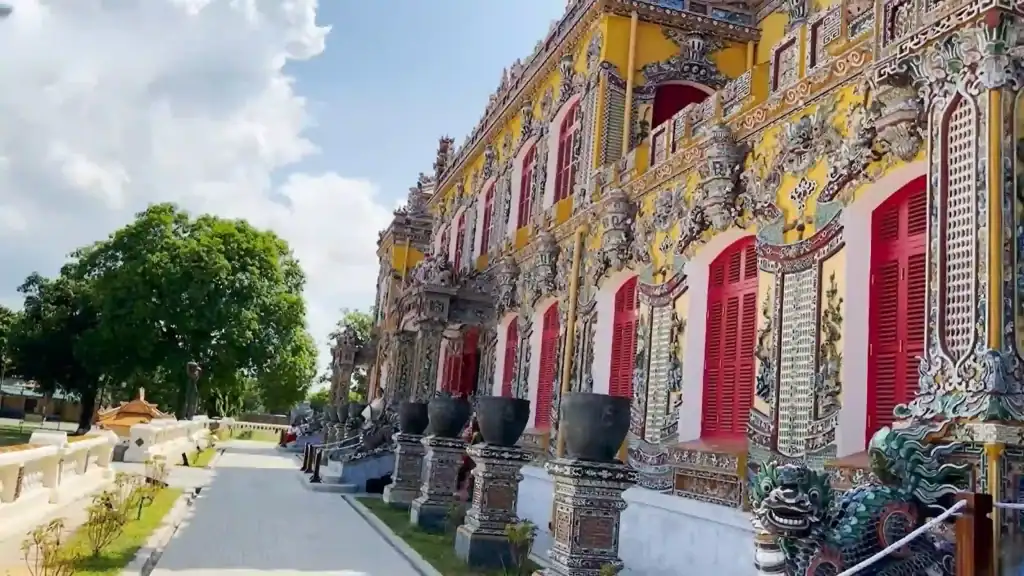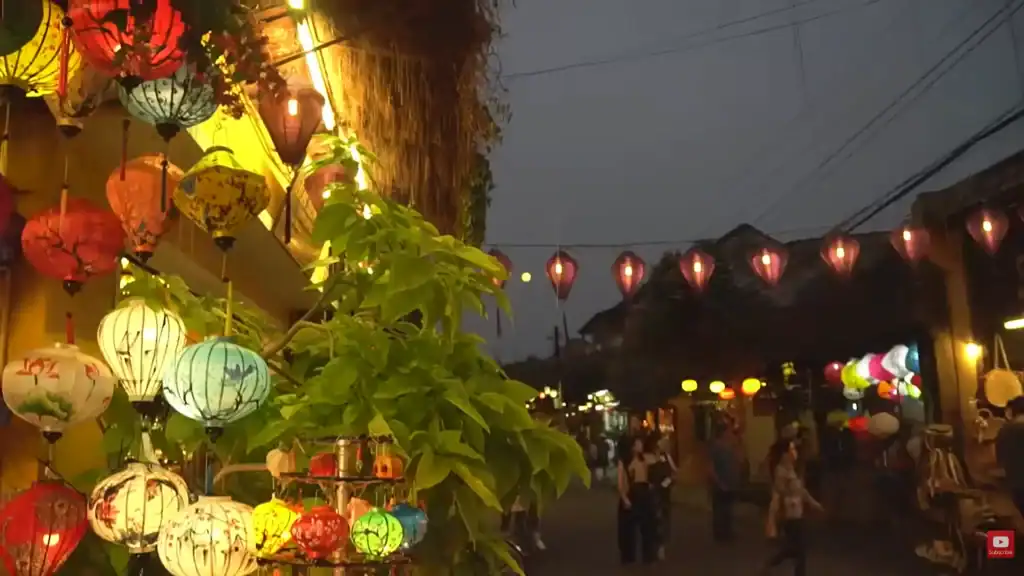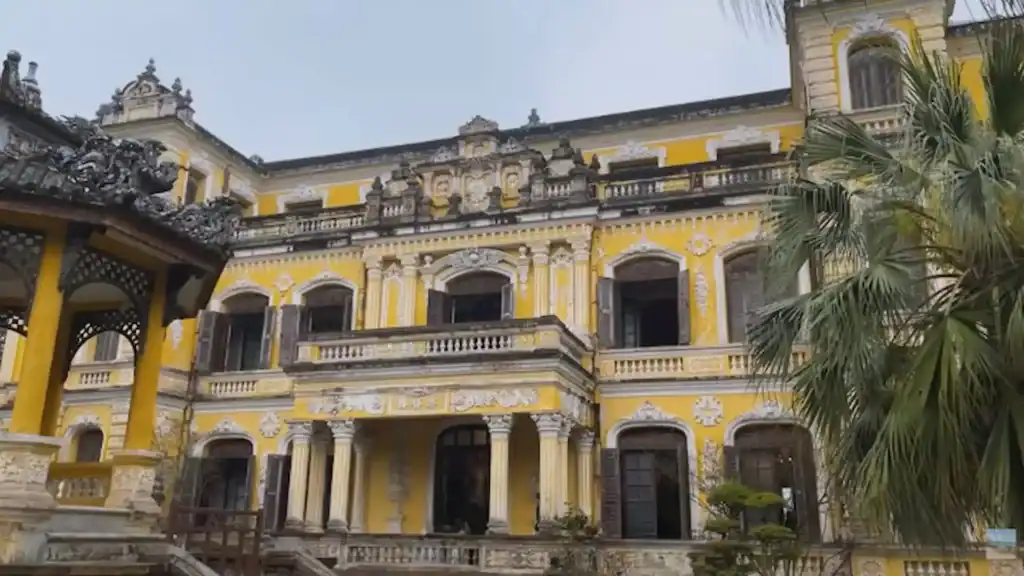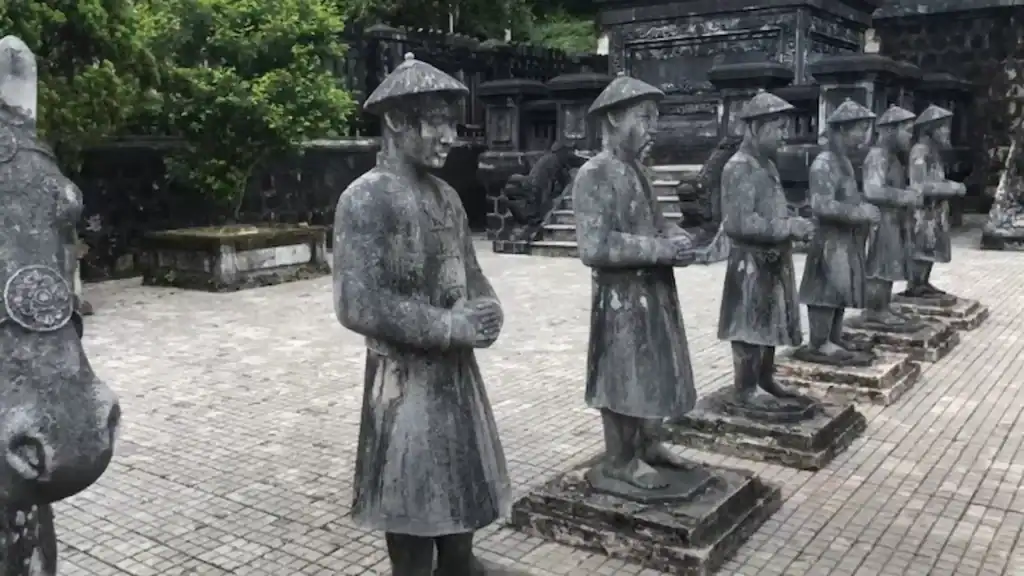

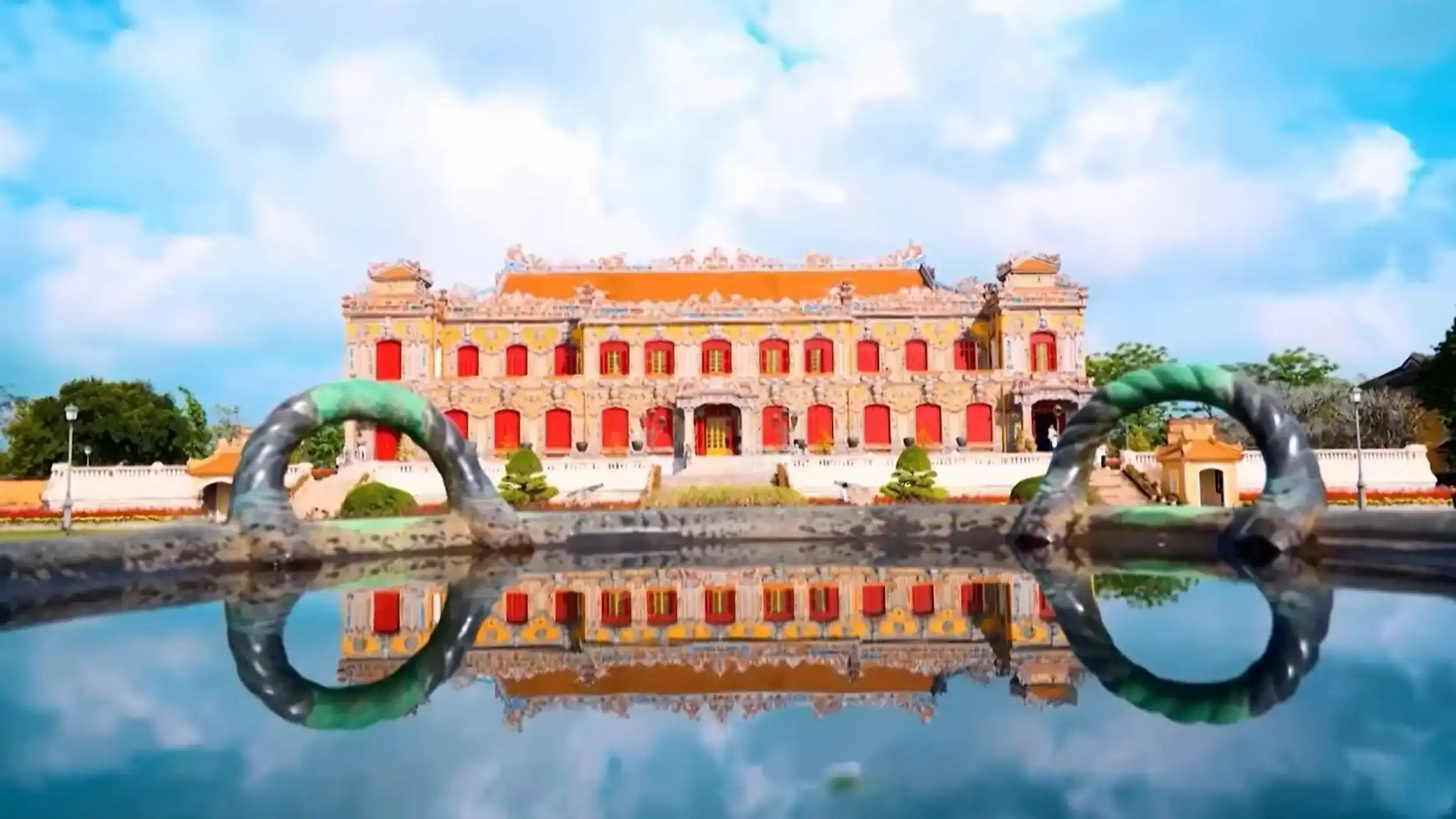
Is Hue imperial city worth it is a definitive yes, spanning 520 hectares with a 200,000 VND (8 euros) ticket and requiring 3 to 4 hours to explore. Key sights include Ngo Mon Gate, Thai Hoa Palace, the Forbidden Purple City, and Hue Citadel, all within 2 kilometers, delivering concentrated royal history without day trips.
👀 Is Hue Imperial City Worth It: At a Glance
📌 Entrance fee: 200,000 VND ($8 USD) for comprehensive ticket covering main palace grounds
👥 Restoration state: Approximately 70% still under reconstruction after Tet Offensive destruction
⏱️ Recommended visit time: 2-3 hours early morning (7-9 AM) before tour groups arrive
🌤️ Best season: February-April for clearer skies and less oppressive heat
💰 Photography permits: Included in general admission, no additional fees for personal cameras
⚠️ Realistic expectations: More historic ruin than pristine palace complex
🚫 Skip if: You expect Forbidden City-level grandeur or hate seeing scaffolding and concrete repairs
🎭 Why Tourist Expectations Doom the Hue Imperial City Experience
Most visitors arrive expecting Vietnam’s Forbidden City. They’ve scrolled through carefully angled Instagram photos showing ornate gates and bright halls. The marketing materials promise imperial grandeur. Reality gives something very different.
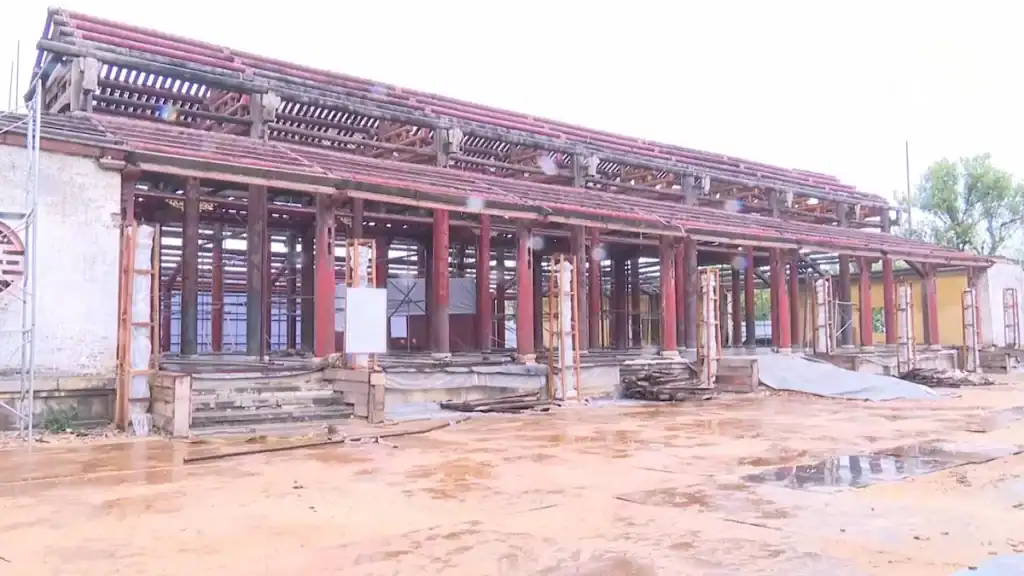
The disconnect starts at the gate. You’ll walk through large outer walls into what feels like an active building zone. Scaffolding covers many structures. Plastic tarps flutter over repair projects. The grand courtyards you expected are there, but they’re ringed by exposed concrete bases and piles of building materials.
Instagram Grandeur vs Ground-Level Reconstruction Reality
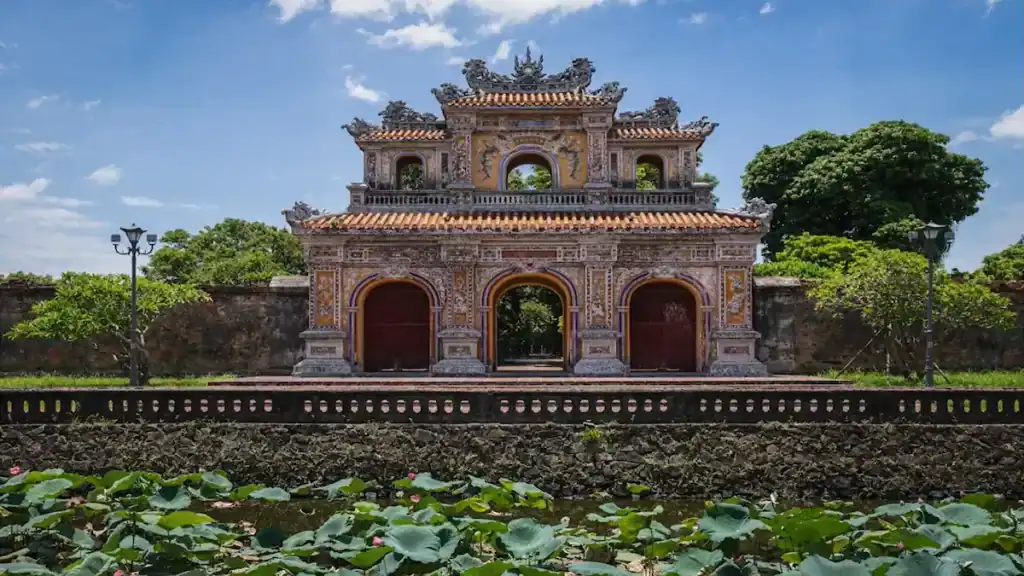
Your social media research showed clean red and gold structures against blue skies. Pro photographers stake out the same five pretty angles everyone copies. They shoot during golden hour and carefully exclude the repair work. They don’t show you the 30 other tourists waiting for the same shot.
The grounds span 520 hectares total, but only small sections match those curated photos. You’ll spend a lot of time walking between widely spread rebuilt buildings across empty bases. The UNESCO World Heritage Centre notes both the site’s past value and its incomplete repair status. Most structures exist as outlined bases or partial walls, not the full palace complex images suggest.
💣 Is Hue Imperial City Worth It After War Destruction?
The 1968 Tet Offensive wrecked Hue Imperial City in a major way. This wasn’t slow decay or simple neglect. Ongoing urban combat between North Vietnamese forces, South Vietnamese troops, and American forces reduced most structures to rubble. The battle lasted 26 days.
Tourists rarely grasp the wreckage scale before visiting. About 80% of the palace complex was wrecked during fighting. Big gun strikes, aerial bombs, and close-quarters combat wrecked age-old buildings. The Smithsonian Magazine archives document how fierce house-to-house fighting crushed priceless buildings across the citadel.
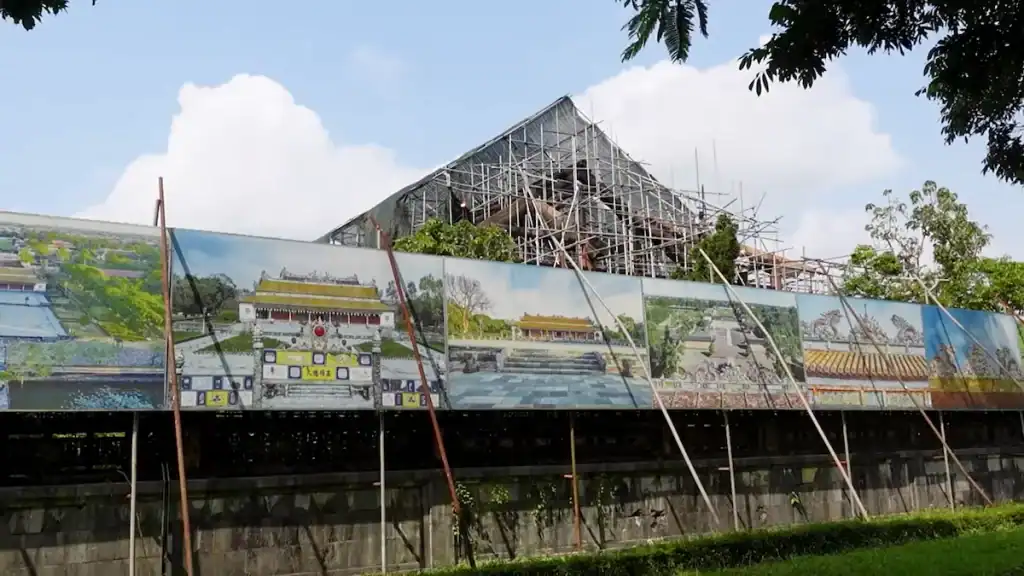
The 1968 Tet Offensive Damage Tourists Don’t Anticipate
What remains today shows either post-war building or the few structures that somehow survived. The Thai Hoa Palace stands fairly intact because it was built with very strong materials. Most other buildings you’ll see were rebuilt using past records and remaining bases.
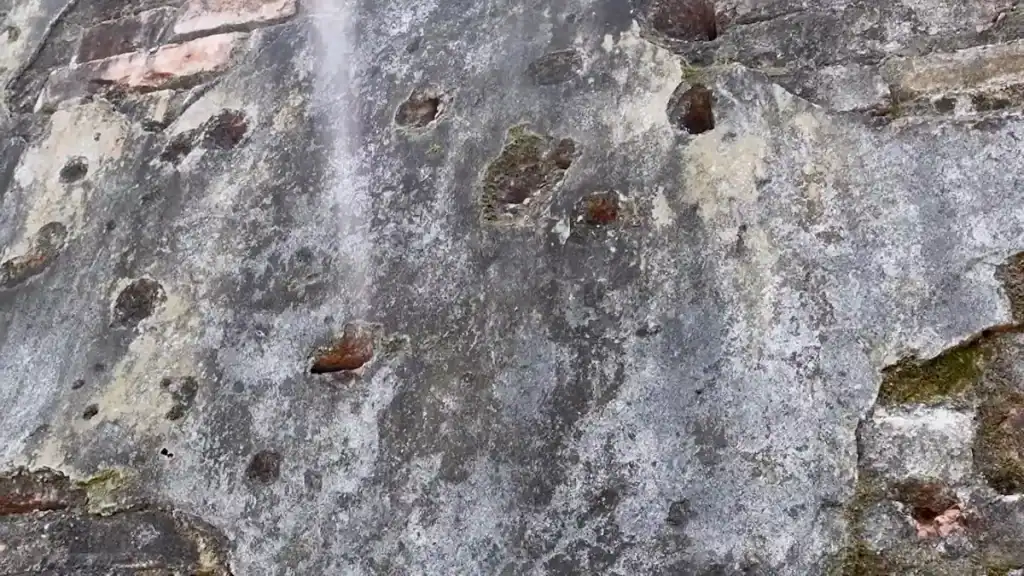
The Can Chanh Palace site is quite stark. Info plaques explain what stood there, but you’re basically viewing an old site footprint. Portions of the old walls survive and show bullet damage and shrapnel scars. The Vietnam National Administration of Tourism notes repair will continue for decades. Many tourists photograph these ruins thinking they’re seeing old structures, not grasping they’re looking at 1970s-2020s building work.
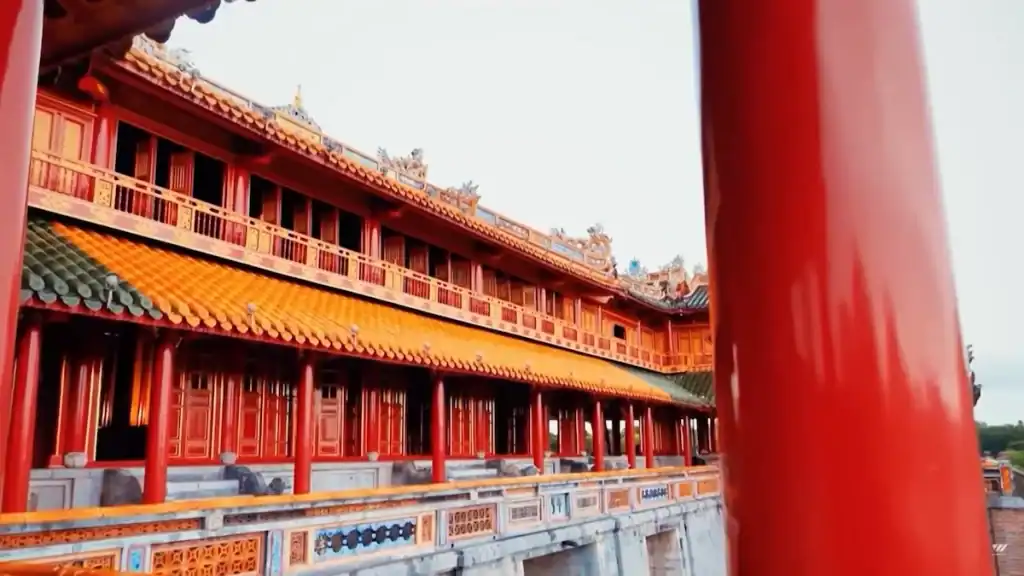
🏗️ Is Hue Imperial City Worth It Despite Restoration Issues?
Vietnamese leaders face a tough bind. Rebuild everything quickly using modern materials and lose past truth. Or preserve ruins as-is and let down tourists expecting a working palace. They’ve chosen a middle path pleasing neither purists nor casual visitors.
The repair approach uses concrete heavily. Old building used wood, stone, and standard techniques. Modern rebuilds focus on strength and speed over past truth. You’ll notice this right away when touching surfaces. That “old” pillar is often reinforced concrete with pretty paint, not hand-carved wood.
Is Hue Imperial City Worth It? Concrete Repairs vs Historical Standards
World preservation experts slam the heavy concrete use. The International Council on Monuments and Sites (ICOMOS) backs clear repair using reversible techniques. Hue’s approach often makes old and new hard to tell apart, except the new looks falsely pristine.
The Dien Tho Residence shows this debate well. Large 1990s building created a working structure, but purists argue it’s basically a replica. The pretty details are accurate to past records, yet the core structure is modern concrete. The Getty Conservation Institute has noted similar problems at heritage sites worldwide, where visitor hopes clash with preservation ethics. Some tourists like seeing structures intact rather than as ruins. Others feel tricked finding what amounts to a past theme park.
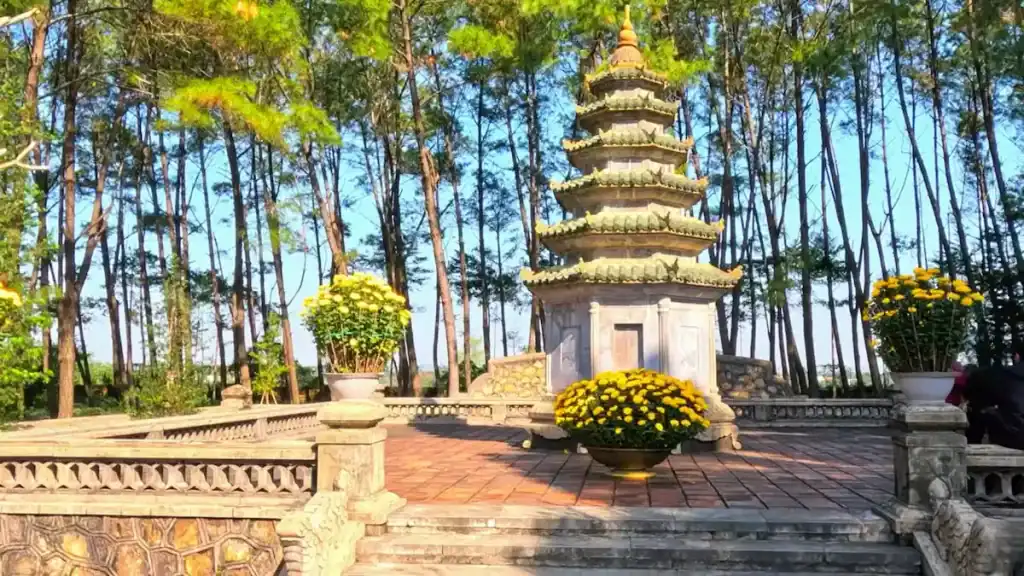
✨ When Hue Imperial City Delivers Despite the Disappointment
Early morning transforms the visit fully. Arriving at 7 AM means you’ll have major sections basically alone. The harsh truths of concrete building matter less when soft morning light filters through ornate windows. Tour buses don’t arrive until 9 AM, giving you two hours of relative peace.
The building details reward close study despite repair issues. Old tile work survives in shielded areas. Carved stone dragons and phoenixes show great skill. The precision of door frame joinery shows why these structures lasted centuries before war wrecked them.
Early Morning Visits and Architectural Details Worth Studying
Focus on specific bits rather than expecting overall grandeur. The Nine Dynastic Urns near Thai Hoa Palace are old bronze works from 1835-1837, each weighing about 2,600 kilograms. Their detailed carvings showing Vietnamese landscapes and daily life survived the war intact.
The Forbidden Purple City section, though mostly bases, offers genuine past mood. Minimal repair means you’re viewing true ruins. Info plaques explain the old layout while you walk across what were once private imperial gardens. The U.S. National Park Service rules note that preserved ruins can convey history more truly than heavy building. Worth visiting? Yes, but adjust hopes to value what survived rather than mourn what was lost.