
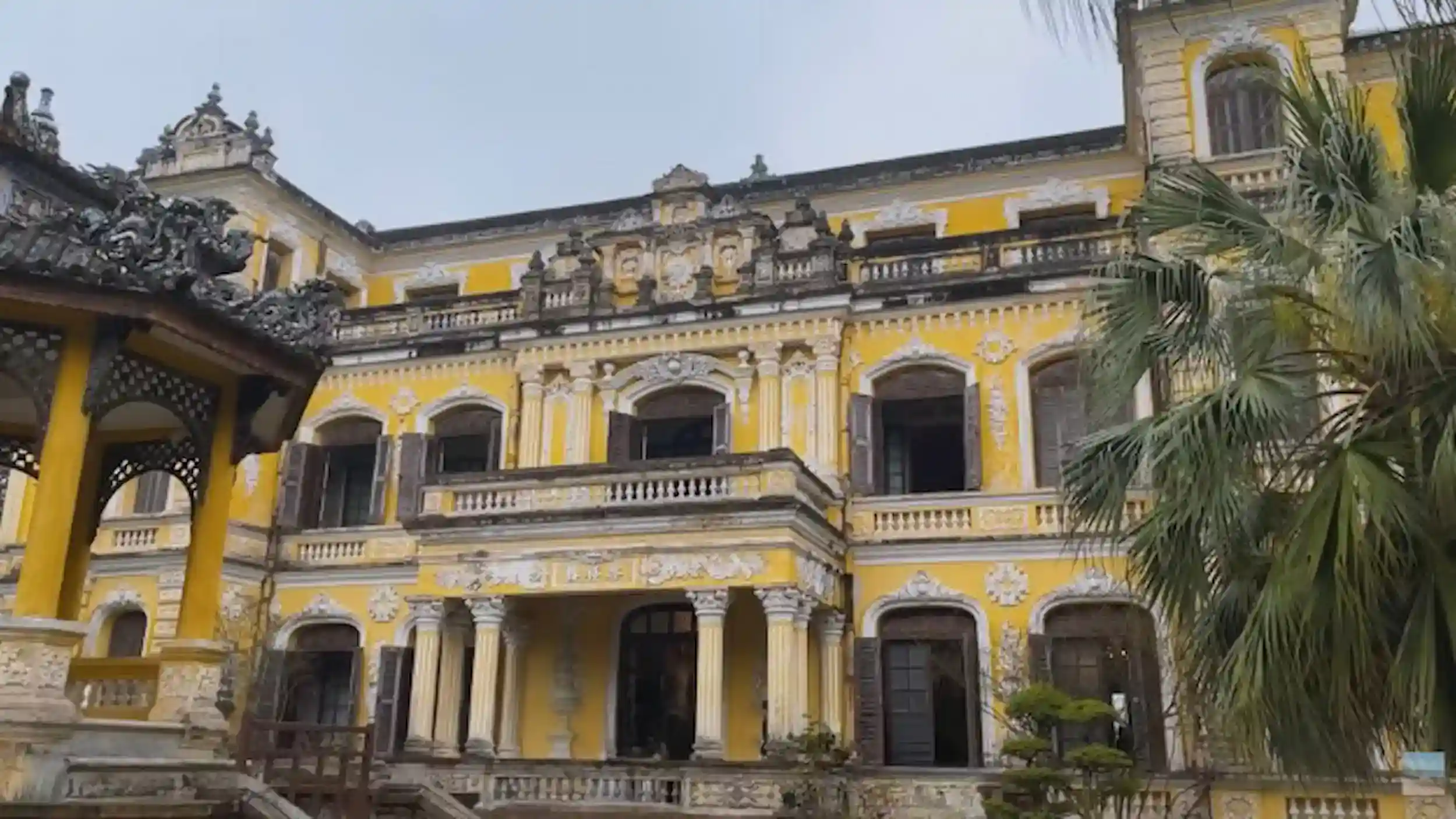
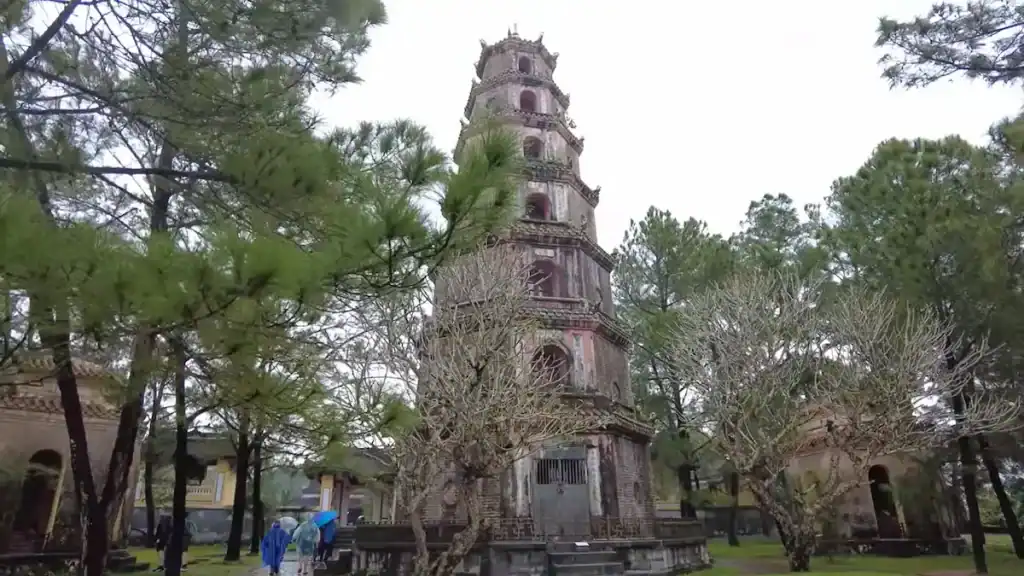
Hue’s rainy season runs from September to January, averaging 2,500 millimeters of rain annually, with peak flooding September to November and temperatures of 20 to 24°C. Expect Imperial City moats to rise 0.5 meters, Perfume River cruises paused, Dong Ba Market umbrellas at 1 to 2 euros, while Thien Mu Pagoda and royal tombs stay visitable with rain gear.
👀 Hue’s Rainy Season Guide: At a Glance
📌 Peak flooding months: October to December with 407mm+ rainfall monthly
🌊 Perfume River rises: Up to 5 meters during severe storms, submerging city streets
⏱️ Rain duration: Not brief showers but sustained downpours lasting days or even weeks
🚫 Worst months: October and November statistically see the highest rainfall and flooding
💰 Lower prices: 30-40% cheaper hotels but you’ll be trapped indoors
⚠️ Infrastructure breakdown: Roads flood, power cuts for 2-3 days, tomb access becomes impossible
🚫 Skip if: You’re planning outdoor activities, visiting tombs, or have limited flexibility in travel dates
🌧️ What Actually Happens During Hue’s Rainy Season Peak Months
Hue’s rainy season runs from September through January, but the worst hits from October to December. This is not your typical tropical drizzle at all. October alone dumps 407mm of rain across 14 rainy days and turns the old capital into a wet obstacle course. The Perfume River, normally a calm waterway for dragon boat tours, swells badly and often hits alarm level 3 at 3.5 meters.
The 2025 record tells the story clearly for anyone who has doubts about it. Bach Ma Mountain got 1,739mm of rain in just 24 hours during October, the second-highest daily rainfall ever seen around the world. Streets in central Hue were under one meter of water for days. Cars stalled under water while rescue teams used boats, not cars, to get through flooded streets. This was not a freak event but rather typical peak season flooding that happens every year.
October to December flooding patterns and Perfume River levels
Power outages strike most of the city for 2-3 days straight during major floods each season. The U.S. Embassy in Vietnam sent out many weather alerts through October and November 2025, warning travelers about flooding in central Vietnam, mainly around Hue. Dams upstream let water out fast to stay safe, which causes the Perfume River to rise even faster than rainfall alone would cause.
Whole neighborhoods move out to shelters when the water gets too high to stay home. In November 2024, 730 people were moved out from low areas like An Cuu and Thuy Xuan. The Truong Tien bridge, Hue’s famous arched landmark, becomes totally blocked when flood waters cover the roadway. Travelers get stuck for days unable to move between hotels or reach the airport. According to CDC travel health information for Vietnam, staying alert to changing weather and changing plans when conditions become unsafe is critical during this period.
☂️ How Hue’s Rainy Season Ruins Tomb Visits & Outdoor Plans
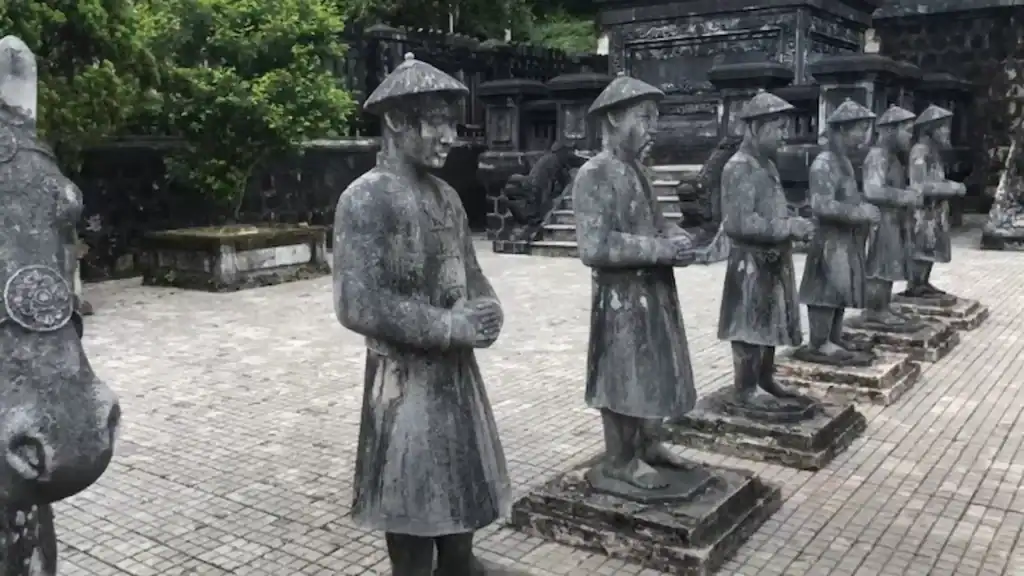
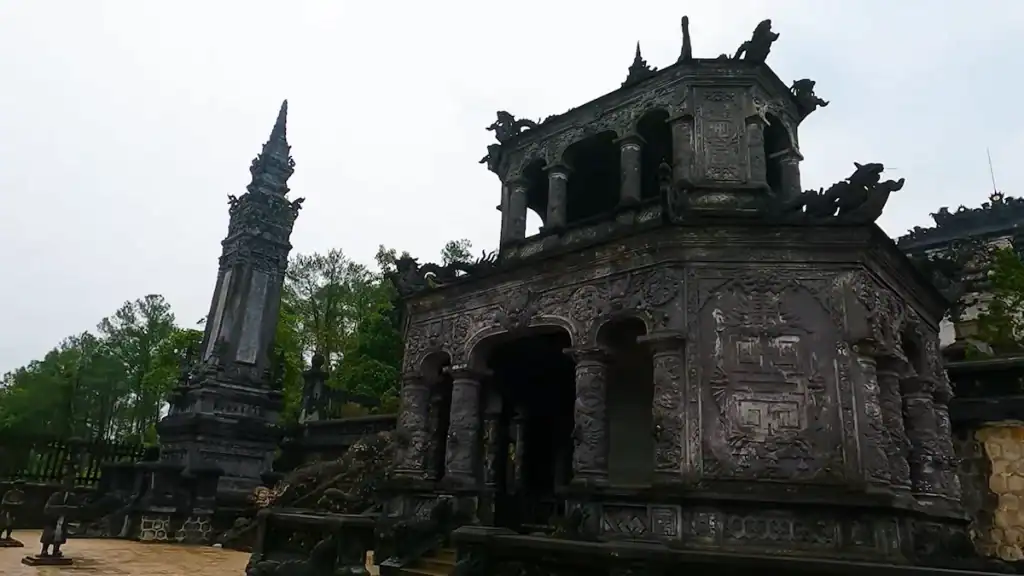
Royal tomb visits during rainy season turn from cultural highlights into muddy nightmares for most visitors. The old tombs sit 7-12 kilometers outside central Hue along dirt access roads and rural paths all through the area. These dirt tracks turn into slippery mud pits after even moderate rainfall hits the region. Tu Duc Tomb, Minh Mang Tomb, and the remote Gia Long Tomb become largely out of reach without four-wheel drive cars.
One traveler’s story from 2017 describes biking to the tombs during light rain that day. Five minutes down the road the pavement became a path leading through mud and large puddles everywhere. That was during light rain, not even heavy rain from peak season. During October-November peak season, these paths flood fully and strand visitors or stop access to the sites. The journey becomes as bad as the end point when you finally arrive there.
Dirt paths turn to mud, boat tours cancel, motorbikes slip
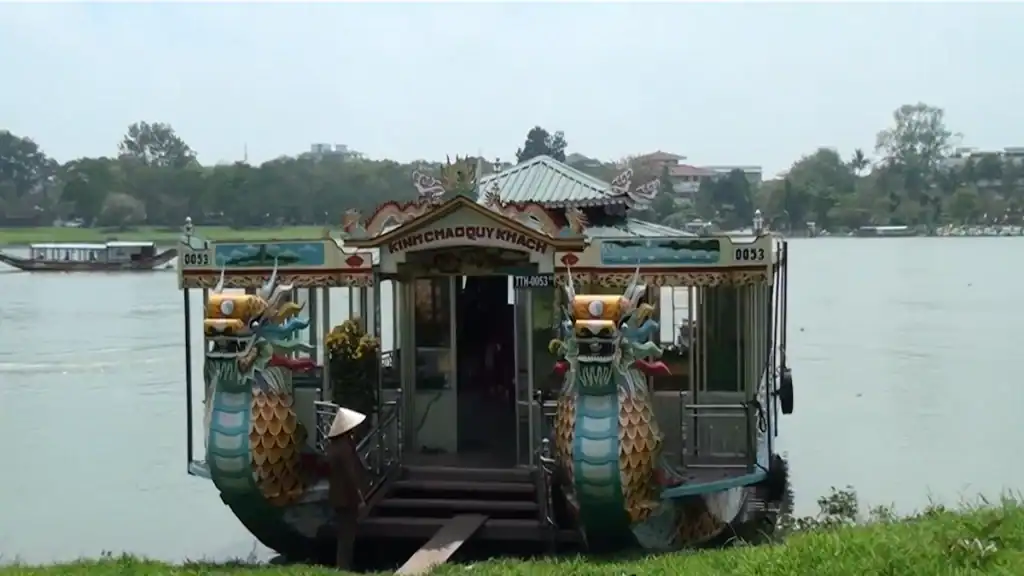
Dragon boat tours on the Perfume River cancel when water levels spike and currents become unsafe for people. The brown, churning river loses its draw fully during floods that hit the area. Boat operators will not risk rider safety when the river goes past alarm levels set by local authorities. Even when tours still operate, the view consists of muddy brown water and covered riverbanks, not the romantic scenes travelers expect to see.
Motorbike crashes spike greatly during wet conditions that make roads slippery and quite unsafe to ride on. Hue’s tomb circuit is popular for independent scooter tours, but rain turns tiled courtyards and stone pathways into skating rinks. Wet ceramic tiles at tomb entrances become very slippery and cause many falls. One visitor warned to wear shoes with strong grip because tiles get slippery during wet season. Crossroads near Cau Tuan bridge become especially unsafe for riders on motorbikes.
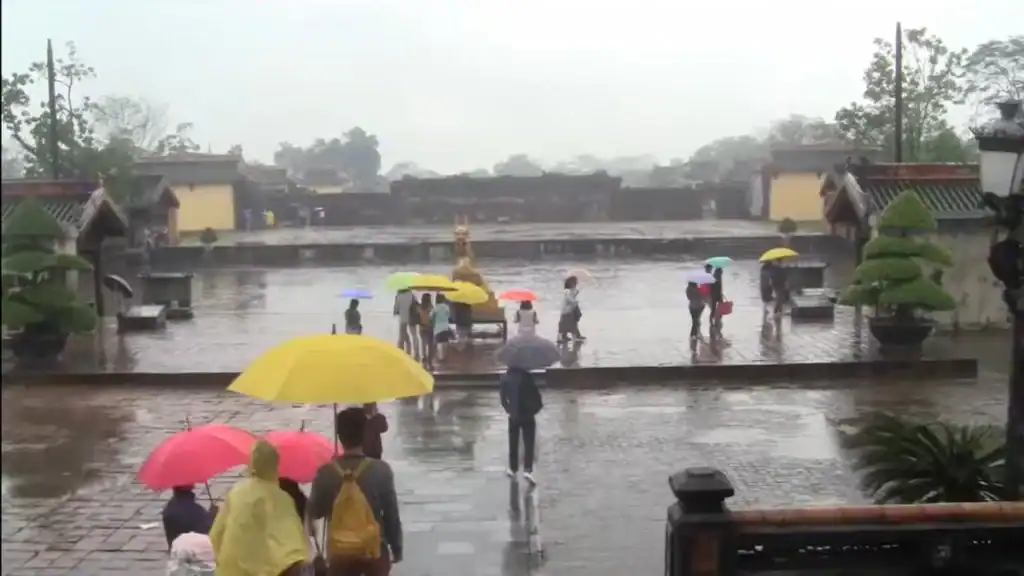
💸 The Hue’s Rainy Season Paradox for Budget Travelers
Hotels slash prices by 30-40% during October-December, making Hue look attractive for budget travelers at first glance. A room that costs 800,000 VND in March drops to 500,000 VND in November for the same quality. Restaurant prices stay low because tourist crowds go away fully from the city. You will have monuments nearly to yourself when weather permits visits to happen at all.
But here is the catch that ruins the clear savings for most people. You will be stuck in your hotel room for days at a stretch during heavy rains. The Vietnam Tourism official site notes that Hue’s rainy season brings storms and days that are wet and cool from September to February with occasional flooding from September to November. Forum posts from stuck travelers tell the real story about what truly happens during this time.
Cheaper accommodation vs unusable daylight hours trade-off
Daylight hours become fully unusable when rain persists for 3-7 days in a row without any break at all. Unlike Bangkok where monsoon rain comes in known afternoon bursts, Hue’s rain is ongoing drizzle from morning until night. It is not romantic mood but gray, depressing sameness that drains your energy. You will watch the rain from your budget hotel window while precious vacation days drain away fully.
Infrastructure failures add to the problem greatly for travelers trying to move around the city or region. Roads flood and remain blocked for days even after rain stops falling from the sky. Train services get delayed or cancelled when tracks flood in Phu Loc district nearby. Flights continue at Phu Bai Airport, but reaching the airport through flooded roads becomes the real challenge. The budget trap shows itself quickly when you see the true cost of your savings.
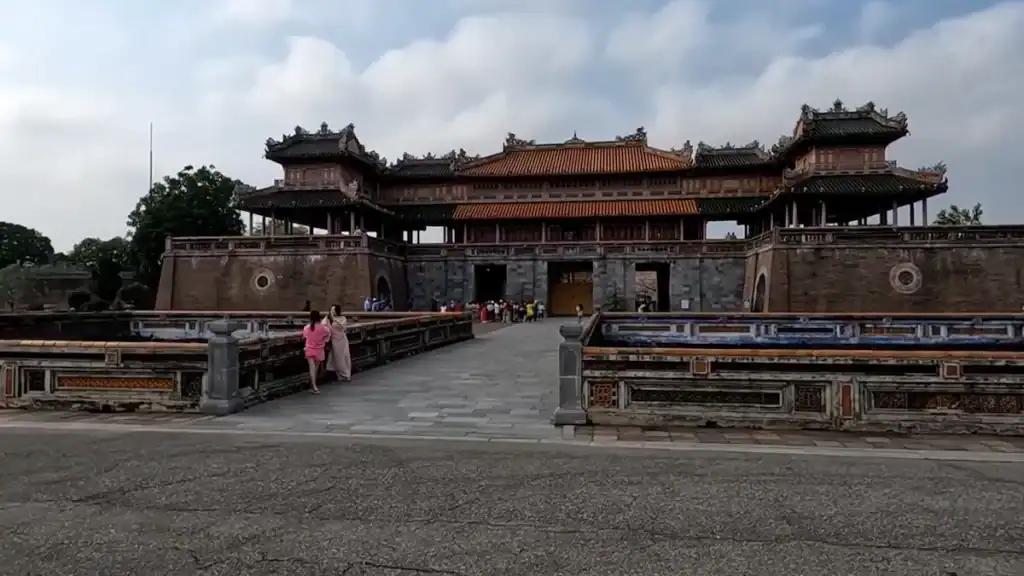
☀️ Best Time to Visit Hue After Rainy Season Ends
February through April offers the sweet spot after rainy season tapers off and conditions improve greatly. January still sees lingering monsoon rains, but by February, rainfall drops to 93mm monthly, about a third of January levels. Temperatures stay comfortable at 20-24°C, perfect for walking the Imperial Citadel and cycling between tombs without breaking a sweat or feeling too hot.
March and April deliver steady sunny weather without the brutal 40°C heat that arrives in July and August later. The Hue Festival happens in April, showcasing royal court music, traditional crafts, and cultural shows you simply cannot see during rainy season when events get cancelled. Tet celebrations in late January or February offer another cultural highlight worth timing your visit around if you can.
Why February to April offers clear skies without summer heat
Tomb access improves greatly as dirt roads dry out and become fully passable by motorbike or bicycle safely. The romantic dragon boat experience on the Perfume River truly delivers on its promise during these months, with clear skies reflecting off calm water below. Historical sites appear as they should look: majestic, photogenic, and accessible without navigating floods or mud like during rainy season.
The trade-off is higher prices and more crowds, but these are manageable problems for most travelers visiting Hue. Hotels return to peak season rates that cost 30-40% more than rainy season discounts. Popular tombs like Tu Duc and Khai Dinh see tour groups, mainly from March onward through the spring. You will need to arrive early at sites to avoid crowds and capture photos without throngs of people.