
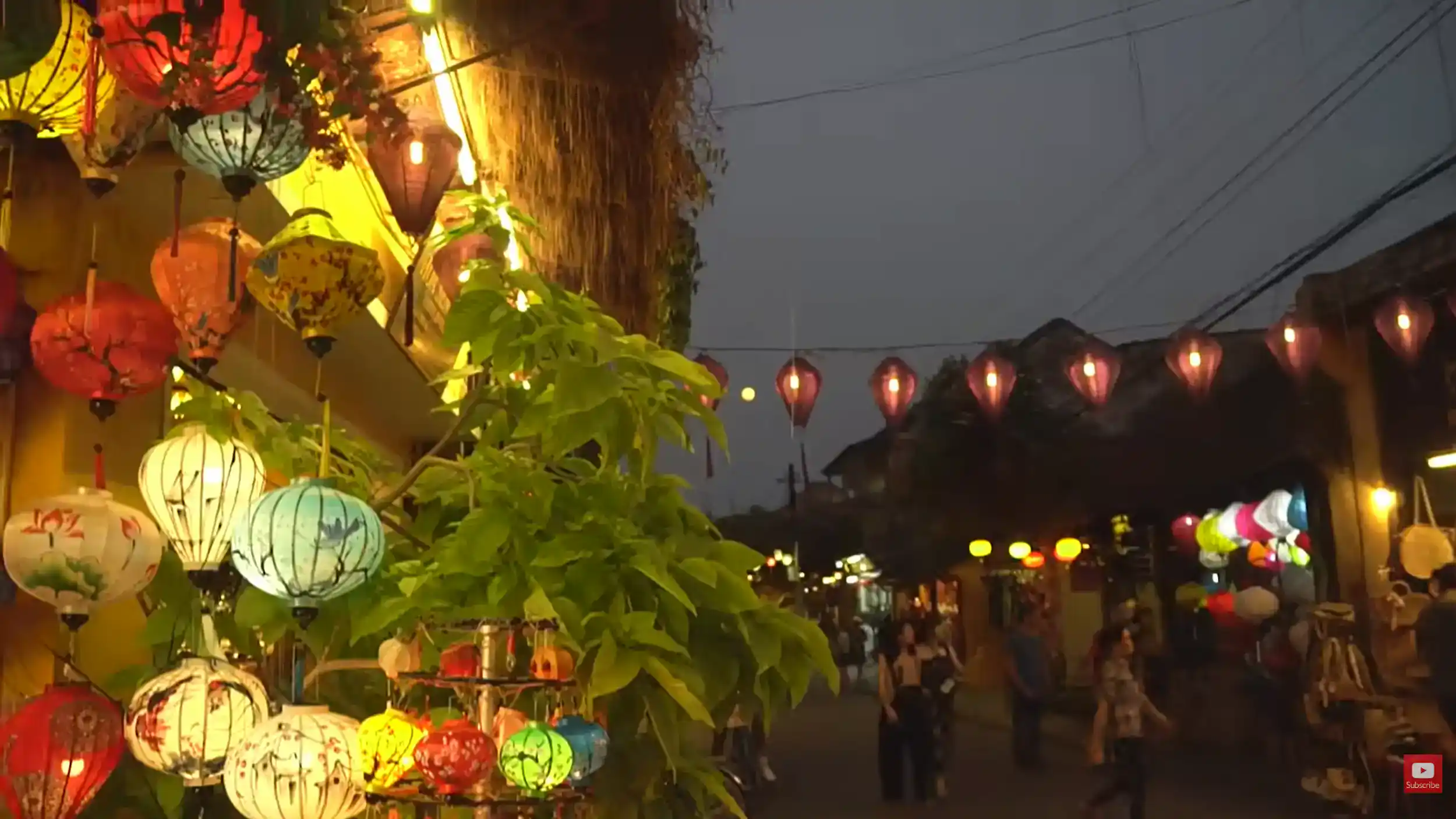
Hue street food vs Hoi An delivers clearer value: Hue averages 1.50 to 2.00 USD dishes and deeper flavors, while Hoi An runs 3.00 to 5.00 USD within a 2 km Old Town zone. Bun Bo Hue, Com Hen, Dong Ba Market contrast Cao Lau, Banh Mi Phuong, Hoi An Night Market for budget focused eating.
👀 Hue Street Food vs Hoi An: At a Glance
📌 Authenticity winner: Hue keeps imperial traditions intact with fermented shrimp paste and lemongrass heat
👥 Convenience winner: Hoi An offers English menus and tourist-friendly accessibility
⏱️ Best food hours: Hue 6-10 AM for authenticity, Hoi An serves until midnight
🌤️ Flavor difference: Hue is spicy and complex, Hoi An is sweet and mild
💰 Price gap: Hue 30,000-50,000 VND, Hoi An 60,000-100,000 VND for similar dishes
⚠️ Know before going: Hue requires cash and pointing, Hoi An accepts cards with menus
🚫 Skip if: You prioritize convenience over authenticity, stick to Hoi An
🔥 Why Hue Street Food Gets Overshadowed by Hoi An Hype
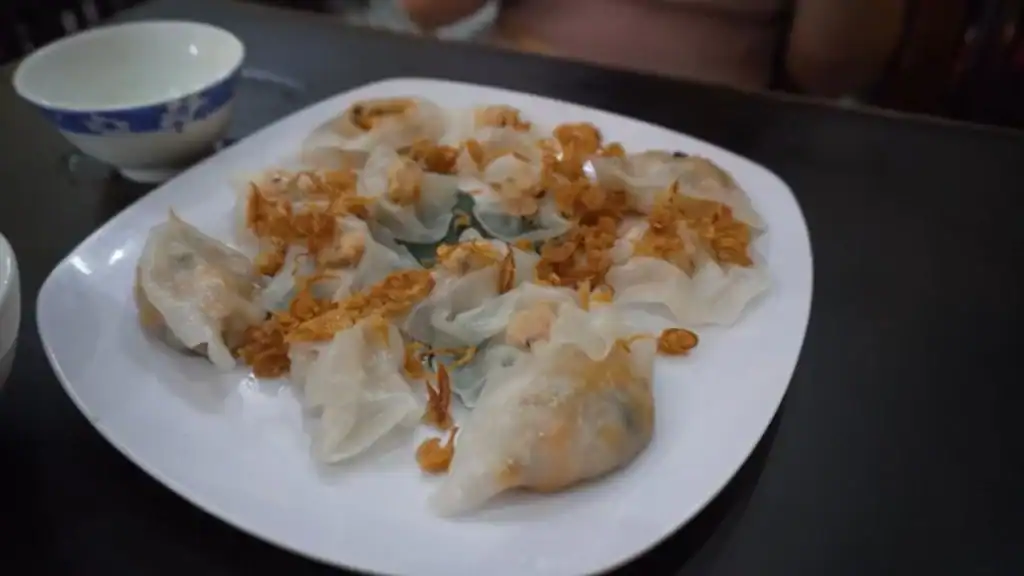
Hoi An’s lantern-lit streets, Japanese bridges, and yellow old buildings make great photos that work well on social media. Travel bloggers rush to shoot cao lau and white rose dumplings because they look so good in pictures. Hue’s royal food comes in brown broths with organ meats and blood pudding that don’t photograph well. Even though the flavor depth and complexity beats Hoi An’s offerings by far.
The tourism setup gap makes the divide worse. Hoi An’s Ancient Town has English menus, cooking classes made for foreigners, and food tours built for Western tastes. Vendors smile, explain what’s in dishes using broken English, and take credit cards. Dong Ba Market in Hue runs just as it did 50 years ago with aunties who speak zero English, cash-only deals, and zero changes made for tourist wants.
Imperial cuisine complexity vs photogenic simplicity bias
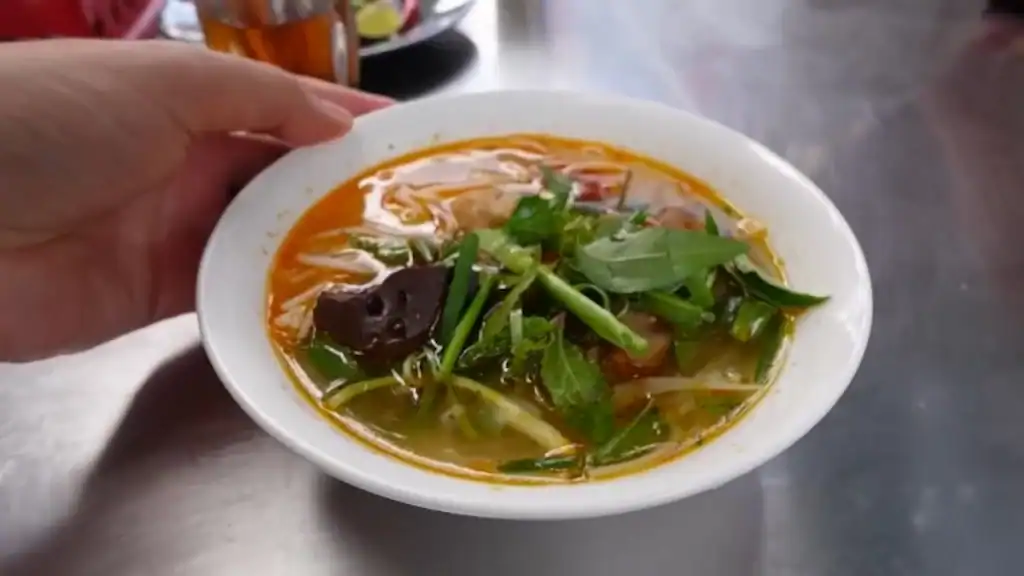
Hue royal food needs skill and knowledge that most travelers lack the context to value or enjoy fully. A proper bowl of bun bo Hue takes 8 to 12 hours of bone broth cooking. Fermented mắm ruốc (Hue-style shrimp paste) that smells like low tide, fresh lemongrass pounded by hand, and annatto oil for the red-orange color. The Vietnam National Authority of Tourism calls these dishes cultural heritage.
Hoi An’s cao lau, white rose dumplings, and banh mi come as complete sensory packages that need zero cultural teaching. You bite, you enjoy, you post to Instagram, you move on. The simplicity bias isn’t about being smart but about vacation mode mental energy. Travelers again and again choose pretty, easy food over complex real food, which explains why Hoi An tops every “best food spots in Vietnam” list. Despite Hue’s better cooking depth.
🍜 Hue street food vs Hoi An : The Authenticity Gap
Bun bo Hue stands as central Vietnam’s most famous cooking export. But eating it in its birthplace versus Hoi An shows stark gaps. In Hue, street vendors at Dong Ba Market serve the dish with mắm ruốc that makes a strong umami depth that borders on harsh. The broth tastes of 12-hour bone cooking, pork feet, beef shank. And lemongrass stalks bruised to release the most oil possible.
Hoi An’s bun bo Hue gets changed for tourist safety worries. The broth loses its fermented funk, vendors skip blood pudding because foreigners gripe. The spice level drops to mild hint rather than actual heat. One food blogger noted that Hoi An types tasted “like chicken soup with lemongrass” compared to Hue’s “complex assault on your taste buds.” Locals in Hue defend their type with pride, while Hoi An vendors openly admit they change recipes.
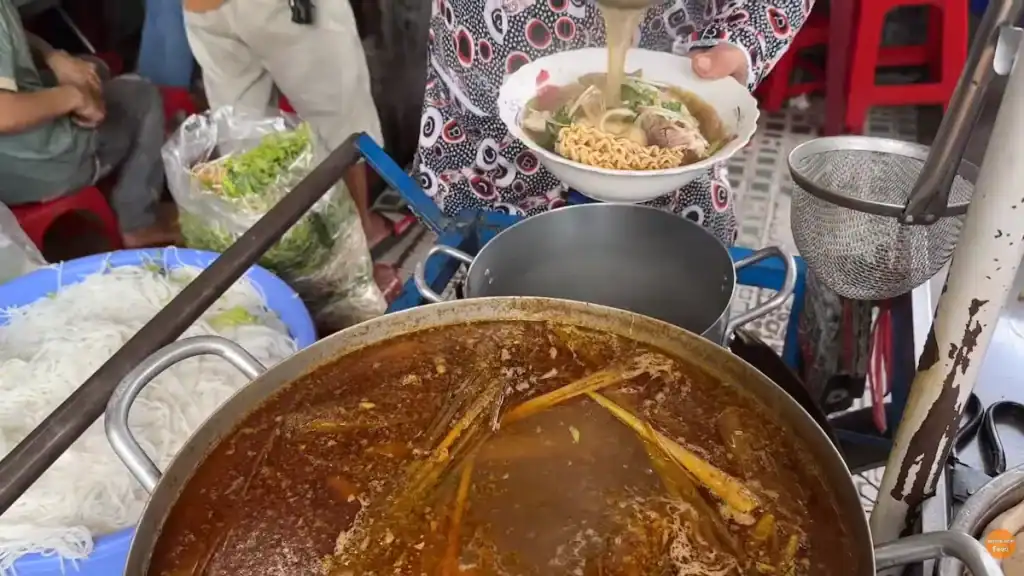
Hue street food’s lemongrass heat vs Hoi An’s sweetened safety
Lemongrass in Hue street food shows up as fresh stalks pounded with garlic, shallots, and chilies. To make the base paste for nearly every dish. The heat builds bit by bit, mixing citrus brightness with chili burn that stays in your mouth for 10 minutes after your last bite. Vendors don’t ask if you want it spicy because that’s the only type they make. You adapt to the food or you skip it.
Hoi An in a planned way sweetens and softens every dish to match what vendors think Western guests prefer. Mi quang comes with palm sugar added to the broth. Cao lau’s pork gets soaked in sweetened soy rather than old-style fish sauce. White rose dumplings come with peanut sauce that tastes more Thai than Vietnamese. The Official Vietnam Travel Guide calls Hoi An family-friendly dining. Which means food stripped of anything hard to handle or bold.
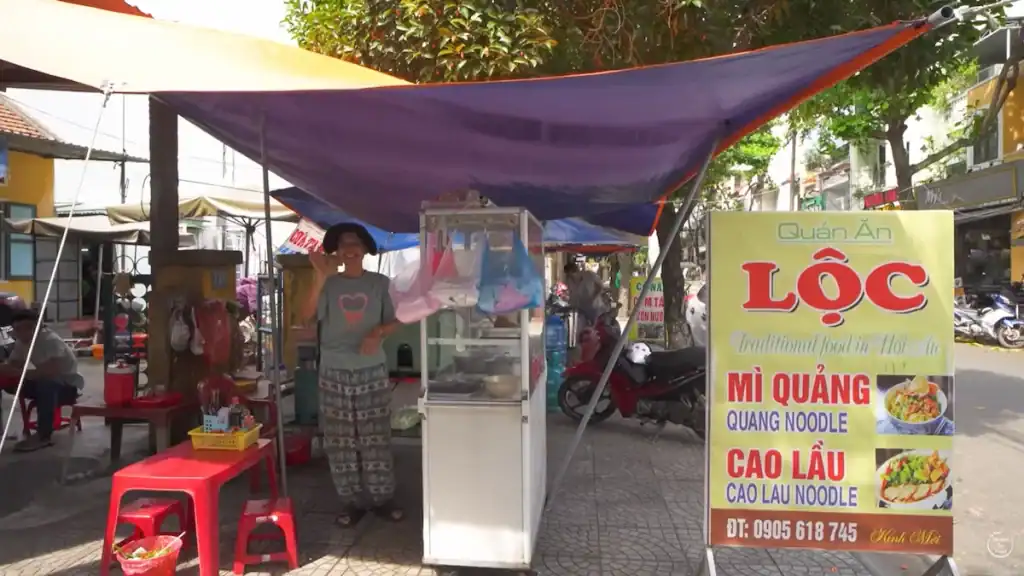
✨ Where Hoi An Wins the Hue Street Food vs Hoi An Comparison
Hoi An clearly wins on setup, ease of access, and visitor comfort factors that truly matter for travelers with little time and energy. The Ancient Town packs 200 plus eating spots and street stalls within a walkable 1-square-kilometer area. You can try banh mi at Banh Mi Phuong. Walk 5 minutes to cao lau at Bale Well. Finish with white roses at a riverside vendor without needing transport.
Hue spreads its best street food across Dong Ba Market, Nguyen Dinh Chieu evening vendors, and scattered spots that need motorbikes or taxis to reach. The English menu setup makes real choice points. At Hoi An vendors, 90 percent offer picture menus with English text and prices clearly marked. You point, you pay the stated amount, deal done. Hue’s street stalls work through pointing at what other people are eating and hoping the vendor doesn’t charge the “foreigner price.”
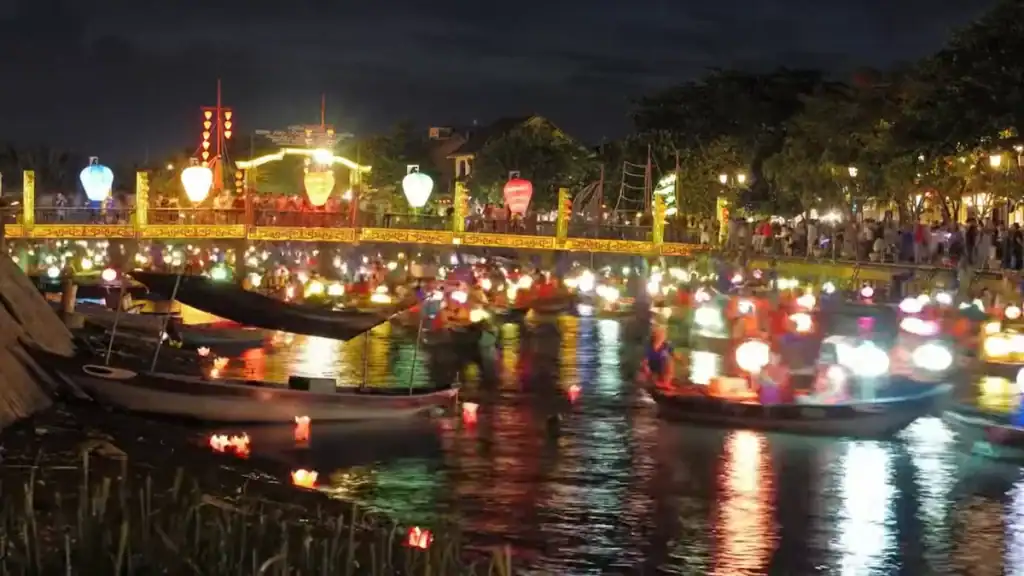
Atmosphere, accessibility, and English menu convenience factors
Hoi An’s lantern-lit evenings along Thu Bon River make magical dining moods that Hue simply cannot match. Eating spots place tables riverside, lanterns float past on the water, old music plays from nearby venues. And the visual romance turns fair food into “best meal of my Vietnam trip” through pure setting. The Ministry of Culture, Sports and Tourism calls Hoi An Ancient Town UNESCO World Heritage partly for this kept-up mood that makes dining feel like time travel.
Hue’s street food scene sits scattered across areas where locals truly live rather than in a kept-up old district. You eat next to motorbikes spewing exhaust, building noise from nearby work sites, and harsh lighting that shows every flaw in the food and space around you. The realness excites food lovers but tires normal travelers who just want a nice meal without hard planning. Hoi An packages the whole thing for tourist use. Hue asks you to meet it on its own terms.
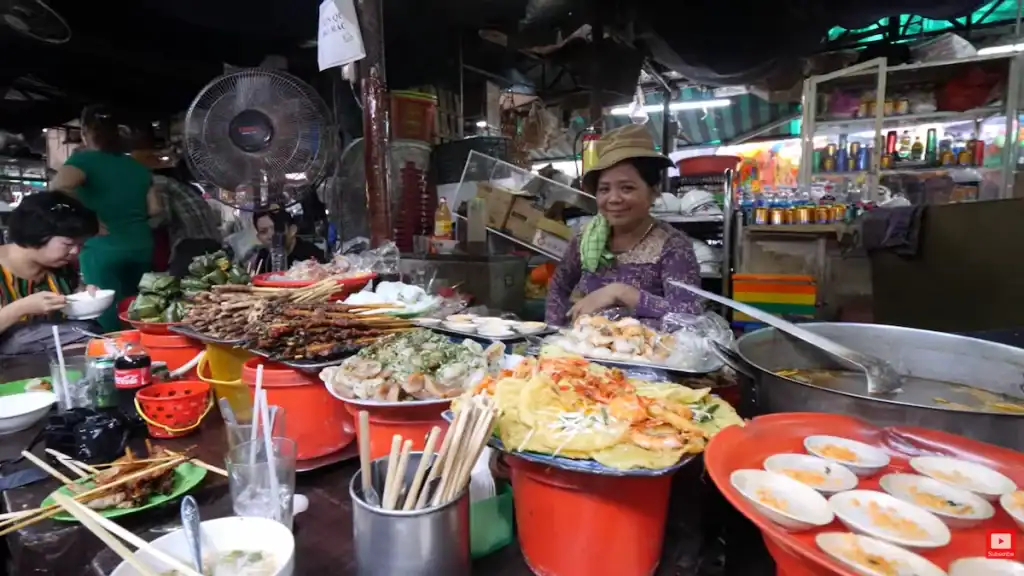
🏆 Best Hue Street Food Spots Locals Actually Defend
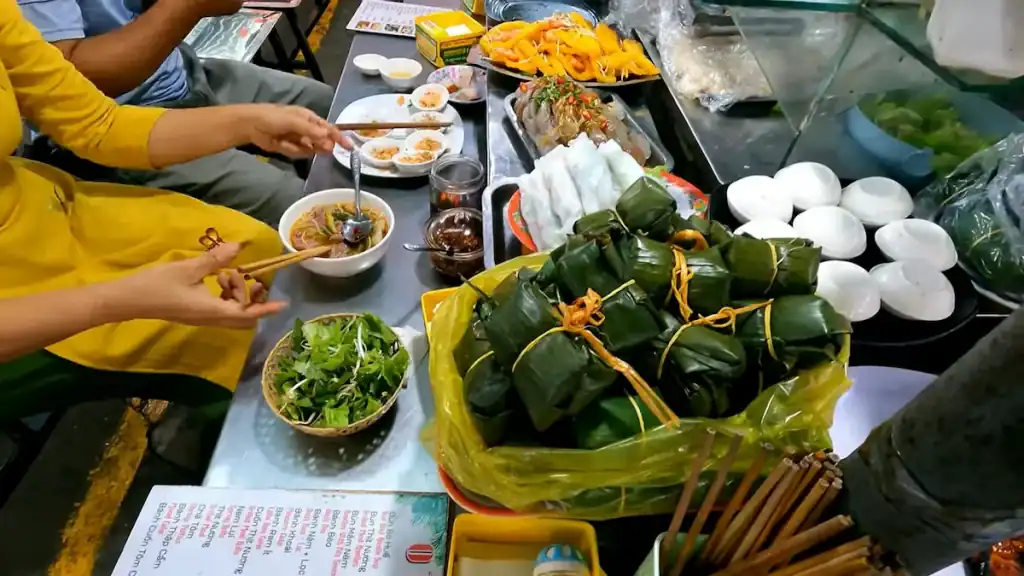
Dong Ba Market stands as Hue’s top street food spot where locals have eaten for many generations. The ground floor food court runs from 6 AM to 6 PM. With vendors serving bun bo Hue (30,000 to 50,000 VND), com hen (clam rice for 20,000 to 40,000 VND), banh khoai (crispy pancakes), and banh loc (tapioca dumplings). Locals tell you to find the street vendors placed under the stairs and along the outer walkways. Rather than the indoor food court stalls.
The market’s morning rush (7 to 9 AM) brings Hue residents shopping for fresh items before work. Making the real local scene that travelers seek but rarely find in Hoi An. Aunties bargain in Vietnamese over produce prices, motorbikes park three deep blocking walkways, and the smell of lemongrass, fish sauce, and fermented shrimp paste makes a smell experience that defines central Vietnamese food culture. The chaos scares first-time visitors but shows exactly what sets Hue apart from Hoi An’s cleaned-up tourist setup.
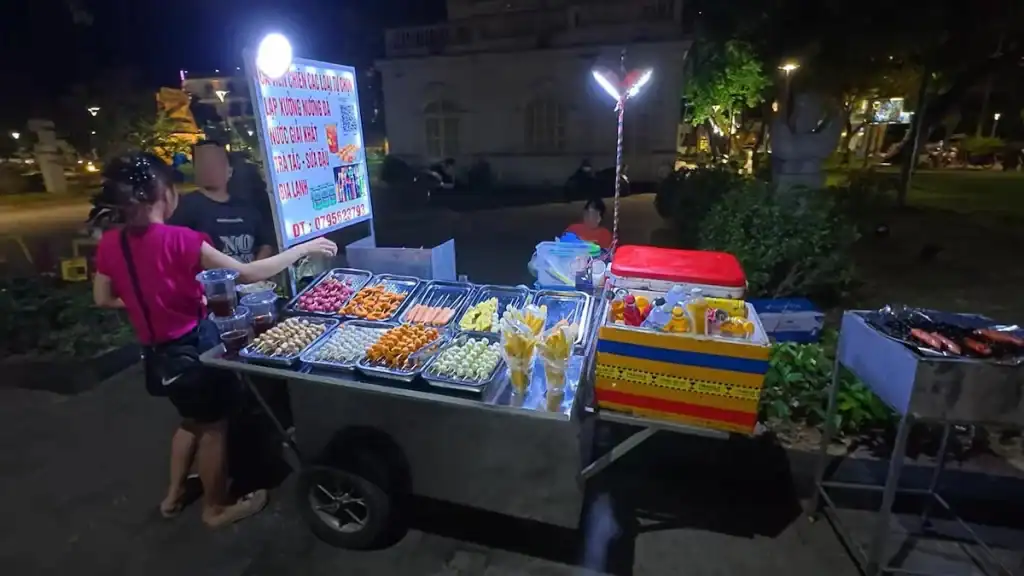
Dong Ba Market stalls and Nguyen Dinh Chieu evening vendors
Nguyen Dinh Chieu Street changes every evening into Hue’s walking street and night food market district. From 6 PM until midnight, vendors set up portable stalls selling che (sweet soups for 10,000 to 20,000 VND). Nem lui (grilled pork skewers), banh beo (steamed rice cakes), and various regional foods that rarely show up in Hoi An. The evening mood attracts young Vietnamese couples, families, and college students rather than foreign tourists, making a local vibe.
Specific vendors that Hue residents defend include the bun bo lady at Dong Ba Market. She’s run the same corner stall for 40 years. The che cart on Nguyen Dinh Chieu that makes 15 different sweet soup types, and the banh khoai vendor near Dong Ba who wraps the crispy pancakes in rice paper with star fruit and herbs exactly as royal court cooks did 200 years ago. Finding these vendors takes asking locals in Vietnamese or joining a Hue food tour led by actual Hue residents.
MORE DESTINATIONS: More Inspiration!