
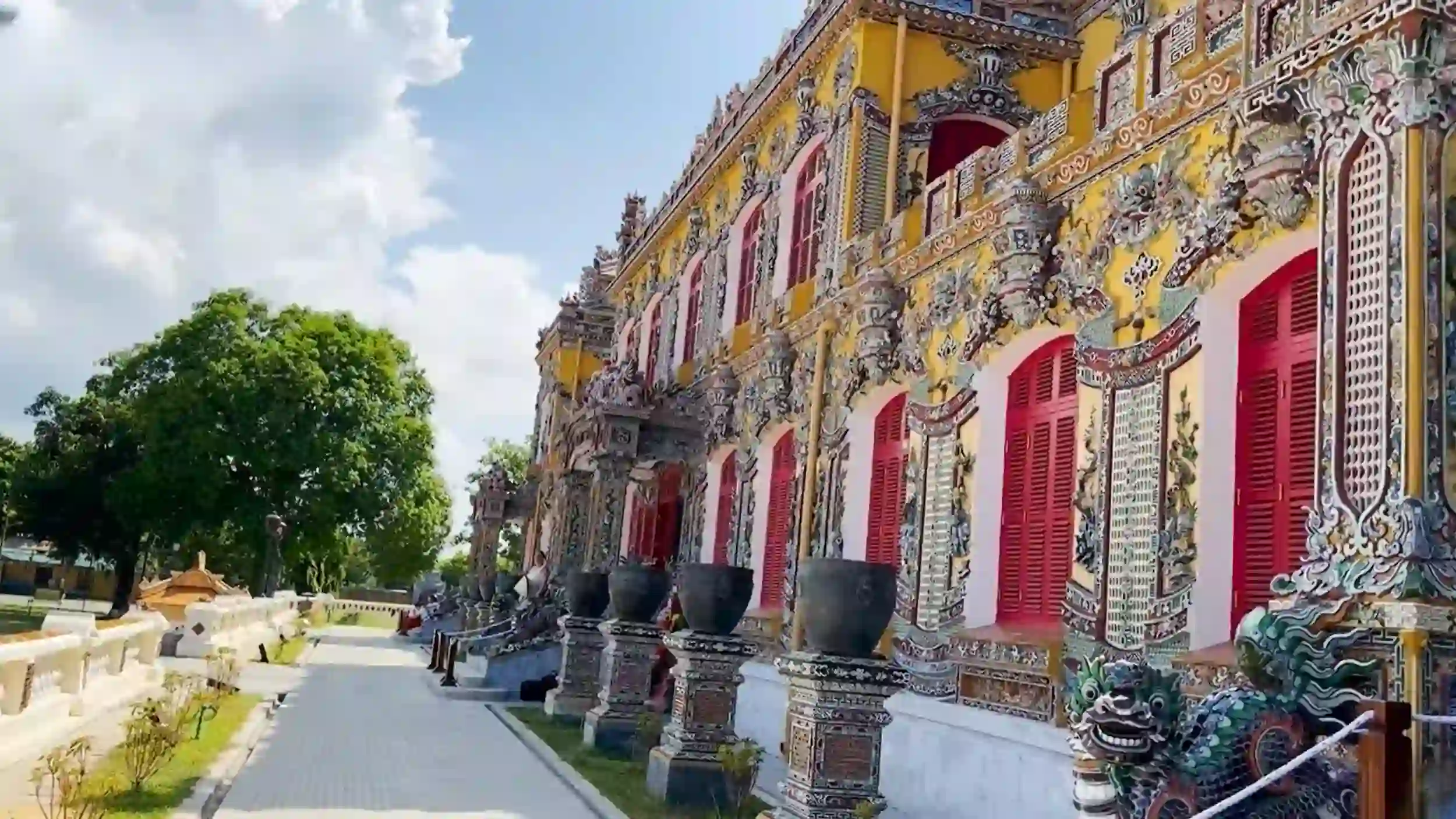
Is Hue Worth Visiting is a clear yes for history focused travelers, with the Imperial City covering 520 hectares and costing about 8 euros entry. Highlights include Thien Mu Pagoda, Khai Dinh Tomb, the Perfume River, and Dong Ba Market; most sights sit within 5 kilometers, enabling efficient 2 day itineraries.
👀 Is Hue Worth Visiting: At a Glance
📌 Imperial legacy: UNESCO complex with 143 years of royal history
👥 Divided opinions: History lovers rave, quick travelers skip it
⏱️ Ideal stay: 2-3 days minimum to appreciate fully
🌤️ Best months: April-September (dry season), avoid October-March monsoons
💰 Budget-friendly: 30% cheaper than Hoi An for food and lodging
⚠️ War scars visible: Only 10 of 160 original buildings survived 1968 Battle
🚫 Skip if: You want pristine palaces, vibrant nightlife, or beach vacations

🤔 What Makes Travelers Question If Hue Is Worth Visiting
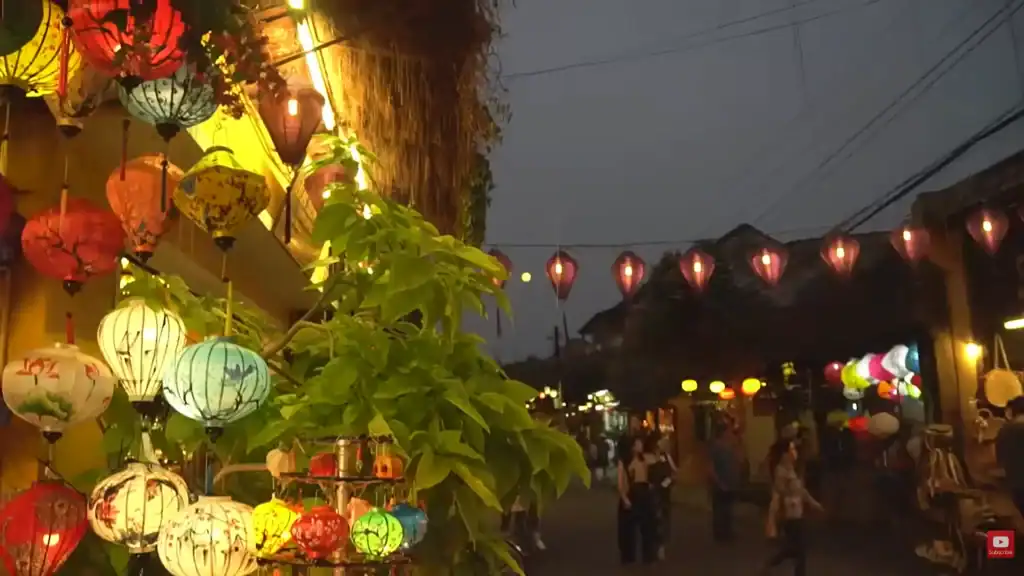
Hue occupies an awkward middle ground in Vietnam’s travel scene. People always compare it to Hoi An’s lantern charm or Hanoi’s strong energy. Hue rarely wins that contest. The city lacks the photo appeal that drives modern travel choices. Your typical backpacker arrives and expects a mini Forbidden City but finds something much more complex instead.
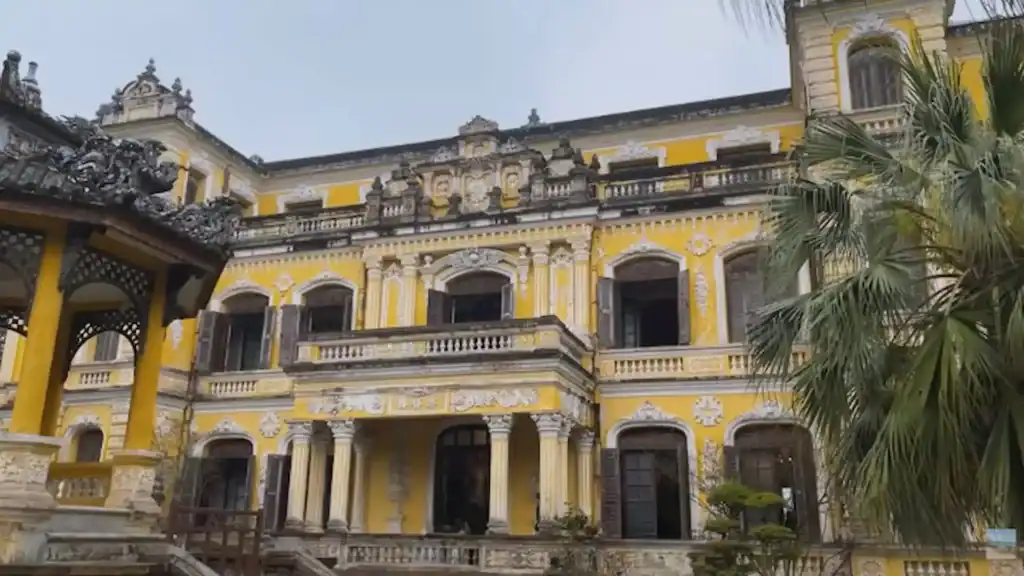
The comparison trap runs deeper than looks alone. Guidebooks frame Hue as “Vietnam’s Imperial Capital,” which sets hopes way too high. Visitors picture grand halls and golden roofs. But the real thing shows exposed foundations and restoration scaffolding. This gap between what you expect and what you see fuels doubts about whether Hue deserves your limited Vietnam time.
The “sleepy city with old tombs” reputation problem
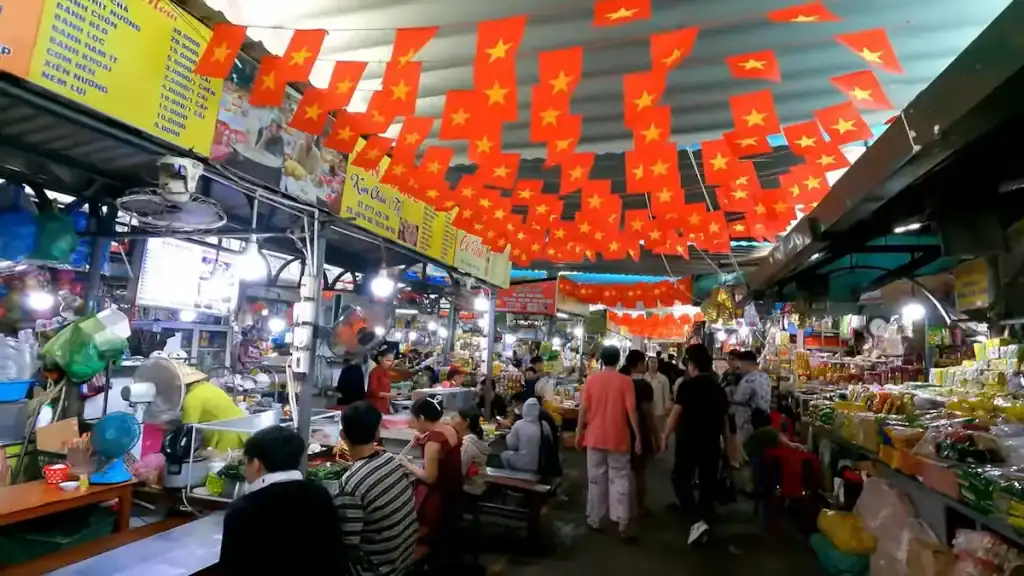
The sleepy label sticks because Hue truly moves slower than Vietnam’s other major stops. With about 500,000 residents, the city feels small compared to Hanoi or Ho Chi Minh City. Nightlife exists but hardly thrives. The famous Walking Street near the Perfume River offers a tame evening compared to Hoi An’s packed riverside or Saigon’s Bui Vien chaos.
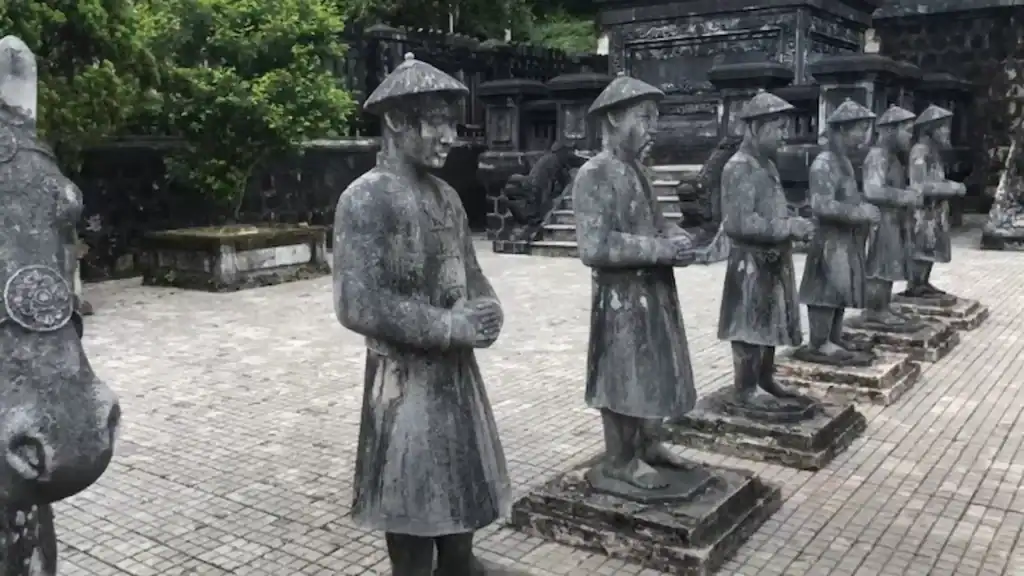
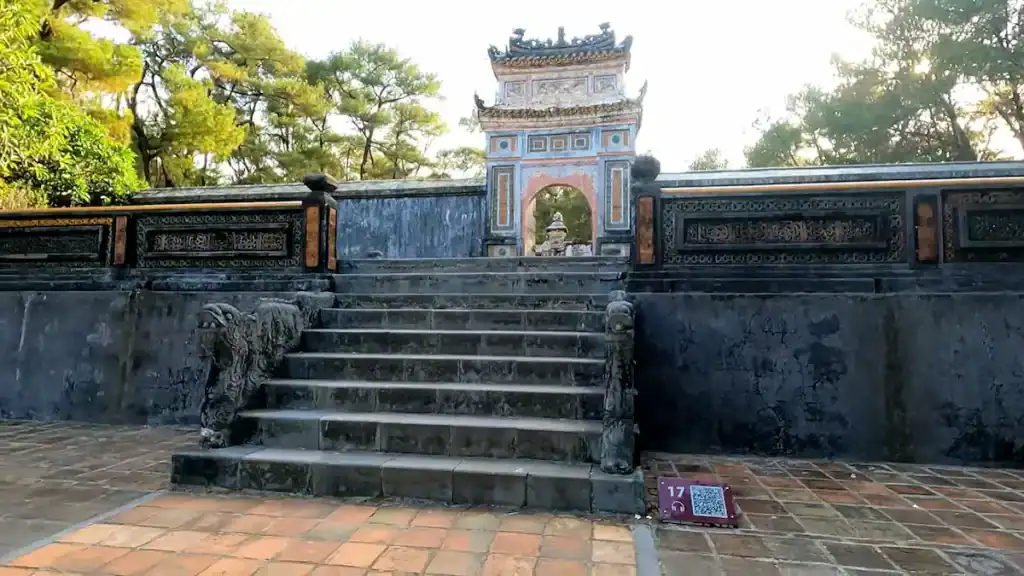
Travel blogs keep the “just tombs” story alive by listing the Imperial City and three royal tombs as Hue’s entire thing. This narrow view ignores the UNESCO World Heritage Complex, which has many historical layers beyond tourist track sites. The description also dismisses Hue’s standing as Vietnam’s food capital, where over 1,300 traditional recipes started during the royal court era.
🚂 Why the Quick Stop Narrative Dominates Hue Worth Visiting Debates
Geographic positioning creates Hue’s biggest marketing problem. The city sits 120 kilometers from Hoi An and 210 kilometers from Phong Nha. This makes it easy to skip or rush through. Travel forums overflow with the same question: “Do I really need to stop in Hue between Hoi An and Hanoi?” The logistics trap gets worse when travelers see the Hai Van Pass makes for great motorcycle views while skipping Hue entirely.
Bus companies profit from this spot by offering direct Hoi An to Phong Nha routes that skip Hue fully. The journey takes 8 hours either way. This pushes travelers to view central Vietnam as a Hoi An and Da Nang cluster with optional add ons. Hue becomes an afterthought when smart routing takes priority over historical depth.

Positioning between Hoi An and Phong Nha logistics trap
Transit schedules strengthen the quick stop habit. Buses from Hoi An reach Hue in 3 hours. This tempts travelers to arrive midday, tour the Imperial City, and catch an evening bus out. Tour operators package this into “Hue Day Trip from Hoi An” trips complete with tomb visits and lunch. The format treats Hue as a checkbox rather than a place worth staying in.
The U.S. State Department travel advisory rates Vietnam as Level 1, which means use normal care. But transport between cities remains travelers’ main safety concern. Motorbike crashes on the Hai Van Pass and shaky bus operators make many opt for private cars or trains. These transport choices often determine whether travelers give one day versus three days to Hue.
🏛️ The Imperial City Ruins vs Restoration Controversy
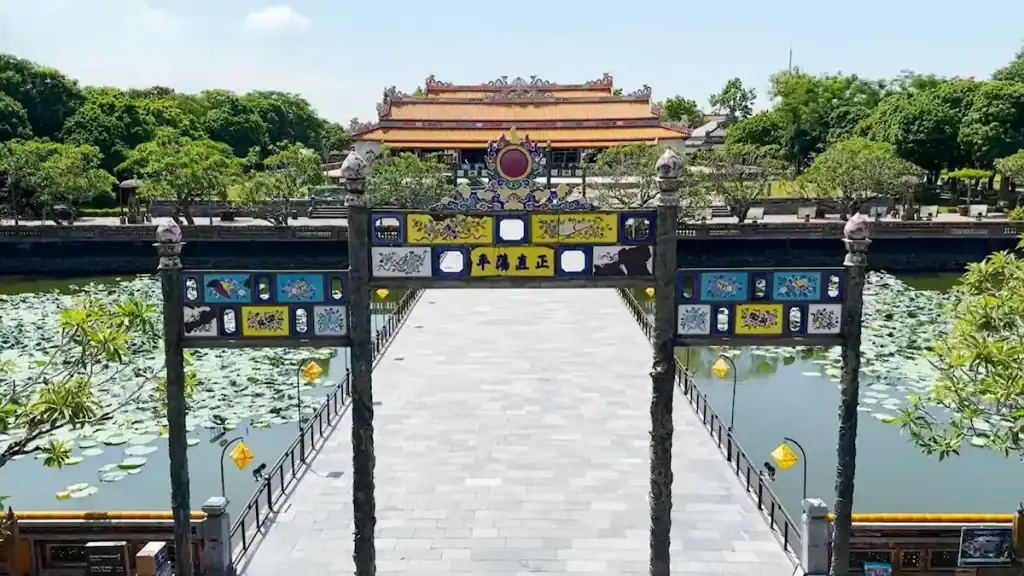
Bullet holes still mark the Citadel walls. This raw war damage creates the central tension in any honest look at whether Hue is worth visiting. The 1968 Battle of Hue destroyed 150 of the Imperial City’s 160 buildings during a month of street by street combat. What remains shows both historical truth and crushing loss.
Restoration work splits visitors into camps. Some like seeing foundations and learning what war destroys. Others feel cheated paying 200,000 VND, about $8 USD, to view construction scaffolding and empty courtyards. The UNESCO designation in 1993 brought global funding and expertise, but rebuilding takes decades. Current efforts continue through 2030 with 2.3 trillion VND set aside for 170 structures.
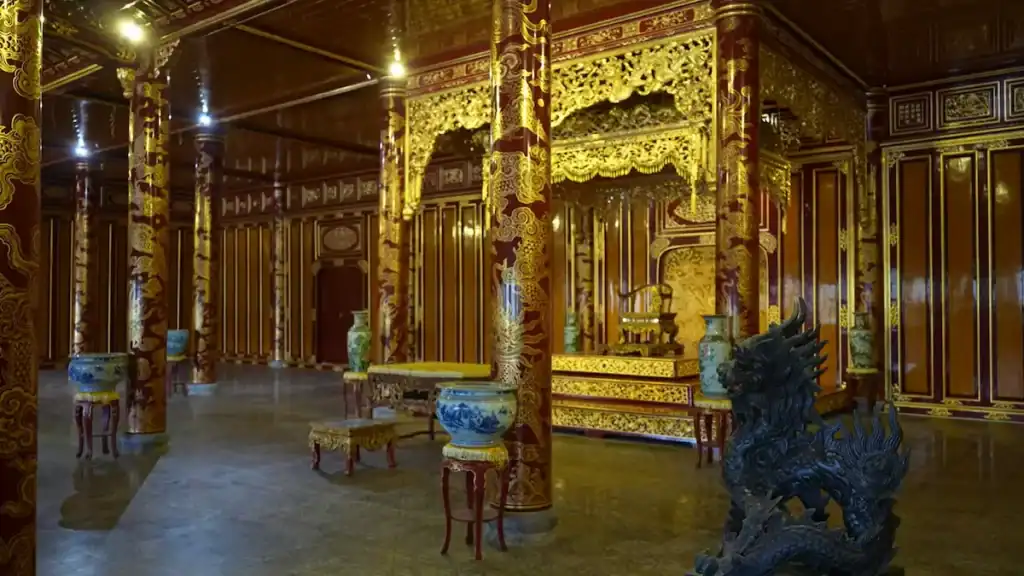
Understanding war damage when asking: Is Hue worth visiting?
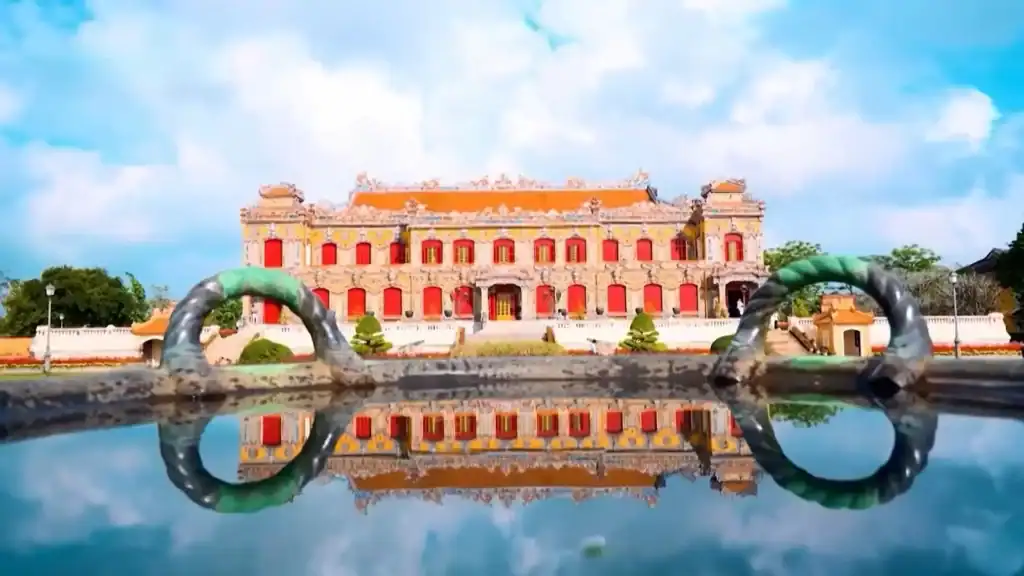
Visual hopes versus historical reality creates Hue’s defining visitor experience. The Thai Hoa Palace and Dien Tho Palace show completed restoration work with bright paint and detailed carvings. Walk 50 meters and you hit rubble fields where the Purple Forbidden City once stood. This jarring contrast repeats all through the complex.
The damage tells an essential story most Vietnam trips gloss over. The Battle of Hue marked the Tet Offensive’s bloodiest chapter. Over 10,000 people died and 116,000 civilians lost their homes. American and South Vietnamese forces at first avoided bombing the Citadel due to its cultural importance. After weeks of close combat, those limits lifted and airstrikes leveled much of the complex. Learning this context transforms ruins from letdown into powerful proof.
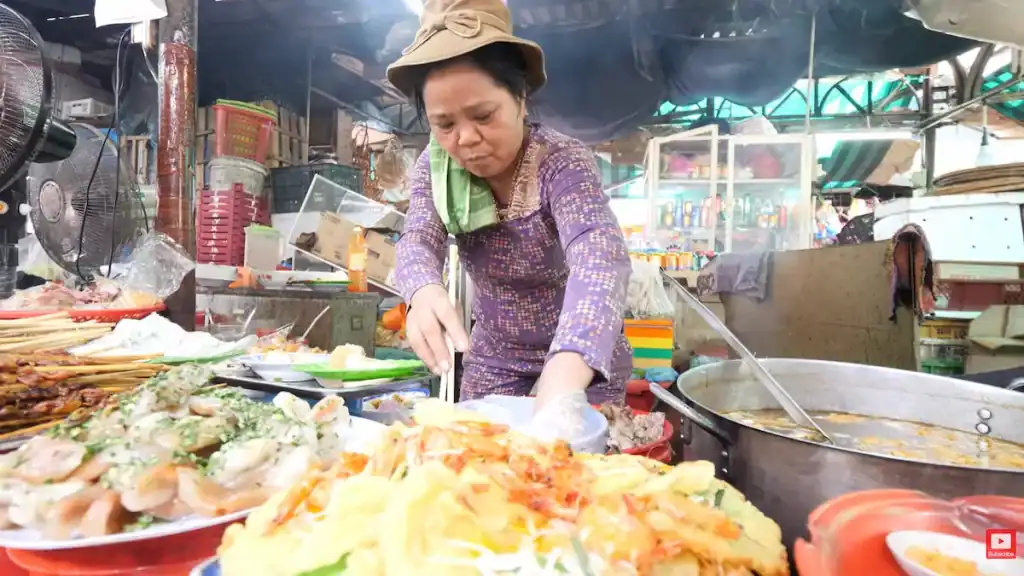
🍜 When Hue Rewards Slower Travel Beyond Tomb-Hopping
Morning markets reveal Hue’s hidden value offer. Dong Ba Market opens at 5am with vendors selling ingredients for dishes you won’t find elsewhere in Vietnam. Bun bo Hue appears on menus across the country, but in Hue the spicy beef noodle soup has real depth from 15 ingredient broths families guard closely. Banh khoai, which are crispy pancakes, and banh beo, steamed rice cakes, exist solely as Hue treats.
Food tours on cyclos, which are bicycle rickshaws, through local neighborhoods cost 350,000 VND, about $15 USD, and skip tourist restaurants fully. You eat where locals eat and learn why Anthony Bourdain called Hue cuisine “probably the best in Vietnam.” The royal court’s legacy lives strongest in food, where how it looks and how complex it is mattered as much as flavor. This food side fully disappears on rushed day trips.

Food culture and Perfume River rhythms tourists miss
Sunset boat rides on the Perfume River cost 100,000 VND, about $4 USD, and show Hue’s quiet appeal. The river flows gently with natural banks rather than the commercial buildup crowding Hanoi’s lakes or Saigon’s waterfront. Thien Mu Pagoda anchors the northern riverside. Its seven tiered tower shows for kilometers. The river’s rhythm syncs with Hue’s overall pace that either charms you or bores you flat.
The question isn’t whether Hue is worth visiting, but whether you value historical depth and cultural truth over instant joy. For travelers willing to invest two to three days, Hue delivers experiences you can’t copy in Vietnam’s more polished places. For those who want speed and visual perfection, the quick stop reputation proves accurate. February 3 Park and coffee shops along Hai Ba Trung Street show this authentic rhythm daily.