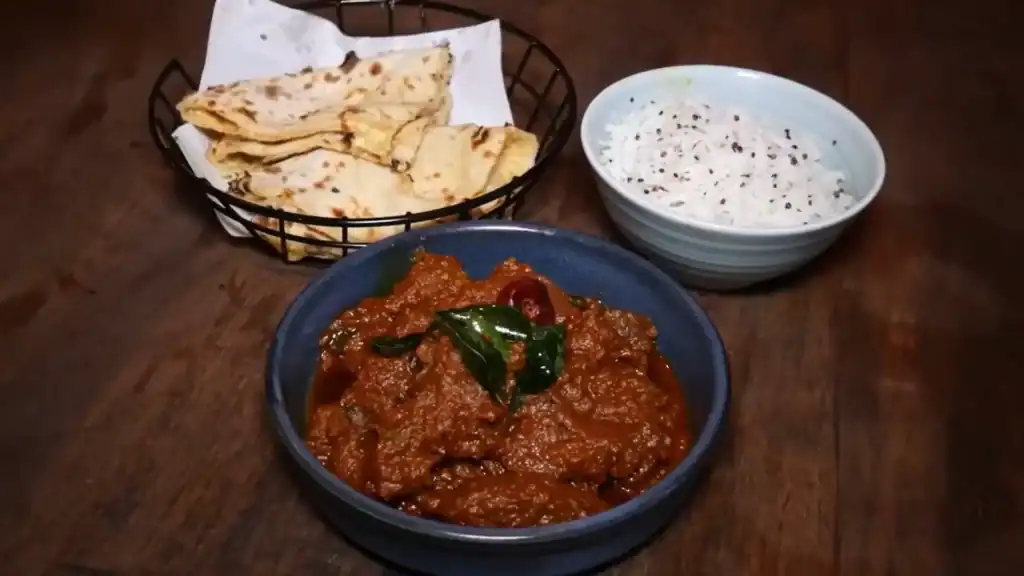

Elephant and Castle latin restaurants include over 15 authentic venues serving Colombian, Dominican, Brazilian, and Peruvian cuisine within a 0.3-mile radius of the Underground station. Notable options include Tierra Colombiana (traditional bandeja paisa from £12), Negril (Caribbean-Latin fusion), Guanabana (Venezuelan arepas), Los Molcajetes (Mexican tacos), and El Rincon Quiteno (Ecuadorian specialties), with most mains priced £8-18 and offering table service or quick takeaway.
👀 Elephant and Castle Latin Restaurants: At a Glance
🏢 Main Hub: Mercato Metropolitano dominates with 40+ vendors but closes evenings
🌍 Latin Population: Over 25,000 Latin Americans live within 2km radius
🕐 Best Visit Time: Weekday lunchtimes (11am-3pm) for authentic spots locals use
📊 Comparison: Smaller than Brixton, less concentrated than Seven Sisters
💷 Price Point: £8-15 mains, 15-20% cheaper than central London Latin spots
⚡ Reality Check: Most authentic places are takeaway-focused, not sit-down restaurants
❌ Skip if: You want upscale dining or extensive evening restaurant options
🏛️ The Mercato Metropolitano Effect: Has One Venue Defined the Whole Scene?
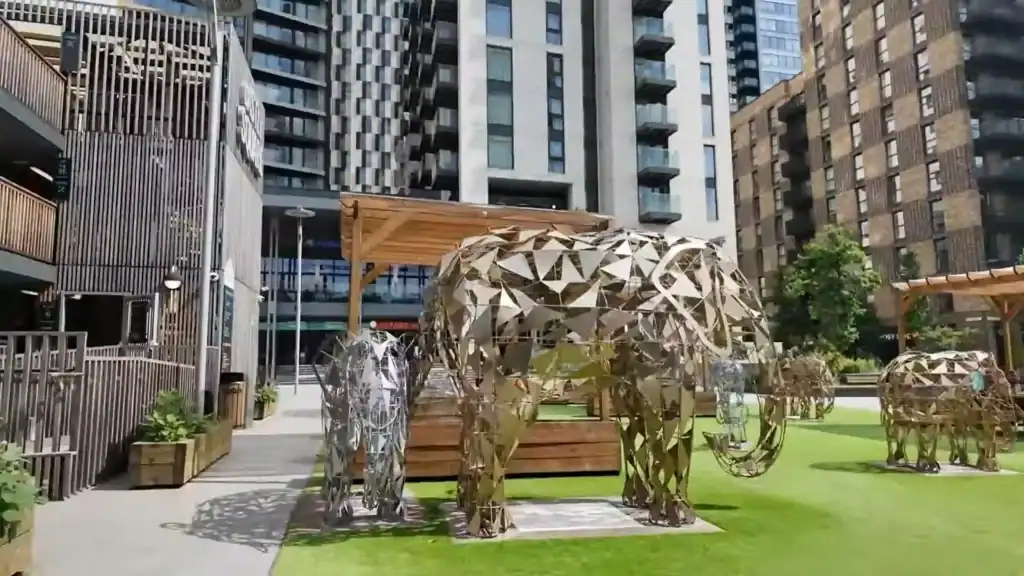
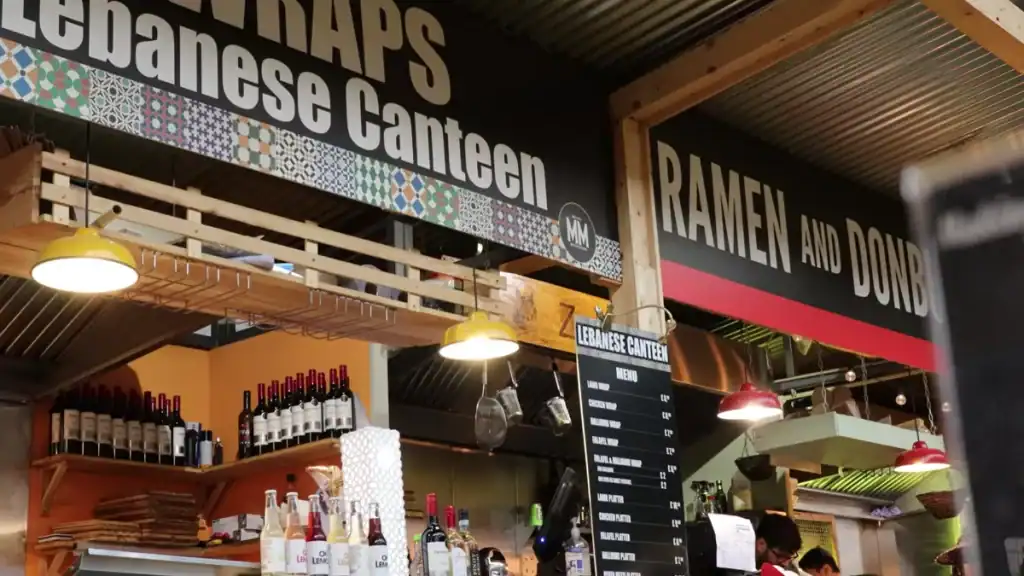
Mercato Metropolitano dominates how people talk about food in Elephant and Castle. Since opening in 2016 inside a former paper factory, it became the area’s default dining tip. The hall hosts over 40 traders selling arepas, tacos, and ceviche in one bright space. Strong branding, clean layouts, and open courtyards shape how outsiders see local food.
Mercato is not a Latin restaurant. It is a mixed food hall built for scale. Southwark Council plans confirm the site faces demolition by late 2026 for the Borough Triangle project. The £600 million scheme adds 900 homes across two towers. Most of the 40 traders will not return once the site closes.
What Mercato Actually Offers (and What It Doesn’t)
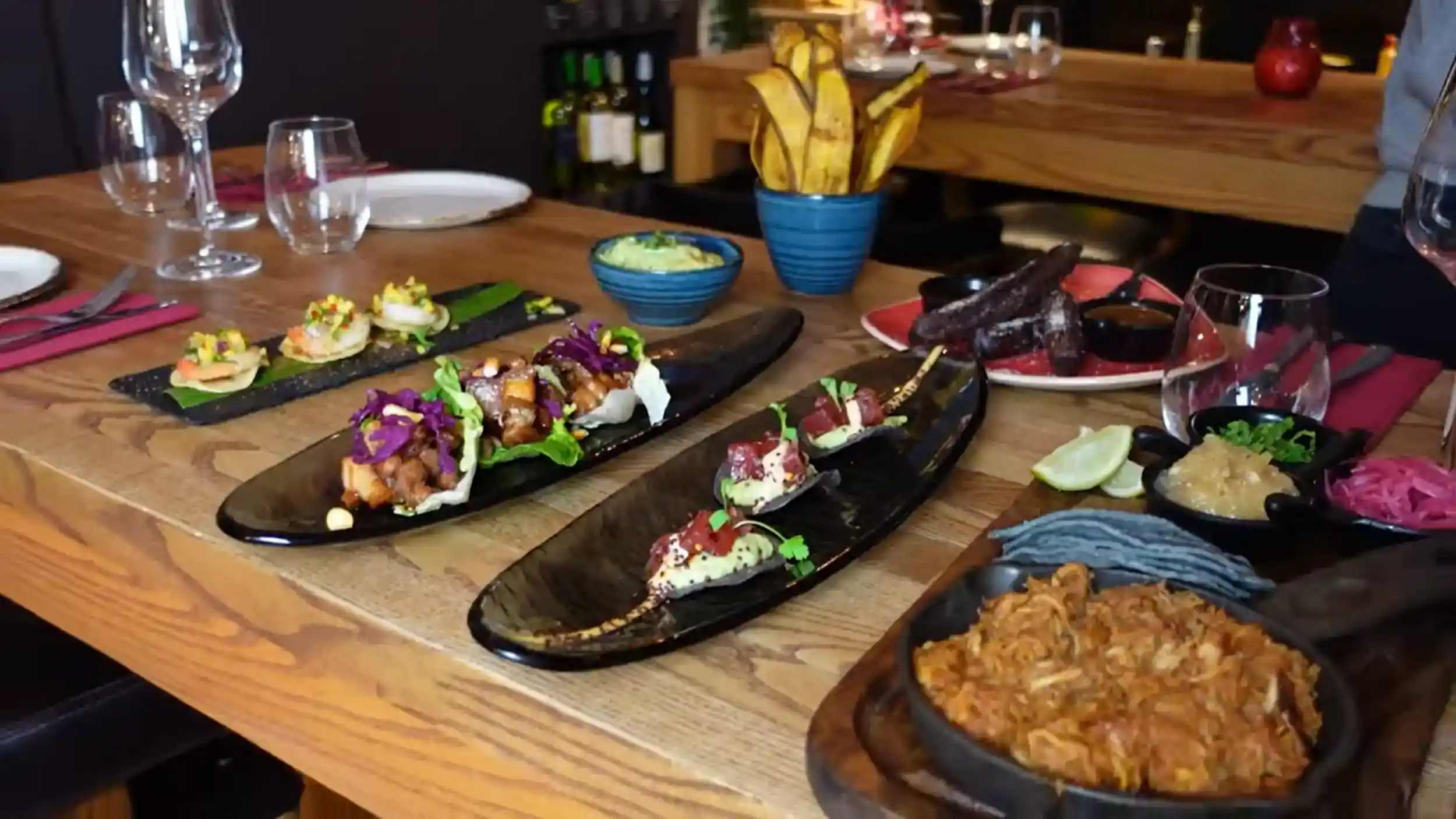
The appeal is speed and choice. Groups can eat different foods without debate or risk. You order fast, sit anywhere, and leave satisfied. Traders like Guasa, Hermanos Tacos, and Sticks and Ceviche deliver steady quality. For first-time visitors, the space feels safe, managed, and easy to understand.
What Mercato lacks is lived culture. Spanish is rare. Family tables are rare. Community rituals do not happen here. The 2023 Hawkker article reports that traders Dr Juice and El Guambra lost business after relocation. New sites lacked foot traffic, social ties, and daily regulars who once sustained them.
🗺️ Elephant and Castle Latin Restaurants Beyond the Market Halls
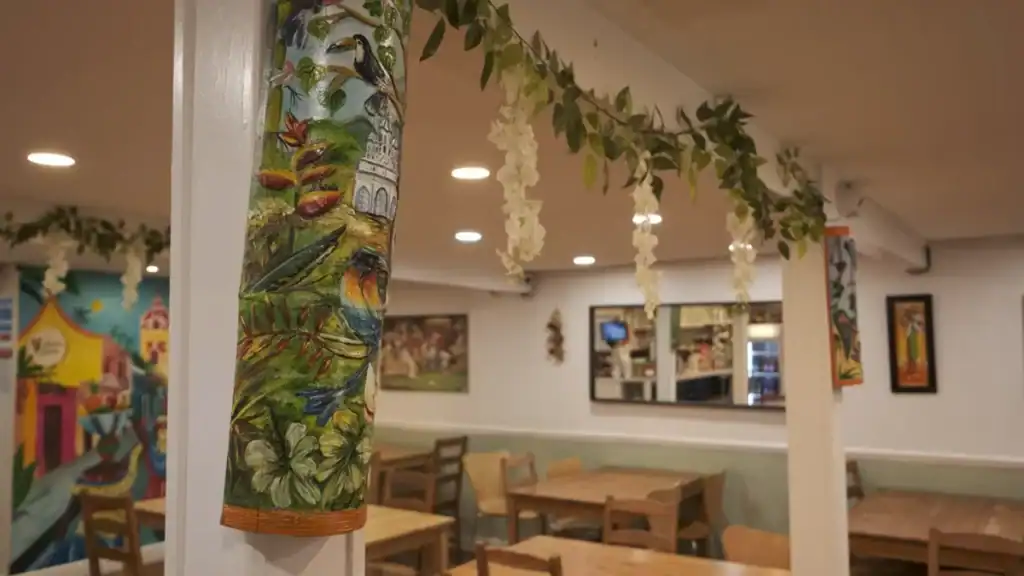
Real Latin food in Elephant and Castle sits far from Mercato. It lives under railway arches, inside Castle Square units, and along side streets. La Barra shows this clearly. The owner began selling Colombian coffee from a backpack at train stations. Years later, they opened a full restaurant serving their own community.
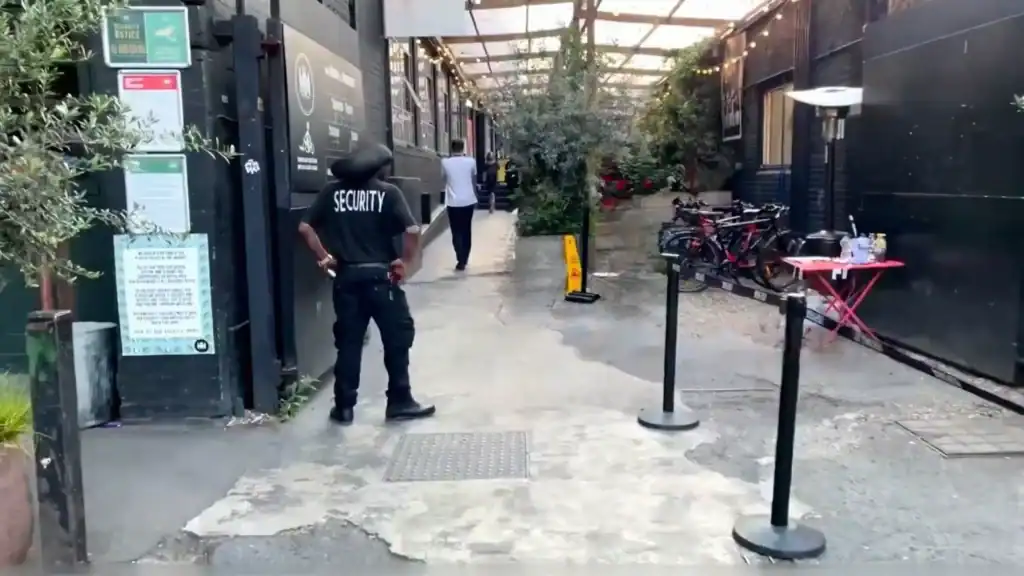
La Bodeguita has served Colombian comfort food for over ten years. Plastic chairs, loud salsa, and heavy plates define the room. Costa Azul hides in a railway arch, serving Ecuadorian parihuela in dim light. These places are not curated. They exist for Colombians who live nearby, not visitors passing through.

Colombian, Brazilian, and Peruvian Spots Locals Actually Use
Prices explain everything. Mercato charges £10 to £12 per dish. La Chatica and La Barra serve full meals for £8 to £10. Sabor Peruano near St Mary’s Churchyard sells lomo saltado and anticuchos in large portions. It is cash only and closes early because the owners run it as a family business.
These restaurants are not built for photos. They are built to survive. Records of Latinos in the Elephant show that many traders have operated locally for 10 to 20 years. Railway arches matter because rent stays lower. New developments around Elephant Park push prices beyond what small, community-run restaurants can afford.
⚖️ How Elephant and Castle’s Latin Food Compares to Brixton and Seven Sisters
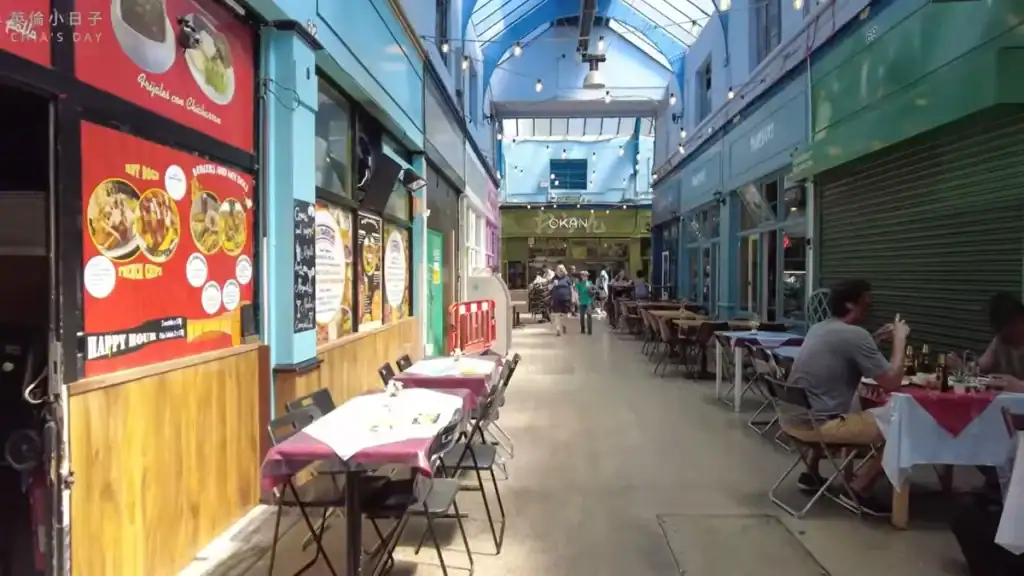
Brixton and Seven Sisters form London’s other Latin clusters. Brixton Village hosts restaurants aimed at mixed crowds. Menus are styled. Cocktails lead. Prices reflect gentrification, often £15 to £20 per person before drinks. The food is good, but the setting feels designed for outsiders.
Seven Sisters Market works differently. It sits beside the station and packs vendors tightly together. Colombian and Venezuelan food dominates. Reviews praise loud music, huge plates, and very low prices. The space feels authentic. Yet, like Elephant and Castle, it now faces serious redevelopment pressure.
Elephant and Castle Latin Restaurants: Price, Authenticity, and Variety Compared
Elephant and Castle sits between polish and grit. It feels calmer than Seven Sisters but avoids Brixton prices. Despite demolition, the Latin presence remains strong. You can eat well without feeling unsafe. Southwark Council’s 2004 Development Framework outlines a £1.5 billion regeneration that reshapes the area but does not erase it fully.
Prices show clear gaps. Seven Sisters offers £8 meals at Colombian Coffee and Botellon Latino. Elephant and Castle matches this at La Chatica and Costa Azul. Brixton charges £12 to £18 for similar food. Higher rents and wealthier diners push prices upward without improving authenticity.
✅ The Verdict: Are Elephant and Castle Latin Restaurants Worth It?
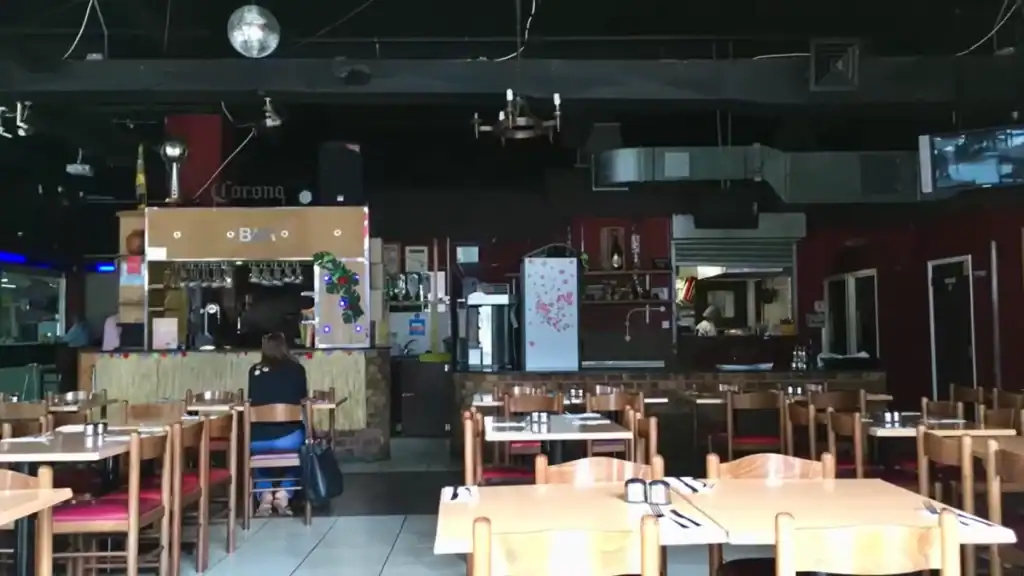
Yes, but not for Mercato alone. Mercato Metropolitano offers ease, variety, and comfort until its 2026 closure. It suits people who want clear menus and no surprises. Calling it the Latin scene, though, is wrong. It hides the places that actually define local food culture.
The real value sits under railway arches and inside Castle Square. La Barra, La Bodeguita, La Chatica, Aroma De Café, Costa Azul, and Sabor Peruano serve real communities. Prices undercut Brixton. Flavours stay closer to home cooking. These places show how Latin London actually eats.
Who Should Make the Trip (and Who Should Skip It)
Come if you want real food, not styled plates. Expect cash-only tills, loud music, and big portions. Arrive hungry. Ignore décor. For £10, you get meals that match everyday food in Bogotá or Lima. Few places in London still offer that value.
Skip it if you need polished rooms or English-only menus. Some staff speak limited English. Construction surrounds many streets. The focus stays on locals, not visitors. But if you want honest Latin American food without filters, Elephant and Castle delivers exactly that, without apology.