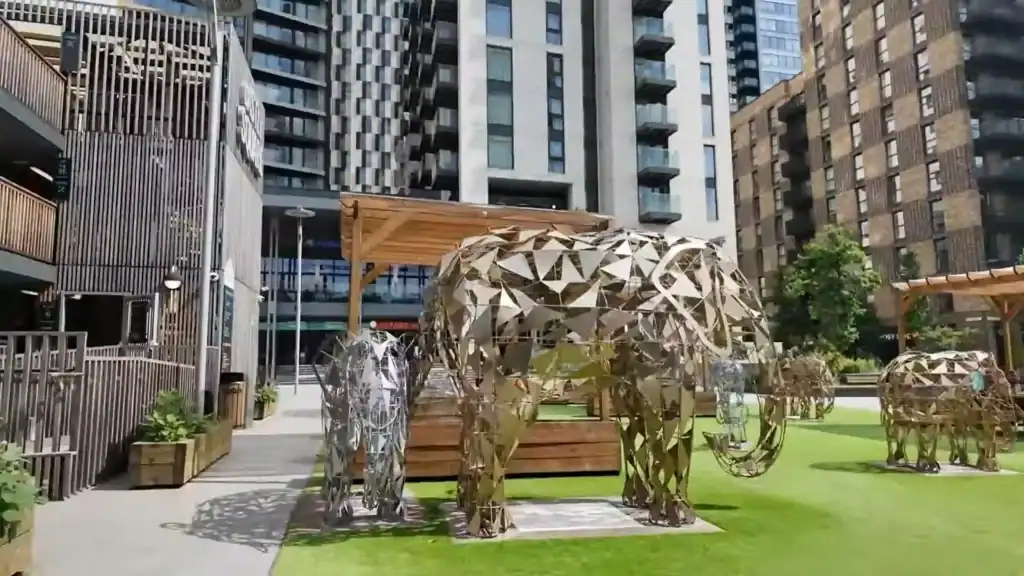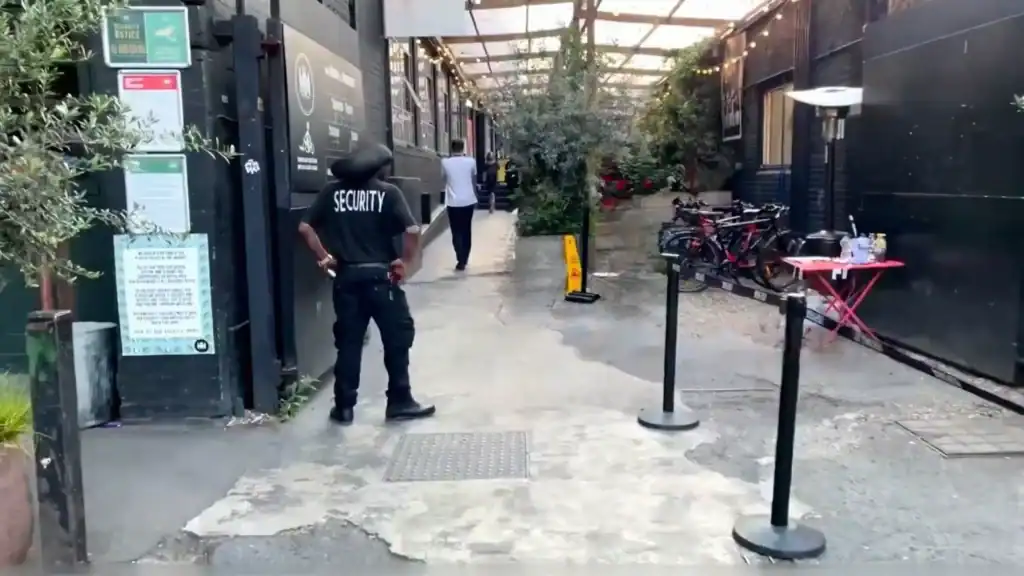

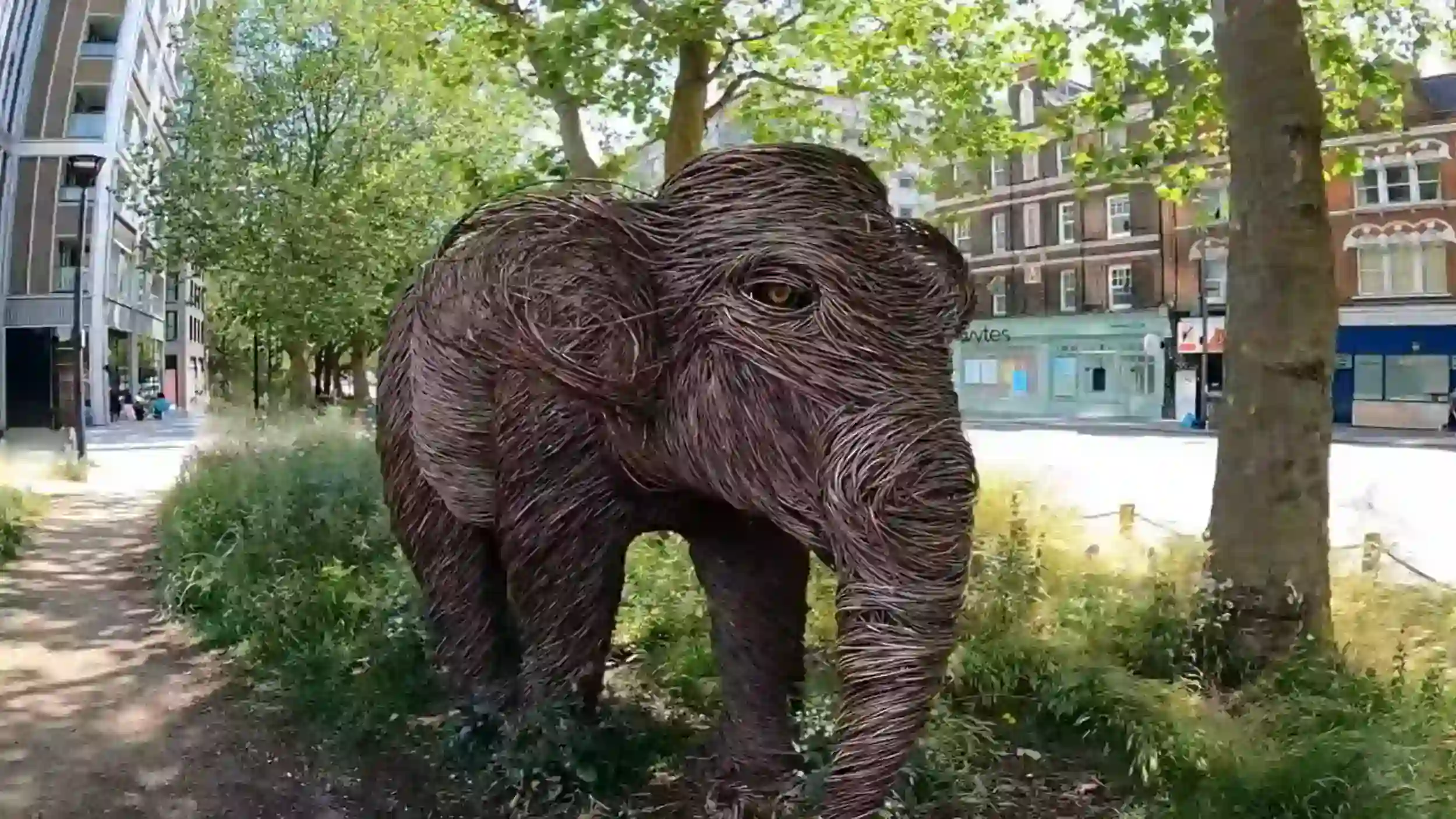
Things to do in Elephant and Castle include exploring the free Imperial War Museum (5 floors), dining at Mercato Metropolitano food market (40+ vendors, £8-15 meals), visiting Elephant Park’s green spaces, catching shows at Southwark Playhouse (£15-35 tickets), and browsing independent shops along Walworth Road. Located just 1.5 miles from Westminster, this South London neighborhood offers diverse cultural experiences daily.
👀 Things to Do in Elephant and Castle: At a Glance
📍 Location: South London, Zone 1/2 border, 15 minutes from Westminster by tube
🏛️ Main Draw: Cinema Museum (by appointment only), Latin American culture hub
⏱️ Time Needed: 2-3 hours for highlights, full day if combining markets and museums
🍴 Food Scene: Mercato Metropolitano and Colombian/Ecuadorian eateries on Elephant Road
💷 Budget: Free to explore neighborhoods, £5-12 for museum entries, £8-15 for meals
⚠️ Reality Check: Mid-regeneration means construction chaos and some rough edges remain
🚫 Skip if: You want polished tourist attractions or only have 1-2 days in London
🔍 Things to do in Elephant and Castle: The Attractions Most Guides Miss
Elephant and Castle sits in a strange gap within South London today. Most city guides skip it or reduce it to a short note about towers. This gap hides real culture, small museums, and a strong Latin American community. Many visitors never hear about it at all. You will not see the area featured in the Visit London official guide or most printed travel books.
The neighborhood balances real life and fast change at the same time. Cranes fill the skyline as new flats rise each year. Yet small pockets of old South London still survive nearby. These areas hold the true appeal. They feel lived in, social, and rough edged. This matters more than the polished shopping center that replaced the old brutalist building.
Cinema Museum, Cuming Museum, and the Ministry of Sound Legacy
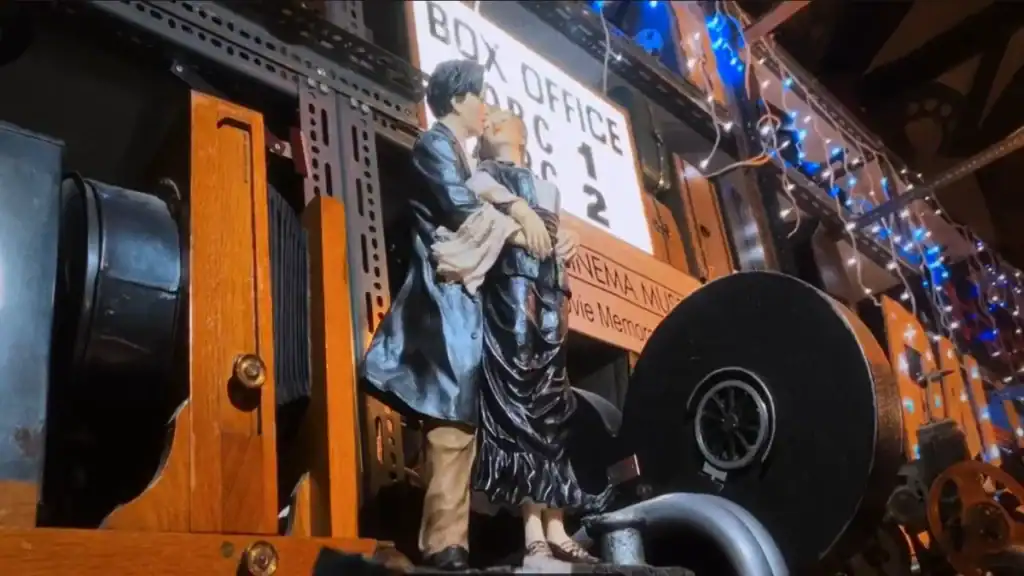
The Cinema Museum sits inside the former Lambeth Workhouse where Charlie Chaplin once lived as a child. This volunteer-run space covers British film history in detail. Displays move from magic lanterns to modern screens. Visits require booking ahead because it opens by appointment only. Entry costs about £10 and includes two hours of stories, objects, and vintage projectors. Learn more at the Cinema Museum.
The Cuming Museum closed in 2013 after a serious leak damaged much of the collection. Many surviving items moved to the Southwark Heritage Centre on Borough High Street. The original displays ranged from Roman finds to Victorian objects. What remains still shows working life in South London. Entry is free and open Tuesday through Saturday at the Southwark Heritage Centre.
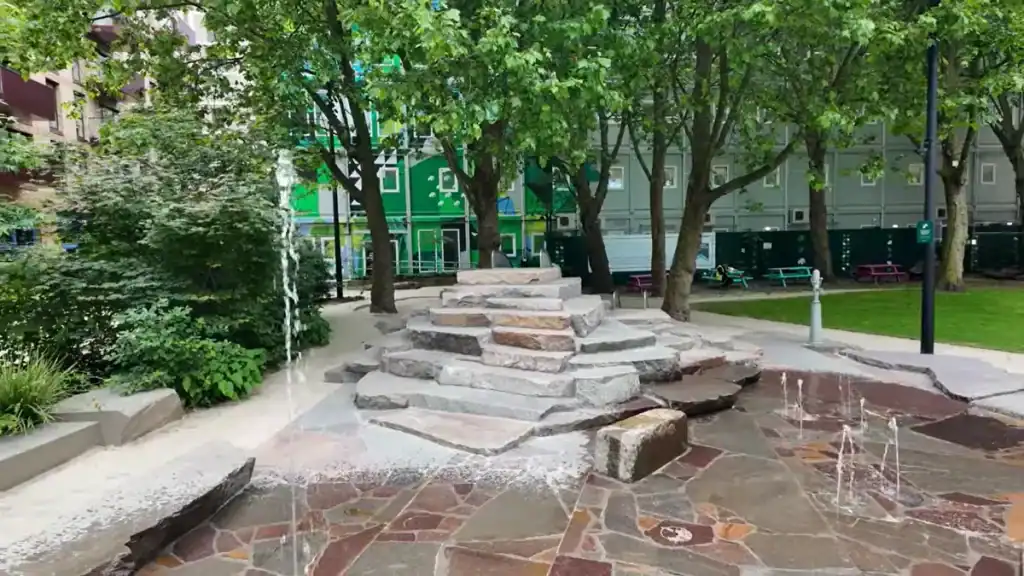
🏞️ Elephant Park and Public Spaces: Worth a Special Visit?
Elephant Park forms the center of the £2.3 billion regeneration project today. Developers replaced the Heygate Estate with a large mixed-use scheme. Around 2,500 new homes now sit here. The park opened in phases from 2018 onward. It offers green lawns, play areas, and a market square used for local events across the year.
The park works best as a local space, not a visitor draw. Families from nearby blocks use the playground every day. Office workers eat lunch on benches near Strata Tower. Still, nothing here supports a special trip. The design feels safe but plain. Cafes are chain outlets charging typical London prices without local character.
What the Regeneration Has (and Hasn’t) Delivered for Visitors
Regeneration clearly improved daily movement through the area. The old traffic-heavy roundabout was simplified for walkers. New routes link streets that once felt cut off. Lighting improved and bike lanes appeared. Tube access also became clearer through changes led by Transport for London. For visitors, this mainly reduces stress rather than creating reasons to stay longer.
What is missing are strong cultural anchors for visitors. Elephant and Castle Town Centre closed in 2020 and still has not returned. Plans now point to completion no earlier than 2026. Official papers show better station space and a London College of Communication campus. Until then, the area feels unfinished and in between stages.
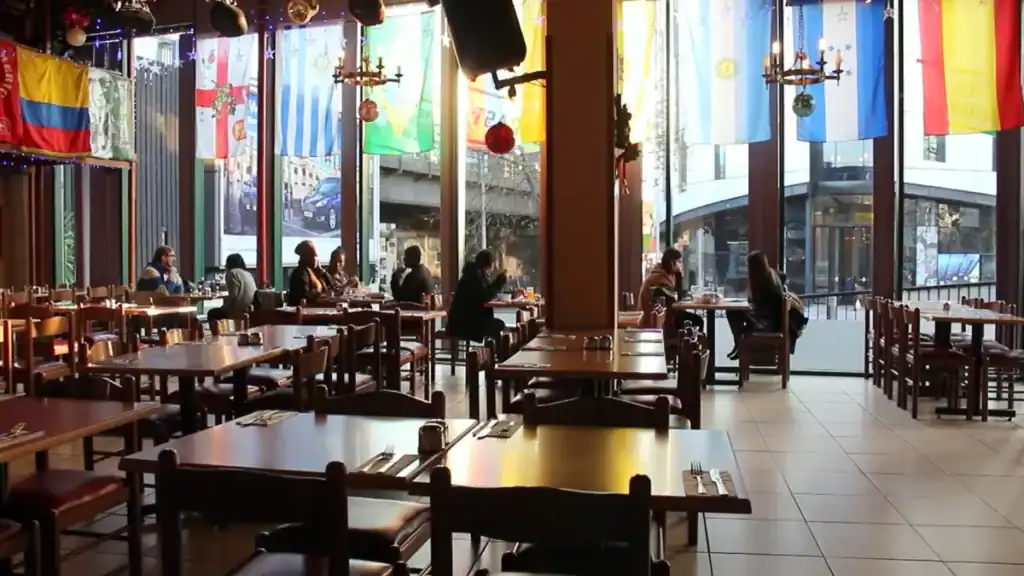
🍽️ Food, Drink, and Nightlife: What Actually Draws Locals
Food culture gives Elephant and Castle its clearest appeal today. The Latin American community along Elephant Road built a dense cluster of restaurants. Colombian and Ecuadorian food dominates the strip. Visitors can try bandeja paisa, arepas, ceviche, and empanadas cooked for locals. Prices often run 30–40% lower than Shoreditch or Borough Market nearby.
El Rincon Colombiano on Elephant Road serves large plates for £8–12 per meal. Las Rosas on New Kent Road hosts weekend nights with live vallenato music. These places are not polished tourist spots. Expect cash payments, Spanish-speaking staff, and direct service. The food reflects daily community demand, not influencer trends or staged menus.
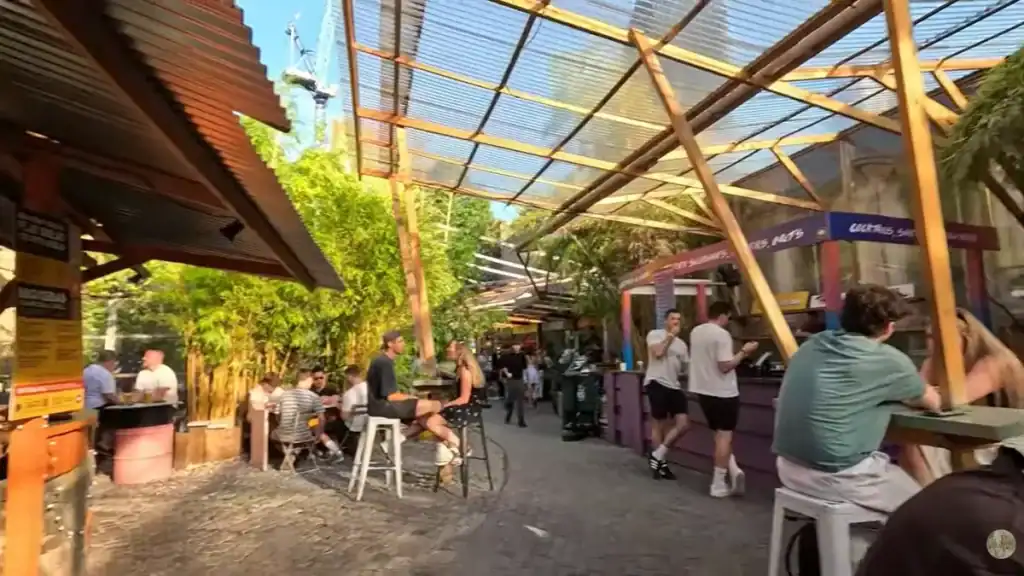
Things to do in Elephant and Castle : Mercato & Elephant Arcade
In 2016 Mercato Metropolitano opened inside a former paper factory on Newington Causeway. The food hall hosts about forty vendors under one roof. Meals range from £6–14 across Italian, Thai, Middle Eastern, and British stalls. The crowd skews younger and mixed. Weekend evenings fill with natural wine, shared tables, and pizza queues.
Elephant Arcade opened in 2022 after pressure to rehouse displaced traders. The site now supports Colombian bakeries, Ecuadorian kitchens, and Latin grocery shops. Nightlife stays split across scenes. Ministry of Sound draws global clubbers. Corsica Studios pulls underground electronic fans. Current listings appear in the Southwark Council culture guide.

✅ The Reality Check: Is This a Destination or a Stopover?
Elephant and Castle does not compete with Camden or Shoreditch as a main stop. It lacks attraction density and visual unity. Visitor services remain limited compared with central districts. Most itineraries rightly focus elsewhere when time is short. For many travelers, this area works better as a pause rather than a planned highlight.
The area rewards focused interests instead of general sightseeing. Film history fans value the Cinema Museum’s depth. Latin American food lovers can plan a full day around Elephant Road and Mercato. Students nearby benefit most. Electronic music fans may pair Corsica Studios with late meals and record shopping nearby.
Who Should Plan a Day Here vs. Who Should Pass Through
Plan a visit if you know London well and enjoy lesser-known areas. Cultural depth matters more here than polish. The Cinema Museum alone suits serious film fans. Combine it with Mercato for lunch and Elephant Road for dinner. A full day costs about £30–40 and feels rewarding without feeling staged.
Pass through if this is your first London trip with limited days. Skip it if you want landmarks, easy routes, or visual spectacle. The Visit London official guide lists many higher-priority areas. Elephant and Castle demands curiosity, patience, and context many short-term visitors simply do not have.