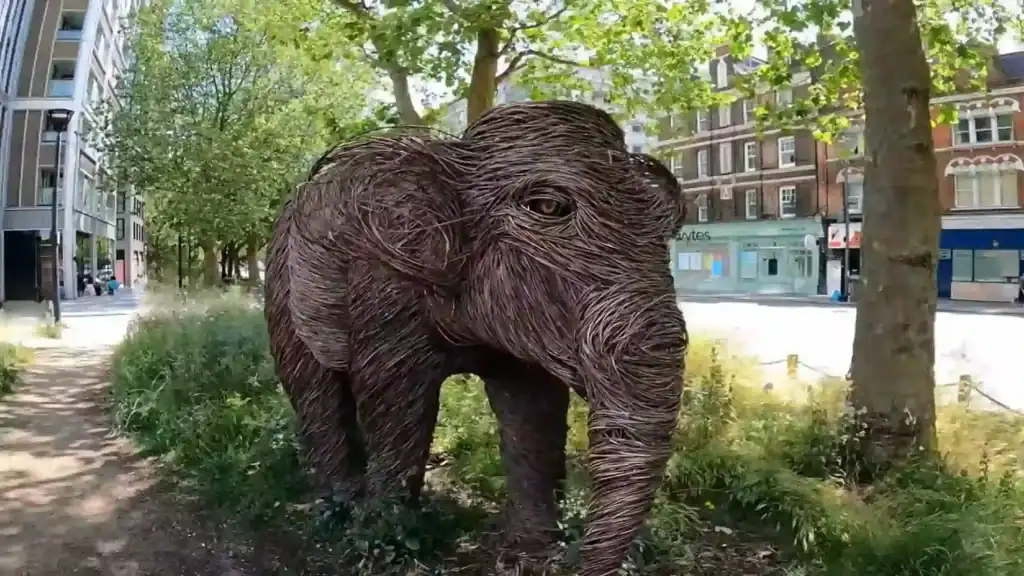

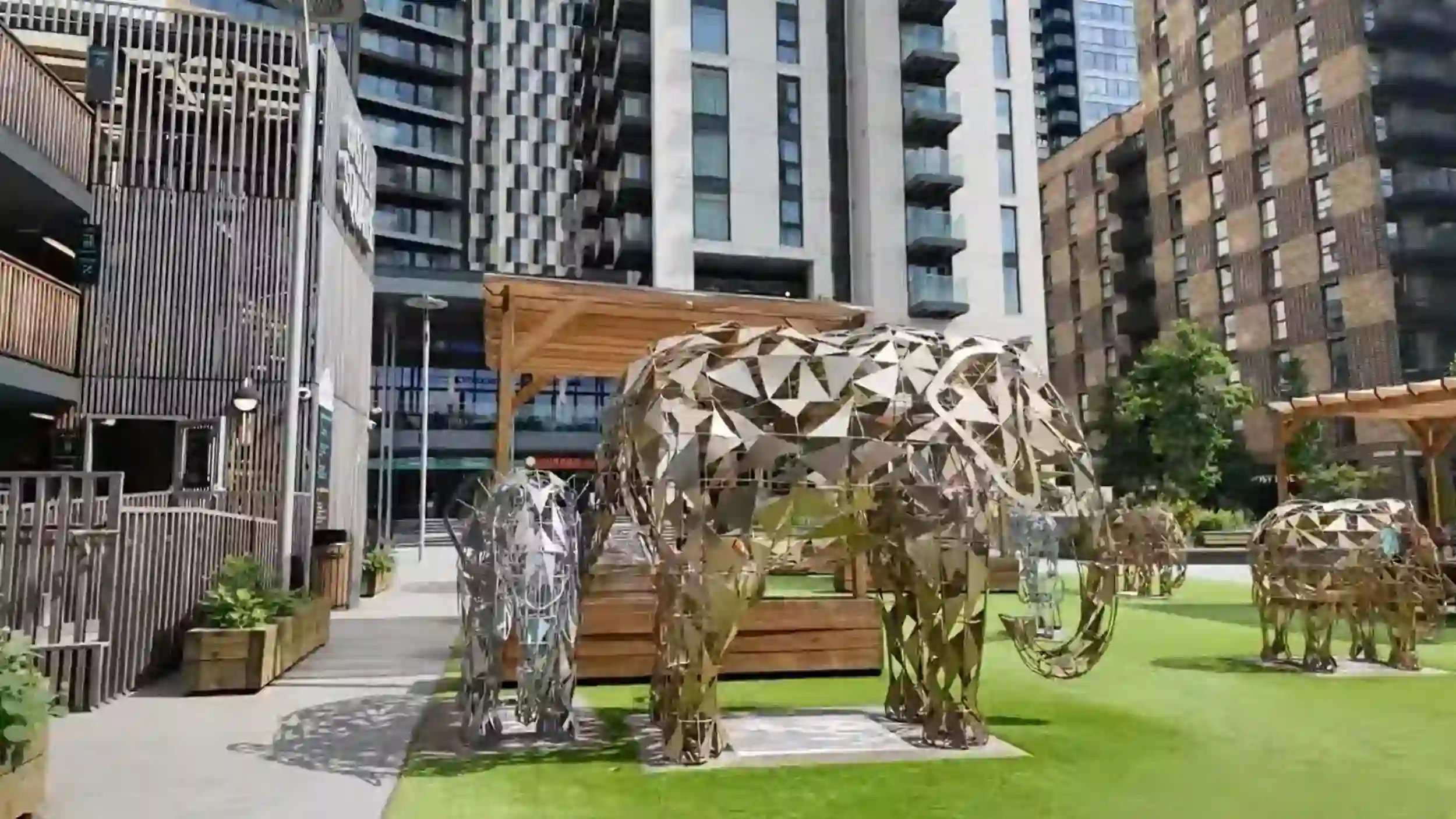
Elephant Park Elephant and Castle is a £2.3 billion mixed-use regeneration spanning 28 acres in South London, featuring a two-acre central park with 300+ mature trees, over 3,000 new homes, and 50+ independent shops and restaurants. Located 400 meters from Elephant & Castle Underground station (Northern and Bakerloo lines), the development includes West Grove community hub, Castle Square marketplace, and Sayer Street gardens, completed in phases from 2015-2025.
👀 Elephant Park Elephant and Castle: At a Glance
📍 Size: 2-acre park, central London’s largest new green space in 70 years
🏢 Development: 3,000 homes replacing demolished Heygate Estate (1,214 homes)
💰 Affordable Housing: 25% (originally promised 35%, down from 1,000 social units)
⚠️ Lost Community: 3,000+ residents displaced, mostly relocated outside area
🌳 Amenities: Elephant Springs water feature, Tree House pavilion, independent shops
🔥 Reality Check: Award-winning park sits on site of controversial demolition
❌ Skip if: You’re looking for an uncontroversial London regeneration success story
🏛️ What Elephant Park Actually Offers: Facilities, Size, and Design Reality
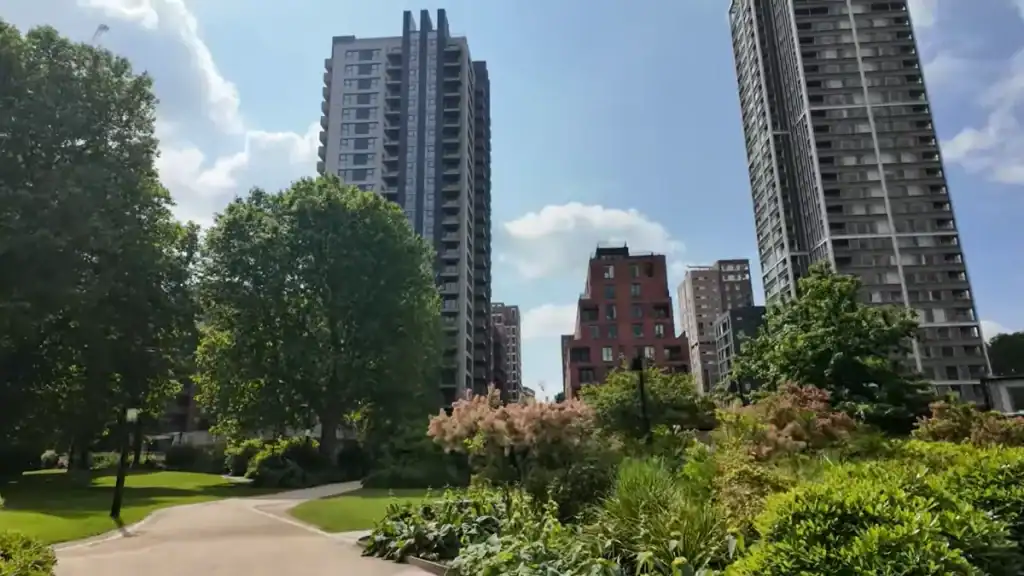
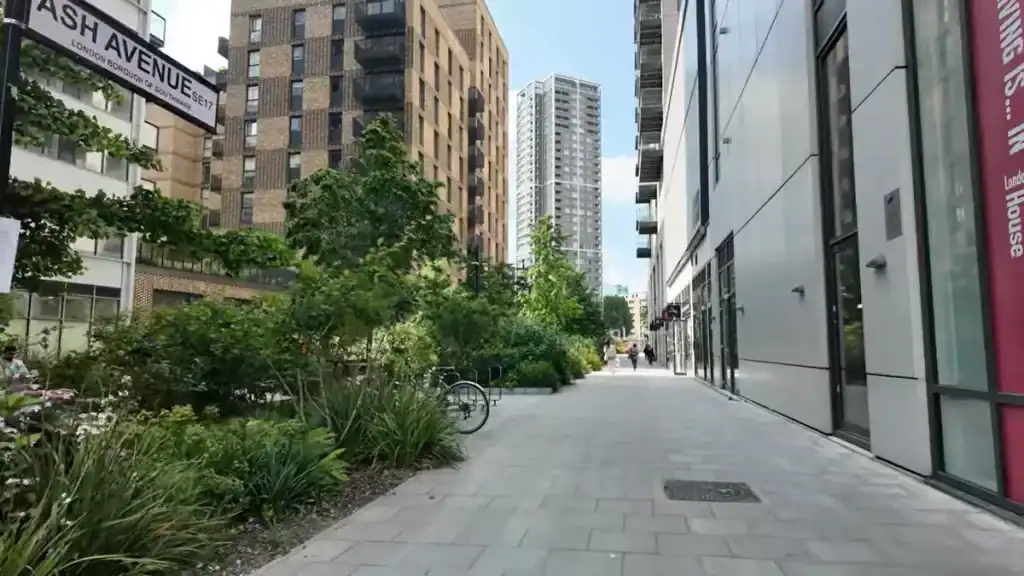
Elephant Park is 2 acres in the heart of Elephant and Castle. It is said to be the largest new park in central London in seventy years. The park opened in stages from 2015. Lendlease, the Australian builder, made it to replace the old Heygate Estate. The site also has over 3,000 homes, shops, and spaces for locals and visitors.
The park has Elephant Springs, a water play area with rocks, slides, and fountains. In 2022, The Tree House pavilion opened around a mature tree. It has toilets, a café, and a small rooftop gallery. About 100 mature trees were kept. Children play here. Families enjoy benches, hammocks, and open spaces all year round.
Acreage, Amenities, and Whether It Functions as a True Park
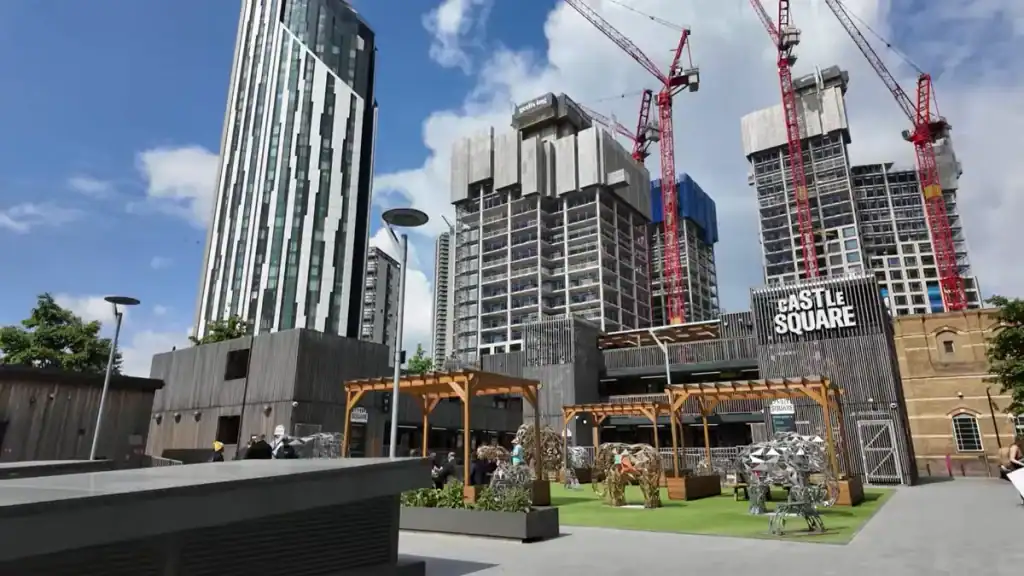
Beyond the main park, the site has Castle Square with 20 small stalls and Walworth Square. Together, they make about 10 acres of public space. The 2-acre park covers less than 20% of the old Heygate Estate. Locals protested to save many trees. The park feels real and welcoming, not corporate. People use it daily for play, walks, and rest.
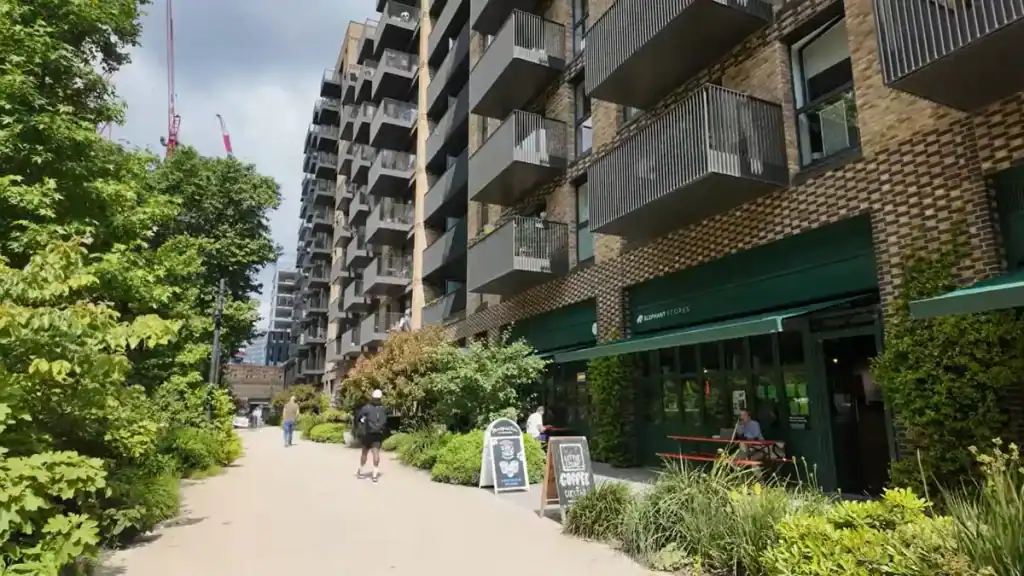
Amenities feel simple and friendly. The Royal Fine Art Commission Trust gave Elephant Park a Public Space Beauty prize in November 2023. Independent businesses include Beza, Arepera, and Four Quarters. Families use playgrounds freely. Benches, hammocks, and open spaces invite everyone. The park works well as a small local hub.
📊 The Regeneration Trade-Off: What Was Lost and What Was Gained
The Heygate Estate housed over 3,000 people in 1,214 homes before demolition in 2011. Built between 1970 and 1974, it fell into decay from council neglect. Surveyors found it sound in 1998 and suggested a £53 million fix. Instead, it was demolished. Many warned this would push families out. Residents lost homes, and a strong local group broke apart.
What followed is called state-led gentrification in research published in Cities. Southwark Council sold the 9-hectare Heygate site to Lendlease for £50 million in 2010. The council had spent £44 million clearing the estate and £21.5 million on planning. The sale caused a large loss. Developers benefited. Local people lost homes and ties.
The Shopping Centre, Social Housing, and Community Displacement
Freedom of Information shows the human cost. Former Heygate tenants moved to outer London boroughs like Croydon and Bromley. Only 82 social rented homes replaced over 1,000 council flats. Most “affordable” housing costs 80% of market rent. This is double what families paid before. Many could not return. The local community changed quickly and lost its culture.
The neighbouring Elephant and Castle Shopping Centre closed in 2020, pushing out hundreds of small shops and Latin American communities. The new project gave Southwark 116 social rented homes. This still replaces only a small part of housing and culture. Many families lost homes and ties to friends and neighbors.
🔄 How It Compares to Other London Regeneration Parks (King’s Cross, Battersea)
King’s Cross Central shows a different approach. The 67-acre site includes Granary Square, with over 1,000 fountains. It is one of Europe’s largest public spaces. The project spent £250 million on public areas. It added 10 parks and squares totaling 10.5 hectares. It changed brownfield land, not housing. This shows a very different method from Elephant Park.
Battersea Power Station’s £9 billion project added 19 acres of public space across 42 acres. Like Elephant Park, it reused industrial land. Battersea kept its Grade II listed building. Authorities tore down the Heygate Estate completely, despite experts defending its 2013 design. Unlike Battersea or King’s Cross, its demolition wiped out homes and history.
Access and Activities at Elephant Park Elephant and Castle
All three sites give public space, but the context differs. Granary Square benefits from Central Saint Martins University. Students and visitors bring steady foot traffic. Steps lead to Regent’s Canal, creating amphitheater-style spaces. Markets, festivals, and art make the square lively all year. Many events attract locals and tourists. The space works for small and large gatherings.
Battersea Power Station has 250 shops and restaurants in the restored building, creating a busy hub. Electric Boulevard links to Zone 1 Underground. Elephant Park’s 2-acre park serves a smaller group. Events exist but feel limited compared to King’s Cross or Battersea. The park gives fewer reasons for people to meet regularly.
⚖️ The Final Word: Green Space Achievement or Gentrification Symbol?
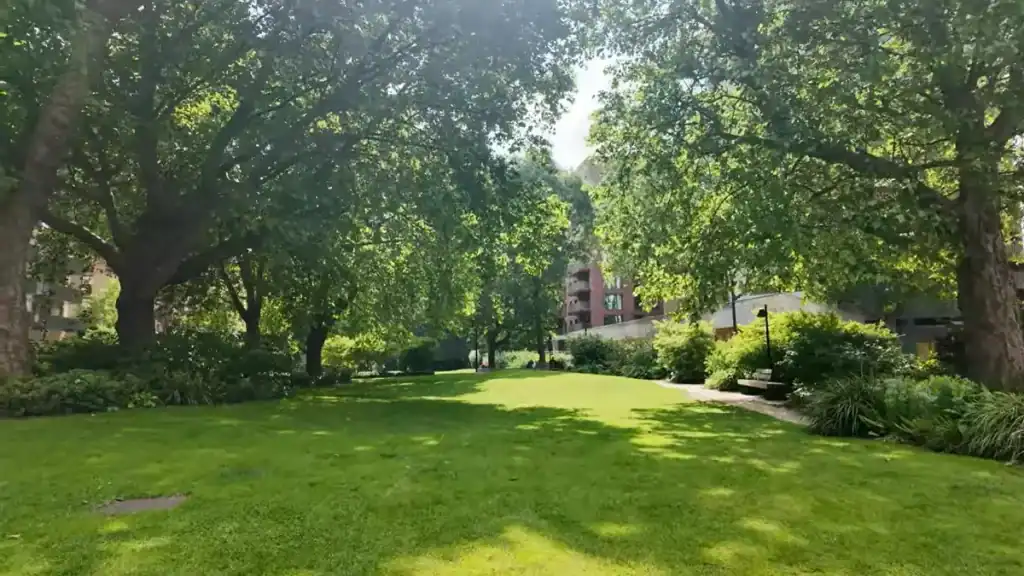
The answer is both. Elephant Park delivers physically: a neat, well-kept park with good design and open access. Families visit daily. Children play in Elephant Springs. Mature trees give shade. The park works well as public space in central London. Its design and access succeed. The park is a small but quality green area for locals and visitors.
However, this success sits on social loss. Parliament notes only 20 of 1,200 Heygate flats were used by March 2010. One in three tenants faced eviction. About 3,000 residents left. Families lost their homes for flats now costing £400–£950 per week. Elephant Park’s beauty comes with a real human cost.
Who Benefits from This Space and Who Was Priced Out
The primary winners are new residents who can afford market-rate homes. The wider public benefits from park access. Lendlease sold apartments off-plan in East Asia. They targeted overseas buyers, not locals. Of 2,689 homes, 537 are “affordable.” Only 92 are social rented, less than 10% of Heygate’s original homes.
Those priced out include former Heygate tenants, Latin American communities, and working-class families. Even though Southwark built 1,693 affordable homes nearby since 2001, social housing fell as a share. Elephant Park is both a well-made green space and a sign of gentrification. It exists because a working-class group was removed.