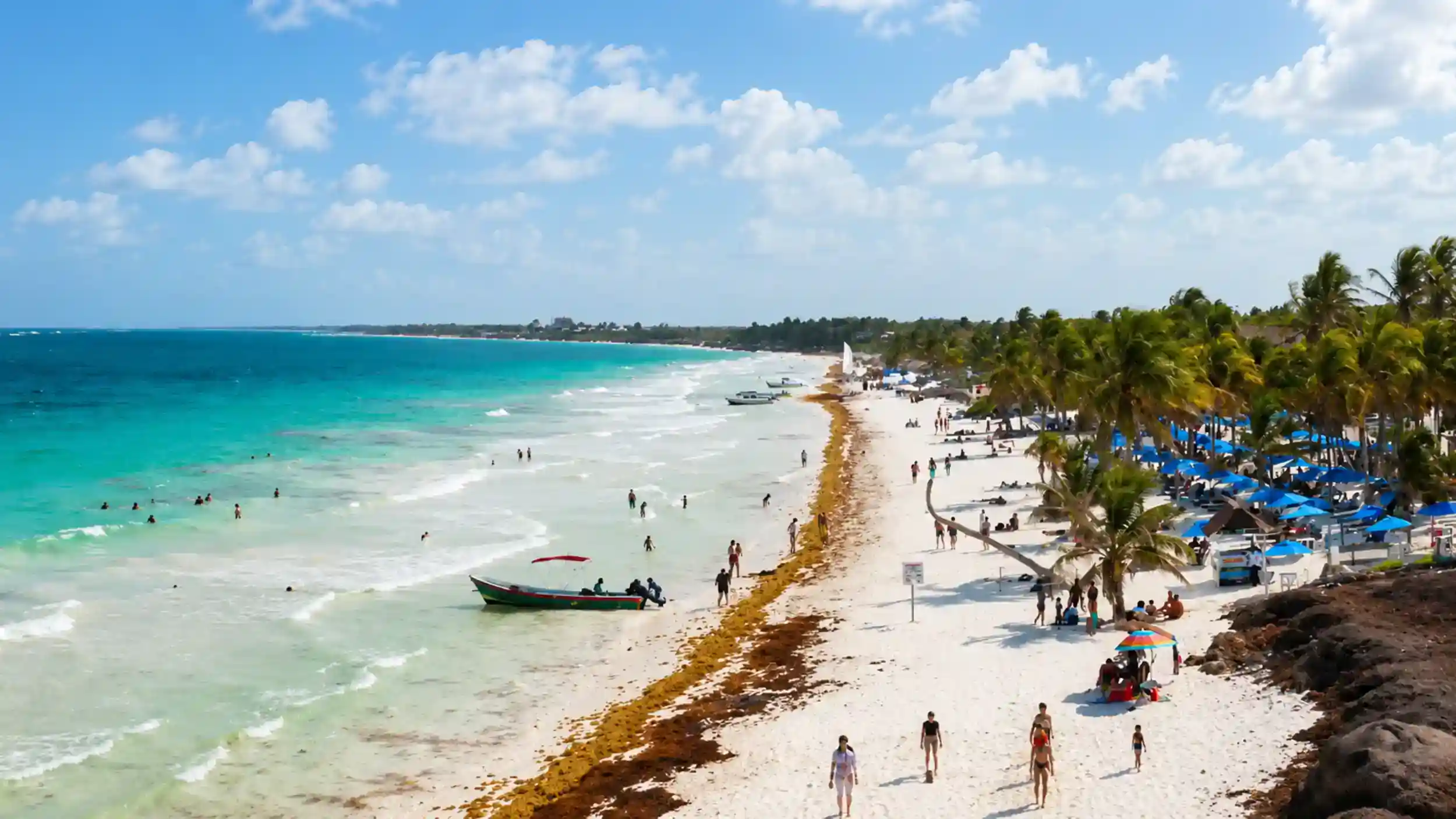
How many days do you need in Tulum? I would allow three to four days on a first visit. That gave us time for the beaches, Mayan ruins, several cenotes and both Tulum Pueblo and the Hotel Zone. With less time, choices between experiences become unavoidable; with more, there is room to explore farther.
A day trip would not have shown us what Tulum is really like.
With three or four days, beaches and cenotes no longer have to compete for the same afternoon. There is also room for the part that is easiest to lose when the itinerary gets compressed: staying longer somewhere because it turned out better than expected, rather than leaving simply because the next stop is waiting.
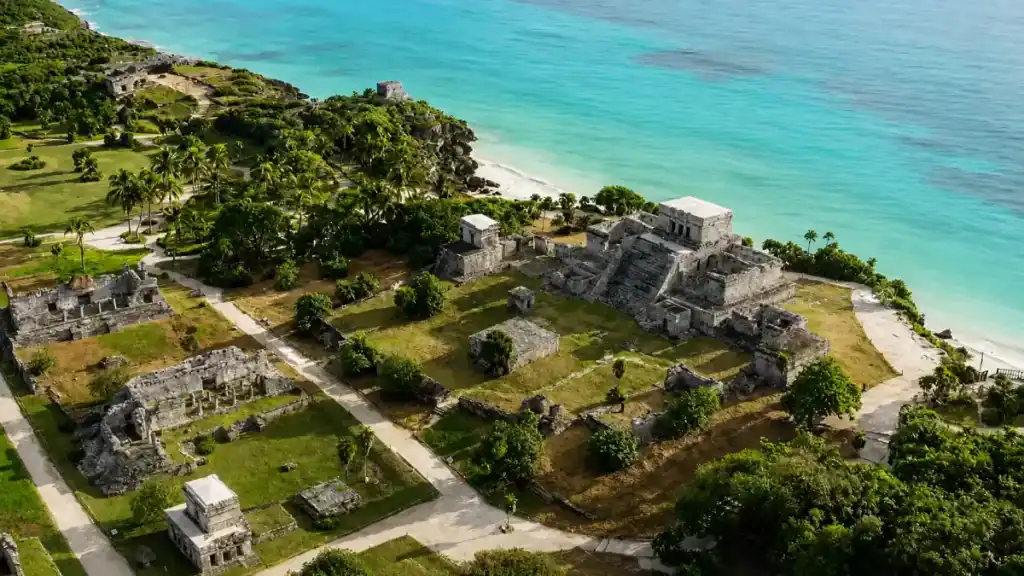
⏳ How Many Days Do You Need in Tulum on a First Visit?
Three to four days is the strongest balance for a first visit to Tulum. It gave us enough room for the ruins, beaches, Pueblo and several cenotes without every move becoming a race against the clock, with enough slack for weather, traffic or a longer-than-planned stop to change the day without wrecking it.
That extra room mattered more to us than simply adding another attraction. Once there was no need to squeeze a beach and a cenote into the same afternoon, Tulum felt less like a checklist and more like somewhere we were actually staying.
📅 HOW THE LENGTH OF STAY CHANGES THE TRIP
🌞 One day: choose hard between the ruins, a beach and a nearby cenote.
🌴 Two to three days: enough for the main highlights when Tulum is one stop on a wider trip.
🌊 Three to four days: the strongest first-visit balance between sightseeing and slower time.
🌿 Five days or more: more useful when relaxation or wider day trips matter as much as the main sights.
| 🗓️ Length of stay | ⭐ Best for | 💚 What you’ll realistically experience |
|---|---|---|
| 🌞 1 day | Day-trippers | Ruins, one beach or one cenote, but little time to relax |
| 🌴 2 to 3 days | Most visitors | Beaches, cenotes, Tulum Pueblo and major highlights |
| 🌊 4 to 5 days | First-time visitors | A relaxed experience with time for day trips |
| 🚗 6+ days | Slow travellers | Explore Tulum plus nearby destinations without rushing |
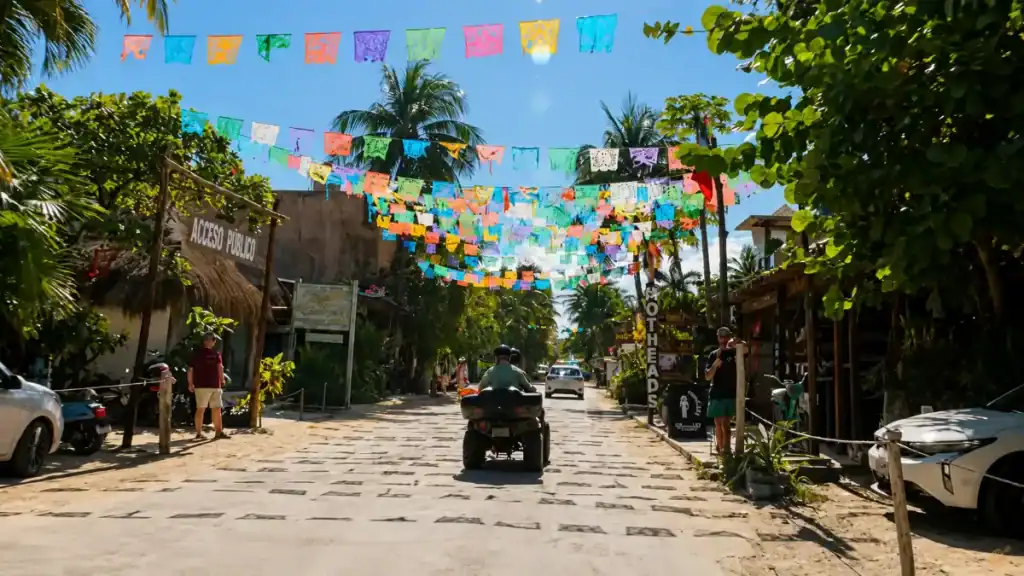
🕐 Is One Day Enough in Tulum?
One day is enough to see a slice of Tulum, but not enough to experience its different sides without making hard choices. I would combine the ruins with one beach or perhaps a nearby cenote. Add another worthwhile stop and the travel between the coast, Pueblo and attractions outside town starts taking more of the day than the map suggests.
That is why I would not try to “win” Tulum in one day. Once too many stops are added, the visit becomes a sequence of leaving places rather than enjoying them. The practical consequence is simple: decide what the day is for before arriving, then let the rest go.
| ⏳ Stay length | ✔️ Realistic experiences |
|---|---|
| 🌞 One day | Tulum Ruins, one beach and perhaps one nearby cenote |
| 🌴 Two days | Beaches, ruins, several cenotes and Tulum Pueblo |
| 🌊 Three days | Major attractions plus time to relax and explore |
| 🚗 Four or more days | Day trips, hidden cenotes and a much slower pace |
🚗 How Many Days Should You Spend in Tulum on a Yucatán Road Trip?
Two or three days is usually enough for Tulum when it is one stop on a wider Yucatán road trip. I would shorten the stay because, with Valladolid, Cobá, Bacalar or Holbox still ahead, another Tulum night has a real cost: it comes out of somewhere else.
Two or three days still gives enough time to see the main highlights without turning a single overnight stop into a blur of driving and unpacking. That matters because one night sounds efficient on paper, but the arrival and departure can consume so much of it that Tulum never gets a proper day in the middle.
Transport also changes the pace. Attractions are spread across different areas, so a road-trip schedule needs more breathing room between stops than the distances alone suggest.

🏖️ How Many Days Do You Need for a Beach-Led Tulum Stay?
For a beach-led Tulum stay, I would allow four or five days rather than filling three days more aggressively. The extra time is not there to create a longer attractions list. It lets an afternoon disappear on the beach without leaving us with the uncomfortable feeling that a cenote, the ruins or another part of town has just been sacrificed.

That slower rhythm is particularly useful for a honeymoon, anniversary or any trip where the accommodation and beach are part of the experience rather than simply a base for sightseeing. A long lunch or an unplanned quiet afternoon stops being “lost time”.
🏖️ WHEN I WOULD ADD THE EXTRA DAY
🌊 Beach first: four or five days gives relaxation space without abandoning the main sights.
🍽️ Slower evenings: long meals do not have to compete with an overfilled daytime plan.
☀️ Nothing planned: an empty afternoon becomes part of the holiday rather than a planning failure.
💦 How Many Days Do You Need for Cenotes and Adventure?
Four or five days works better for an activity-heavy Tulum trip built around cenotes and outdoor experiences. We found that three days can disappear quickly once several cenotes, the ruins, cycling and a Sian Ka’an boat trip begin competing for daylight.

The attraction list is not the only reason I would add time. Many of these places are spread out. An extra day makes it possible to arrive earlier or later, linger at a cenote that is working particularly well, or change direction when weather or crowds make the original plan less appealing.
For that kind of trip, four to five days felt more realistic than trying to compress the same experiences into three tightly scheduled days.
⚠️ How Much Travel Time Should You Allow in a Tulum Itinerary?
Allow more travel time than the distances on a map initially suggest. The timing mistake I would avoid is planning Tulum as though every attraction sits beside the next one. Beaches, Pueblo, cenotes and archaeological sites are spread out, and the journeys between them can quietly eat into the time allocated to the places themselves.
That is where an ambitious itinerary starts to unravel. One stop runs longer, traffic slows the next journey, or the weather changes, and suddenly the final part of the day is being rushed. Leaving space between activities is not wasted time; it is what allows the itinerary to survive ordinary travel friction.
| ❌ Planning mistake | 💡 Better approach |
|---|---|
| Trying to see everything in one day | Stay at least two or three nights if possible |
| Underestimating travel time | Allow extra time between beaches, cenotes and attractions |
| Booking every activity in advance | Leave some flexibility for weather and spontaneous discoveries |
| Spending every day in one area | Experience both the Hotel Zone and Tulum Pueblo |
| Rushing through the itinerary | Build in time to relax as well as sightsee |
We also found it useful not to lock every hour before arriving. If a quieter beach turns out to be the place you want to stay, or a cenote deserves another hour, flexibility lets that discovery change the day rather than forcing you to leave because the spreadsheet says so.
⭐ What Is the Best Length of Stay in Tulum?
Three to four days is the length of stay I would choose for a first visit to Tulum. It was enough for us to balance beaches, cenotes, ruins and the contrast between Pueblo and the Hotel Zone, while still fitting naturally into a longer Mexico trip.
| 👤 Traveller | 🗓️ Recommended stay | ⭐ Why |
|---|---|---|
| 💑 Couples | 4 days | Time for beaches, cenotes and relaxed evenings |
| 👨👩👧 Families | 3 to 4 days | Enough flexibility without overloading younger travellers |
| 🌴 First-time visitors | 4 days | Covers the major highlights at a comfortable pace |
| 🚗 Road trippers | 2 to 3 days | Fits well into a wider Yucatán itinerary |
| 🌿 Slow travellers | 5+ days | Plenty of time to explore beyond the obvious attractions |
I would cut that to two or three days on a Yucatán road trip, then extend it to four or five when the holiday is beach-led or packed with cenotes and outdoor activities. The important part is not squeezing the maximum number of attractions into the minimum number of days. It is leaving enough room for the trip to change once you are actually there.