Are the Tulum Ruins worth visiting? Yes, especially if you are already staying in Tulum. Their strength is not the scale of the archaeological site. It is the combination of Mayan history, a compact visit and that extraordinary clifftop position above the Caribbean.
Expectations matter. Chichén Itzá is the stronger choice for monumental architecture and a much larger archaeological experience. Tulum gives you something different: ancient stone buildings above turquoise water, without turning the visit into an entire day of travelling.
That distinction is what makes the ruins easy to recommend, but also easy to misunderstand.
🏛️ What Makes the Tulum Ruins Worth Visiting?
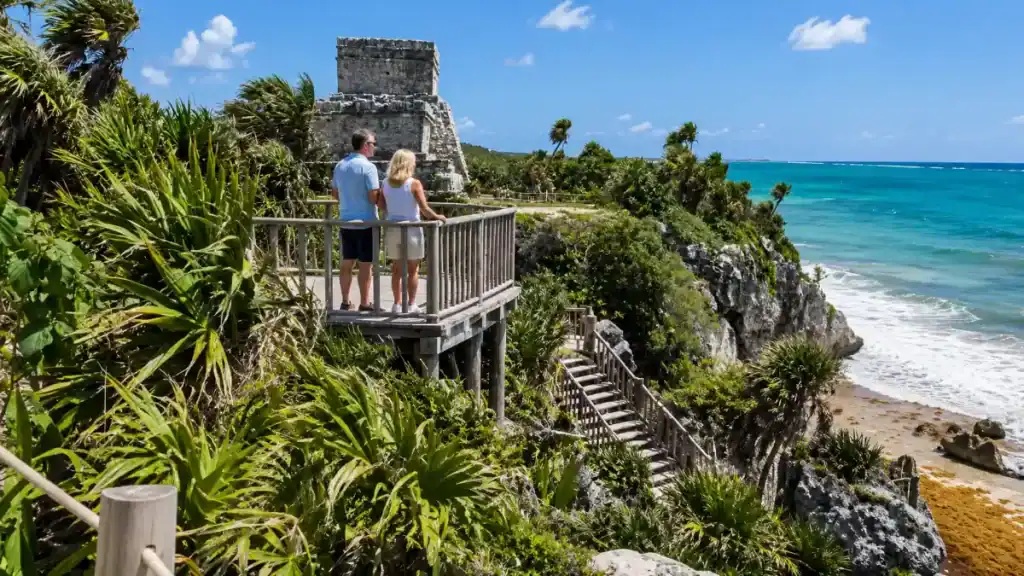
The clifftop Caribbean setting is what makes the Tulum Ruins worth visiting despite their relatively compact scale. I initially saw that size as a weakness beside the major Mayan cities of the Yucatán, but once the sea appeared beyond the limestone cliffs, the landscape became part of the experience rather than just a backdrop.
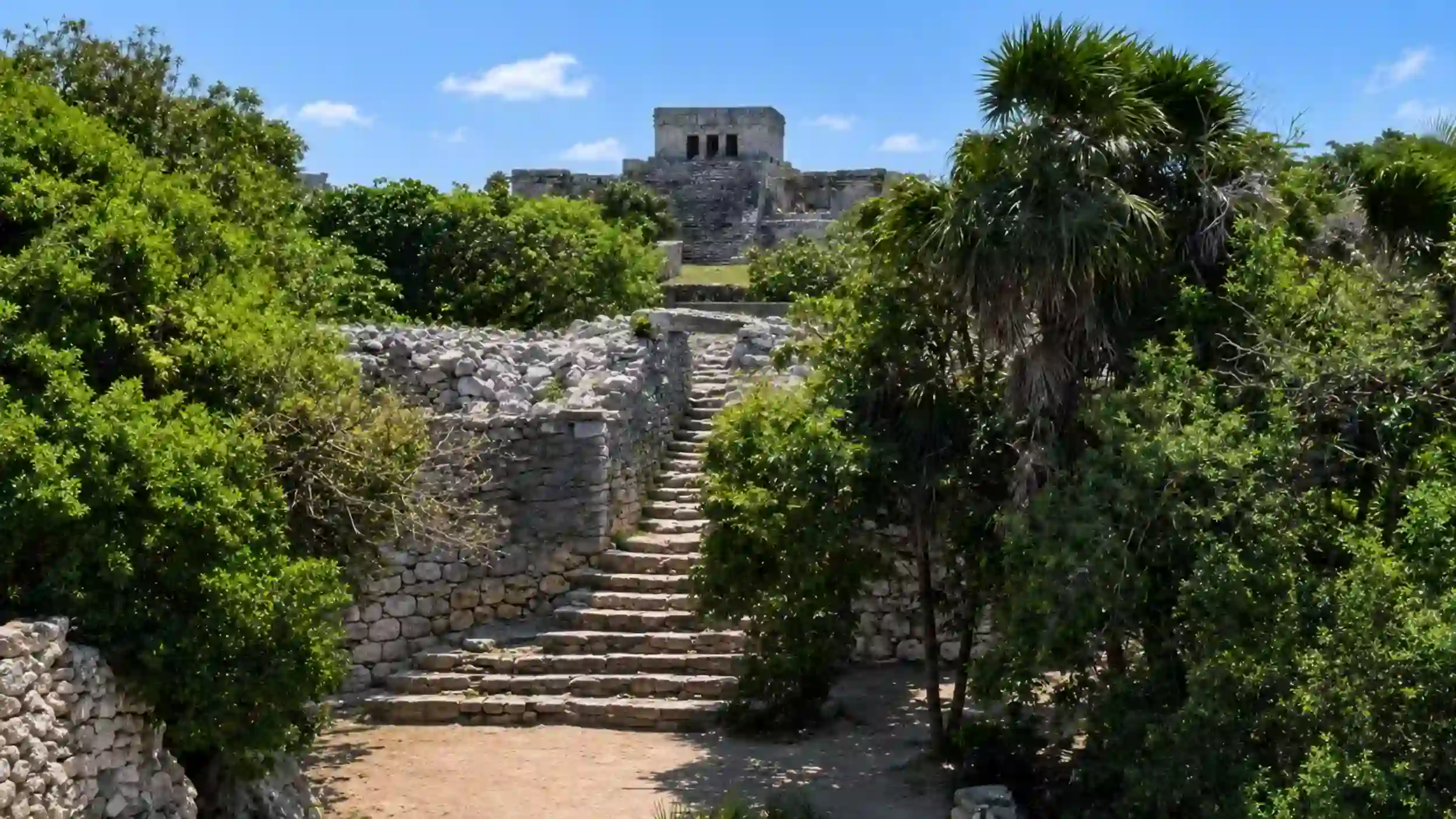
El Castillo, the walled complex and the surviving buildings gave us the historical substance I wanted from the visit. The sea changed its character. Instead of walking through a vast archaeological landscape, we were moving through a coastal city whose position made its difference from the inland sites immediately obvious.
| 👤 Traveller | ⭐ Worth visiting? | 💚 Why |
|---|---|---|
| 🌴 First-time visitors | ⭐⭐⭐⭐⭐ | Combines history with one of Mexico’s best coastal views |
| 📸 Photography lovers | ⭐⭐⭐⭐⭐ | Spectacular scenery and iconic viewpoints |
| 🏛️ History enthusiasts | ⭐⭐⭐⭐☆ | Interesting introduction to Mayan civilisation |
| 👨👩👧 Families | ⭐⭐⭐⭐☆ | Easy to visit without a full day’s commitment |
| 🚗 Experienced archaeology travellers | ⭐⭐⭐☆☆ | Smaller than several other famous Mayan sites |
If archaeology is your main interest and you have already visited several larger Mayan sites, the remains alone may feel modest. For a first-time visitor, a family that does not want a full archaeological day or anyone who values scenery as much as scale, the balance works much better.

⚖️ Are the Tulum Ruins or Chichén Itzá Better?
Chichén Itzá is the better choice for monumental scale and a more substantial archaeological experience; Tulum is stronger when coastal scenery and a shorter, easier visit matter more. I would choose Chichén Itzá for archaeology alone, but the two never felt like they were competing on exactly the same terms.
Its advantage appears when the rest of the day matters. Tulum can sit beside a beach, cenote or another local stop without requiring hours of travel in each direction. Chichén Itzá deserves the commitment of a major day trip; Tulum fits naturally into a broader Tulum day.
| 🏛️ Site | ⭐ Best for | 🚗 Travel from Tulum |
|---|---|---|
| 🌊 Tulum Ruins | Coastal scenery and first-time visitors | Minutes |
| 🗿 Chichén Itzá | Monumental architecture and history | Full-day trip |
| 🌿 Cobá | Jungle setting and a larger archaeological site | Around one hour |
| 🏰 Ek Balam | Smaller crowds and impressive structures | Longer inland journey |
🏛️ WHICH SITE FITS THE TRIP?
🗿 Choose Chichén Itzá: when monumental architecture and archaeological scale are the priority.
🌊 Choose Tulum: when coastal scenery, easier access and a shorter visit matter more.
🧭 Visit both: when the itinerary has room, because the two sites are different enough not to feel repetitive.

🌅 What Is the Best Time to Visit the Tulum Ruins?
Early morning is the best time to visit the Tulum Ruins because it tackles both heat and crowds at once. The exposed coastal setting becomes less forgiving as the day warms, while the compact paths and viewpoints feel busier once the larger groups arrive.
Later in the morning, the same compactness that makes the site manageable starts working against it. More people share a relatively small number of paths and viewpoints while the sun gets stronger. The ruins have not changed, but the experience of walking through them has.
How Hot and Exposed Are the Tulum Ruins?
Much of the archaeological zone is exposed rather than shaded by dense trees. The walking itself is not especially daunting, but I found the direct sun more important to plan around than the distance.
A hat, sunscreen, drinking water and comfortable footwear therefore matter more than they might for another compact attraction. Midday is the period I would avoid when there is a realistic choice.
☀️ THE TIMING DECISION THAT MATTERS
🌅 Go early: cooler conditions and a better chance of quieter viewpoints.
📸 Allow pauses: the clifftop views deserve time rather than a hurried circuit.
🧴 Expect exposure: bring water, sun protection and a hat even though the site itself is compact.
⏱️ How Long Do You Need at the Tulum Ruins?
Allow roughly two hours for the archaeological site itself, then extra breathing room for arrival, access and the clifftop viewpoints. For us, the compact scale was an advantage: the ruins work better as the main event of a half day than as an attraction stretched across an entire day.
I would not try to race through in an hour. Two hours gives the site room to breathe, while returning visitors should also remember that access arrangements have changed over time and the arrival or parking routine may not be exactly as they remember it.
| ⭐ What makes the site memorable? | 💚 Why It Stands Out |
|---|---|
| 🌊 Caribbean clifftop setting | Unique views found nowhere else among major Mayan sites |
| 🏛️ Historic buildings | Easy introduction to Mayan history |
| 📸 Incredible viewpoints | One of the Riviera Maya’s most photographed attractions |
| 🚶 Easy accessibility | Simple to include in almost any Tulum itinerary |
🌴 What Should You Combine With the Tulum Ruins?
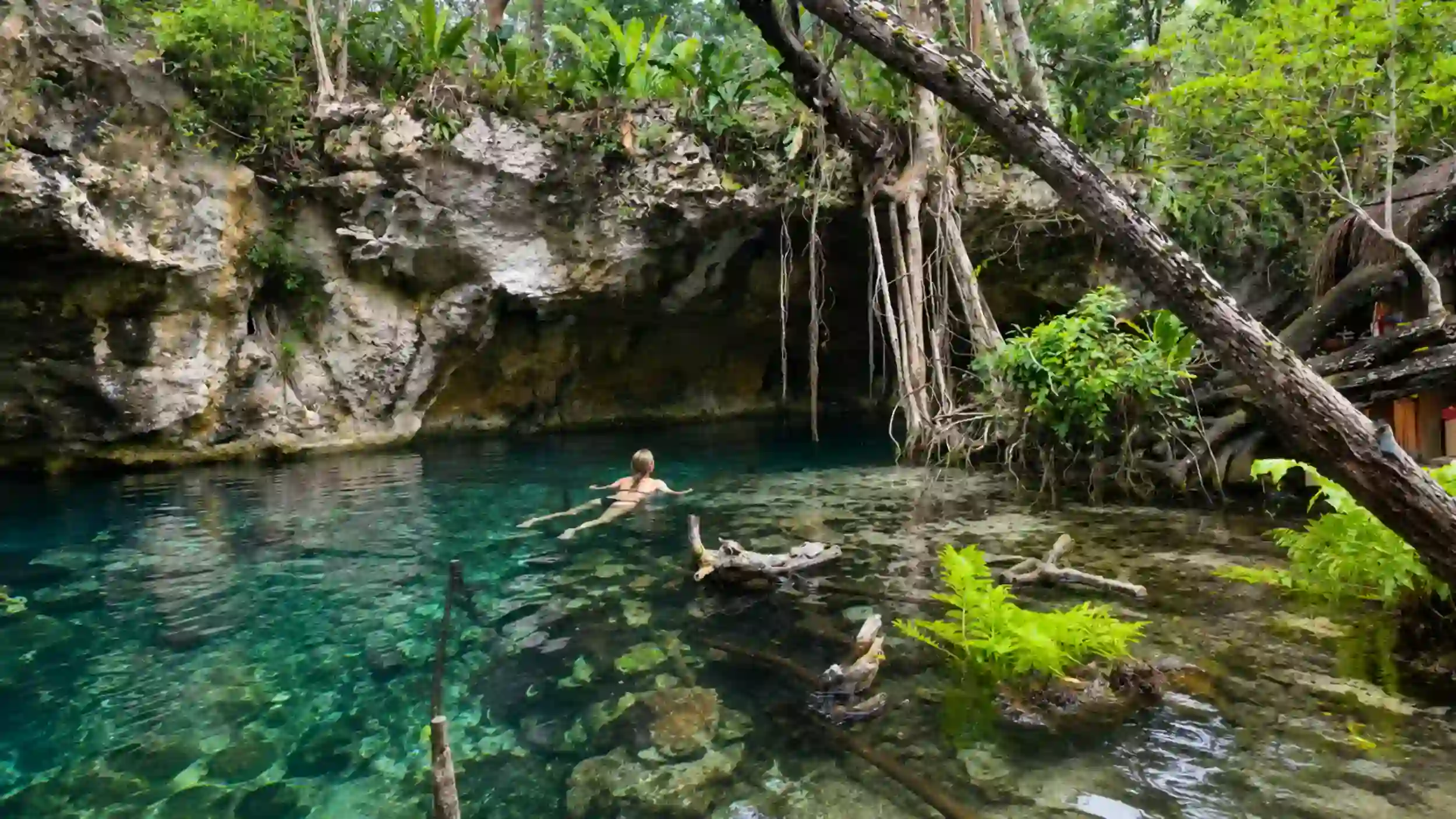
A beach or cenote is the most natural thing to combine with the Tulum Ruins. Once the ruins have taken the morning, changing the pace completely makes good use of the fact that the site does not demand a full-day commitment.
The sequence matters. Ruins first means cooler walking and fewer crowds; swimming afterwards gives the hotter part of the day a very different purpose. Reversing that order can leave the exposed archaeological visit for exactly the time when the sun is least forgiving.
| ✅ Tip | 💡 Why It Helps |
|---|---|
| 🌅 Visit early | Cooler temperatures and fewer crowds |
| 🧴 Bring sunscreen and water | Limited shade throughout the site |
| 👟 Wear comfortable shoes | Paths are uneven in places |
| 📷 Allow time for the viewpoints | Some of the best photo opportunities are along the cliffs |
| 🌴 Combine with another attraction | Creates a more rewarding half or full day |
This is also where Tulum has a practical advantage over Chichén Itzá. The ruins can be one strong part of the day rather than the entire itinerary.
🎯 Are the Tulum Ruins Worth Visiting?
Yes, the Tulum Ruins are worth visiting, especially when you are already staying nearby. I would recommend them for a specific combination rather than archaeological scale alone: Mayan history in an exceptional coastal setting, close enough to Tulum that we did not have to sacrifice the whole day to see it.
If enormous pyramids are the priority, choose Chichén Itzá. If you are already in Tulum, the ruins belong high on your itinerary. Go early, expect sun rather than shade, spend enough time at the clifftop viewpoints and then move on to the beach or a cenote.
That combination is part of why the ruins remain one of the strongest arguments for considering Tulum worth visiting in the first place.