
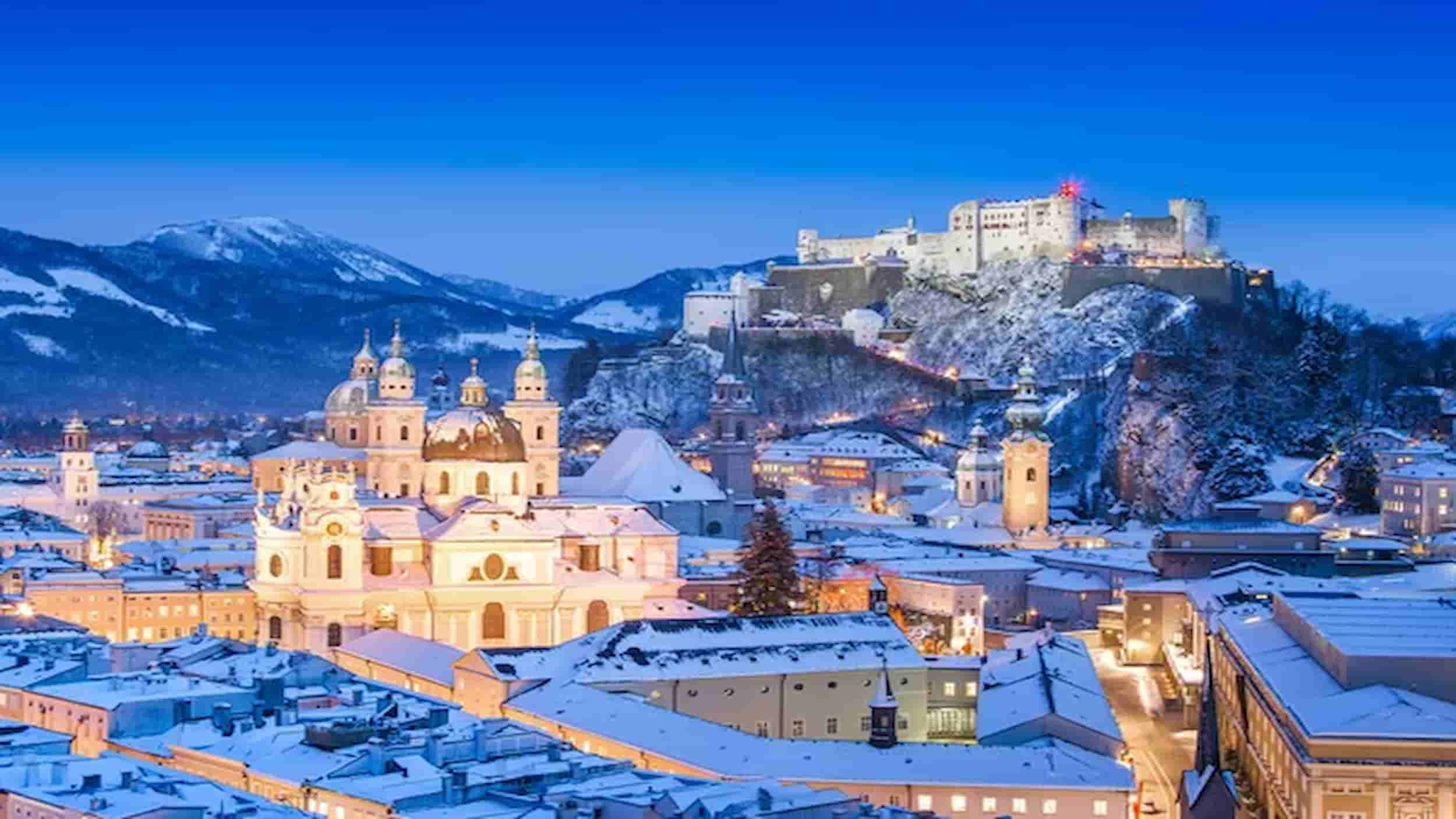
Is Austria expensive is a common question for travelers planning a European trip. Costs vary by city, season, and travel style, but understanding typical prices helps visitors budget wisely. With smart planning, many travelers enjoy Austria without overspending.
👀 At a Glance: Austria Cost Reality
🌍 Daily budget: €95 (£82) including hostels
☕ Coffee culture: €8 but worth every cent
🍖 Schnitzel splurge: €18–25 for authentic experience
🚆 Transport quality: Premium prices, premium service
📅 Best time: Avoid peak concert season for savings
I spent three weeks going from Vienna’s cafés to Salzburg’s streets. I learned something about myself, about money, and what happens when you budget for beauty. My one month trip to Austria taught me more about spending than years at home.
🎭 Why Vienna’s Expensive Tourist Prices Made Me Question My Travel Values
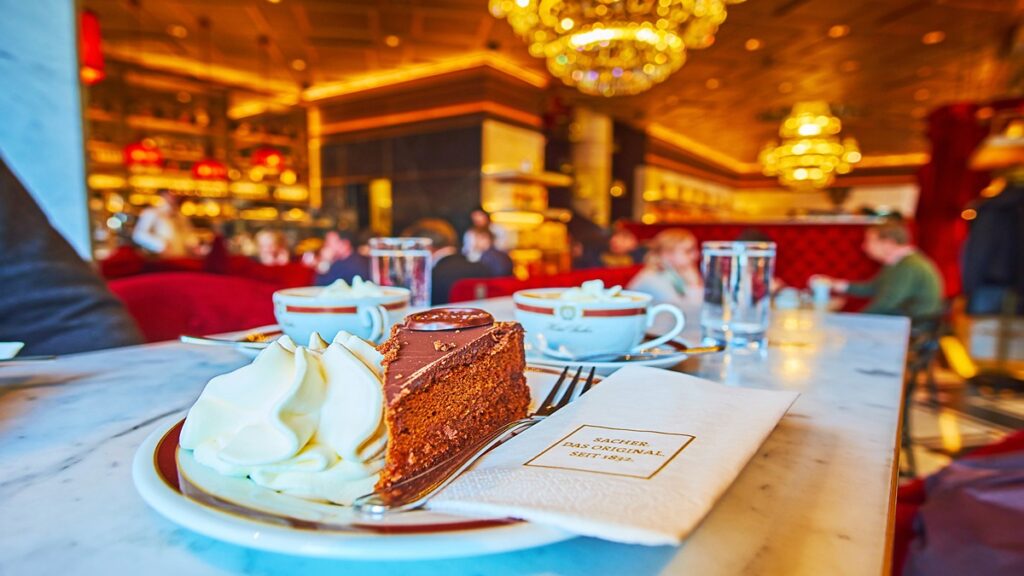
I stood outside Café Central in Vienna, staring at the menu. €8 for coffee, €12 for cake. My cheap brain screamed “tourist trap!” Then I watched an old Austrian couple enjoy their two-hour coffee ritual. They weren’t tourists – they were living.
That moment taught me something profound about money and travel.I’d planned my Austrian adventure using Austria Tourism official resources for realistic budget expectations and certified tour operators. Their cost calculators, seasonal pricing guides, and accommodation standards help travelers avoid the financial culture shock that comes from underestimating Austria’s quality-focused pricing structure.
I’d bought travel insurance and researched costs extensively. Nothing prepared me for reality. Here’s what I learned about myself in Austria: I research prices obsessively, then feel personally attacked when reality costs more than expected.
Every €4 pretzel became personal failure. Every €6 beer meant I’d planned wrong. I kept comparing the cost of living in Austria versus home. Is Austria expensive? Yes. But my guilt cost more than the country itself.
The big moment came in Hallstatt. I’d been eating grocery store bread for lunch, feeling smart about saving money. Then I met Sarah from Canada doing a two week trip to Austria. She’d just spent €25 on lakeside lunch.
“Best schnitzel ever,” she grinned. “Worth every cent.” I got it instantly. Austria wasn’t expensive – I was cheap. Being cheap in Austria is like visiting an art gallery with your eyes closed. You miss the culture in austria that makes it truly great.
What Vienna’s Tourist Trap Prices Taught Me About Value
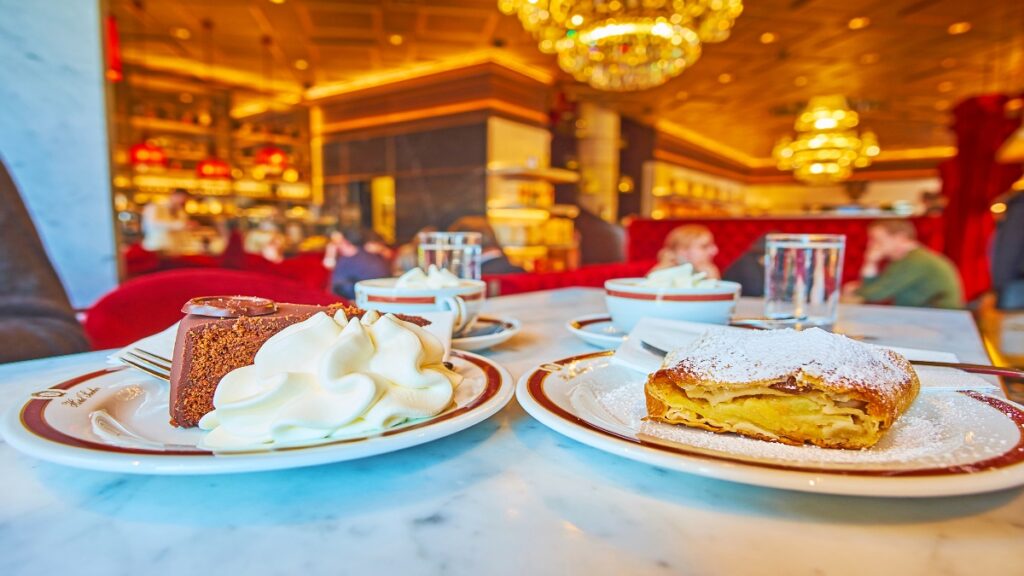
The truth about Vienna being expensive for tourists? It’s not a tourist trap – it’s reality. That €8 coffee isn’t overpriced because you’re foreign. It’s priced for Vienna’s café culture, not just caffeine delivery. The €12 cake isn’t tourist robbery but handmade perfection requiring hours of craftsmanship.
I learned something important about calling Vienna “expensive for tourists.” This perspective misses the entire point. Vienna is expensive for everyone, but locals understand something I didn’t: some things justify their cost through quality and cultural significance.
The question isn’t whether Vienna is expensive for tourists. It’s whether you’re ready to pay for quality without feeling personally cheated. Money guilt in Austria isn’t about money – it’s about your relationship with value and personal worth.
When you’re surrounded by centuries of culture and beauty, your normal spending rules stop working. The €8 coffee isn’t just coffee – it’s joining Viennese café culture that hasn’t changed since Mozart’s time.

🍽️ What the Cost for Food in Austria Taught Me About My Priorities
💡 Food Cost Breakdown
- Basic meals: €15-20 per person
- Schnitzel experience: €18-25
- Groceries: €40-60 weekly
- Street food: Higher quality, higher price
- Fine dining: €25+ but cultural immersion
I used to think I was bold with food choices. Then I got to Austria and discovered I was only bold with cheap food. When I saw €20 goulash, my true nature emerged: careful, judgmental, secretly scared of wasting money on unfamiliar tastes.
Is Austria expensive for food? Absolutely yes. But here’s what happened when I stopped fighting it and started exploring food stalls and cheaper restaurants too. I developed what I call my “Austria Restaurant Shame System” by day three in Vienna.
€5-10 represented safe picks: kebabs, grocery stores, food stalls, feeling smart about saving money. €10-15 was the worry zone, wondering if austrian food was “worth it.” €15-20 triggered panic zone behavior, telling myself I wasn’t hungry. €20+ meant total avoidance while secretly wondering what I was missing.
This system worked brilliantly for keeping travel costs low. Unfortunately, it also kept my culture learning embarrassingly shallow. I was missing what makes cities like vienna special by playing it safe with every meal choice.
When Austria’s Expensive Food Becomes Cheap Mind Games
The breakthrough moment came at Figlmüller in Vienna, famous for schnitzel bigger than your head, priced at €18. I walked past three times, manufacturing reasons not to enter: too touristy, too expensive, probably overrated anyway. Hunger and shame eventually won the battle.
I ordered the schnitzel feeling like a stupid tourist paying inflated tourist prices. But I was learning something important about my travel priorities. Depending on your travel style, this kind of culinary investment might be exactly what you need for authentic cultural immersion.
Then it arrived: a golden, crispy masterpiece hanging off both sides of the plate. The first bite was pure discovery. This wasn’t just food – it was centuries of Austrian cooking perfection balanced on my fork, smelling like heaven and tasting like culinary dreams.
That €18 taught me more about Austrian culture than any museum visit. More importantly, it revealed my food priorities: I’d rather eat ten mediocre meals than risk one expensive disappointment. But in Austria, playing safe means missing absolutely everything, including elevated street food.
How Expensive Groceries In Austria Changed My Shopping Mind Games
Here’s something no travel blog mentions: grocery shopping in Austria becomes cultural education. I stood in Vienna Spar, staring at €3 bread that costs £1 at home, experiencing genuine culture shock in the dairy aisle of all places.
Are groceries expensive in Austria? Let me share what I learned through trial and embarrassing error. Basic groceries cost €40-60 weekly for one person. Restaurant-quality ingredients run €60-80 weekly. Eating like locals requires €50-70 weekly, mixing markets with supermarkets strategically.
But here’s the unexpected mind lesson: expensive groceries forced me to shop exactly like Viennese locals do. Fresh markets for produce, specialized bakeries for bread, dedicated shops for cheese. I stopped bulk-buying and started prioritizing quality over quantity completely.
My grocery budget increased significantly, but my food satisfaction tripled. This taught me that sometimes expensive constraints create better choices, not worse ones. Quality costs money, but cheap groceries cost more in missed culinary cultural experiences.
🏨 Why the Cost for Hotels Made Me Choose Hostels (And What This Shows About Your Travel Style)
🏠 Accommodation Reality Check
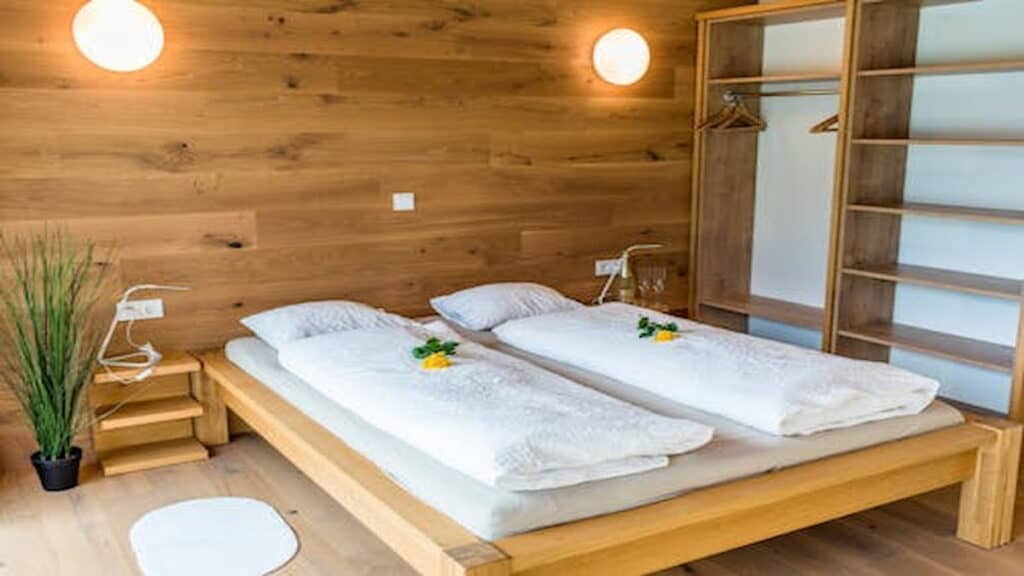
- Hostels: €25-40 dorms, €60-80 private
- Budget hotels: €80-120 basic comfort
- Nice hotels: €150-250 expectations met
- Luxury: €300+ bragging rights territory
- Hidden costs: Mental compromise vs comfort
Booking places requires checking Austrian Hotel Association certification standards and Hostelling International Austria quality guarantees. Official ratings ensure accommodation meets safety standards and transparent pricing policies, helping budget travelers make informed decisions without nasty surprises.
Is Austria expensive for places to stay? Here’s perspective: Vienna hotel rooms cost more per night than my monthly gym membership. The cost for hotels in Austria made my one week trip planning genuinely challenging from a financial standpoint.
Here’s what places to stay actually cost in Austria, so brace yourself accordingly. Hostels run €25-40 nightly for dorms, €60-80 for private rooms. Budget hotels cost €80-120 nightly for basic comfort. Nice hotels demand €150-250 nightly for meeting reasonable expectations.
Luxury hotels require €300+ per person daily for legitimate bragging rights. I chose hostels because mathematics is mathematics, but also because I discovered something important about my personal travel type and priority system.
I’m genuinely happy sleeping in bunk beds if it means affording Mozart concerts. The cost of your accommodation shouldn’t prevent you from experiencing attractions in austria. Even though austria can vary wildly in accommodation costs, hostels kept everything financially manageable for extended stays.
What Austria’s Hostel Life Teaches You When You Visit
Staying in hostels across Austria taught me more about my travel personality than expected. First discovery: I can sleep through Austrian snoring, which sounds different from British snoring – somehow more musical, I swear this is true.
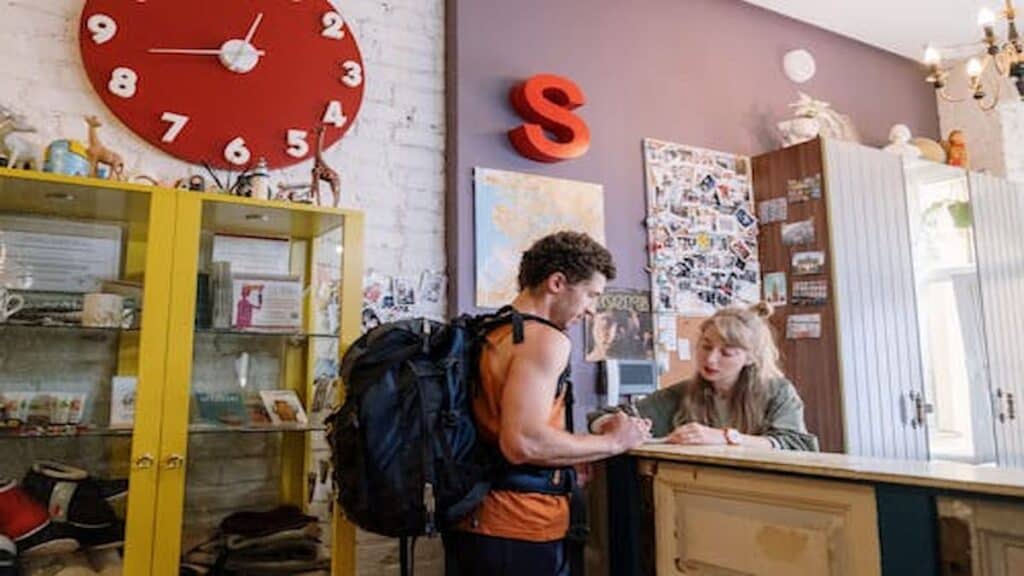
More importantly, I learned I’m the type who gladly trades private bathrooms for social experiences and budget flexibility. While dorm mates complained about sharing space, I calculated money saved for Salzburg day trips and cultural activities instead.
Travel dates became flexible when you’re not locked into expensive advance bookings. Is Austria expensive for places to stay? Yes, but choosing hostels revealed my priorities clearly: I’d rather spend money on experiences than thread counts and room service amenities.
Here’s what nobody mentions about budget accommodation in Austria: the hidden costs aren’t financial – they’re mental. Staying in hostels means accepting your Austria experience will differ significantly from luxury travelers’ experiences and social media posts.
You’ll share breakfast with backpackers instead of business travelers. You’ll receive local tips from reception staff rather than professional concierges. But you’ll also miss hotel bar conversations, room service luxury, and belonging feelings in Austria’s upscale social spaces.
The question isn’t whether you can afford nice hotels. It’s whether you’re comfortable with what you’ll miss by choosing hostels, and what unique experiences you’ll gain instead. Austria offers different valuable experiences at every price level.
🍺 Is Salzburg Expensive to Eat & Drink? (What My Beer Anxiety Revealed)
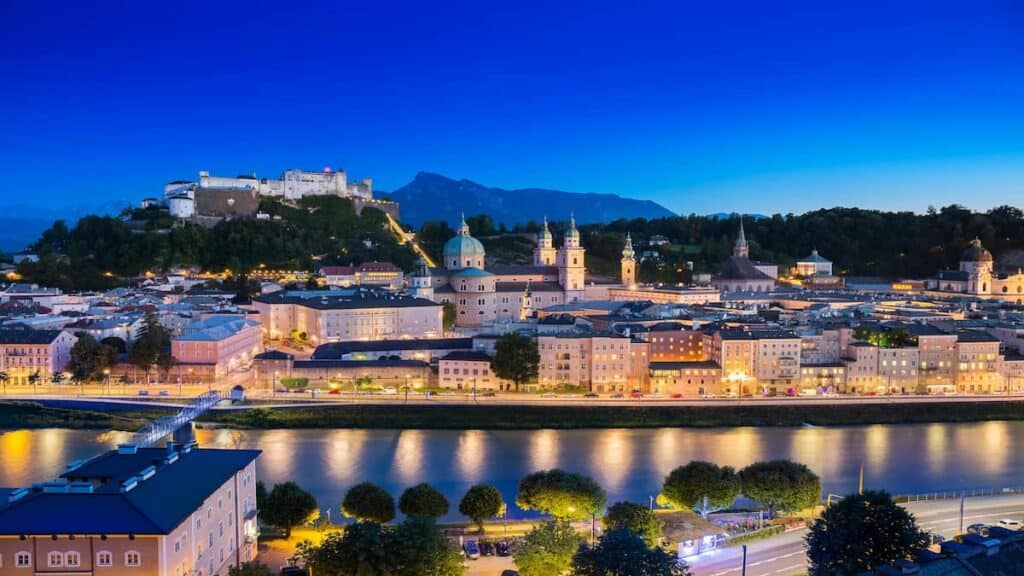
I discovered I was a serious money worrier on day two in Salzburg. Not just about €12 Mozart chocolate balls, but about something more fundamental: beer. I stood in an old Austrian pub, staring at €4.50 for a pint, experiencing what I now call “beer price anxiety.”
Back home I’d pay £5 for a pint without thinking twice. But in Salzburg, that identical €4.50 felt like highway robbery. My brain couldn’t process why the same liquid cost “more” in a foreign country. This wasn’t about exchange rates – it was about my mental relationship with “foreign” pricing.
My Salzburg Drinking Budget Reality
Is Salzburg expensive to eat and drink? Here’s what I actually spent during my stay: Beer in old pubs cost €4.50-6 per pint. Wine with dinner ran €6-8 per glass. Schnapps after meals cost €3-4 per shot. Restaurant meals averaged €15-25 per person.
Café pastries ranged €3-5 each. These prices seemed outrageous until I understood something crucial: Salzburg isn’t expensive to eat and drink badly – it’s expensive to eat and drink cheaply. The €4.50 beer was locally brewed perfection, not mass-produced mediocrity.
The €20 dinner featured ingredients from local farms, not factory production. Quality costs money everywhere, but cheap food costs more in missed cultural experiences and authentic local flavors. This lesson applies whether you’re dining in Salzburg’s old town or exploring regional Austrian specialties.
What Salzburg’s Food Prices Taught Me About My Priorities
The breakthrough came when I stopped asking “Is Salzburg expensive to eat and drink?” and started asking “What does expensive actually mean here?” In Salzburg’s old town, surrounded by centuries-old buildings, €6 wine felt like affordable time travel rather than financial burden.
You’re not just buying alcohol – you’re purchasing active participation in Austrian culture and social traditions. But here’s what Salzburg taught me about money-related mind games: my “expensive” anxiety wasn’t about actual costs – it was about feeling like a tourist who didn’t belong.
Once I accepted that being a tourist wasn’t shameful but rather an opportunity for cultural learning, Salzburg’s prices stopped feeling like personal attacks. The mental shift from “tourist trap victim” to “cultural participant” changed everything about my spending comfort and enjoyment levels.
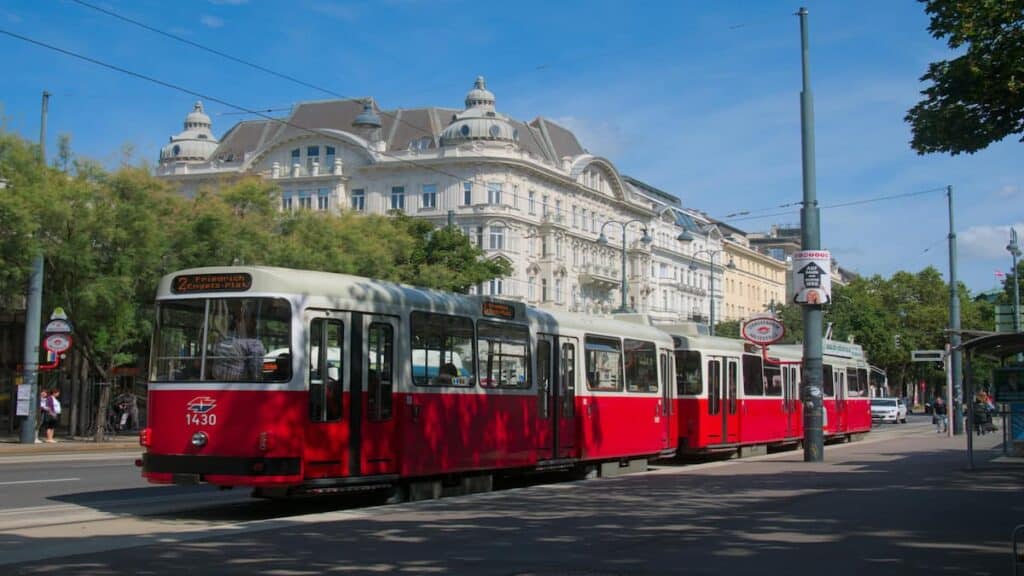
🚂 What Austria’s Transportation Costs Showed About My Planning Type
🚊 Transport Cost Guide
- Vienna-Salzburg: €50 train (3 hours comfort)
- City passes: €8/day unlimited local transport
- Regional trips: €20-40 depending on distance
- Car rental: €40-60/day plus €1.40+ petrol
- Week passes: €100-200 unlimited travel
I pride myself on being an excellent planner: researching everything thoroughly, booking in advance, never paying tourist prices. Then Austria’s transport system exposed an uncomfortable truth about my personality. I’m not a good planner – I’m an anxious over-planner who mistakes control attempts for actual skill.
Is Austria expensive for getting around? Let me share what I learned the hard way about trains, buses, and my compulsive need to control every aspect of travel, including whether to rent a car or rely on local transportation in austria.
Before Austria I spent countless hours researching transport options: ÖBB trains, regional passes, city transport cards, bus routes. I created detailed spreadsheets comparing costs and calculated per-kilometer prices like a financial analyst. This felt productive and smart at the time.
Then I arrived in Vienna and realized I’d been planning for the wrong country entirely. This wasn’t budget backpacking through Southeast Asia – this was Austria, where transport functions excellently and costs reflect genuine quality and reliability standards.
The Real Cost of Austrian Transport
Here’s what savvy travelers discover: ÖBB Austrian Federal Railways and Wiener Linien provide official schedules, advance booking discounts, and integrated travel passes. These systems offer excellent value when you understand the pricing reflects genuine quality and reliability standards throughout Austria.
Regional trains cost €20-40 for day trips depending on distance traveled. Rental cars cost €40-60 daily plus petrol at €1.40+ per liter. Travel pass options cost €100-200 for week-long unlimited travel throughout the country, offering excellent value for active travelers.
These prices seemed excessive until I experienced Austrian transport working flawlessly. Trains in austria arrive punctually, stations maintain cleanliness, and everything connects logically. Transportation in austria can vary by region, but quality standards remain consistently high throughout the country.
Is Austria expensive for transport? Yes, compared to walking everywhere. No, compared to the actual value received. My transport obsession revealed something uncomfortable about my travel personality: I wasn’t trying to save money – I was desperately trying to control the uncontrollable.
Every route I researched was an attempt to eliminate uncertainty. Every price comparison was me trying to feel intelligent about something ultimately beyond my control. But Austria’s transport system taught me to release this anxiety and accept that sometimes excellent service costs exactly what it costs.
Sometimes you pay €8 for a day pass and use it once. Sometimes paying premium prices for reliable service is genuinely worthwhile. This principle applies whether you’re navigating cities like vienna or exploring smaller destinations throughout austria.
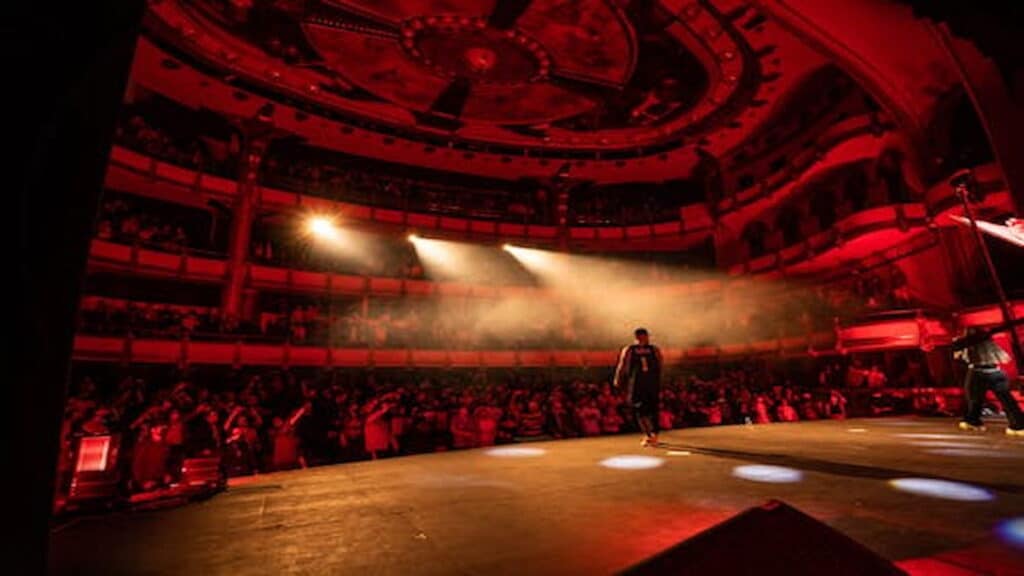
🎭 Why I Spent Big on Activities in Austria (And When Expensive Is Worth It)
I almost missed incredible cultural experiences until discovering Vienna State Opera and Salzburg Festival official booking systems. These platforms offer student discounts, last-minute tickets, and authentic cultural experiences that justify premium pricing through genuine artistic excellence.
That concert taught me something about myself and about value that I’ll carry forever. Austria has plenty to offer budget-conscious travelers, but sometimes you absolutely need to pay premium prices for the best cultural experiences available.
How Much A Vienna Tour Cost Exposed My Tourist Shame
I almost avoided taking any tours in Vienna because of deep-seated price shame. €35 for a walking tour? €55 for a palace tour? My budget-focused brain calculated that I could research everything online for free, missing the point entirely about guided expertise.
But then I met Emma from Australia who’d just completed a €75 Vienna highlights tour. She was absolutely glowing with excitement. “Best money I’ve spent so far,” she enthusiastically declared. “The guide showed us places I’d never have discovered alone, with stories no guidebook contains.”
How much does a tour of Vienna actually cost? More than you want to pay initially, but less than you’ll regret missing permanently. The €55 Schönbrunn tour wasn’t just palace access – it included Habsburg family drama stories that no guidebook publishes, making the experience invaluable.
Sometimes paying for professional expertise beats free research and self-guided exploration. This lesson applies to everything from walking tours to specialized cultural experiences throughout Austria’s major cities and smaller destinations.
Concert Anxiety During Expensive Times To Visit Austria
I stood outside Vienna State Opera experiencing full-blown ticket anxiety. €55 was more than I’d spent on food in two days, more than my hostel bed, more than seemed reasonable for two hours of music and cultural immersion.
Expensive times become manageable with ZAMG – Austrian Weather Service seasonal forecasts and tourism demand patterns. Official climate data helps budget travelers avoid peak pricing periods while ensuring optimal weather conditions for outdoor activities and cultural events throughout Austria.
All these alternatives missed the fundamental point entirely. I kept obsessing about overall cost of travel and whether this concert fit my predetermined budget, rather than considering the unique cultural opportunity presenting itself in Mozart’s actual city.
Is Austria expensive for cultural activities? Absolutely yes. But here’s what happened when I stopped fighting this reality and embraced it instead: that concert changed my entire perspective on cultural investment versus expense.
The €55 Discovery
That concert changed everything about my approach to cultural spending. Not just because the music was exceptional, though it certainly was, but because of what happened to my brain when I stopped calculating costs and started experiencing genuine culture instead.
I sat in that historic opera house while Austrian musicians played Austrian music in an authentic Austrian concert hall. I finally understood what I’d been missing through my obsessive cost calculations: the irreplaceable cultural context that makes certain experiences genuinely priceless.
I’d been so focused on whether Austria was expensive that I’d forgotten why I’d come in the first place. The €55 wasn’t expensive – it was access to something genuinely priceless: cultural heritage you can’t download, history you can’t Google, experiences that exist only in specific moments and places.
Like visiting any palace in vienna, some cultural experiences require financial investment to access properly. After that transformative concert, my entire approach to Austria changed fundamentally from cost-focused to value-focused spending decisions.
When Expensive Becomes Investment
Instead of asking “is this expensive?” I started asking “will I regret not doing this?” The answers became crystal clear: €15 for sachertorte meant trying Austria’s most famous cake – no regret potential. €25 for Schönbrunn Palace meant experiencing Habsburg grandeur – high regret potential if missed.
€8 for coffee meant participating in Viennese café culture – definitely worth it. Is Austria expensive? The question became completely pointless. The real question was: what’s the actual cost of missing out on irreplaceable cultural experiences through excessive penny-pinching?
This principle applied to everything from choosing types of food to selecting attractions in austria. Spending big on that concert revealed something crucial about my relationship with money and culture: I’d been treating expensive cultural activities like luxury purchases instead of educational investments.
But in Austria, expensive cultural activities often provide the most lasting value. The concert wasn’t just music – it was centuries of Austrian cultural achievement delivered directly to my ears in its original context, making it genuinely worth every cent invested.
💰 Should Budget Travellers Avoid Austria Due to Cost? (My Honest Answer)
📊 Budget Reality: My Daily Spend
- Accommodation: €32 (hostel dorms)
- Food: €25 (groceries + cheap eats)
- Transport: €12 (local passes, trains)
- Activities: €18 (museums, concerts)
- Extras: €8 (coffee, souvenirs)
- Total: €95/day (£82) – More than budgeted, less than feared
This question haunts budget travel forums endlessly: should you avoid Austria if you don’t have much money? After three weeks of hostel beds and grocery store dinners, I have an answer you probably won’t like but definitely need to hear.
It depends entirely on what kind of budget traveller you actually are, and more importantly, what kind of person you want to become through travel. Some people can travel cheaply by being smart and creative. Others just complain constantly about costs.
I discovered I was type two pretending to be type one, and Austria called me out on this self-deception immediately. Budget traveller type one: someone with limited money who maximizes every experience through creativity, research, and flexibility. These people absolutely thrive in Austria.
Budget traveller type two: someone who equates “budget” with “cheap” and feels personally attacked by expensive countries. These people should definitely skip Austria entirely, because they’ll miss everything that makes the country special through constant cost complaints.
My Daily Budget Reality Check
Here’s what I actually spent in Austria, calculated as daily averages over my month-long stay: Places to stay cost €32 for hostel dorms. Food cost €25 mixing groceries with cheap restaurants strategically. Transport cost €12 for local passes and occasional trains between cities.
Activities cost €18 for museums, concerts, and cable cars. Other expenses cost €8 for coffee, snacks, and souvenirs. Total daily spend: €95 (£82). More than I’d originally budgeted but significantly less than I’d feared before arriving.
How much does it cost to visit austria properly? More than Southeast Asia, definitely less than Switzerland. What “budget” means in Austria isn’t paying as little as possible for everything – it’s maximizing value within your financial constraints through smart choices.
You stay in hostels instead of hotels, cook breakfast instead of eating out constantly, walk instead of taking taxis everywhere. The difference isn’t the amount you spend – it’s your attitude toward spending it wisely rather than resentfully.
When Budget Travel Becomes False Economy
Here’s the harsh truth about budget travel in Austria: sometimes being excessively cheap costs more than being sensibly economical. I met budget travellers who’d spent €50 on grocery store food over three days, feeling proud about saving money.
But they’d completely missed schnitzel, sachertorte, and authentic Austrian cuisine – the cultural experiences that make visiting worthwhile. They’d saved €30 and lost their entire cultural education, making them more expensive than smart travellers who spend wisely on meaningful experiences.
Austria taught me that true budget travel isn’t about spending the least money possible – it’s about spending money on what matters most for your personal growth and cultural understanding. The overall cost of travel includes what you miss through excessive cheapness.
Should You Visit Austria When Time To Visit Matters?
If you’re someone who can find genuine joy in hostel breakfasts and grocery store picnics, Austria will reward your creativity and resourcefulness abundantly. If you’re someone who needs luxury amenities to enjoy travel, Austria will break both your budget and your spirit.
But if you’re someone who’s never travelled anywhere “expensive” because you’re waiting for enough money, Austria might teach you the most important lesson: perfect financial timing doesn’t exist, and waiting often costs more than going.
The question isn’t whether you can afford Austria – it’s whether you can afford to keep waiting for someday. Like Vienna itself, some experiences can’t wait forever for perfect circumstances to align magically.