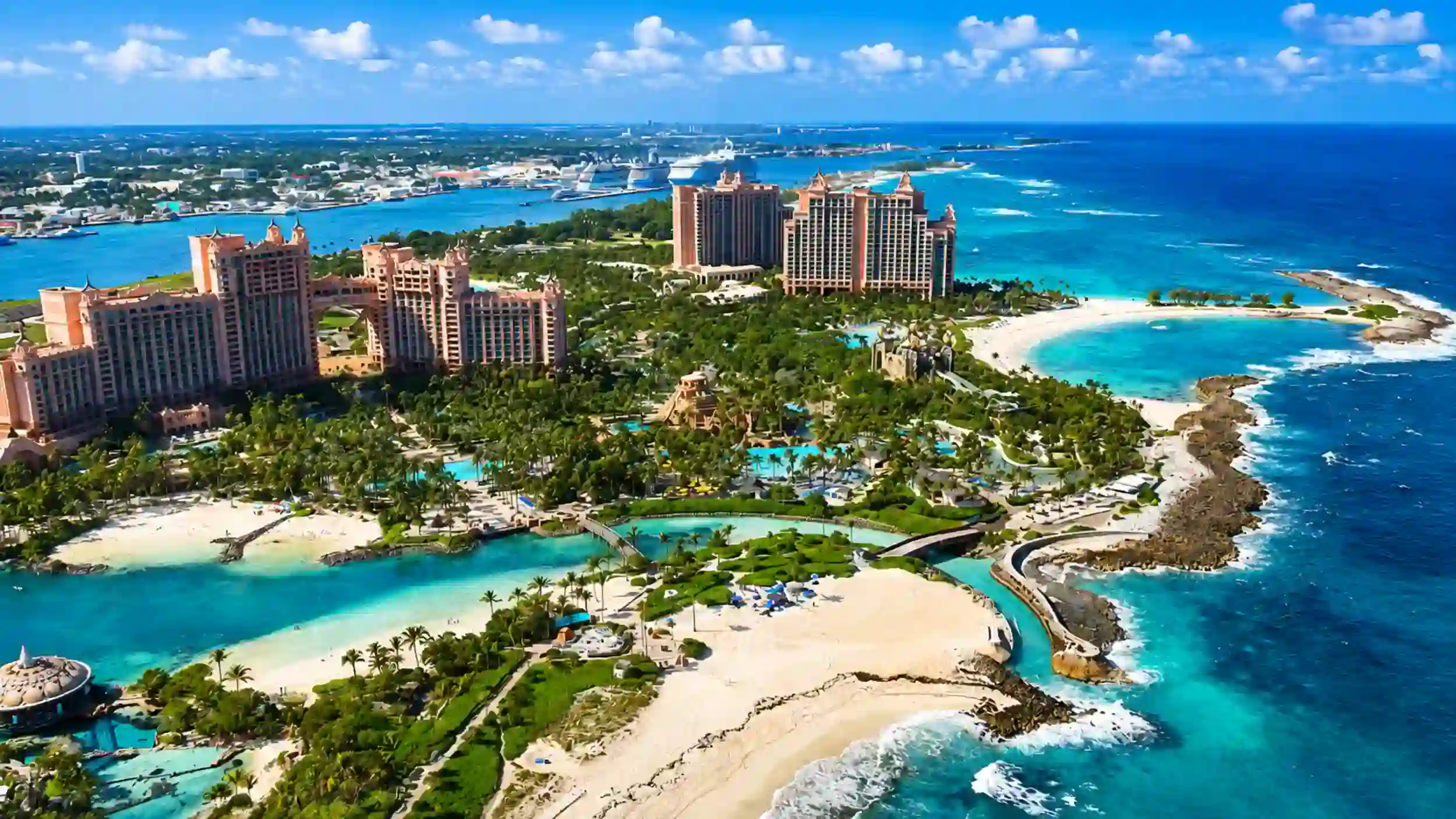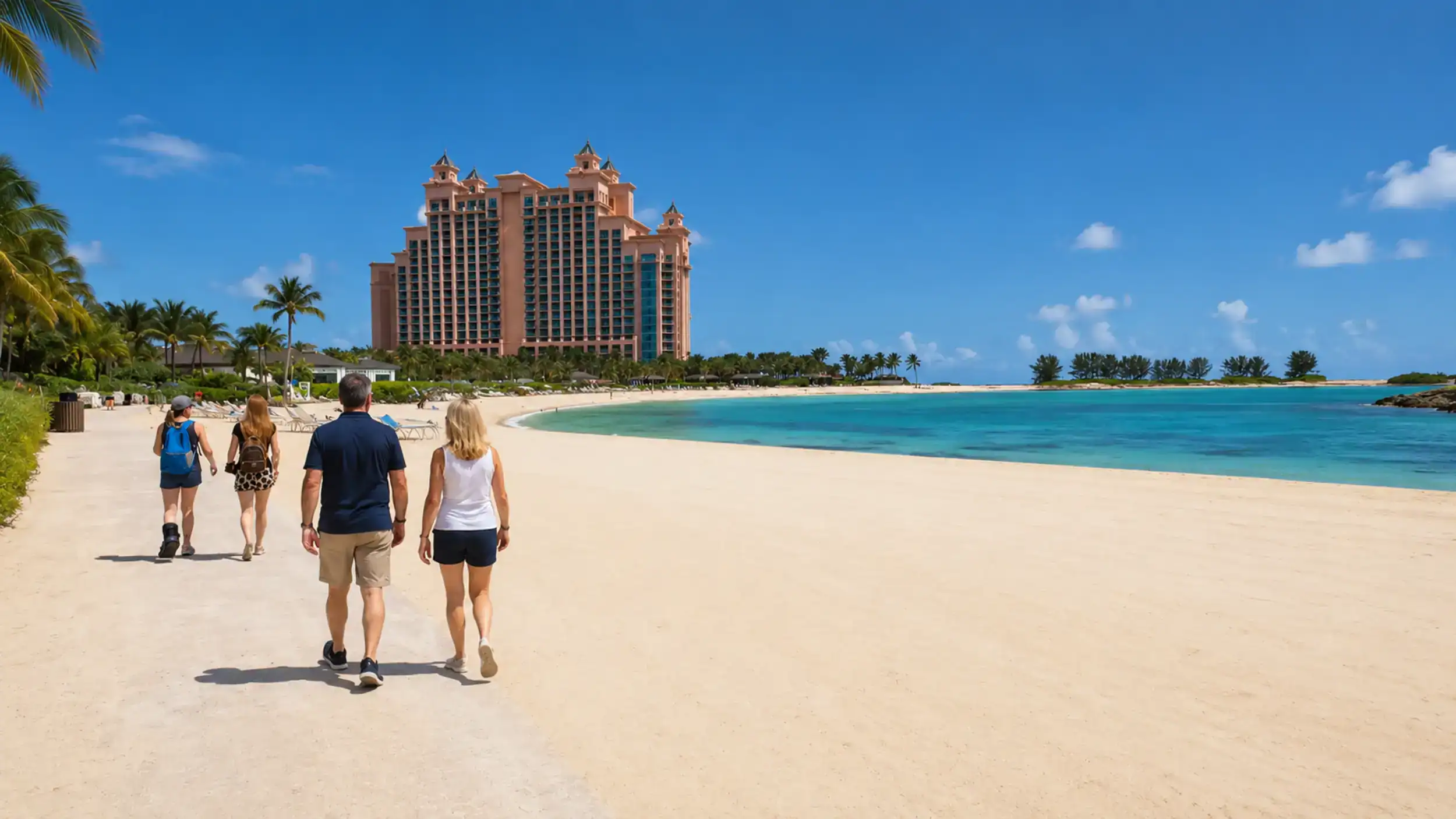
Is Nassau safe for tourists? I am comfortable with Nassau as a holiday choice, particularly around Paradise Island, Cable Beach and the established visitor areas. I am less relaxed about long walks through unfamiliar streets after dark or casually choosing a watersports operator from the beach.
That difference is important because Nassau never feels like one single safety decision to me. The hotel location, the journey home after dinner, the beach conditions and the person handing over the jet-ski keys are separate decisions, and I treat them that way.
My starting point is the base. Understanding the differences between Paradise Island, Cable Beach and the main tourist areas removes a surprising amount of unnecessary uncertainty before the holiday has even begun.
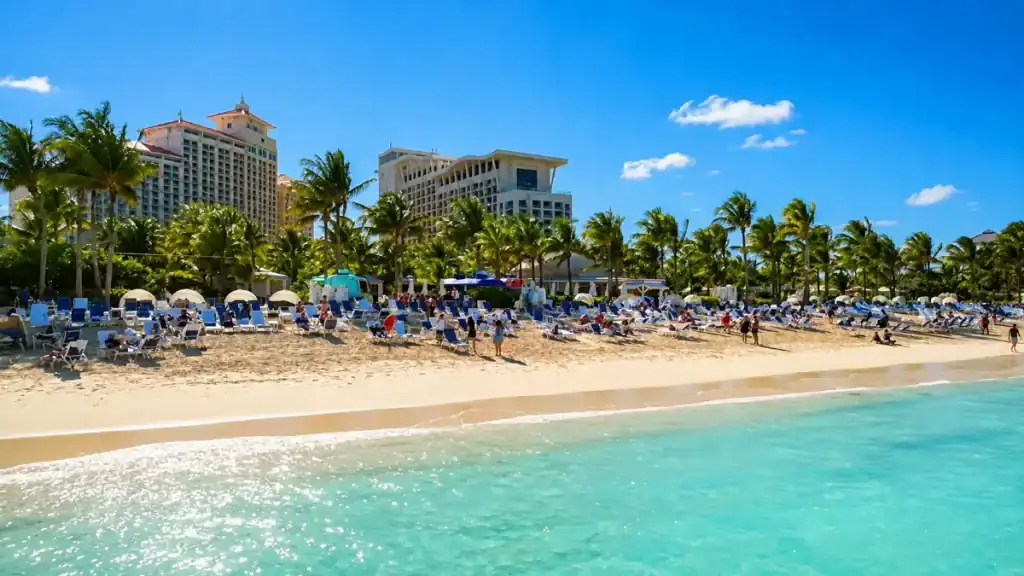
📌 Is Nassau Safe in the Main Tourist Areas?
| 📍 Situation | ⭐ Safety Rating | 🧭 My Verdict |
|---|---|---|
| 🏨 Staying on Paradise Island | ⭐⭐⭐⭐⭐ | Very good |
| 🏖️ Staying at Cable Beach | ⭐⭐⭐⭐⭐ | Very good |
| 🚶 Walking around tourist areas in daylight | ⭐⭐⭐⭐⭐ | Very good |
| 🚕 Using licensed taxis | ⭐⭐⭐⭐☆ | Good |
| 🌙 Walking unfamiliar areas late at night | ⭐⭐☆☆☆ | Avoid where possible |
| 🌊 Using licensed watersports operators | ⭐⭐⭐⭐☆ | Good |
| 🚤 Using informal beach operators | ⭐⭐☆☆☆ | More caution needed |
Yes, the main tourist areas feel manageable to me when the obvious risks are controlled. I do not need Nassau to be risk-free before I visit. What matters is whether the risks I am most likely to encounter can be reduced without spoiling the trip, and around the established visitor areas most of those precautions are straightforward.
So I keep valuables discreet, know how I am getting back at night, use established transport and become much more selective when an activity involves boats or personal watercraft. None of that changes the character of the holiday. It simply removes decisions I do not need to gamble on.
🧭 THE SAFETY DECISIONS THAT MATTER MOST TO ME
🏨 Where we stay: recognised visitor areas make everyday movement simpler.
🌙 How we get home: the route matters more once streets become quiet or unfamiliar.
🚕 Who drives us: licensed or established taxis remove an unnecessary variable.
🚤 Who takes us on the water: this is where I ask more questions before paying.
🏛️ Is Downtown Nassau Safe for Tourists?
| 🗺️ Area | ⭐ Safety Rating |
|---|---|
| 🏨 Paradise Island | ⭐⭐⭐⭐⭐ |
| 🏖️ Cable Beach | ⭐⭐⭐⭐⭐ |
| 🚢 Nassau Cruise Port | ⭐⭐⭐⭐☆ |
| 🏛️ Downtown Nassau (daytime) | ⭐⭐⭐⭐☆ |
| 🌙 Downtown Nassau (late evening) | ⭐⭐⭐☆☆ |
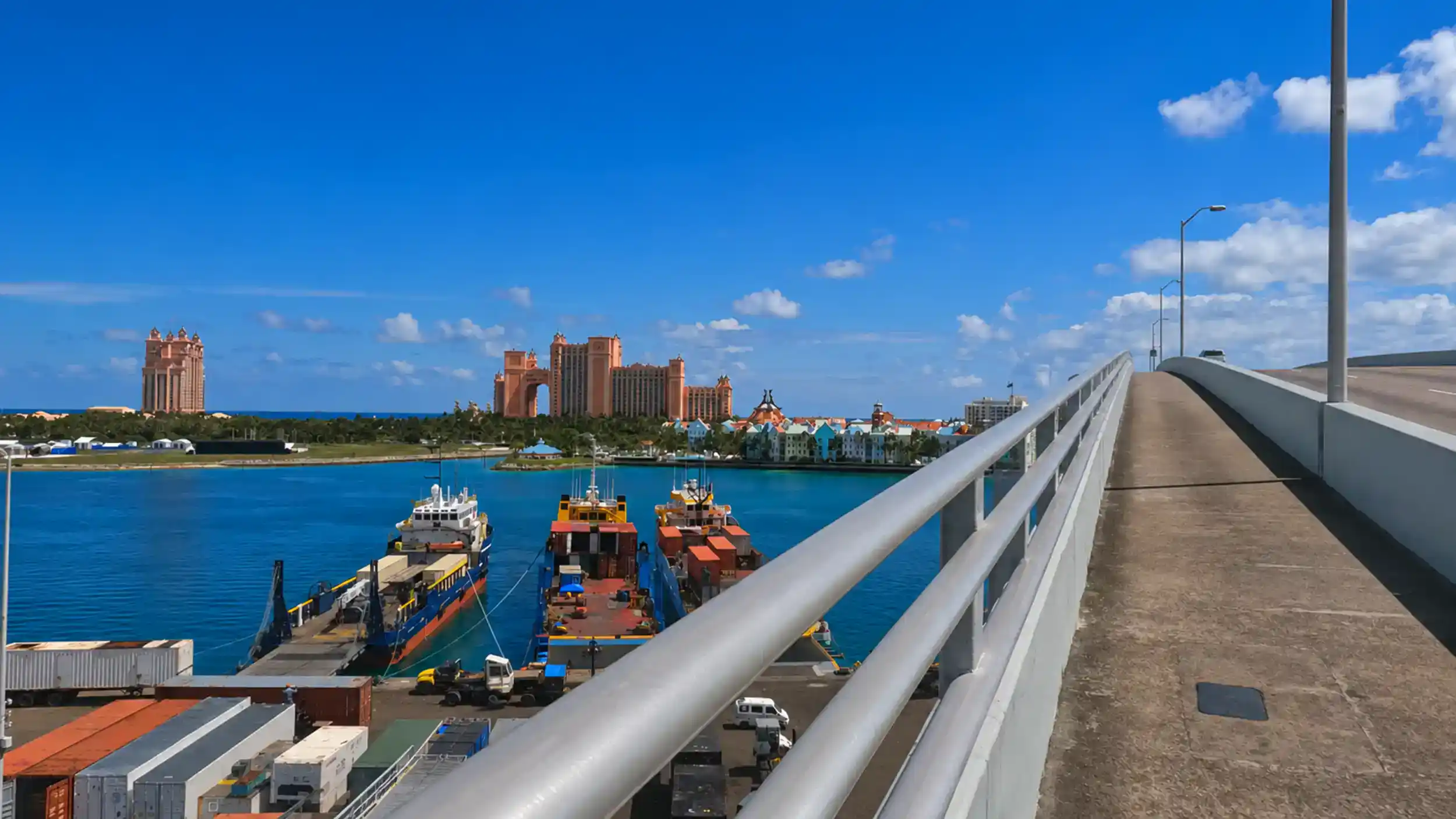
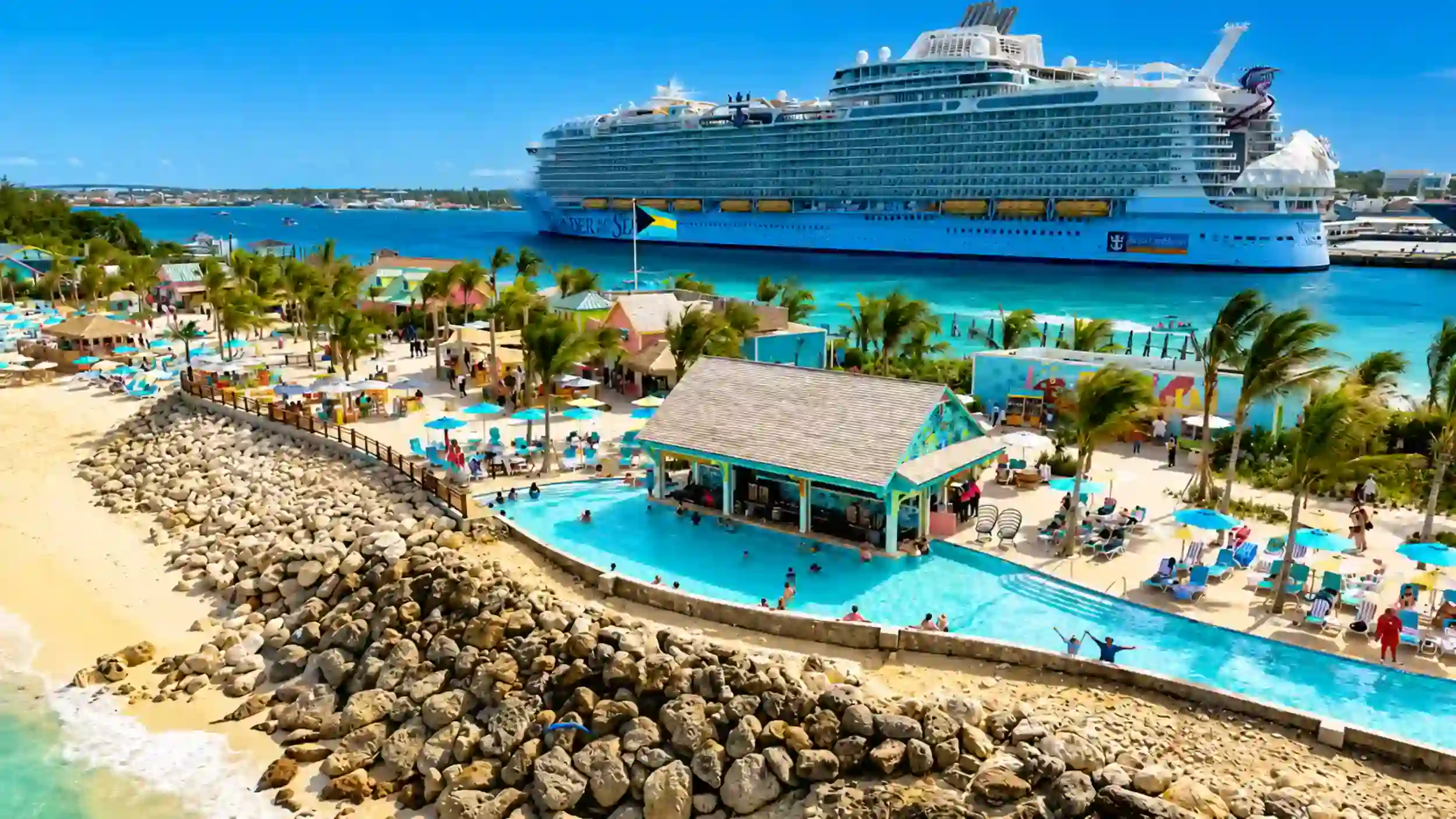
Downtown Nassau is somewhere I am comfortable visiting during the day, particularly around the cruise port, shops, historic sights and busy visitor streets. I do not automatically cross it off the itinerary because of a broad safety concern.
What changes my judgement is not the name “Downtown Nassau” but the situation around me. A busy central street in daylight is one thing. A quiet route beyond the main visitor area after businesses have closed is another.
That is the point where I stop treating walking as the default. I would rather end the sightseeing naturally and arrange the next journey than keep going simply because somewhere looks close on a map.
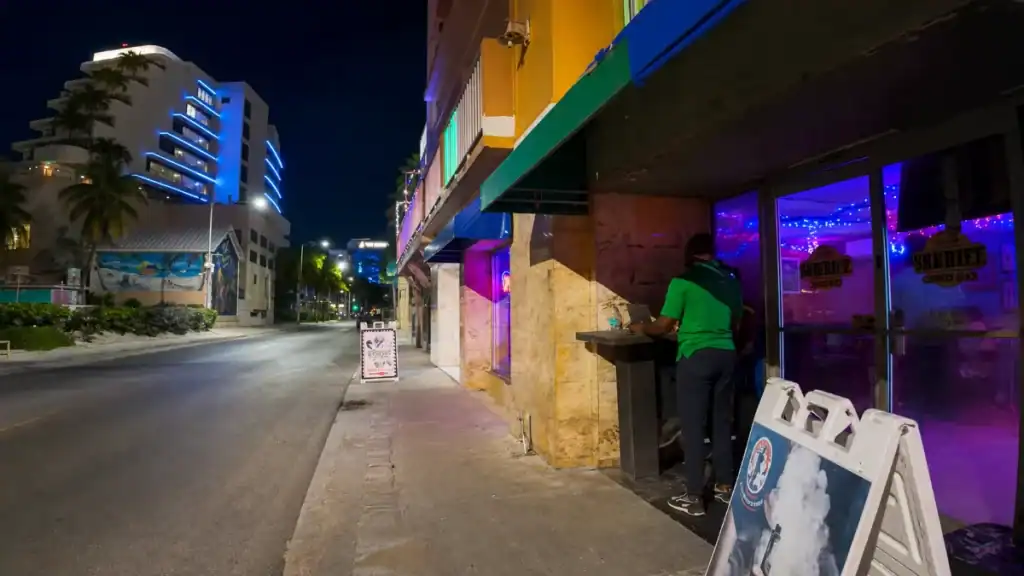
🌙 Is Nassau Safe to Walk Around at Night?
Walking at night can still make sense between nearby restaurants in a busy, familiar resort area, but I would not treat every Nassau journey as walkable after dark. Once the route stretches into quieter or unfamiliar streets, the calculation changes.
Our return journey is decided before the evening starts. That small bit of planning avoids the awkward moment later when the restaurant is closing, the street has emptied and a route we have never walked suddenly has to be judged on the spot.
For me, that is much more useful than a blanket rule saying never walk in Nassau at night. Distance, lighting, familiarity and how busy the surroundings are all affect the decision.
🚕 Are Taxis the Safer Choice for Longer Journeys?
Yes, taxis are often the better choice once a journey becomes too long, quiet or unfamiliar to walk comfortably. We do not need a car for every Nassau trip, which is why hiring a car is a separate decision from whether we want the freedom to explore New Providence independently.
For an evening journey, I am happiest with a licensed taxi or transport arranged by the hotel or restaurant. We confirm the fare before leaving rather than allowing a small uncertainty to become an argument at the other end.
During the day, walking and jitneys can still have a place when the route is clear. After dark, convenience starts to overlap with safety, and that is when paying for the direct journey makes more sense to us.
🚕 WHEN WE SWITCH TO A TAXI
🌙 The street has quietened: we do not turn a cheap ride into an unnecessary late-night walk.
📍 We do not know the route: familiarity matters more to us after dark.
🍽️ Dinner is ending late: we sort out the return journey rather than improvise it outside.
🧳 We have luggage: door-to-door transport removes another avoidable complication.
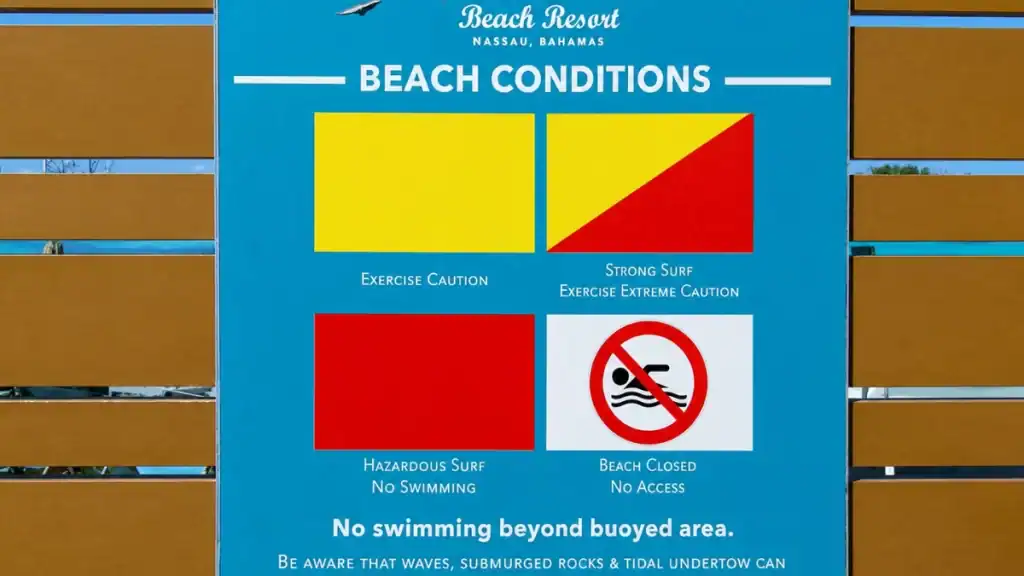
🌊 Are Nassau’s Beaches Safe for Swimming?
Nassau’s beaches can be perfectly enjoyable for swimming, but safety depends on the conditions rather than the name of the beach. The things I watch once the sea looks inviting are currents, warning flags, sun exposure, nearby watercraft and belongings left on the sand.
| ✅ What I Would Do | ❌ What I Would Avoid |
|---|---|
| 🏖️ Swim where other people are present | 🌊 Ignore warning flags |
| ☀️ Stay hydrated | 🍺 Mix heavy drinking with swimming |
| 👨👩👧👦 Supervise children closely | 🌊 Underestimate currents |
| 📱 Keep valuables secure | 💍 Leave belongings unattended |
If a warning flag changes, my plans change with it. I do not need to prove that the sea looks calmer than the warning suggests. With children, supervision stays close around the water, and I am particularly alert when jet skis or other craft are operating near swimmers.
I also keep the beach and swimming decisions separate. A beach can be perfectly enjoyable while the water conditions make swimming a poor idea. That distinction is easy to lose when a beach day has already been planned.
🚤 Are Watersports in Nassau Safe?
Watersports can be a good part of a Nassau trip, but this is where the operator matters enough that I stop caring about the cheapest deal. The person selling the activity, the condition of the equipment and the way safety questions are answered tell me more than a handwritten price on the beach.
I want an established provider, proper lifejackets, maintained equipment, a clear briefing and convincing answers about licensing, insurance and what happens if conditions deteriorate. If those answers become vague or the sales pressure starts before the safety questions are finished, I am out.
That is especially true with independently operated jet skis. This is one activity where saving a little money would never compensate for doubts about the operator.
🚤 WHAT MAKES ME TRUST A WATERSPORTS OPERATOR
🛟 The equipment looks cared for: lifejackets and safety gear are not an afterthought.
🗣️ The briefing is real: instructions come before getting us onto the water.
📄 Questions get clear answers: licensing, insurance and emergency procedures are not brushed aside.
🚩 Pressure starts early: I walk away rather than let urgency make the decision for me.
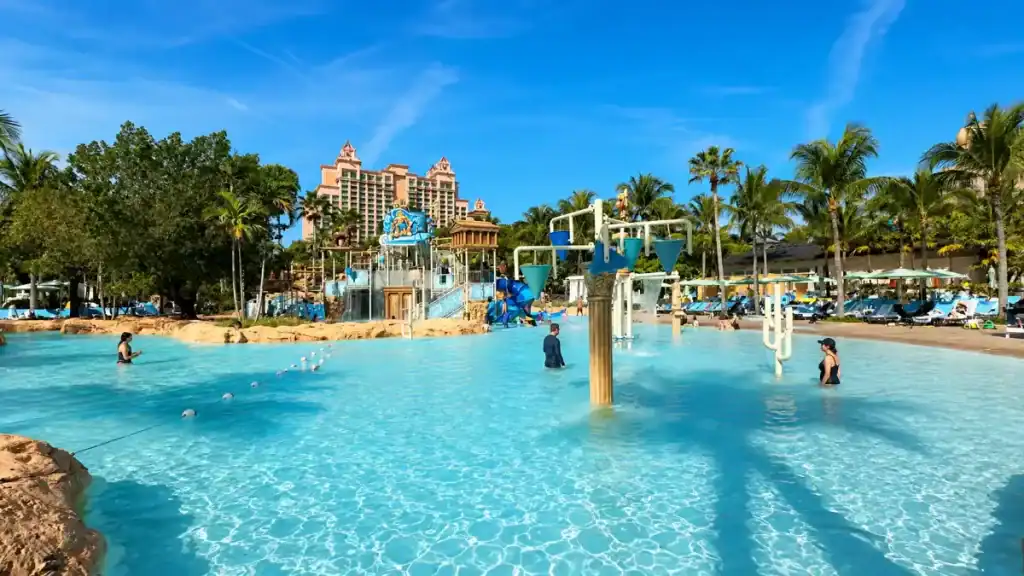
👨👩👧👦 Is Nassau Safe for a Family Holiday?
Yes. Nassau is still somewhere I would take a family. The safety concerns change how I organise the trip rather than making me reject the destination.
If we are staying around Paradise Island or Cable Beach, much of the day naturally happens around resorts, beaches, restaurants and organised attractions. We are not constantly solving transport problems or finding our way through unfamiliar neighbourhoods.
With children, the water deserves as much attention as the streets. We keep them close around pools and beaches, respond to warning flags and choose excursion providers on safety rather than the cheapest advertised price.
⚠️ What Safety Mistakes Should You Avoid in Nassau?
The main mistakes I avoid are remarkably ordinary: finishing dinner without knowing how we are getting home, deciding an unfamiliar road is probably fine because it is only a short distance, leaving valuables unattended on the beach or accepting a watersports offer before asking who is actually running it.
None of those requires hiding inside a resort. The lesson for me is almost the opposite. We can explore more confidently when the boring details have already been dealt with.
🏆 Is Nassau Safe for Tourists?
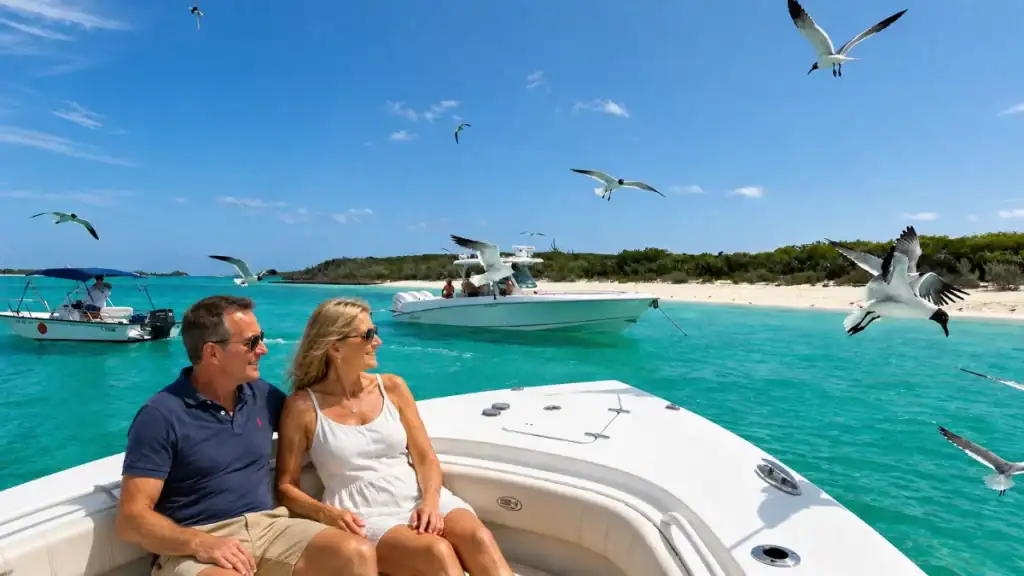
Yes, I am comfortable visiting Nassau, particularly when the trip is based around established visitor areas and the obvious risks are handled deliberately. A busy tourist area in daylight feels very different from a long unfamiliar walk late at night. If the beach conditions change, we stay out of the water. If an operator does not inspire confidence, I do not book.
That is also how I approach Downtown Nassau and a family trip. I do not remove either from the itinerary because of a broad safety concern. I change the decisions around them.
The one thing I always do shortly before departure is check the latest official travel advice. Safety information can change, and an article like this should help with the way we think about risk, not replace current guidance.