
Living in London offers a dynamic mix of culture, history, and modern city life, making it one of the world’s most exciting places to call home. With diverse neighborhoods, endless entertainment, and strong job opportunities, the city suits many lifestyles. Understanding what living in London is truly like helps newcomers prepare for its fast-paced yet rewarding atmosphere.
👀 At a Glance:
- 💰 Budget range: Singles need £2,000-3,000 monthly; family of four requires £4,500-6,500+ for comfortable living
- 🚌 Local transportation: Oyster card makes getting around London affordable with daily caps from £8.10-£15.90
- ✈️ Getting there: Five major airports connect London to cities in Europe and worldwide
- ⏰ Best time: Spring and summer offer pleasant weather, outdoor festivals, and longer days
- 💡 Insider tip: Live in zones 3-6 to save money while staying connected via excellent transport
🌟 Is Living in London Worth It?
World-Class Culture and Icons
London is one of the most exciting cities in the world to call home. The British Museum holds over eight million works and costs nothing to enter. The West End theatres rival Broadway with shows running every single night. The Tate Modern sits right on the Thames offering free modern art.
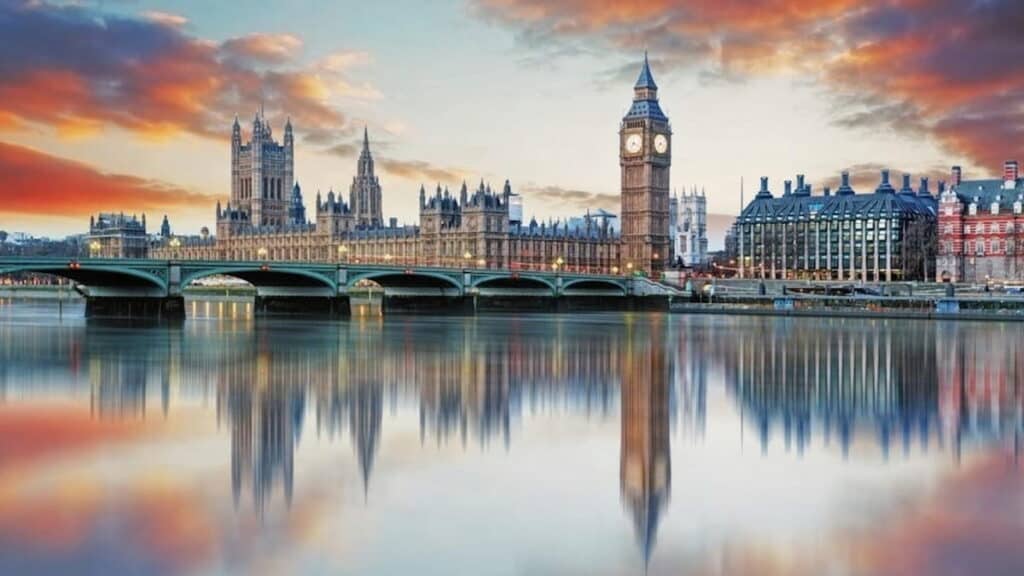
You can walk past Big Ben and the Houses of Parliament on your commute. Buckingham Palace opens its state rooms to visitors each summer for guided tours. Tower Bridge remains one of the most photographed landmarks anywhere on Earth. These famous sites never get old even after years as a resident.
The Reality of Average Cost of Living
But honestly, the higher cost of living hits hard when you first arrive. Rent alone can shock you when you start looking at available flats. A tiny place in central London costs more than a house elsewhere. Many expats wonder if their salary in London actually goes further than home.
The answer depends on what you value most when living abroad. If you love culture and career growth, London is quite special. The National Gallery houses masterpieces from Van Gogh to da Vinci for free. The Victoria and Albert Museum shows 5,000 years of art and design.
Career Growth When Living in London
Career opportunities make London one of the best cities to live for professionals. Whatever field you work in, London probably has more jobs than anywhere. The pay is usually higher across most sectors for skilled workers. Americans working in London often move up faster than they would back home.
Constant Discovery When You Live in London
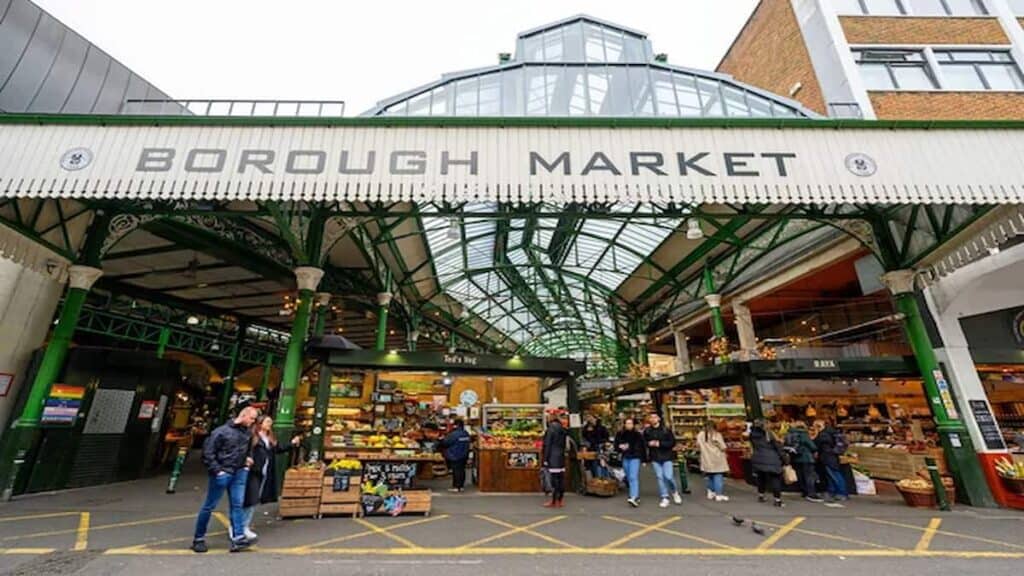
Living in London means constant discovery throughout your time as an expat. Borough Market offers artisan food stalls dating back over 1,000 years. Brick Lane transforms into a vintage market every Sunday morning with unique finds. The Notting Hill Carnival brings two million people together each August. The diversity keeps things interesting for years of exploring different neighbourhoods.

⚡ Pros and Cons of Living in London
Every city has good and bad sides worth thinking about before you move. The pros and cons of living in London are worth weighing carefully. Living in London gives you access to things you can’t get elsewhere. But the cons of living in London are real and affect daily life.
Outstanding Public Transport
The public transport system is amazing compared to other UK cities. The London Underground goes everywhere you need with stations like King’s Cross. You really don’t need a car when getting around in London. Your Oyster card becomes essential for monthly transportation across the whole city.
Cultural Richness in Living in London
Culture and entertainment options are genuinely world-class throughout the capital for residents. The British Museum and National Gallery offer free entry daily to everyone. Theatres like the Royal Opera House and Shakespeare’s Globe present shows nightly. Hyde Park, Regent’s Park, and Hampstead Heath give you lovely parks everywhere. Check Visit London’s official guide for updated attraction information and events.
Career Advantages
Job opportunities beat anywhere else in the UK for those wanting work. The City of London houses major banks and financial companies from everywhere. Tech City in Shoreditch attracts startups and innovation from around the world. Canary Wharf offers modern office spaces with global companies and brands. Expats in London build careers faster than in smaller cities.
Global Diversity
You’ll meet people from all over the world in this diverse city. Chinatown in Soho serves real Asian cuisine daily to diverse crowds. Brixton Market celebrates Caribbean culture and food traditions from various islands. Edgware Road brings Middle Eastern flavors and community together in one place. This diversity makes adapting to a new culture easier for foreigners.
Greenwich Park provides stunning views across the city and the Royal Observatory. Primrose Hill offers sunset picnics with wide London views for locals. Richmond Park lets you see wild deer roaming freely like the countryside. These green spaces feel like escapes from the busy city centre. London is one city that balances urban life with nature well.
High Living Expenses
The cost of living in London ranks as one of the most expensive. Rent alone takes a huge chunk of any salary in London. Going out in Mayfair or Knightsbridge costs way more than other areas. Covent Garden restaurants charge high prices for meals and drinks. The average cost of living shocks most newcomers when they arrive.
Disappointing Weather
London weather disappoints many newcomers honestly throughout the year they’re here. It rains often though rarely gets really hot in summer months. Winter months from November to February feel particularly grey and cold. Summer in London only lasts reliably from June to August. The weather affects your mood more than you’d expect it to.
Crowded Spaces
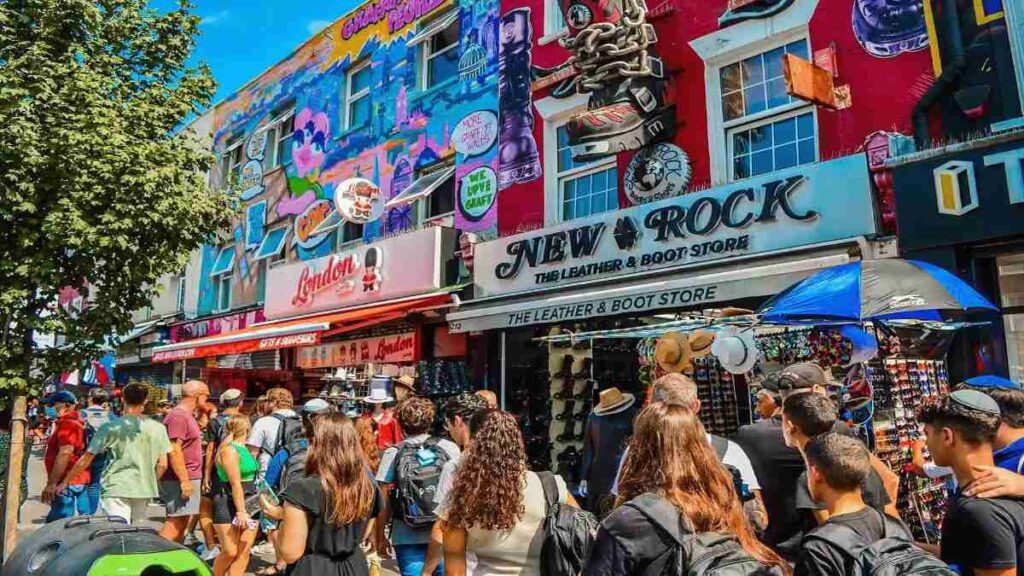
The city feels crowded and rushed constantly during weekdays for residents. Oxford Circus tube station gets packed during rush hour commutes every day. Leicester Square stays busy with tourists even late at night. Camden Town markets overflow with people every weekend without fail. Finding quiet spots in London takes effort and local knowledge.
Social Challenges for Expats
Making friends in London can be surprisingly hard for expats and foreigners. Londoners often seem busy or distant at first to newcomers. The fast pace at Liverpool Street shows how rushed everyone is. Building a social circle takes real effort when making friends in London. Many expats feel lonely at first despite being surrounded by millions.
Some expats find themselves tired of London after dealing with challenges daily. The constant noise in central London wears on you over time. High prices make simple outings expensive for a family of four. Still, many like London enough to stay despite these issues.
💰 Cost of Living in London Breakdown
Living in London costs more than most cities in the world right now. The cost of living in London requires careful budgeting every single month. On average, a single person needs £2,000-3,000 monthly for basic expenses. The average cost of living depends heavily on where you live exactly.
Central vs Outer London Rent
Rent is your biggest expense by far when you live in London. One-bedroom flats in Kensington or Westminster run £2,000-2,500 monthly in central areas. Chelsea and Mayfair command even higher prices for nice locations near city centre. In Zones 3-4 like Walthamstow or Ealing, expect £1,200-1,600 for similar spaces.
A family of four needs at least a two-bedroom place minimum. Two-bedroom apartments in Clapham or Battersea cost £2,500-3,000 monthly easily. Dulwich and Blackheath offer family homes around £2,800-3,500 in nice areas. Sharing helps young professionals afford better areas in London when starting out.
Budget-Friendly Boroughs
Outer boroughs like Croydon, Barking, and Havering offer the best value overall. One-bedroom flats there run £1,000-1,400 monthly typically for decent places. Sutton and Hillingdon provide family-friendly spaces at lower costs than central areas. Council tax adds another £125-165 monthly depending on your specific borough.
North London areas like Hampstead and Muswell Hill attract families seeking great schools. Hampstead Heath offers ancient woodlands and swimming ponds year-round for all ages. Highgate has great schools and village-like charm nearby for residents. Muswell Hill provides Alexandra Park with stunning views across the whole city. Explore more about London’s parks on Royal Parks official website.
Monthly Transportation Costs Living in London
Monthly transportation costs around £150-200 for regular commuters using public transport. A weekly travelcard covering zones 1-2 costs £44.70 for unlimited travel. The Oyster card caps your daily spending so you never overpay. Traveling from Heathrow Airport in zone 6 adds extra to budgets.
Food and Dining Expenses
Food shopping at Tesco, Sainsbury’s, or Waitrose runs £200-300 monthly per person. Eating at Borough Market costs more but offers quality artisan food. A pub meal at Wetherspoons costs £10-12 for basic British food. Dining in Soho or Covent Garden restaurants runs £30-50 per person.
Brick Lane offers cheap curry houses serving meals for £8-15 to hungry Londoners. Chinatown restaurants provide good value at £12-20 per person for filling meals. Camden Market food stalls give you international options cheaply from many countries. British food from supermarkets stays the most reasonable option for tight budgets.
Utilities and Bills Living in London
Utilities including electricity, heating, and water cost £150-250 monthly for small flats. Internet from BT, Virgin Media, or Sky adds another £30-50 monthly. Phone plans with EE, Vodafone, or O2 run £15-30 for calls. These add up fast when budgeting carefully for everything each month.
Healthcare Options
The NHS provides free healthcare to residents with legal status in the UK. Guy’s Hospital, St Thomas’ Hospital, and Royal Free Hospital provide NHS care. But some expats get private health insurance at Bupa or AXA anyway. It costs £50-150 monthly for faster appointments and choice of doctors.
Entertainment Budget
Entertainment around Southbank Centre, National Theatre, or Royal Albert Hall varies wildly. A pint at pubs in Shoreditch costs £6-7 typically for beer. Theatre shows in the West End run £40-100 depending on seats. The British Museum, Natural History Museum, and Science Museum stay free thankfully.
Living in the UK’s capital requires budgeting across all these categories carefully. Many expats living in London find ways to save money with planning. Understanding the cost of living in London helps you plan before moving.

🏘️ Best Areas to Live in London
London is very large with dozens of different neighbourhoods across 32 boroughs. Each area has its own vibe that attracts different types of residents. Where you choose affects your whole experience of living here massively. The best areas in London depend on your priorities and lifestyle.
Prime Central Locations
Living in central London puts you near everything important for work and nightlife. Covent Garden offers shopping, theatres, and restaurants within walking distance always. Soho provides lively nightlife with bars and clubs everywhere you look. Borough Market near London Bridge gives you artisan food daily from stalls.
Creative Hubs
Young professionals love Shoreditch for its creative scene and amazing street art. Clerkenwell attracts tech workers with trendy cafes and coworking spaces throughout. King’s Cross has transformed with new developments around the station recently. The trade-off is noise and crowds everywhere you go. Central London works best if your salary in London is quite high.
Riverside Living in London
South Bank along the Thames provides cultural venues and riverside walks constantly. The Tate Modern, National Theatre, and BFI Southbank sit together perfectly here. Gabriel’s Wharf offers independent shops and cafes with river views for visitors. But rent remains expensive despite being south of the river Thames.
The city centre includes places in London like Westminster and the City. These areas buzz during weekdays but quiet down on weekends significantly. Living in the UK’s political heart means history surrounds you every day.
North London Family Areas
North London areas like Hampstead and Muswell Hill attract families seeking great schools. Hampstead Heath offers ancient woodlands and swimming ponds year-round for all ages. Highgate has great schools and village-like charm nearby for residents. Muswell Hill provides Alexandra Park with stunning views across the whole city.
West London Villages for Living in London
West London neighbourhoods like Ealing and Richmond offer village vibes with great schools. Richmond Park lets families see wild deer roaming freely every single day. Kew Gardens shows plant collections in massive greenhouses year-round for visitors. Chiswick House and Gardens provides playgrounds and open spaces for children.
South London Suburbs
South London spots like Dulwich, Blackheath, and Wimbledon provide quieter family living. Greenwich Park houses the Royal Observatory and planetarium for educational visits. Dulwich Picture Gallery offers art in a peaceful setting away from crowds. Wimbledon Common provides 1,100 acres of natural land for exploring and walking.
These areas in London offer the best schools and safest streets for families. Many British families choose these neighbourhoods specifically for raising children safely. The sense of community is stronger than in the city centre typically.
East London Value
Zones 3-6 give you more space for less money across London right now. Walthamstow offers Walthamstow Wetlands and Lloyd Park for outdoor activities nearby. Stratford provides Westfield shopping centre and Olympic Park facilities from 2012. Leytonstone has improving cafes and the Epping Forest access point for nature.
South London Affordability
Croydon in South London offers Boxpark for street food and shopping experiences. East Croydon station connects you to central London in 15 minutes easily. South Norwood Country Park provides nature walks and a lake for families. Your commute is longer but manageable with good connections to central areas.
Outer Borough Options for Living in London
Barking and Dagenham provide Valence House Museum and Eastbury Manor House to visit. Havering offers vast green spaces near Epping Forest borders for nature lovers. Hillingdon sits near Ruislip Lido with beaches and miniature railway for fun. You’ll live in London more comfortably with extra cash saved each month.
These outer areas offer better value than most European capitals right now. Many expats choose these areas when first moving to London for work. As salaries increase over time, some move closer to city centre gradually.

🚇 Getting Around in London: Transport Guide
The transport system is one reason living in London works without owning cars. Getting around in London is easier than most cities to live globally. You can reach anywhere using the London Underground and bus network easily. The whole city connects really well through multiple transport options for everyone.
The Underground Network
The London Underground is your main option for traveling across the city daily. Key stations like King’s Cross St Pancras, Liverpool Street, and Waterloo connect lines. Bank station links the Central, Northern, Waterloo & City, and DLR together. Sections of the tube run all night on weekends now too. Visit Transport for London for live updates and journey planning.
Oyster Card Essentials for Living in London
An Oyster card is essential from day one for all your journeys. You buy them at any tube station like Paddington, Victoria, or Heathrow. Visitor centres at King’s Cross and Piccadilly Circus sell them really easily. You tap in and out and daily caps mean you never overpay. Learn more about fares at TfL’s official fares page.
New Transport Links
The Elizabeth Line transformed travel across London recently with faster journeys for everyone. It connects Reading and Heathrow Airport to Abbey Wood via central London. Paddington to Canary Wharf takes just 17 minutes now instead of longer. Bond Street and Tottenham Court Road provide great central access points.
Monthly transportation passes save money if you travel regularly for work in London. The Oyster card calculates the best fare automatically every single day. Getting around in London becomes second nature after a few weeks living.
Bus Network Coverage
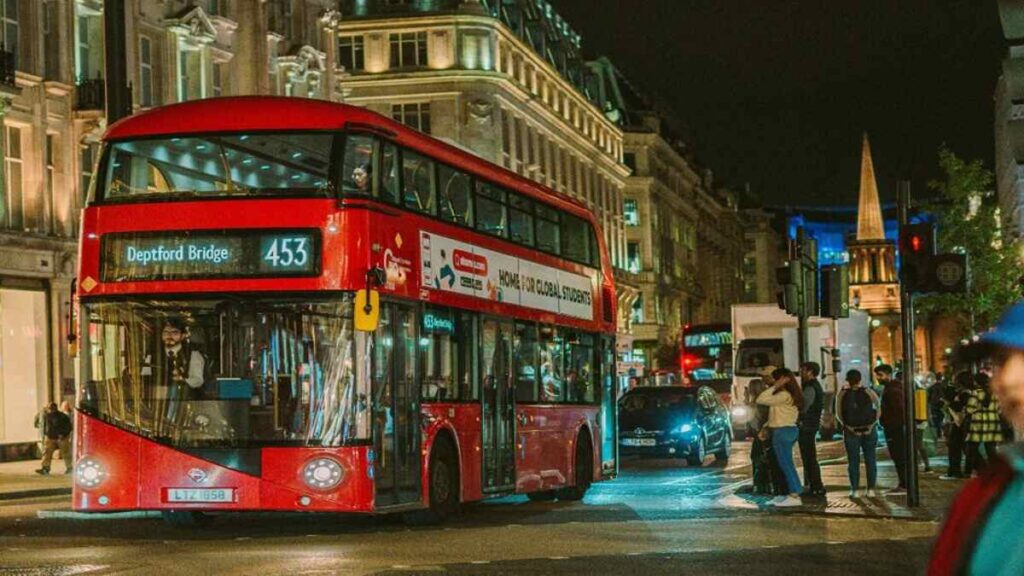
London buses go literally everywhere across the city to every neighbourhood you need. The number 11 runs from Liverpool Street to Fulham Broadway every day. The 24-hour N29 night bus connects Trafalgar Square to Enfield overnight too. Route 15 heritage buses still use classic Routemaster designs sometimes for tourists.
Walking and Cycling
Walking is actually how most Londoners get around for short distances every day. The Thames Path follows the river from Hampton Court to Thames Barrier. Regent’s Canal towpath connects Little Venice to Limehouse Basin beautifully through quiet areas. You discover cool stuff just by walking around regularly on foot.
Cycling has become super popular with the Santander Cycles scheme available everywhere. Cycle Superhighways connect routes like CS3 from Tower Hill to Barking safely. The Quietways provide calmer routes through Waterloo and Clapham residential areas. Hyde Park and Regent’s Park allow cycling through their paths for exercise.
You don’t need a car in London unlike most places in world. Public transport covers everything efficiently and cheaply for most people. Most London residents never own vehicles during their time here at all.
National Rail Connections
National rail stations connect you to other UK cities easily for day trips. King’s Cross reaches Edinburgh in four hours on the East Coast line. St Pancras International takes you to Paris in two hours via Eurostar. Paddington connects to Oxford, Bath, and Bristol in under two hours.
Airport Access
Five airports serve London for travel to cities in Europe and beyond. Heathrow in the west handles most long-haul flights to places worldwide. Gatwick to the south offers budget airlines and charter flights cheaply too. London City Airport in Docklands provides quick business travel to European countries.
Budget Travel Options
Victoria Coach Station provides budget travel to Brighton, Cambridge, and Oxford cheaply. Eurostar from St Pancras connects London to Amsterdam and Brussels easily now. Liverpool Street trains reach Stansted Airport and Cambridge without hassle for travellers. You’re never far from exploring other cities to live temporarily on weekends.

👥 Making Friends in London as an Expat
Meeting people is one of the hardest parts of moving to London. Making friends in London takes more effort than in smaller places elsewhere. The city is huge with over nine million people living here now. But it’s totally possible with the right approach and real persistence over time.
The London Pace
Londoners aren’t rude, just busy and focused on their lives every single day. Everyone’s rushing between Liverpool Street, Waterloo, and Victoria stations during commutes. The city’s pace at Oxford Street or Piccadilly Circus makes conversations really rare. Many foreigners find this adjustment tough when adapting to a new culture.
Transient Population
London is quite transient with people moving between Clapham, Shoreditch, and Brixton often. Young professionals relocate from Camden to Hackney for better flats regularly. International workers leave after a few years for home countries eventually. Building deep friendships takes time and regular effort with people here. Other expats understand this struggle better than locals do initially.

Distance Barriers Living in London
The sheer size spanning from Richmond to Stratford makes meeting up hard logistically. Someone in Wimbledon finds it hard to meet friends in Walthamstow easily. The tube journey from Ealing to Greenwich takes over an hour each way. Distance becomes a real barrier to maintaining friendships across London for everyone.
Many expats feel like foreigners at first when trying to connect with locals. The reserved nature of British interactions confuses some newcomers quite a bit. Understanding local customs helps you make friends eventually though with time. Patience is key when living abroad in any new city anywhere.
Clubs and Activities
Join clubs at community centres in your area like Toynbee Hall or Peckham Levels. Sports leagues at Battersea Park or Victoria Park happen weekly for all abilities. Book clubs meet at Waterstones Piccadilly or independent bookshops in Dulwich regularly. Going regularly helps you make friends instead of just meeting people once.
Work Connections
Work becomes a natural place to build friendships over time in offices. Grab lunch with colleagues at Borough Market or Leadenhall Market regularly together. After-work drinks happen at pubs in Canary Wharf or the City often. These hangouts at The George Inn or Ye Olde Cheshire Cheese help bonding.
Expat Communities and Groups
Expat communities meet at venues like The Royal Exchange or Barbican Centre regularly. American working professionals gather for events in Kensington and Chelsea areas often. Australian expats meet at Walkabout pubs in Covent Garden and Shepherd’s Bush. French communities cluster around South Kensington near the French Lycée school there.
Pub Culture
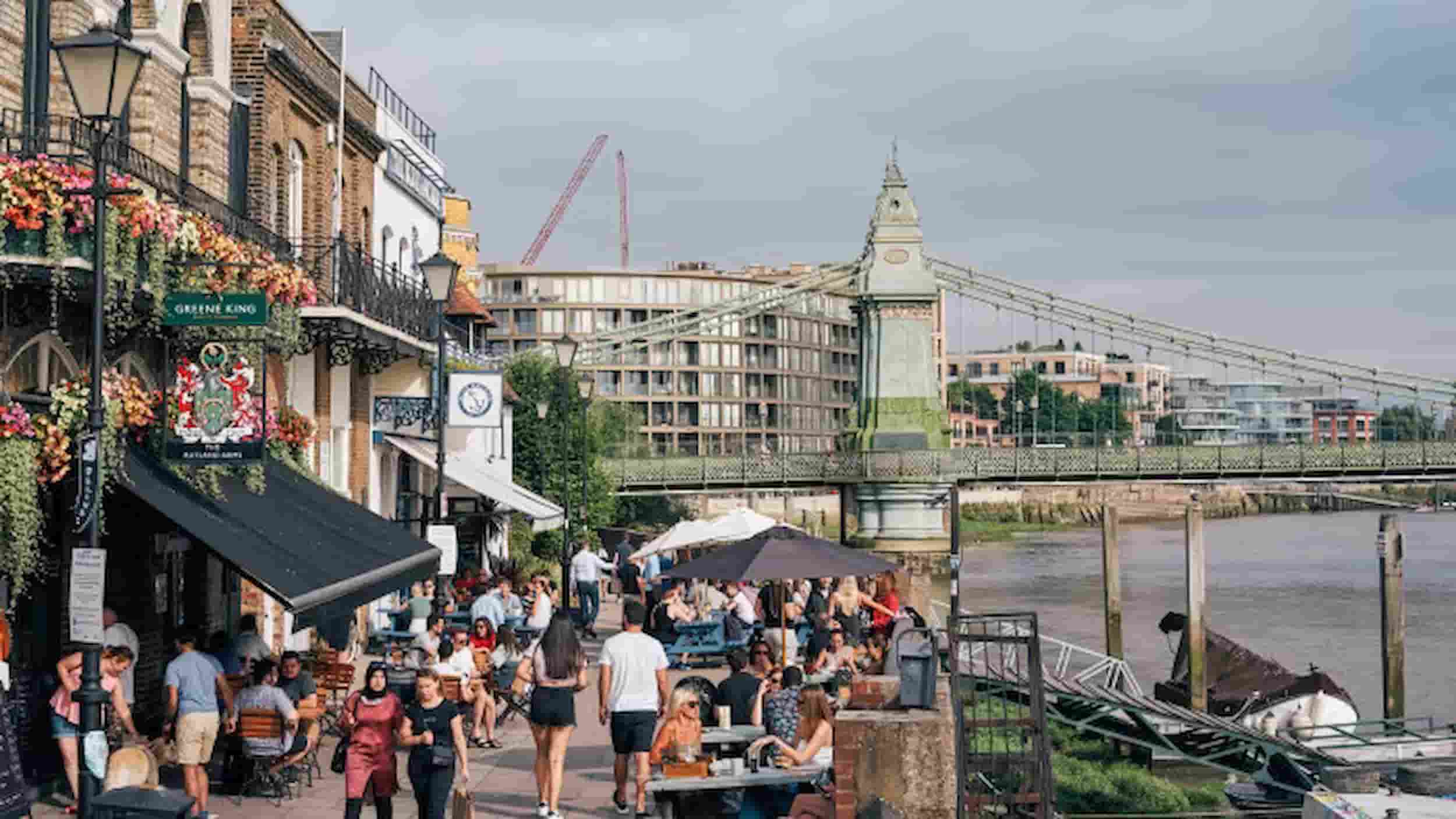
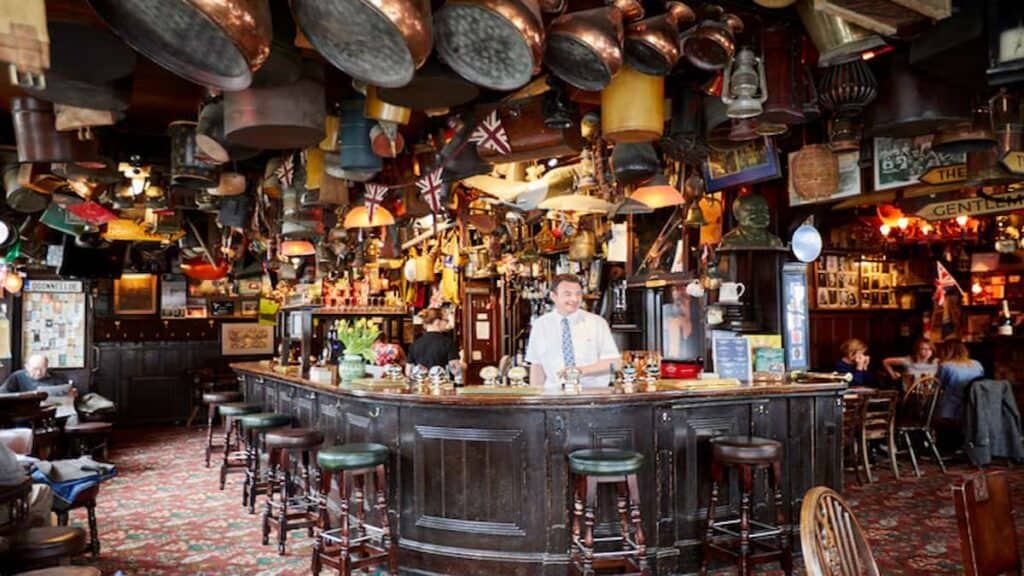
Pubs remain the social hub where locals gather like The Churchill Arms in Kensington. The Spaniards Inn on Hampstead Heath attracts a friendly crowd always visiting. The Mayflower in Rotherhithe sits right on the Thames beautifully for views. Pub culture is central to British life for socializing casually with people.
Volunteering Opportunities
Volunteer at charities like the Southbank Centre, Royal Voluntary Service, or local food banks. Help at community gardens in Vauxhall, Kings Cross, or Dalston on weekends. Join litter picks organised by Thames21 along the river monthly for cleanup. You help while building your network and learning about different areas here.
Expat living in London becomes easier once you find your community here finally. Many expats in London say making friends gets easier after six months.

📋 Visa Requirements for Living in London
Getting a visa is crucial before moving to London from outside the UK. You need to get a visa that matches your situation exactly. The rules changed after Brexit affecting everyone from European countries too now. EU citizens now need visas like everyone else worldwide for work here.
Skilled Worker Route
Skilled worker visas are the most common route for professionals relocating to work. You need a job offer from a UK employer before applying anywhere. The company must sponsor your visa application and your salary must meet £41,700. Jobs must be on the eligible list covering finance, tech, and healthcare.
Student Visas for Living Abroad
Student visas let you study at universities like Imperial College, King’s College, LSE. You can work part-time up to 20 hours weekly while studying there. University College London and Queen Mary University accept thousands internationally every year. After graduation, you can apply through the Graduate route to stay longer.
Family Immigration
Family visas apply if you’re joining a British person or UK resident here. You’ll need to prove your relationship and meet income requirements together strictly. Processing happens through UK Visas and Immigration centres globally everywhere in world. Start early if this applies before your planned move date to London.
The visa process seems complicated but thousands successfully get visas annually for work. Many American working professionals relocate using skilled worker visas successfully every year. Living in the UK requires proper documentation always for legal status here.
Required Documentation
You’ll need lots of documentation for your visa application before submitting anything online. Passport, job offer letter from your sponsoring employer, and financial proof showing £1,270. English language test results from approved providers like IELTS or PTE Academic. Each visa type has specific additional requirements to check carefully before applying. Check UK Government’s visa requirements for complete details.
Timelines and Costs
Processing times vary from three weeks to three months depending on type. Apply way before your planned move to London to avoid stress completely. Visa fees range from several hundred to several thousand pounds total cost. The Immigration Health Surcharge costs £1,035 yearly for NHS services too.
Post-Arrival Steps
After arrival, register with a GP surgery like the Soho Centre for Health. Get a National Insurance number from HMRC to work legally anywhere here. Open a bank account at branches of Barclays, HSBC, or Lloyds nearby. These steps help you settle into living in the UK properly over time.
Understanding visa requirements helps you plan your move successfully to the UK. Many resources exist online to help you get a visa approved quickly. Living abroad in London requires proper planning and documentation throughout the whole process.

💼 Working and Finding Jobs in London
The job market is one big reason people choose living in London. Work in London offers better opportunities than other UK cities overall now. Opportunities exist across every industry from finance to creative fields for everyone. But competition is intense for positions at top companies hiring people here.
Financial Services
Finance dominates the City of London with banks like Barclays, HSBC, NatWest. Canary Wharf houses JPMorgan, Citigroup, and other global financial companies from everywhere. Lloyd’s of London provides insurance jobs in the historic building location there. Your salary in London in finance typically exceeds other sectors significantly.
Technology Sector
Tech startups cluster around Old Street roundabout known as Silicon Roundabout by everyone. Google’s UK headquarters sits near King’s Cross with YouTube offices right nearby. Facebook and Amazon have major offices in Shoreditch and Farringdon areas too. Media companies like the BBC, ITV, and Sky employ thousands of people.
Healthcare and Education
Healthcare jobs through the NHS span hospitals like St Thomas’, Guy’s, University College. Teaching positions open at schools across every borough from Islington to Wandsworth. King’s College Hospital and Chelsea and Westminster Hospital recruit internationally constantly now. These fields offer more balance than finance typically does for workers here.
Working abroad in London means access to the best opportunities in world. Career growth happens faster than in smaller cities to live elsewhere globally. Many expats find their salary in London allows comfortable living despite high costs.
Online Job Search
Start looking on websites like LinkedIn, Indeed, and Reed before you arrive here. Many companies have offices in the City, Canary Wharf, or King’s Cross. Tech firms in Shoreditch and Old Street advertise roles online regularly now. Having a job lined up makes moving less stressful for everyone relocating.
Networking Events
Networking happens at events organised by Meetup groups across London every single week. Professional organisations meet at venues like The Shard, One Canada Square, Gherkin. Industry conferences at ExCeL London or Olympia London connect you with employers directly. Personal connections lead to opportunities often more than applications do alone.
Recruitment Agencies
Recruitment agencies operate from offices in Holborn, Moorgate, and Soho for different sectors. Robert Walters, Michael Page, and Hays specialise in professional roles for workers. Some agencies focus on placing expats in London specifically for work here. But don’t rely exclusively on recruiters for everything you need always.
Work in London offers more advancement than most places in the world. The concentration of industries makes it a great place to live. Your career can flourish here if you work hard consistently over time.
🌆 Life in London: Daily Living Experience
So what’s actual life in London like day-to-day beyond tourist attractions everywhere? Let’s talk about the real experience of living here for residents. What is it like to live in London varies by person obviously. Here’s what you’ll encounter regularly as London residents living here every day.
Morning Commutes
Mornings start early with commuters flooding stations like Victoria, Waterloo, and London Bridge. Rush hour from 6.30am-9.30am fills the Northern, Central, and Piccadilly lines fully. Pret A Manger, Costa, and independent cafes do brisk breakfast business daily. You’ll learn which carriages are less crowded on your specific route quickly.
Lunch Culture
Lunch breaks happen at spots like Borough Market, Leadenhall Market, or Spitalfields Market. Many people grab sandwiches from Pret, Leon, or Itsu near their offices. Some workers picnic in St James’s Park, Green Park, or Postman’s Park. Quick service keeps the city moving during busy weekdays for everyone working.
Evening Activities
After work, people hit gyms like David Lloyd in Acton or Pure Gym branches. Others grab drinks at pubs in Shoreditch, Soho, or the City areas. The National Theatre, Royal Opera House, and West End shows fill up nightly. Evening classes at Mary Ward Centre or City Lit attract keen learners.
Life in London follows a fast pace that energizes some but exhausts others. The city status means constant activity everywhere you go throughout the day.
Market Culture
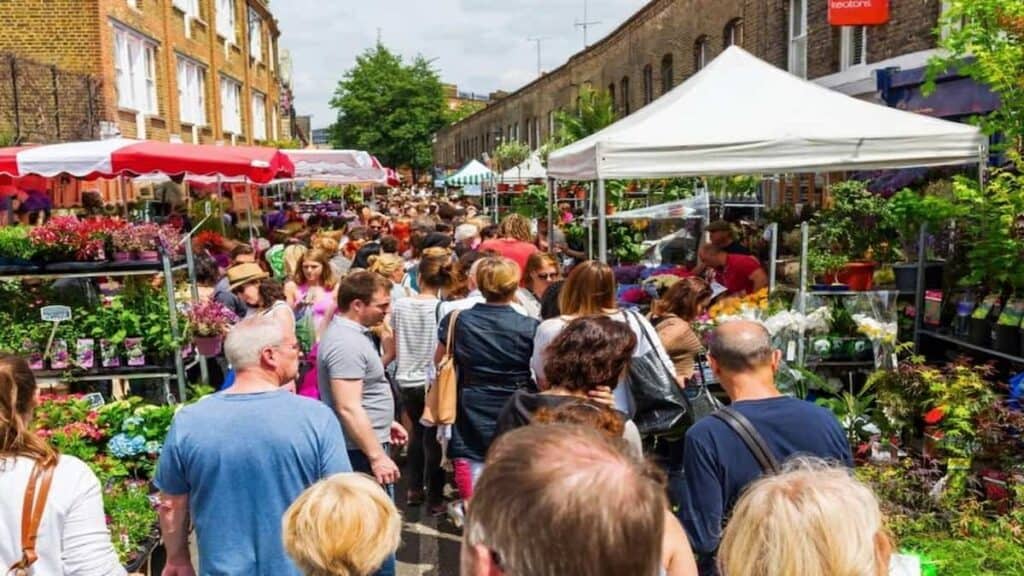
Saturdays mean exploring Columbia Road Flower Market, Portobello Road Market, or Brick Lane’s stalls. Brunch spots in Shoreditch like Dishoom or The Breakfast Club get queued. Broadway Market in Hackney and Greenwich Market draw weekend crowds always now. The British love their markets passionately more than most countries do.
Park Activities
Parks fill with people at Hyde Park, Regent’s Park, and Hampstead Heath instantly. Primrose Hill offers sunset views over the London skyline for all visitors. Richmond Park lets you spot deer roaming near Pembroke Lodge really easily. These green spaces feel like countryside escapes within city limits for everyone.

Traditional Sunday Roasts
Sunday roasts happen at gastropubs like The Harwood Arms in Fulham or Bull. Traditional pubs across Clapham, Islington, and Wimbledon serve them with Yorkshire pudding. Roast restaurant near Borough Market does them with a Thames river view. Going for Sunday roasts becomes a weekly ritual for many people here.
London is usually busier on weekends than weekdays in tourist areas honestly everywhere. Places in London like Covent Garden and Camden stay packed constantly now.
Winter Festivities
Winter brings Christmas markets to Southbank Centre, Winter Wonderland in Hyde Park everywhere. The ice rink at Somerset House opens for skating sessions for all. Christmas lights illuminate Oxford Street, Regent Street, and Carnaby Street beautifully each year. Cosy evenings happen at historic pubs like Ye Olde Mitre for warmth.
Summer Transformation
Summer in London transforms everything about the city completely and wonderfully for everyone. Outdoor cinemas at Rooftop Film Club and Luna Cinema pop up everywhere. Rooftop bars open at venues like Queen of Hoxton and Culpeper for drinks. Open-air theatre happens at Regent’s Park Open Air Theatre and Globe. The Notting Hill Carnival brings millions to West London annually for fun.
Spring and Autumn
Spring sees cherry blossoms at Greenwich Park, Regent’s Park, and Kew Gardens bloom. The Chelsea Flower Show attracts gardening enthusiasts to the Royal Hospital annually. Autumn brings conker collecting at Hampstead Heath and Richmond Park for kids. London changes character completely through the seasons always for residents living here. Discover seasonal events on Visit Britain’s calendar.
London is quite different in summer versus winter for atmosphere and activities. Summer in London is the best time to experience the city fully.
British Customs
British culture shows itself at queues forming orderly at bus stops, tube stations, Tesco. Small talk about weather happens constantly at The Ned, Sky Garden, shops. Politeness masks feelings at networking events in Canary Wharf and the City. Pub culture centres social life more than restaurants typically does for locals.
City Pace
The pace feels fast on streets around Bank, Monument, and Liverpool Street on weekdays. Everyone walks quickly between Piccadilly Circus, Leicester Square, and Covent Garden always. The tube moves millions efficiently through stations like King’s Cross and Oxford. Things happen quickly here making it exciting for some people really.
Final Thoughts on Living in London
London is still one of the most amazing cities to live anywhere globally. Yes, it’s expensive to live with high rents in Kensington, Chelsea, Westminster. Yes, London weather disappoints compared to Barcelona or Sydney quite a lot. But opportunities at the British Library, Barbican, and Southbank Centre make special.
London is one of the best cities in the world despite its challenges. It is very large but feels manageable once you learn the system. London is still growing and changing constantly with new developments for everyone. Living in London offers experiences you can’t find anywhere else truly.