
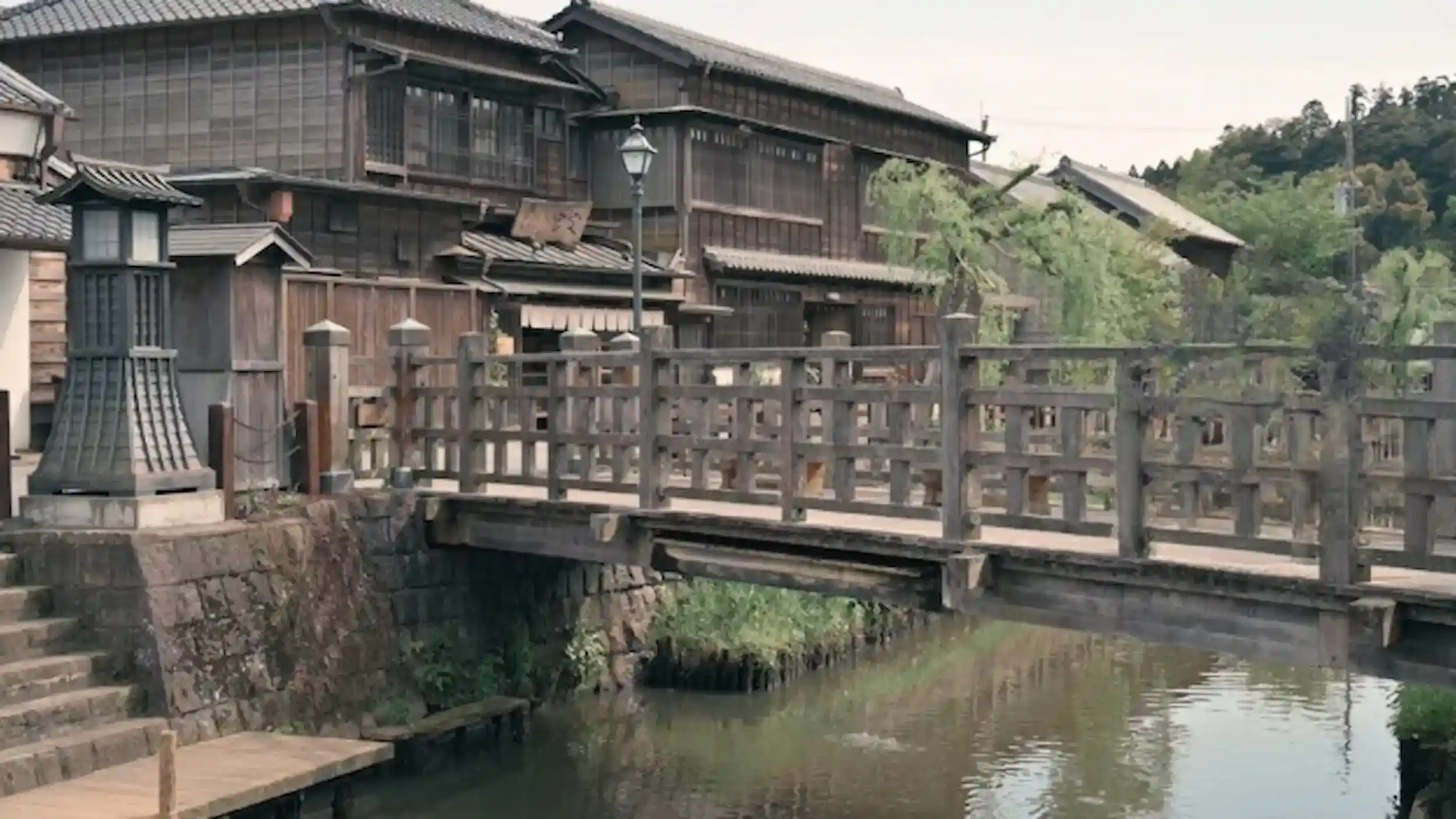
4 hours in Sawara offers just enough time to experience the essence of this preserved Edo-period town near Narita. In a focused half-day visit, you can explore its scenic canals, traditional merchant streets, and local cuisine – a realistic glimpse into old Japan without venturing far from Narita Airport.
👀 4 Hours in Sawara: At a Glance
📌 Historic district size: Compact canal area walkable in 60-90 minutes
👥 Typical visitor flow: Most people spend 1-2 hours, some stay all day
⏱️ Boat ride duration: 30 minutes on the Ono River
🌤️ Pacing: Slower and quieter than Kawagoe, minimal crowds on weekdays
💰 Entry costs: Free to walk, ¥1,300 for boat tour, ¥500 for museums
⚠️ Shop closures: Many businesses closed Mondays and Tuesdays
🚫 Skip if: You need constant activity or prefer bustling tourist towns
🚶 What Most People Do in 4 Hours in Sawara
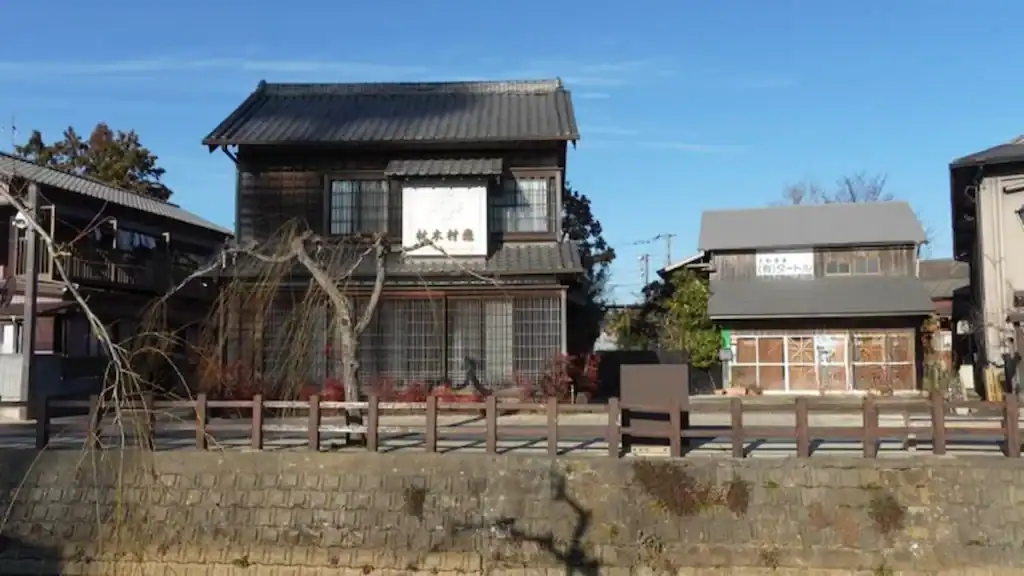
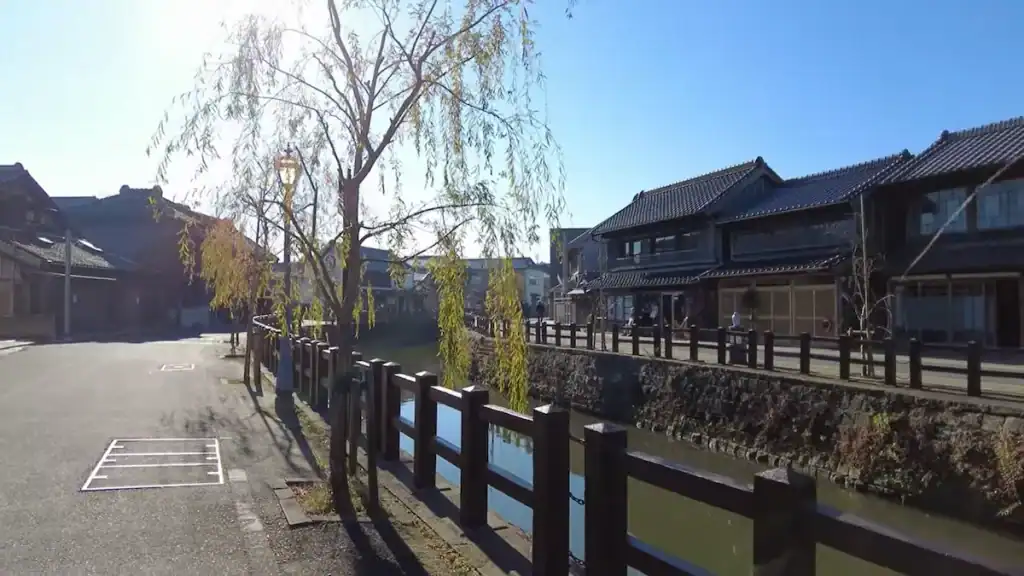
Four hours gives you the classic Sawara experience without rushing. Most travelers start at the Ono River and walk north along the canal, snapping photos of willow trees and Edo-period merchant houses. You pass the Ja Ja Bridge where water flows twice hourly, peek into sake breweries, and maybe grab peanut ice cream from a street vendor.
The pattern looks remarkably similar across visitor reports. Station to historic district takes 10-15 minutes on foot. Then it is canal walk for an hour, boat ride for 30 minutes, lunch at an eel restaurant for 45 minutes, and browse a few shops. That fills about three hours. The final hour gets split between the Ino Tadataka Museum or wandering back streets.
Typical Walking Patterns
Most people stick to a 500-meter stretch along both sides of the Ono River. This is where 90% of photo opportunities cluster. You will see the same route pattern: start at the red brick Mitsubishi Building visitor center, walk south along the east bank past merchant houses, cross at Ja Ja Bridge, return north on the west bank. Total loop takes 45-60 minutes at tourist pace.
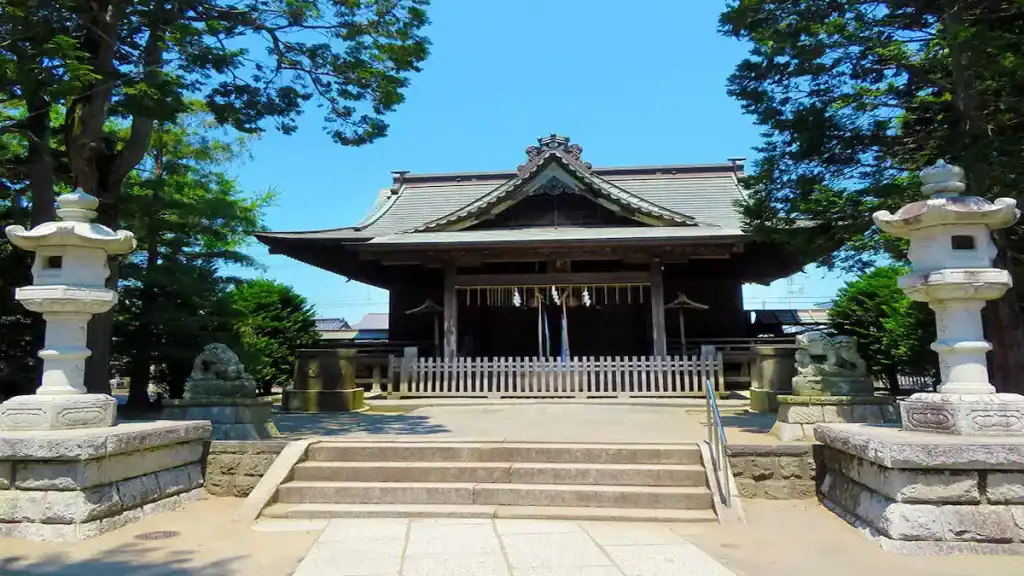
But here is what breaks the pattern. Some visitors detour east to Katori Jingu Shrine which adds 30-40 minutes by bicycle or an hour walking. Others linger at Tokun sake brewery for tastings. A few sit at canal-side cafes watching boats pass. These choices determine whether your 4 hours feels packed or leisurely. Check Japan Travel’s official Chiba guide for current attraction hours before planning your route.
🕒 What You Miss with Only 4 Hours in Sawara
With four hours you definitely skip Suigo Sawara Ayame Park unless it is your only stop. The iris garden sits 9.5 kilometers from the historic district and blooms spectacularly in June, but reaching it takes bicycle rental plus 20-30 minutes riding. Most 4-hour visitors choose canal over flowers.
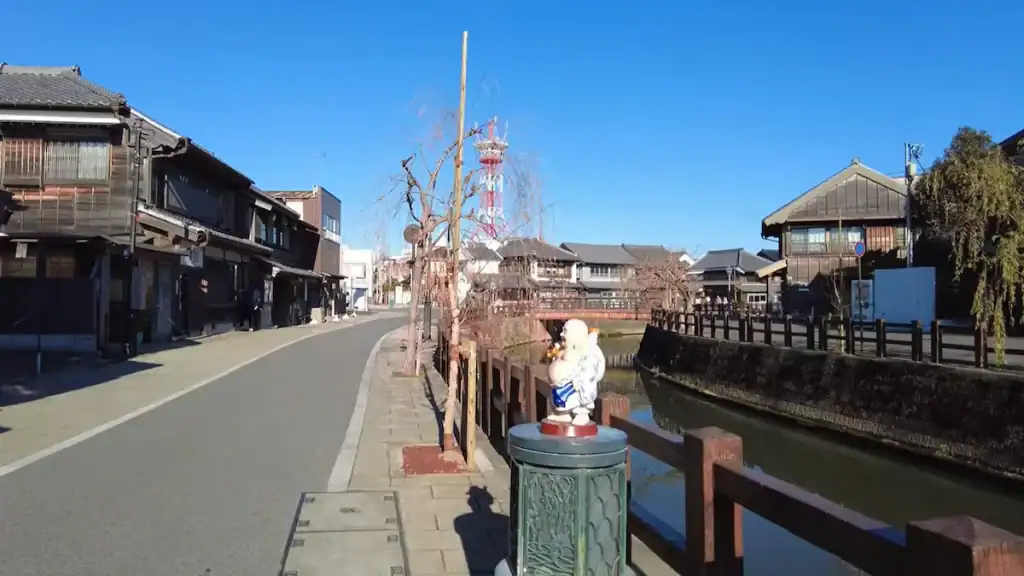
You also miss the deeper merchant house interiors. Places like Fukushin Dry Goods Store and old residences open their upper floors and courtyards, displaying Edo-era tools and clothing. Walking through takes 15-20 minutes per house. When you are watching the clock, you skip inside for exterior photos instead.
Depth Versus Surface Experience
Surface experience means pretty photos and general atmosphere. You capture willow reflections in the canal, wooden lattice windows on merchant houses, and traditional bridges. You taste local specialties like unagi and sake. You feel transported to old Japan for an afternoon. This is what 4 hours delivers comfortably.
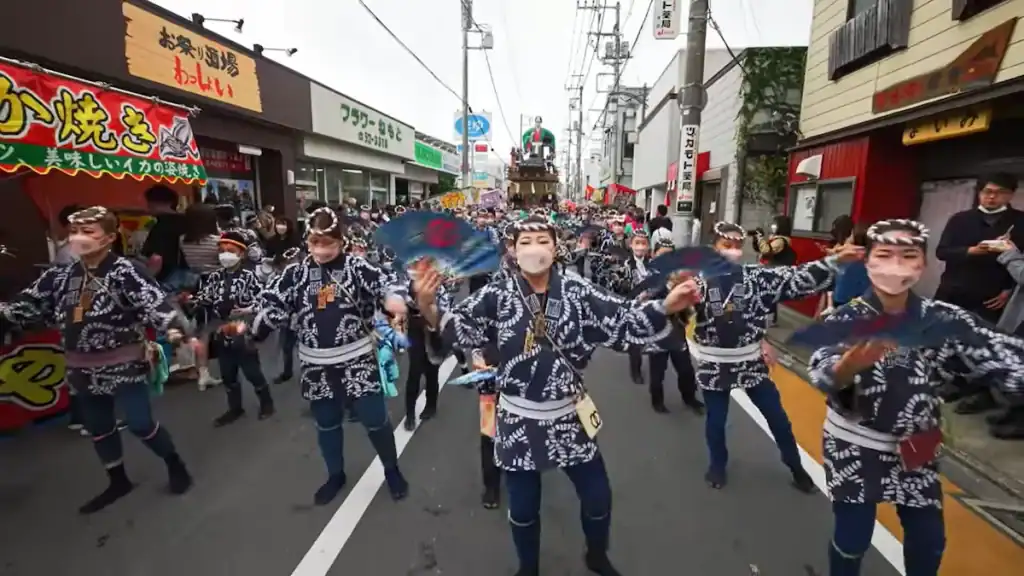
Depth experience requires conversations with shopkeepers about their family businesses running since the 1800s, reading museum displays about Ino Tadataka’s mapmaking techniques, understanding why Sawara became “Edo Masari” meaning superior to Edo itself. It means sitting still enough that a street vendor approaches with fresh produce, or timing your visit for the Sawara Grand Festival in July or October when giant festival floats parade through narrow streets. Depth needs either multiple visits or a full day minimum. Before your visit, review U.S. State Department Japan travel advisory for current safety information.
🐌 How Slow or Fast Sawara Feels
Sawara moves at canal boat speed, not bullet train pace. On weekdays the streets feel nearly empty. You hear water lapping under bridges, wooden signs creaking, traditional music from shop speakers. Time stretches differently here. One visitor reported “spending the whole day here in a flash” which captures Sawara’s paradox – hours pass quickly because you are relaxed, not because you are rushed.
The rhythm depends heavily on your arrival day. Weekends bring Japanese tourists from Tokyo, creating gentle crowds at popular lunch spots and boat queues. But even weekend Sawara never reaches Kawagoe Saturday chaos. Mondays and Tuesdays feel almost deserted as many shops close. Mid-week Wednesday through Friday offers the sweet spot: open businesses, minimal visitors, maximum peace.
Pacing Compared to Other Edo Towns
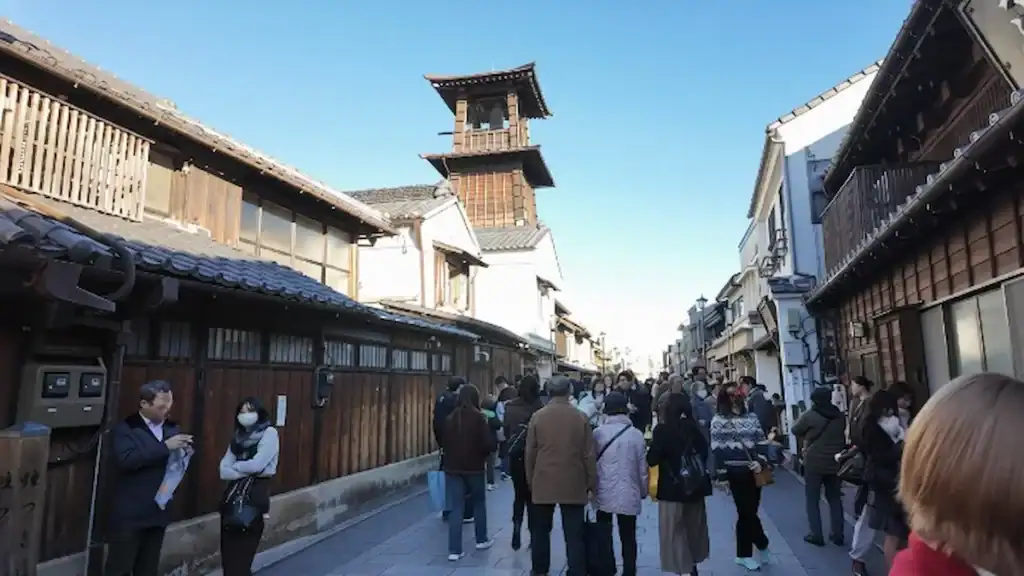
Kawagoe demands faster movement. Its main tourist street stretches longer, shops pack tighter, crowds push through on weekends. You walk with purpose there. Kawagoe feels urban despite its historic buildings. Tour buses disgorge groups every hour. The energy runs high but attention gets fragmented.
Sawara operates on different physics. The canal creates natural pause points where you stop to watch boats or photograph reflections. Shop density is lower so walking feels more aimless, less like ticking boxes. The town whispers rather than shouts. Even when tourists fill the boat ride, the surrounding streets stay quiet. If Kawagoe is 7/10 energy, Sawara hovers around 3/10. For detailed regional information, consult Japan National Tourism Organization safe travel information before traveling.
👤 Who 4 Hours in Sawara Works Best For
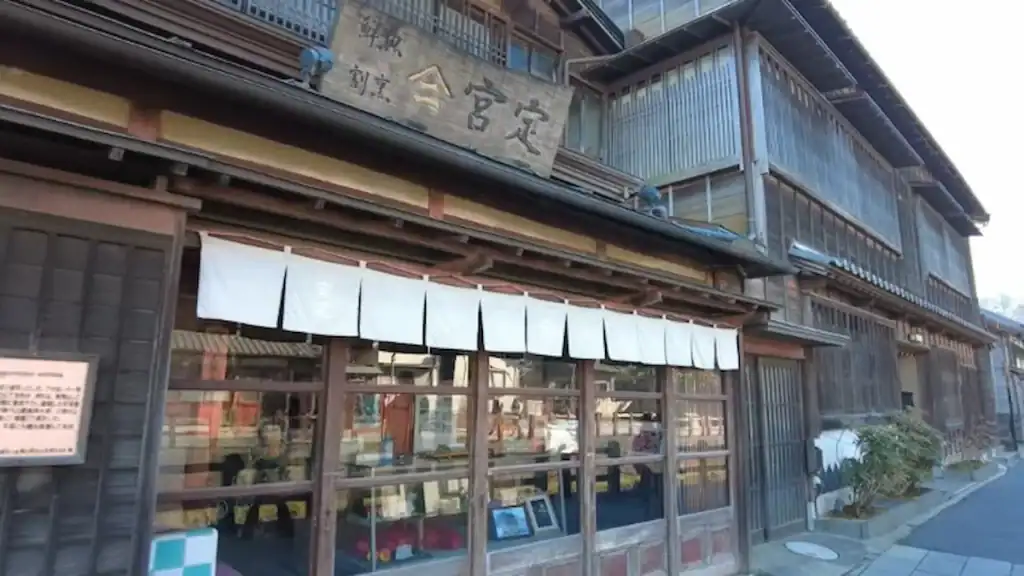
Airport layover travelers win big with Sawara’s 4-hour format. Narita Airport sits just 20 kilometers away – 30 minutes by train from Narita Station. If your international flight departs at 6pm and you check out of Tokyo hotels at 11am, you have a perfect 4-hour Sawara window. It beats sitting in the airport lounge and gives you final Japan memories.
Efficient sightseers who value quality over quantity fit the 4-hour mold. You experience Edo atmosphere, traditional architecture, local food, and canal scenery without the commitment of a full day trip. Combine it morning with Narita-san temple, afternoon at Sawara, evening at airport. Three distinct experiences in one day.
Travel Styles That Align
The “taster” traveler thrives here. You sample historic Japan without going deep. Four hours provides atmosphere, photos, and stories without museum fatigue or decision paralysis. You get the Instagram shots, taste the unagi, ride the boat, then move on. It is like an amuse-bouche rather than a seven-course meal.
Photography-focused visitors also maximize 4 hours well. The compact historic district concentrates photo opportunities. Golden hour hits beautifully around 4-5pm when sun angles across the canal. You can cover both sides of the Ono River, catch the Ja Ja Bridge waterfall, and frame merchant houses without rushing between distant locations. Meanwhile, “slow travelers” who want to sit in cafes for hours, chat with locals, or revisit favorite spots multiple times will find 4 hours frustratingly short. They should plan for a full day or overnight stay instead. Have questions about your Sawara visit? Drop a comment below – I have spent way too much time researching canal town pacing!