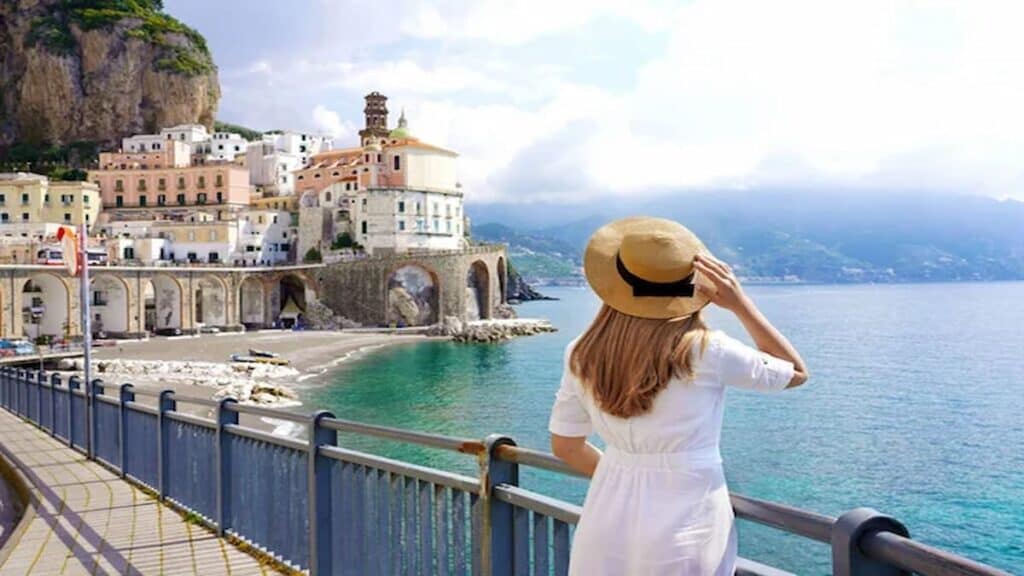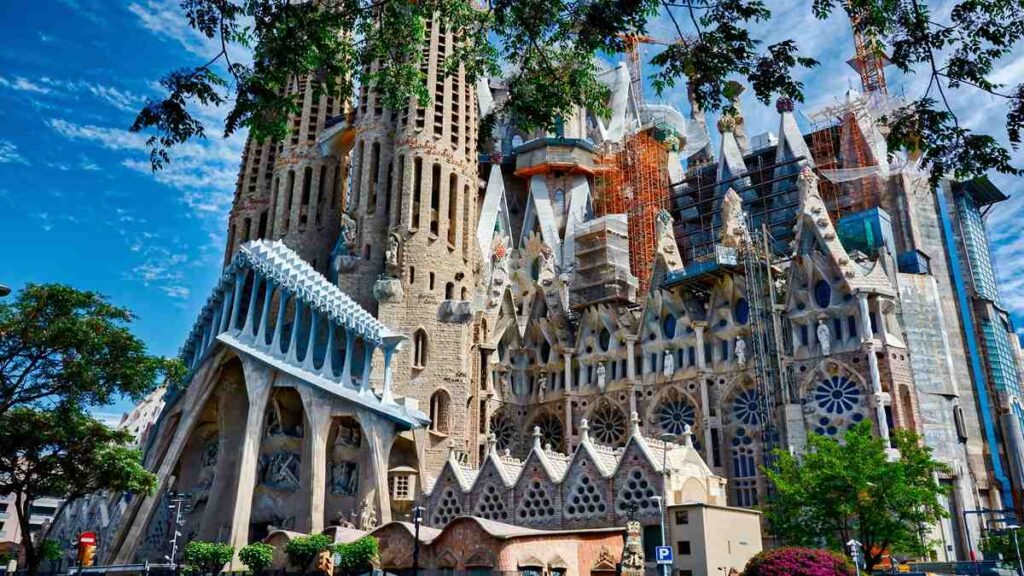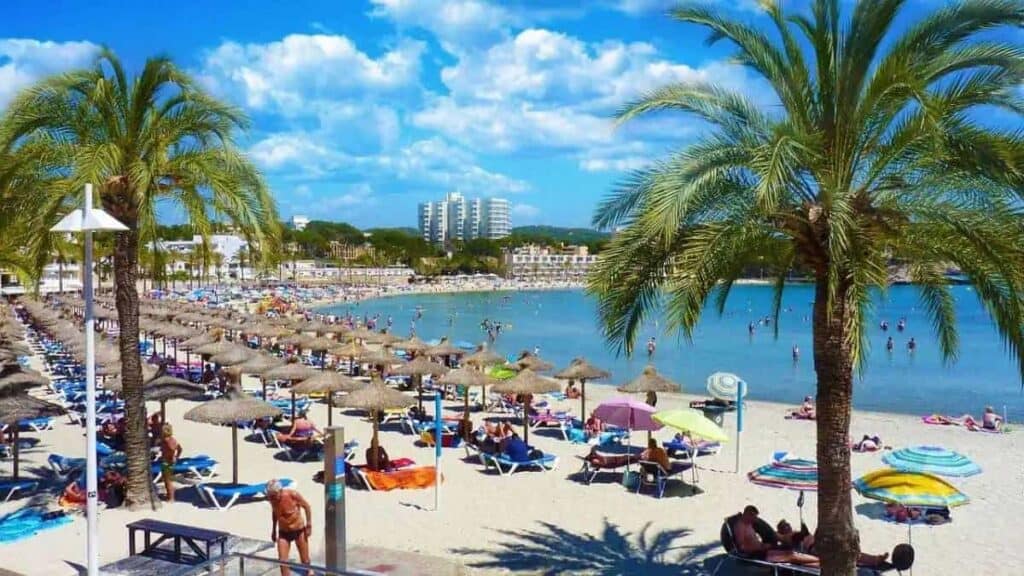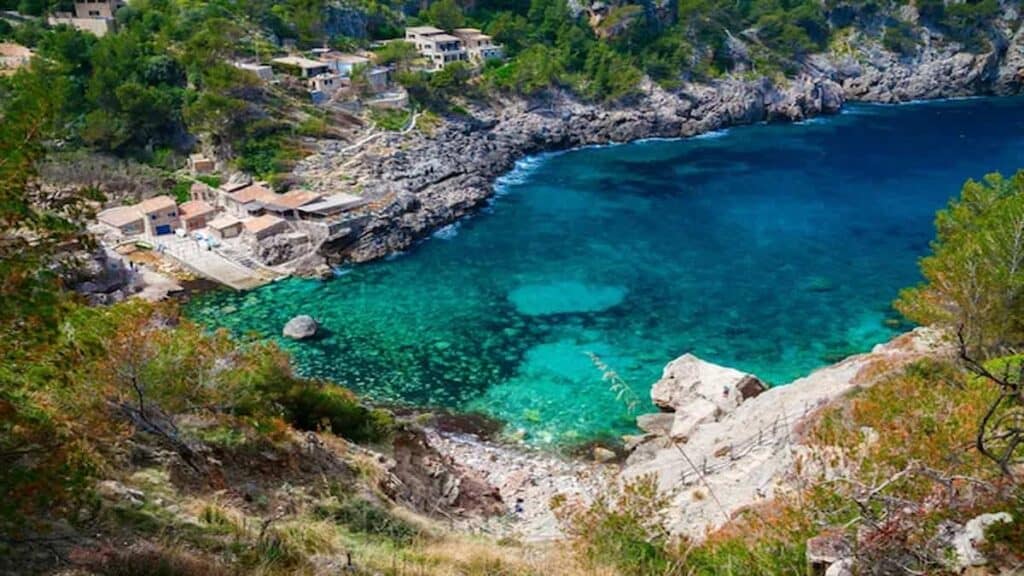

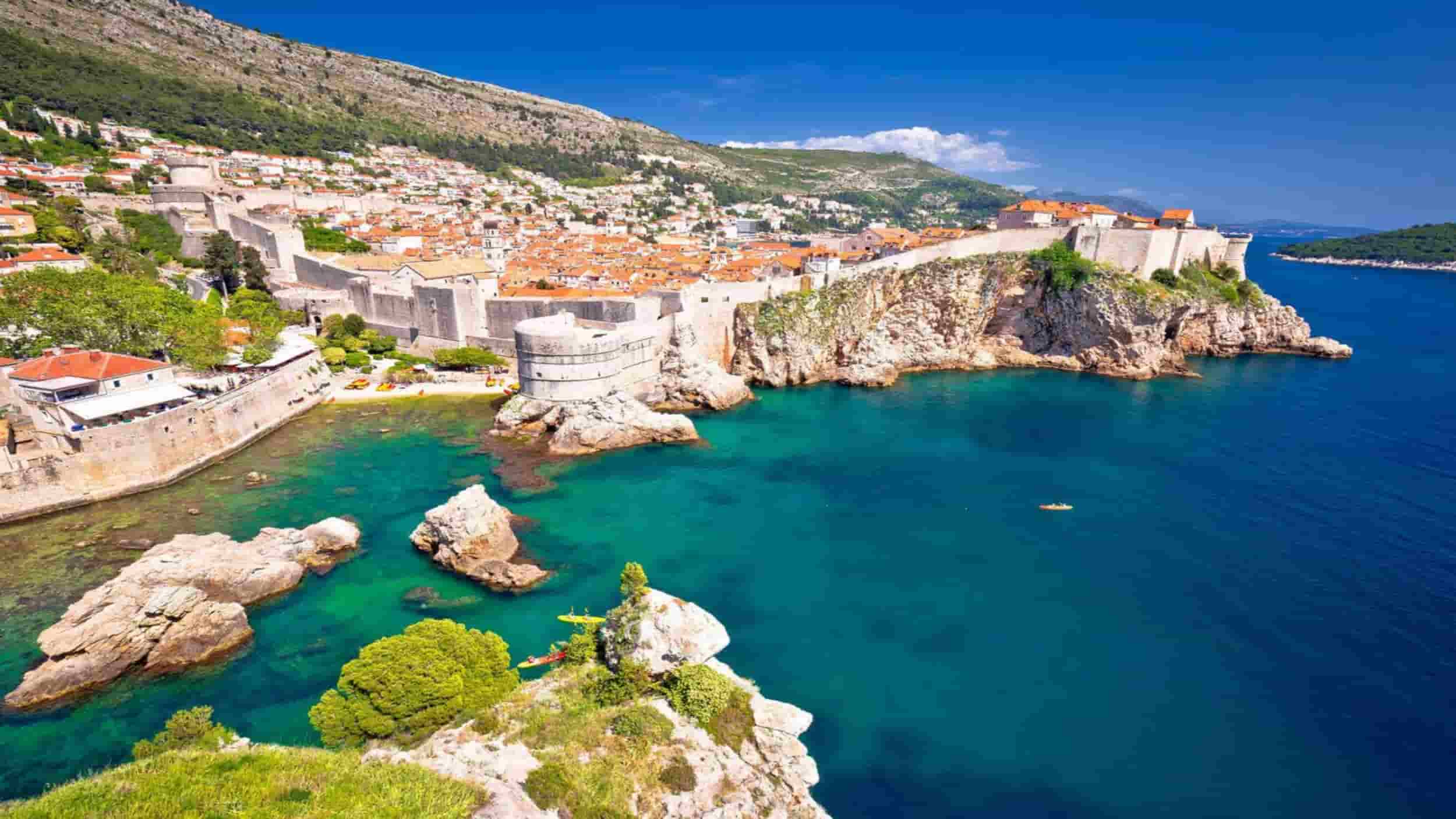
Plan a trip to Croatia to experience its stunning coastline, historic towns, and vibrant culture. From the ancient walls of Dubrovnik to the waterfalls of Plitvice Lakes and the charming streets of Split, there’s something for everyone. Planning a trip to Croatia ensures a journey filled with beauty, history, and unforgettable memories.
👀 At a Glance – Croatia Travel Essentials:
🏛️ Currency: Croatia is now the Euro (since 2023) – easy payments!
🚗 Schengen: Part of the Schengen area means free travel across Europe
✈️ Airports in Croatia: Zagreb, Split, Dubrovnik welcome flights to Croatia daily
🏖️ Beaches in Croatia: Over 1,000 islands with clean coastlines
🚌 Bus network in Croatia: Connects every major destination well
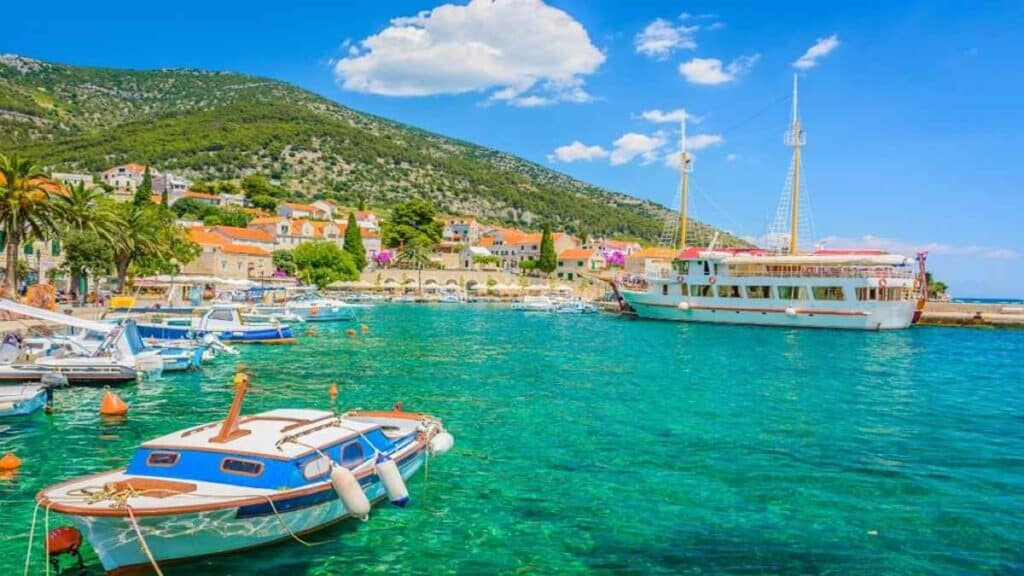
🎯 Plan a Trip to Croatia: When to Visit and Why
The best time to visit Croatia depends on what makes you happiest as a traveller. Summer brings warm sea water perfect for swimming, but spring and autumn offer better prices and fewer crowds fighting for that perfect photo spot.
Croatia Travel: Understanding the Seasons
You’re going to love how Croatia travel becomes easier when you understand the seasons. May through September gives you perfect beach weather, while Croatia in winter becomes a budget-friendly place with fewer tourists and real local talks that money can’t buy during busy season.
Here’s what locals know that guidebooks won’t tell you: flights to Croatia cost 40% less during spring months of April-May and autumn months of September-October. Check Croatia Tourism Board official site for seasonal weather patterns and you’ll get the same great weather, minus the summer crowds that turn quiet moments into tourist fights.
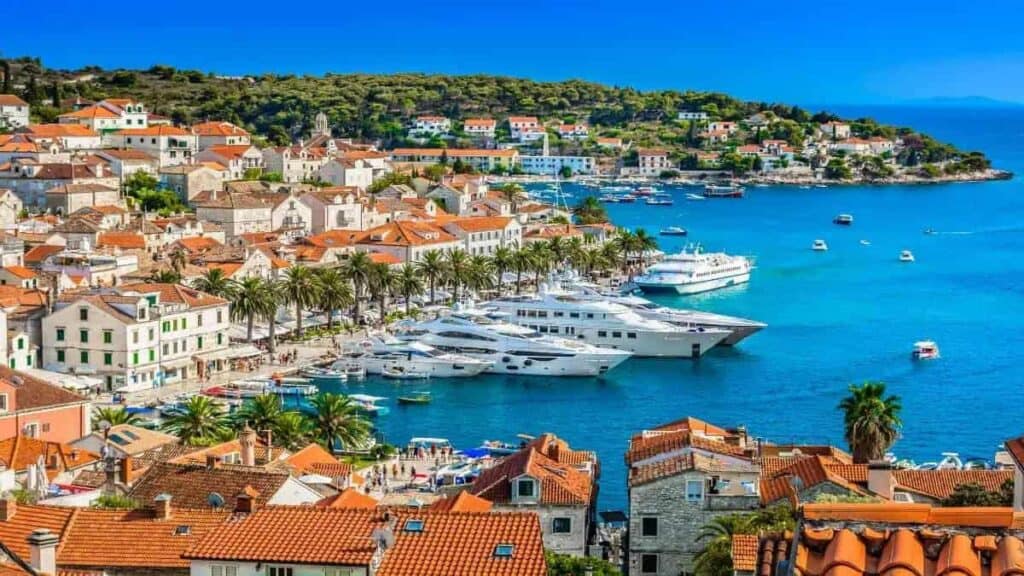
Perfect Trip Timing for Different Experiences
Beach lovers must visit Croatia between June and September when water temperatures reach a perfect 24°C that feels like nature’s warm bathtub. Popular islands like Hvar and beautiful coastal cities offer swimming so good, you’ll wonder why you ever went to crowded places before.
Budget travellers find amazing value during winter months when coastal beauty still shines despite cooler temperatures. Hotels in Dubrovnik and Split cost €40-60 nightly instead of €150-200 during peak season. Check Croatian Weather Service for accurate weather reports that help you pack perfectly for winter adventures.
Culture lovers enjoy spring and autumn visits best. You can explore old buildings, walk ancient city walls, and visit national parks without fighting crowds everywhere you go.
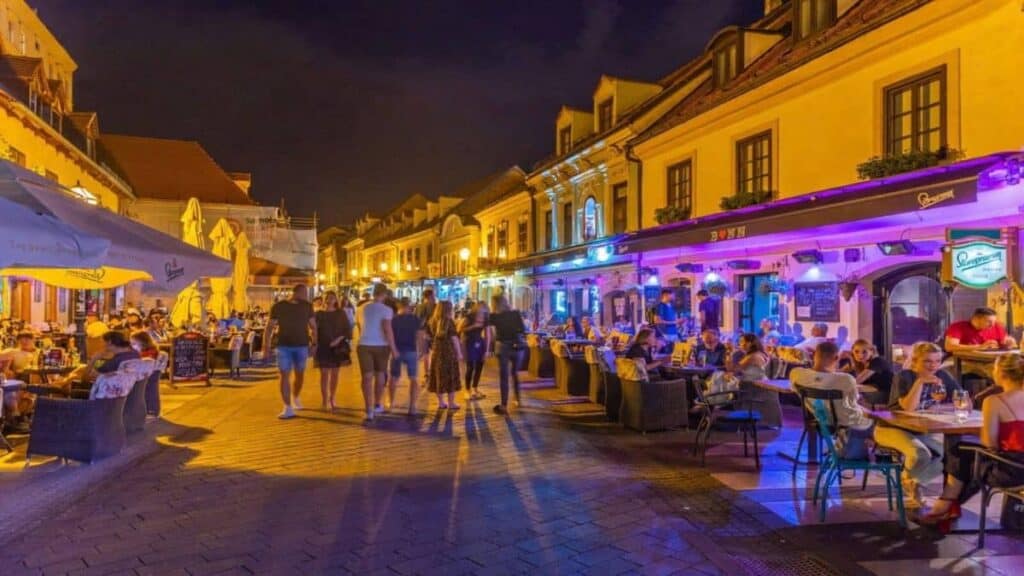
🗺️ Croatia Travel Guide: How to Plan a Trip to Croatia Like a Pro
When you plan a trip to Croatia, choosing the right base cities becomes your secret weapon for getting the most adventures while avoiding tiring travel days. Split and Dubrovnik work as perfect starting points for exploring this entire beautiful country that seems made for wandering travellers seeking both history and natural beauty.
Croatia Travel Guide: Choosing Your Base Cities
The capital of Croatia, great Zagreb, connects easily to all parts of Europe through budget airlines that make your wallet happy. From Zagreb’s nice streets, you can reach the sparkling coast in just 4 hours by bus or 3 hours by car through scenery that looks like postcards.
Smart travellers build their Croatia travel plans around 2-3 base locations at most. This approach lets you take day trips while avoiding constant packing and unpacking that makes holidays feel like work instead of fun.
Croatia Travel Guide: Essential Routes
Northern Croatia offers amazing variety within short distances that will surprise you. From Zagreb, you can visit Slovenia’s Ljubljana in 2 hours, explore Plitvice Lakes in 1.5 hours, or reach the Istria peninsula in 3 hours of easy driving.
The Dalmatian Coast provides island-hopping adventures from Split that feel like treasure hunting. Ferry connections reach Hvar, Korčula, and dozens of hidden islands within 1-2 hours of pleasant boat rides across blue waters.
International day trips expand your adventure beyond Croatia’s borders. A day trip to Mostar in Bosnia shows amazing Ottoman buildings just 3 hours from Dubrovnik. Montenegro’s stunning coastline lies 2 hours south through mountain scenery.
Day Trip Planning Across Croatia
Split works as your gateway to central Dalmatian adventures that never disappoint. Diocletian’s Palace anchors the old city, while day trip from Split options include Krka waterfalls in 1 hour and beautiful islands that locals love.
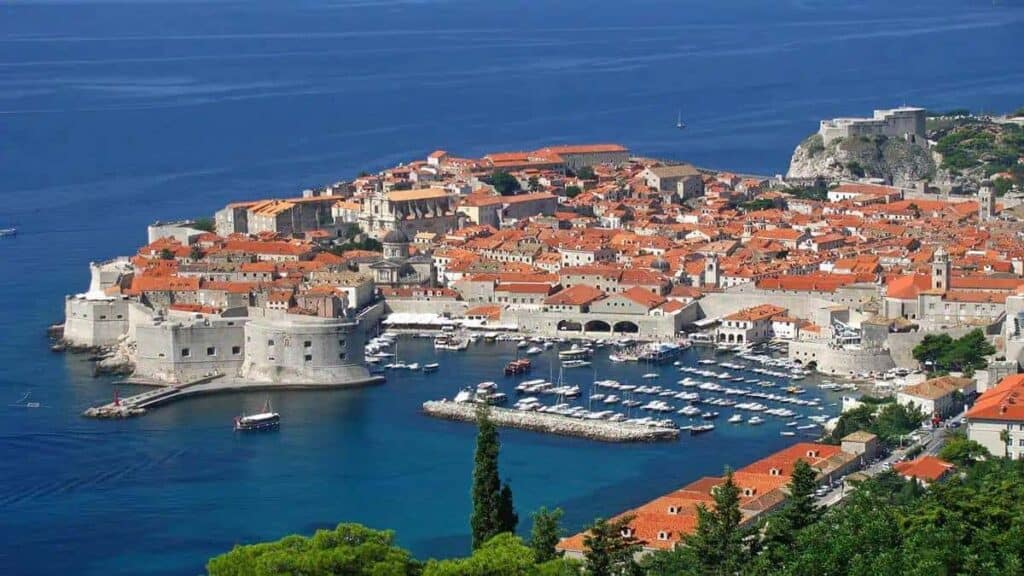
Dubrovnik offers amazing variety within walking distance of your hotel. The ancient city walls provide morning adventures, while afternoon ferry rides reach peaceful islands where time moves slowly and stress disappears.
Zagreb balances city culture with nature access perfectly for all types of travellers. Spend mornings exploring museums and markets, then take half day trips to charming surrounding towns that feel like stepping back in time.

🚗 Driving in Croatia: Rent a Car for Ultimate Freedom
Freedom lovers who rent a car discover Croatia’s hidden gems that tour buses could never reach. The modern highway system connects major cities safely, while scenic back roads reveal real Croatia where locals still wave at passing cars and time moves at nice speeds.
Rent a Car in Croatia: Practical Tips
Car rental in Croatia costs €20-40 daily during spring and autumn, €40-80 in summer months. International driving permits aren’t needed for EU licence holders, which makes paperwork simple for most European visitors.
The coastal drive along the great Dalmatian Coast ranks among Europe’s most beautiful routes that will make your heart beat faster. Plan extra time for photo stops because the sea views are so stunning, you’ll find yourself stopping every few kilometres like a happy tourist.
Hidden Gems of Croatia by Road
Adventure lovers find amazing rewards when they explore Croatia beyond the main tourist areas. Drive 20 minutes inland from any coastal city and discover real restaurants serving fresh seafood at local prices that won’t shock your budget.
Road trips through the Istria peninsula reveal old hilltop towns, great wineries, and truffle hunting experiences that feel like adventures from storybooks. The region feels like a perfect mix of Italy and Croatia combined.
Mountain routes connect coastal areas with clean national parks through scenery that belongs on postcards. The drive to Plitvice Lakes National Park provides stunning views and waterfall glimpses that build excitement for your visit.
🏨 Places to Visit in Croatia: Where to Stay for Perfect Access
Smart accommodation choices can make or break your Croatian adventure in ways that go far beyond comfortable beds. Location matters much more than luxury – staying within walking distance of attractions saves time, taxi money, and those annoying moments when you just want to go back for forgotten sunglasses.
Croatia Travel: Booking Strategy
Early booking gets you the best options during peak season when everyone wants the same great spots. Reserve 3 months ahead for Split and Dubrovnik, or face limited choices and high prices that hurt your travel budget.
Coastal Cities: Split and Dubrovnik
Split offers great value compared to Dubrovnik while keeping authentic Croatian atmosphere. Nice hotels cost €60-100 nightly with easy access to Diocletian’s Palace, beaches, and ferry terminals that connect you to amazing islands.
Dubrovnik commands high prices but delivers unforgettable experiences that justify the extra cost. Stay inside the old city walls for maximum atmosphere, or choose nearby Lapad for better value while still enjoying easy access to attractions.
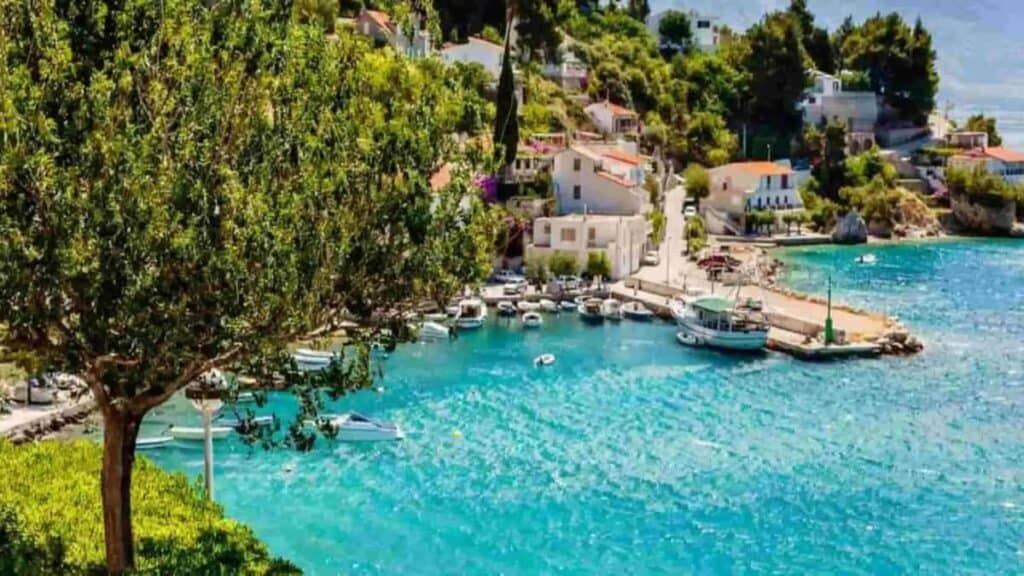
Ferry connections from both cities open up island adventures that feel like paradise escapes. Book accommodations near ports for easy access to Hvar, Korčula, and other stunning destinations that locals consider their best-kept secrets.
Things to Do in Croatia: Regional Bases
Zagreb provides perfect access to northern Croatia attractions while offering great museums, lively café culture, and easy connections to Slovenia and other parts of Europe through budget-friendly transport options.
Zadar combines Roman history with modern attractions like the famous Sea Organ that plays music with waves. This underrated city offers great value and works as a gateway to northern islands that tourists often miss.
The Istria peninsula rewards travellers with Italian influences, excellent food, and coastal beauty that rivals famous Mediterranean destinations. Rovinj provides the most beautiful base for peninsula exploration with postcard-perfect harbour views.
🏞️ National Park Adventures: Plan a Trip to Croatia’s Natural Wonders
Croatia protects eight national parks showing diverse landscapes from waterfalls to islands. Plitvice Lakes National Park tops every traveller’s must-see list for good reasons that become obvious when you visit.
Nature lovers should plan full days for major parks because rushing through ruins the experience. Plitvice Lakes needs 4-6 hours minimum, while Krka National Park requires 3-4 hours for proper exploration that lets you enjoy everything.
Croatia’s Crown Jewel; Plitvice Lakes
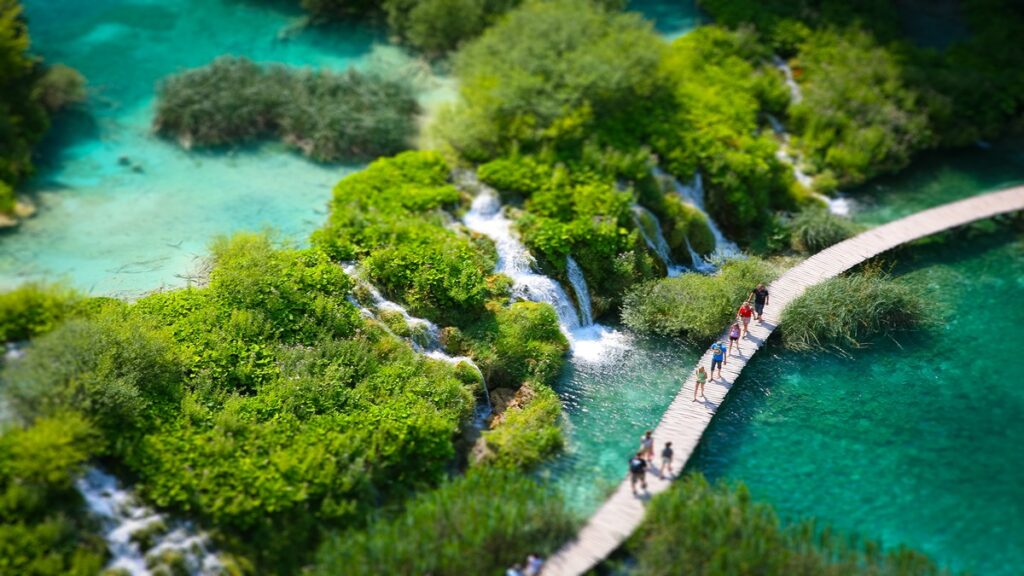
Plitvice Lakes flow through 16 connected pools linked by wooden walkways that feel like nature’s perfect design. The park opens at 7am – arrive early for the best photos and smallest crowds that let you enjoy peaceful moments.
Waterfall photography works best during morning hours when light filters through the forest trees beautifully. Afternoon visits can feel crowded, especially during summer months when everyone wants to visit this famous spot.
Park tickets cost €10-40 depending on season and route choice you make. Book online at Plitvice Lakes National Park official website to guarantee entry during busy periods and avoid disappointment at the gates when tickets sell out.
Swimming with Waterfalls: Krka National Park:
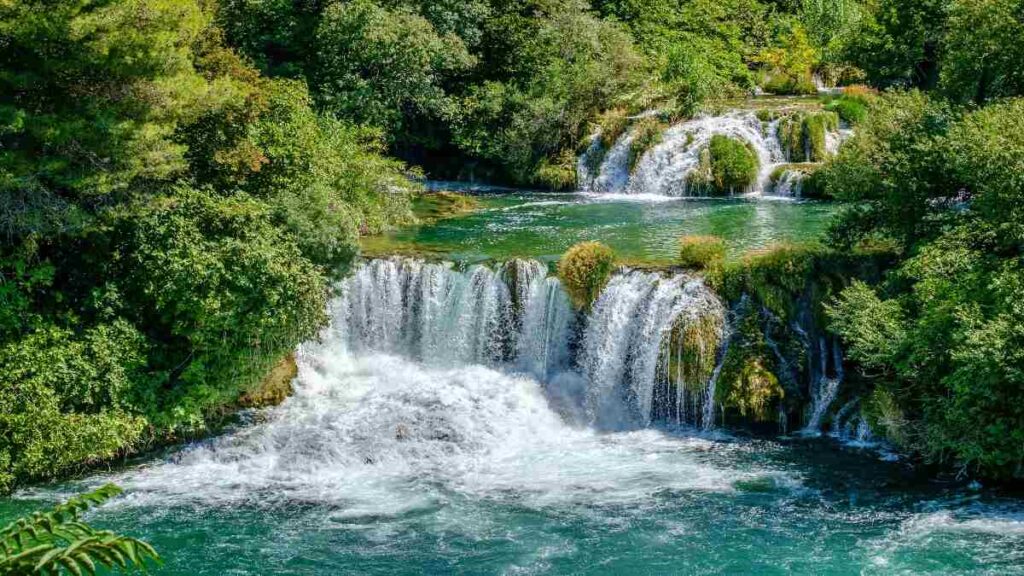
Krka offers what Plitvice doesn’t – swimming opportunities near stunning waterfalls that feel like natural pools. The main swimming area near Skradinski Buk waterfall fits hundreds of visitors safely while maintaining natural beauty.
Boat trips from Skradin village cost €25 return and provide scenic access to the park through river channels. Alternatively, drive directly to the main entrance and walk the scenic trails that wind through forest areas.
Visit during spring and autumn seasons for the best experience possible. May-June and September offer perfect weather with manageable crowds that let you enjoy nature without feeling rushed or crowded.
🍽️ Croatia Travel Tips: Food Adventures Beyond Tourist Traps
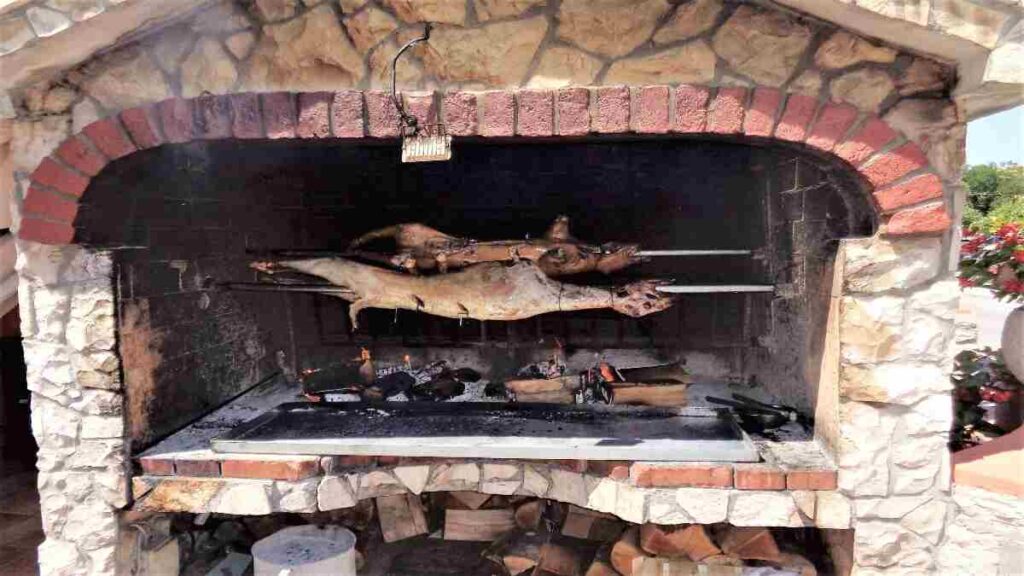
Croatian food mixes Mediterranean sunshine with Central European heartiness, creating unique tastes that will make your mouth water with pure joy. Coastal areas focus on seafood so fresh it practically jumps from sea to plate, while inland regions offer hearty meat dishes that could warm anyone up.
Croatia Travel Tips: Finding Real Food
Local restaurants called konobas serve the most real Croatian food you can find. These family-run places offer daily menus based on fresh catches and seasonal ingredients at reasonable prices that locals actually pay.
Regional Food Experiences
The coast provides amazing seafood variety that changes with the daily catch. Morning fish markets in Split and Dubrovnik show the daily catch – follow locals to find the freshest options available.
Istria peninsula produces world-famous olive oil and truffles that rival expensive European regions. Visit during autumn truffle season from September-November for special dining experiences that create lasting memories.
Central Croatia offers different tastes influenced by Hungarian and Austrian cooking styles. Zagreb’s restaurants serve hearty stews, schnitzels, and excellent pastries that comfort your soul on cooler days.
Plan a Trip to Croatia: Food Lover’s Guide
Restaurant timing follows Mediterranean patterns that might surprise visitors. Lunch runs 12-3pm while dinner starts around 7pm and many places close between meals for afternoon rest.
Wine regions across Croatia produce excellent varieties that complement the local food perfectly. Istrian wines rival Italian neighbours while coastal varieties match fresh seafood beautifully and won’t break your budget.
Top tips: Always ask for local recommendations from your hotel or friendly locals. Restaurant owners love sharing their favourite dishes and seasonal specialities with curious travellers who show genuine interest.
🏖️ Beach Destinations: Coastal Paradise Awaits
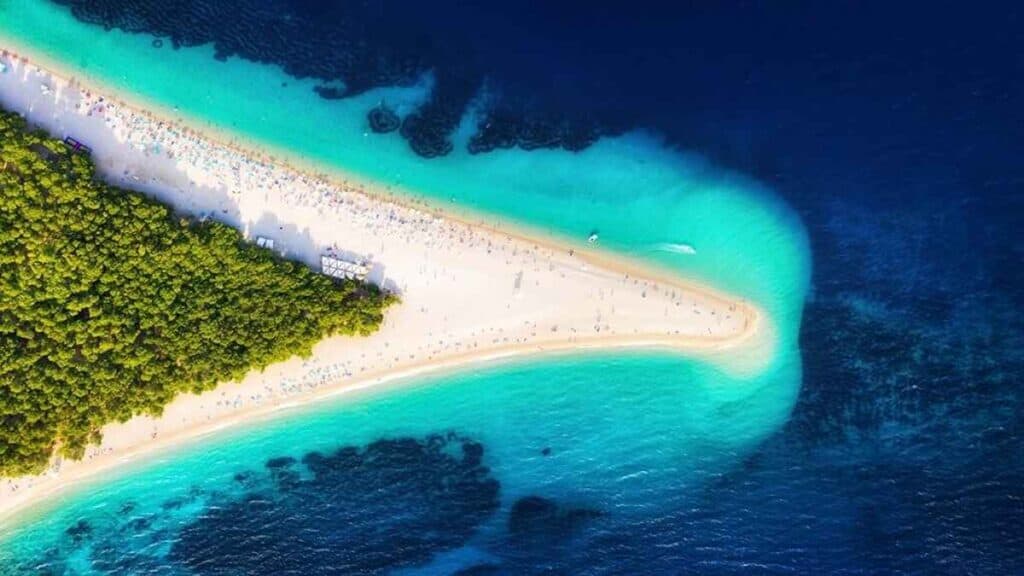
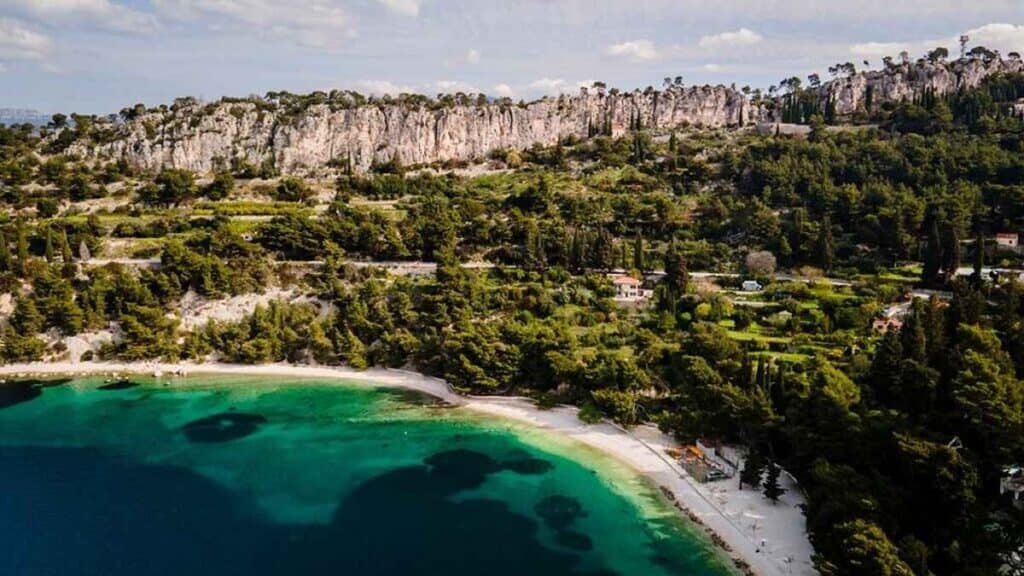
Croatia’s coastline stretches 1,200 kilometres with over 1,000 islands offering beach variety for every preference imaginable. From pebble beaches to hidden coves, options seem endless and each one offers something special.
Beach Access and Costs
Beach access stays free throughout Croatia which makes budget travel much easier. Premium locations charge for sunbed rentals at €8-15 daily but never for beach entry or swimming in the clean waters.
Island Adventures: Hvar and Beyond
Hvar island combines beautiful beaches with lively nightlife that never disappoints adventurous souls seeking both relaxation and fun. Ferry connections from Split take 1-2 hours depending on your route – book through Official Ferry Schedules for guaranteed seats during peak season when everyone wants to escape to paradise.
Hidden coves reward adventurous explorers who make the extra effort. Rent a small boat or kayak to reach quiet spots that larger tour groups cannot access due to size limitations.
Peninsula beaches in Istria offer different experiences from island beaches. Rocky coastlines create natural pools perfect for snorkelling and underwater exploration that feels like discovering secret worlds.
Coastal Towns: Split or Dubrovnik?
Split provides better value and real Croatian atmosphere that feels refreshingly authentic compared to polished tourist destinations. Local beaches mix beautifully with historic attractions like the amazing Diocletian’s Palace, while keeping reasonable prices for food and accommodation. Visit UNESCO World Heritage Diocletian’s Palace for historical context before exploring these ancient Roman ruins that still pulse with modern life.
Dubrovnik offers postcard-perfect scenery at higher prices that reflect its world-famous status. The ancient city walls and crystal-clear waters justify higher costs for many visitors who consider it worth every euro.
Both cities work as excellent bases for day trips to surrounding areas. Choose Split for central location, Dubrovnik for southern island access and day trip to Mostar adventures that cross international borders.
💰 Plan a Trip to Croatia: Budget Ways to Explore
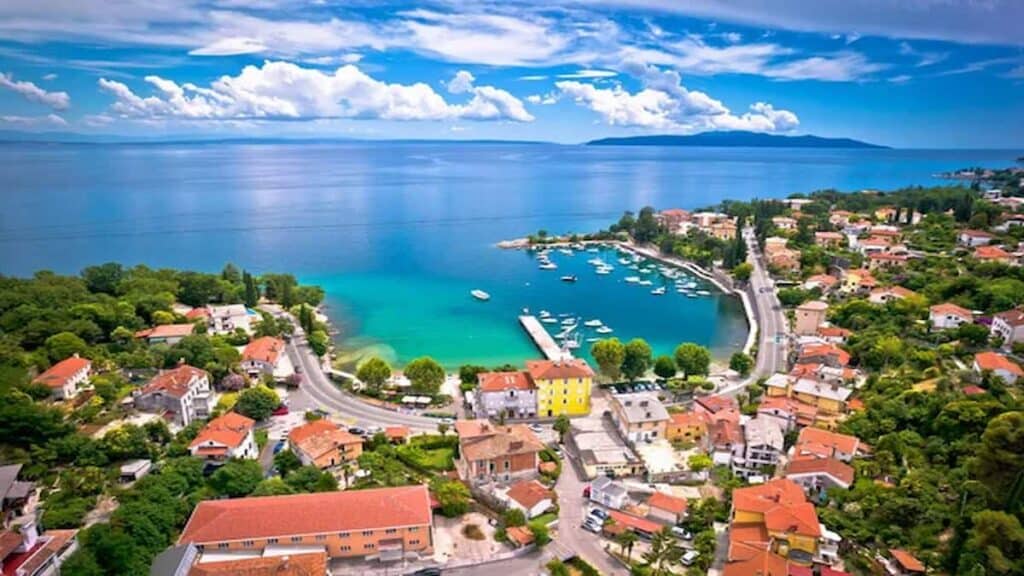
Budget travel in Croatia needs smart planning but delivers amazing experiences that rich travellers often miss. Understanding price differences between regions helps stretch every euro further than you might expect.
Free Travel Opportunities in Croatia
Free attractions include walking ancient city walls in smaller towns, hiking coastal paths, and exploring local markets where real life happens. Many churches and basic museums charge no admission fees to visitors.
Croatia Travel: Budget-Friendly Strategies
Accommodation costs change dramatically by location and season which gives you control over expenses. Hostels cost €15-30 nightly, private rooms €35-60, hotels €60-150 depending on location and timing of your visit.
Public transport provides excellent value throughout Croatia that beats expensive taxis. Day passes cost €3-12 depending on the city, while long-distance buses charge reasonable rates between major destinations using comfortable coaches.
Food budgets stretch further when you shop like locals do every day. Markets and bakeries offer filling meals for €3-6, while tourist restaurants charge €25-40 for similar portions that aren’t necessarily better.
Plan a Trip to Croatia: Budget Timeline Strategy
Longer stays unlock better accommodation rates that can save serious money. Weekly apartment rentals cost much less per night than daily hotel bookings, plus you get kitchen access for home cooking.
Local shopping at markets and supermarkets reduces daily costs dramatically compared to eating out every meal. Croatian supermarkets stock international brands at reasonable prices that locals actually pay.
Transport passes for longer periods provide additional savings over daily tickets. Monthly bus passes in major cities cost less than tourist day passes used repeatedly throughout your stay.
🚌 Travel to Croatia: Getting There and Around
Getting to Croatia has never been easier with improved flight connections and road networks that link to all of Europe. Budget airlines serve all major Croatian airports from European capitals at prices that make travel affordable.
Travel to Croatia: Transport Overview
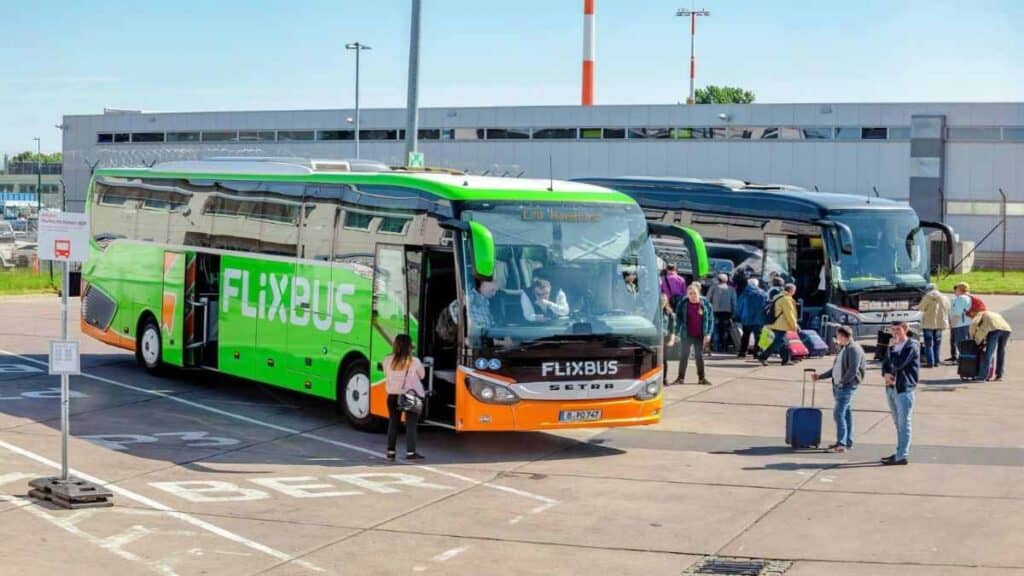
The bus network in Croatia connects every tourist destination well using comfortable coaches with air conditioning and WiFi that make longer journeys pleasant rather than tiring ordeals.
International Connections
Flights to Croatia land at three major airports that serve different regions. Zagreb serves northern Croatia and connects to continental Europe. Split handles central coast traffic, while Dubrovnik focuses on southern regions and islands.
Overland travel from neighbouring countries offers scenic alternatives to flying for those who enjoy road journeys. Slovenia borders northern Croatia, while Bosnia and Montenegro provide southern entry points with beautiful mountain scenery.
Ferry services connect Croatia with Italy during summer months for those who prefer sea travel. Routes from Ancona and Bari reach Split and Dubrovnik directly without additional land transport needed.
Getting Around: Transport Options
Tourist-friendly transport systems operate year-round in major destinations that welcome international visitors. Split and Dubrovnik keep excellent local bus networks connecting attractions and accommodations throughout the cities.
Inter-city buses run frequently between major destinations with reliable schedules. The journey from Zagreb to Split takes 4 hours, while Split to Dubrovnik needs 4.5 hours along the scenic coastal route. Book tickets through Croatia Bus Official Transport System for guaranteed seats and best prices available.
Car rentals provide maximum flexibility for exploring hidden parts of Croatia that public transport cannot reach. International companies operate from all airports and major cities with competitive rates and good service.
🗺️ Final Thoughts: Your Perfect Trip to Croatia Starts Now
Croatia delivers experiences that beat every expectation you might have before visiting. Ancient Roman ruins meet crystal-clear seas, while modern facilities ensure comfortable travel throughout your adventure in this amazing country.
Start planning your Croatian journey today with confidence. Whether you want to visit historic cities, relax on clean beaches, or explore stunning national parks, this country offers something special for every type of traveller.
You’ll return home with memories of warm Croatian hospitality, amazing natural beauty, and experiences that will inspire future adventures. Croatia truly represents the perfect European destination that combines history, nature, and value.