
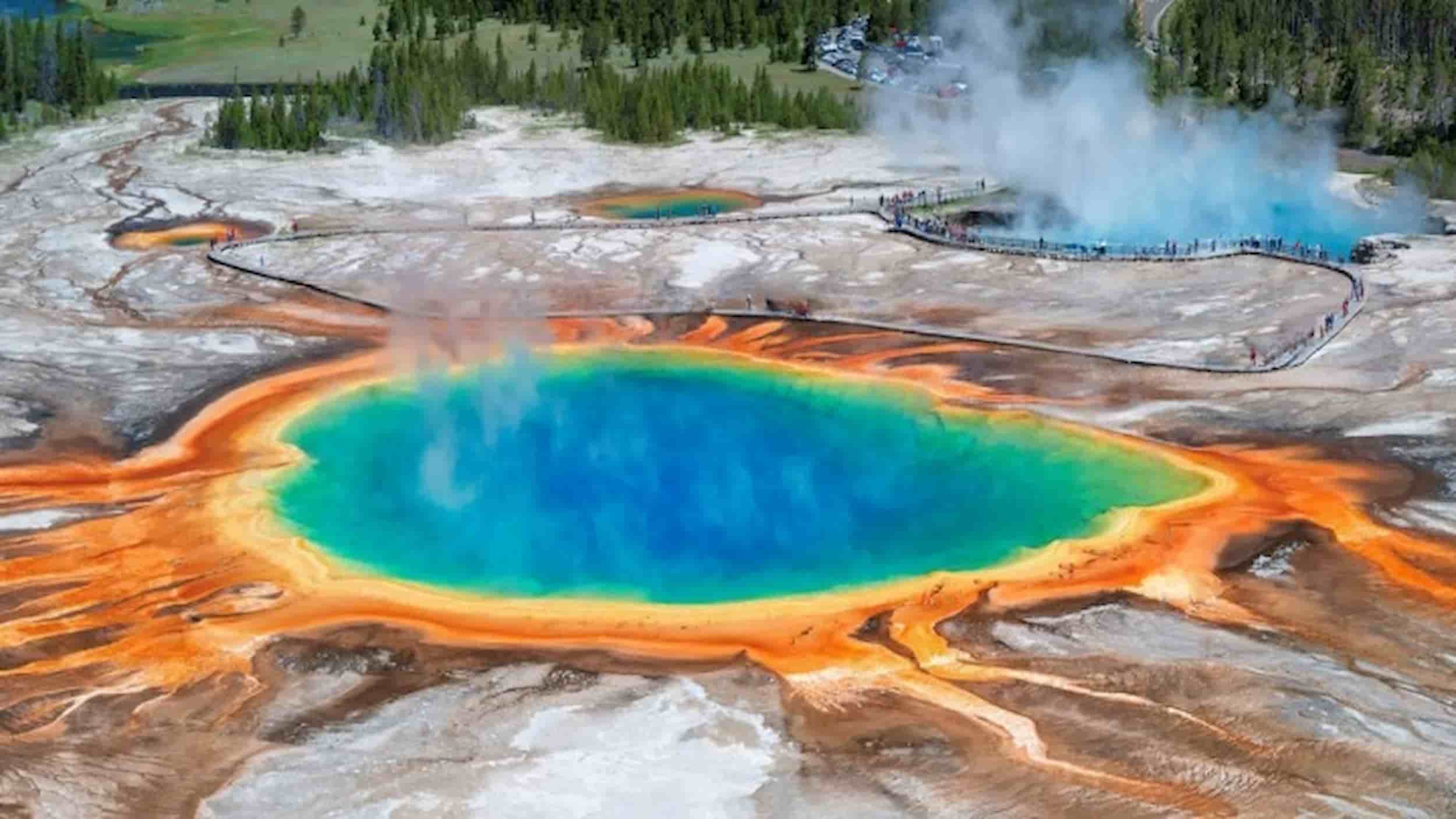
Grand Prismatic Spring in Yellowstone captivates visitors with its vibrant colors and steaming geothermal activity. As the park’s largest hot spring, it offers a stunning natural spectacle surrounded by unique landscapes. Exploring Grand Prismatic Spring in Yellowstone provides an unforgettable experience, combining breathtaking beauty, fascinating science, and the remarkable wilderness of America’s first national park.
👀 At a Glance:
- 🗓️ Best time: Late morning (11 AM-2 PM) when steam clears and colours pop brightest
- ⏰ Duration: Plan 2-3 hours for boardwalk and overlook trail combined
- 💰 Cost: $35 vehicle pass covers 7 days throughout Yellowstone National Park
- 📸 Photo spot: Grand Prismatic Overlook gives you that iconic aerial rainbow view
- 💡 Insider tip: Get there early before 9 AM to dodge crowds and grab parking
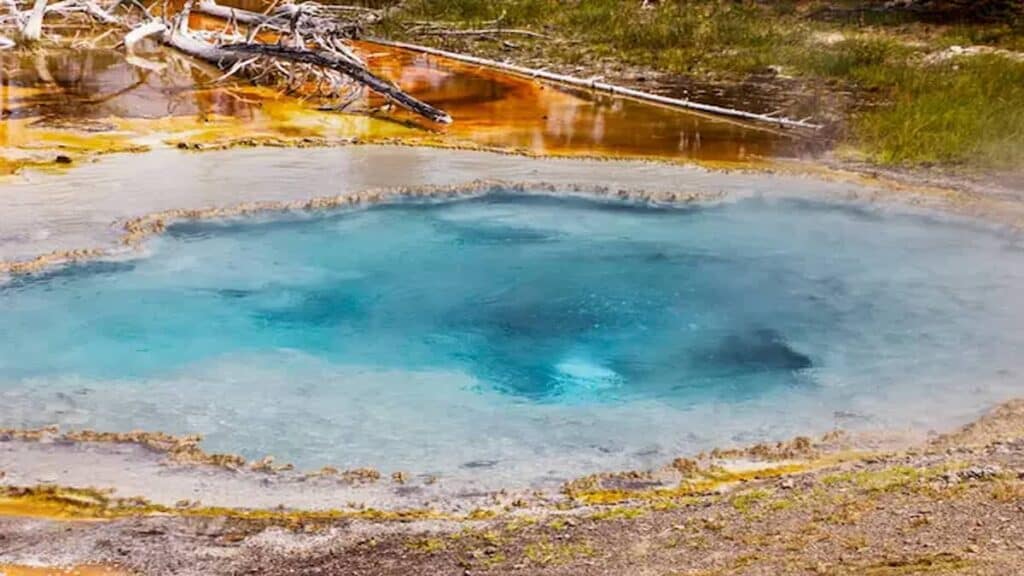
🌈 What Makes the Hot Spring Grand Prismatic in Yellowstone So Special
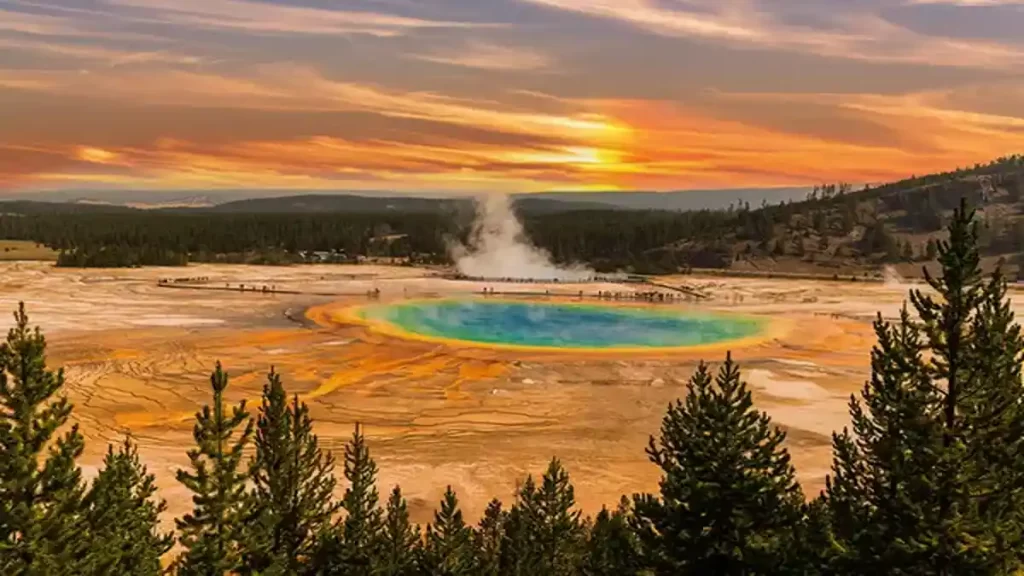
Grand Prismatic Spring is America’s biggest hot spring. It’s the third biggest in the world. The spring measures 370 feet across and 121 feet deep. Those numbers don’t capture how huge it feels when you’re standing next to it though.
Tiny bacteria called thermophiles create the colours. They live in the hot water and make those famous rainbow rings. The centre is deep blue because it’s too hot for bacteria. The water there hits around 189 degrees. Different bacteria grow as the water cools toward the edges. That makes the orange, yellow, and green bands.
You can see Grand Prismatic from two spots. The boardwalk gets you close to the spring. The Grand Prismatic Overlook Trail takes you up a hill for that famous view from above. Both are worth your time. They show completely different sides of the same feature.
🚗 Getting to Grand Prismatic Spring in Yellowstone National Park
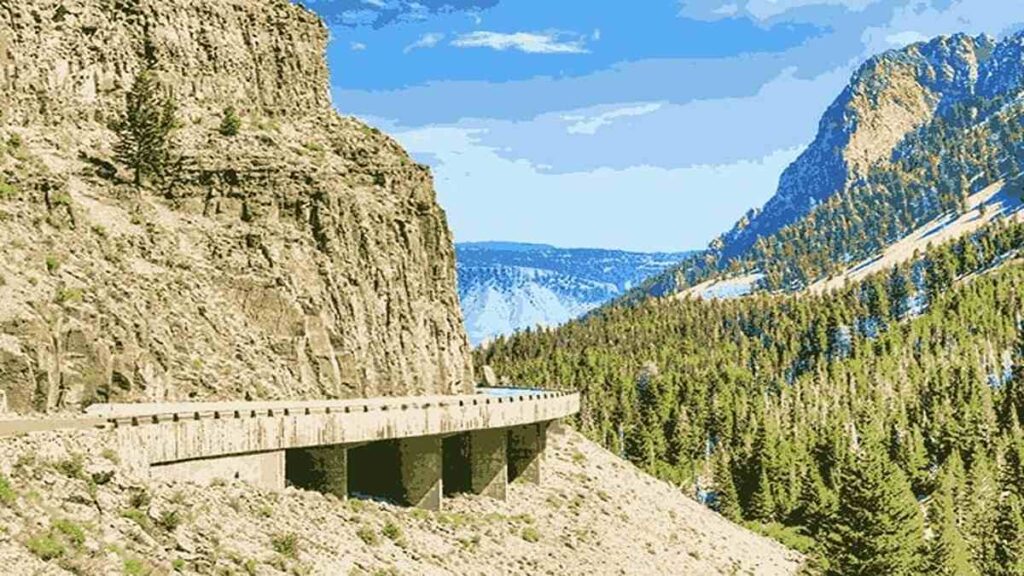
Grand Prismatic is located in the Midway Geyser Basin. It sits along Yellowstone’s Grand Loop Road. It’s basically in the middle of the park. You can reach it from any entrance. Some routes are shorter than others. The spring sits between Old Faithful and Norris Geyser Basin.
From West Entrance, you’ll drive about 7.5 miles northeast. This is the shortest route from gateway towns like West Yellowstone, Montana. Most people come this way. It’s quick and easy. The road is well-kept and open from mid-May through October.
The South Entrance route covers 16 miles north. You’ll pass through some beautiful thermal areas. You’ll see Upper Geyser Basin and Old Faithful on the way. If you’re coming from Grand Teton National Park or Jackson Hole, this is your route. It takes longer but shows you more features.
Northern approaches from Mammoth Hot Springs take about 21 miles. This route gives you great chances to spot wildlife like bison and elk. The drive is longer but really beautiful. Just add extra time because animals sometimes block the road.
⏰ Tips for Visiting the Grand Prismatic Spring
Timing matters way more than you’d think at Grand Prismatic Spring in Yellowstone. The spring looks totally different based on when you show up. Weather, crowds, and even the season change your whole experience. Let me break down your options so you can pick what works best.
Best Time of Day to See Grand Prismatic
Midday visits between 11 AM and 2 PM give you the best colours. The sun sits right overhead and lights up the bacterial mats. Steam also clears up more as the air warms. You’ll see those bright rainbow rings everyone posts on social media. The problem? Everyone else knows this too.
Early morning (7-9 AM) means way fewer people but lots of steam. Cool air creates thick clouds that can hide the spring completely. Sometimes you literally can’t see anything. If you go early, you might want to come back later when things clear up.
Late afternoon (4-6 PM) offers a nice middle ground. Crowds thin out a bit. Steam production drops. The lighting gets more interesting as the sun angles lower. Colours won’t be quite as intense as midday. But the overall experience is often better.
Best Season for Visiting Yellowstone’s Grand Prismatic Spring
Summer months (June-August) deliver peak colour intensity and the most reliable weather. Bacterial populations hit their max during warm months. You get long daylight hours. All park roads stay open. Just prepare for serious crowds at popular spots like Grand Prismatic Spring in Yellowstone.
Late spring (May-early June) gives you great colours with fewer tourists. The bacteria wake up after winter. They create fresh, bright displays. Weather can be hit or miss. But you’ll have more space on the boardwalk. Parking is also much easier to find.
Early autumn (September-October) might be my favourite time. Colours stay strong. You get beautiful contrast with changing aspen trees. Crowds drop big time after Labour Day. The weather is usually nice. Though you’ll want layers for cool mornings.
Winter access (November-April) requires snowmobiles or snowcoaches. Roads close to regular vehicles. Colours fade as bacterial activity slows in cold air. Steam production goes crazy though. It creates dramatic effects. It’s totally different but still amazing. Check the National Park Service website for current winter conditions.
🅿️ Parking and Traffic Tips
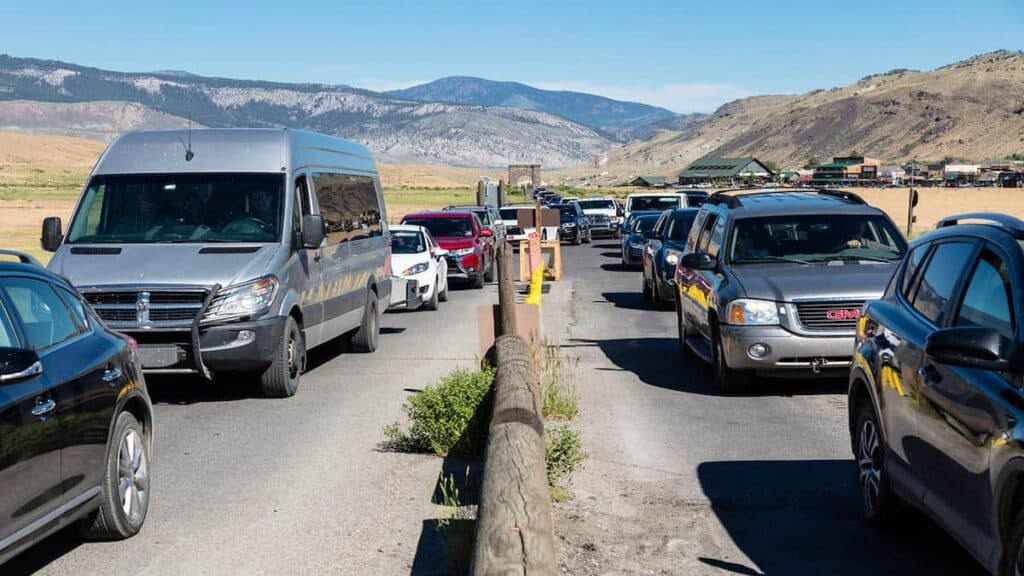
The parking lot at Grand Prismatic Spring holds about 85 vehicles. That sounds like plenty until tour buses show up. They take up tonnes of space. They make availability unpredictable. The parking lot fills up fast during peak season. Get there early to secure a spot.
Summer arrivals before 9 AM usually get you right in. After 10:30 AM, expect to wait 20-45 minutes for a spot. People also visit late afternoon after 5 PM when spaces open up again. But late visits mean you’ll miss the best lighting for photos.
Fairy Falls Trailhead offers backup parking 0.4 miles south of Grand Prismatic. This lot serves people hiking to the overlook. It’s bigger and less crowded than the main lot. You’ll just walk a bit farther to reach the boardwalk at Midway Geyser Basin.
Traffic builds slowly from 8 AM. It peaks between 11 AM and 3 PM. Things calm down after 4 PM. Wildlife stops create random delays too. Bison love to walk down the road. They don’t care that you’re in a hurry. Just build in extra time.

🥾 The Boardwalk at Midway Geyser Basin and Excelsior Geyser
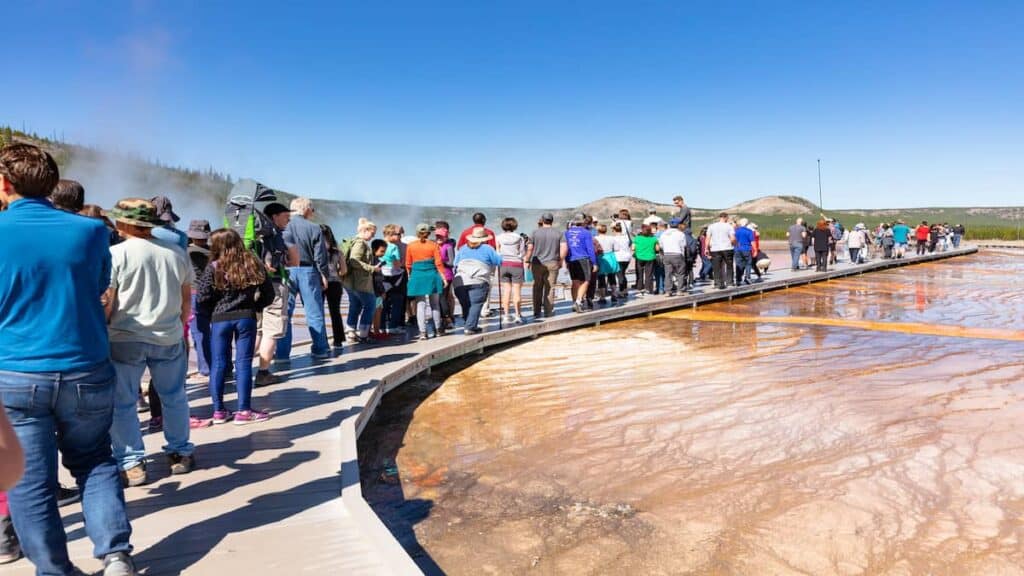
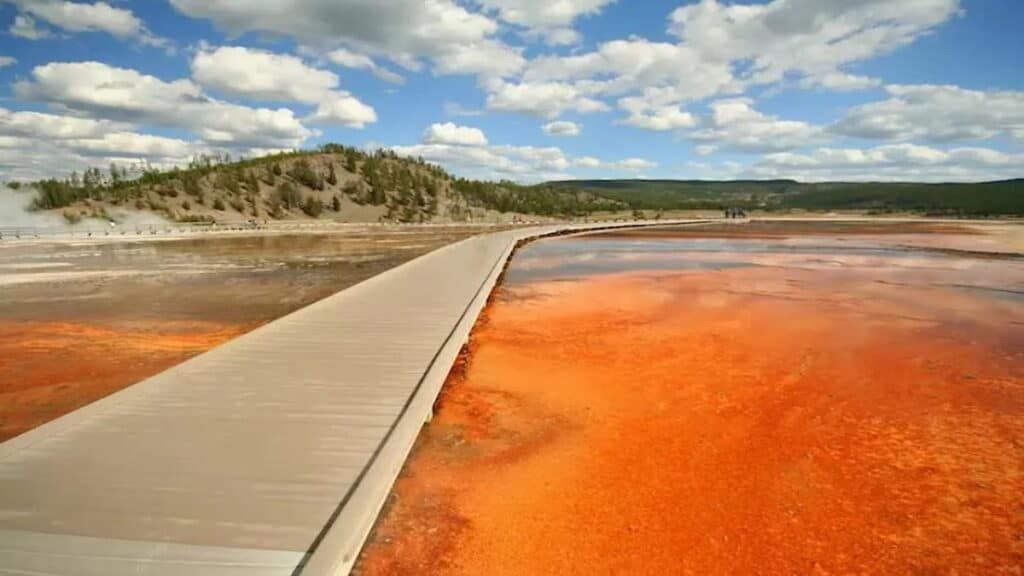
The boardwalk loop is about 0.7 miles long and super flat. It’s just a short walk from the parking lot to reach the start. The path meets wheelchair standards throughout. You’ll see Grand Prismatic Spring up close plus three other thermal features along the way.
Grand Prismatic takes over the middle section of the boardwalk. The southern approach gives you classic views showing the spring’s full width. You can see all those rainbow colour bands and amazing colours from here. Eastern viewpoints work great for morning light. Western spots are better for afternoon photos.
Excelsior Geyser Crater sits at the north end. It pumps out over 4,000 gallons of hot water every minute. This thing used to erupt to heights of 300 feet back in the 1880s. It’s been quiet since around 1890 though. It’s still incredibly powerful. All that hot water dumps into the Firehole River.
Opal Pool and Turquoise Pool round out the basin. They’re smaller but still beautiful with their blue hot springs. Opal Pool sometimes erupts without warning. That’s cool if you catch it. Turquoise Pool has brilliant blue water. It would be the star anywhere else in Yellowstone National Park.
Steam patterns change throughout the day. It depends on air temperature and wind. Sometimes you can’t see much from certain boardwalk spots. Wind helps clear the steam for better views. Just be patient. Move to different viewpoints if one spot is blocked.
⛰️ Grand Prismatic Overlook Trail
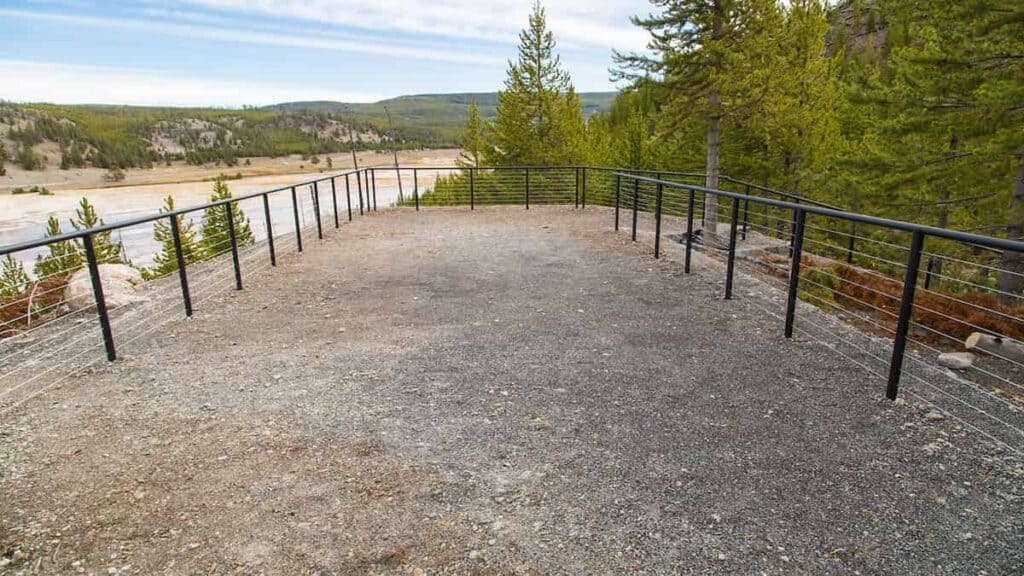
The overlook gives you that famous view from above everyone wants. It’s the photo you’ve probably seen online. The trail isn’t hard but requires some uphill hiking. Most people think the effort is totally worth it for the great view when they reach the platform.
Trail access starts at Fairy Falls parking lot. After crossing the Firehole River bridge, turn left toward the overlook. The main trail continues to Fairy Falls. So watch for the split. Signs aren’t great but heavy foot traffic usually shows you the way.
The hike covers 1.6 miles round trip. It has 105 feet of elevation gain. It takes most people 45-60 minutes including time at the overlook. The trail surface is loose gravel in sections. Wear proper shoes. Flip-flops are a bad idea here.
The viewing platform gets crowded during peak hours. People queue up for the best photo spots sometimes. Plan extra time if you visit midday. Early morning or late afternoon usually means fewer people. You’ll have more space at the Grand Prismatic Overlook.
Bring water and sun protection even though the hike is short. There’s no shade on the trail. Protect your camera from dust and steam. Conditions change fast in Yellowstone. A light jacket isn’t a bad idea either.
📸 Photography Tips for Grand Prismatic Spring in Yellowstone
Smartphone cameras work great at Grand Prismatic Spring in Yellowstone. You don’t need fancy gear to get good photos. The key is timing and positioning. Midday light shows the colours best. The overlook gives you that epic view from above everyone wants.
Mid-range cameras ($400-800) with zoom lenses give you more creative control. Wide-angle lenses capture the spring’s full scale from the overlook. Standard lenses work well for boardwalk shots. Telephoto lenses let you zoom in on colour details safely.
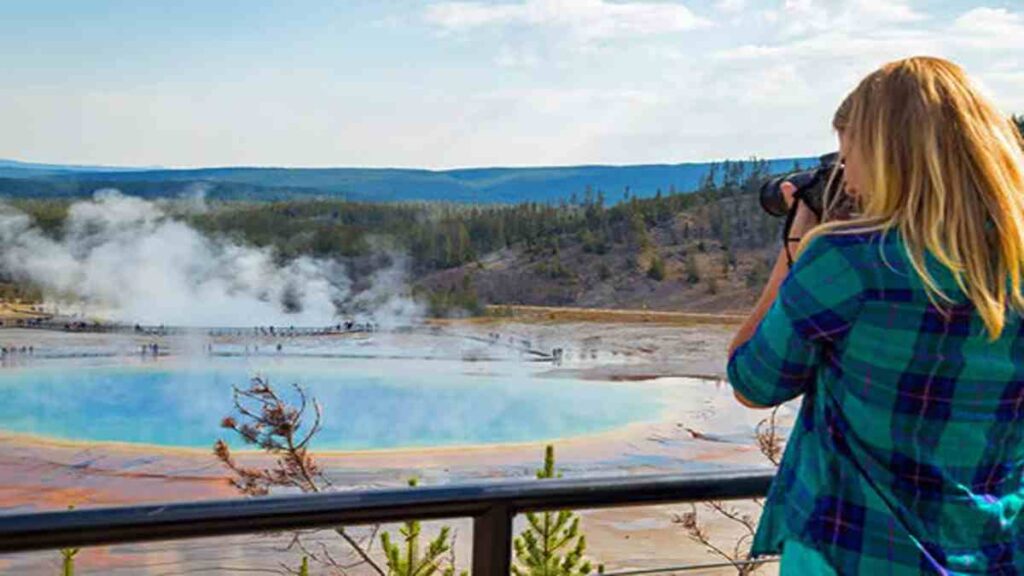
Tripods improve image quality but are tough to use when crowded. Lightweight travel tripods balance stability and ease of carrying. The boardwalk gets packed during peak hours. That makes tripods impractical. Hand-holding works fine if you keep your technique steady.
Protect your gear from steam and changing weather. Steam can fog lenses and damage electronics. Bring lens cleaning supplies and extra batteries. Temperature swings drain battery power faster than normal. Keep backup batteries warm in your pocket.
🌋 Upper Geyser Basin and Old Faithful Area Near Grand Prismatic
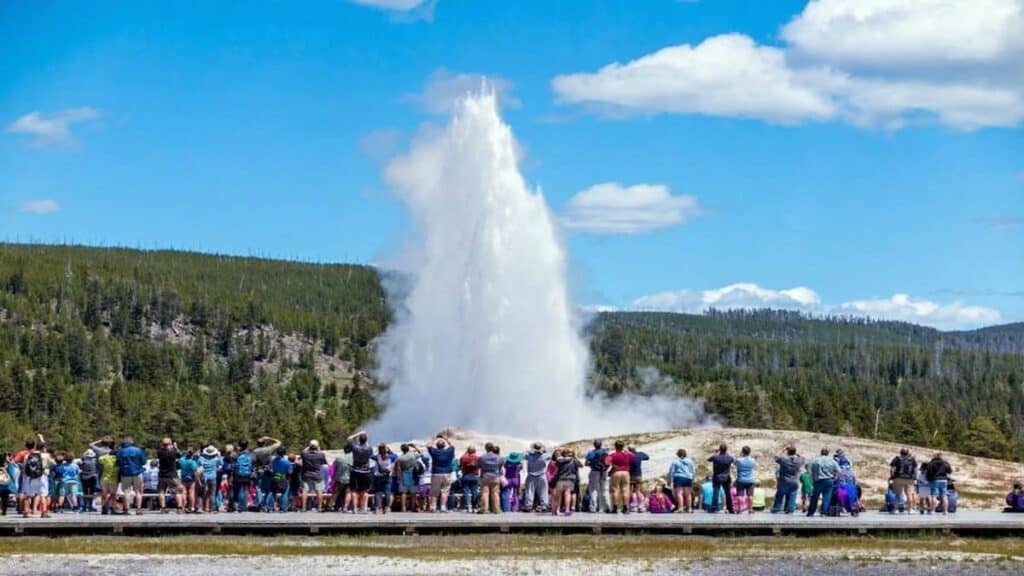
Old Faithful sits just 7 miles north of Grand Prismatic Spring. It’s Yellowstone’s most famous geyser. It erupts roughly every 90 minutes. You can easily hit both features in one day. Morning at Grand Prismatic, afternoon at Old Faithful works well timing-wise.
Upper Geyser Basin surrounds Old Faithful. It has the world’s highest concentration of geysers. The area has dozens of active thermal features you can explore. Plan 2-3 hours beyond just watching Old Faithful erupt. Boardwalks connect everything so walking is easy.
Norris Geyser Basin has Yellowstone’s hottest and most active thermal features. It’s about 21 miles from Grand Prismatic Spring in Yellowstone. This area deserves its own visit day if you’re into geothermal stuff. Steamboat Geyser is the world’s tallest active geyser when it erupts.
Lower Geyser Basin and Fountain Paint Pot sit 15 minutes from Grand Prismatic. These features show different thermal processes and rock formations. The paint pots are basically boiling mud pools. It’s weird and cool to see. For more about Yellowstone’s thermal features, visit Visit Montana for regional travel guides.
⚠️ Safety and Environmental Protection at Grand Prismatic Spring in Yellowstone
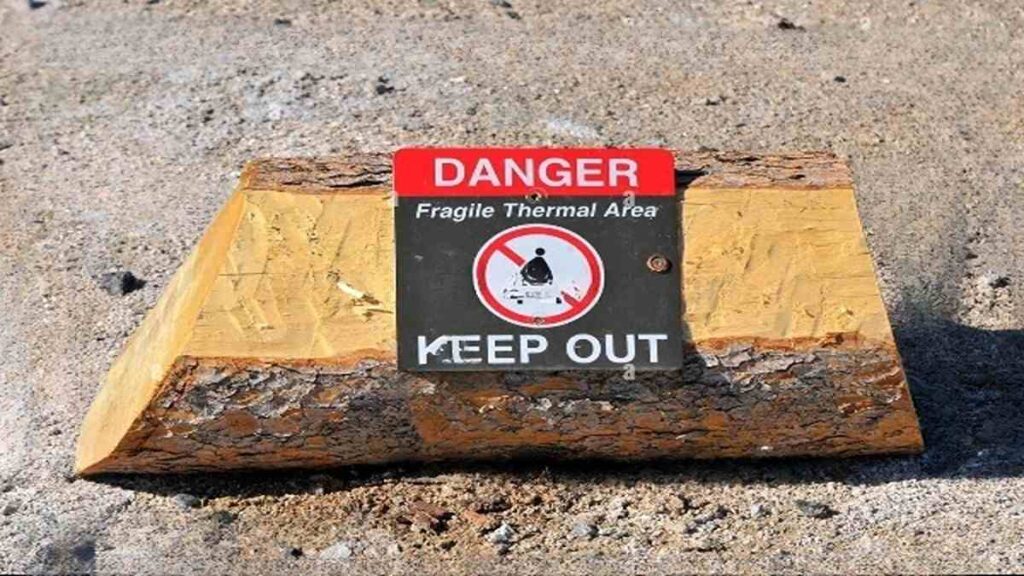
Stay on boardwalks at all times around thermal features. Ground temperatures top 200 degrees just inches below the surface. Breaking through the crust causes severe burns or death. Over 20 people have died from thermal accidents in Yellowstone’s history.
Water temperatures in Grand Prismatic are extreme throughout the spring. The centre reaches around 189 degrees. The edges stay cooler as the water flows outward. Direct contact causes immediate severe burns. Even splashing water can hurt you. Keep children close. Don’t let them lean over railings.
Bison graze near thermal areas often around Midway Geyser Basin. They look calm but are actually dangerous wild animals. Stay at least 25 yards away from bison. Keep 100 yards from bears. These aren’t suggestions. They’re park rules enforced by rangers.
Leave everything exactly as you find it. Don’t take rocks, minerals, or anything else. Federal law protects everything in national parks. Even small disturbances can affect thermal dynamics. They can damage bacterial communities that create those amazing colours at Grand Prismatic Spring in Yellowstone.
Drones are strictly banned throughout Yellowstone National Park. You’ll face serious fines if caught flying one. They bother wildlife and annoy other visitors. Just don’t bring one. Use the overlook trail for views from above instead.
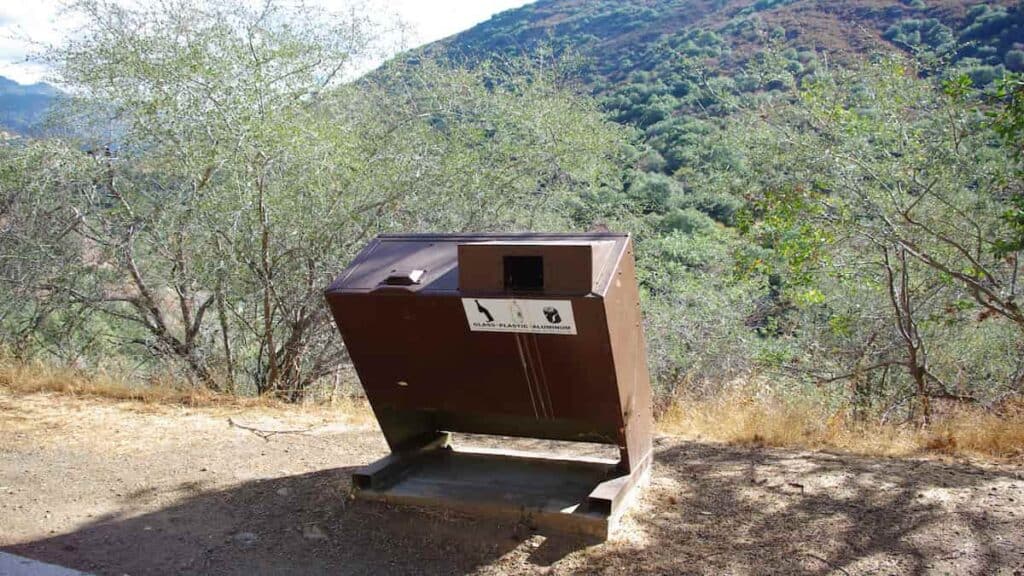
Pack out all rubbish including food scraps. Don’t leave anything behind even if it seems like it’ll break down. Thermal areas can’t break down waste like normal places. Keep wildlife wild by never feeding them or leaving food where they can reach it.
Keep noise levels down around thermal features. Loud talking and bad behaviour ruins the experience for everyone. Wildlife behaviour changes when people make too much noise too. Respect the natural setting and other visitors trying to enjoy it.
🗺️ Planning Your Trip to Yellowstone National Park
Park Costs and Passes
Park entrance costs $35 per vehicle for seven days in a row. That covers your entire stay and all spots in Yellowstone National Park. Motorcycle passes are $30. If you’re walking or cycling in, individual passes cost $20 per person for seven days.
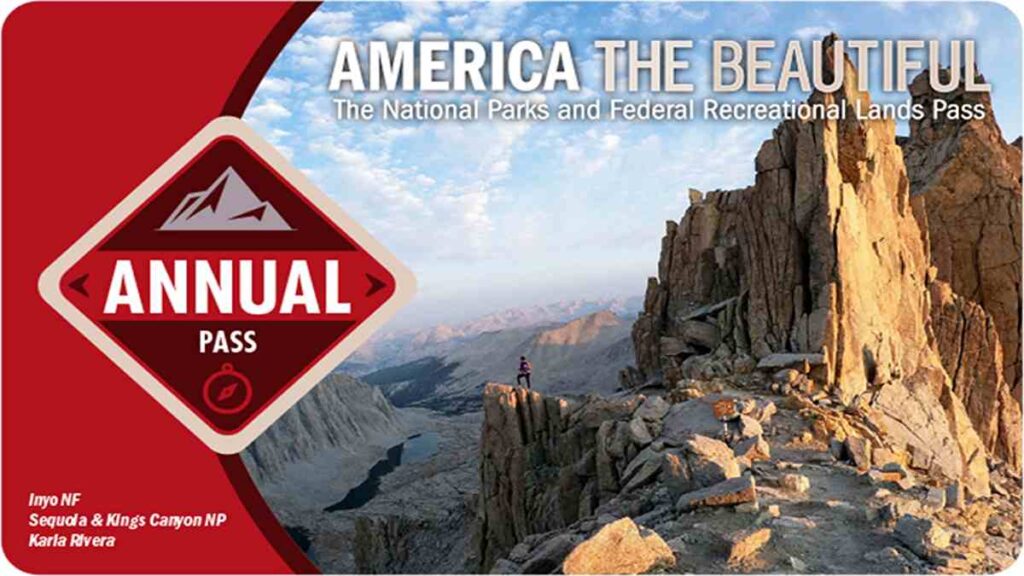
Annual passes make sense if you’ll visit more than once. The Yellowstone annual pass is $70. The America the Beautiful pass costs $80 but works at all national parks nationwide. Seniors and military get big discounts on these passes too.
Getting There and Around
Fuel costs depend on where you’re starting and what you drive. From West Yellowstone, expect about 15-20 miles of park driving round trip. RVs use way more petrol on park roads. Fill up before entering since petrol stations inside charge way more.
Where to Stay
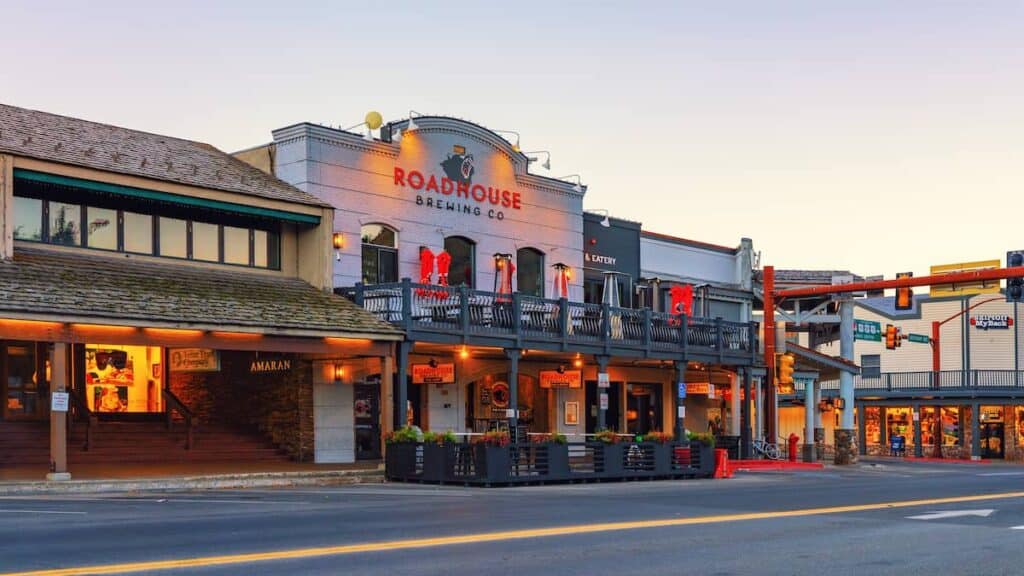
Lodging ranges from £15-30 per night camping to £400+ for posh lodges. In-park lodging books up fast and costs more. Gateway towns like West Yellowstone offer more options at better prices. You’ll just drive a bit farther each day. The West Yellowstone Chamber of Commerce has great accommodation listings.
Food and Dining
Food costs vary by your strategy. Park restaurants charge $15-25 per meal. Packing lunches and snacks cuts costs big time. Stock up at grocery stores in gateway towns before entering. Everything costs more once you’re inside the park.
Before You Go
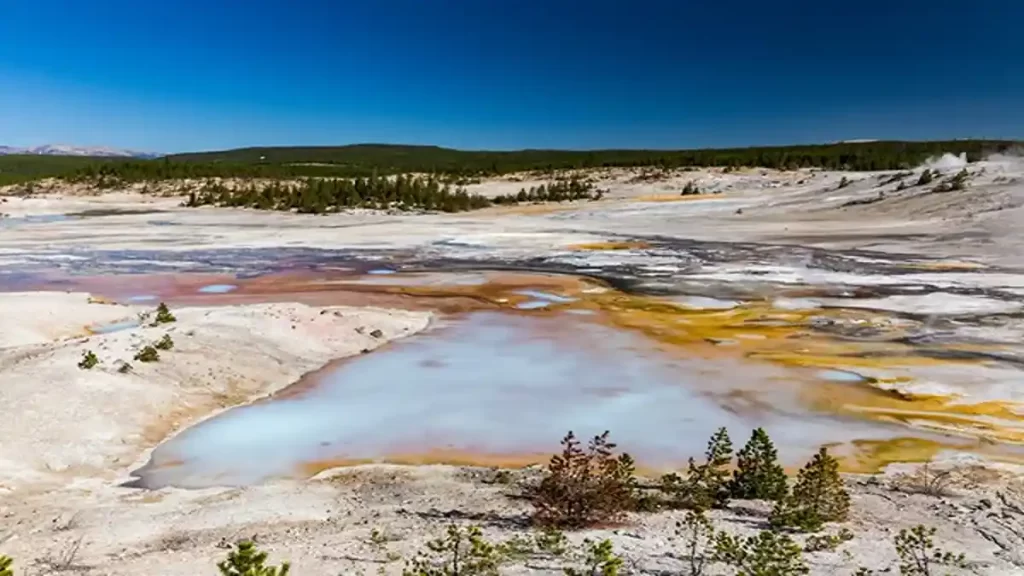
Check current park conditions before you go. Road closures and construction happen regularly. Weather can change plans quickly, especially in spring and autumn. The Yellowstone National Park planning page has daily updates on conditions throughout the park.
Book accommodation early if staying in the park. In-park lodging fills up months ahead for summer visits. Gateway towns offer more availability but book early for peak season too. Camping reservations also go fast for popular campgrounds near Old Faithful area.
Download offline maps before entering the park. Mobile coverage is spotty in most areas. GPS works but you won’t have data for real-time traffic or conditions. Paper maps from entrance stations work great as backups.
Build flexibility into your plan for surprise wildlife viewing and weather changes. Rushing between attractions creates stress. You’ll miss cool stuff. Give yourself plenty of time at each stop including Grand Prismatic Spring in Yellowstone. For more Montana travel planning resources, check Travel Wyoming since the park extends into three states.

Grand Prismatic Spring is one of those places that beats expectations. The photos don’t even do it justice. When you’re standing there watching steam rise off those rainbow colours, it hits different. Just plan ahead, show up at the right time, and follow the rules.
The difference between a rubbish tourist experience and an awesome adventure comes down to preparation. Know where to park, when to arrive, and what to bring. Respect the safety rules and protect this incredible place. Your visit to Grand Prismatic Spring will be one of the highlights of your trip to Yellowstone National Park.