
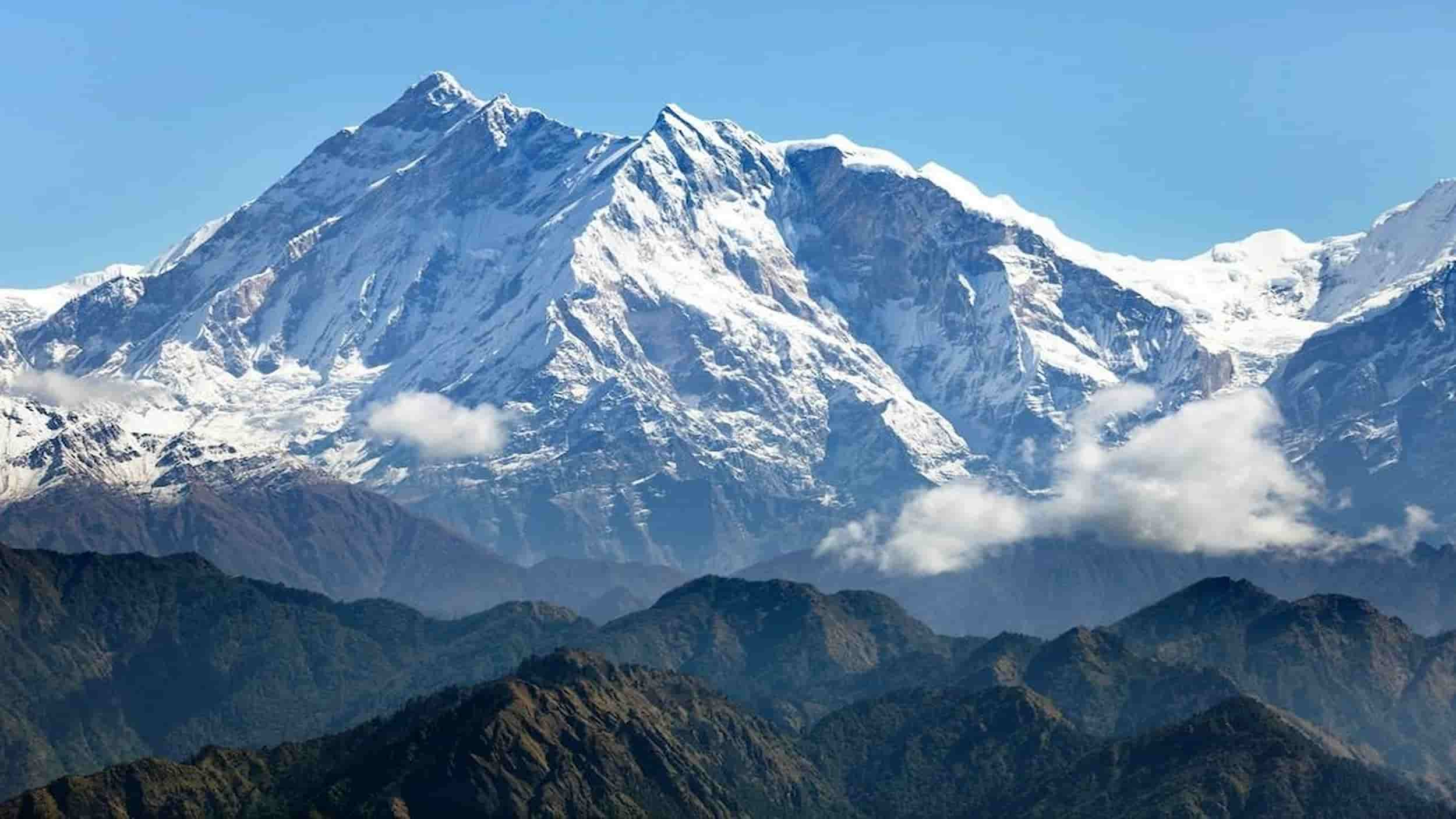
The deadliest mountain to climb is often considered Annapurna in Nepal, known for its extreme avalanches and challenging terrain. Attempting the deadliest mountain to climb requires skill, preparation, and caution, offering both danger and the ultimate mountaineering challenge.
👀 At a Glance:
- 🎯 Fatality Rate: 32% death rate makes it the world’s most dangerous peak
- ⏰ Expedition Duration: 6-8 weeks including acclimatisation rotations
- 💰 Budget Range: $40,000-$60,000 for guided expedition with permits
- ⚠️ Experience Required: Multiple 8,000m peaks essential before attempting
- 🏔️ Summit Elevation: 8,091 metres, 10th highest mountain in the world
🏔️ Understanding the Deadliest Mountain to Climb
Annapurna holds a terrifying record amongst dangerous mountains. Since 1950, about 365 climbers have attempted this peak. Around 232 reached the summit. But 73 died trying. That’s a 32% fatality rate.
To put this in perspective, Mount Everest has a 1.4% death rate. K2 sits at 25%. The deadliest mountain to climb stands alone. One in three climbers who attempt Annapurna never come home.
Annapurna I: The Highest Mountain in the Massif
Mount Annapurna sits as the 10th highest mountain at 8,091 metres. The Annapurna Massif includes Annapurna II at 7,937 metres, Annapurna III at 7,555 metres, and Annapurna IV at 7,525 metres.
Maurice Herzog led the 1950 expedition that reached the summit first. They became the first to summit any 8000m peak. Herzog lost all his fingers and toes to frostbite. His hands were so damaged doctors considered amputation at the wrists.
Comparing the Deadliest Mountain to Climb with K2 and Everest
K2 in Pakistan earns its “savage mountain” name from technical difficulty. Everest has lower death rates despite more attempts. Here’s the shocking truth about this mountain. Annapurna kills at double K2’s rate.
Manaslu at 8,163 metres and Dhaulagiri at 8,167 metres sit nearby. These 8000m peaks prove safer than Annapurna. Even expert mountaineers with 10+ summits call Annapurna the mountain that doesn’t forgive mistakes.
⚠️ Why Annapurna Has the Highest Death Rate
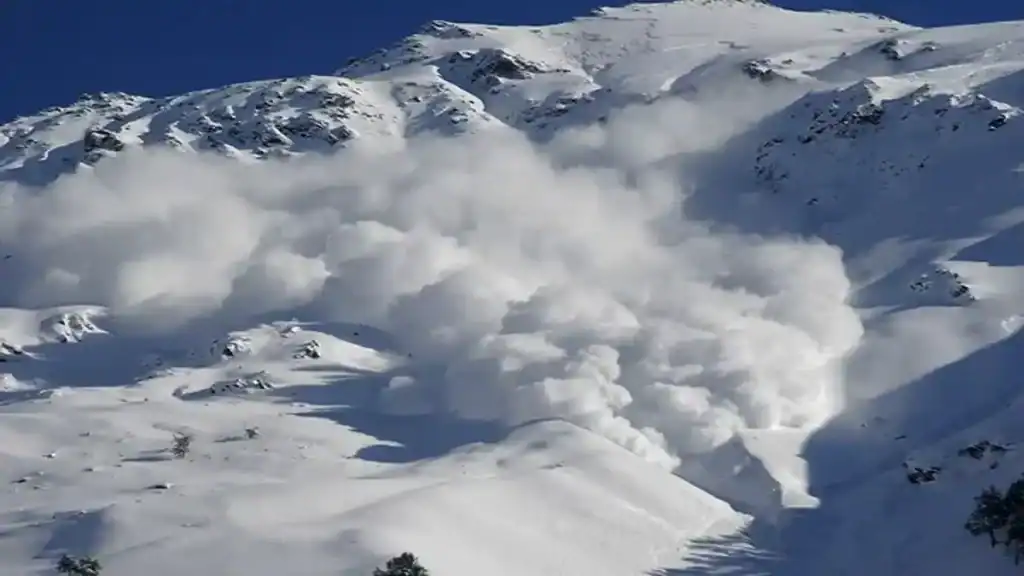
The mountain’s unstable structure creates constant avalanche danger. Unlike Everest routes with fixed ropes, Annapurna’s South Face changes daily. The slope angles funnel snow into natural avalanche paths throughout the climb.
Recent years show the fatality rate stays stubbornly consistent. The 2014 season saw four experienced mountaineers die. These weren’t beginners at all. They had summited Everest before attempting the deadliest mountain to climb.
How Many Climbers Have Died on Annapurna?
More than 73 climbers have died attempting this mountain since 1950. That’s one death for every three who reach the summit. Many died in massive avalanches that buried entire teams within seconds.
The Dutch expedition of 1977 lost all seven members in one avalanche. The 2005 season claimed multiple lives near Camp 3. You can still see remnants of old camps destroyed by rockfall along the route.
Understanding Annapurna’s Fatality Rate
Annapurna I maintains a 32% fatality rate that hasn’t improved in 75 years. This rate includes all climbers who attempt the ascent. Even those who turn back early face serious risks from objective hazards.
Better weather forecasting hasn’t changed these numbers at all. Modern gear provides little advantage here. The deadliest mountain to climb keeps claiming lives. Technology can’t overcome avalanches triggered by the mountain’s own instability.
🌨️ The Deadliest Mountain to Climb: Route Dangers
Avalanches dominate the dangers on Mount Annapurna. The mountain creates its own weather that shifts in hours. Temperature swings trigger massive snow and ice slides. You can hear the rumble before seeing tonnes of snow racing downward.
Altitude sickness hits climbers earlier than expected here. Extended time at high altitude weakens your body quickly. Steep and exposed sections require perfect crampon technique. One mistake proves fatal on blue ice that reflects blinding sunlight.
Dangerous Mountain Routes: South Face and Northwest Ridge
The South Face offers the standard route since 1970. It demands expert rope skills throughout the climb. The route passes through dangerous ice cliffs near Camp 2 where seracs collapse without warning.
The Northwest Ridge provides an alternative but faces worse avalanche danger. Chris Bonington’s team lost Ian Clough here in 1970. Both routes require crossing the Sickle glacier below Camp 1 where crevasses hide beneath fresh snow.
High Altitude Weather Between Camp 1 and Camp 3
High camp locations above 7,000 metres offer little shelter from brutal winds. Climbers report the cold penetrating every layer of clothing. Wind speeds above 100 mph blast exposed ridges with sounds like freight trains.
Camp 3 at 6,500 metres sits in the most exposed position. The stretch between Camp 2 and Camp 3 sees weather shift from calm to deadly. April and May offer the best windows but storms still arrive with 30 minutes’ notice.
📅 Planning Your Annapurna Expedition Trek
Getting to Kathmandu starts every Nepal expedition. The city buzzes with trekkers buying last-minute gear in Thamel district. From there, most teams take a scenic flight or six-hour drive to Pokhara.
Trek from Pokhara to Annapurna Base Camp
Pokhara serves as the expedition starting point at 800 metres elevation. Grab breakfast at Moondance Restaurant before the 6am jeep to Nayapul. This lakeside city offers your last taste of comfort for two months.
From Pokhara, the trek passes through Nayapul village then Ghandruk at 1,940 metres. These Gurung settlements smell of wood smoke and dal bhat cooking. The final push reaches Base Camp at 4,200 metres through rhododendron forests in spring.
Acclimatization Itinerary in the Annapurna Region
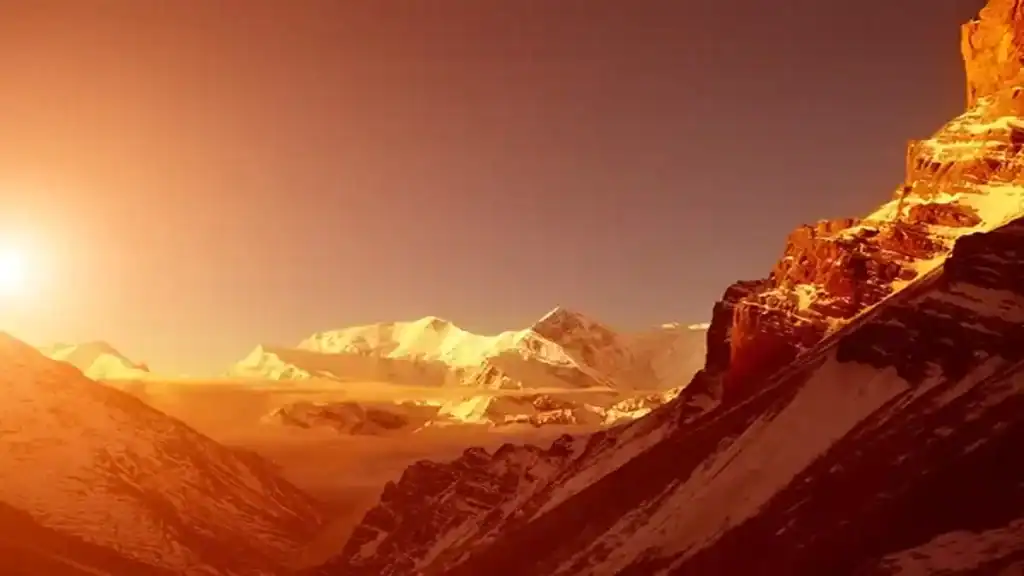
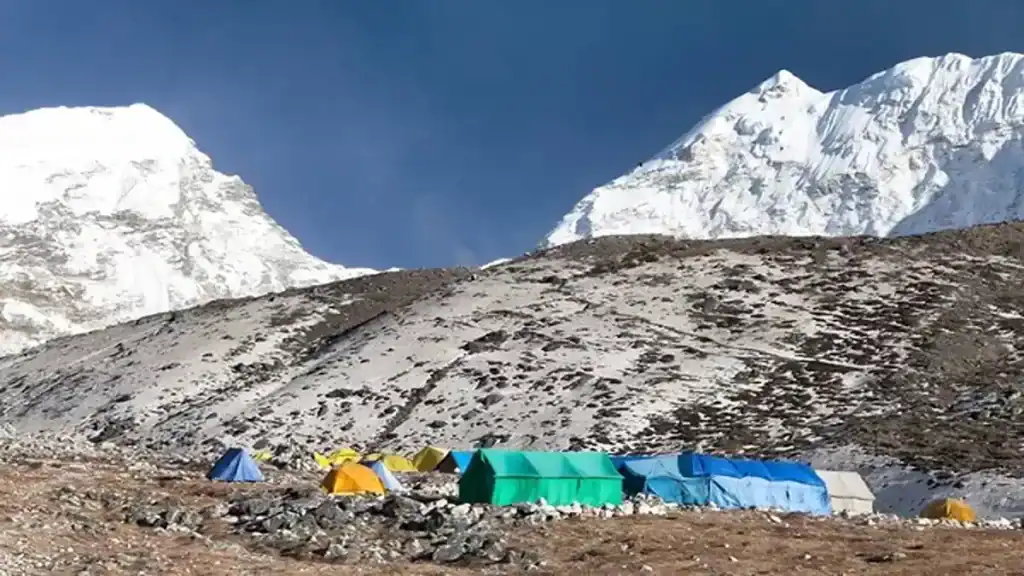
The Annapurna Sanctuary provides a natural amphitheatre for Base Camp. Surrounded by Hiunchuli at 6,441 metres and Gangapurna at 7,455 metres, this protected valley offers relative safety from avalanches.
Most teams spend two weeks here doing acclimatisation rotations. You’ll climb to Camp 1 at 5,300 metres then descend. Local tip for climbers: October brings clearer skies and fewer expedition teams but colder temperatures at high camps.
🧗 Technical Skills for the Deadliest Mountain to Climb
Advanced mountaineering skills are essential before attempting Annapurna. You need experience on multiple 8000m peaks first. The Nepal Tourism Board requires proof of high-altitude summits for expedition permits.
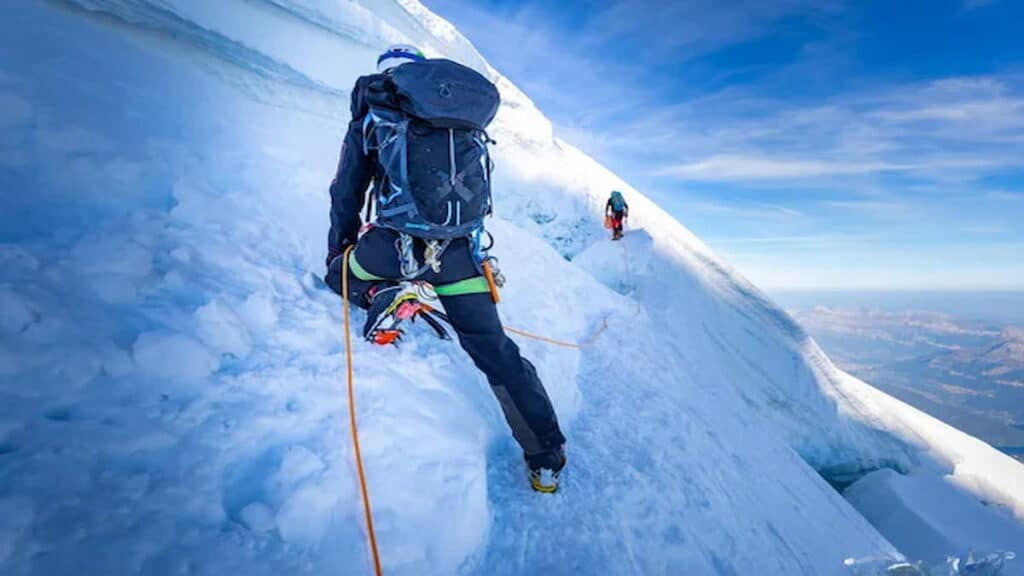
Technical climbing with crampons must be second nature to you. Rope work on steep ice demands perfect technique. The sound of ice axes biting into hard névé becomes your rhythm for weeks.
How Difficult Is Annapurna to Climb?
Annapurna is extremely difficult compared to other major peaks. The climb combines technical challenges with deadly objective hazards. The ice wall section near Camp 2 requires advanced ice climbing on 70-degree slopes.
The headwall between Camp 3 and high camp tests even experts. This 60-degree slope covered in blue ice demands perfect crampon placement. Mental toughness matters as much as physical strength when exhaustion sets in.
Can a Beginner Climb This Mountain?
No, beginners cannot safely attempt this mountain at all. You need successful summits on other high peaks first. Most mountaineers climb Island Peak at 6,189 metres or Mera Peak at 6,476 metres first.
Then they progress to Manaslu at 8,163 metres or Cho Oyu at 8,188 metres. Expedition companies like Namas Adventure require proof of these climbs. The deadliest mountain to climb demands complete respect and years of preparation.
🎒 Essential Gear from Kathmandu to Summit
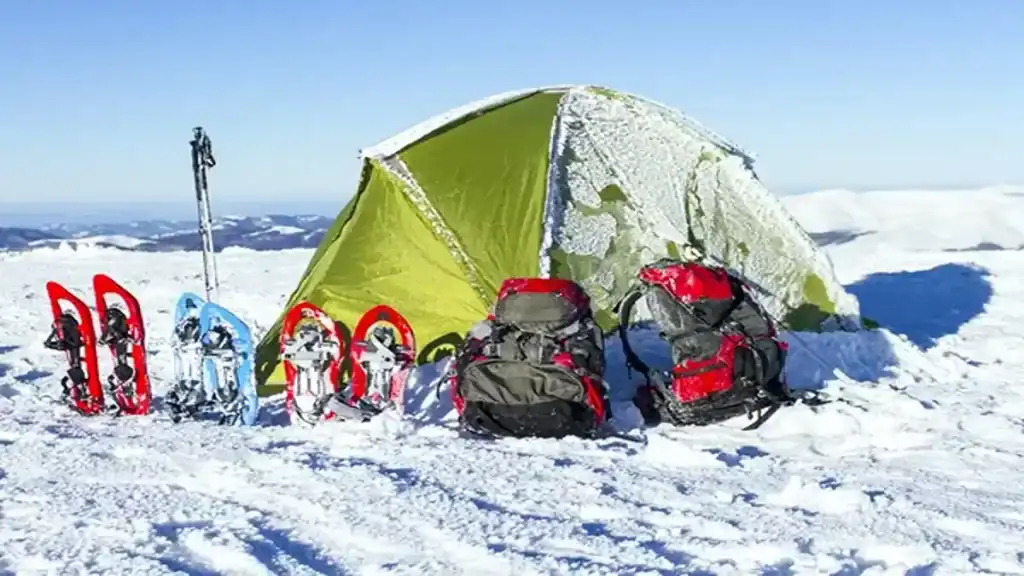
Technical gear includes specialised boots rated for extreme cold. Your crampons must fit perfectly with your boots. The scrape of metal on ice becomes a constant companion during summit pushes.
Supplemental oxygen systems become necessary above Camp 2 for most climbers. The Himalayan Database tracks which expeditions used oxygen successfully. Proper gear means the difference between life and death.
Shopping for Climbing Gear in Kathmandu
Thamel district offers countless gear shops along narrow streets. Visit Shona’s Alpine Rental on Jyatha Street for quality crampons and ice axes. Many climbers purchase final supplies at Himalayan Guides near Kathmandu Guest House.
Last-minute items like oxygen bottles come from expedition companies in Thamel. You’ll do final gear checks in Kathmandu before flying to Pokhara. April expeditions should book gear rentals three weeks ahead when demand peaks.
Can You Climb Annapurna Without Supplemental Oxygen?
Some mountaineers do reach the summit without supplemental oxygen. Reinhold Messner summited without oxygen in 1985 via the Northwest Ridge. Only 12 people have achieved this feat since 1950.
But most modern expeditions use oxygen above 7,000 metres. Climbing without oxygen dramatically increases altitude sickness risks. Given the 32% fatality rate, most climbers wisely choose oxygen for safety and faster ascents.
👥 Working with Sherpas and Expedition Leaders
Choosing experienced guides makes all the difference on Annapurna. Namas Adventure and similar companies provide expedition-led teams. Your expedition leader should have multiple 8000m summits including at least one Annapurna ascent.
Sherpa Support for the Annapurna I Expedition
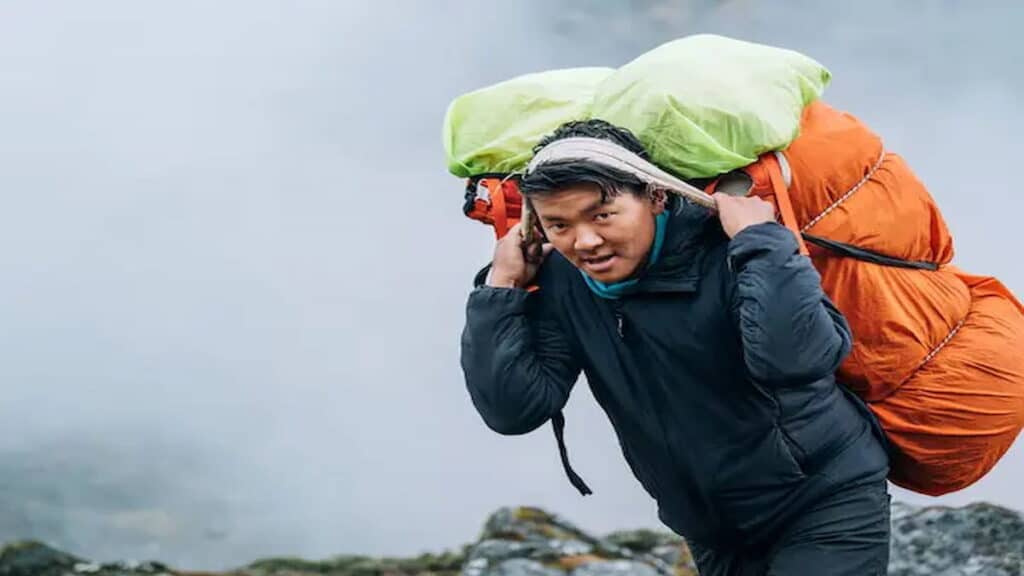
Most Sherpa guides come from the Khumbu region near Everest. Villages like Namche Bazaar and Khumjung produce experienced mountaineers. These guides have summited Everest, K2, and other major peaks multiple times.
Kami Rita Sherpa holds the record for most Everest summits at 30. Many Sherpas with similar experience work Annapurna expeditions. Their expertise in reading weather patterns and avalanche conditions literally saves lives every season.
Training for High Altitude Mountaineering
Island Peak near Everest Base Camp serves as popular training ground. This 6,189-metre peak teaches crevasse rescue and rope techniques. Complete this in autumn before attempting Annapurna the following spring.
Mera Peak at 6,476 metres offers high-altitude acclimatisation practice. The Nepal Mountaineering Association runs courses here. Physical training should start 12 months before your attempt with heavy pack carries weekly.
🏆 Historic Annapurna Expeditions and Modern Ascents
The 1950 French expedition led by Maurice Herzog made history. They reached the summit first on June 3rd. But the descent became a desperate survival story that shocked the mountaineering world.
In 2014, multiple mountaineers died in separate incidents within weeks. These disasters proved modern equipment hasn’t made the deadliest mountain to climb any safer. The mountain remains equally dangerous despite advances in gear and forecasting.
Maurice Herzog’s Historic 1950 Ascent
Herzog’s team approached from the north through unmapped terrain. They established camps up the North Face route. The summit push on June 3, 1950 made mountaineering history as humanity’s first 8000m peak.
The descent turned catastrophic with snow blindness and severe frostbite. Herzog lost all fingers and toes to devastating injuries. They barely survived reaching the Miristi Khola valley. His book “Annapurna” sold over 11 million copies worldwide.
Reinhold Messner’s Solo Alpine Style Climb
Messner climbed the Northwest Ridge without supplemental oxygen in 1985. He completed it in alpine style with minimal support. This demonstrated what’s possible for elite mountaineers willing to accept extreme risk.
Modern expeditions continue attempting both South Face and Northwest Ridge routes. Every successful ascent teaches valuable lessons about mountain safety. The descent requires just as much focus as reaching the summit.