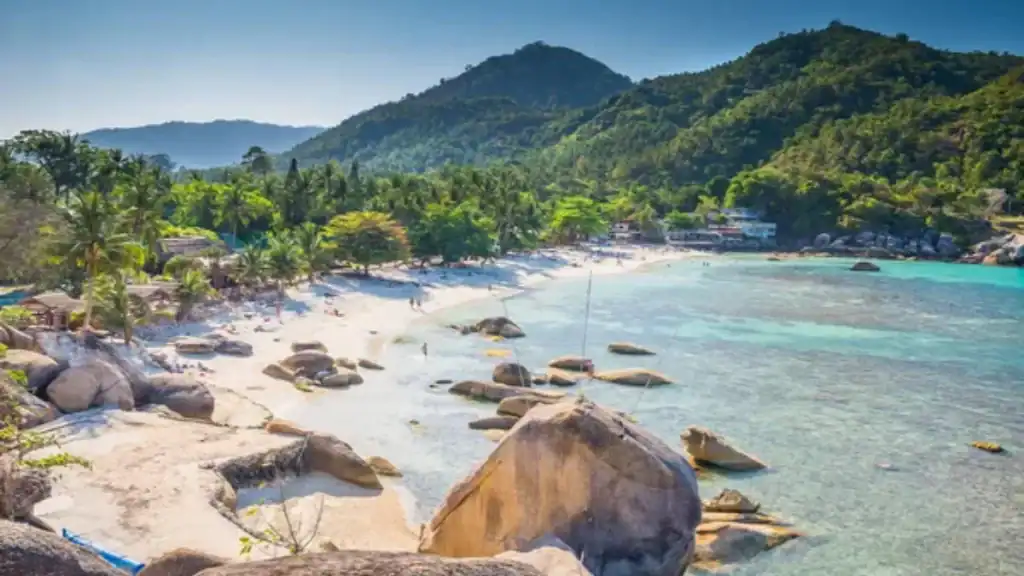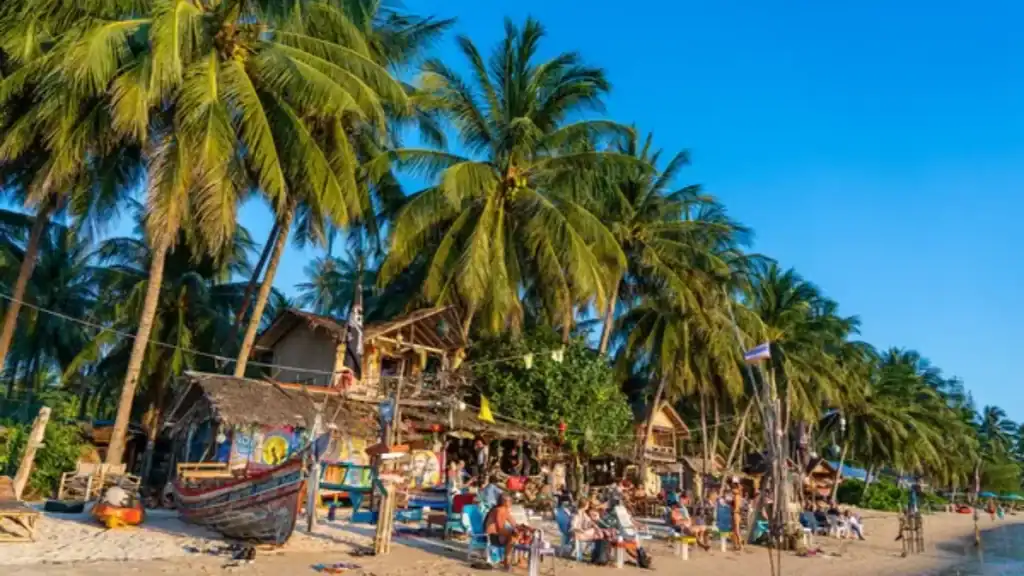


Koh Phangan for digital nomads offers reliable 100+ Mbps fiber internet, coworking spaces like Beachub and Koh Space (350-500 THB/day), and monthly room rentals from 8,000-15,000 THB in Sri Thanu and Ban Tai. The island balances Haad Rin’s party scene with quiet work zones in Chaloklum and Thong Sala, plus visa-friendly Thailand Elite and DTV options for long-term stays.
👀 Koh Phangan for Digital Nomads: At a Glance
📌 Quick answer: Strong 4G coverage island-wide, fiber optic in main areas, ฿1,200-1,800 USD monthly budget
👥 Best for: Remote workers seeking beach lifestyle, wellness enthusiasts, budget-conscious nomads
⏱️ Internet speeds: 20-120 Mbps WiFi in coworking spaces, reliable 4G backup everywhere
🌤️ Peak season: December-March (more crowds, higher prices, better weather)
💰 Monthly costs: Accommodation ฿8,000-15,000, food ฿7,000-10,000, coworking ฿3,000-6,500
⚠️ Critical tip: Test WiFi before signing rental lease – speeds vary dramatically by location
🚫 Skip if: You need fiber-speed video conferencing daily or prefer big-city infrastructure

🌐 Internet Reality: What Actually on Koh Phangan for Digital Nomads
Island WiFi has improved dramatically since 2020. Fiber optic cables now reach most developed areas like Sri Thanu, Thong Sala, and Haad Rin. According to Thailand’s Ministry of Digital Economy and Society, rural broadband expansion reached southern islands by 2023.
Mobile data is your secret weapon. AIS, DTAC, and TrueMove provide strong 4G coverage across 90% of the island. Most nomads rely on phone hotspots as backup when cafe WiFi disappoints. Unlimited data packages cost ฿399-1,699 monthly depending on speed requirements.
Where Internet Actually Fails You
Remote beaches like Thong Nai Pan and northern areas have spotty connections. Power outages during monsoon season (October-December) can knock out WiFi for hours. Always have a mobile hotspot ready.
Peak hours see slowdowns. Between 7-10 PM, when tourists stream Netflix and locals browse social media, speeds drop noticeably. Smart nomads schedule video calls for morning hours when bandwidth isn’t congested.
💰 The Real Cost Breakdown: ฿28,000-66,000 Monthly ($800-1,900 USD)
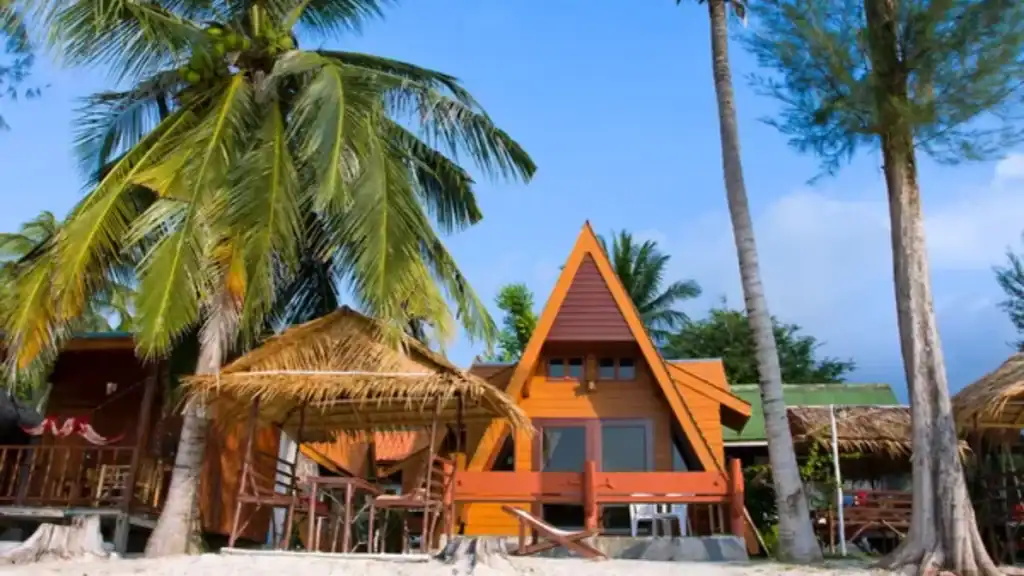
Accommodation dominates your budget. Basic jungle bungalows start at ฿8,000 monthly. Beachfront places with good WiFi run ฿12,000-18,000. Sri Thanu commands premium prices due to nomad demand – expect ฿15,000+ for decent internet and air conditioning.
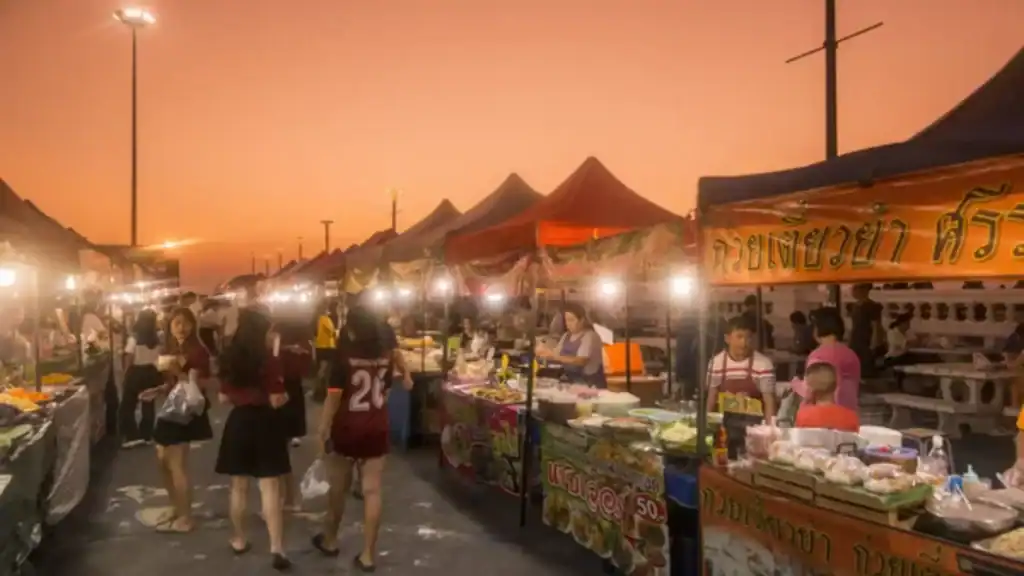
Food costs depend entirely on your choices. Street food and Thai restaurants serve meals for ฿50-90. Western breakfasts and imported ingredients push costs to ฿150-250 per meal. Budget ฿7,000-10,000 monthly if eating primarily local food, double that for Western diet.
Hidden Costs That Add Up Fast
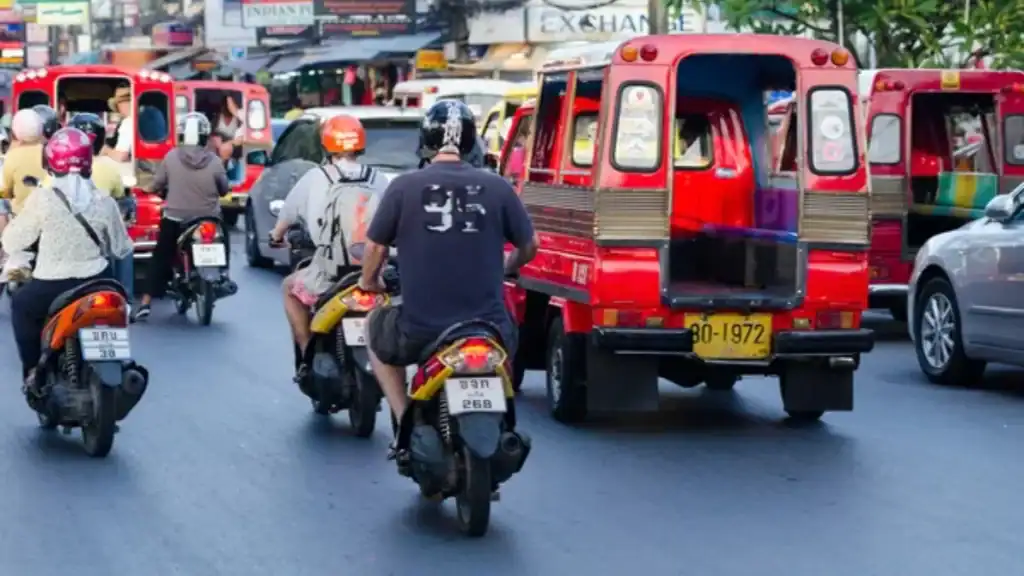
Scooter rental is non-negotiable for remote work lifestyle. Monthly rentals run ฿3,000-4,000 plus ฿50 per liter for gas. Taxis cost ฿100-500 per trip, making daily cafe hopping expensive without your own wheels.
Coworking memberships range from ฿3,000-6,500 monthly. Beachub charges ฿6,500 for premium beachfront workspace. Budget options like cafe working (with coffee purchases) run ฿100-200 daily. According to Thailand’s Board of Investment, coworking infrastructure expanded 40% in tourist islands from 2022-2024.
🏡 Koh Phangan for Digital Nomads: Best Neighborhoods For Lifestyle & Location
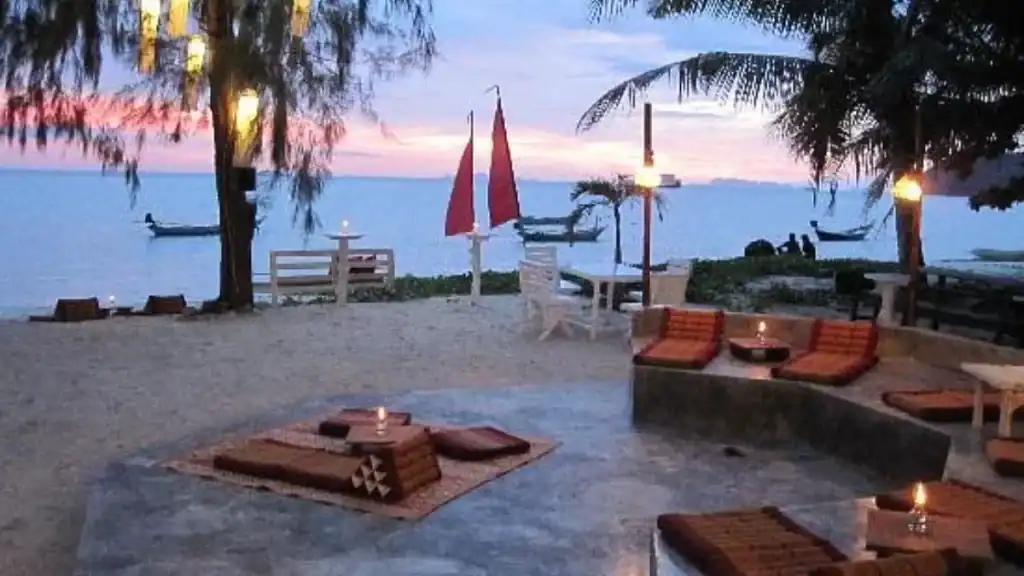
Sri Thanu leads the nomad scene with highest WiFi reliability and community events. Weekly digital nomad dinners, multiple coworking spaces, and yoga studios create built-in social network. Downside: most expensive area with limited affordable housing.
Thong Sala offers central location with supermarkets, cafes, and ferry access. Dots Coffee and Doppio Cafe serve as unofficial coworking spaces. Accommodation costs less than Sri Thanu while maintaining good internet infrastructure.
Areas to Avoid for Remote Work
Haad Rin becomes unbearable during Full Moon Party weeks. Prices spike 200-300%, noise levels make focused work impossible, and accommodations fill months in advance.
Eastern beaches offer stunning views but unreliable internet. Thong Nai Pan’s remote location means slower WiFi speeds and limited backup options when connections fail. Save these areas for weekend exploration, not workweeks.

✅ Making It Work: Visa Options and Practical Survival Tips
Thailand’s Destination Thailand Visa (DTV) launched in 2024 specifically for digital nomads. The Thai Ministry of Foreign Affairs offers 5-year validity with 180-day stays per entry. Requirements include ฿500,000 in savings and proof of remote employment.
Tourist visa remains popular for shorter stays. Sixty-day entry with 30-day extension costs less upfront. Many nomads do “visa runs” to neighboring countries every 90 days, though Thai Immigration Bureau increasingly scrutinizes this practice.
Community and Loneliness Factor
Facebook groups like “Koh Phangan Digital Nomads” organize weekly co-working sessions and social events. WhatsApp communities coordinate beach cleanups, skill workshops, and group dinners. The island attracts 2-3 month stayers, creating transient but welcoming social scene.
Weather affects community vibes dramatically. December-March brings crowds and networking opportunities. April-September sees fewer nomads but lower costs and quieter workspace. Choose timing based on whether you prioritize social connection or budget and solitude.