

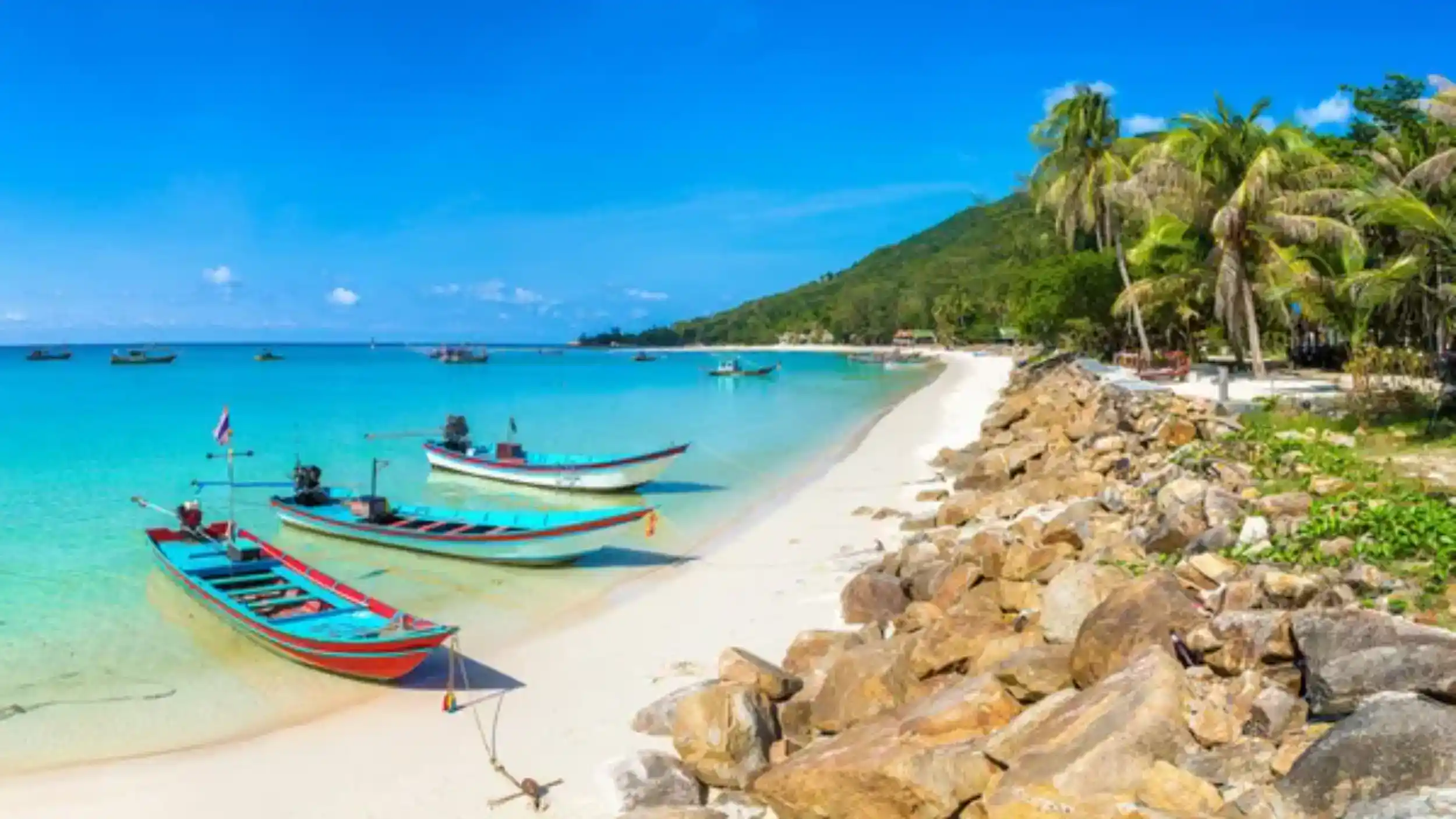
The best time to visit Koh Phangan is December to March during the dry season, with temperatures averaging 28°C (82°F), minimal rainfall under 100mm monthly, and calm seas perfect for diving. Peak crowds occur during Full Moon Party dates (30,000+ attendees), while shoulder months like November or April offer 30-40% lower accommodation rates at places like Haad Rin and Thong Nai Pan beaches with pleasant weather.
👀 Best Time to Visit Koh Phangan: At a Glance
📌 Best time to visit Koh Phangan: December to March (cool, dry, perfect weather)
👥 Busiest months: December, January, July, August
⏱️ Cheapest months: October, November (rainy season = lower prices)
🌤️ Hottest period: April to June (temperatures hit 33°C+)
💰 Budget sweet spot: May to September (50-60% cheaper accommodations)
⚠️ Worst months: October-November (heavy monsoon rains, rough seas)
🚫 Skip if: You can only visit October-November and need guaranteed sunshine for diving

🏝️ Understanding Koh Phangan’s Weather: Why Timing Actually Matters
Koh Phangan sits in the Gulf of Thailand with a tropical monsoon climate. Unlike Thailand’s west coast, the island follows different weather patterns. Understanding the best time to visit Koh Phangan means knowing these patterns because your visit could be sunny perfection or rainy disappointment based purely on when you book.
The island has three real seasons. December through March brings the dry cool season with temperatures around 28-30°C. April through August delivers scorching heat with humidity. September through November dumps monsoon rains.
What Makes Koh Phangan Different from Other Thai Islands
Your timing affects more than just weather. The island experiences dramatic tides between March and July. Many beaches become shallow and unsuitable for swimming. High tide returns from August through February, making most beaches perfect for swimming again.
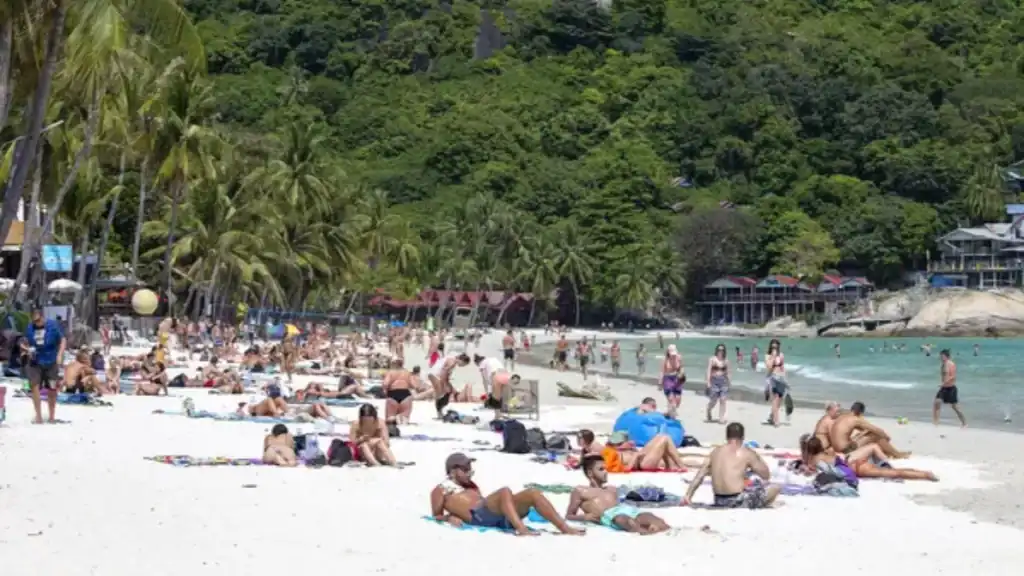
December crowds pack the island for the famous Full Moon Party. Accommodation prices triple during peak weeks. According to U.S. State Department Thailand travel information, tourists should stay hydrated year-round in tropical climates. February sees fewer visitors but maintains excellent weather with less competition.
🌡️ Best Time to Visit Koh Phangan: What Others Don’t Tell You
January brings ideal conditions with temperatures around 28°C and minimal rain. Seas stay calm for boat trips to Ang Thong Marine Park. The island buzzes with energy but hasn’t hit overwhelming crowding. This month ranks as the second-best time to visit.
February stands as the absolute best month. It’s the driest month with only 33mm of rainfall. Christmas tourists have departed, creating more availability. Prices drop slightly from January while weather remains perfect. Most travelers agree that February is the best time to visit Koh Phangan for ideal conditions without overwhelming crowds.
Common Mistakes About Visiting Koh Phangan
March starts the temperature climb to 30°C. Humidity increases noticeably, making midday heat challenging. Tides begin shifting toward lower levels by month’s end. This marks the last month of comfortable weather before the scorching season. Many experienced travelers choose March as their final window.
April through June becomes genuinely hot. Temperatures hit 32-33°C with stifling humidity. You’ll sweat standing still. The CDC Thailand travel health page recommends extra precautions against heat illness during Thailand’s hottest months. Mid-April offers Songkran water festivals. Most tourists avoid May and June due to oppressive heat.
💡 Best Time to Visit Koh Phangan: Practical Strategies That Work
July and August mark summer vacation season. Kids are out of school globally, bringing family travelers. Temperatures drop slightly to 30-31°C with lower humidity. Prices increase during these peak summer months. Book accommodations at least two months ahead.
September becomes unpredictable as the shoulder season. Mornings often stay sunny until early afternoon. Clouds roll in around 2-3 PM, followed by intense downpours. The rain clears quickly, leaving fresh jungle air. Bargain hunters who don’t mind rain find this one of the best times to visit Koh Phangan for reduced rates.
Making the Most of Low Season Travel
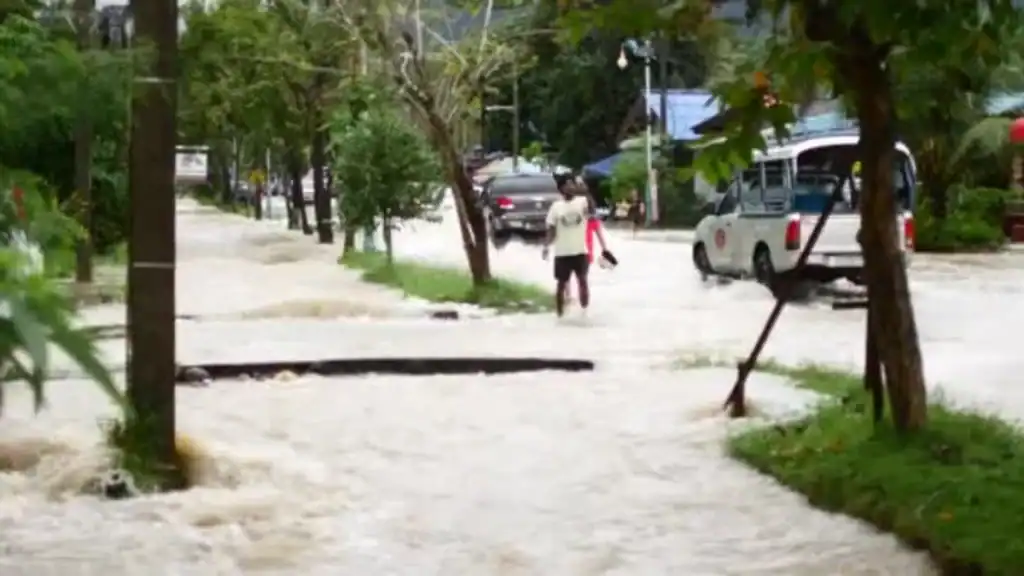
October and November deliver the wettest months. Rain falls almost daily with some storms lasting entire days. Water visibility drops for diving. Before traveling during monsoon season, check the U.S. State Department Thailand travel advisory for weather alerts. Seas can turn rough, making boat trips uncomfortable. However, waterfalls flow impressively while accommodations cost 50-60% less.
December transitions back to dry season around mid-month. Weather becomes unpredictable until the pattern settles. Nature looks its greenest after monsoon rains. Hiking conditions improve with cooler temperatures. Full Moon Party week in December sees massive crowds and price spikes.

✅ The Final Answer: Matching Your Travel Style to the Right Month
Your ideal month depends entirely on your priorities. Beach loungers and divers will find the best time to visit Koh Phangan is December through March without question. Budget travelers who don’t mind rain can save massively in October-November. Party seekers should align visits with Full Moon Party dates year-round.
Consider April only if you want Songkran water festivals and can handle extreme heat. May through June work for remote workers who stay indoors during peak heat. July-August suit families despite higher costs. September offers the best balance of weather and prices.
Why Most Travelers Get This Decision Wrong
People assume all months are similar in tropical climates. They’re not. Koh Phangan’s weather swings from perfect to miserable. Others book without researching. This leads to disappointment when monsoons ruin beach plans.
Smart travelers choose February for the absolute best conditions with manageable crowds. January works if you book far in advance. March serves as the last comfortable month before heat strikes. Avoid October-November unless you want budget prices. The CIA World Factbook Thailand page notes that weather patterns significantly impact regional travel. Have you visited Koh Phangan? Which month worked best? Share your experience in the comments below.