
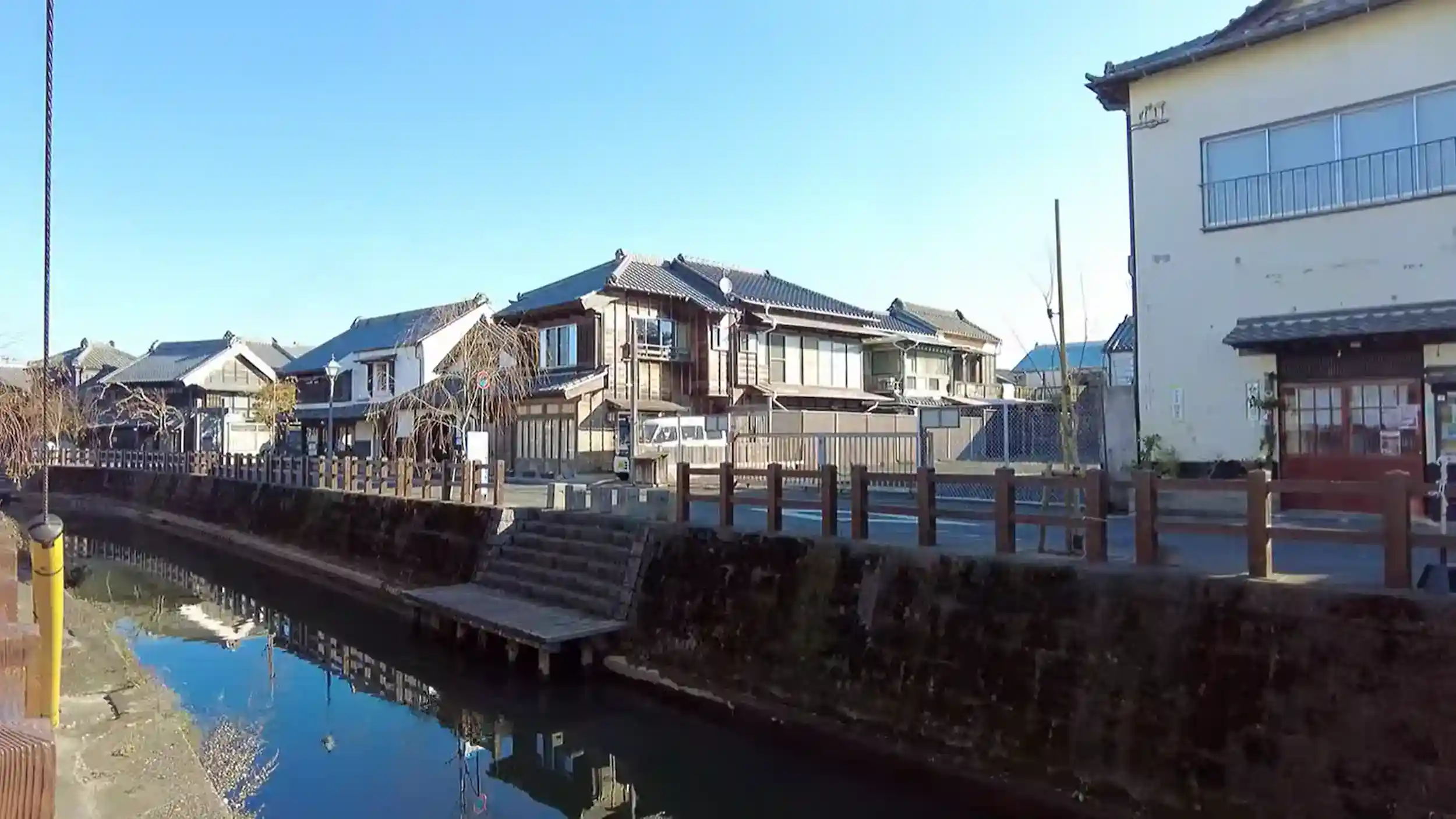
Is Sawara worth visiting? Yes – Sawara is absolutely worth visiting for travelers interested in authentic Edo-period Japan without the crowds of more commercial destinations. Designated as an Important Preservation District, this historic canal town near Narita retains original merchant houses, wooden bridges, and a living sense of old Japan that few places still offer today.
👀 Sawara at a Glance
📌 Location: 90 minutes from Tokyo by train, 30 minutes from Narita Airport
👥 Historic district size: Walkable in 1-2 hours (about 500 meters along canal)
⏱️ Typical visit duration: 2-4 hours for most travelers
🌤️ Best seasons: June (iris festival), July/October (Sawara Matsuri), weekdays year-round
💰 Cost: Low (¥510 train from Narita, ¥1,300 boat ride, free walking)
⚠️ Key limitation: Trains run once per hour, most shops/restaurants closed Tuesdays
🚫 Skip if: You’re making this trip solely from central Tokyo with limited Japan time
🤔 Why People Question If Sawara Is worth Visiting
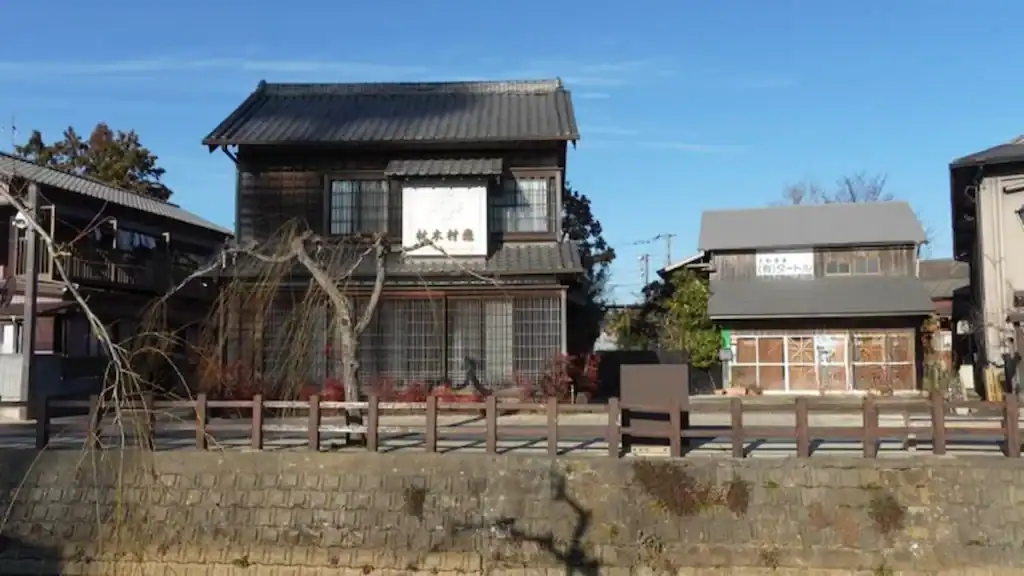
The buzz around Sawara positions it as Japan’s hidden Edo-period gem, a “Little Edo” town just 90 minutes from Tokyo with canals, merchant houses, and zero crowds. Travel blogs call it a peaceful time capsule. Instagram shows willow trees draped over still water.
Then reality hits. You check train schedules and discover departures once per hour. You read that the entire historic district takes 60-90 minutes to walk. You learn everything closes on Tuesdays. The phrase “too remote to warrant a visit” appears in multiple reviews.
What travelers expect before arriving
Most people discover Sawara while researching day trips from Tokyo or Narita layover options. They see photos comparing it to Kawagoe or Kyoto’s preserved districts and imagine spending a full day wandering atmospheric streets packed with history.
Expectations typically include extensive Edo architecture, bustling canal-side shops, multiple museums worth hours of exploration, and that elusive “authentic Japan” feeling without tourist hordes. The Japan National Tourism Organization markets Sawara as home to 1.5 million irises and centuries-old waterways, which sounds substantial.
🏘️ What You Realistically Get from a Sawara Visit
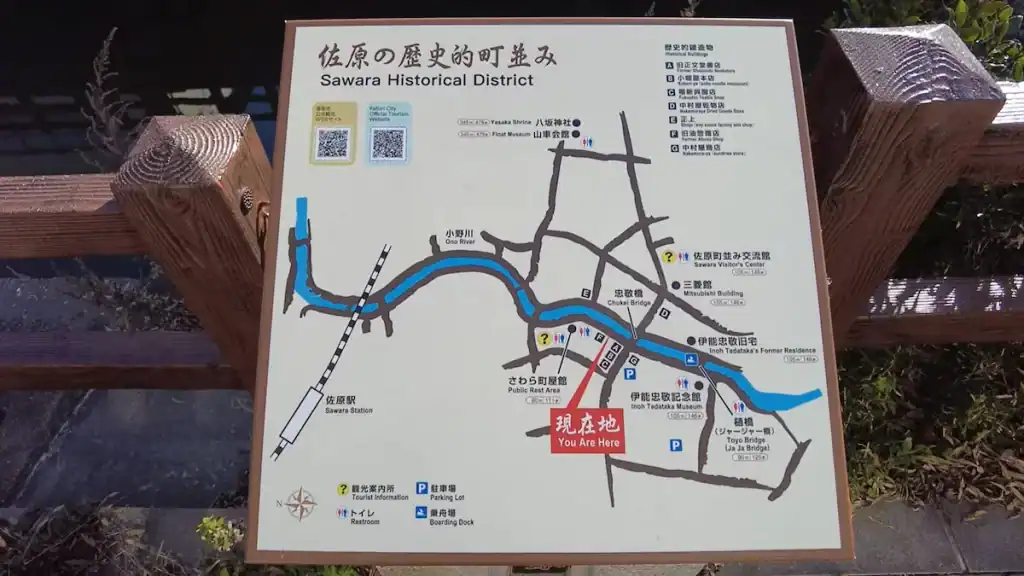
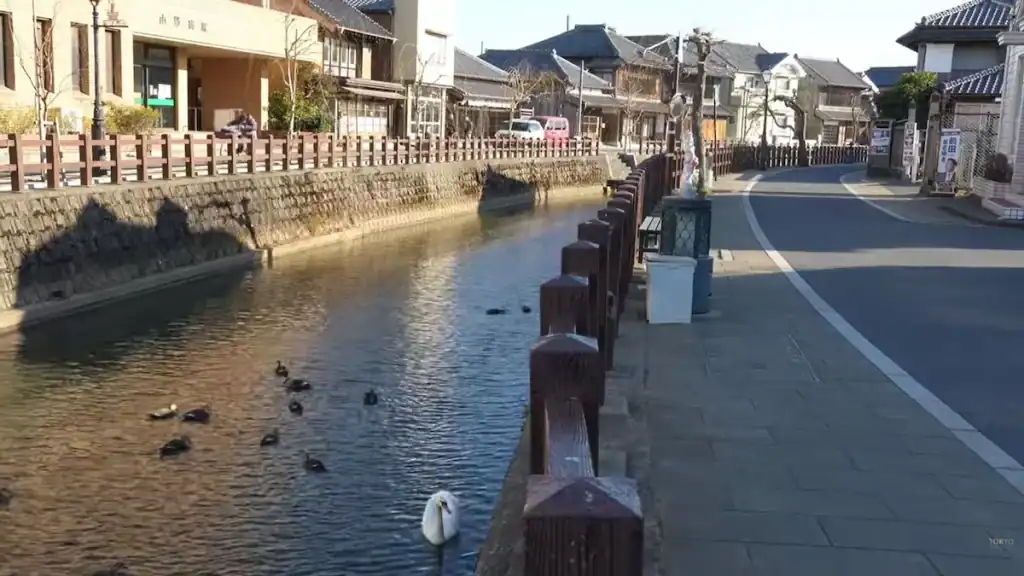
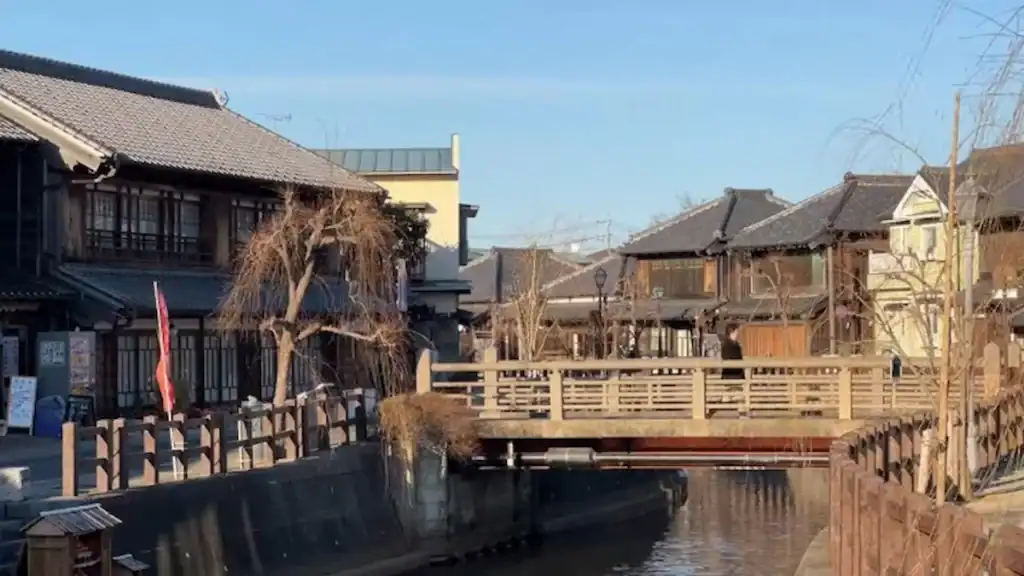
Sawara delivers on its promise of preserved Edo-period architecture, but the scale surprises first-time visitors. The historic preservation district runs roughly 500 meters along the Ono River. Walking both sides thoroughly takes 60-90 minutes unless you stop for extended shopping or meals.
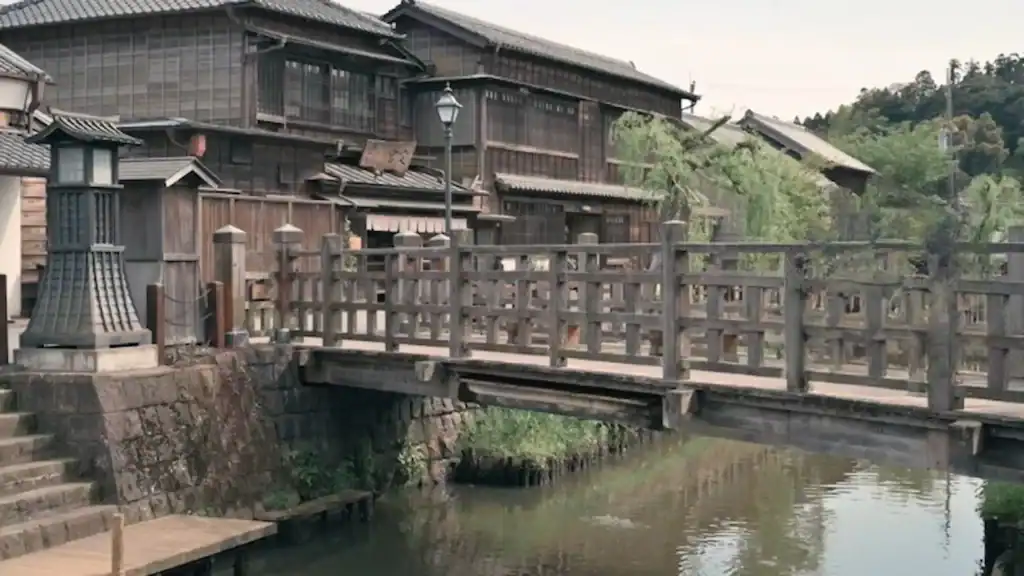
The canal boat rides last 30 minutes and cost ¥1,300. The Ja Ja Bridge releases its “waterfall” for a few minutes every 30 minutes between 9:00 and 17:00. The Ino Tadataka Museum (¥500 entry) showcases Japan’s first accurate cartographer and takes 30-45 minutes to tour. These constitute the main attractions.
Atmosphere, scale, and pacing
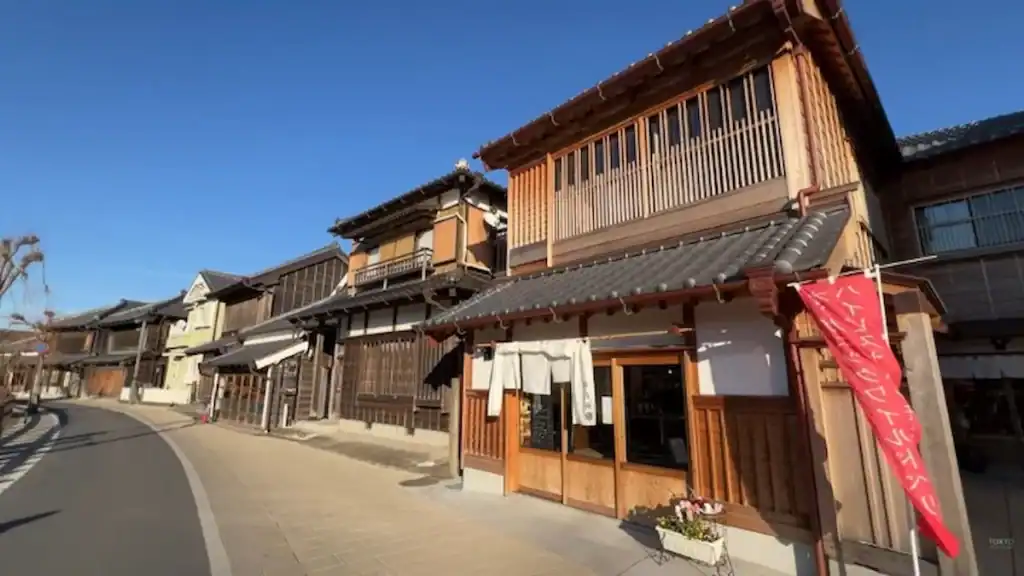
The atmosphere genuinely captures Edo-period merchant town vibes when you visit on weekdays. You’ll likely have entire streets to yourself mid-morning. Wooden merchant houses converted to cafes, sake shops, and craft stores line the canal. Willow trees dangle into the water. It feels peaceful, not theme-park manufactured.
But peaceful also means quiet. Very quiet. You won’t find crowds, but you also won’t find the density of activities available in Kawagoe or Kyoto’s Gion district. According to the U.S. State Department’s Japan travel advisory, Japan maintains Level 1 status (exercise normal precautions), making Sawara safe but logistically challenging due to limited English signage outside the visitor center.
⏰ When Sawara Is worth Visiting from Tokyo
Sawara makes complete sense if you’re already flying through Narita Airport and have 3-8 hours between connections or before a late departure. The town sits 30 minutes from Narita by train (¥510) or car, making it vastly more accessible than the 90-minute journey from central Tokyo.
The math changes entirely for Narita-based travelers. Instead of a 3-hour round-trip commitment from Tokyo (plus 2-3 hours in Sawara), you’re looking at a 1-hour transit total. This transforms Sawara from “questionable use of limited Japan time” to “perfect airport layover option.”
Trip types where it makes sense
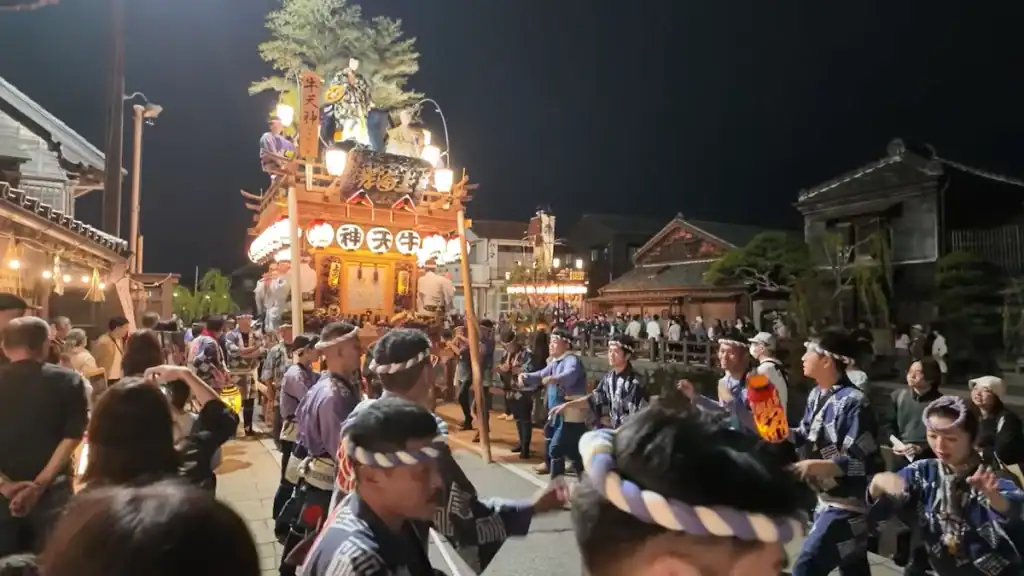
Festival timing dramatically increases Sawara’s value. The Sawara Grand Festival runs twice yearly (mid-July and mid-October) with UNESCO-recognized floats carrying giant dolls through narrow streets. The June Iris Festival at Suigo Sawara Ayame Park showcases 1.5 million blooms across the botanical garden.
Multiple-destination Chiba itineraries justify the trip. Combine Sawara with Narita-san Temple (40 minutes away), Katori Jingu Shrine (10 minutes by bus), or Kashima Shrine for a full day exploring the region. Travelers already visiting friends/family in Chiba Prefecture report high satisfaction.
Photography-focused travelers appreciate Sawara’s authenticity. Unlike Kyoto’s Gion or Tokyo’s Asakusa, you can photograph Edo architecture without dodging tour groups. The CDC’s Japan travel health information recommends standard precautions, making Sawara accessible for most travelers including families.
❌ When Sawara Is Not Worth Visiting
Solo Tokyo-based day-trippers with 7-10 days in Japan consistently report feeling underwhelmed. The 90-minute journey each way (180 minutes total transit) plus 2-3 hours in town consumes 5-6 hours for what one traveler described as “a nice hour-long walk by a canal.”
The opportunity cost hurts. Those same 5-6 hours could cover Nikko’s Toshogu Shrine, Kamakura’s Great Buddha, or Hakone’s volcanic valley, all offering more substantial experiences. Multiple reviews note: “Sawara is attractive but too remotely located to warrant a visit in and of itself.”
Common disappointment scenarios
Tuesday arrivals guarantee disappointment. Most restaurants, cafes, and shops close on Tuesdays, leaving visitors with scenic architecture but limited dining options and almost no shopping. The historic district feels abandoned rather than peaceful.
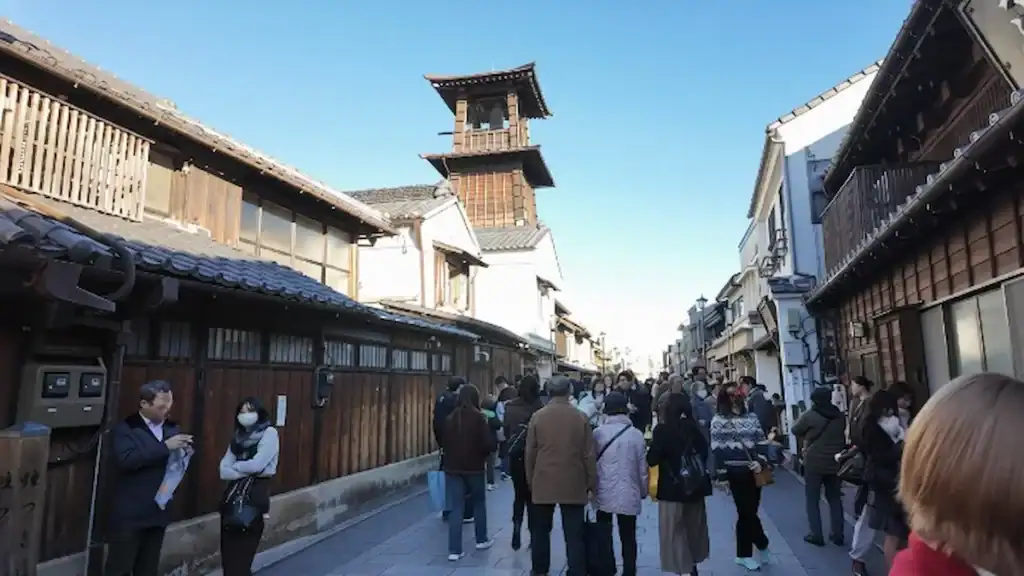
Travelers expecting Kyoto-scale preservation find Sawara underwhelming. The preserved district is genuinely small – roughly 500 meters compared to Kyoto’s Higashiyama district spanning kilometers. If you’ve already visited Kawagoe (another “Little Edo” with better Tokyo access), Sawara feels redundant.
Rainy weather kills the experience. The canal boat ride becomes unpleasant with open roofs. Walking loses appeal when dodging puddles on narrow streets without sidewalks. Unlike museum-heavy destinations, Sawara offers limited indoor backup options.
Weather considerations matter significantly. Japan experiences typhoon season June-October, with the Japan Meteorological Agency tracking storms that can disrupt travel plans. Winter snow rarely impacts Sawara’s accessibility but makes the outdoor-focused attractions less appealing. Have you visited Sawara, or does another day trip from Tokyo deliver better value for your time? Share your honest take in the comments.