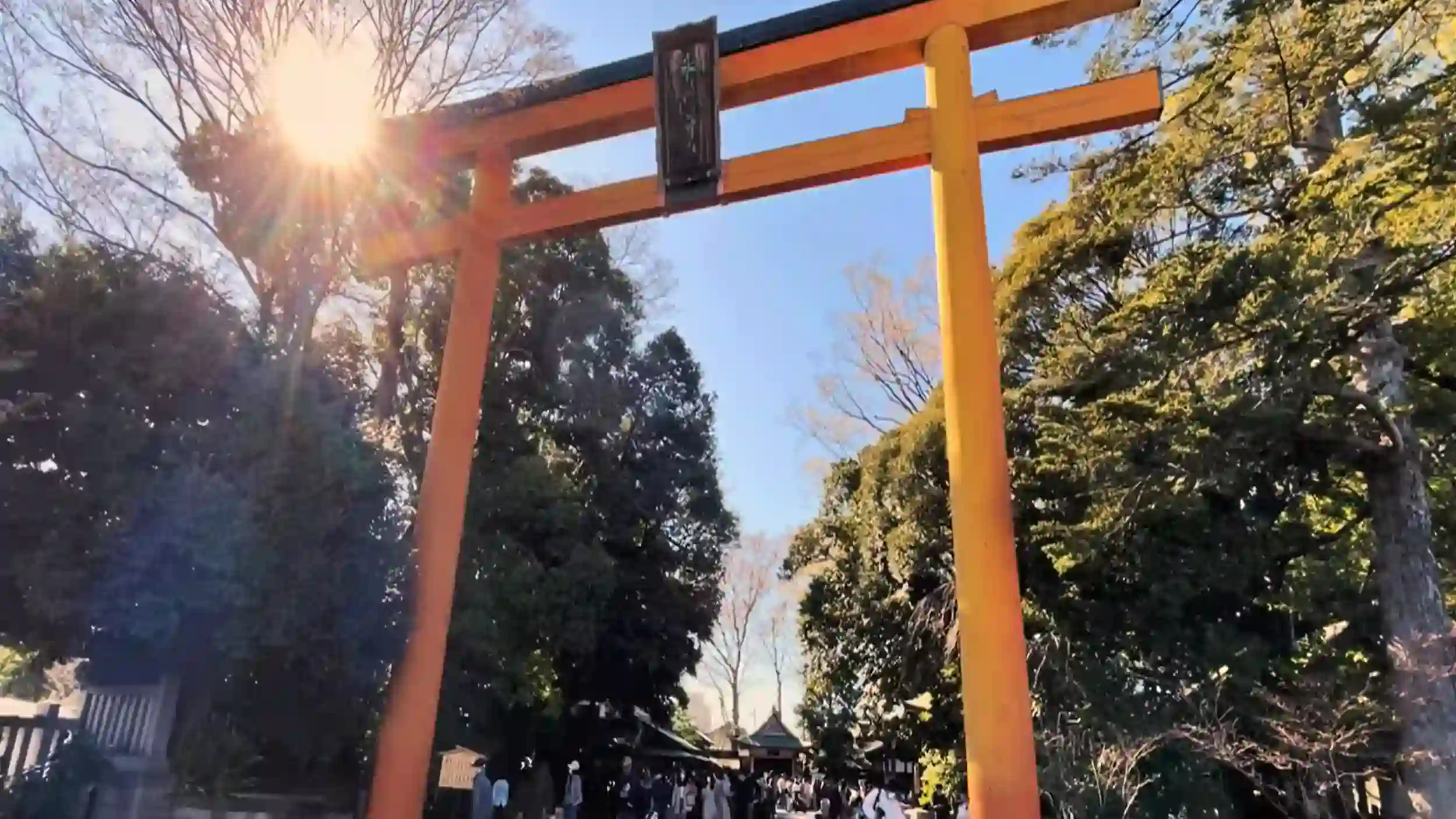
Sawara vs Kawagoe is a key comparison for travelers exploring Japan’s historic towns. Both preserve Edo-period architecture, yet they offer distinct experiences: Sawara delivers a quieter, heritage-rich setting near Narita, while Kawagoe – known as “Little Edo” – is more accessible from Tokyo and livelier. For cultural authenticity, Sawara stands out; for convenience, Kawagoe wins.
👀 Sawara vs Kawagoe: At a Glance
📌 Both called “Little Edo”: Preserved Edo-period towns within day-trip range of Tokyo
👥 Crowd levels: Sawara sees minimal tourists weekdays; Kawagoe packed weekends/holidays
⏱️ Time needed: Sawara 2-4 hours; Kawagoe 3-8 hours
🚂 Travel time from Tokyo: Sawara 90-100 minutes; Kawagoe 30-50 minutes
💰 Access: Sawara ~¥2,000 roundtrip; Kawagoe ~¥1,000-1,400 roundtrip
⚠️ Main complaint: Kawagoe crowds/traffic; Sawara limited hours/shops
🚫 Skip if: You want guaranteed photogenic moments without flexibility (Sawara) or can’t handle crowds (Kawagoe weekends)
🤔 Why Sawara vs Kawagoe is a real dilemma
Most travelers stumble into this comparison by accident. You search “day trips from Tokyo,” find Kawagoe plastered across every list, then discover Sawara mentioned in obscure Reddit threads with phrases like “hidden gem” and “hardly any crowds.” Both claim to be “Little Edo.” Both promise time travel. One delivers on weekdays, the other drowns in weekend tourism.
The frustration starts when you realize these towns aren’t interchangeable. Japan’s official tourism site describes Sawara as an Edo-period town with preserved merchant houses and canals. Kawagoe gets similar billing at JNTO’s destination page. The architecture looks identical in photos. The nicknames are the same. So which one actually deserves your limited Japan trip days?
Similar reputations, different realities
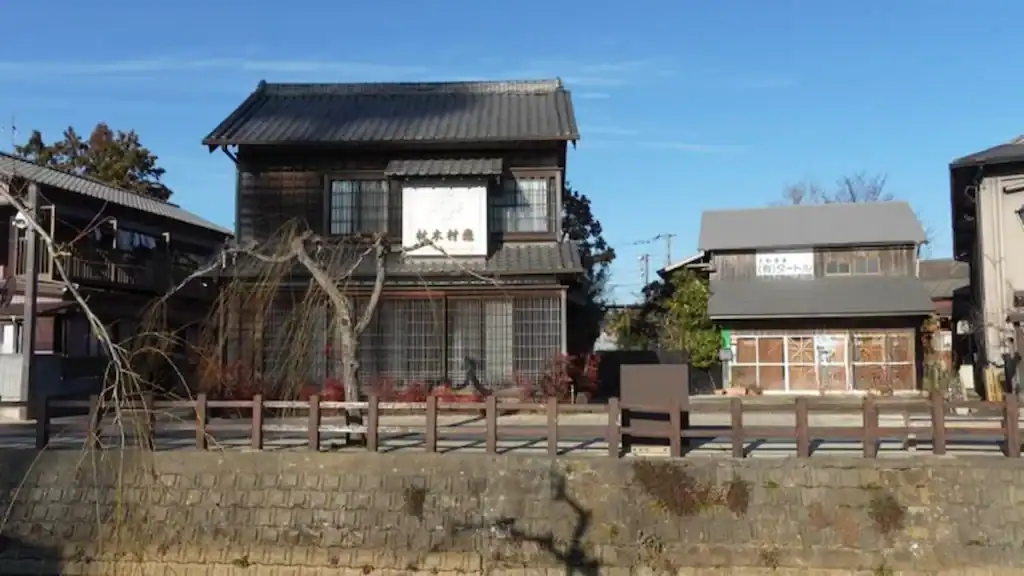
Both towns earned their “Little Edo” labels legitimately during the Edo period (1603-1868). Kawagoe supplied goods to Tokyo via merchant warehouses. Sawara shipped rice through its canal network. The buildings remain authentic, not reconstructed theme parks like some historical districts.
But their paths diverged after preservation. Kawagoe, just 30 minutes from central Tokyo, became the accessible Edo experience for domestic tourists. TV dramas filmed there. Tour buses added it to circuits. By 2023, Kanpai Japan reported local authorities worried about overtourism, with crowds requiring queuing just to move forward on weekends. Cars share the narrow streets, shattering the time-travel illusion.
Sawara stayed quiet. Located 20 kilometers from Narita Airport, it became a layover option rather than a destination. Trains run once per hour. Shops close Mondays or Tuesdays. Tokyo Cheapo asks why tourists don’t overrun this “bonafide mystery” of a preserved town. The answer: intentional obscurity works as crowd control.
🚶 How Sawara vs Kawagoe feel on the ground
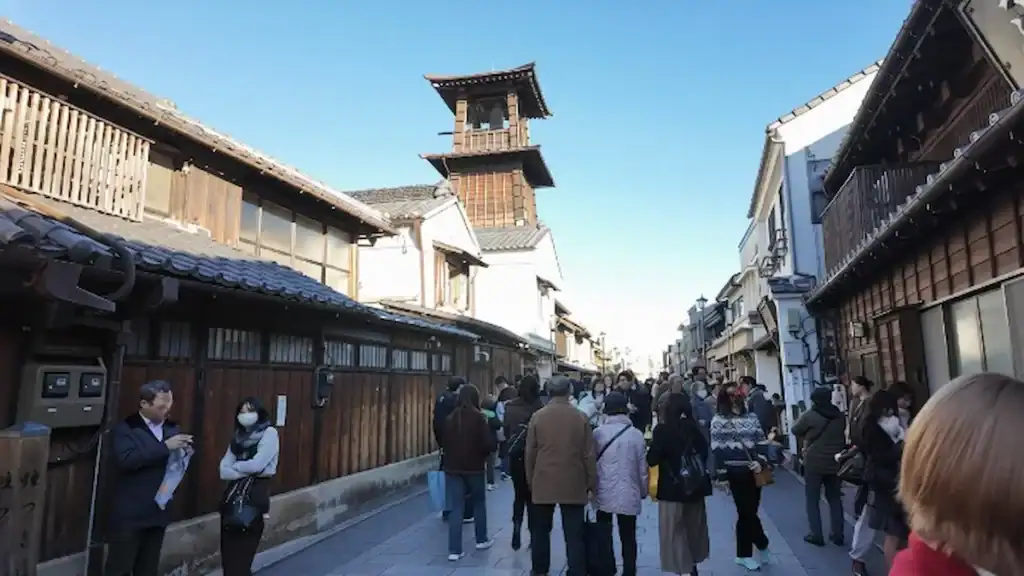
Kawagoe hits immediately. You exit Hon-Kawagoe Station, walk through the modern shopping street Crea Mall, turn a corner, and face the Toki no Kane bell tower surrounded by 50 people taking the exact same photo. The kurazukuri warehouse district stretches one main avenue packed with sweet potato ice cream vendors, kimono rental shops, and tour groups blocking traffic. The Invisible Tourist describes weekdays as manageable, weekends as “absolutely packed.”
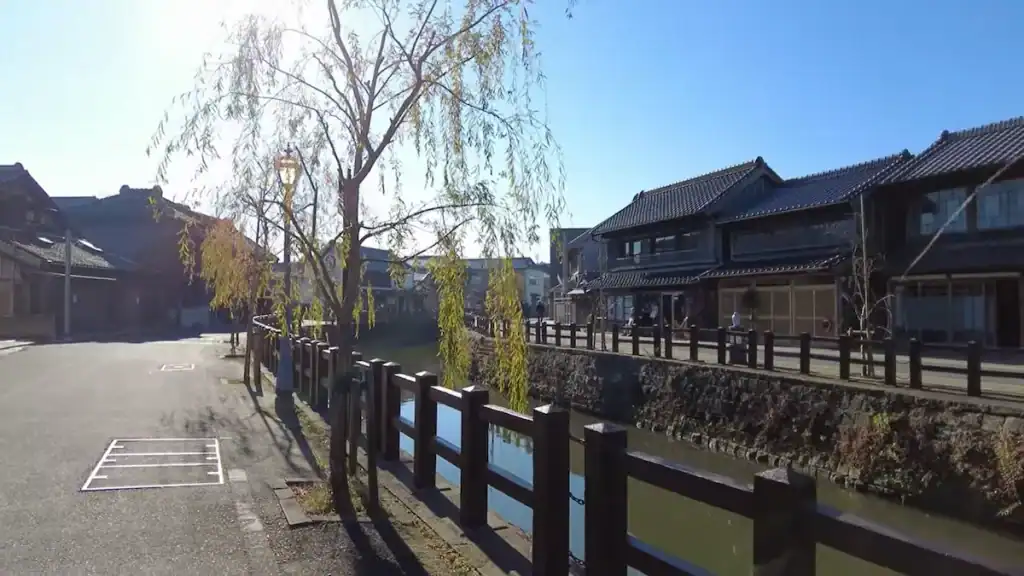
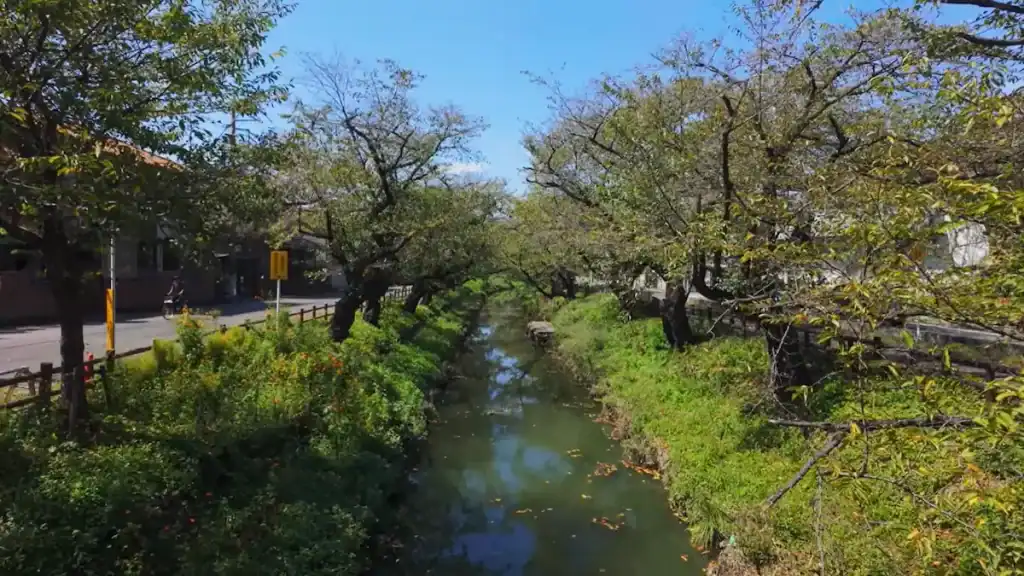
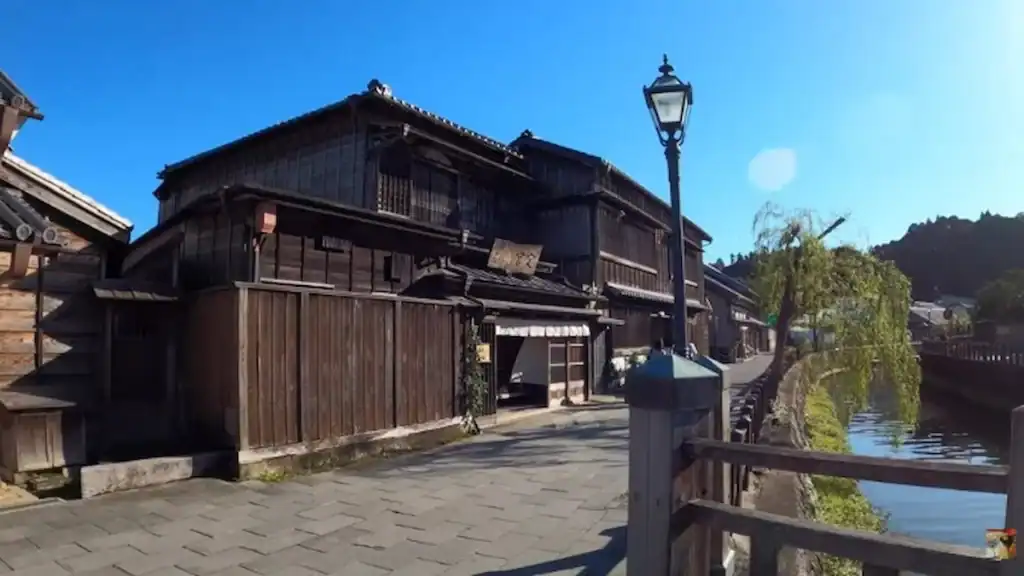
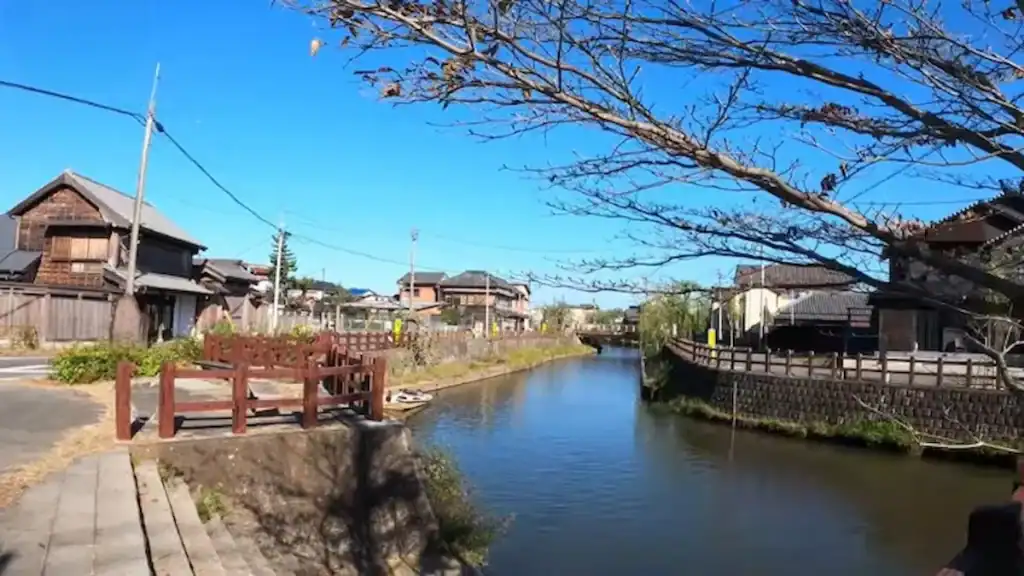
Sawara feels abandoned by comparison – in the best way. GaijinPot emphasizes you might have entire streets to yourself on weekdays. The preserved district spans both sides of the Ono River for half a kilometer. Willow trees line the canal. Traditional flat-bottomed boats (sappa-bune) float past Edo-era merchant houses. The silence breaks only for the Ja Ja Bridge waterfall running every 30 minutes.
Crowds, pace, and authenticity
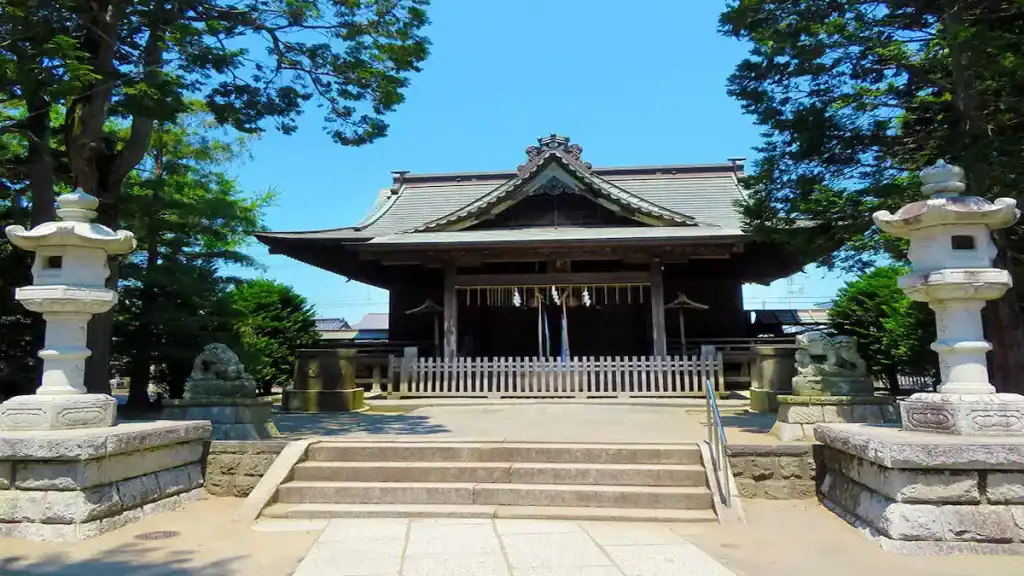
The crowd difference defines the entire experience. Kawagoe on a Sunday feels like an outdoor shopping mall themed around the Edo period. You navigate around selfie-takers, dodge buses on the supposedly pedestrian historic street, and queue 90 minutes for traditional soba according to You Could Travel. The famous Starbucks in a warehouse building gets mobbed. Hikawa Shrine offers peaceful respite, but only if you walk 2.6 kilometers from the station.
Sawara on any weekday gives you what tourists imagine when they hear “preserved Edo town.” Tsunagu Japan describes it as “so peaceful it seems to belong to another era.” You can photograph the canal without strangers in your frame. Merchant houses operate as functioning businesses – sake breweries, rice cracker shops, soy sauce makers – not performative tourist traps.
The authenticity factor flips expectations. Kawagoe’s crowds create doubt: is this genuinely historical or manufactured nostalgia? The cars honking, the tour buses idling, the chain restaurants inside warehouse facades all erode the atmosphere. Sawara’s emptiness reinforces belief. When locals outnumber tourists, when shops serve residents rather than visitors, the preservation feels legitimate rather than commercial.
⏰ Time commitment in Sawara vs Kawagoe
Kawagoe demands 6-8 hours if you follow typical itineraries. Activity Japan maps a 3-hour “conquer popular spots” route, but adds that most visitors need a full day. Hikawa Shrine, Kitain Temple, the warehouse district, Candy Alley, Taisho Roman Street – the attractions spread across the city. Walking between them eats time. The CO-EDO Loop Bus helps, but still commits you to most of a day.
Sawara functions in 2-4 hours. The Travelling Trini spent “about an hour walking around and having a little bite to eat.” With the boat ride, museums, and a meal, you stretch it to three hours maximum. The compact historic district centers on the river. You see everything without hiking across town.
Half-day and day-trip tradeoffs
The Kawagoe half-day myth frustrates travelers who arrive expecting quick satisfaction. You can technically see the main warehouse street and bell tower in 3 hours. But you’ll miss Hikawa Shrine (the most photogenic spot during cherry blossom season per The Invisible Tourist), Kitain Temple with its 538 unique Buddha statues, and the quieter atmospheric streets away from the crowds. Rush it, and you’re left wondering what the hype was about.
Sawara’s compact nature makes half-day visits satisfying. The entire preserved district walks end-to-end in 15 minutes. This concentrated layout means you actually complete the experience rather than sampling it. Chotto Zeitaku describes “a great few hours in this atmospheric and peaceful town.” The 30-minute boat ride covers the scenic highlights. The Ino Tadataka Museum explains local history. You leave feeling you saw what mattered.
The timing trap: Sawara’s limited train frequency (once per hour from Narita on the JR Narita Line) forces planning. Miss your train, wait 60 minutes. All About Japan emphasizes checking return schedules immediately upon arrival. Kawagoe’s frequent Tokyo connections forgive spontaneous decisions. You can linger an extra hour without consequence.
🎯 Who should choose Sawara vs Kawagoe
Photographers and crowd-avoiders win with Sawara. If your Japan trip Instagram requires pristine shots without tourists photobombing every frame, choose Sawara on a weekday. Stripes Japan positions it as “the place to go if you want to enjoy freely without the crowds” compared to Kawagoe. The canal reflections, willow trees, and preserved merchant houses photograph beautifully without human obstacles.
Families and first-timers benefit from Kawagoe’s infrastructure. The variety of activities – candy shops kids love, cultural museums, multiple shrines, the
castle remains – keeps different ages engaged. Japan Starts Here emphasizes it as more forgiving for visitors new to Japan. Clear signage, many English-speaking staff, numerous food options, and frequent transport connections reduce stress.
Matching town to traveler type
Narita Airport layover travelers should default to Sawara. With flights from Narita, it’s 30 minutes by train versus 2+ hours to central Tokyo and back out to Kawagoe. Tokyo Cheapo explicitly markets it as “the perfect day trip from Tokyo or layover spot from Narita Airport.” Store luggage at Sawara Station, explore the canals, catch an evening flight.
Tokyo-based travelers with flexible schedules gain more from Kawagoe’s depth. If you can visit on a Tuesday or Wednesday (avoiding crowds), Kawagoe’s additional temples, shrines, and museums justify the closer proximity to Tokyo. Wanderlog maps 8 hours of activities that remain interesting even without festival timing.
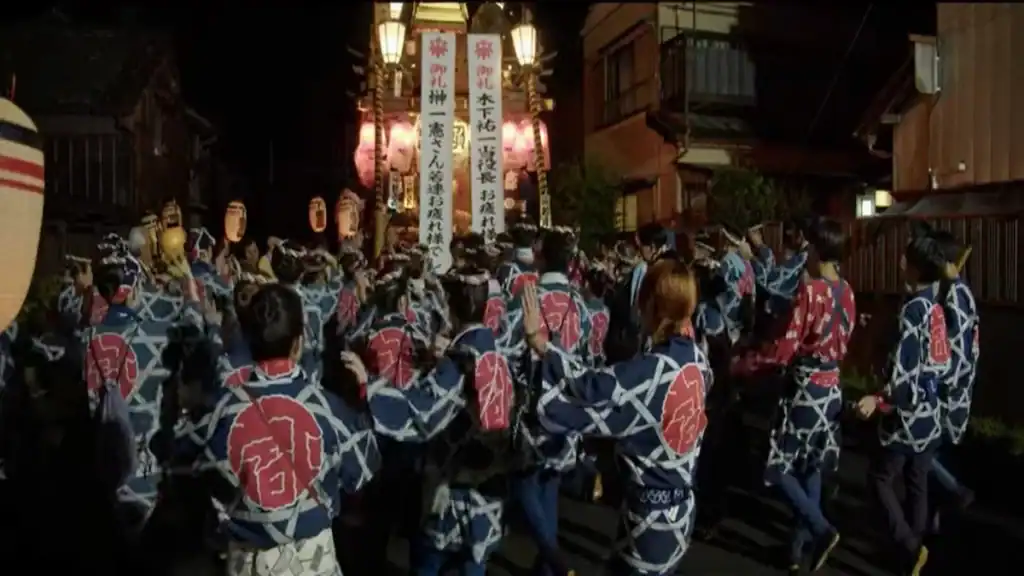
Festival enthusiasts face a coin flip. Kawagoe Festival (third weekend of October) and Sawara Grand Festival (July and October) both parade massive floats through streets. According to Visit Chiba, Sawara’s festival includes 5-meter-tall dolls of Japanese mythological figures and is designated a UNESCO Important Intangible Folk Cultural Property. Kawagoe’s festival draws enormous crowds but offers museum exhibits year-round. Neither disappoints during festival periods.
Solo contemplative travelers prefer Sawara’s pace. Airial Travel describes it as “ideal for solo travelers seeking a peaceful and authentic Japanese experience.” The quiet allows noticing details – manhole cover designs, traditional shop interiors, the sound of water from the Ja Ja Bridge. Kawagoe’s bustle suits social travelers who enjoy people-watching and energetic atmospheres.