
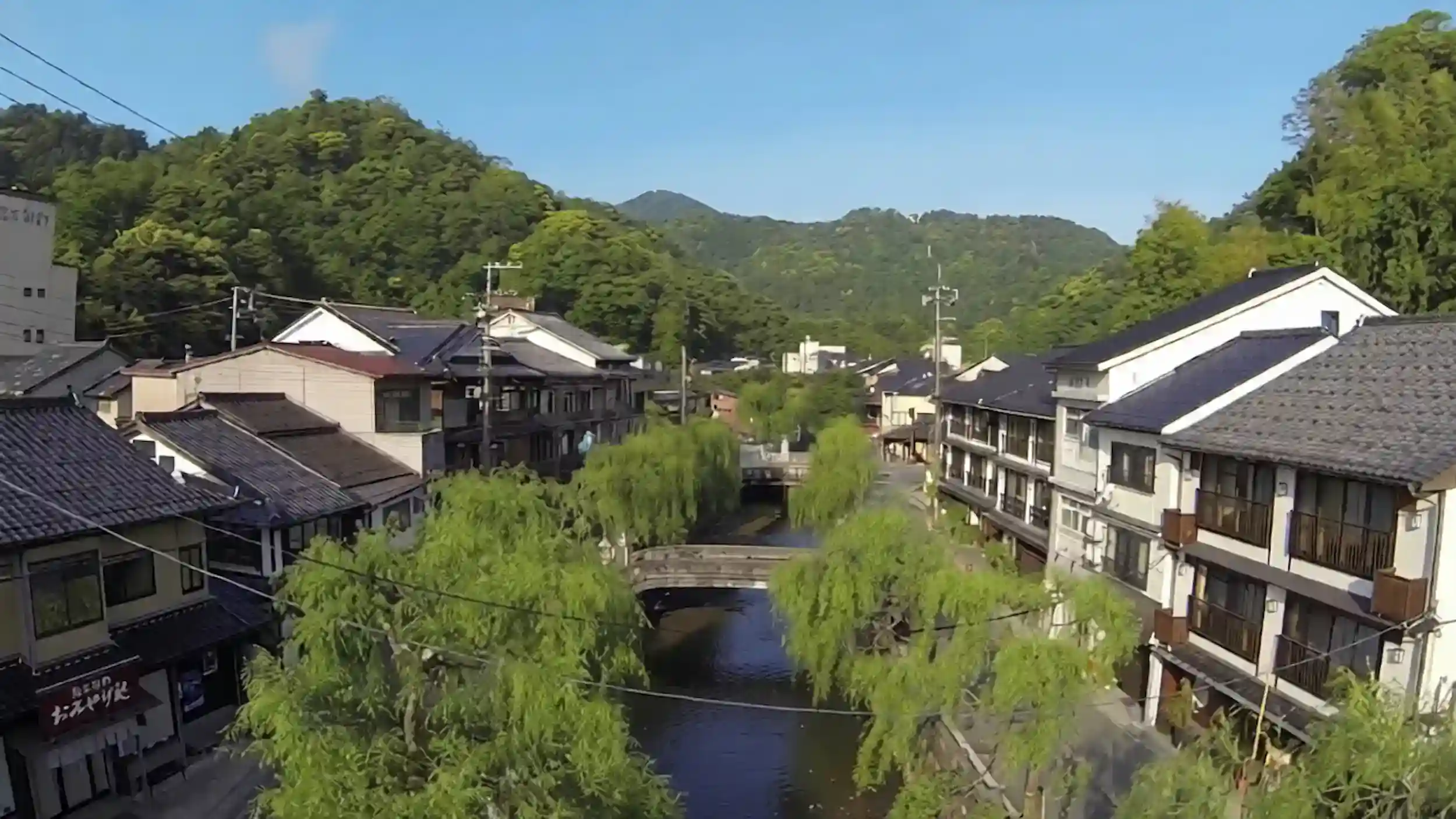
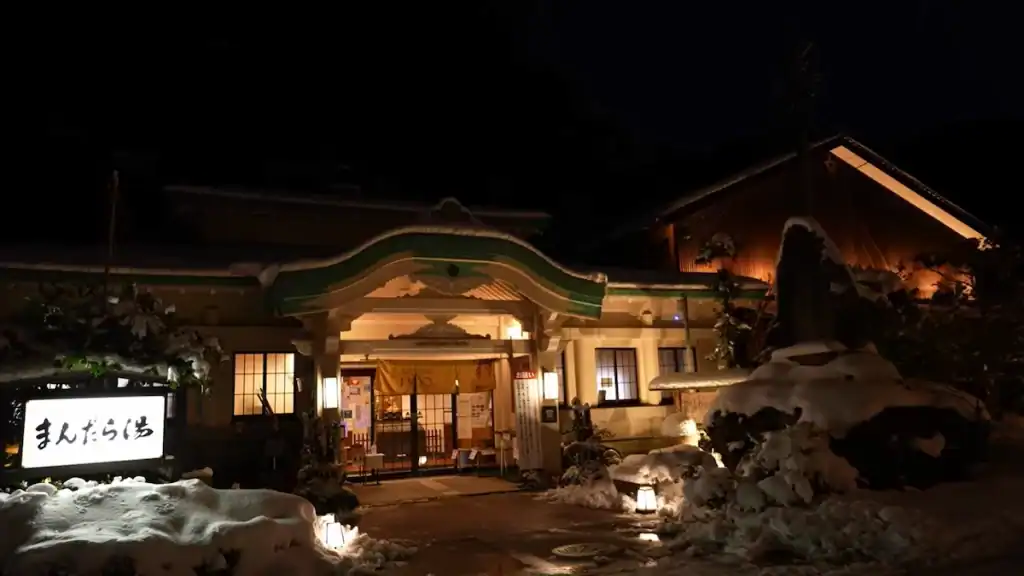
A Kinosaki day trip requires 5-6 hours round-trip travel from Kyoto (2.5 hours each way via JR Limited Express Kinosaki) or Osaka (2.5-3 hours), yielding only 4-6 hours in town – insufficient for the traditional overnight ryokan experience but adequate to visit 3-4 of the seven public bathhouses like Satono-yu or Mandara-yu, explore the willow canal district, and sample local Tajima beef. Overnight stays remain strongly recommended to fully experience kaiseki dining and early-morning onsen culture.
👀 Kinosaki Day Trip: At a Glance
📌 Feasibility: Possible with 9 AM Kyoto departure for 5-6 hours in town
👥 What you get: One or two onsen visits, ropeway, lunch, canal walk
⏱️ What you lose: Evening yukata strolls, atmospheric lanterns, kaiseki dinners
🌤️ Last return train: 16:31 direct to Kyoto (17:17 with Himeji transfer)
💰 Cost savings: ¥15,000-25,000 on ryokan overnight versus day-trip fare
⚠️ Critical issue: Station lockers fill quickly on weekends and holidays
🚫 Skip if: You want the iconic Japanese onsen town experience everyone describes
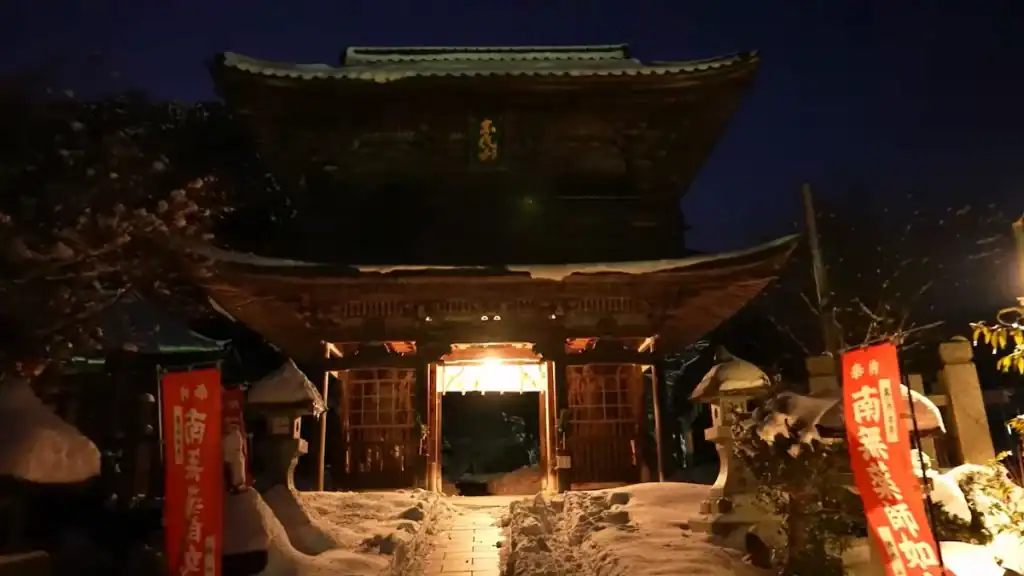
⛔ What a Kinosaki Day Trip Sacrifices Completely
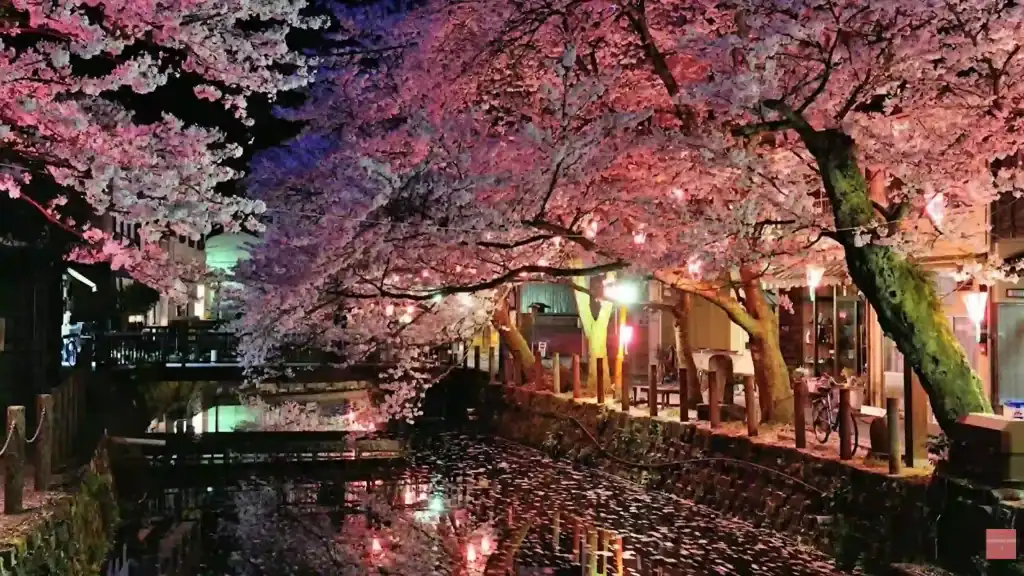
The evening atmosphere represents Kinosaki’s entire identity, yet day-trippers never witness it. The town transforms after 6 PM when ryokan guests emerge in colorful yukata and wooden geta, clip-clopping along lantern-lit canal paths between bathhouses. Soft yellow light reflects off the Maruyama River’s willow-lined banks while steam rises from outdoor rotenburo under darkening skies. The Japan National Tourism Organization specifically promotes this twilight yukata stroll as Kinosaki’s signature experience, yet it occurs entirely after the last reasonable return train departs at 17:17.
Day-trippers typically arrive around 11:30 AM and must leave by 4:30 PM, giving them five hours maximum in town. This window accommodates one bathhouse visit, the ropeway up Mount Daishi, lunch at a seafood restaurant, and perhaps browsing souvenir shops. You experience Kinosaki as a pleasant tourist attraction rather than the immersive cultural sanctuary it becomes overnight. The seven-bathhouse hopping ritual that defines the town requires evening hours when crowds thin and the yukata dress code feels natural rather than performative.
Evening Yukata Strolling and Atmospheric Lanterns
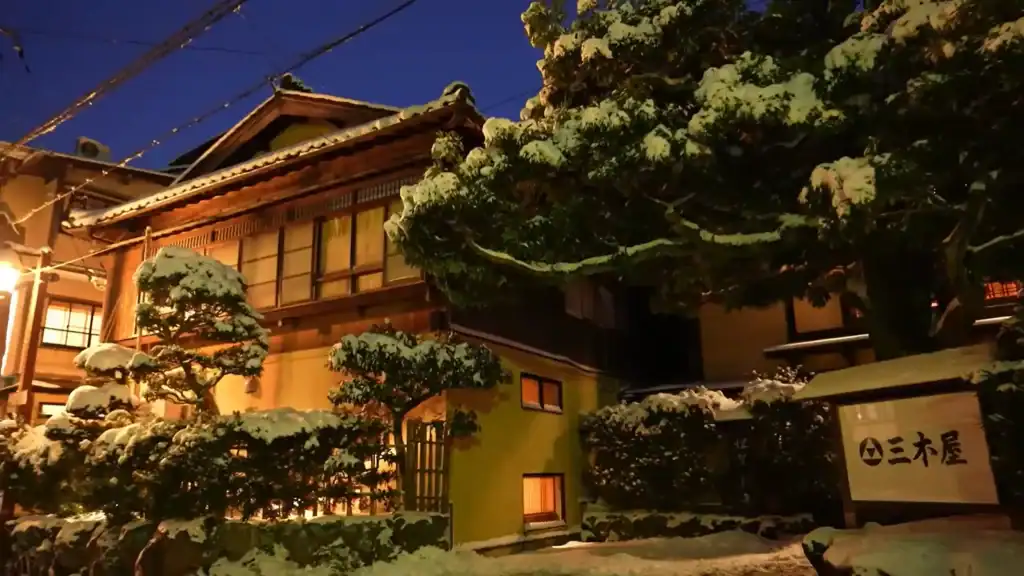
Kinosaki’s business model centers entirely on overnight guests wandering between bathhouses wearing provided yukata. Ryokans give each guest a free onsen pass valid from 3 PM check-in until 1 PM next day checkout, encouraging maximum bathhouse hopping. Day-trippers can purchase a ¥1,500 pass for all seven public baths, but without yukata and geta, you stand out awkwardly among the properly dressed evening crowd. Most visitors describe feeling self-conscious attempting onsen hopping in street clothes while everyone else embodies the traditional aesthetic.
The lantern lighting ceremony happens around 6 PM when attendants illuminate hundreds of paper lanterns along the canal and outside each bathhouse entrance. The Hyogo Prefecture Cultural Affairs Division maintains these traditional gas lanterns as protected cultural heritage. Photographers descend on Kinosaki specifically for golden hour shots of yukata-clad visitors crossing foot bridges under glowing lanterns with steam rising from nearby bathhouses. This Instagram-famous scene occurs precisely when day-trippers are boarding their return trains to Kyoto, having experienced only the town’s mundane daytime personality.
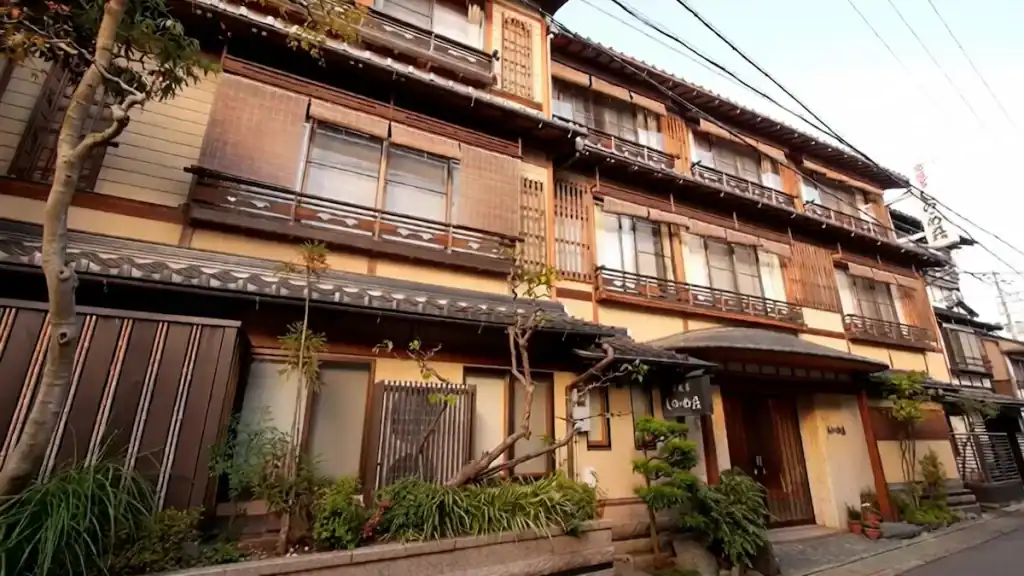
🚂 Realistic Kinosaki Day Trip Timeline From Kyoto
The morning departure from Kyoto Station requires catching the 9:08 AM Limited Express Kinosaki, arriving Kinosaki Onsen Station at 11:37 AM. This represents the only practical outbound option for day-trippers wanting maximum time in town. Earlier departures at 7:10 AM and 8:08 AM exist but provide excessive morning hours before bathhouses open at noon. The JR West Railway Company operates four direct Kinosaki services daily from Kyoto, but only one departure time creates a functional day-trip schedule.
Your five-hour window begins with the 15-minute walk from Kinosaki Onsen Station to the town center. Smart day-trippers immediately secure station lockers for luggage (¥300-500), though these fill completely by 11 AM on weekends. Next priority involves purchasing the ¥1,500 day pass for all seven public bathhouses at the station tourist office. The bathhouse circuit can commence around noon, giving you time for two bath visits maximum before catching return trains departing at 16:31 or 17:17.
9am Departure for 11:30am Arrival Logistics
Station arrival logistics create immediate pressure that overnight guests never experience. You exit the train carrying day packs or small luggage, immediately confronting the locker availability problem. Kinosaki Onsen Station offers approximately 80 coin lockers total, with larger lockers (¥500) numbering only 20. The station’s central location makes it Toyooka City’s primary transportation hub, meaning non-onsen visitors also compete for locker space. Weekends and Japanese holidays see lockers completely occupied by 10:30 AM, forcing late arrivals to carry bags through town all day.
The bathhouse pass purchase adds another 10-15 minutes at the tourist information counter where limited English-speaking staff explain the seven locations, operating hours, and closure days. Each bathhouse closes one weekday weekly for maintenance, creating scheduling puzzles. Satono-Yu closes Mondays, Kouno-Yu closes Tuesdays, Goshono-Yu closes Thursdays. Your Tuesday day trip eliminates Kouno-Yu entirely despite it being rated the most scenic bathhouse. The tourist office provides maps, but the complexity of coordinating closure schedules, walk times, and return train departures stresses time-limited visitors considerably.
🎒 Making Your Kinosaki Day Trip Work Practically
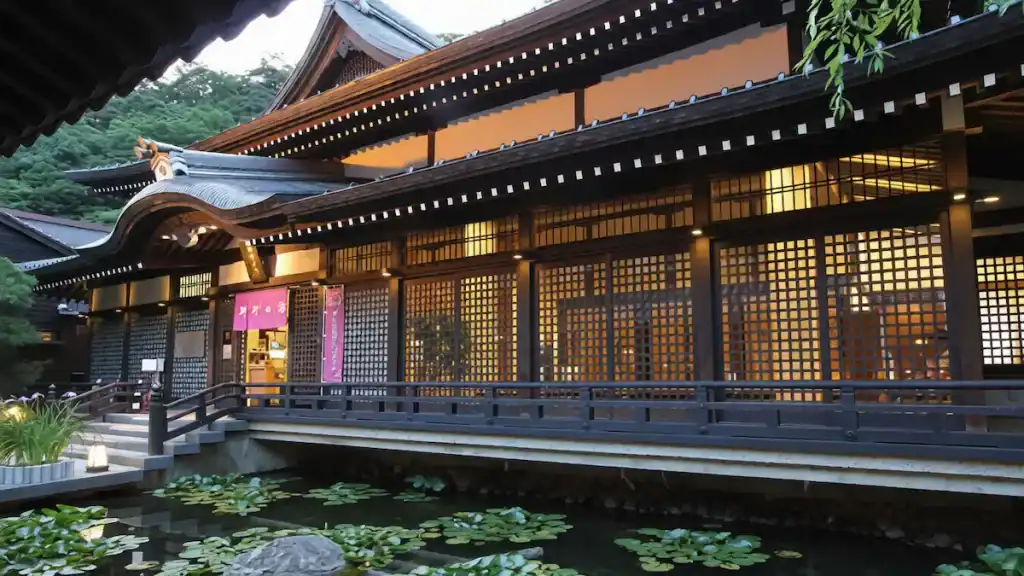
Strategic bathhouse selection becomes critical with only five hours available. Skip the station-adjacent Satono-Yu despite its convenience, as it offers the least atmospheric experience. Head directly to Goshono-Yu, the temple-style bathhouse featuring indoor and outdoor pools with waterfall views. This 20-minute walk from the station consumes precious time but delivers the quintessential Kinosaki experience in one location. Allocate 60-90 minutes here including changing, washing, and soaking in multiple pools.
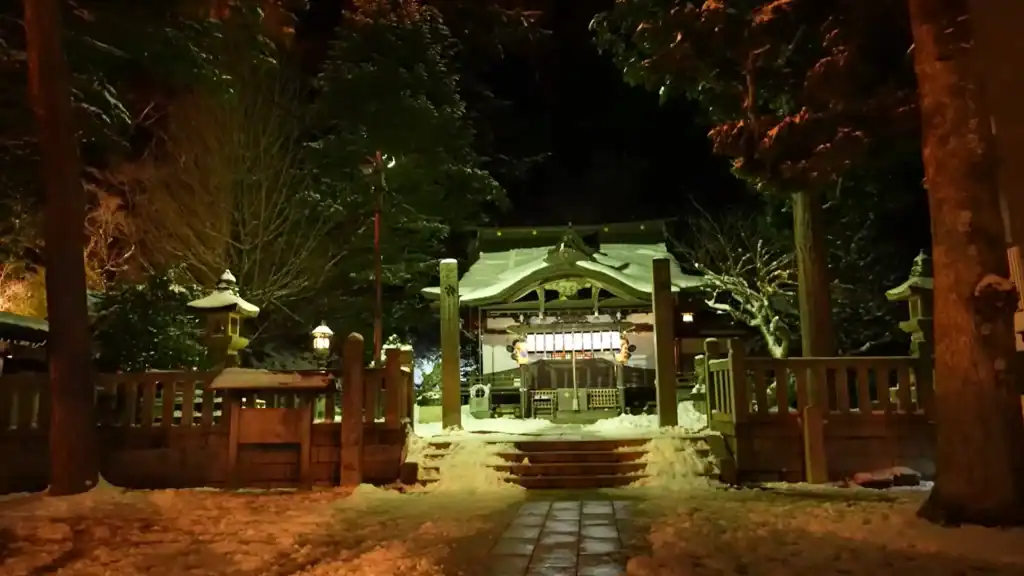
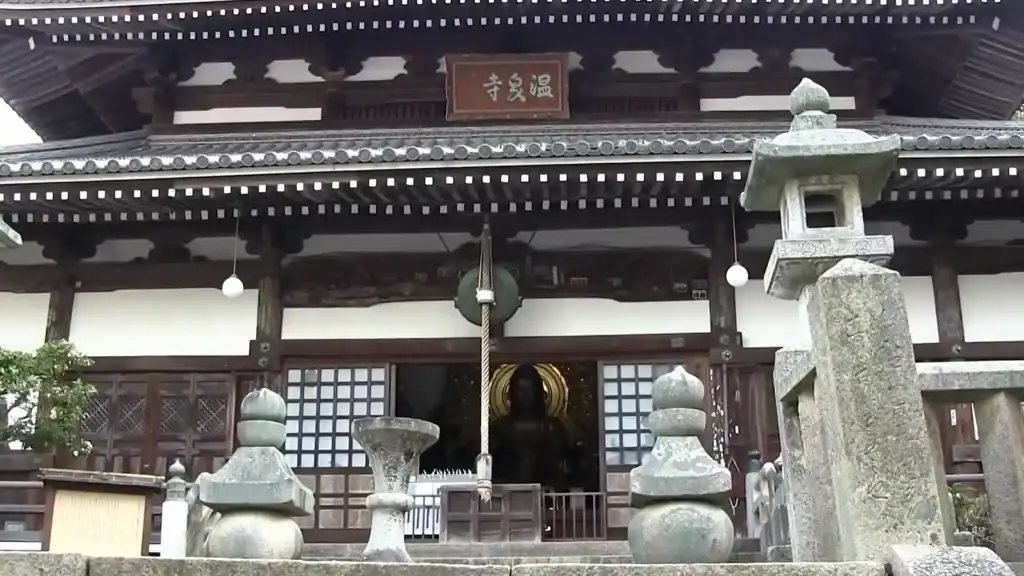
The ropeway to Mount Daishi operates 9:10 AM to 4:50 PM with last ascent at 4:10 PM, creating tight timing for day-trippers. The round-trip journey takes 30 minutes plus time at the summit cafe and Onsen-ji Temple midway descent. Most day-trippers skip the ropeway entirely to maximize bathhouse time or vice versa, choosing between two Kinosaki highlights rather than experiencing both. The Kinosaki Tourism Association markets the ropeway as essential, but overnight guests enjoy it leisurely next morning while day-trippers stress over the 16:31 departure deadline.
Station Lockers and Bath Pass Purchases
Locker backup strategies require planning since you cannot depend on availability. The Kinosaki Ryokan Service Center directly opposite the station offers luggage storage for ¥500 per piece, though this requires interacting with staff and completing paperwork. Alternatively, several convenience stores within 200 meters of the station sell large shopping bags (¥100-200) that convert day packs into easy-carry totes for navigating bathhouses. The traditional solution involves traveling ultra-light with only essentials in pockets, though this eliminates camera equipment and extra clothing layers.
Bath pass alternatives exist for budget-conscious day-trippers willing to sacrifice the full seven-bathhouse experience. Individual bathhouse entry costs ¥800 for adults, making the ¥1,500 unlimited pass economical only if visiting three or more locations. Realistically, five hours permits maximum two bathhouse visits including walk time, meaning you overpay ¥100-300 for the pass. Consider purchasing single-entry tickets at Goshono-Yu (¥800) and perhaps one other bathhouse rather than the unlimited pass marketed to overnight guests attempting all seven locations.
💡 When a Kinosaki Day Trip Makes Sense Anyway
Budget constraints represent the primary legitimate reason for day-tripping despite sacrificing the complete Kinosaki experience. Ryokan rates range ¥20,000-60,000 per person with half-board meals, while the Kyoto-Kinosaki round-trip costs ¥8,640 on JR trains. Travelers already holding Japan Rail Passes access Kinosaki at zero marginal cost, making the day trip economically rational when ryokan prices exceed available accommodation budget. You experience 40% of Kinosaki’s appeal for 15% of the overnight cost.
Preview visits make strategic sense for travelers planning future Japan trips who want to evaluate whether Kinosaki merits dedicated overnight allocation. The 2.5-hour train journey from Kyoto represents substantial investment, and many travelers question whether the town justifies removing a night from Kyoto or Osaka itineraries. A day trip answers this question definitively, letting you assess the town’s atmosphere, bathhouse quality, and overall appeal before committing future trip nights here.
Severe Budget Constraints and Preview Visits
JR Pass holders traveling Kansai specifically should consider Kinosaki day trips since the marginal transportation cost equals zero. The Japan Rail Pass covers all Limited Express Kinosaki services between Kyoto and Kinosaki Onsen, eliminating the ¥8,640 round-trip expense. This changes the cost-benefit analysis substantially, as you experience bathhouse soaking and scenic town walks for only the ¥1,500 bath pass price. The opportunity cost remains spending an entire day on trains and onsen rather than additional Kyoto temple visits.
Families with young children sometimes prefer day trips over overnight stays due to the complexity of navigating traditional ryokan customs with kids. Sleeping on futons, communal nude bathing, formal multi-course dinners, and limited English communication create stress for parents managing small children. A controlled 5-hour day visit lets families experience the bathhouses and canal scenery without the overnight ryokan cultural pressure. The tradeoff involves missing exactly what makes Kinosaki special, but some families prioritize stress-free travel over authentic immersion.