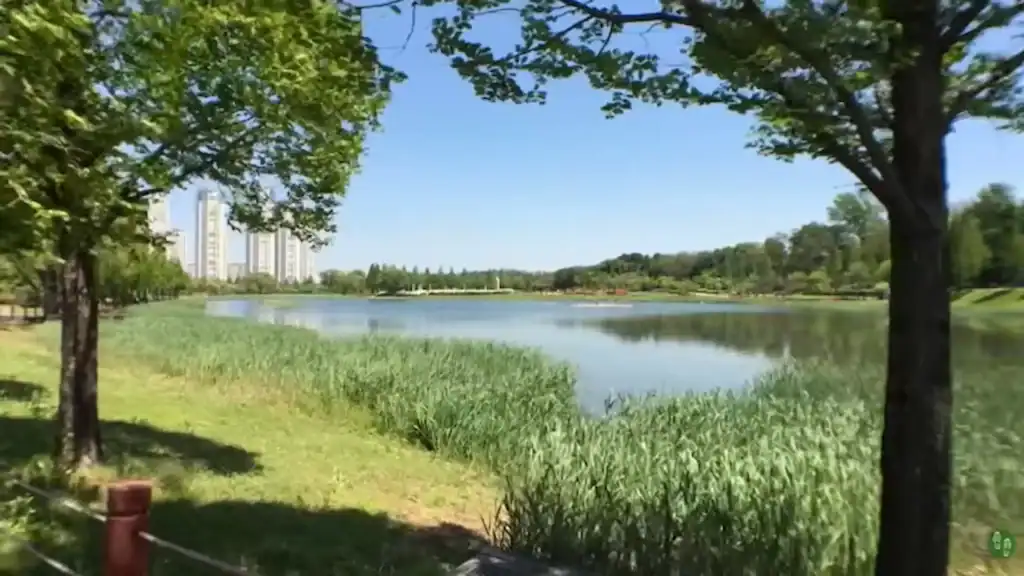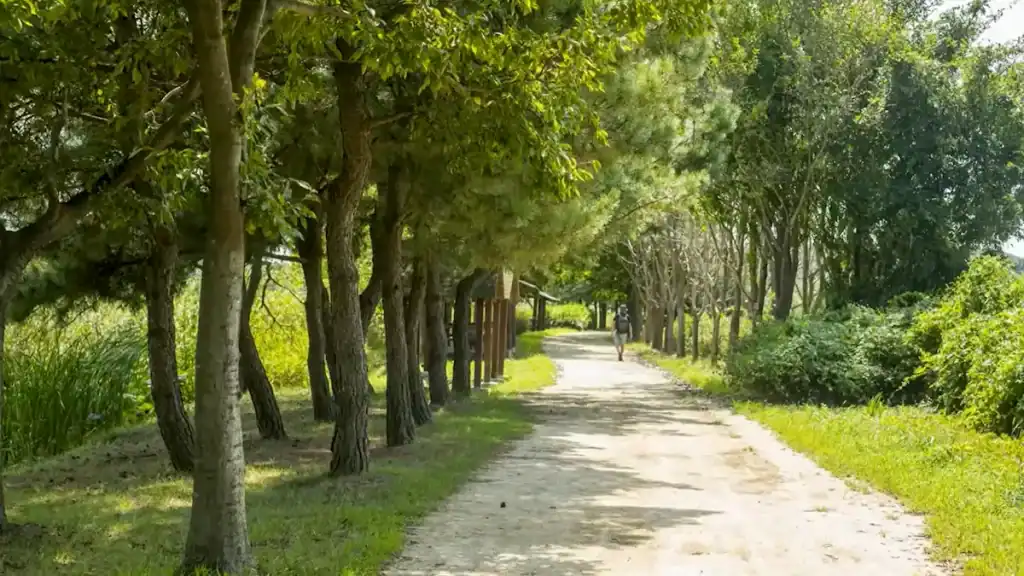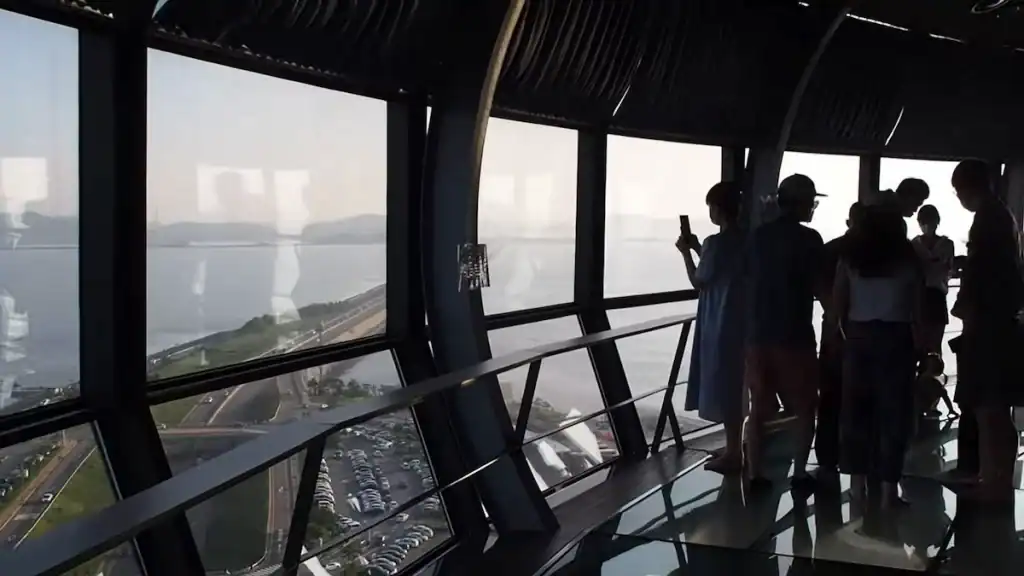

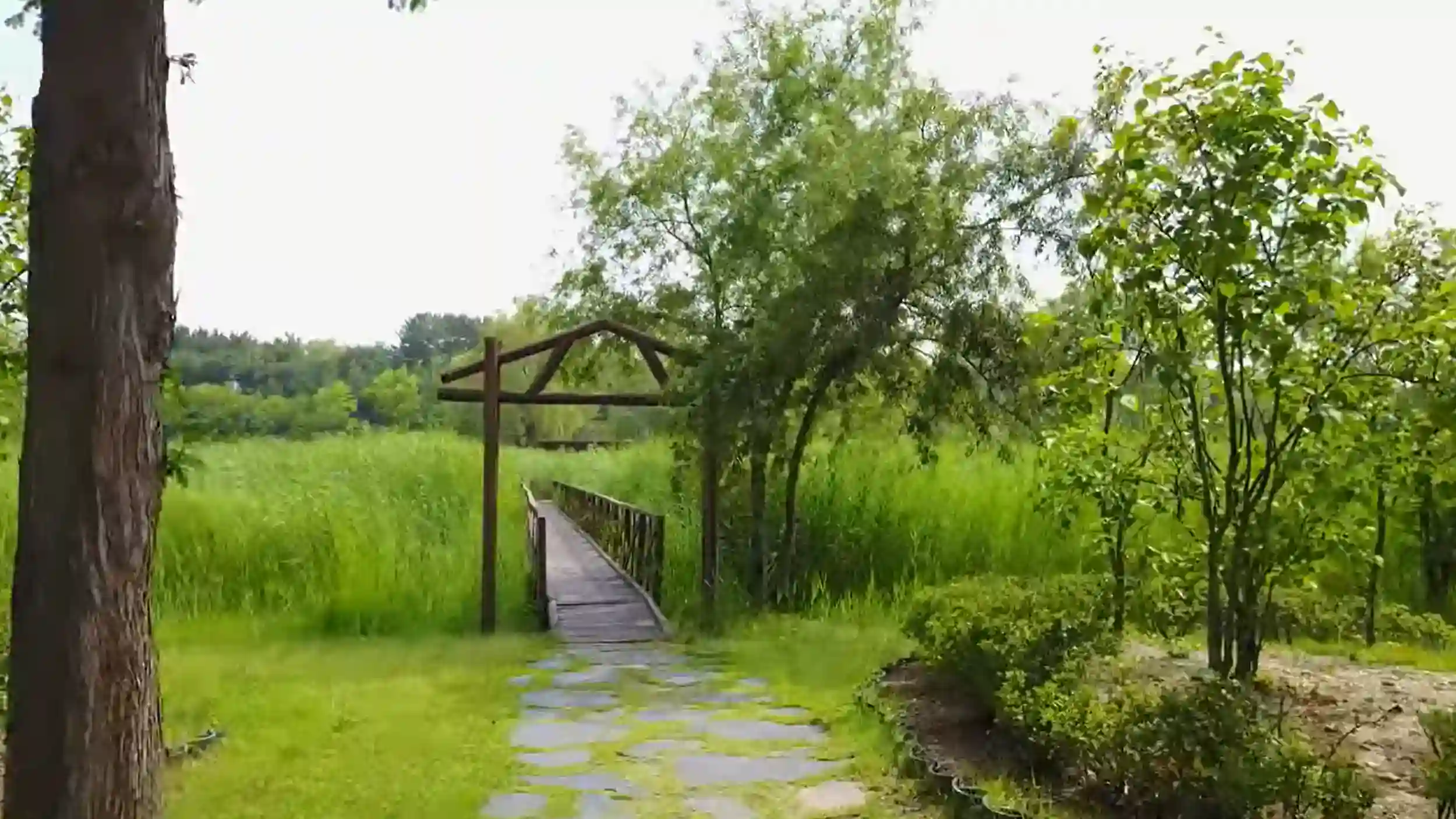
Ansan parks in South Korea include Ansan Urban Natural Park (296m elevation) with its 7.8km barrier-free Jarak-gil wooden deck trail offering panoramic Seoul views, Ansan Reed Wetland Park spanning 165,000㎡ with elevated boardwalks through protected wetlands, Ansan Lake Park featuring a 4.3km lakeside jogging path, and Daebu Haesolkil Park with 74km of coastal trails, providing free access year-round for hiking, birdwatching, and family recreation.
👀 Ansan Parks: At a Glance
📌 Location: 45km southwest of Seoul via Line 4 subway (1 hour+ commute)
👥 Main Draw: Ansan Reed Wetland Park with 2,929 birds across 111 species
⏱️ Travel Time: 60-90 minutes from central Seoul stations
🌤️ Best Season: Spring (April-May) for migratory birds, autumn for golden reeds
💰 Cost: ₩2,000-4,000 subway fare, free park entry
⚠️ Construction Noise: Reed Wetland area faces ongoing industrial development nearby
🚫 Skip if: You have limited time in Seoul and want guaranteed convenience
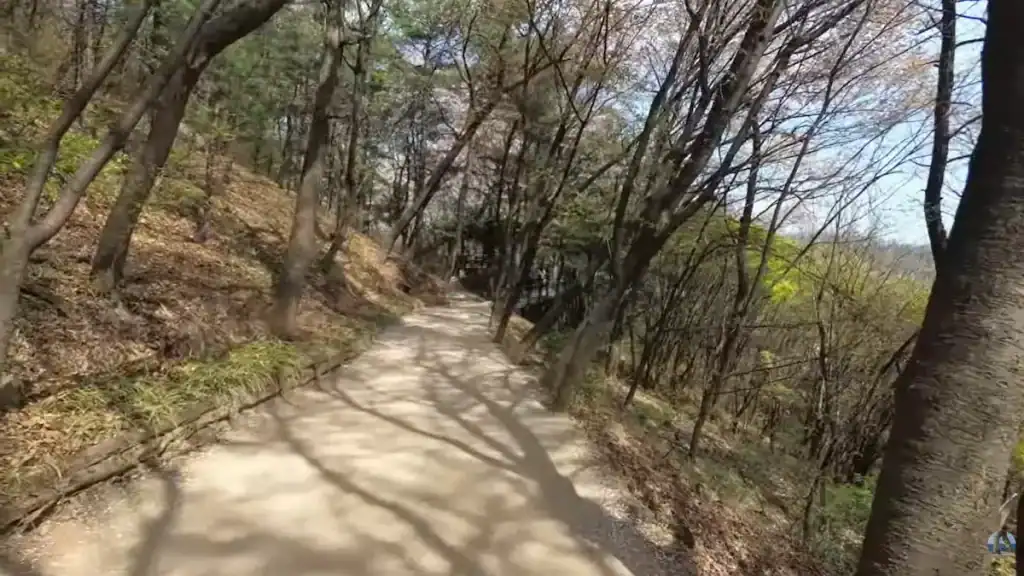
🏙️ Why Seoul Hikers Overlook Ansan (But Maybe Shouldn’t)
Ansan sits in Seoul’s shadow, and that creates a perception problem. Most hikers fixate on Bukhansan or nearby Gwacheon mountains because they deliver mountain views in under 40 minutes from Seoul Station. Ansan requires more commitment with a 60-90 minute subway journey each way.
The city’s industrial reputation doesn’t help. Ansan developed as a manufacturing hub in the 1970s and is still known more for factory zones than natural escapes. According to U.S. State Department travel guidance for South Korea, the greater Seoul area including Gyeonggi Province is generally safe for visitors, though travelers should take normal precautions.
The Suburb Stigma Problem
The distance matters less than the mental barrier. Seoul residents have Hangang Park right in their backyard. Why schlep to a suburb? The answer lies in what Ansan offers that Seoul can’t: genuine ecological diversity without urban compression.
Ansan Lake Park spans 300,000 pyeong (roughly 2.5 million square feet) and gets dismissed as “just another city park.” But its wetland areas support wildlife populations you won’t find along the Han River’s concrete banks. The real draw is space and quiet that Seoul’s parks physically cannot provide.
🌾 What Makes Ansan’s Parks Different: Wetlands, Coastline, and Space
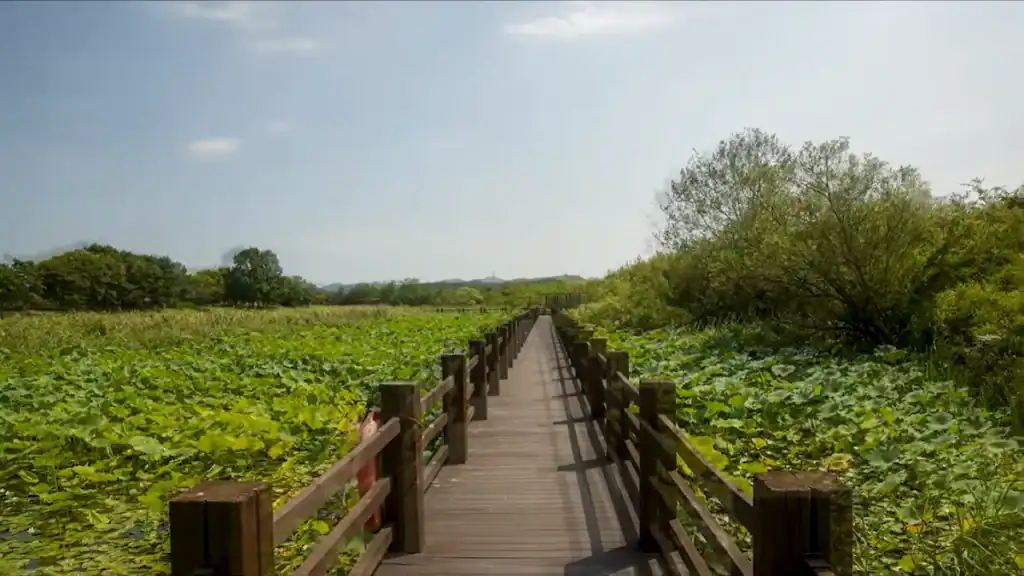
Ansan Reed Wetland Park started as Korea’s first artificial wetland in 1997. Built to filter pollution from three rivers feeding into Sihwa Lake, it evolved into a conservation success story. The park now covers over 1 million square meters of protected marshland along the Yellow Sea coast.
Reed wetlands function differently than urban green spaces. The ecosystem includes underwater plants, artificial islands for wildlife rest stops, and extensive reed marshes that create natural water filtration. This isn’t landscaping for aesthetics – it’s functional ecology that happens to look good.
Reed Wetlands vs Urban Green Spaces: The Key Distinction
Seoul’s parks prioritize human recreation. Grass fields, paved paths, exercise equipment, and food vendors shape the design. Ansan’s wetlands reverse that priority. The 1.7-kilometer observation trail exists to minimize human impact on the marsh while allowing visitor access.
The numbers tell the story. A 2014 survey documented 2,929 individual birds representing 111 different species in the wetland park. That includes 11 designated natural monuments and 9 endangered species like the common kestrel and mandarin duck. You won’t see Eurasian otters (Class 1 endangered) at Yeouido Hangang Park. Detailed conservation efforts are tracked by Korea’s Ministry of Environment wildlife protection programs, which monitors endangered species recovery.
⚖️ Ansan Reed Wetland Park vs Hangang: Which Actually Delivers Calm?
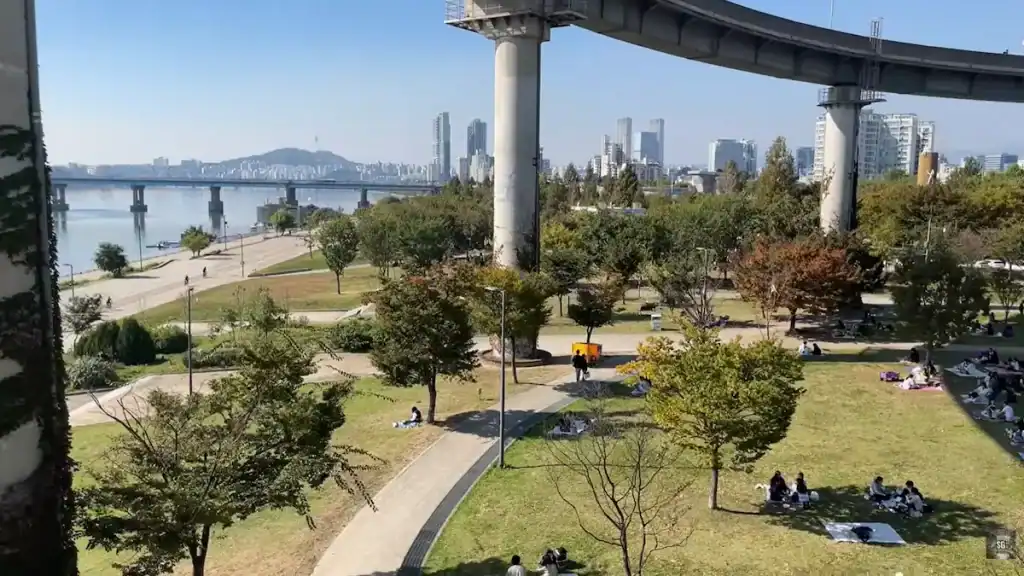
Yeouido Hangang Park attracts thousands during spring cherry blossoms and autumn fireworks festivals. The park’s popularity creates a vibrant atmosphere but eliminates any chance of solitude. Weekend crowds turn riverside paths into pedestrian traffic jams.
One TripAdvisor reviewer noted Ansan Reed Wetland as “a pleasant place to isolate yourself from the crowds” but added honestly: “I wouldn’t make a special trip to come and visit this park.” That captures the trade-off perfectly. Ansan offers space and quiet at the cost of convenience and amenities.
Crowd Density Reality: Numbers That Matter
Hangang Park spans 12 separate parks along 41.5 kilometers of river, but the most accessible sections see concentrated use. Banpo Hangang Park reviewers consistently mention crowds, especially near the Moonlight Rainbow Fountain shows. One visitor described arriving an hour early for weekend shows just to secure viewing spots.
Ansan’s wetland closes in winter for bird flu prevention and has construction noise from nearby industrial zones. But on open days, visitors describe cycling the foreshore bicycle road “listening to birds singing and frogs croaking” without navigating around picnic groups. Facility-wise, Ansan has a two-story ecology center and a small museum, versus Hangang’s full food delivery service, bike rentals, and swimming pools. Health and safety information for outdoor activities is available through Korea Centers for Disease Control travel health guidance.
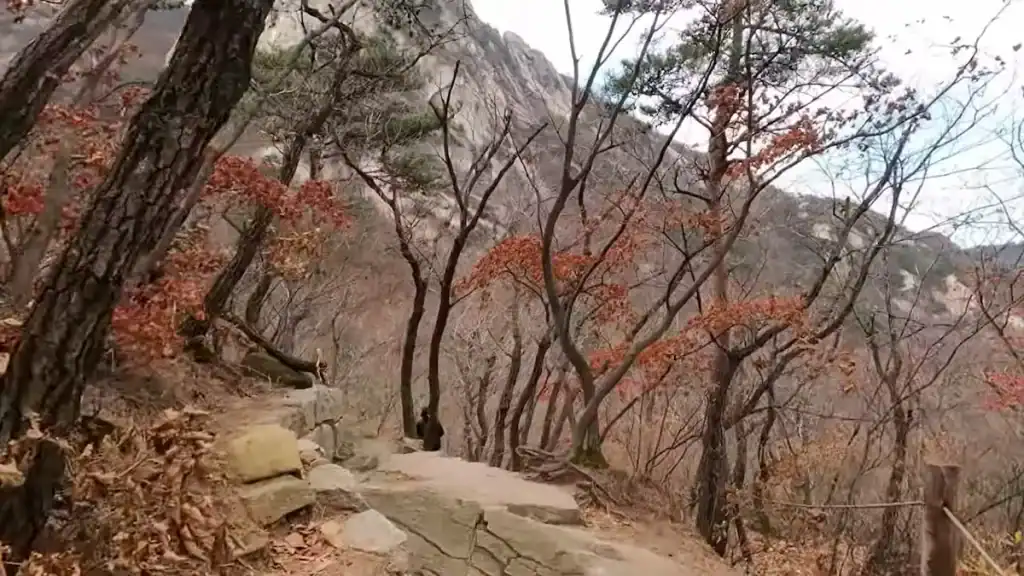
🚇 Getting to Ansan Parks from Seoul: Is It Worth the Subway Ride?
Seoul Subway Line 4 connects directly to eight stations in Ansan. From Seoul Station to Gojan (central Ansan) takes 1 hour 12 minutes with one transfer at Sadang Station. The ride costs ₩2,000-4,000 depending on your starting point. The new Shin Ansan Line opening in late 2024 will cut travel time to Yeouido to approximately 40 minutes.
The journey itself is straightforward. Line 4 is clean, frequent, and runs air-conditioned trains. But 90 minutes round-trip transportation represents serious time investment. Compare that to reaching Hangang Park in 15-30 minutes from most Seoul locations.
When to Just Stay in Seoul Instead
Time-crunched visitors should absolutely skip Ansan parks. If you have 2-3 days in Seoul, spending half a day on suburban parks makes no sense. Stick with Hangang, visit Bukhansan for mountain views, or explore palace grounds.
Ansan makes sense for Seoul residents wanting weekend variety, birdwatchers targeting wetland species, or travelers on extended stays who’ve exhausted central Seoul options. The park works best as a half-day trip combined with nearby coastal areas like Daebu Island. For current transportation updates and service changes, check Seoul Metropolitan Government public transit information.
Skip Ansan if you want food scene access, guaranteed English signage, or backup entertainment options if weather turns. The suburb serves one purpose well: ecological escape. If that aligns with your goals, the subway ride becomes worthwhile. If you’re looking for Instagram spots, cultural sites, or convenience, Seoul’s parks already deliver.