
Ansan Lake Park is a 3.2-kilometer urban park in Ansan, South Korea, featuring a scenic 1.2-kilometer lakeside trail, outdoor fitness equipment, and a 15-meter observation deck. Open 24/7 with free admission, the park offers paddle boat rentals (₩5,000-₩8,000), designated fishing zones, children’s playgrounds, and convenient parking near Sangnok Station, attracting over 10,000 daily visitors for exercise and relaxation.
👀 Ansan Lake Park: At a Glance
📌 Location: Ansan-si, Gyeonggi Province, 40 km from Seoul
👥 Best For: Locals seeking quieter green space than Seoul’s crowded parks
⏱️ Full Loop: 4 km walk (approximately 44 minutes to 1 hour)
🌤️ Crowd Levels: Much less touristy than Olympic Park, relaxed family atmosphere
💰 Cost: Free entry, free parking available
⚠️ T-Light Park: Separate location near coast, not within lake park itself
🚫 Skip if: You want Seoul’s historical significance, sculpture collections, or major events
🏞️ Ansan Lake Park Layout: What You’re Actually Walking Around
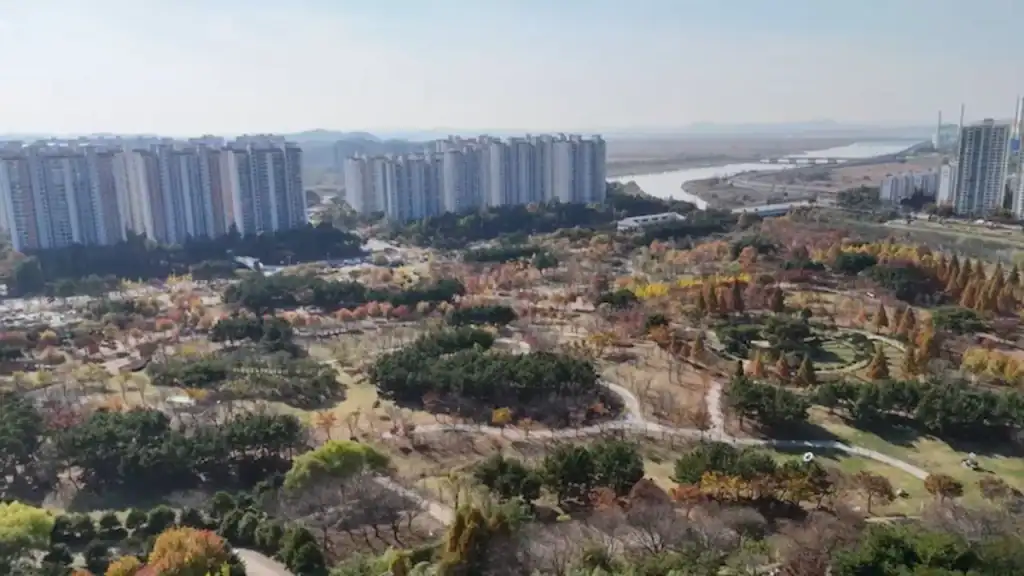
Ansan Lake Park is Ansan’s largest green space at 300,000 pyeong, divided into two sections by Gwangdeok-ro road. The left lake park is what most visitors picture when they think of the park. The right lake park functions more as an outdoor sports complex with basketball courts and inline skating areas.
The man-made lake sits in Sadong, Sangnok-gu, surrounded by residential apartment complexes. Unlike Olympic Park’s historical Baekje fortress remains, Ansan Lake Park was built as a modern recreational space with no ancient heritage attached. The site was formerly Saripogu port before urban development transformed it.
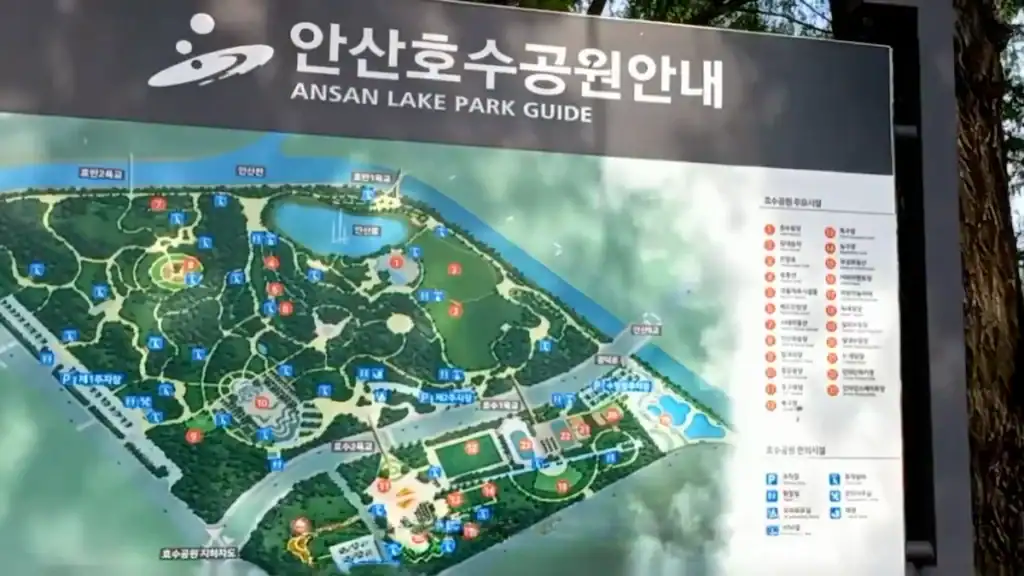
The Full Loop: 4km Walk Breakdown
The complete lakeside circuit measures 2 miles or 4 kilometers. AllTrails users report taking 44 minutes on average, though leisurely walkers with children or photographers often extend this to an hour.
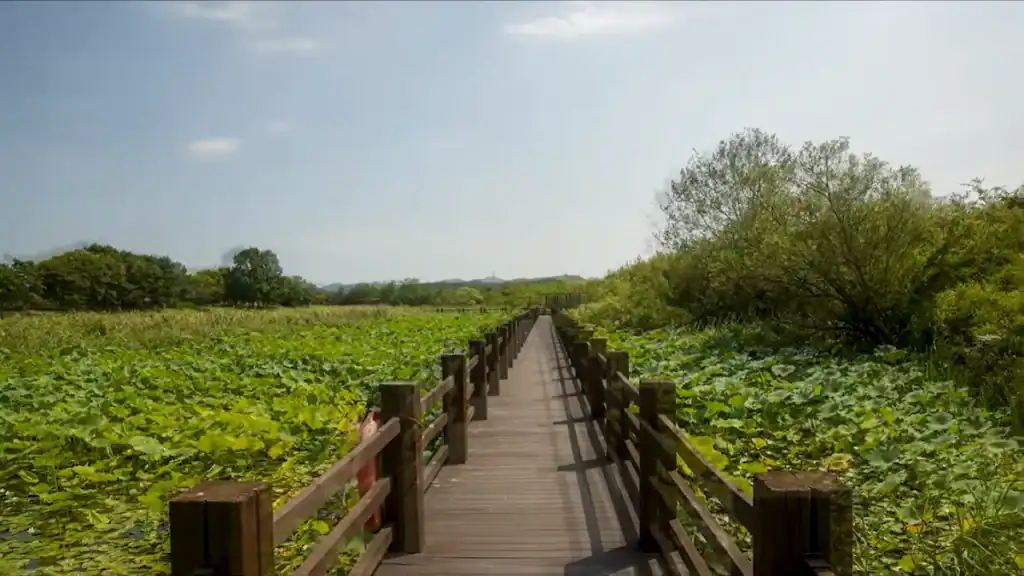
The walking paths are exceptionally well-maintained with minimal elevation change. You’ll encounter tree-lined sections providing shade in summer, grassy areas perfect for picnics, and sports facilities scattered throughout. A pedestrian overpass connects both lake park sections, making it easy to explore the entire complex without crossing busy roads. This differs significantly from Olympic Park’s sprawling 1.45 million square meters requiring 3-plus hours to fully explore.
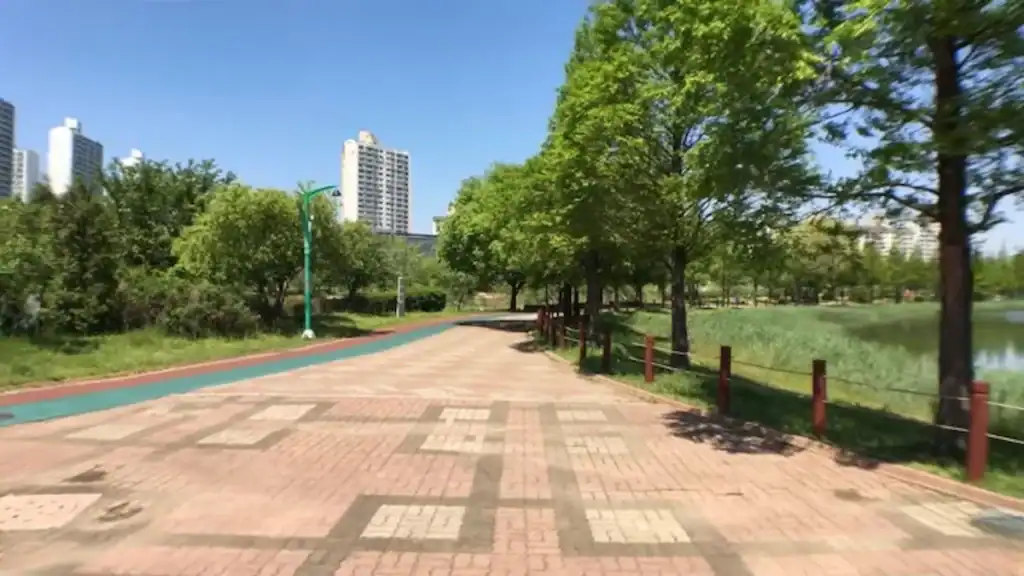
🌊 The Lakeside Trail: Distance, Scenery, and Crowd Levels
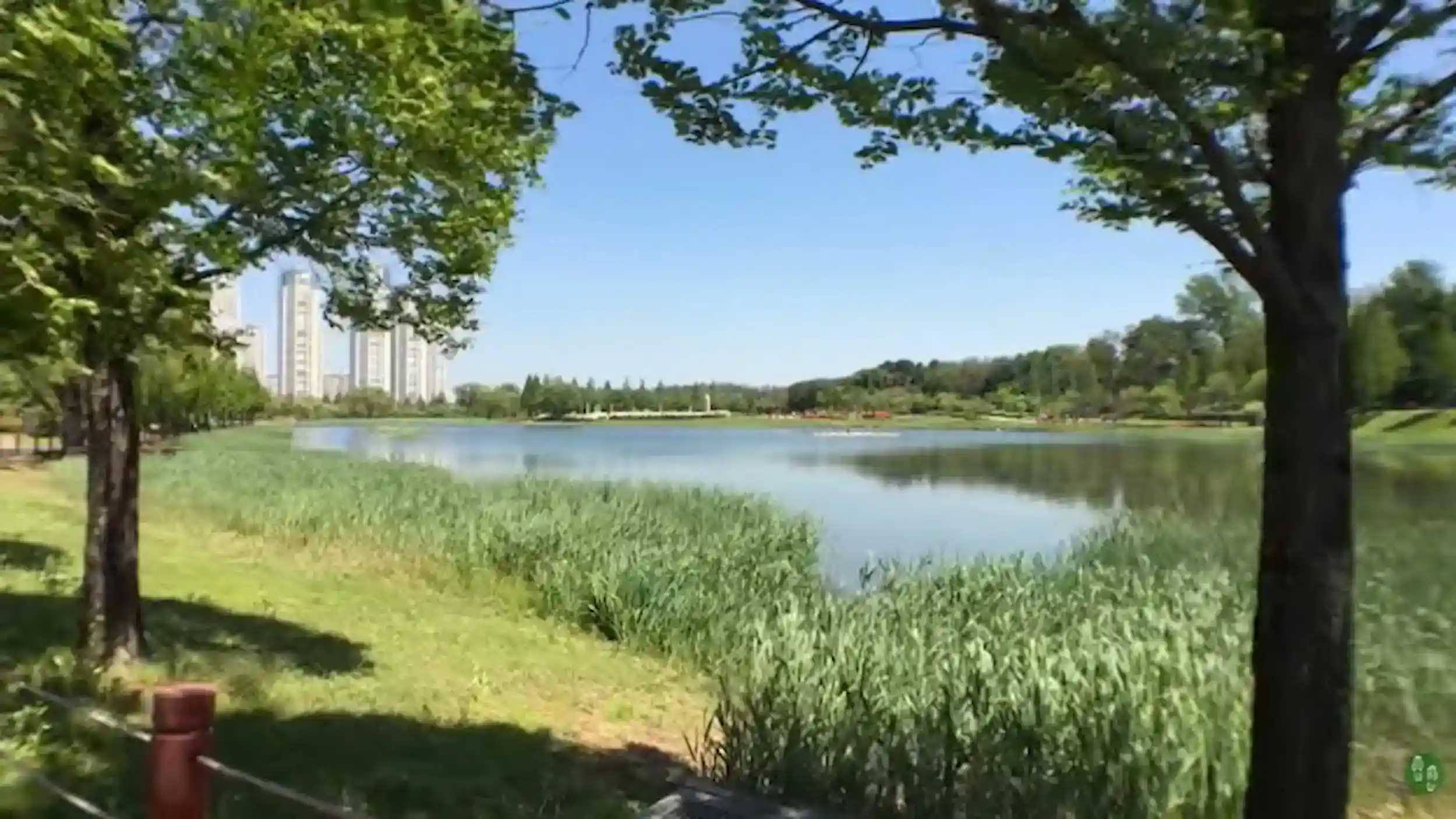
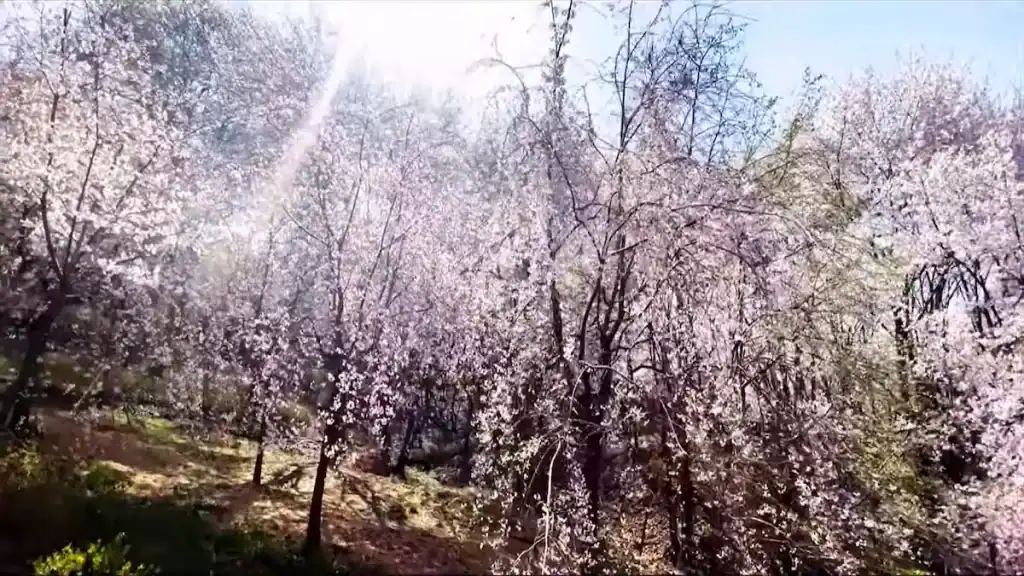
The lakeside scenery at Ansan Lake Park emphasizes tranquility over grandeur. Cherry trees line the circular path, creating spectacular pink reflections on water during spring bloom. Locals describe the vibe as relaxed and family-oriented, with residents bringing young children and dogs for afternoon walks.
Crowd levels remain consistently manageable. Unlike Seoul’s Olympic Park where weekend visitors pack the cosmos flower fields and iconic One Tree Hill, Ansan Lake Park rarely feels overcrowded except during Children’s Day or special local events. The park operates an outdoor swimming pool every summer, drawing neighborhood families but not tourist buses.
Picnic Areas and Facilities: How It Compares to Seoul Parks
Picnic infrastructure includes large grassy lawns where children run freely, designated seating areas, and vendor stalls selling street snacks during cherry blossom season. Clean restrooms and ample free parking make family visits straightforward.
However, facilities pale in comparison to Olympic Park’s comprehensive amenities. You won’t find Olympic Park’s bicycle rental shops, ice skating rink, SOMA Museum of Art, or multiple stadiums hosting concerts and sporting events. Ansan Lake Park’s appeal lies in simplicity rather than variety. Expect neighborhood convenience stores nearby but not the shopping and dining complexes surrounding Seoul’s larger parks per Seoul Metropolitan Government parks resources.
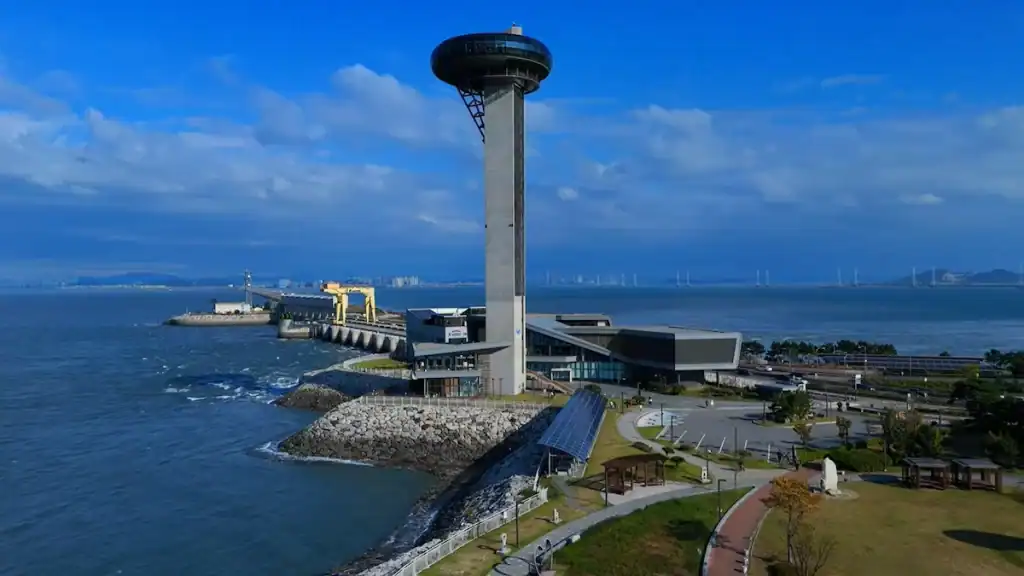
🌅 T-Light Park Addition: Observatory and Evening Extension
T-Light Park isn’t technically part of Ansan Lake Park despite frequent confusion. This separate attraction sits near Daebu Island on the west coast, approximately 15-20 kilometers from the lake park itself. Built on excavated sand from the Sihwa Tidal Power Plant construction, T-Light Park features restaurants, coffee shops, and the 75-meter Moon Observatory.
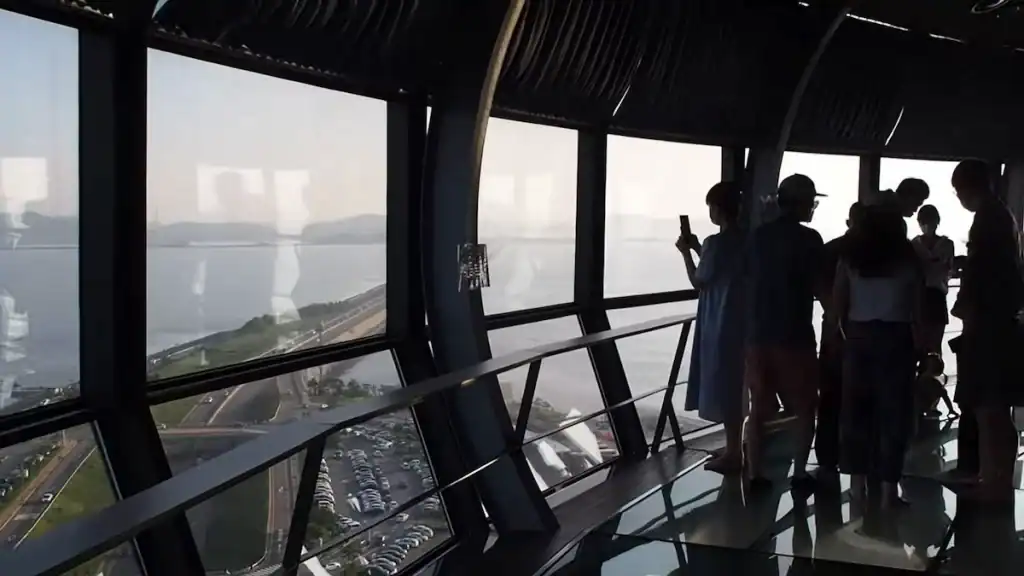
The park combines art installations with technology, creating illuminated pathways and light displays after dark. Visitors describe the observatory as offering fantastic sky views of the West Sea. However, public transportation access is inconvenient, making personal vehicles essential.
T-Light Observatory: Day vs Evening Visit
Daytime visits to T-Light Observatory provide clear coastal views and educational exhibits about tidal power generation. The world’s largest tidal power plant, visible from the park, produces enough electricity for 500,000 people annually. You can tour the Sihwa Narae Tidal Power Cultural Center adjacent to the observatory.
Evening transforms T-Light Park completely. The Obelisk of Light and illuminated art installations create a romantic atmosphere popular with couples. Weekend wait times for observatory access stretch 40-50 minutes according to recent visitor reports. The night skyline and ocean reflections justify the delay for photography enthusiasts. Convenient stores, restaurants, and cafes remain open late, unlike Ansan Lake Park which lacks evening entertainment infrastructure.
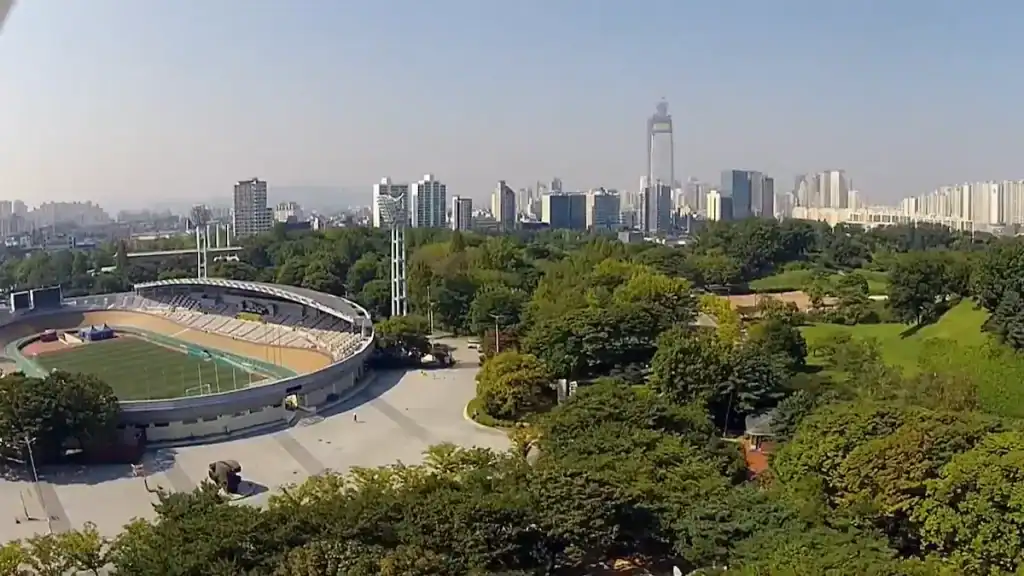
🏆 Seoul’s Olympic Park vs Ansan Lake Park: The Honest Comparison
Olympic Park delivers historical gravitas and world-class amenities that Ansan Lake Park cannot match. As the 1988 Seoul Olympics legacy site, Olympic Park houses actual competition venues, over 200 international sculptures, the World Peace Gate, and genuine Baekje dynasty archaeological remains dating to the 3rd century AD.
The scale difference is dramatic. Olympic Park’s 1.45 million square meters dwarf Ansan Lake Park’s footprint. Olympic Park requires advance planning to navigate its four distinct zones including cultural arts, recreation, environmental ecology, and historical experience sections. You could spend an entire day exploring without seeing everything.
Which Park Has Better Sunset Photography?
Ansan Lake Park offers intimate sunset photography with cherry blossoms reflecting golden hour light on calm water. The less-crowded paths mean you can set up tripods without competing for spots. Autumn brings gorgeous foliage, and the quieter atmosphere allows patient photographers to capture wildlife and local life.
Olympic Park counters with the iconic lone tree on the hillside, a favorite Instagram location drawing crowds year-round. The ginkgo tree path becomes magical when golden leaves blanket the ground in late autumn. The Seoul Metropolitan Government notes that Olympic Park’s scale provides diverse backdrops from modern stadiums to ancient fortress walls, though this variety means sharing space with many other photographers.
For pure sunset views without lake reflections, neither park excels. Olympic Park’s urban setting and Ansan Lake Park’s residential surroundings lack dramatic horizons. If sunset photography is your primary goal, consider T-Light Observatory’s west coast location instead, where ocean meets sky with unobstructed views.
The honest verdict: Ansan Lake Park serves as an excellent Olympic Park alternative only if you prioritize peace over prestige. Choose Ansan Lake Park for relaxed weekend walks, less crowded cherry blossom viewing, and easy free parking. Choose Olympic Park for cultural significance, diverse activities, architectural interest, and the genuine Seoul experience tourists expect from Korea’s national parks and tourism sites.