
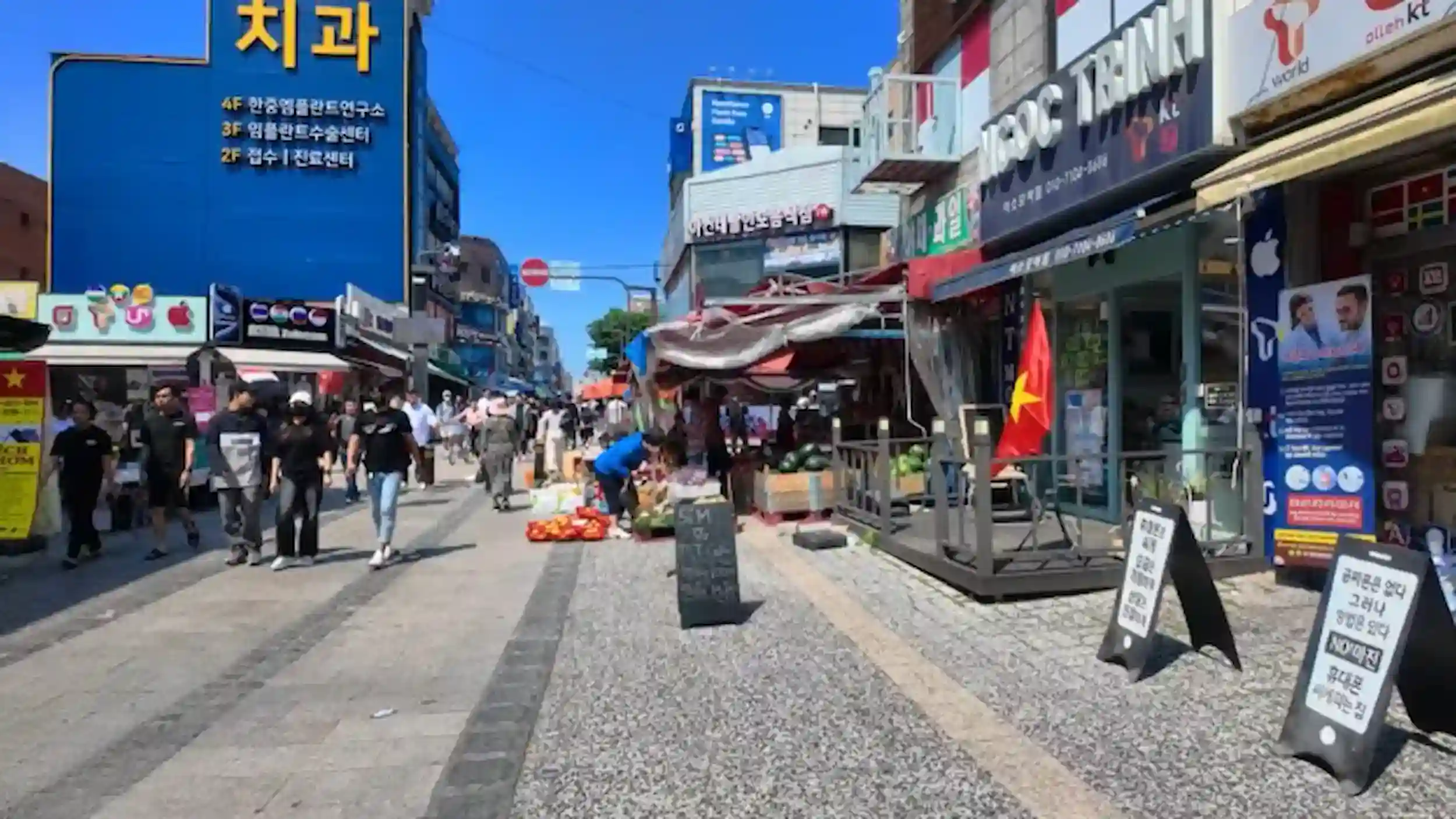
Ansan markets include Ansan Multicultural Food Street near Ansan Station Exit 1, featuring 200+ international shops from over 30 countries selling Russian, Chinese, Uzbek, and Cambodian groceries and street food; Ansan Seonbu Traditional Market with 400+ vendors; and Ansan Wholesale Fashion Town spanning 66,000㎡ with 800+ clothing stores offering wholesale prices 30-50% below retail.
👀 Ansan Markets: At a Glance
📌 Location: Wongok-dong district, directly across from Ansan Station Exit 1
👥 Main Draw: Multicultural Food Street with 184 restaurants from 90+ countries
⏱️ Time Needed: 3-4 hours to explore markets and sample street food properly
🌤️ Best Time: Late afternoon to evening (5 PM onwards) when food stalls come alive
💰 Budget: Street food ₩1,000-₩10,000 per item, full meals ₩8,000-₩15,000
⚠️ Know This: Most vendors speak limited English or Korean – Chinese, Vietnamese, Indonesian common
🚫 Skip if: You only want traditional Korean markets (this is international)
🌍 Overview of Main Ansan Markets
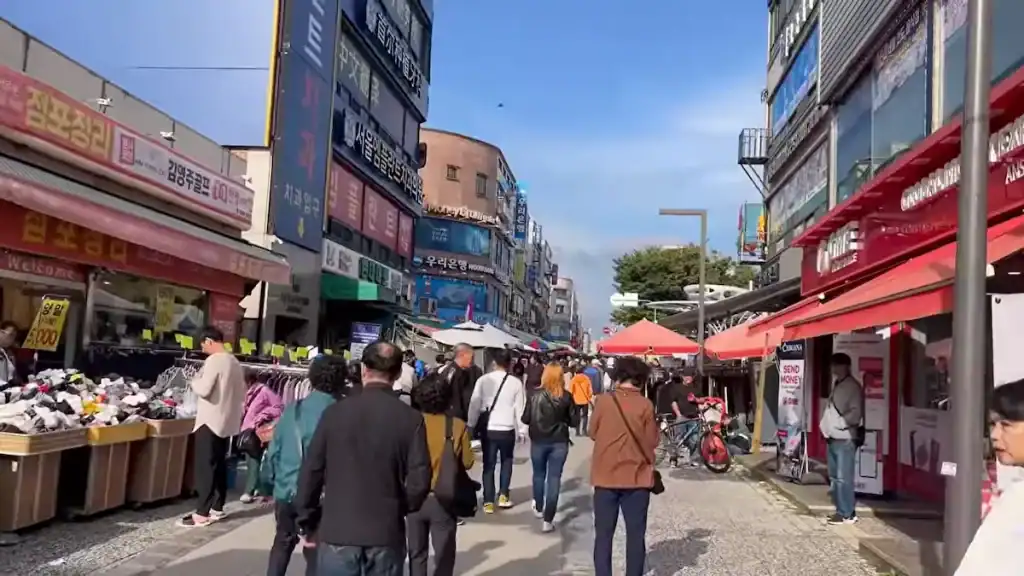
Ansan defies expectations for Korean markets. Located an hour southwest of Seoul in Gyeonggi Province, this industrial city hosts approximately 86,000 foreign workers from 107 countries. The result is Korea’s most authentic international food scene, centered in the Wongok-dong Multicultural Food Street directly opposite Ansan Station.
The main market area formed organically in the 1990s when foreign laborers arrived to work in the Sihwa-Banwol Industrial Complex. Unlike Itaewon’s westernized food scene, Ansan markets cater to immigrant communities seeking authentic home cooking. Signs display Chinese, Vietnamese, and Indonesian rather than Korean and English.
Traditional vs Modern Market Areas
Walking through Wongok-dong feels like stepping into Southeast Asia or Central Asia. The traditional Korean market structure exists, but vendors sell Sichuan spices instead of gochugaru, tropical fruits instead of Korean pears, and halal meat instead of standard cuts. Grocery stalls stock Indonesian snack brands and Chinese medicine.
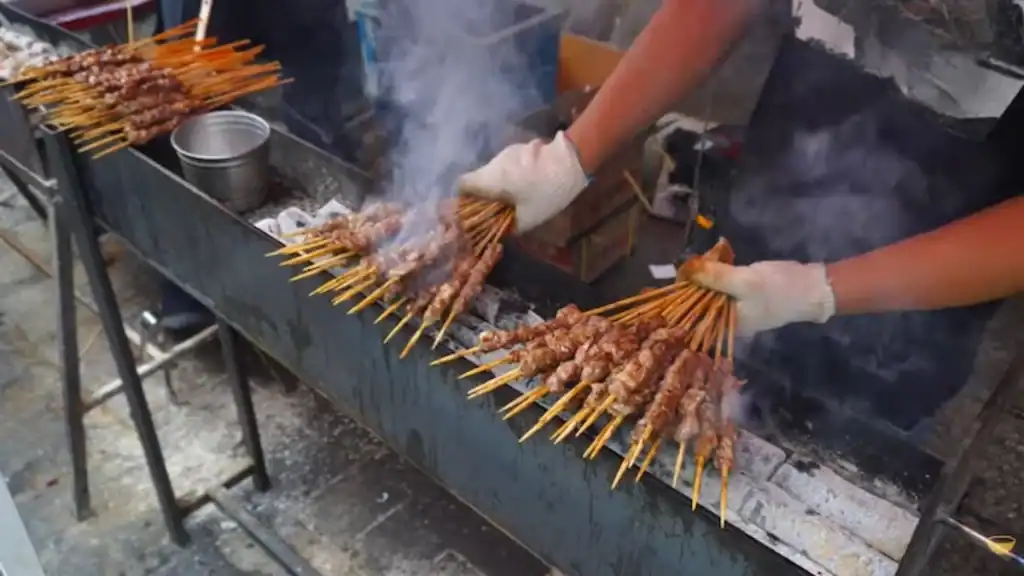
Modern infrastructure blends with traditional street vendor culture. You’ll find established restaurants on upper floors of buildings, while ground level hosts open-air street food vendors grilling lamb skewers over charcoal. Several smaller market clusters – including Gojan Market and Ansan Seongnam Market – surround the central Multicultural Food Street, each maintaining distinct character.
🍜 Local Specialties to Try
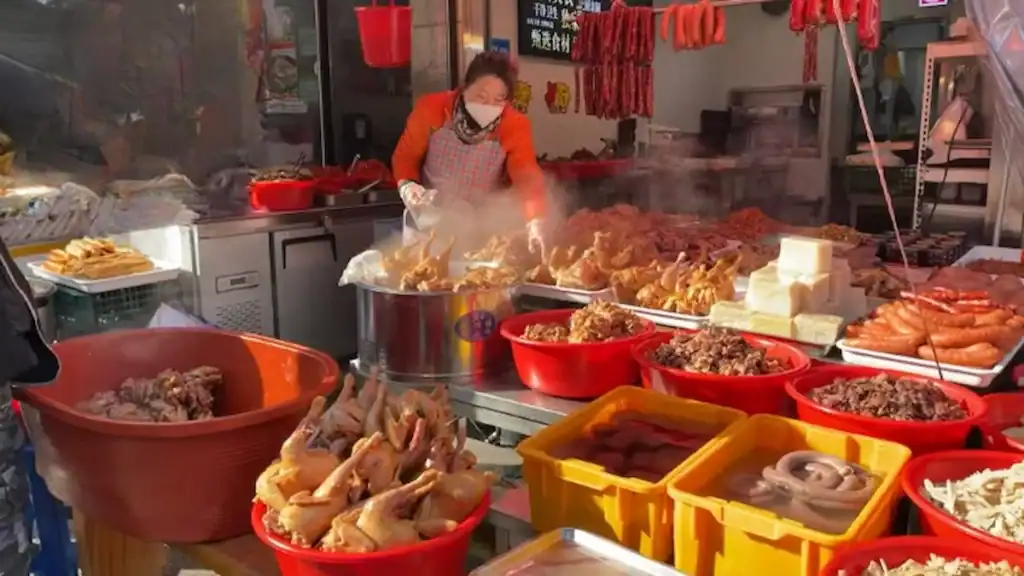
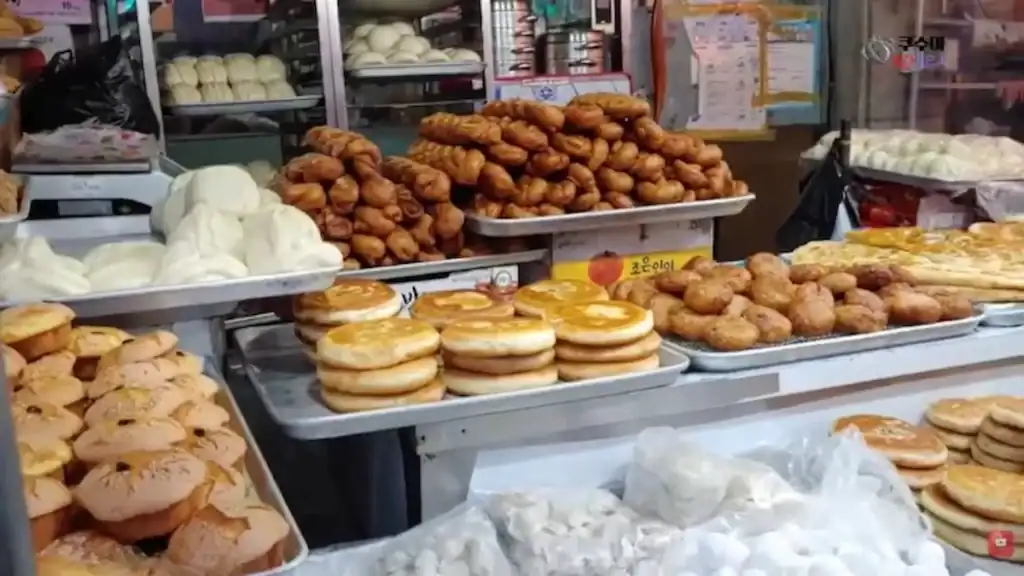
Street food dominates the Ansan markets experience. Chinese chive pancakes cost just ₩2,000 for massive portions that travelers report eating all day. Lamb skewers run ₩1,000 each, with tender chunks grilled roadside. Fried dough sticks, Chinese dumplings, and rice balls appear at nearly every turn.
Indonesian restaurants serve gulai kambing (lamb curry) and ayam goreng (fried chicken) for ₩8,000-₩10,000, roughly half Seoul prices. Vietnamese pho shops attract expats seeking authentic broth, while Indian and Sri Lankan curry houses offer regional dishes rarely found elsewhere in Korea. Weekend buffet specials at some restaurants provide unlimited refills for ₩10,000-₩13,000.
Street Food, Seafood, and Seasonal Snacks
Uzbek bread, Nepalese momos, and Middle Eastern kebabs represent the market’s extraordinary range. Seafood stalls let you purchase fresh catches, then pay a small cooking fee at adjacent restaurants – a setup popular with locals who know quality. Russian cafes serve crepes and non-coffee desserts, staffed by Russian-speaking proprietors.
Traditional Korean street food exists alongside international options. Tteokbokki, gimbap, and hotteok vendors operate near the station, but the real draw remains dishes impossible to find in most Korean cities. According to official Gyeonggi Province tourism data, 184 restaurants serve food from 90 countries in this concentrated area. Prices stay affordable because vendors target working-class communities.
🎭 Cultural Experience Beyond Shopping
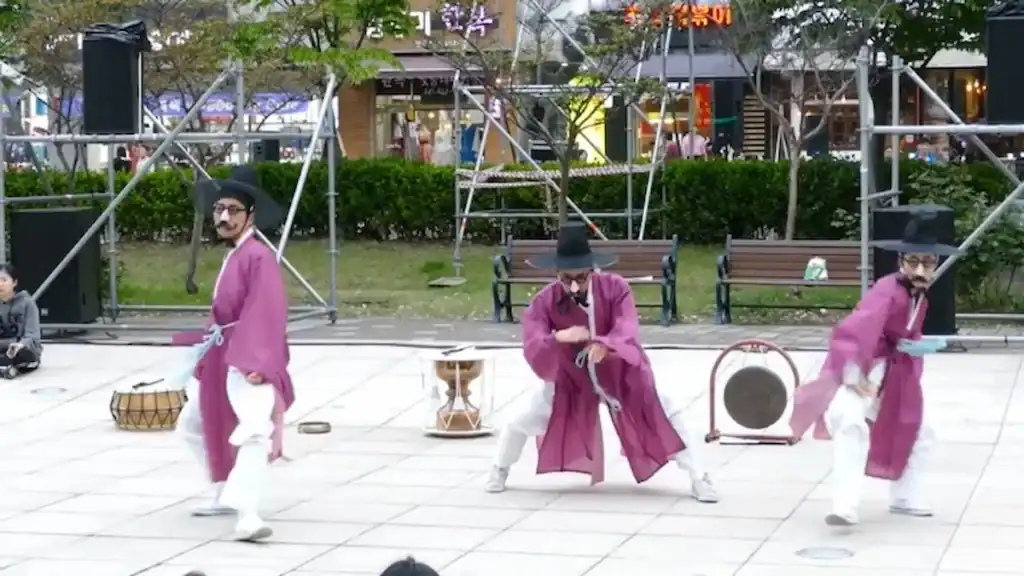
Ansan markets deliver cultural immersion rarely available in homogeneous Korea. The World Culture Hall, located across from Multicultural Food Street, displays over 1,400 items including musical instruments, dolls, relics, and traditional costumes from 50+ countries. Visitors can try on clothing and participate in cultural programs through free reservations.
Annual festivals celebrate multiculturalism. Togetherness Day on May 20 features embassy representatives and cultural performances. The area’s authentic international character means you’ll overhear Mandarin conversations, see storefronts with untranslated foreign signage, and experience vendors who may not speak Korean or English but communicate through gestures.
Festivals, Live Music, and Market Atmosphere
The atmosphere shifts dramatically from typical Korean markets. Street vendors operate without the hard-sell tactics common elsewhere. Restaurant owners, many first-generation immigrants, treat customers like extended family. Travelers report being offered heaters when cold, receiving enthusiastic recommendations, and experiencing genuine curiosity about why foreigners visit their neighborhood.
Live music occurs less formally than organized night markets – instead, conversations in multiple languages create the soundtrack. The area resembles Southeast Asian marketplaces more than Korean ones, with similar crowd density, vendor setups, and sensory overload of cooking smells. According to U.S. State Department travel information, South Korea maintains Level 1 “Exercise Normal Precautions” status, and Ansan follows standard Korean safety practices.
🚇 How to Reach and Navigate Ansan Markets
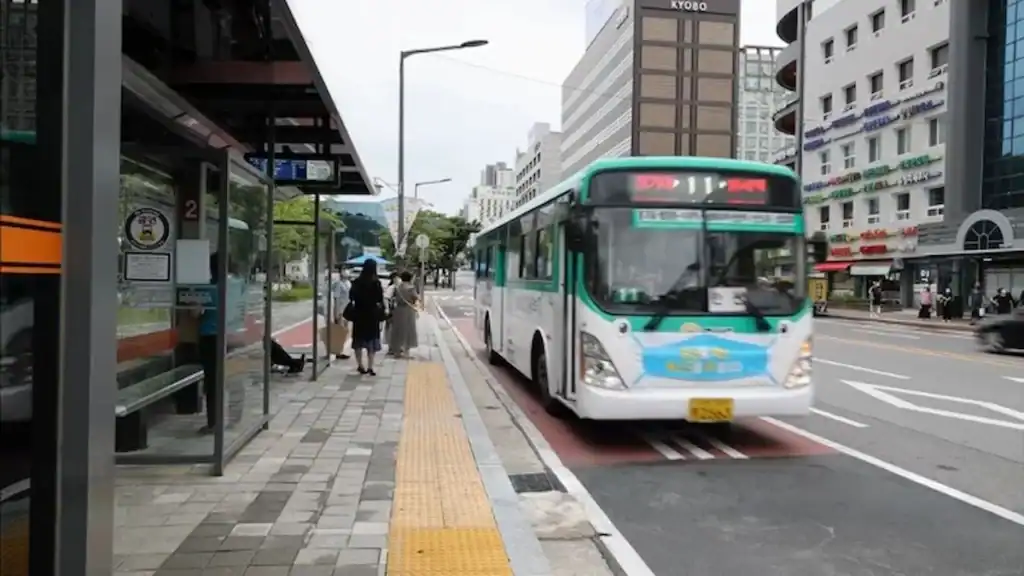
Getting there is straightforward despite the distance. From Seoul Station, take Line 4 subway toward Oido. The journey takes approximately 70-90 minutes depending on your starting point. Ansan Station sits on both Line 4 and the Suin-Bundang Line, making it accessible from multiple directions. The regular buses also are very useful if you fancy travelling a little further afield.
Exit through Ansan Station Exit 1 and walk straight. The Multicultural Food Street begins immediately across from the station – you literally cannot miss it if you follow the crowds. The main market stretches several blocks through Wongok-dong, with side alleys revealing additional restaurants and shops.
Transportation, Opening Hours, and Tips
Individual vendor hours vary, but most food stalls operate from late afternoon through evening. Restaurants open throughout the day, with peak energy from 5 PM onwards when work shifts end and the neon signs illuminate. The World Culture Hall operates Monday-Saturday 10:00-17:00 according to Ansan city’s official multicultural center information.
Bring cash – many small vendors don’t accept cards. Wear comfortable shoes for walking on occasionally uneven pavement. Download a translation app if needed, though pointing and smiling work surprisingly well. Visit during spring or fall for comfortable outdoor exploring, though the area functions year-round.
The CDC recommends standard precautions for travelers to South Korea including staying hydrated and being aware of food safety. Ansan’s food scene serves immigrant communities daily with generally good sanitation practices. Come hungry, bring an adventurous appetite, and expect to discover cuisines you’ve never encountered in typical Korean settings.