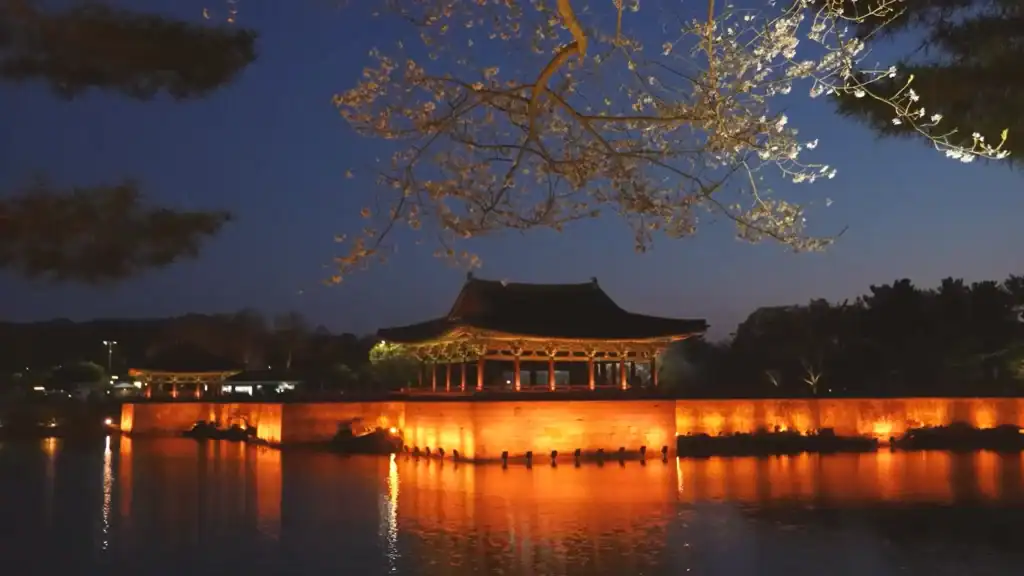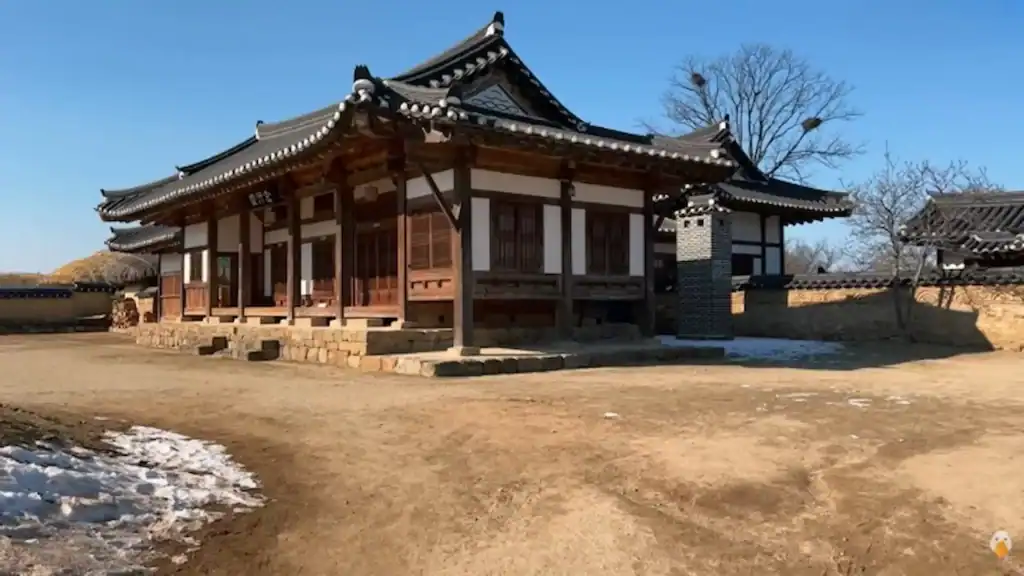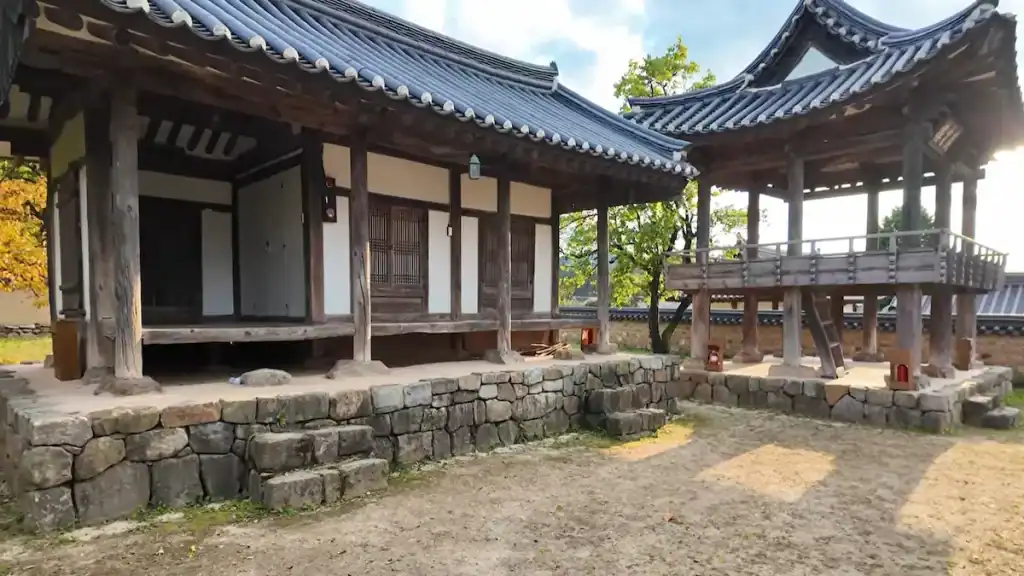

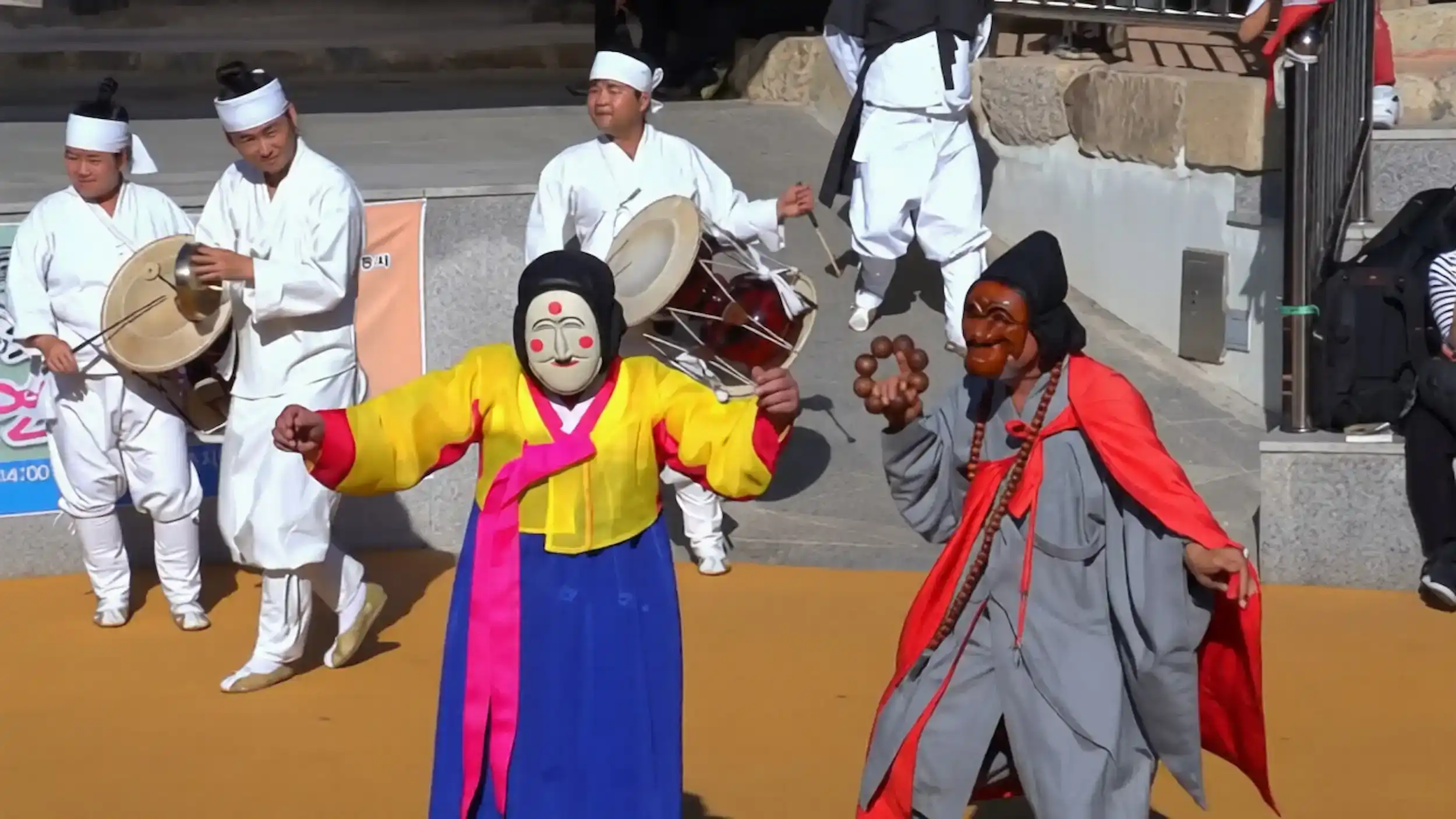
Andong cultural experience centers on Hahoe Folk Village, a UNESCO World Heritage site 25km west of downtown, where traditional mask dances (₩8,000 entry) showcase 600-year-old Confucian traditions. Visitors explore preserved hanok homes, attend twice-daily Hahoe Byeolsingut Talnori performances, sample Andong jjimdak cuisine, and visit nearby Dosan Seowon Confucian academy, offering Korea’s most authentic living heritage immersion.
👀 Andong Cultural Experience: At a Glance
📌 Authenticity Level: Mix of genuine Confucian heritage sites and organized cultural performances
👥 Best For: Culture-focused travelers willing to slow down and observe traditional Korean life
⏱️ Time Needed: 2-3 days to distinguish authentic experiences from staged programs
🌤️ Peak Season: September-October for Mask Dance Festival, spring for temple stays
💰 Cost Range: ₩15,000-₩80,000 per cultural program (temple stays, mask performances, hanok accommodations)
⚠️ Reality Check: Some “cultural experiences” are designed for tourists, while others happen regardless of visitors
🚫 Skip if: You prefer spontaneous travel without scheduled programs or need constant urban stimulation
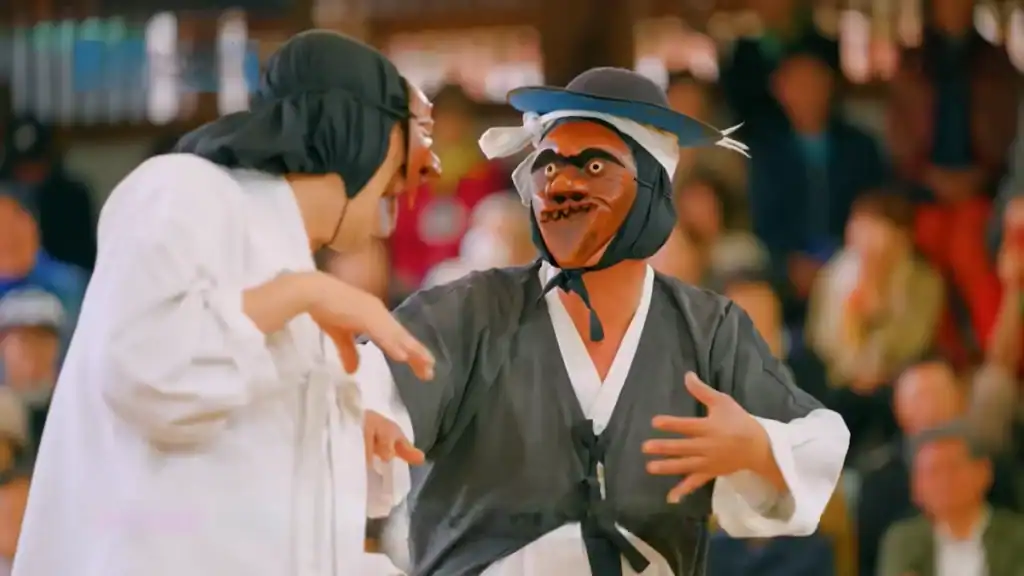
🎭 What “Cultural Experience” Actually Means in Andong
Andong calls itself Korea’s spiritual capital. What does that mean for you? The city has three types of culture. First, real traditions that locals practice daily. Second, shows made for tourists. Third, hands-on programs where you join in.
Some culture happens naturally. Locals hold ceremonies at Hahoe Folk Village. Scholars study at academies. These happen with or without tourists. Other things are scheduled shows. The mask dance happens at 3 PM every weekend. It’s real tradition shown as performance.
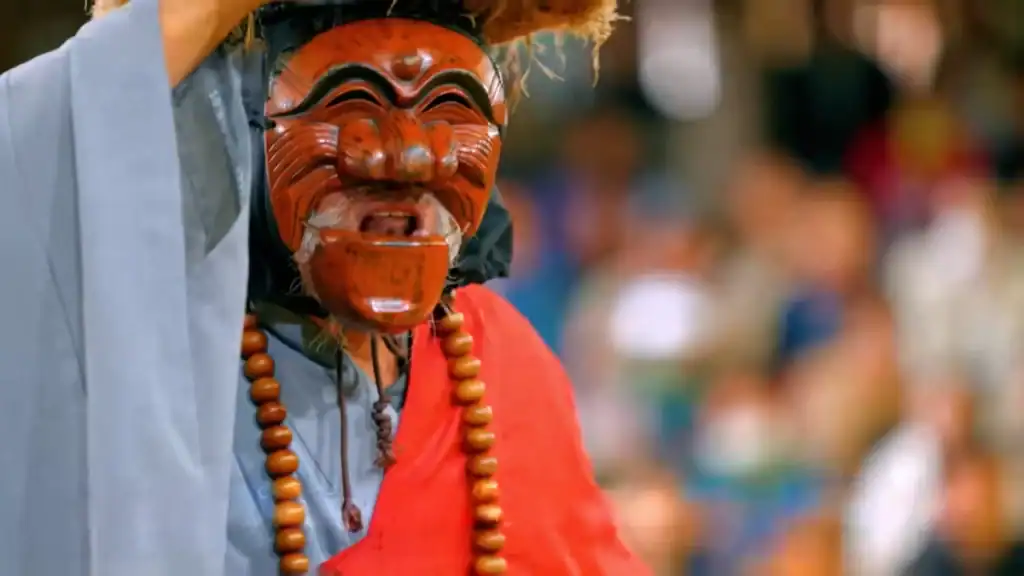
Mask Dance, Hanok Stays, and Temple Programs: Which Ones Feel Real?
The Hahoe Mask Dance is staged for visitors. It happens Wednesdays and weekends at 3 PM. This runs March to November. Tickets cost ₩5,000. Shows last 45 minutes. But the dance itself is real. The Korean Cultural Heritage Administration calls it Important Cultural Property No. 69. Performers train for years.
Temple stays feel different. At Bongjeongsa temple, you follow the monks’ schedule. Wake up at 3 AM. Meditate. Chant. Eat simple meals. Monks do this every day. You don’t change their routine. The Korean Temple Stay program runs at 130 temples. Andong’s temples are quiet. You see real monk life.
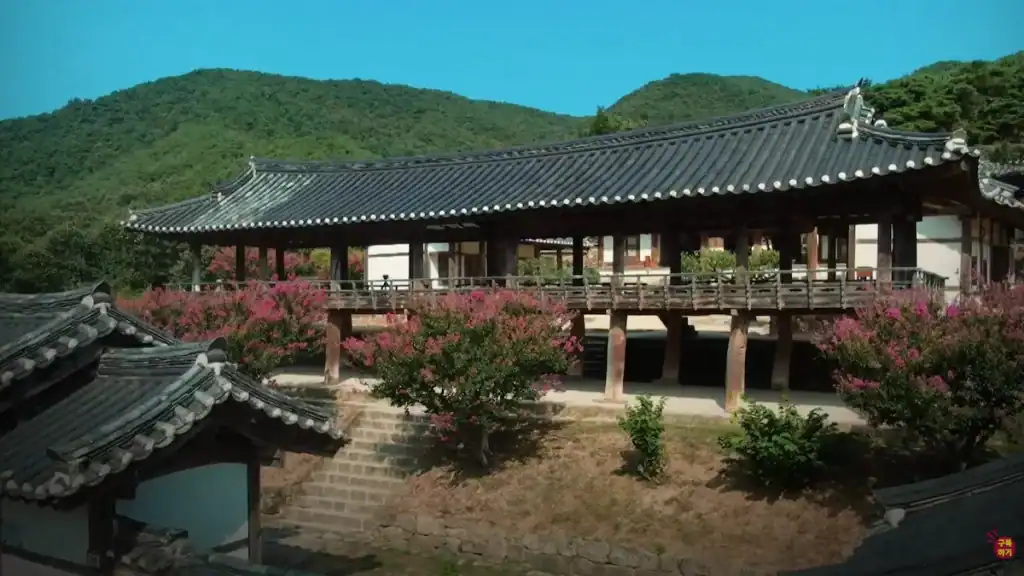
⚖️ Andong’s Staged Cultural Programs vs. Organic Cultural Encounters
Staged programs have tickets and times. The mask dance. Ceremonies at Byeongsan seowon. Folk shows. You book ahead. You know when things happen. This makes planning easy. But you watch instead of doing. These programs keep old traditions alive. They just show them as performances.
Real culture happens without planning. Visit the Andong Soju Museum on Tuesday morning. A worker might offer you a taste. They explain how they make liquor. The Andong Soju Museum teaches about tradition. But people act natural. Local markets serve residents first. Tourists come second. You see real daily life.
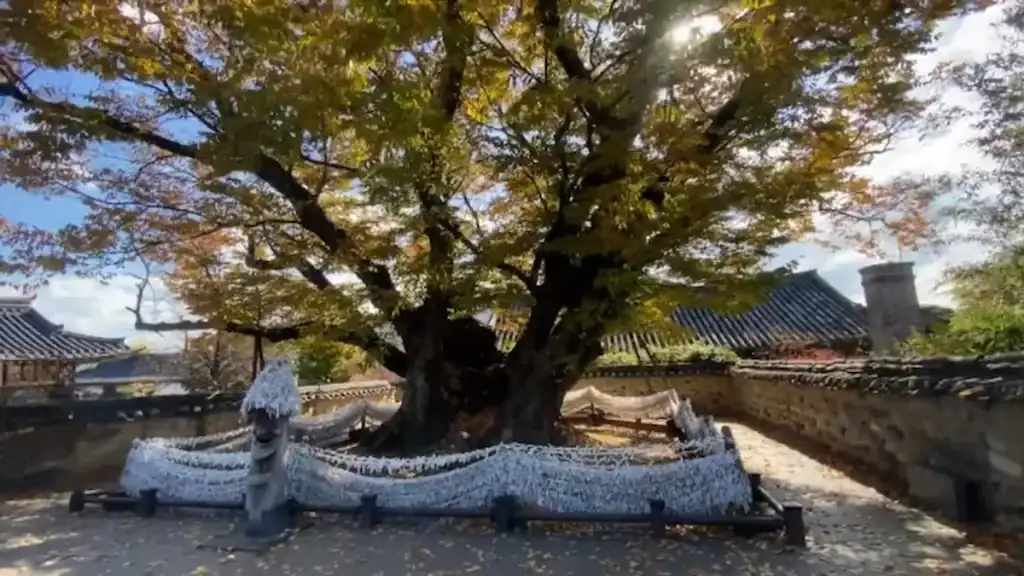
When You’ll Experience Real Culture vs. When You’re Watching a Performance: Practical Signals
Academies show real culture clearly. At Dosan Seowon, scholars study old texts. They hold ceremonies. According to Cultural Heritage Administration, these academies still work as schools. Ceremonies follow the lunar calendar. Not tourist seasons. Visit during a ceremony and you see real practice. Visit other times and you see old buildings.
Hahoe Village mixes both types. About 130 people live there full-time. They farm. They make crafts. But the village charges ₩5,000 to enter. It’s a living museum. You see real residents working. You also see tourists taking photos. Both things exist together.
🏛️ How Andong’s Cultural Experience Compares to Gyeongju and Jeonju
Andong focuses on Confucian heritage and folk traditions. Gyeongju shows Buddhist royal history. Jeonju shows food and villages. Each city is different. According to Korea Tourism Organization, these three cities form Korea’s main history triangle.
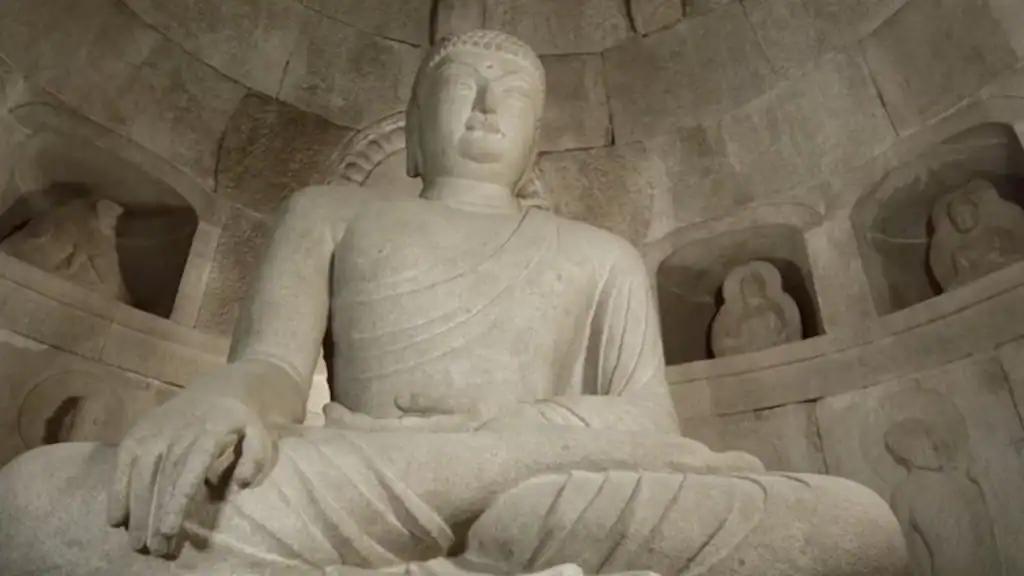
Gyeongju has famous sites. Bulguksa Temple. Seokguram Grotto. Royal tombs. These are UNESCO sites. They look impressive. But Gyeongju feels like a museum. You look at old buildings. You don’t join living traditions. Families like it for the famous spots.
Confucian Heritage vs. Royal History vs. Hanok Villages: Which Cultural Angle Wins?
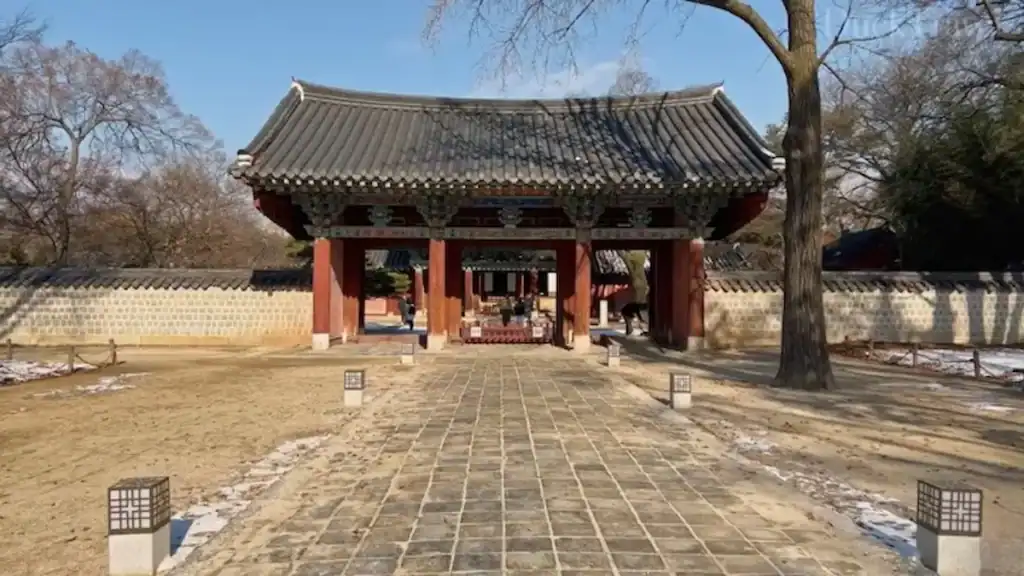
Jeonju focuses on food and hanok atmosphere. The hanok village has 700 houses. Most are now cafes and shops. Jeonju bibimbap is famous. So is the alcohol. But Jeonju’s official site shows most hanok are new buildings. They’re built for tourism. It looks pretty. But it’s less real than Andong’s villages.
Andong’s strength is ideas. The city made famous scholars like Yi Hwang. He shaped Korean thinking for centuries. You learn about schools, rites, and values. Mask dance made fun of social classes. This appeals to people who like ideas. Want palaces or food? Choose the others. Want to understand Korean thought? Choose Andong.
🎯 Who Actually Benefits from Andong’s Cultural Immersion (And Who Doesn’t)
Culture lovers benefit most from Andong. Already seen Seoul and Busan? Then Andong offers deeper culture. People who like philosophy will enjoy it. So will people wanting to understand Korean values. The city is slow. You need 2-3 days minimum. Expect to watch and join in. Not be entertained.
Repeat visitors like Andong’s quiet feel. According to Korea Tourism Organization, Andong gets fewer foreign tourists. This means real interactions. You meet Korean culture fans. No big groups. It works great for students studying history.
Is Andong Worth It for First-Time Korea Visitors or Only Culture Nerds?
First-time visitors should think hard. Want to see modern Seoul? The DMZ? Jeju Island? Then skip Andong. The city works for people who want traditional culture. You need real interest in old Korea. Without that, Andong feels slow. It’s less polished. English is rare. Buses are hard to figure out.
But some first-timers can visit. You need 10-14 days in Korea. You need patience. Don’t expect Seoul’s restaurants. Buses are harder. But you will find real heritage. You can join old practices. Andong doesn’t make things easy for tourists. That’s both bad and good.