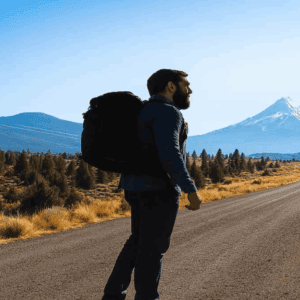

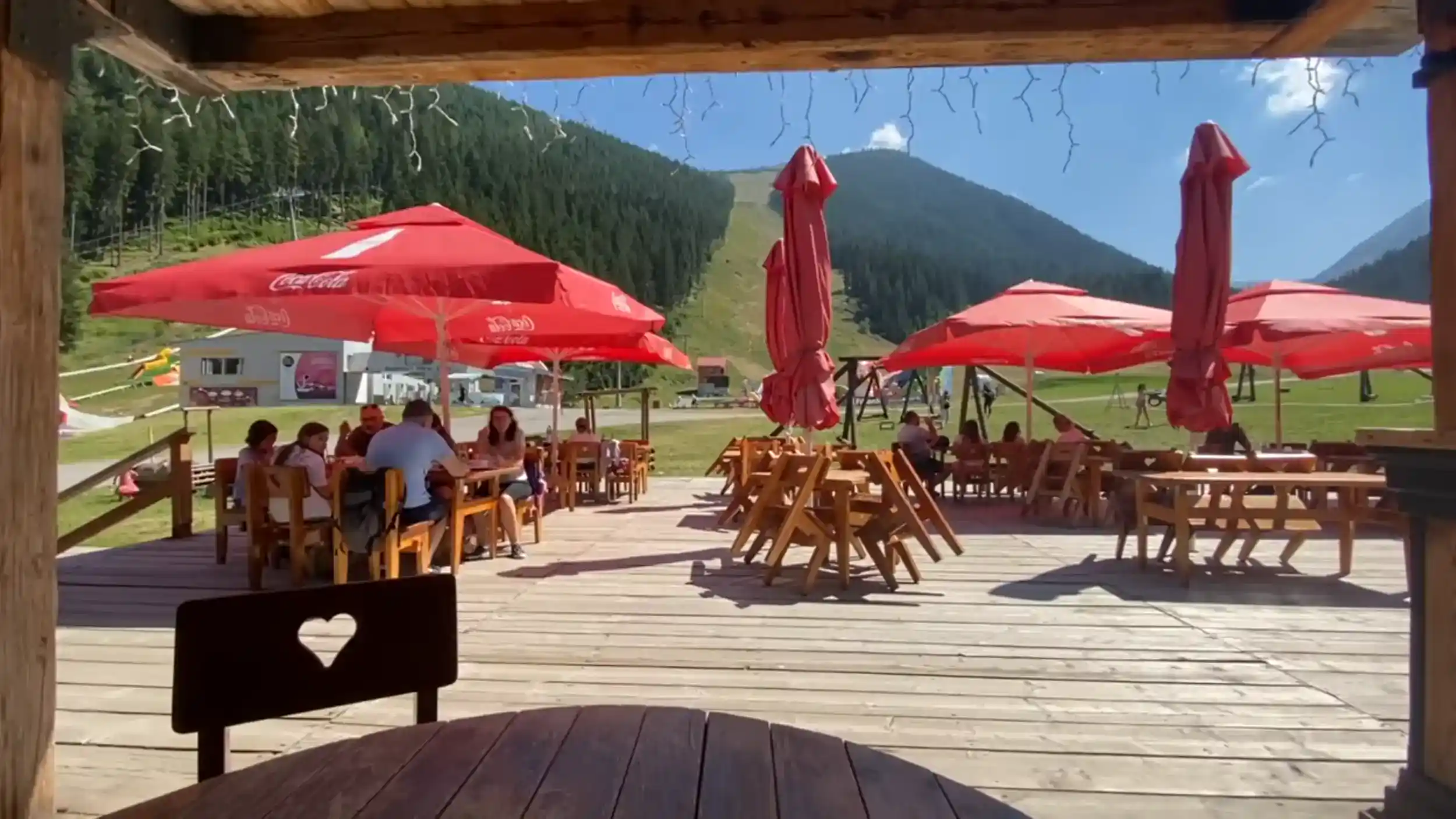
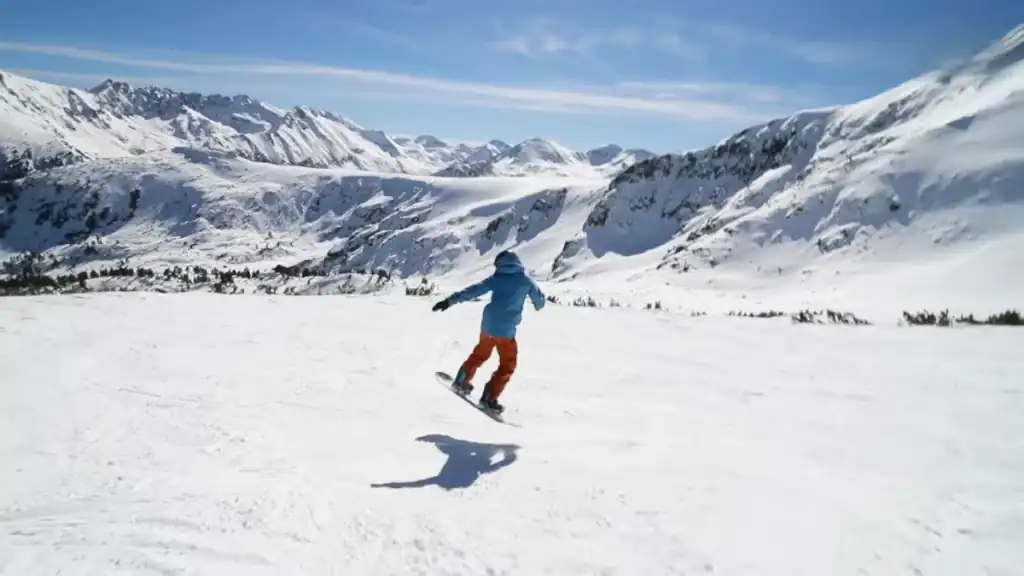
Bansko summer vs winter presents stark contrasts: winter (December-March) attracts 150,000+ skiers to 75km of slopes at 2,560m Todorka Peak with €40-60 daily lift passes and temperatures dropping to -10°C, while summer (June-September) offers 20°C-28°C weather for hiking Vihren Peak, mountain biking Pirin National Park trails, and €25-35 daily accommodation rates with 70% fewer tourists.
👀 Bansko Summer vs Winter: At a Glance
🎿 Winter Season: December–March, peak crowds, €40–80/night accommodation
☀️ Summer Season: June–September, 70% fewer tourists, €25–45/night rates
🚡 Gondola Wait: 90+ minutes winter weekends vs walk-on summer access
🏔️ Pirin Trails: Snow-blocked December–May, fully accessible June–October
🍽️ Restaurant Prices: Winter menus 30–40% higher than summer equivalents
🏘️ Old Town Vibe: Vibrant winter buzz vs quiet summer authenticity
💰 Best Value: Summer wins on price, winter on infrastructure reliability
💸 Price Differences You’ll Actually Notice
Bansko summer vs winter pricing shows a big change between seasons. Winter turns budget Bulgaria into a normal European ski resort. Your hotel costs jump 60% to 120% for the same room.
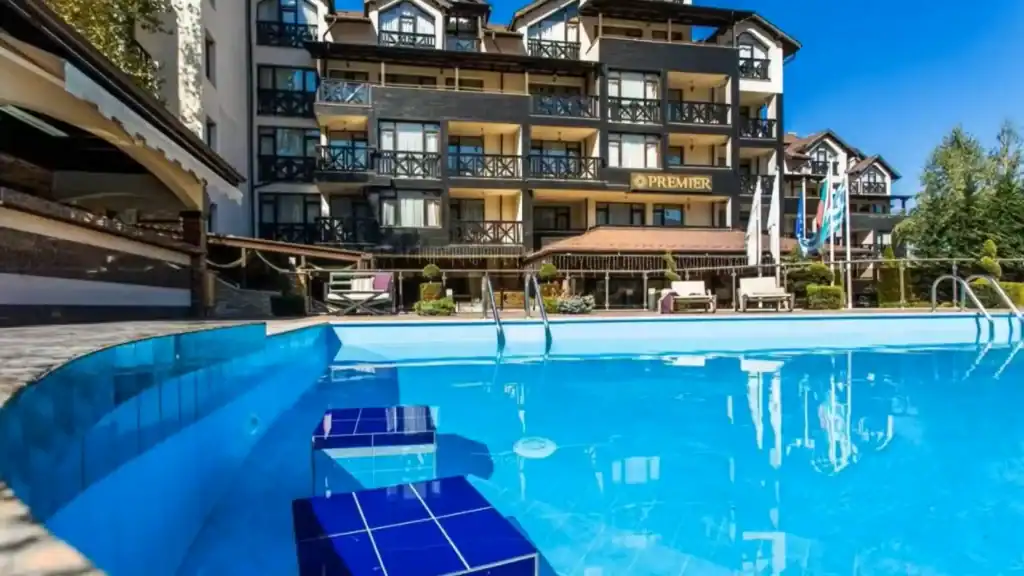
Summer hotels charge €25 to €45 per night at most places. Winter rates climb to €40 to €80 for the same room. Apartments cost €35 to €60 in summer versus €70 to €140 in winter.
Restaurant prices follow the same pattern across Old Town. A mehana meal costs €8 to €15 during summer. That same meal jumps to €15 to €25 in winter.
Why “Budget Bulgaria” Pricing Vanishes in Bansko Winter
Ski resort pricing takes over when the slopes open. Winter brings 10 times more visitors in just four months. The town holds 9,000 residents but gets 80,000 seasonal skiers.
Lift passes add costs that don’t exist in summer. Daily gondola tickets cost €45 to €55 before equipment rental. Weekly passes reach €240 to €280 for unlimited access.
Hotels fill up at 95% capacity all winter long. Those same hotels sit half empty during summer. Is Bansko worth visiting at these prices depends on your budget.
🚶 When Infrastructure Can’t Handle the Crowds
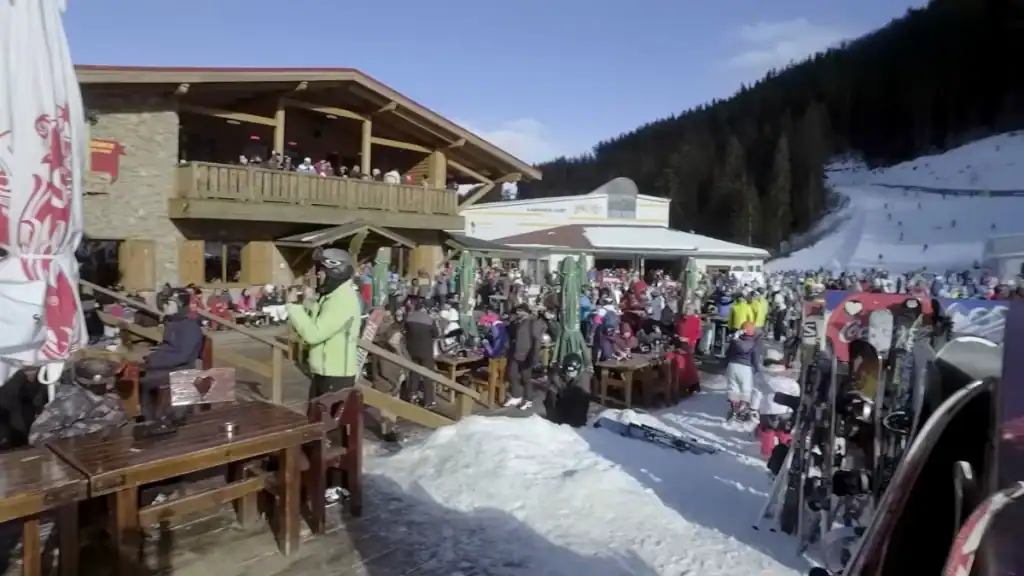
Winter weekends bring real chaos to Bansko’s systems. The town handles 9,000 people normally but gets 15,000 tourists at once. Roads, restaurants, and lifts all struggle under winter pressure.
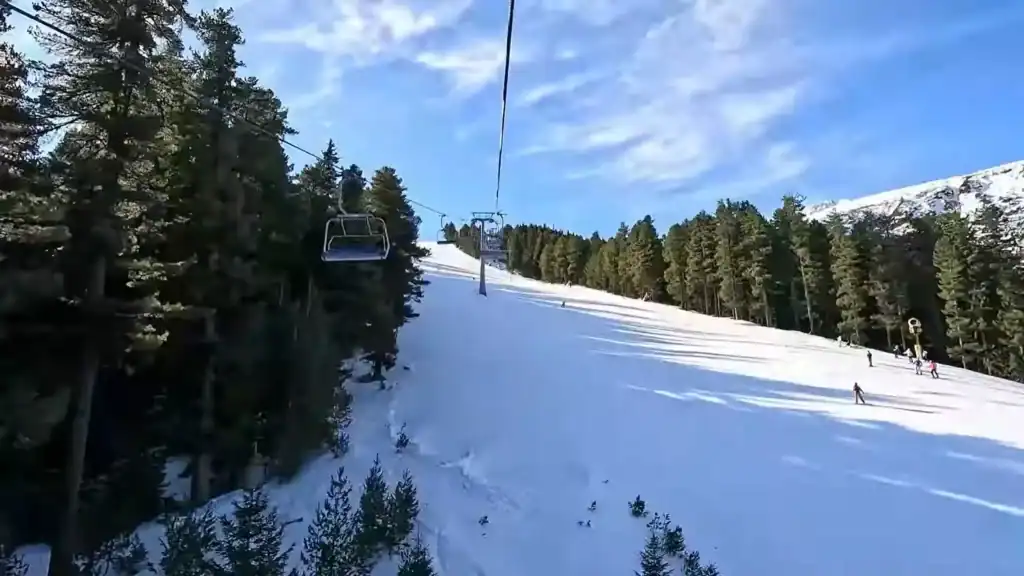
Gondola queues stretch to 90 or 120 minutes on busy weekends. You lose half your morning standing in lines. Midweek drops to 20 or 40 minutes but never goes away.
Summer runs on walk-on access all day long. Maybe 200 people use the gondola on a typical summer day. You board within five minutes no matter when you arrive.
Restaurant bookings become required for any good Old Town spot in winter. Bansko in summer lets you walk into popular places without reserving.
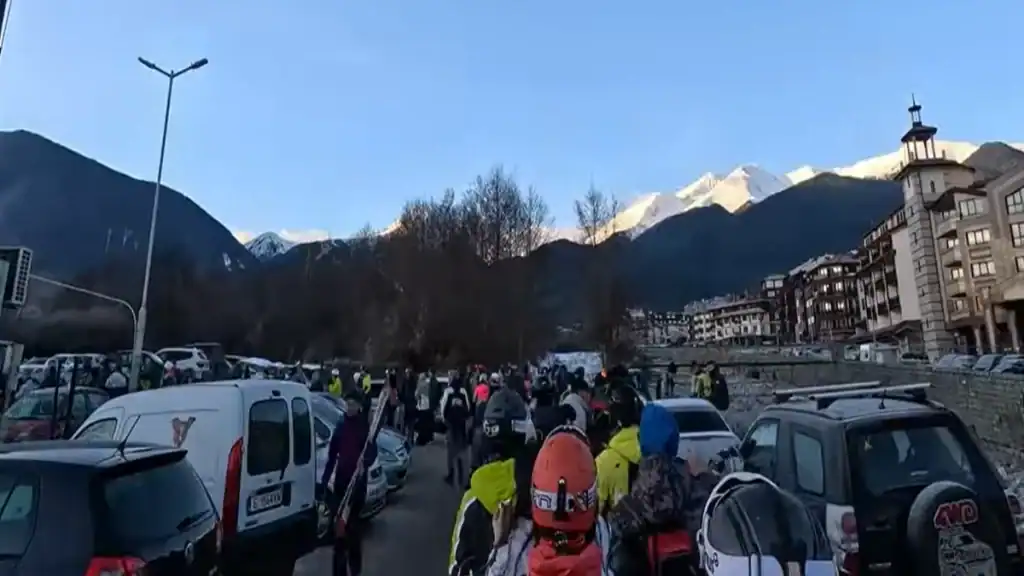
The Gondola Queue Problem That Defines Bansko Winter
Those 90-minute waits happen every Saturday and Sunday without fail. February pushes queues past two hours when school holidays hit. Every skier faces the same long wait each day.
Getting there at 7:30am gives you the best shot at shorter waits. Even early risers still wait 30 to 45 minutes then. Everyone uses this trick so it barely helps anymore.
Bansko has just one gondola system with no backup lifts. When 5,000 skiers show up together, the system can’t handle it.
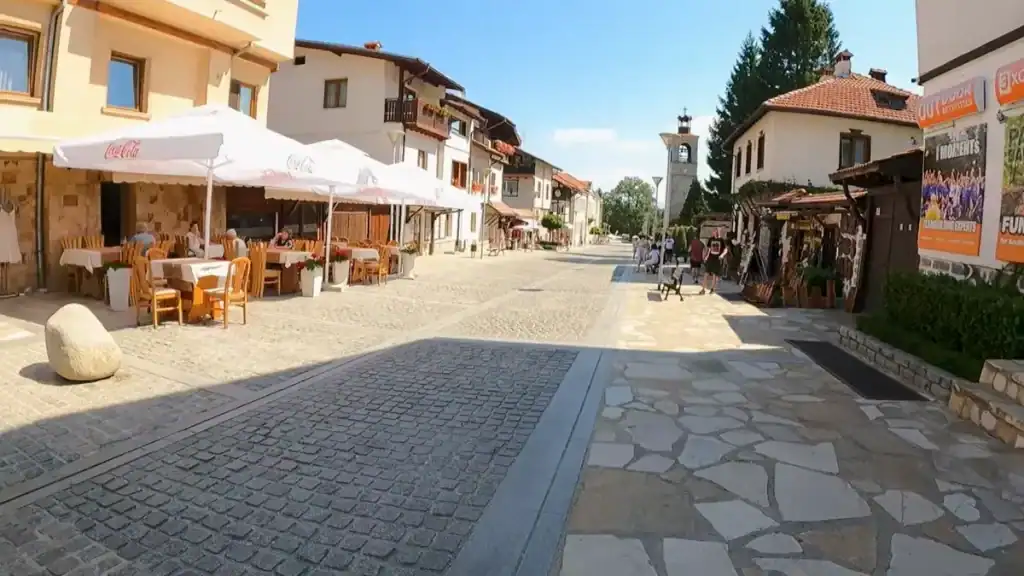
🥾 Beyond the Ski Slopes Comparison
Summer wins for activities beyond skiing down slopes. Bansko winter focuses on one activity only. Summer opens 10 times more hiking trails across Pirin mountains.
Walking around works better without ice on the cobblestone streets. Museums stay open normal hours instead of ski schedules. Day trips to nearby villages run easier without winter roads. Bansko digital nomad workers find summer gives more variety beyond indoor work.
Pirin National Park has over 400 kilometers of marked trails around Bansko. Summer makes 90% of them open from late June to October. Winter drops access to maybe 10% of lower valley paths.
Mountain biking works only June to September on marked routes. Rock climbing and via ferrata routes follow the same schedule. Winter snow covers all this until spring arrives.
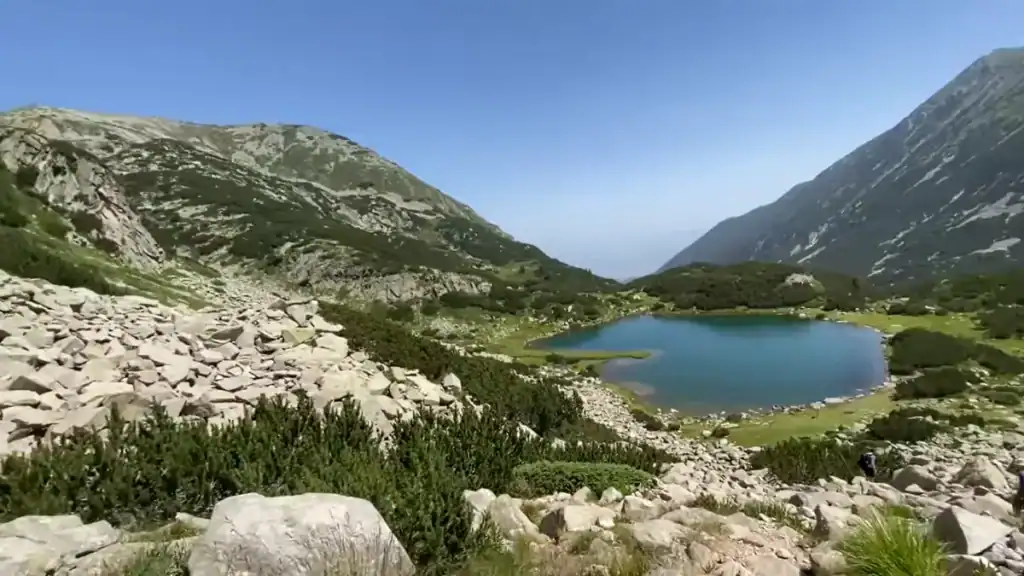
Pirin National Park Access in Bansko Summer vs Winter
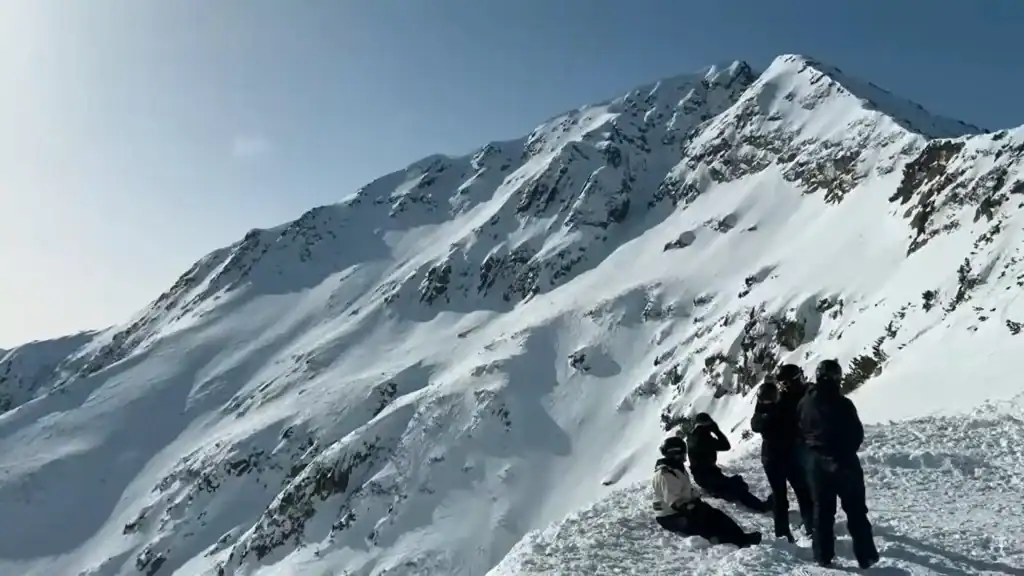
Winter trails mean short valley walks on packed snow only. Real mountain routes stay under 2 to 4 meters of snow. They stay closed until late May when things melt.
Vihren peak stands at 2,914 meters as Bulgaria’s second tallest mountain. Winter needs technical gear and proper climbing skills. Summer makes it a hard hike but doesn’t need special equipment.
Mountain huts close from November through May each year. Summer lets you plan overnight treks using the hut system. Winter means day trips only, coming back to Bansko each night.
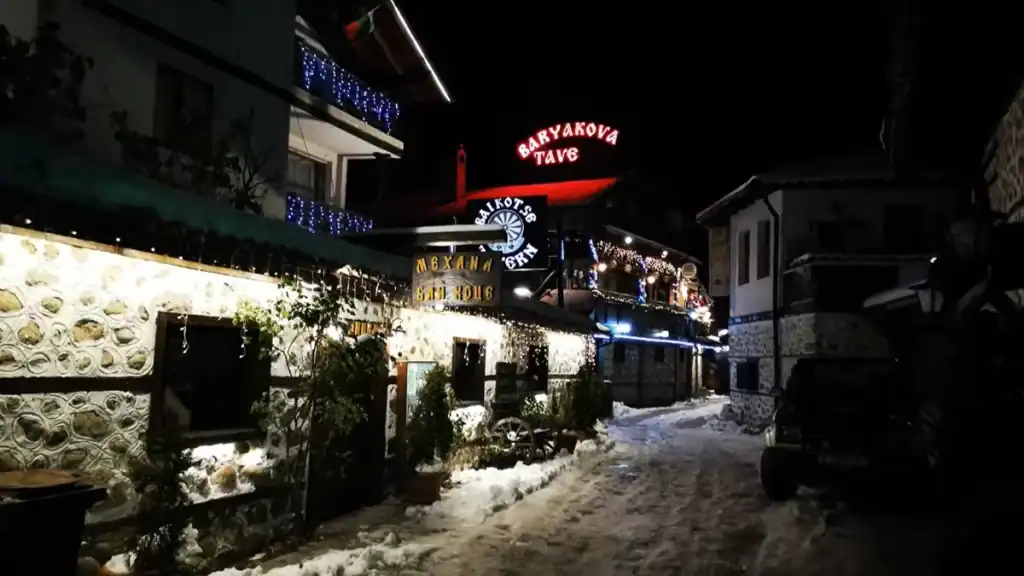
🏘️ Two Completely Different Town Experiences
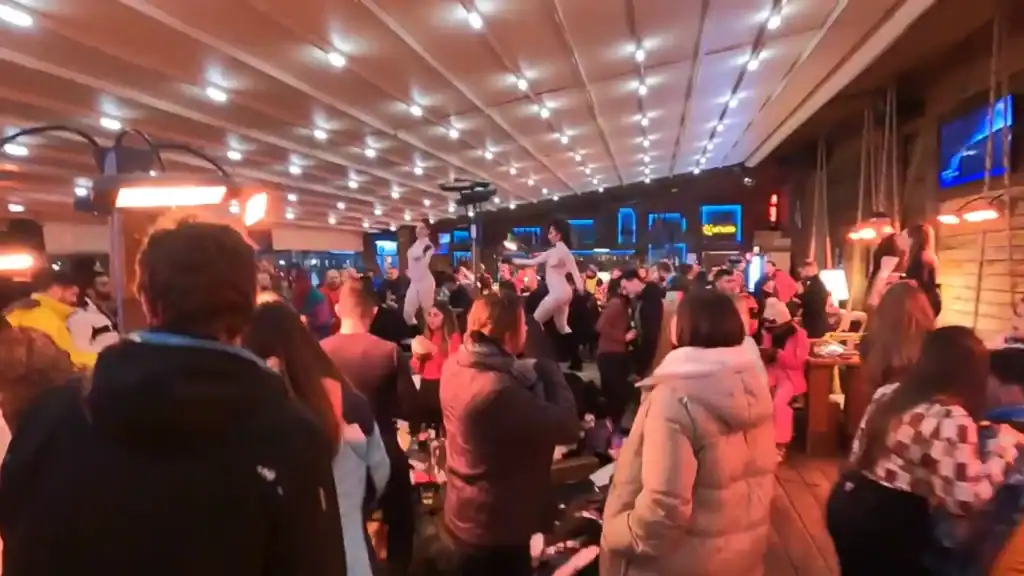
Old Town changes so much you’d think you’re in different places. Winter brings ski resort energy and constant business. Summer brings quiet Bulgarian mountain town life back.
Winter streets fill with ski shops and busy bars. Tourists speak ten languages in the walking areas. Every building runs as restaurant, hotel, or rental shop.
Summer cuts that busy tourist scene by 70% or so. Half the restaurants close for the whole season. Bansko year round isn’t true because it works as two places.
Local life comes out once summer arrives and tourists drop. Bulgarian families use parks and kids play around town. Residents shop at local markets instead of tourist shops.

Why Bansko Summer vs Winter Feels Like Two Different Towns
Population numbers explain why things change so much. Winter peaks at 25,000 people in town during busy season. Summer averages 8,000 people including all permanent residents. That three times difference changes everything from noise to service.
Businesses stay open in winter because hotels run at 90% full. Summer’s 30% occupancy forces many places to close down. The money just isn’t there to stay open all year.
Real Bulgarian mountain town life exists only during summer months. Winter runs as an international ski resort for foreign visitors. Neither way is wrong, they just serve different needs.
For additional Bansko tourist information, check out: Bulgaria Ministry of Tourism
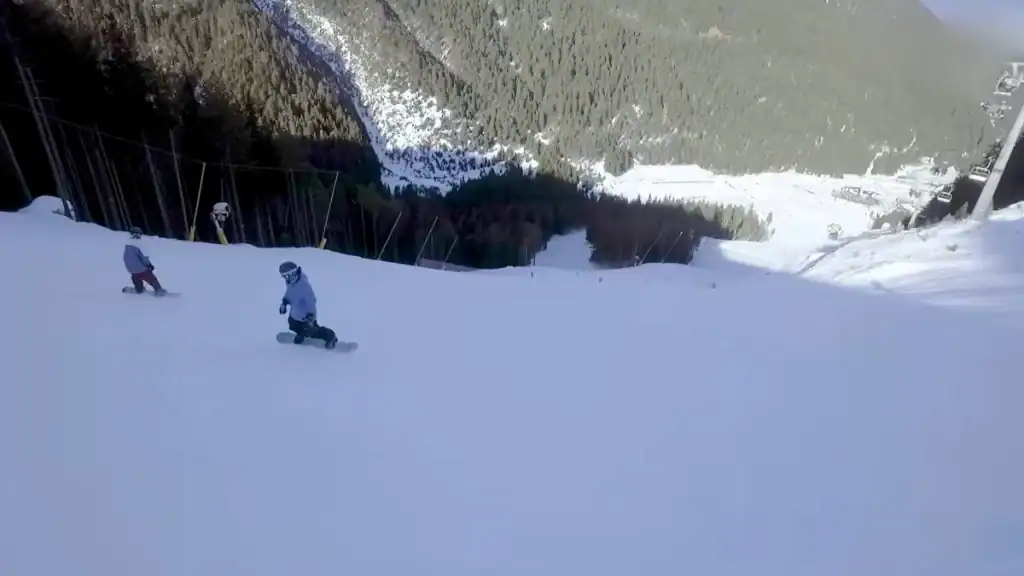
✅ Making Your Seasonal Decision
Your best season depends on what you want from Bansko. Skiing needs winter obviously and can’t happen any other time. Almost everything else works better in summer unless you like crowds.
Budget travelers should pick summer without thinking twice about it. You save €50 to €100 each day on rooms and food. That money pays for longer stays or better day trips.
Outdoor lovers get 10 times more options during summer months. Hiking, climbing, and biking all work at full capacity then. Winter limits you to skiing or staying inside mostly.
Is Bansko worth visiting in summer needs a straight answer. Summer works if you want real experiences over fancy resort services. It shows small-town Bulgaria that winter tourism hides completely.
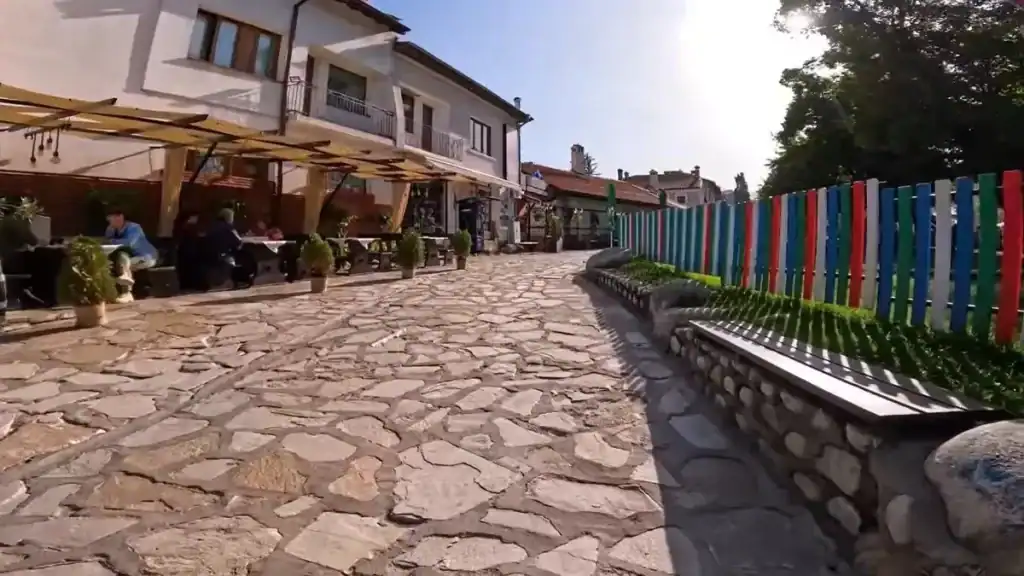
Bansko Summer vs Winter for Different Traveler Types
Skiers need winter months because that’s when slopes open. Think about early December or late March for fewer crowds though. Lower prices and shorter waits make things much better.
Digital nomads like summer better for cheap apartments and good internet. The noise and chaos of winter makes remote work hard. The Bansko digital nomad crowd peaks in summer for good reasons.
Families handle summer much easier with kids of any age. No expensive lift passes or long waits every single day. Activities work for all ages without forcing everyone to ski.
Culture fans should visit summer or shoulder seasons for best times. Late September brings autumn colors across Pirin mountain slopes. May through June shows wildflowers without crowds blocking the views.