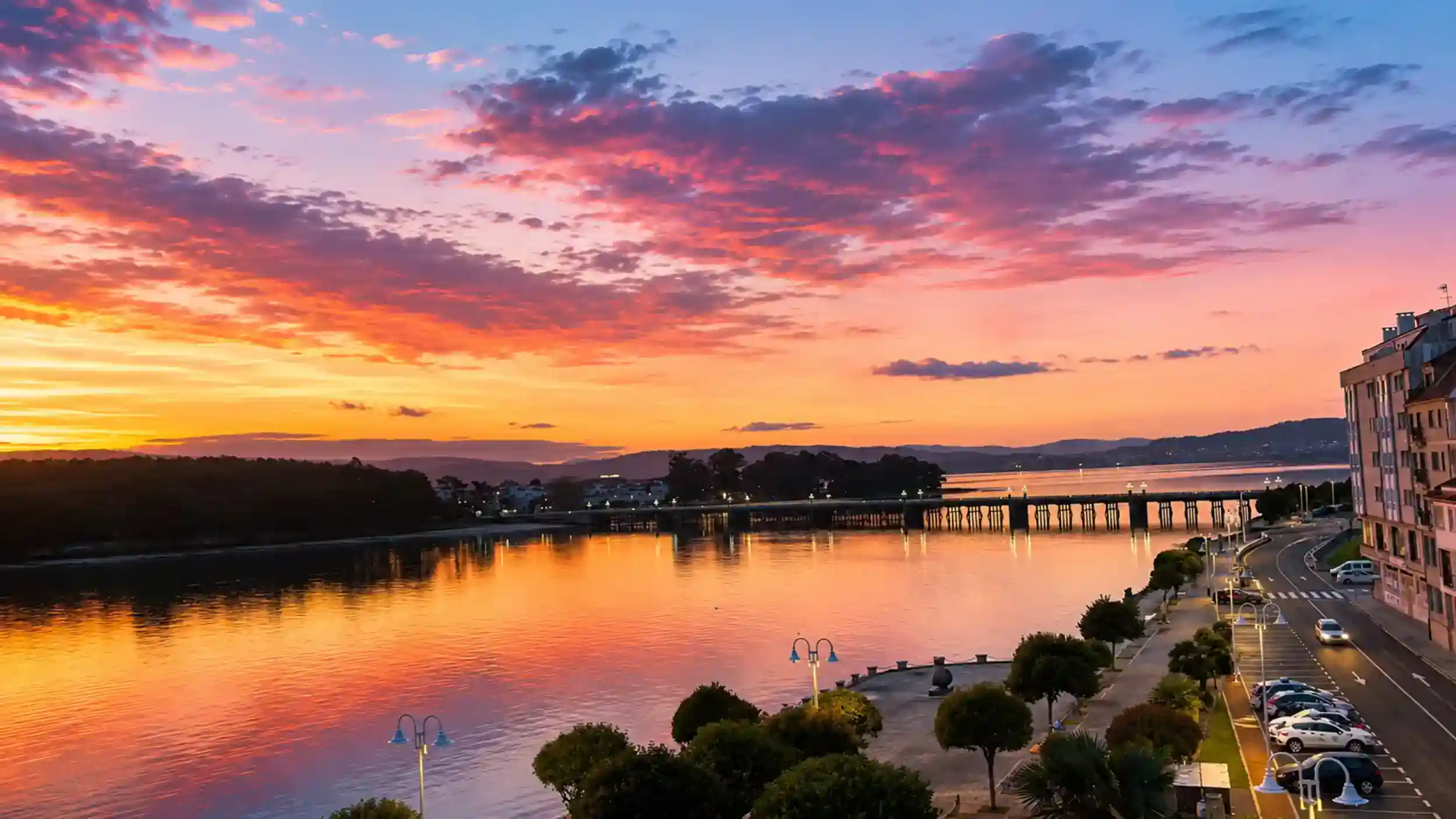
O Grove and La Toja work best as a relaxed half-day or afternoon rather than a tightly planned sightseeing stop. I would allow four to five hours, enough for the harbour, seafood, a slow walk across La Toja and the option of staying into the evening rather than racing through both places.
What looked on the map like a quick stop kept expanding once we were out of the car. The harbour led naturally into the estuary, the bridge made La Toja an easy continuation on foot, and later the weather changed how long sitting beside the water still felt appealing.
That became the useful way to think about the afternoon: very little distance, but plenty of reasons not to hurry it.
⚓ The Harbour Gave the Afternoon Its Busiest Opening
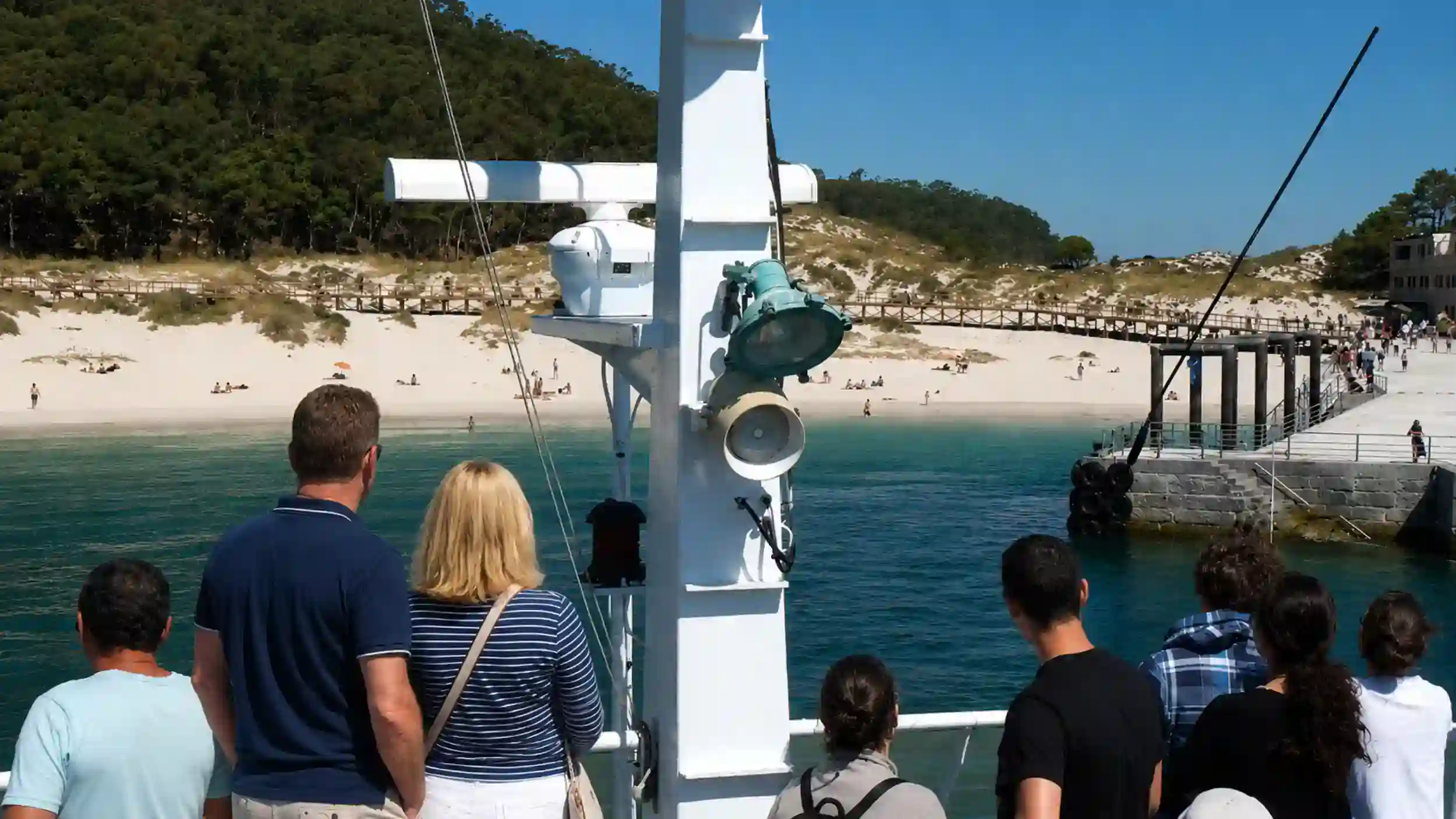
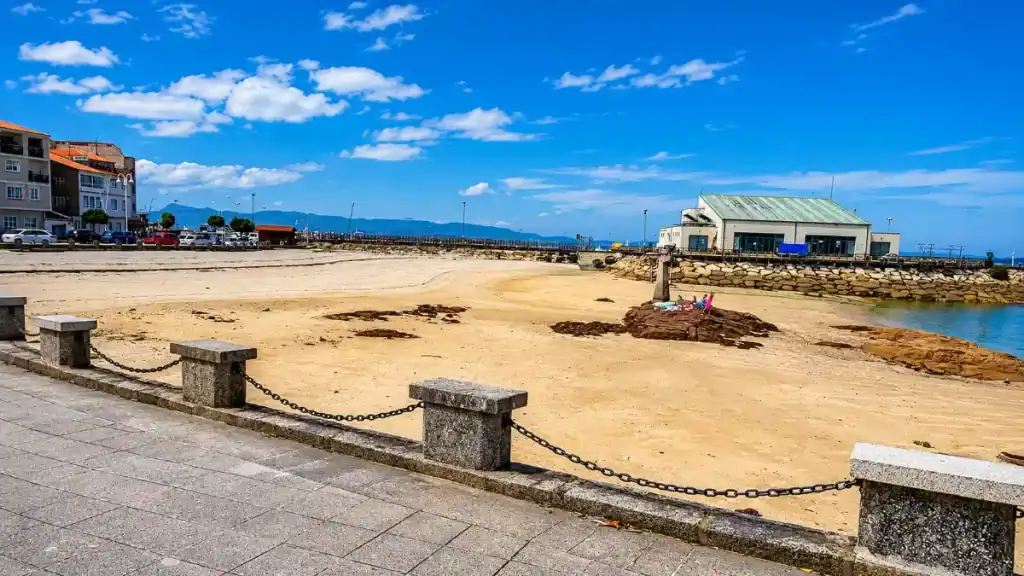
Fishing boats were still moving through the marina when we started around O Grove, while seafood restaurants filled after lunch and people moved between the promenade, market and waterfront terraces. It felt lively without giving us any particular sight we needed to chase.
Then, only a few minutes beyond the main harbour streets, the change was surprisingly abrupt. The roads flattened, the estuary opened beside us and harbour noise gave way to gulls, light wind and the occasional boat engine carrying across the bay.
People around us stopped walking with the same sense of purpose. So did we.
That was the point when a supposedly short visit began stretching into an afternoon.
Early Afternoon Leaves the Most Room to Let That Happen
I would start after lunch rather than arrive late in the day. Four to five hours gives you enough slack for the harbour to lead into La Toja, and still leaves the evening available if the waterfront is somewhere you want to stay.
🌴 Crossing to La Toja Was When the Car Stopped Being Useful
Once we crossed to La Toja, I stopped seeing much reason to use the car. The bridge is short, yet the atmosphere changed almost immediately, and with the busier centre of O Grove behind us, getting back in for each small stop began to feel unnecessary.
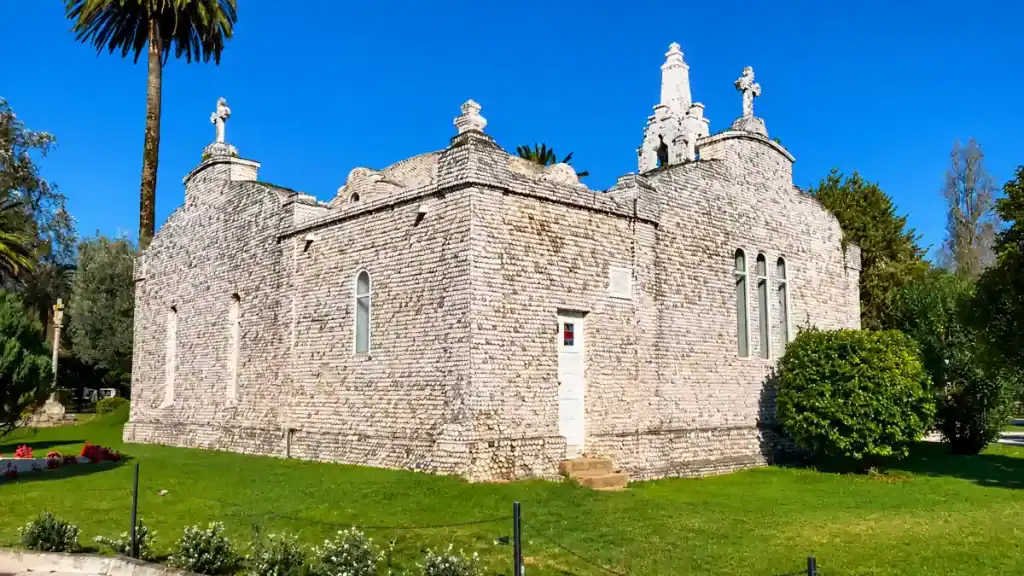
Walking fitted the island better. The chapel, waterfront edges, hotel gardens and shaded paths sit close enough together that the gaps between them became part of the visit rather than dead time between attractions.
The Shell-Covered Chapel Became a Target, Not an Itinerary
The Ermida da Toxa gave us an obvious direction to walk in, but there was no need to turn the island into a circuit. Outside the peak summer rush, people were drifting between the chapel and the water, stopping under shade or beside the estuary before carrying on.
We did much the same. Ten minutes of walking could be followed by a much longer pause, and the afternoon never seemed worse for the lack of progress.
👟 I would walk La Toja rather than tour it by car. The distances are short enough that driving repeatedly removes the very thing that makes the island work: the slow movement between small stops.
🌦️ The Weather Changed the Afternoon Rather Than Ending It
The weather changed how we used the afternoon rather than deciding whether the visit worked. In calmer, brighter conditions, terrace tables stayed busy, benches facing the water filled gradually and there was very little incentive to move indoors.
Once the wind strengthened, the rhythm changed. Exposed sections beside the water emptied first as cloud thickened and the temperature dropped; cafés, covered terraces and sheltered garden areas began making more sense.
We did not need to abandon the afternoon. We just stopped treating the waterfront as the only place worth being.
The island never felt deserted. Movement simply compressed inward as the Atlantic breeze strengthened, which is a useful distinction when deciding whether O Grove and La Toja are worth visiting on a less-than-perfect day.
☁️ A Grey Forecast Would Not Put Me Off
This is not an afternoon that depends on lying on a beach. Wind and cloud can shorten the outdoor pauses, but the harbour, cafés, seafood and compact walks still give the visit somewhere to go.
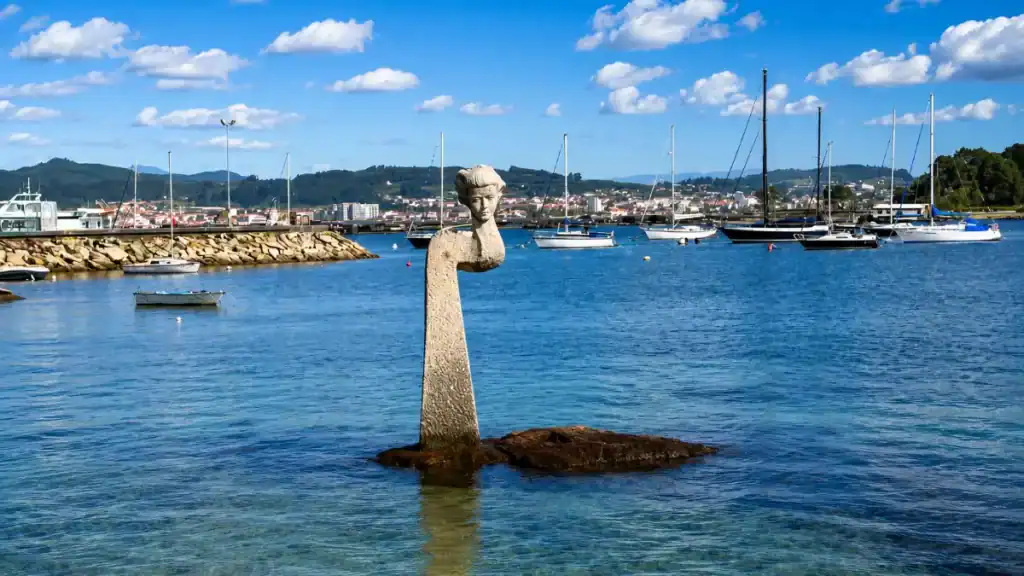
🌊 Our Route Kept Disappearing, Which Suited the Place
At first, I was still thinking in terms of what came next. That became increasingly pointless.
Walk for ten minutes. Stop overlooking the water. Continue towards another viewpoint. Sit again. Drift towards a café. By late afternoon, the plan had effectively dissolved into a series of short walks and much longer pauses.
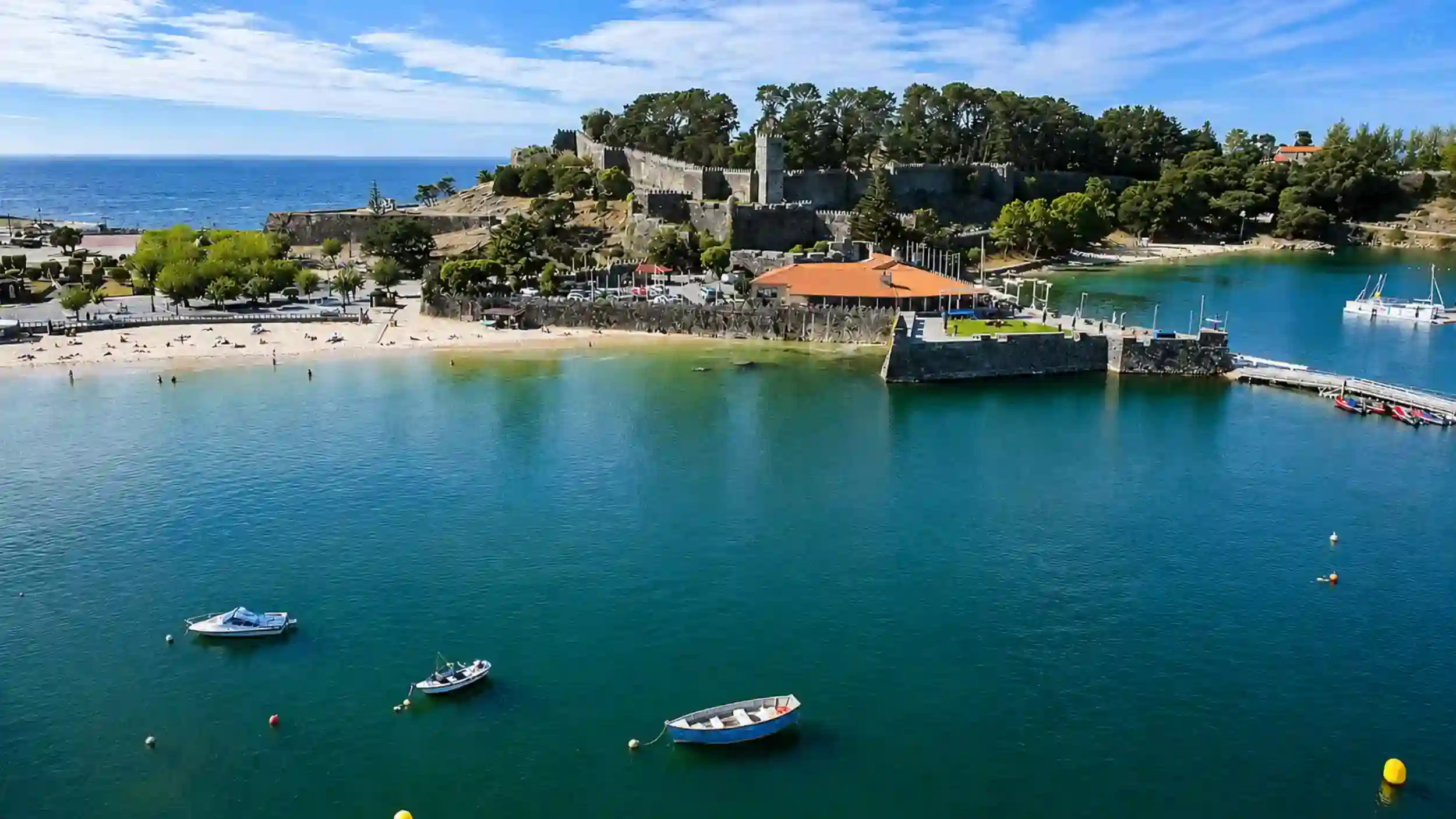
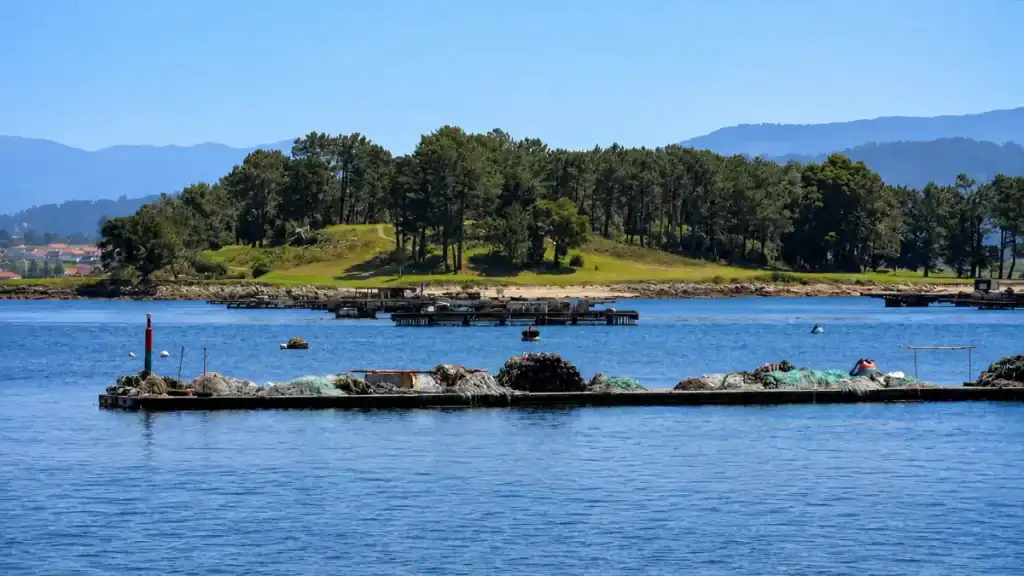
The estuary encouraged it. The water remained relatively calm compared with the fully exposed Atlantic beaches nearby, while mussel rafts scattered across the bay added movement without making the scene feel busy.
Even the traffic noise faded quickly once we moved away from the central roads. Nothing dramatic happened. That was rather the point.
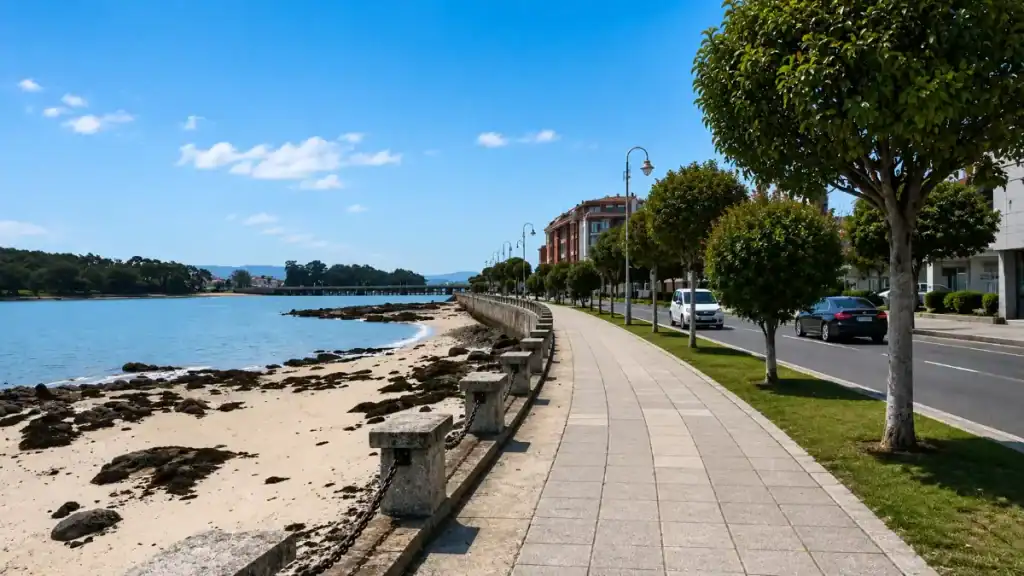
🚗 The First Departure Rush Gave Us a Reason Not to Leave
When traffic began building around the roads out of O Grove, staying put made more sense than joining it. The change happened gradually: beach traffic merged with restaurant departures, small roundabouts started backing up and cars edged towards the bridge crossings in uneven waves.
Leaving immediately would have saved very little. Staying suddenly looked easier.
Dinner Turned the Traffic Problem Into an Evening
I would rather let that first departure wave go than join it simply to leave half an hour earlier. O Grove already has the restaurants and waterfront to make waiting feel like part of the visit rather than a delay.
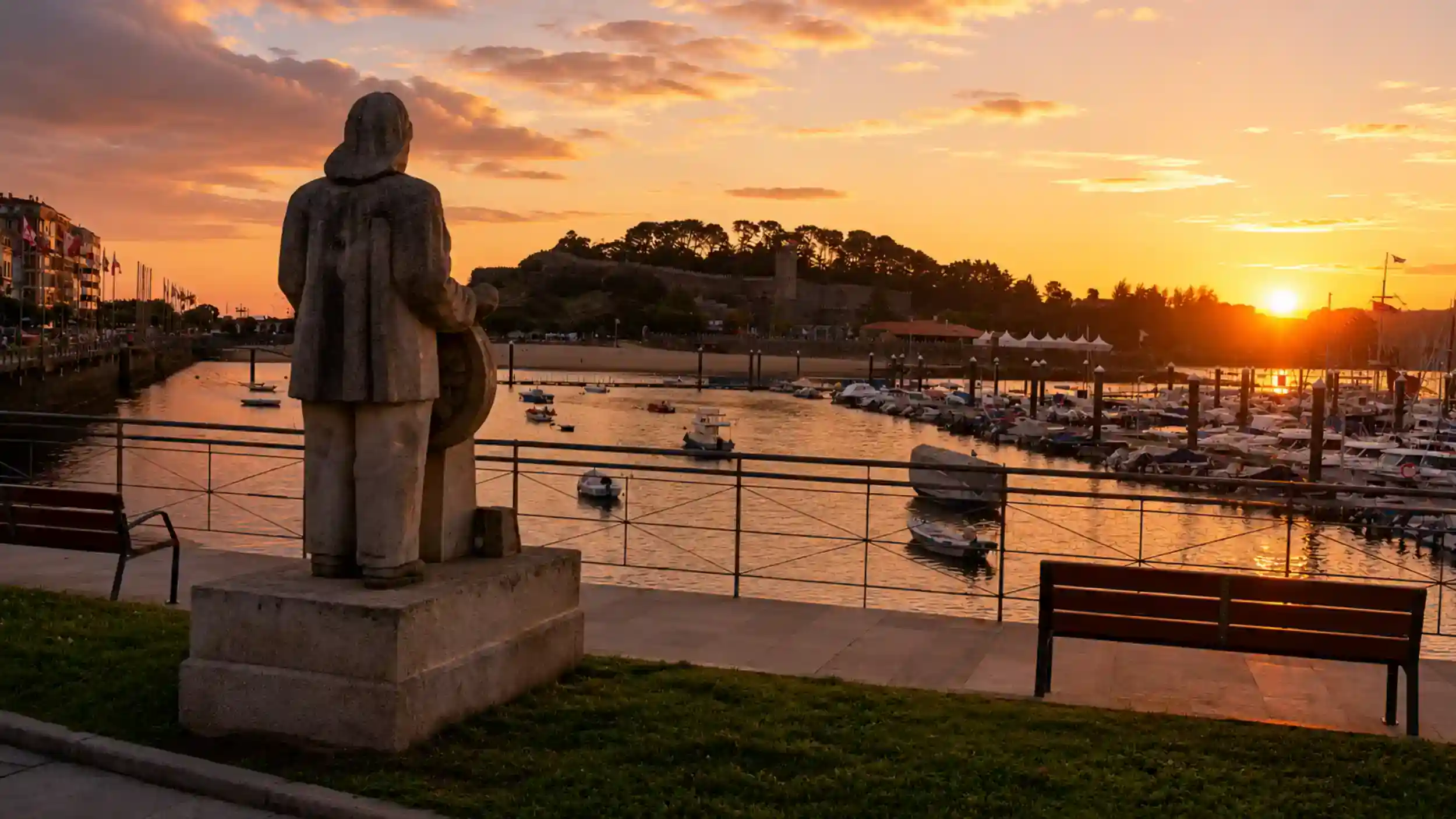
That decision also changed the ending. Instead of finishing with brake lights and a queue, we were still beside the estuary as the harsher afternoon brightness began fading.
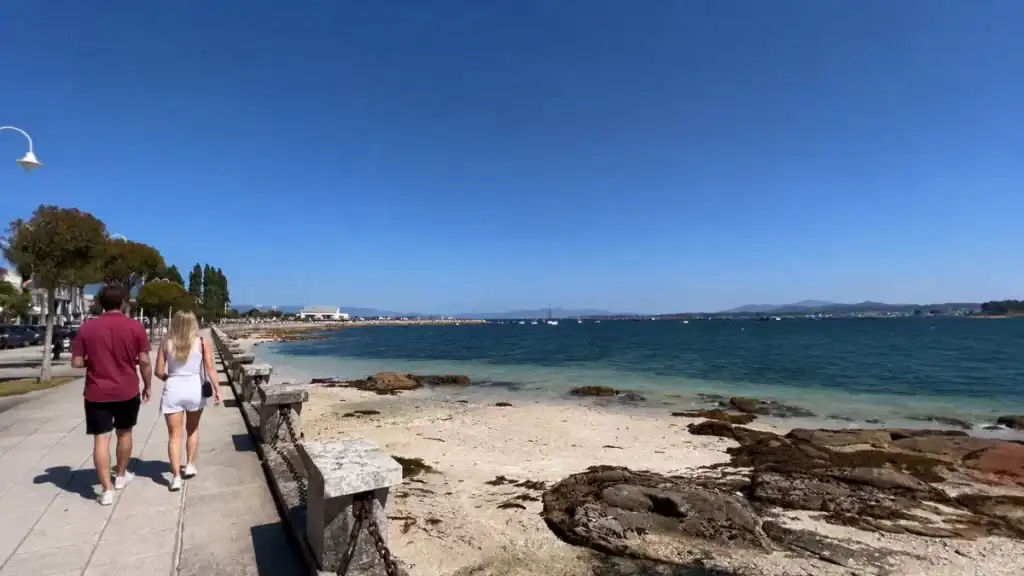
🕒 If you have four to five hours: start around O Grove harbour, cross to La Toja on foot once the pace drops, keep the middle of the afternoon loose and resist automatically leaving when the first traffic builds.
🌅 Evening Was When Staying Longer Started to Pay Off
Staying longer paid off once the waterfront softened again towards evening. Reflections flattened across the estuary, walkers spread out and restaurants began preparing for dinner while the daytime movement slowly thinned.
By then, the afternoon had become almost the opposite of the quick sightseeing stop I had initially imagined. We had covered very little ground, abandoned any real route and stayed longer because leaving at the obvious time made less sense than remaining where we were.
That is why O Grove and La Toja work so well as a relaxed half day. Four to five hours is enough, but the best version leaves the final hour flexible. Start in the early afternoon, walk La Toja rather than driving it, let the weather alter the plan if necessary and stay for the evening when the waterfront still feels worth lingering around.