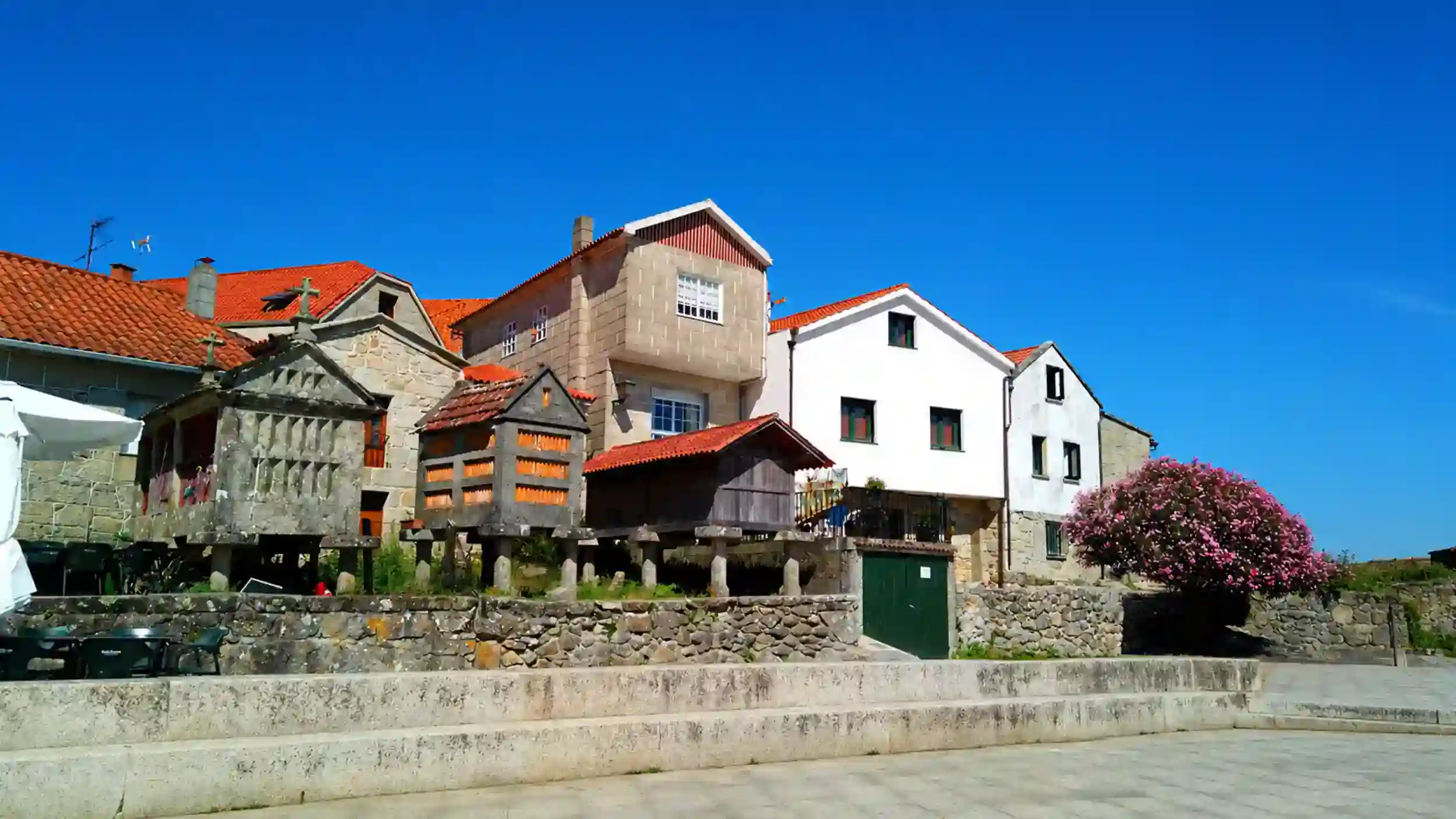
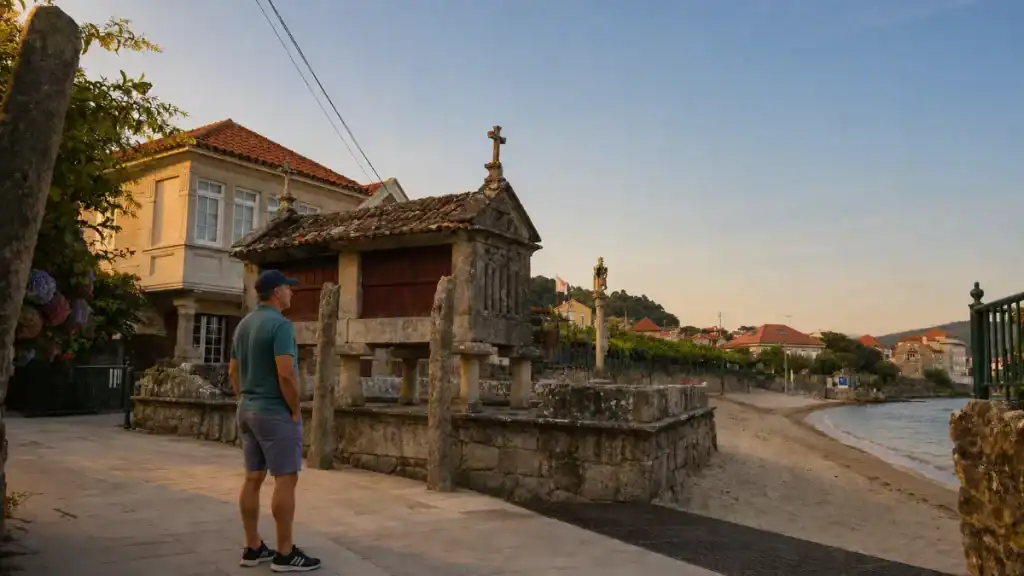
Visit Combarro early in the morning for the best overall experience. The lanes are quieter, the waterfront hórreos are easier to appreciate and the village feels less dominated by day visitors. Evening is my second choice if you prefer seafood, drinks and a livelier waterfront.
I would avoid midday if your schedule allows. That is when the narrow streets and best-known waterfront areas attract the heaviest visitor flow, particularly in summer.
The timing changes the experience more than I expected from such a small village.
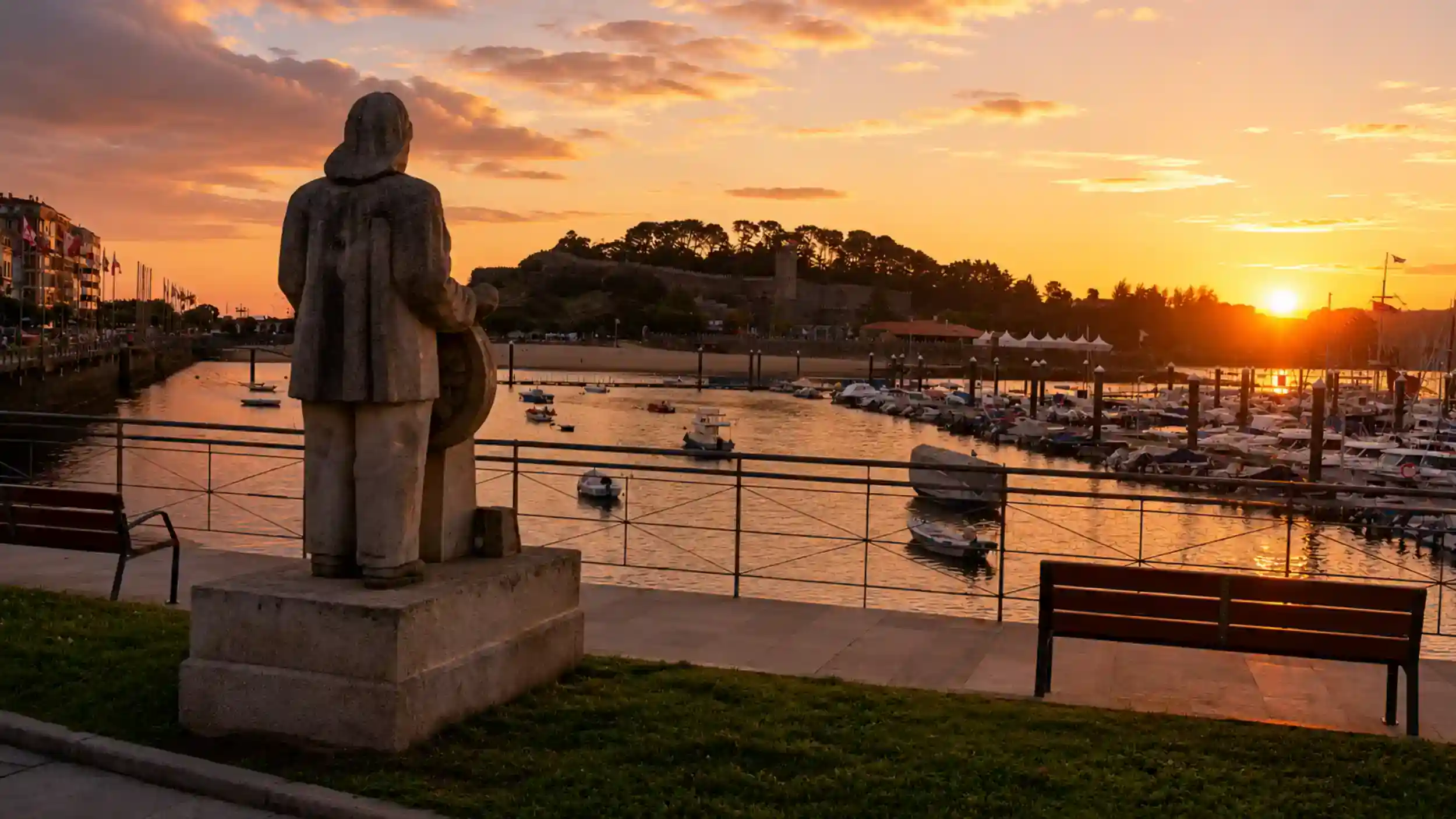
Morning is about wandering through the granite lanes before visitor traffic builds. By evening, I found the emphasis shifted towards the water, with people lingering over food and drinks while the smaller streets gradually emptied.
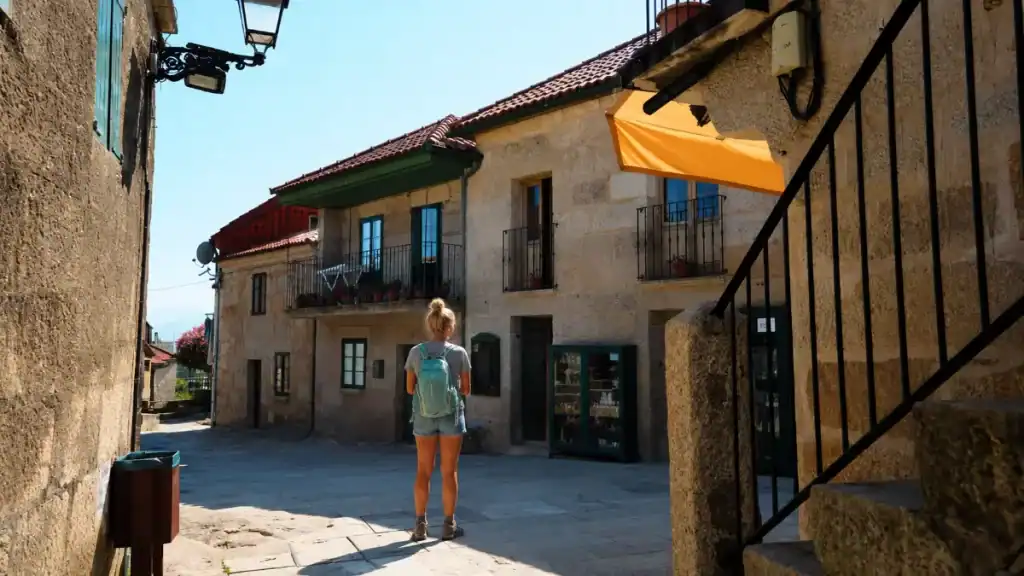
🌅 I Would Choose Early Morning for Combarro
Early morning is when I would come back. It gives you a better chance to notice the village itself rather than concentrating on getting around other visitors in streets that were never designed for large numbers of people.
Before late morning, I could wander the stone lanes without constantly stepping aside or waiting for photographs. The waterfront hórreos felt more prominent with fewer people around them, while gulls and café shutters were more noticeable than the conversation that fills the streets later.
The Working Village Is Easier to Notice Early
One detail I liked was that the working day starts before the sightseeing day.
Small boats were already moving around the ria while chairs appeared outside cafés and delivery vans edged through the tighter access points. Those ordinary details were much easier to notice before the visitor flow took over.
The narrower alleys especially feel completely different earlier in the day. Some are barely wide enough for two groups to pass comfortably once visitor numbers rise later on. In the morning, they feel atmospheric rather than congested.
⏱️ How Long I Would Allow
Allow around two to three hours for Combarro if you want to wander the lanes, see the waterfront hórreos and stop for a drink without rushing. The village itself is compact, so a quicker look is possible, but adding lunch or dinner can easily turn it into a half-day stop.
On my first wander, the distances made Combarro look like somewhere I would finish quickly. It was the stopping that stretched the visit: another hórreo by the water, a lane worth following, then a café table that suddenly looked more appealing than moving on.
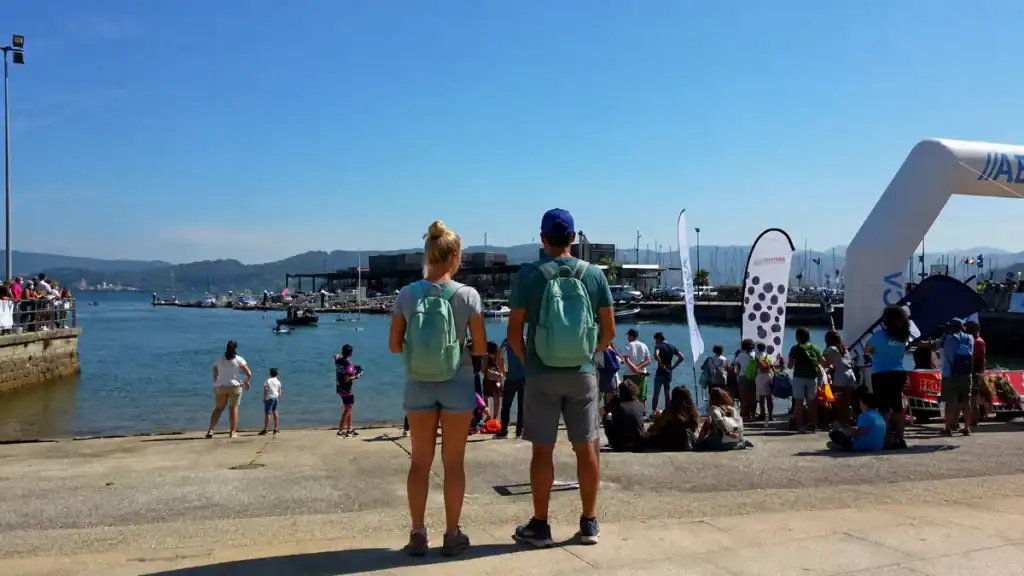
👥 Midday Is the Time I Would Avoid
I would avoid midday if I had a choice. From late morning onward, I found the change quite abrupt rather than gradual.
By lunchtime, day visitors from Pontevedra, Vigo, cruise excursions and nearby coastal resorts fill the waterfront and central lanes much more heavily. The relaxed wandering of the morning gives way to a fairly constant flow of people through a very small space.
This is usually the point when Combarro feels at its most tourist-oriented.
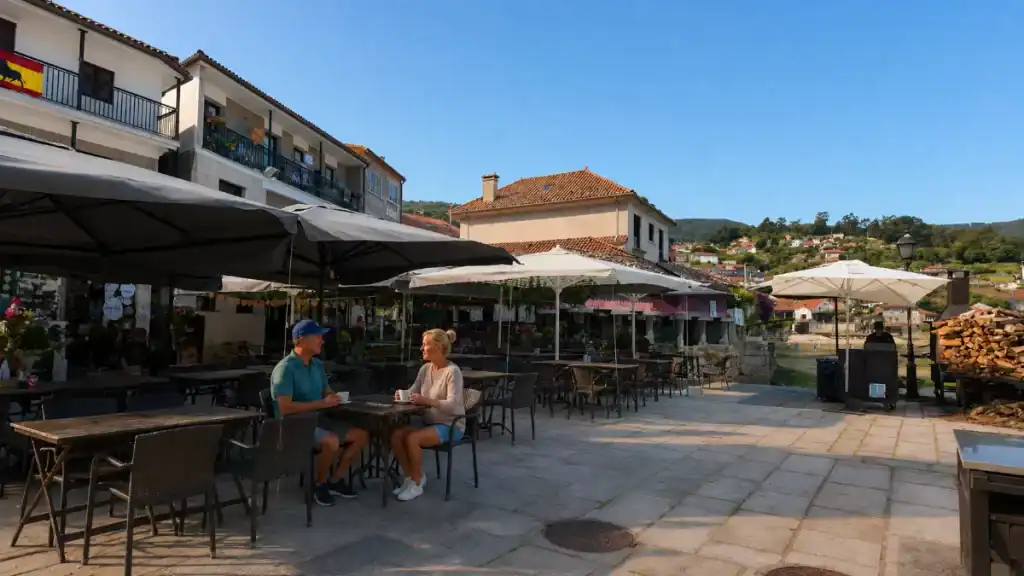
Restaurant terraces fill up, souvenir shops become busier, and people start clustering around the waterfront viewpoints near the hórreos. The central sections of the village absorb most of the pressure, particularly the areas closest to the sea.
The side streets still offer quieter moments, but the overall pace becomes noticeably more crowded and stop start.
📱 Quick timing rule: morning for the lanes, midday only if convenience matters, evening for seafood and the waterfront.
Parking also becomes more awkward later in the day, especially during summer weekends.
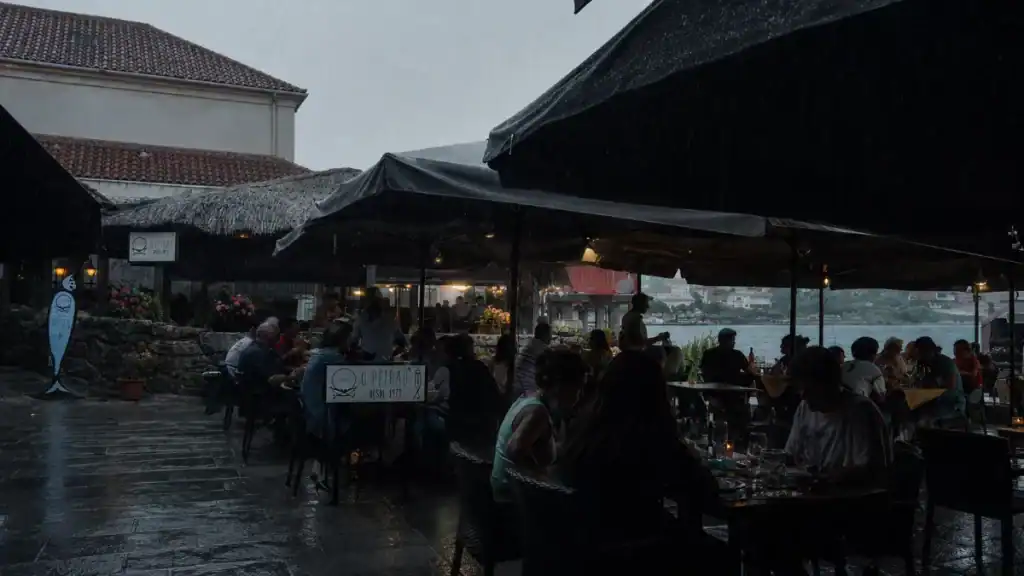
🌧️ Rain Does Not Ruin Combarro, but It Changes the Rhythm
I would not automatically abandon Combarro because of light rain. The village is compact enough that people tend to keep exploring, although the experience shifts quickly from wandering to moving between sheltered stops.
Because the village is compact, people often continue visiting during light showers rather than abandoning the stop completely. Umbrellas appear quickly and cafés become busier, but the waterfront still stays active unless conditions turn genuinely heavy.
The thing I would take more seriously is the granite underfoot. Several lanes slope towards the water and become surprisingly slick when wet, so comfortable shoes matter more here than the village’s tiny size might suggest.
Rain also shortens how long people stay outdoors. During dry weather, visitors drift slowly between the waterfront, cafés, shops, and viewpoints for hours. In wet conditions, the movement becomes more compressed. People pause under awnings, move faster through the lanes, then gather around restaurants and covered terrace areas instead.
The upside is that heavy rain often empties parts of the village surprisingly quickly.
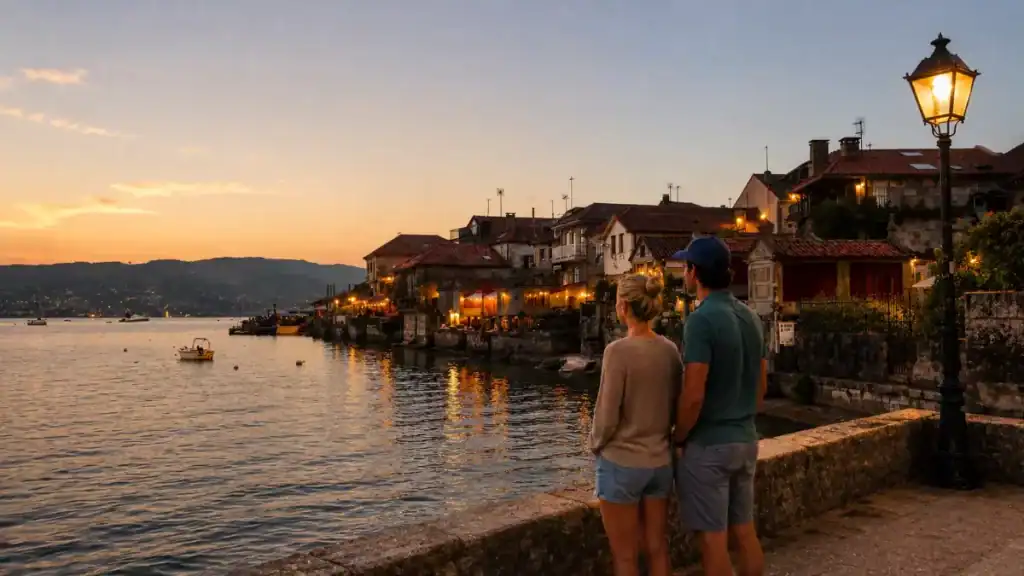
🌆 Evening Is the Best Alternative to an Early Start
If I could not arrive early, I would choose evening rather than midday. You still get enough activity for Combarro to feel alive, but without quite the same pressure in the narrow lanes.
What I liked was that the village did not simply empty once the day visitors began leaving. The atmosphere softened instead.
The Inner Lanes Empty Before the Seafront
Along the waterfront, people slowed down for drinks, seafood dinners and short walks beside the ria as the light faded. A few streets back, the granite lanes became noticeably quieter much earlier than the seafront itself.
That difference becomes very noticeable after dinner time.
The waterfront can still feel lively while only a few people remain wandering through the smaller stone alleys behind it. Restaurants and terrace tables keep activity concentrated near the sea long after other parts of the village calm down.
The evening pace suits Combarro particularly well because the village is small enough that you never feel far from the water.
☀️ In Summer, Two Time Windows Work Much Better
In July and August, I would choose either early morning or later in the day and avoid the middle if possible.
By early afternoon the village can feel genuinely crowded, particularly around the central waterfront sections where visitors stop for photographs beside the hórreos. Cruise visitors and coastal day-trippers contribute heavily to the crowds during the busiest weeks of summer.
Early or Late Beats the Middle of the Day
In summer, I would either arrive early enough to be ahead of the main flow or deliberately leave the visit until later. The middle of the day gives you the least attractive balance of crowds, parking pressure and narrow streets.
Outside the peak season, though, Combarro becomes much easier to enjoy throughout the day. Spring and autumn especially suit the village well because the visitor flow stays lighter while cafés, restaurants, and waterfront activity still remain active.
Winter feels quieter again, though Atlantic weather becomes more unpredictable and wetter stretches can shorten visits considerably.
| Time | Crowds | Atmosphere | Best for | Verdict |
|---|---|---|---|---|
| Early morning | Low | Quiet, more local | Lanes, hórreos, photography | Best overall |
| Midday | High | Busy, visitor-focused | Lunch and a convenient stop | Avoid if possible |
| Evening | Moderate | Lively but more relaxed | Waterfront, seafood, drinks | Best alternative |
🧭 My Pick: Morning First, Evening Second
For most people, early morning is the best time to visit Combarro. You get quieter streets, easier photography and more space to notice the hórreos and old lanes before the village fills.
Evening would be my alternative if the waterfront matters more than having the lanes to yourself. It suits a slower walk followed by seafood or drinks beside the ria.
Midday is the busiest period, particularly in summer, when the narrow lanes begin feeling much more crowded and parking becomes slower and more frustrating.
🧭 My simple rule: Combarro is so compact that a visit at 9am and one at 2pm can feel like two different versions of the same village. I would choose morning first, evening second.