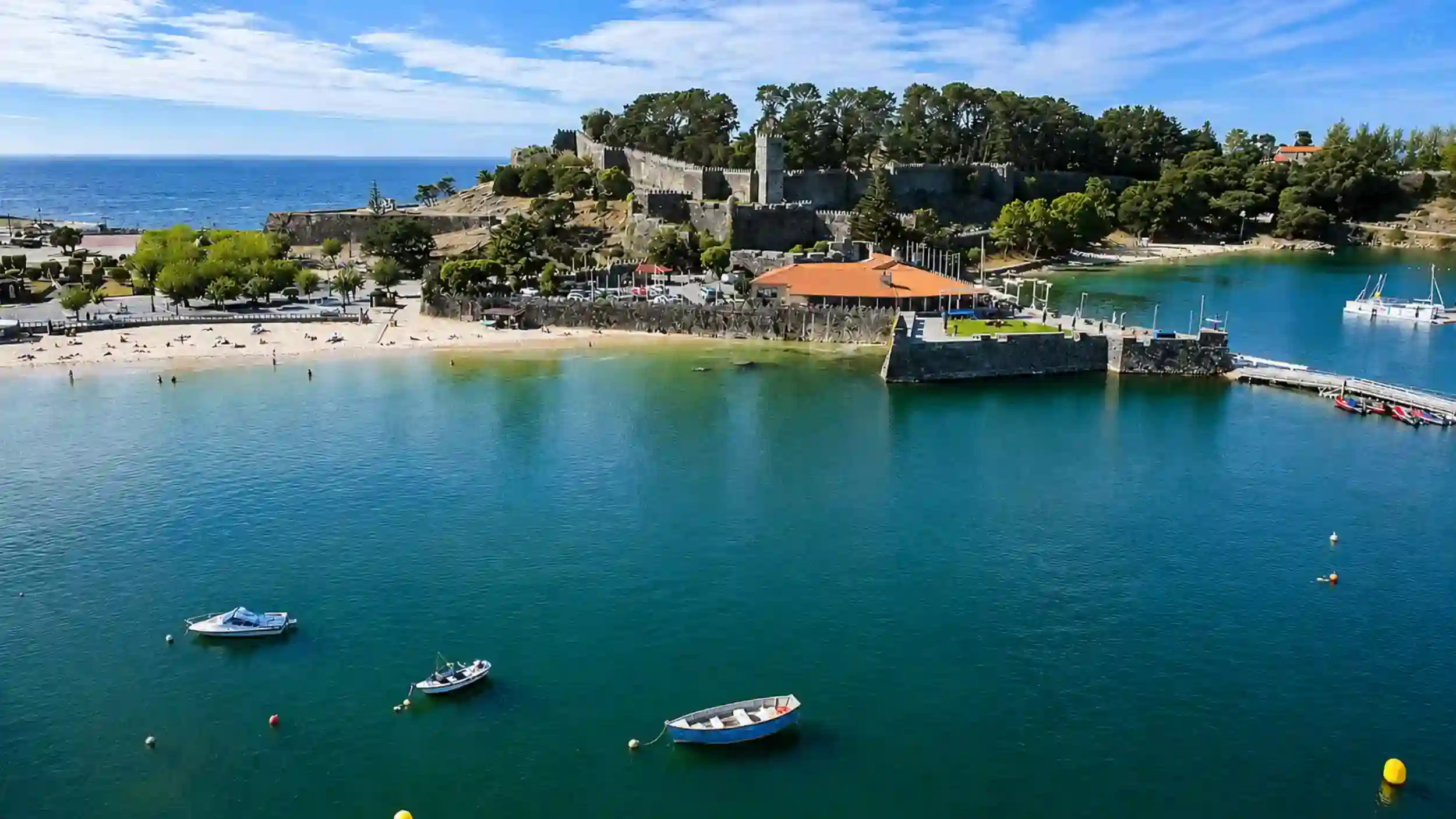

October on the Rías Baixas is a good time to visit if quieter roads and harbour towns matter more than guaranteed beach weather. Cíes Islands sailings can still operate on reduced schedules. Swimming becomes more weather-dependent. I would choose October for a flexible coastal road trip, but not for a holiday built mainly around long beach days.
The biggest gain is how much pressure disappears once the summer crowds have gone. I ended up using the coast differently: fewer fixed beach plans and more short stops. When the Atlantic weather changed, changing direction no longer felt like spoiling the day.
That uncertainty is the compromise. October rewards flexibility rather than a tightly booked coastal itinerary.
⛴️ Cíes Islands Trips Need More Attention in October
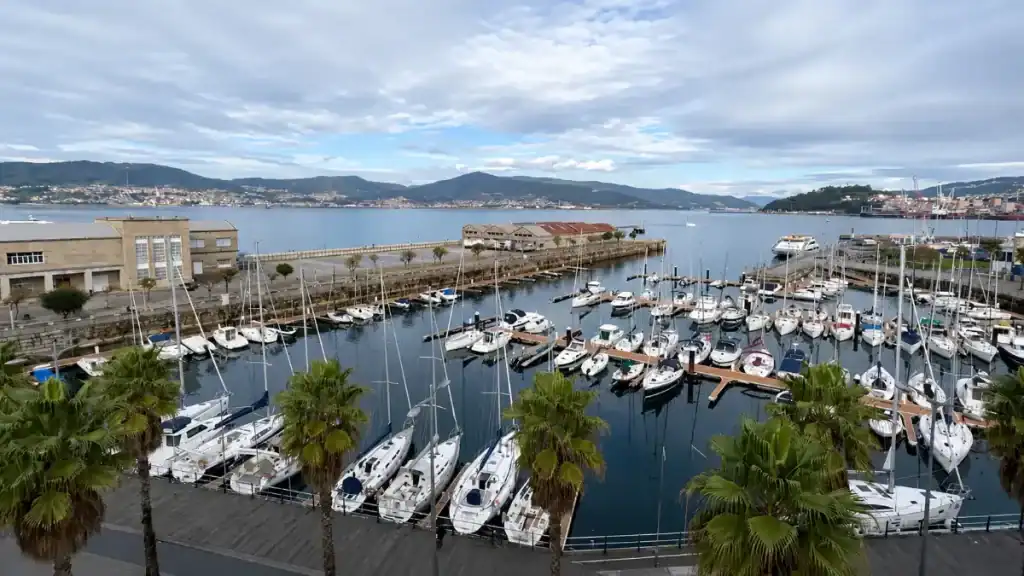
October does not automatically rule out the Cíes Islands. I would never treat the ferry as casually as I might in peak summer, though. The timetable begins thinning outside the busiest season. Weather or sea conditions matter more when there are fewer departures to fall back on.
Around the ferry terminals, the difference was obvious. The summer sense of everyone trying to get somewhere at once had eased. Queues were shorter, boarding calmer and less beach equipment was stacked around the waiting areas. The Vigo waterfront felt less dominated by island traffic.
Missing a Sailing Matters More When There Are Fewer Boats
The quieter terminal can make the day feel easier, but it also hides the main October catch. A missed sailing becomes more inconvenient when departures are less frequent.
So my October rule would be simple: check the actual sailing schedule for your date and keep an eye on sea conditions. Give the return crossing more attention than you would during a high-frequency summer timetable.
⛴️ October ferry reality: quieter boarding is a bonus, but reduced frequency makes timing more important.
🏖️ Swimming Becomes an Opportunity Rather Than the Plan
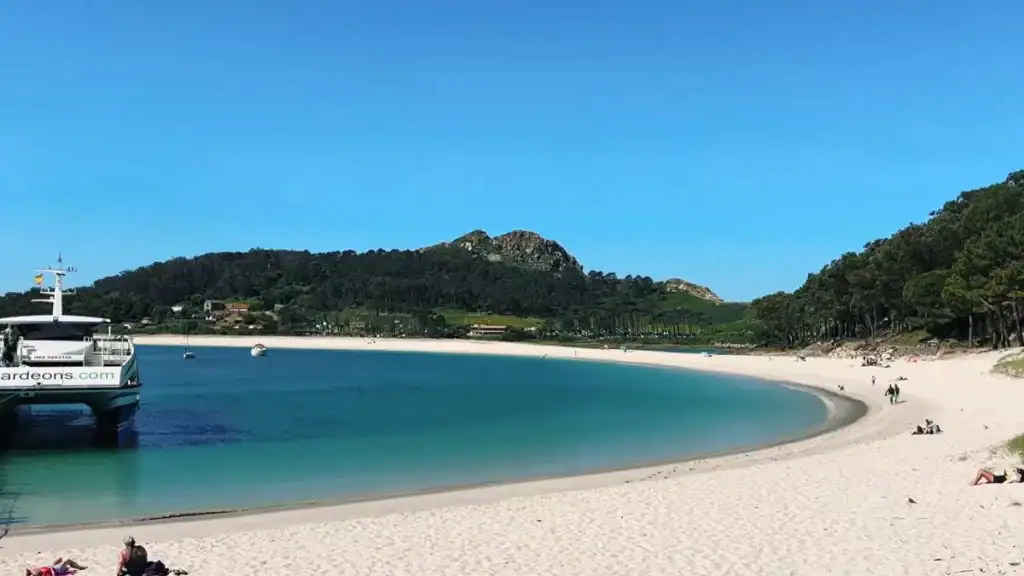
I would stop thinking in terms of guaranteed full beach days by October. A warm, bright spell can still make the coast tempting, but wind, cloud and sea conditions can change the feel of a beach quickly.
When a good-weather window appeared, I used it. Saving the beach for a particular afternoon made less sense after that. A calm spell could give way to stronger wind and cooler air surprisingly quickly.
The Wind Can Make the Same Beach Feel Completely Different
A beach that feels comfortable around midday can empty surprisingly fast later on. By then, an hour on the sand followed by coffee or another coastal stop often works better than committing the whole day.
Swimming is therefore possible when conditions cooperate, but I would not choose October if getting into the sea every day was important to the holiday. The uncertainty is too central to ignore.
What you gain is space. Many stretches of coastline become almost empty again by late afternoon, especially away from weekends.
🏖️ My October beach rule: use a calm, bright spell when it appears rather than saving the beach for a fixed afternoon. I would treat swimming as a bonus, not something the trip depends on.

🏘️ The Harbour Towns Were Where October Won Me Over
This was the part of October I preferred most. Combarro, O Grove and Baiona were still active, but the constant summer visitor movement had eased enough for their everyday rhythm to become much more visible.
During quieter weekday afternoons, restaurant terraces thinned earlier and narrow streets stopped feeling continuously busy. Deliveries arrived. Fishermen worked near the waterfront. Locals sitting outside cafés became easier to notice. Visitors were drifting through rather than arriving in waves.
Even the sound changed.
Less traffic and fewer large groups left longer gaps between conversations carrying through the streets. The waterfronts remained livelier around restaurants and promenades, but side lanes could quieten much sooner.
🏘️ If harbour towns are a major reason for your trip, I would take that October trade. You lose some dependable outdoor weather. In return, exploring them feels much less compressed.

🚗 Quieter Roads Change What You Can Do With the Coast
Quieter October roads made the coast easier to use spontaneously. In summer, small decisions often become logistical ones: is there likely to be parking, is the beach access road already busy, and is a short detour worth the traffic afterwards?
By October, much of that pressure had gone. Parking was simpler outside major weekends, beach-road traffic had eased and the stretches between the estuaries felt less stop-start.
I did not use the easier roads to chase more mileage. They made spontaneity possible instead.
A Viewpoint Could Become a Stop Without Wrecking the Day
Pulling into a harbour for lunch no longer meant assuming parking would be awkward. If the weather looked brighter somewhere else, changing direction felt realistic. A roadside viewpoint could be worth five minutes. I was no longer thinking ahead to whether the next parking area might be full.
That is a bigger October advantage than simply saying the roads are quieter. Traffic stops controlling so many of the small choices that shape a coastal road trip.

🌅 Shorter Days Stop October Feeling Like an Easier Version of Summer
The quieter roads do not mean you can simply copy a summer itinerary. Shorter daylight was the October compromise I underestimated most easily.
By October, sunset arrives early enough to pull the useful outdoor part of the day forward. Morning coffee leads into an earlier coastal drive. Lunch makes more sense slightly sooner, while viewpoints or beach walks become harder to postpone until late afternoon.
Once Atlantic cloud joined the shorter daylight, the coast could change mood quickly. Beaches emptied and viewpoints quietened while harbour restaurants stayed lively.
There was an upside. Days felt more contained. Instead of stretching sightseeing towards a late summer sunset, I had a clearer point at which the outdoor part of the day was finished.

🌊 October Puts the Atlantic Back at the Centre of the Trip
October put the Atlantic itself back at the centre of the trip. In summer, it is easy for swimming and beach time to dominate the coastline, but my attention shifted elsewhere once those beach days became less dependable.
Wind moved through the estuaries. Rain crossed the water. Cloud could break suddenly over the coast, and on some days the sea looked rougher again. Those changes were not always convenient. They made the Atlantic feel like part of the journey rather than background scenery.
The region also felt less purely holiday-focused. Once beach days stopped organising everything, harbour towns, coastal drives, seafood stops and short walks carried more of the trip.

🧭 October Suits Travellers Who Can Let the Weather Rewrite the Day
I would happily return to Rías Baixas in October for the slower style of travel, easier driving and quieter coastal towns. Reliable warmth is the dividing line. If daily swimming or long evenings on the beach were essential, I would choose another month.
✓ Best fit: road trippers, walkers, seafood-focused travellers and anyone happier with quieter towns than guaranteed sun.
⚠️ Think twice: if the Cíes Islands must happen on one fixed day, or if the holiday only works when every afternoon can be spent swimming.
The bargain is straightforward. October removes much of the summer pressure, but it also removes some certainty. For me, the quieter roads and harbour towns were worth that exchange. The itinerary was flexible enough to follow the weather rather than fight it.