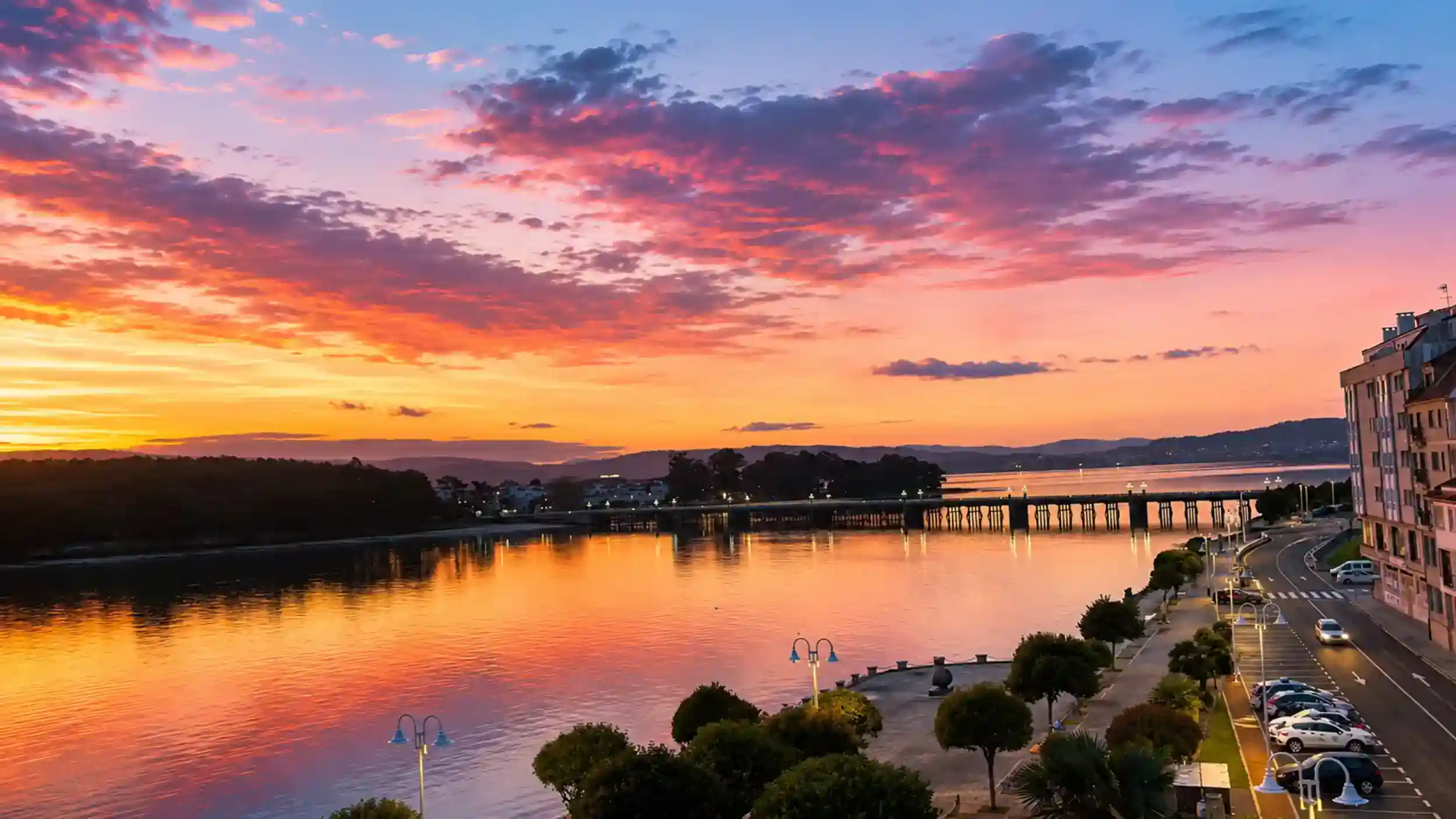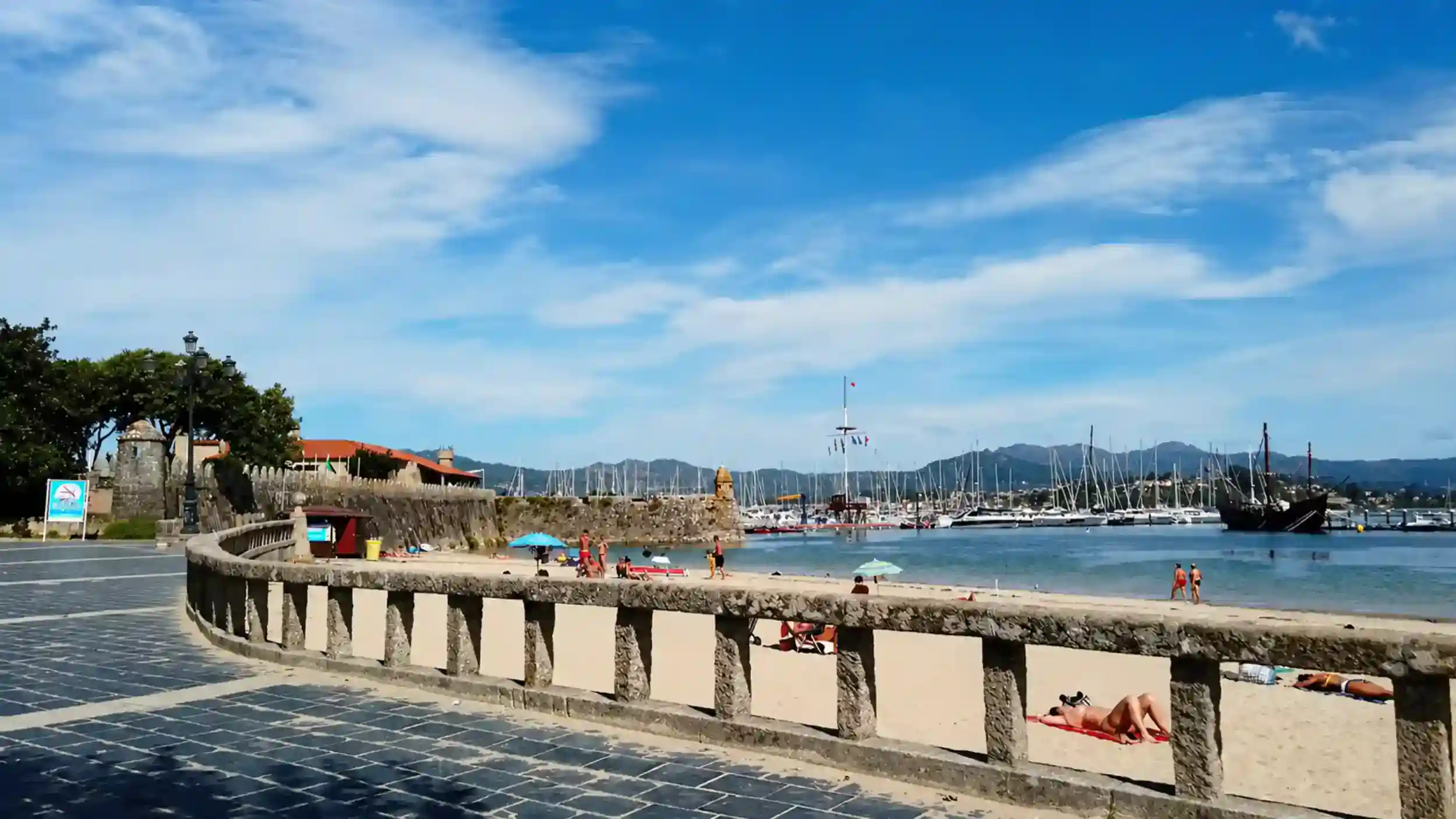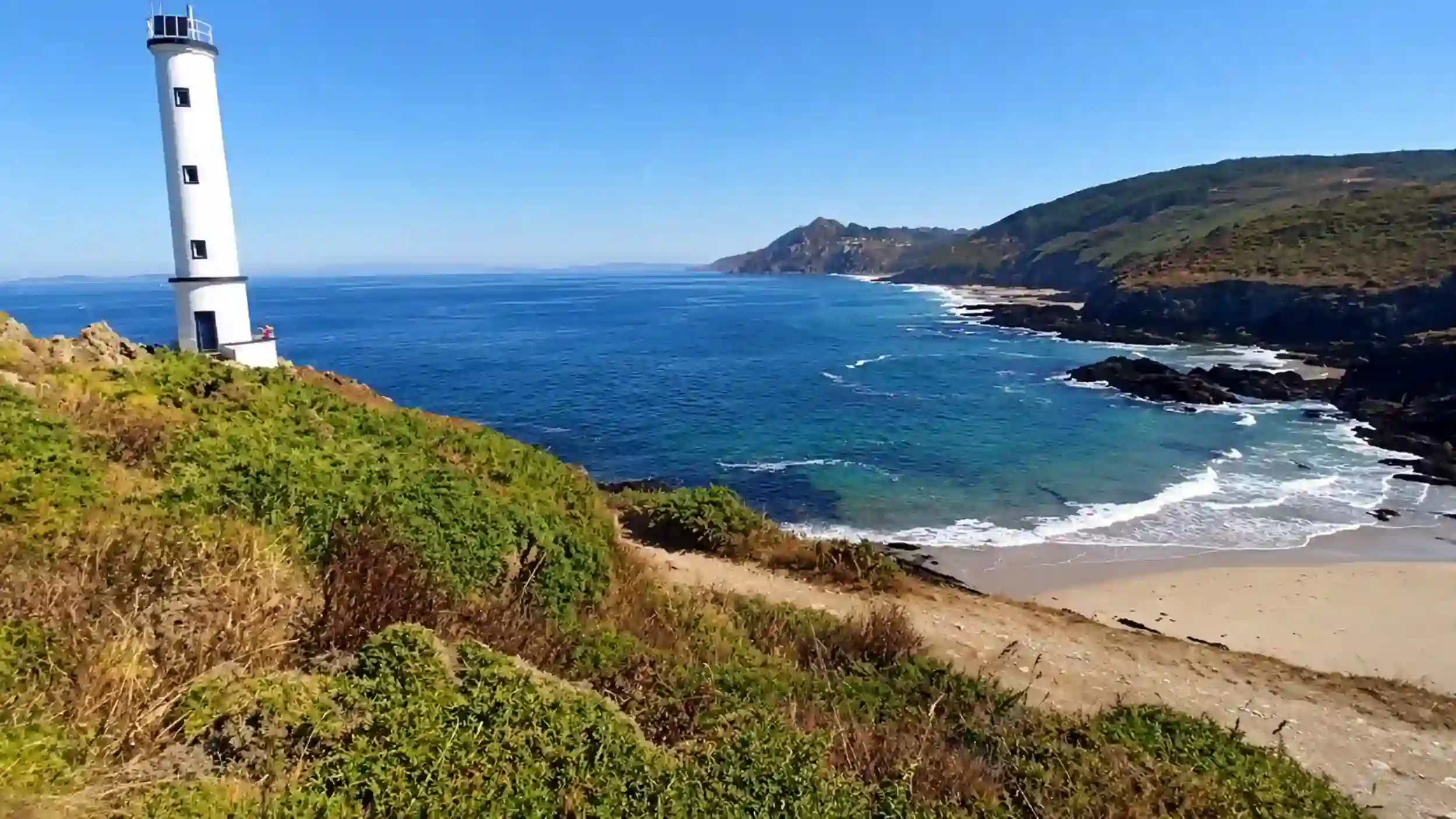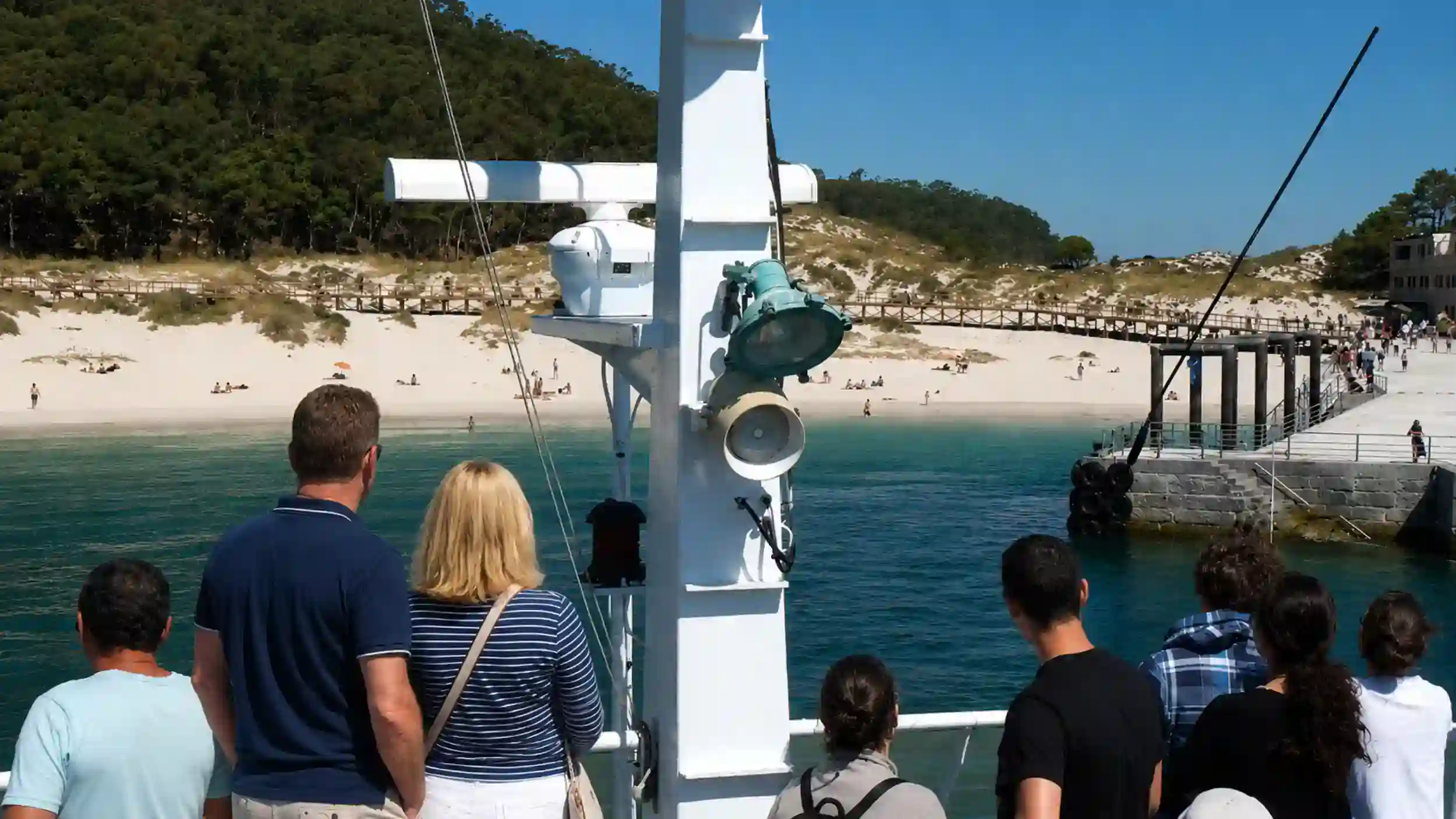
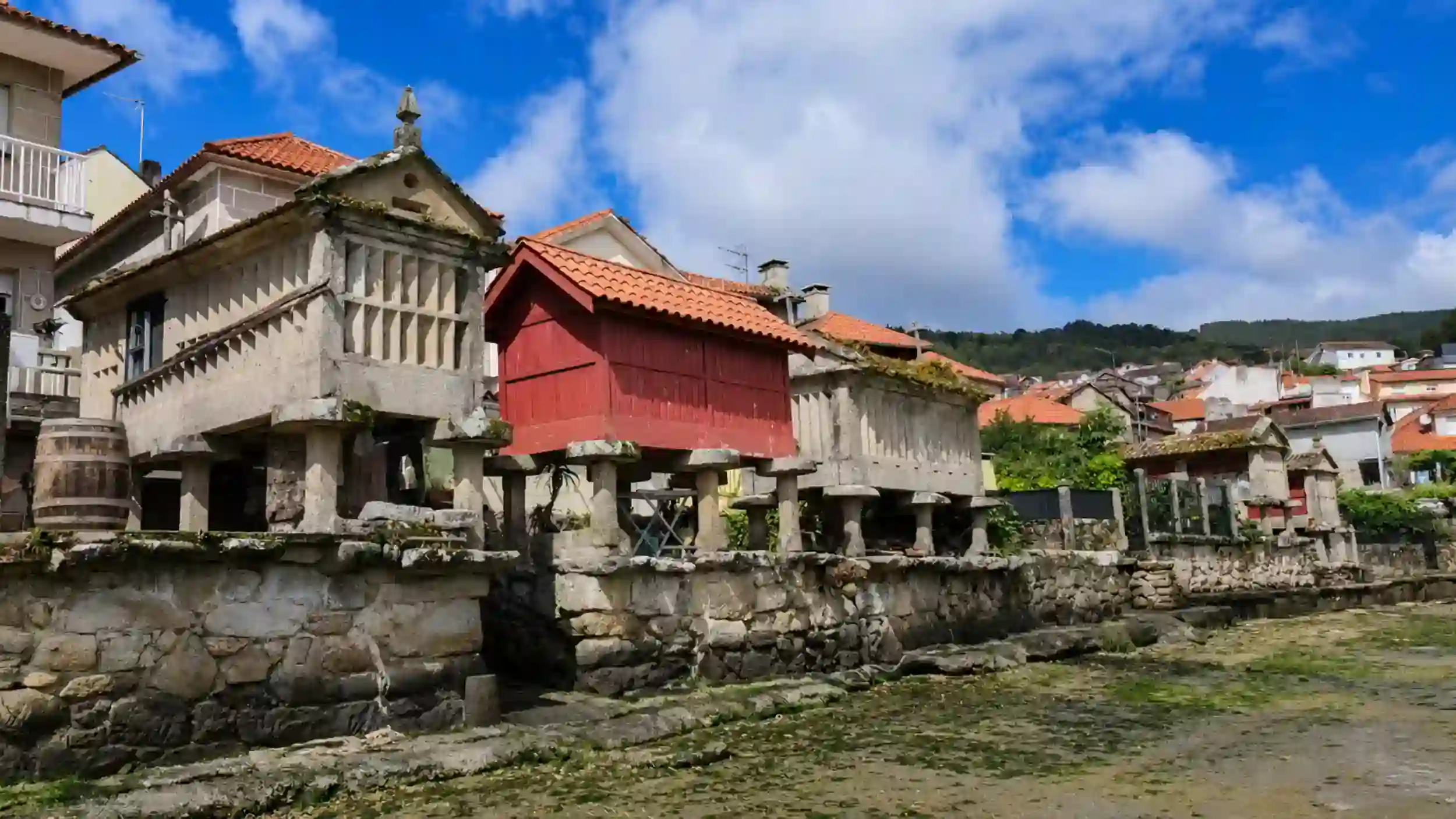
A road trip through Rías Baixas works best over several days rather than as one long drive. The distances between coastal towns can look modest, but beaches, harbour stops, ferry crossings, parking and scenic detours quickly stretch the journey. I would allow at least four or five days for the main coast, and closer to a week if you want the road trip itself to feel unhurried.
That wasn’t how I approached it at first. I began with far more confidence in the map, only to watch supposedly short driving days expand as soon as the coast started interrupting them.
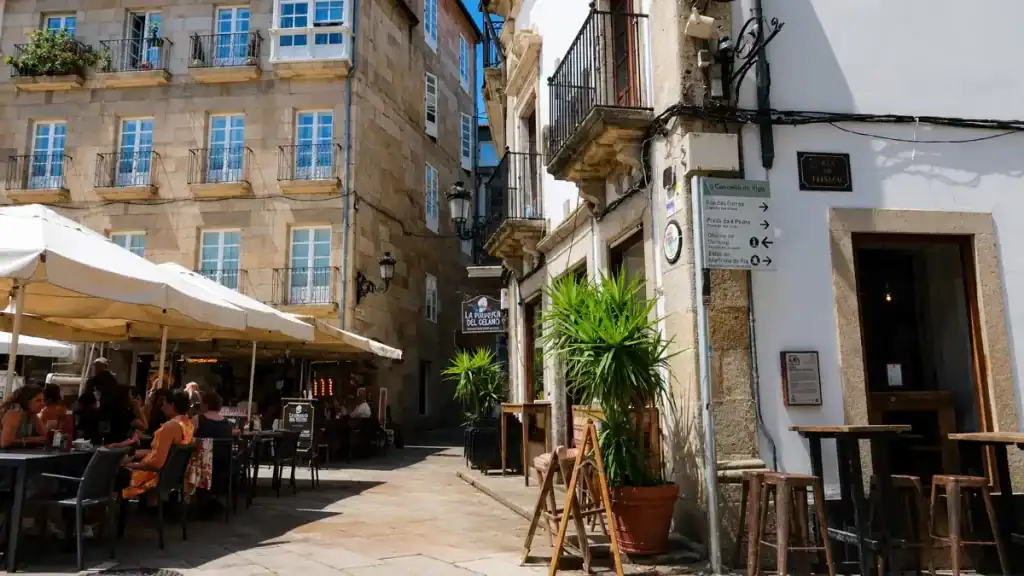
🚗 The Map Made Rías Baixas Look Quicker Than It Was
The map consistently made Rías Baixas look quicker than it felt on the road. One of my first mistakes was assuming short distances would automatically mean quick travel.
They often didn’t.
Twenty-Minute Stops Rarely Stayed That Way
The roads themselves were generally straightforward. It was everything around them that slowed us down. Traffic built near beaches, finding parking delayed our arrival in harbour towns, and coastal roads kept presenting places that looked worth pulling over for.
Then a viewpoint would appear and another twenty minutes disappeared.
By the time that had happened several times, the way I thought about driving distances had changed. The route wasn’t dead time between destinations. Beaches, marinas, estuaries and cafés were breaking the day into smaller journeys, and trying to force those journeys back onto a strict schedule only made them frustrating.
🚗 Planning reality: judge a Rías Baixas driving day by what you want to stop for, not simply by the kilometres on the map.
🏖️ A Loose Itinerary Survived the Coast Better Than a Full One
A loose itinerary survived the coast much better than a full one. Beach stops were where my original plan began coming apart.
A quick walk across the sand could become lunch overlooking the water. If the weather was good, lunch might be followed by another hour watching the tide move across an estuary. Nothing had gone wrong, but the next two planned stops were suddenly competing for what remained of the afternoon.
Lanzada Was the Sort of Stop That Expanded
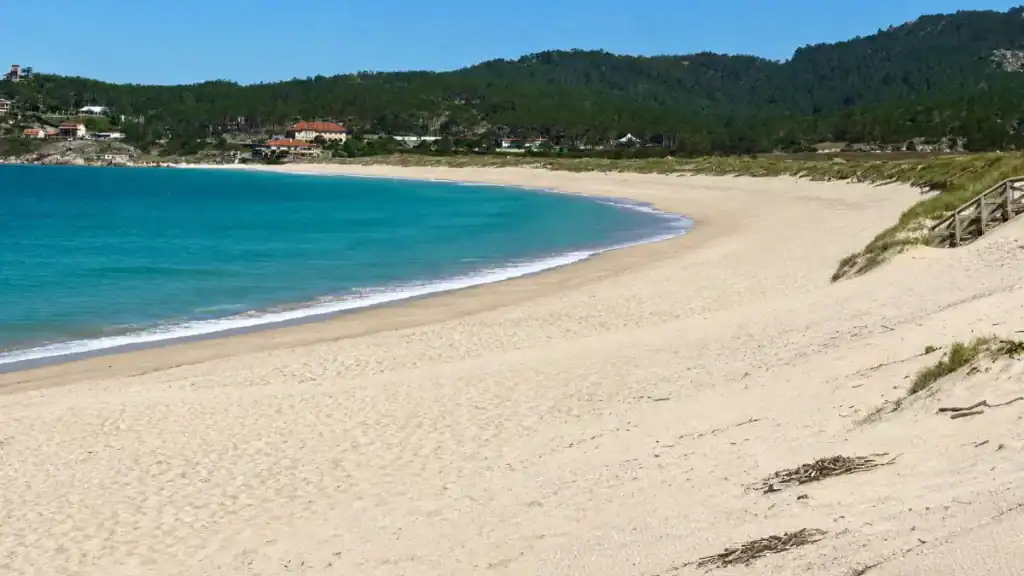
Lanzada Beach was a good example. I could arrive expecting a short break, then the scale of the Atlantic coastline, dunes and surf made getting straight back into the car feel unnecessarily hurried.
The same thing happened around A Illa de Arousa, near Baiona and at smaller beaches between harbour towns. Eventually I stopped treating these interruptions as delays. They were the reason the road trip was taking longer, but they were also becoming the parts I remembered.
🏖️ Better approach: leave genuine empty space in the day. A loose itinerary gives a good beach, lunch stop or viewpoint permission to become part of the trip.
⛴️ Ferry Days Were Where Flexibility Had to Stop
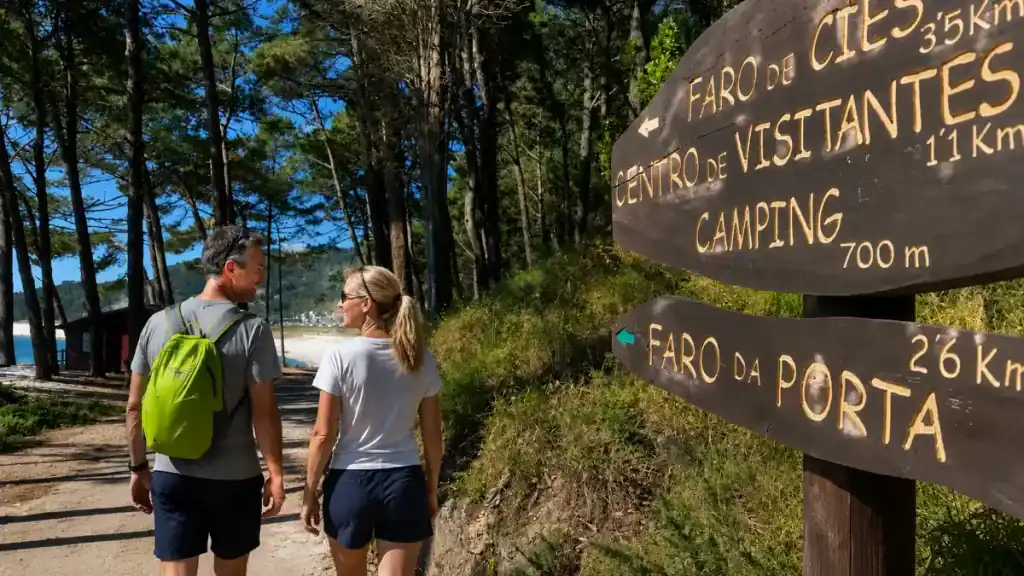
Ferry days were the point where I stopped trying to preserve the road trip’s usual flexibility. The Cíes Islands or Ons introduced something the rest of the route rarely had: a fixed clock.
Once the Cíes Islands entered the itinerary, departure and return times began shaping the day around them rather than the other way around.
The Ferry Started Affecting the Previous Evening
A morning departure influenced where we stayed the night before and how early we needed to be moving. That was quite different from an ordinary coastal day, when leaving half an hour later rarely mattered.
The return crossing created another boundary. Come back later and the possibility of another meaningful coastal stop could disappear. An earlier ferry left enough evening for a harbour walk or dinner somewhere else.
After trying to fit too much around fixed timings elsewhere on the route, I wouldn’t combine an island ferry with a substantial coastal drive. The two compete for the same breathing room.
| Type of day | How I would plan it | What changed my mind |
|---|---|---|
| 🚗 Coastal driving | 2–3 meaningful stops | Detours and longer stops repeatedly stretched the day |
| ⛴️ Island ferry | Keep the rest of the day light | Fixed crossings removed the flexibility we had elsewhere |
| 🌦️ Unsettled weather | Keep alternative stops available | Conditions changed which parts of the coast appealed |
| 🅿️ Busy beach day | Start earlier | Traffic and parking consumed time later in the day |

✂️ Two or Three Proper Stops Beat Five Rushed Ones
Two or three proper stops worked better than five rushed ones. After the first couple of days, I started cutting places rather than adding them.
Five possible villages looked productive on an itinerary. On the road, two or three slower stops gave us time to park, walk, eat and follow the detours that hadn’t existed when the day was planned.
The coast kept proving the point. A seafood lunch in O Grove could become most of my afternoon. A supposedly quick visit to Baiona could stretch into a long waterfront walk near sunset.
Neither felt like wasted time. The mistake had been expecting both to fit neatly alongside several other stops.
✂️ My limit: I would normally plan two or three places that genuinely matter, then treat anything else as optional.
🌦️ The Weather Could Rewrite the Day Before We Left
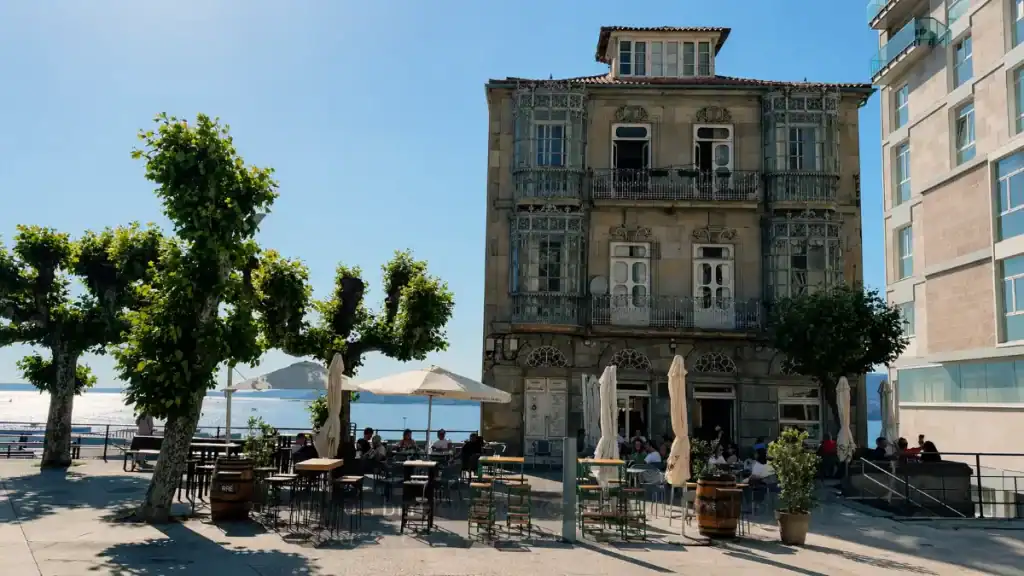
Atlantic weather could rewrite the day before we had even left. Once the weather started influencing decisions, the best destination for that day wasn’t always the one already written down.
On a windy morning, exposed beaches lost some of their appeal and sheltered estuary towns became the easier choice. Cloud changed the mood of the coastline again. Rain could turn a walking-heavy day into seafood, harbour cafés and shorter stops without making the day feel lost.
Changing the Route Was Easier Than Fighting the Forecast
Staying several nights in the same area made those changes much easier. There was no hotel checkout forcing us north or south regardless of what was happening outside.
Vigo, Baiona and O Grove all worked well as practical bases because the next day’s route could change without reorganising the whole trip.
Once I started planning around conditions rather than fighting them, the road trip became noticeably easier.
🌦️ Weather rule: fix the important bookings, but leave enough of the surrounding itinerary movable that a wet or windy day can change direction.
🅿️ Starting Earlier Helped, but It Didn’t Fix Overplanning
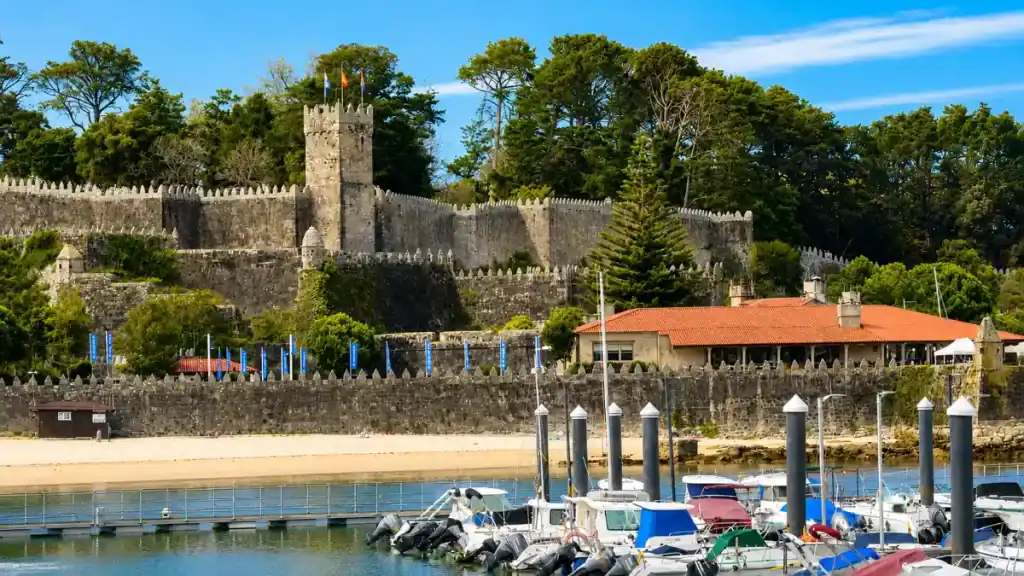
Starting earlier helped with traffic and parking, but it did not fix an overplanned day. Earlier starts made a genuine difference, particularly when beaches were involved.
Later on, beach access roads near Lanzada, O Grove and the southern coast around Baiona became slower as day traffic increased. Parking could then take another chunk out of the afternoon, especially when several stops were still waiting on the itinerary.
The Quiet Morning Didn’t Make the Afternoon Longer
Setting off earlier gave us calmer roads, easier parking and quieter stretches of coast before beach traffic built. Initially that felt like the solution.
It wasn’t quite.
An early start simply gave a good stop more room to expand. An empty beach could hold us longer. Lunch could drift into the afternoon. A viewpoint we might have skipped later in the day suddenly seemed worth taking the road towards.
That changed the lesson. Starting early was useful, but removing the pressure to keep moving mattered more.
🅿️ Best combination: leave early + plan fewer stops + keep one part of the day deliberately empty.
🧭 The Best Rías Baixas Road Trip Leaves Something Unplanned
By the end of the trip, the itinerary looked very different from the one I had started with. Ferry times stayed fixed. Important bookings stayed fixed. Almost everything else became negotiable.
That suited Rías Baixas far better. The journey had become less about progressing efficiently along the coast and more about alternating between driving and stopping whenever somewhere justified the time.
An empty beach late in the afternoon, fresh seafood beside a harbour or an unexpected viewpoint could easily become the part of the day I remembered most.
I would plan the road trip that way again: several days rather than one long sweep, two or three meaningful stops each day, early starts when traffic matters, ferry days protected from overplanning and enough empty space for weather or the coastline to change the plan.