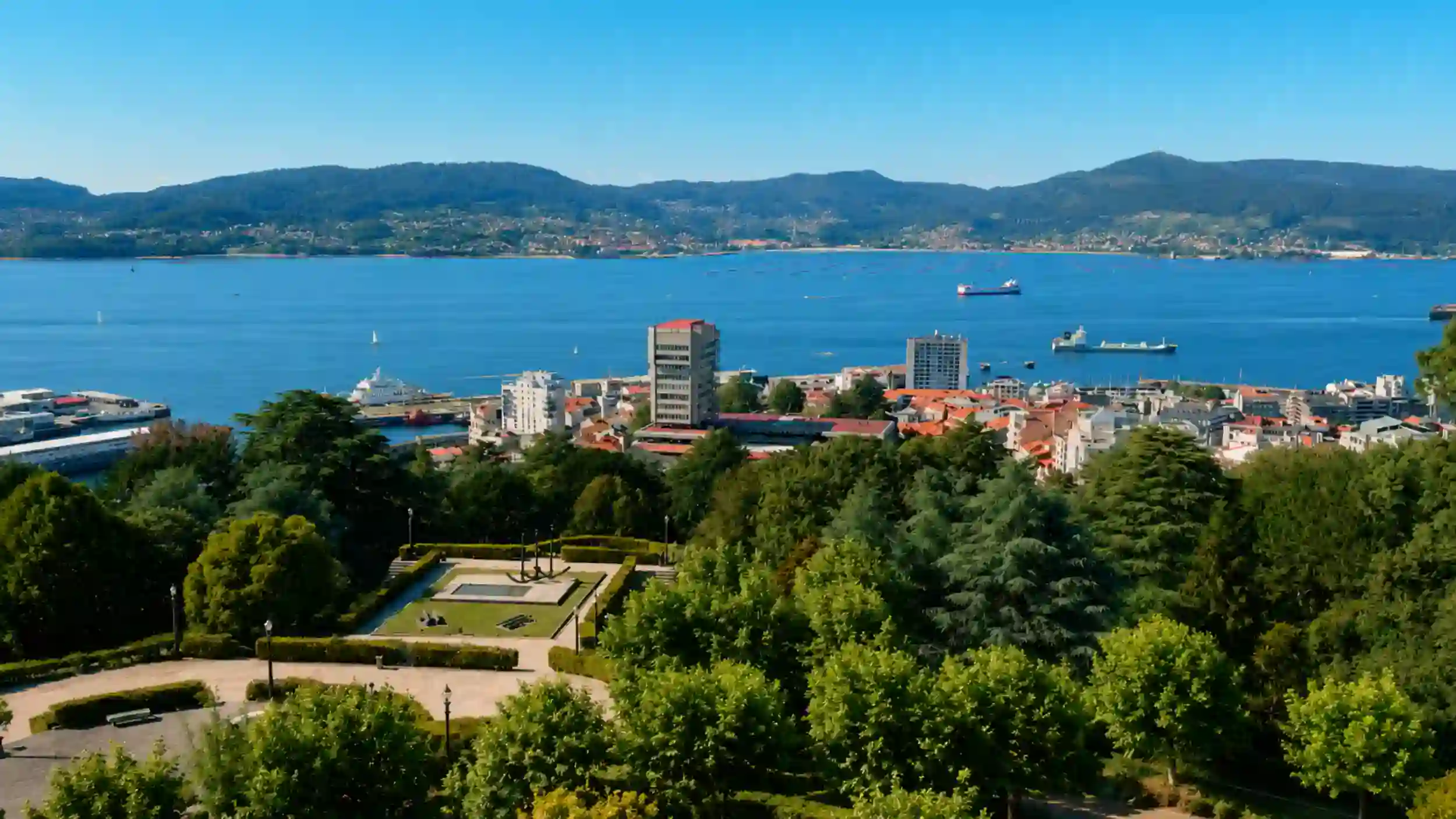
I found Vigo a very practical base for exploring the southern Galicia coast. I could reach islands, beaches, fishing towns and coastal drives without changing hotels, then choose a different direction each morning according to the weather and what I felt like doing.
I never thought Vigo was the prettiest base in the region, but I quickly appreciated how useful it was. Ferries gave me an island day, while Baiona, A Guarda, Combarro, Cambados and O Grove all worked as realistic outings rather than reasons to keep moving hotels.
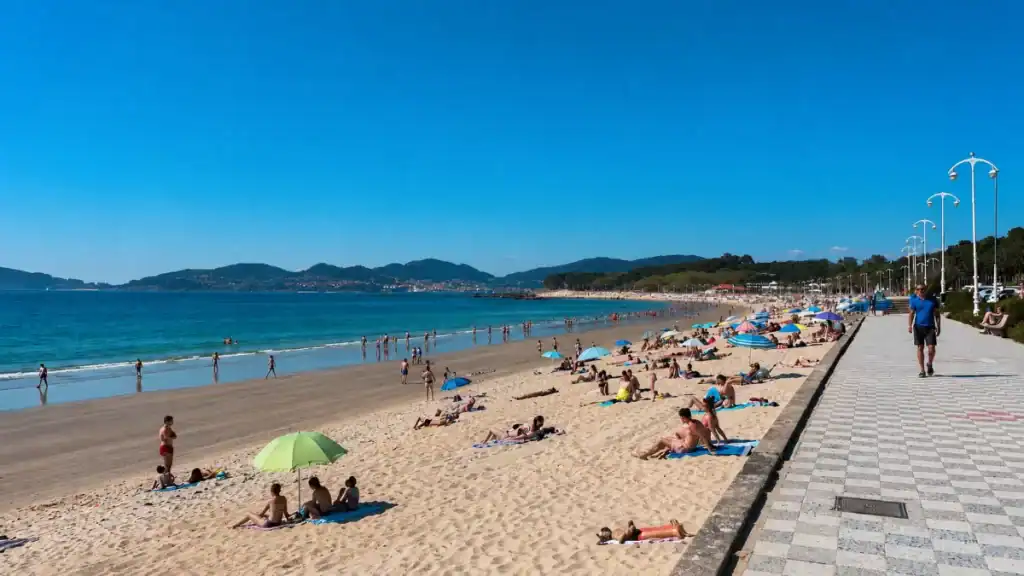
🌊 Vigo Put Very Different Parts of the Coast Within Reach
What surprised me most was how quickly the landscape changed once I left the city. Within a relatively short drive, Atlantic beaches gave way to fishing villages, ferry ports, mountain viewpoints, vineyard areas and quieter estuary towns.
I rarely felt I was driving huge distances just to make the day feel different.
Baiona Was an Easy First Day Trip
Baiona works comfortably as a half-day or full-day outing, roughly 23 km by road from Vigo. Samil Beach is closer still, so a shorter beach visit does not require reorganising the day. Continue south and the coast towards A Guarda gradually becomes greener and rougher as Portugal approaches.
A Guarda is around 52 km by road from Vigo. In the other direction, Combarro is roughly 34 km, Cambados about 52 km and O Grove around 60 km. Those are manageable day-trip distances, although summer traffic can make the map look more optimistic than the drive feels.
📍 Useful scale: most of the coastal places I would combine with a Vigo stay sit within roughly 20–60 km by road.
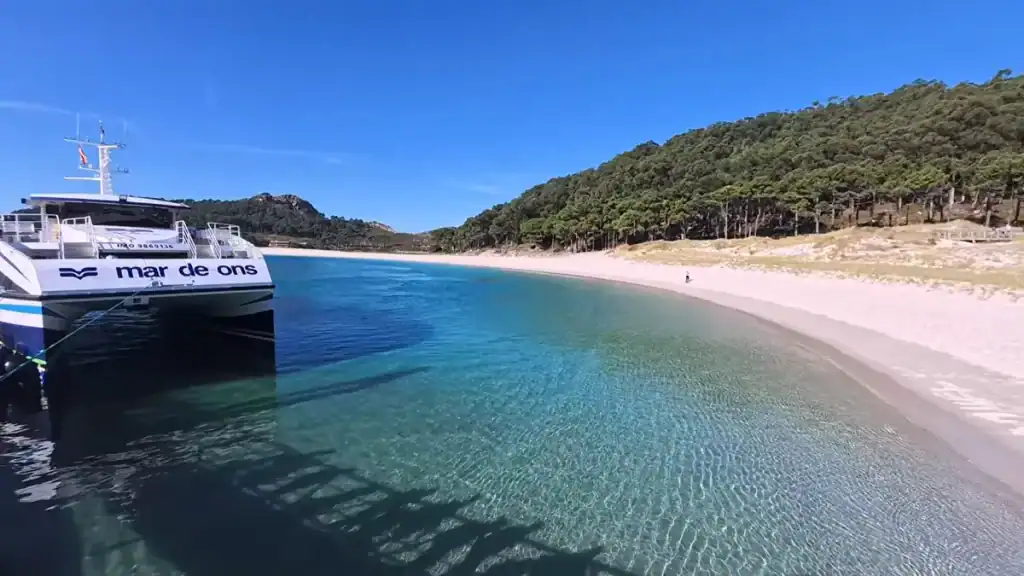
⛴️ A Cíes Islands Day Needs to Revolve Around the Ferry
I gave Cíes Islands days over to the ferry timetable rather than trying to preserve the flexibility of a driving day.
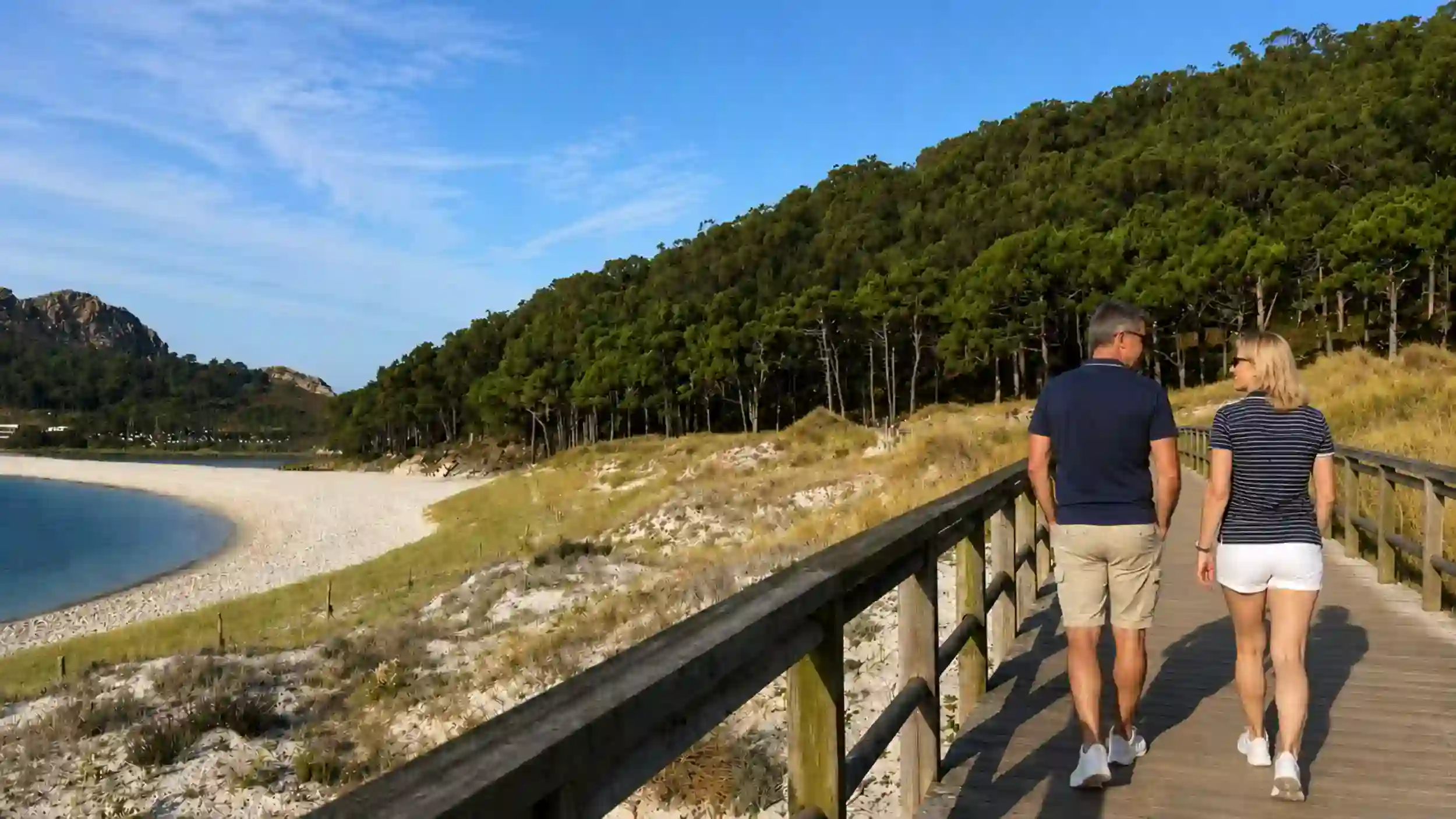
Once Visiting the Cíes Islands enters the itinerary, flexibility largely disappears. Morning sailings shape breakfast, the journey into the harbour and how early you need to leave your accommodation.
The maritime station changed quickly as the first island departures approached. Groups with backpacks, beach bags and walking shoes gathered near the waterfront. Nearby cafés filled with people grabbing coffee before boarding.
I Gave the Islands the Whole Day
Once I committed to the Cíes, I stopped trying to combine them with major sightseeing elsewhere. The crossing, walking, beaches and return queues already made it a full day physically and mentally.
That is where Vigo becomes particularly convenient. After the ferry back, I could return directly to the city rather than adding another long drive.
⛴️ My planning rule: choose the sailing first, build the day around it, and resist treating the Cíes as one stop in a wider sightseeing schedule.
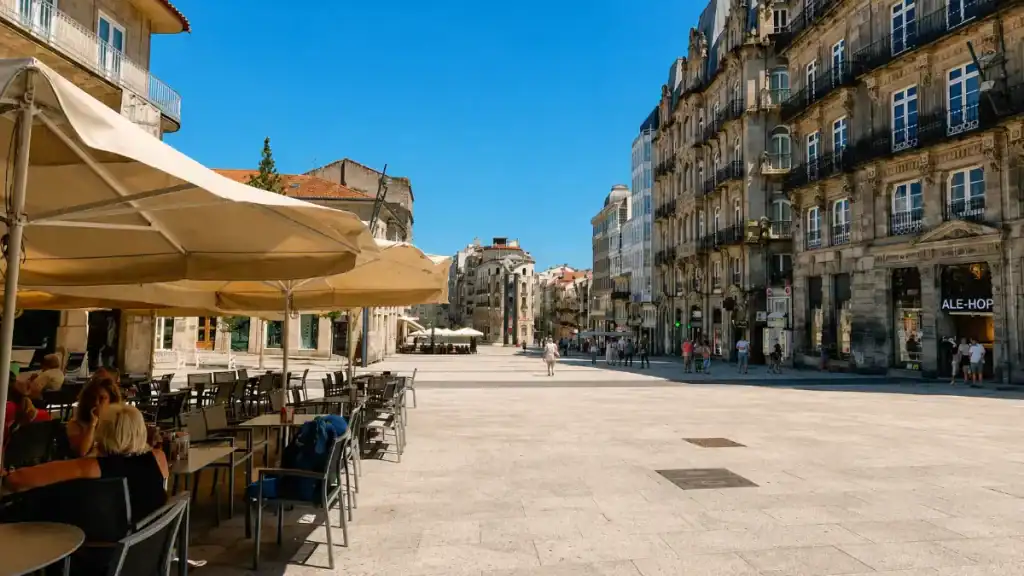
🚗 The First Part of a Morning Drive Can Be the Slowest
Leaving Vigo early mattered more than the distance on the map. The timing of my departure was what caught me out.
Early mornings around the old town and waterfront could feel surprisingly calm. Once commuter traffic, school runs and coastal day trips began overlapping, the exits filled much more quickly.
Summer mornings made that especially noticeable on routes towards Samil, Baiona and the southern coast. Roundabouts backed up, traffic lights slowed movement between neighbourhoods and short urban stretches took longer than expected.
Vigo’s Hills Add Their Own Friction
The city itself also makes apparently short journeys deceptive. Steeper climbs, tighter junctions and slower urban movement can add more faff than the coastal road that follows.
I preferred leaving earlier. It made the city exits easier and gave me more time on the coast before beach traffic built.
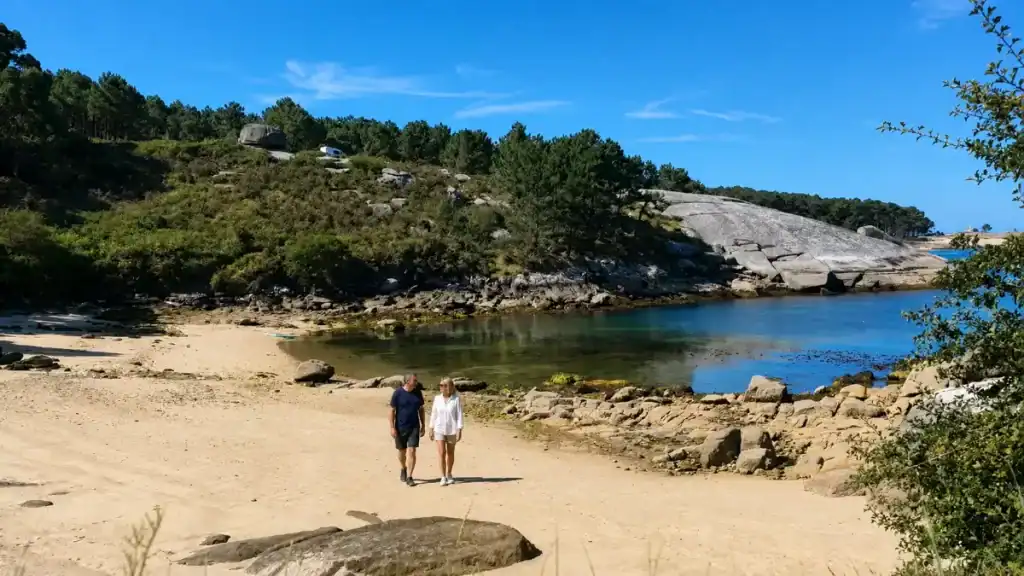
🏖️ Galician Beach Days Need More Flexibility Than Mediterranean Ones
I found Galician beach days worked better when I kept them flexible. Rather than committing to one stretch of sand for an entire day, I moved around more and kept another plan in mind.
That suits the Atlantic coast. Wind or cloud can alter the feel of an afternoon, especially outside the hottest part of summer. Lunch in a coastal town can become the natural next move rather than a failed beach day.
Shelter Matters as Much as the Name of the Beach
The beaches around Baiona, O Grove and A Illa de Arousa do not all behave alike. Some are broad and exposed to Atlantic wind. Others sit inside the estuaries with gentler water and more shelter.
Samil is the obvious city option, but I found the wider coastline much more interesting once I started choosing according to the conditions. Driving between Baiona and O Grove gives you the freedom to do exactly that.
🌦️ Mediterranean habit to drop: do not assume the beach you chose the night before will automatically be the best one the next afternoon.
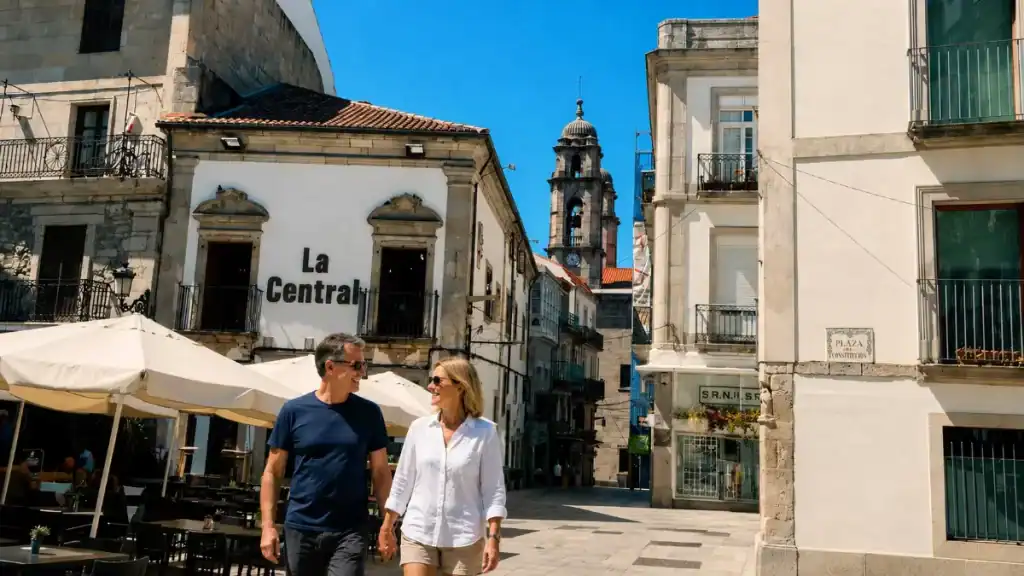
🌆 Returning to Vigo Gave the Days a Natural Finish
Returning to Vigo gave each day a natural finish. After a few days, I noticed the same useful rhythm emerging: I would leave during the day, then drift back towards the harbour in the evening.
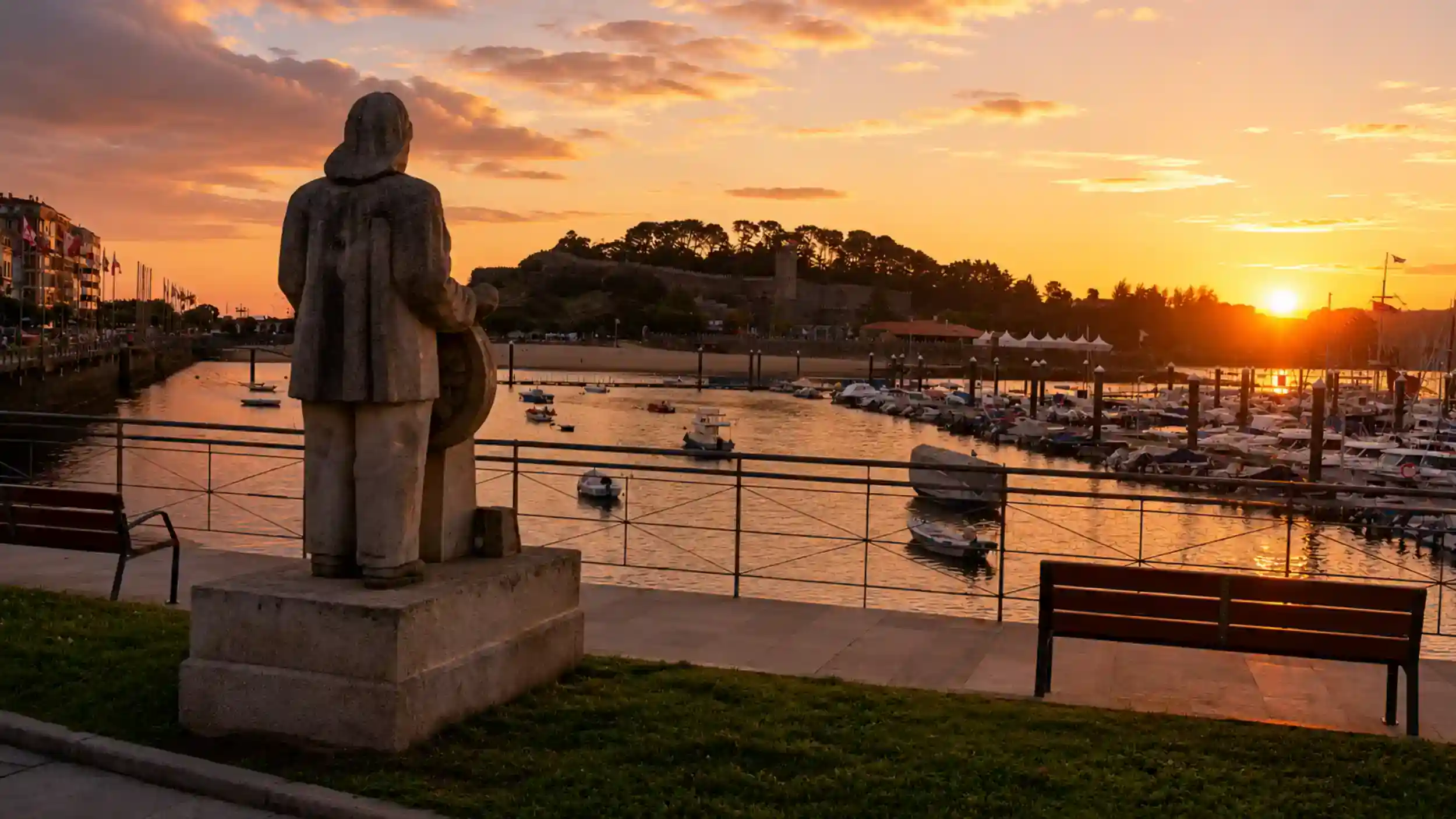
Part of that was practical because restaurants cluster around the waterfront and old town. The harbour also felt more appealing later, once traffic settled and softer light reached across the estuary.
Seafood dinners became part of the routine. Terraces filled steadily, and people wandered through the Casco Vello after returning from the coast. Baiona has a similar evening pull around its harbour. I liked having one familiar place to come back to.
That return journey gave the trip structure without making it feel over-planned.
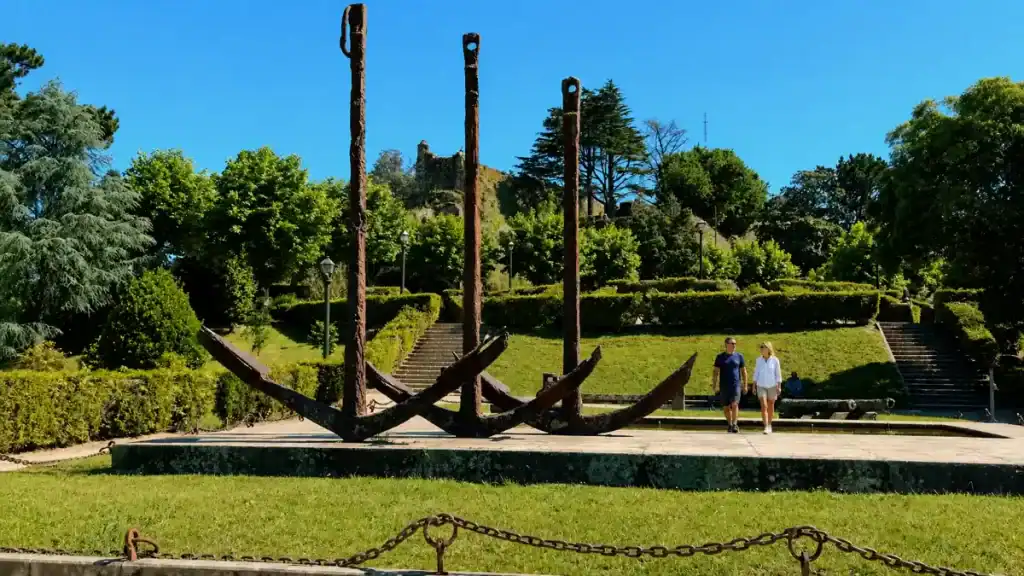
🧳 One Base Saved Time, but More Importantly It Preserved Flexibility
Using one base saved the obvious check-out, transfer and check-in time, but flexibility was the bigger advantage. I liked not having to pack up and change hotels every couple of days, especially when plans changed.
Southern Galicia rewards outward exploration more than aggressive hotel hopping. Because many coastal drives remain manageable, I could sleep in the same place and decide each morning which direction made most sense.
Clear weather tomorrow? Prioritise the islands. Wind picking up? Shift towards villages, seafood lunches or inland viewpoints instead.
That consistency became even more useful once ferry schedules and beach conditions started reshaping the itinerary. Deciding how many days in Rías Baixas you need can matter more than changing hotels repeatedly.
| Day from Vigo | How I would use it | Planning pressure |
|---|---|---|
| ⛴️ Cíes Islands | Give the ferry and islands the full day | 🕒 High: timetable-led |
| 🏖️ Beach day | Choose the coast after checking conditions | 🌦️ Medium: weather-led |
| 🚗 Baiona / A Guarda | Leave early and make stops as I go | ✅ Low once clear of Vigo |
| 🏘️ Combarro / O Grove | Use as a longer coastal day trip | 🚙 Medium: more driving |
| 🌆 Vigo day | Keep for a slower day or evening | 😌 Low |
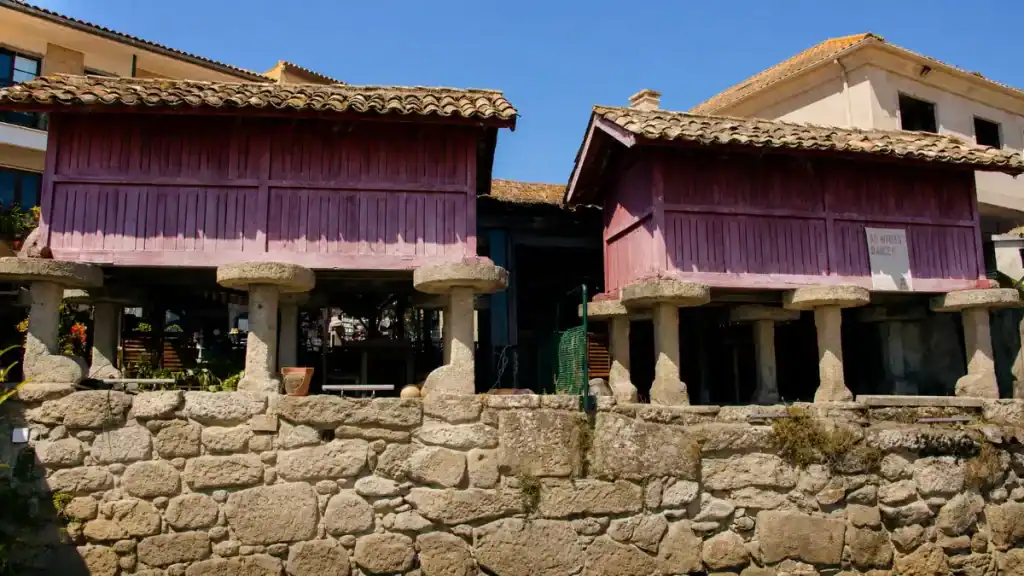
🧭 Would I Use Vigo as a Base Again?
Yes. I would choose Vigo again, particularly for a shorter or first trip to southern Galicia. It gives you ferries, beaches and several directions of coastal travel without forcing the itinerary to move every few nights.
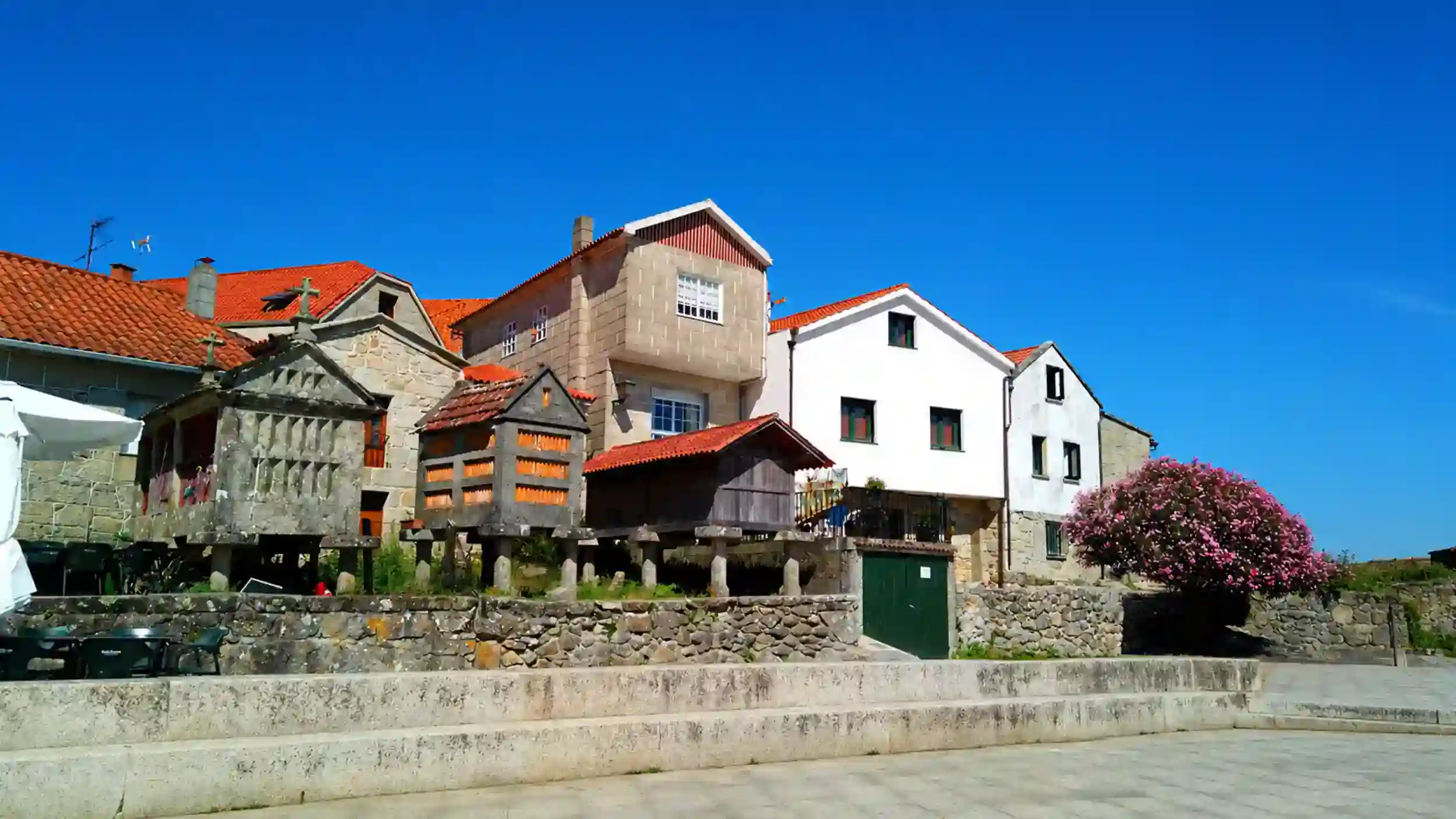
Baiona and Combarro struck me as more immediately charming. Vigo was the stronger practical anchor when I wanted each day to be different.
🧭 Who I think Vigo suits best: travellers who value one practical base, varied day trips and the freedom to change plans with the weather more than staying in the prettiest coastal town.
For me, the key was treating the city as a launch point rather than expecting to spend every day inside it. My best days usually began by leaving Vigo behind for a while, then returning towards the harbour once the coast had slowed everything down again by evening.