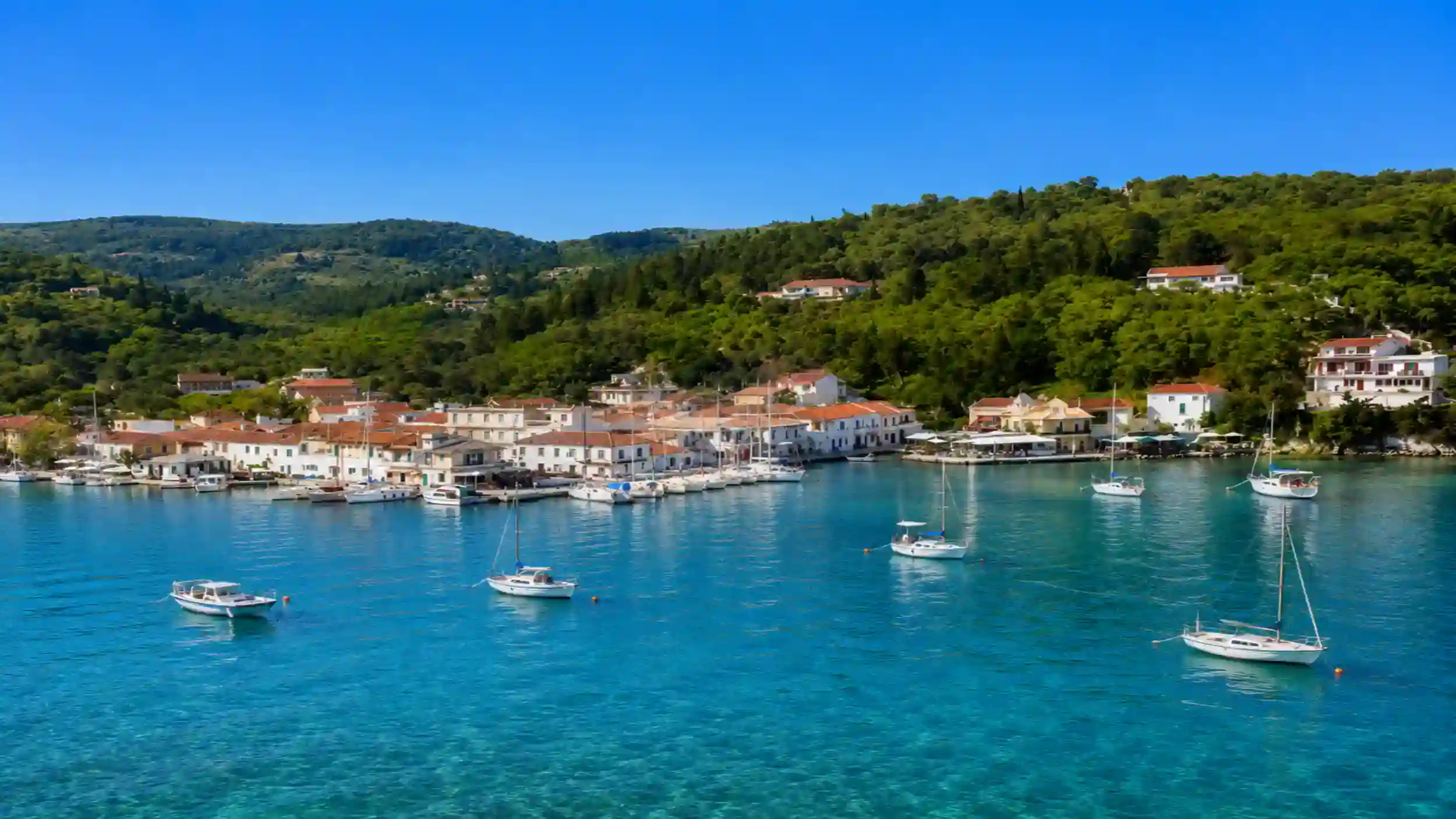
Most visitors need between two and five days in Paxos. Two or three days gives you enough time for the main villages, beaches and a boat trip without constantly watching the clock, while four or five days allows the slower pace of the island to become part of the experience.
A day trip can still be worthwhile, particularly if you are staying on Corfu. But when deciding how many days do you need in Paxos, the size of the island is surprisingly unimportant. What matters more is whether you want to see Paxos or actually settle into it.
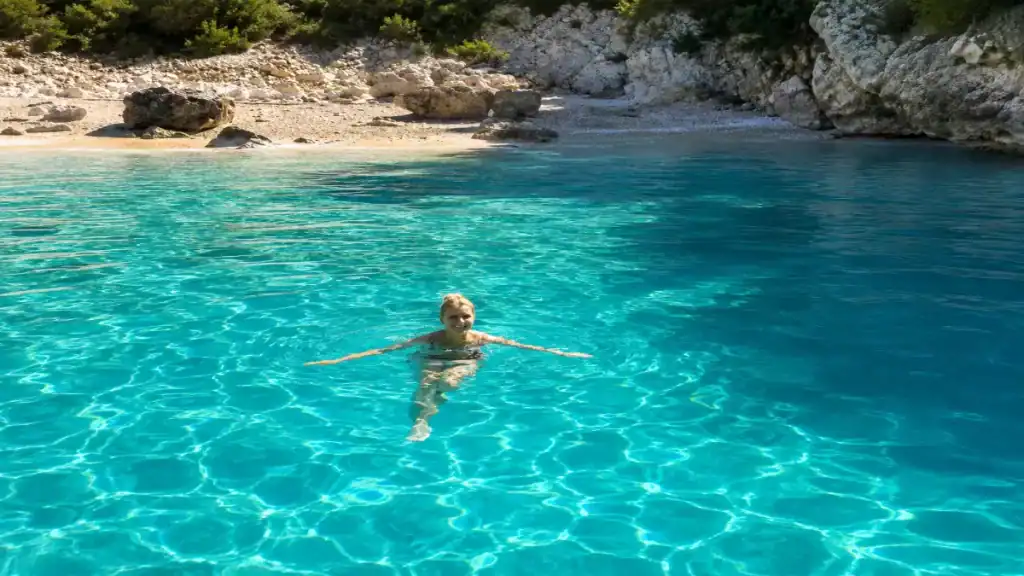
⏱️ The Short Answer: It Depends On How You Travel
It is tempting to give everyone the same answer. Three days. Four days. Perhaps five.
The problem is that different travellers experience Paxos very differently.
Someone who loves discovering small beaches, wandering around harbour villages and spending an afternoon beside clear water can happily fill a week. A visitor who prefers major sights, organised activities and a constantly changing itinerary may feel satisfied after two or three days.
For Most First-Time Visitors
Two to three days is the sweet spot.
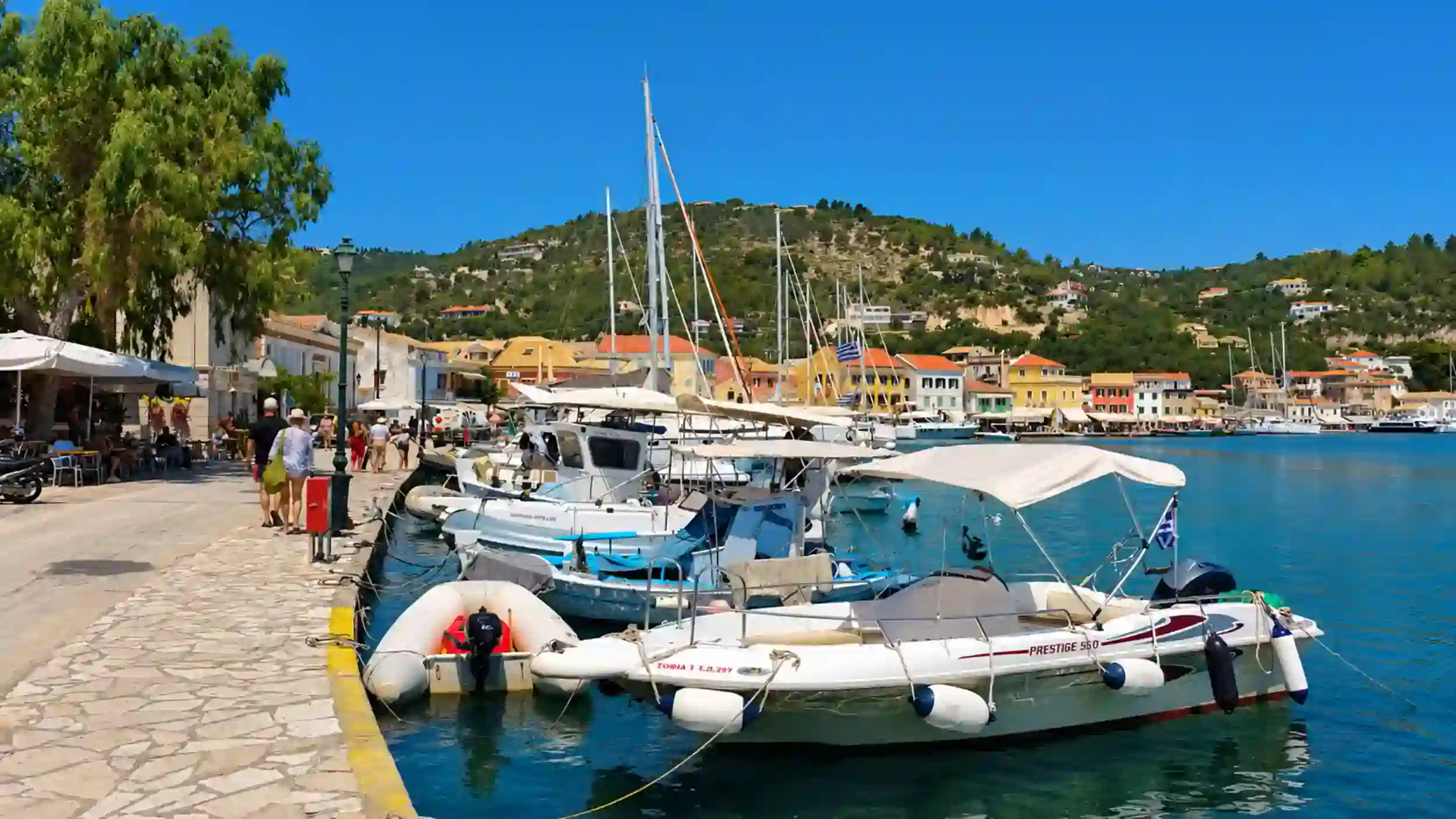
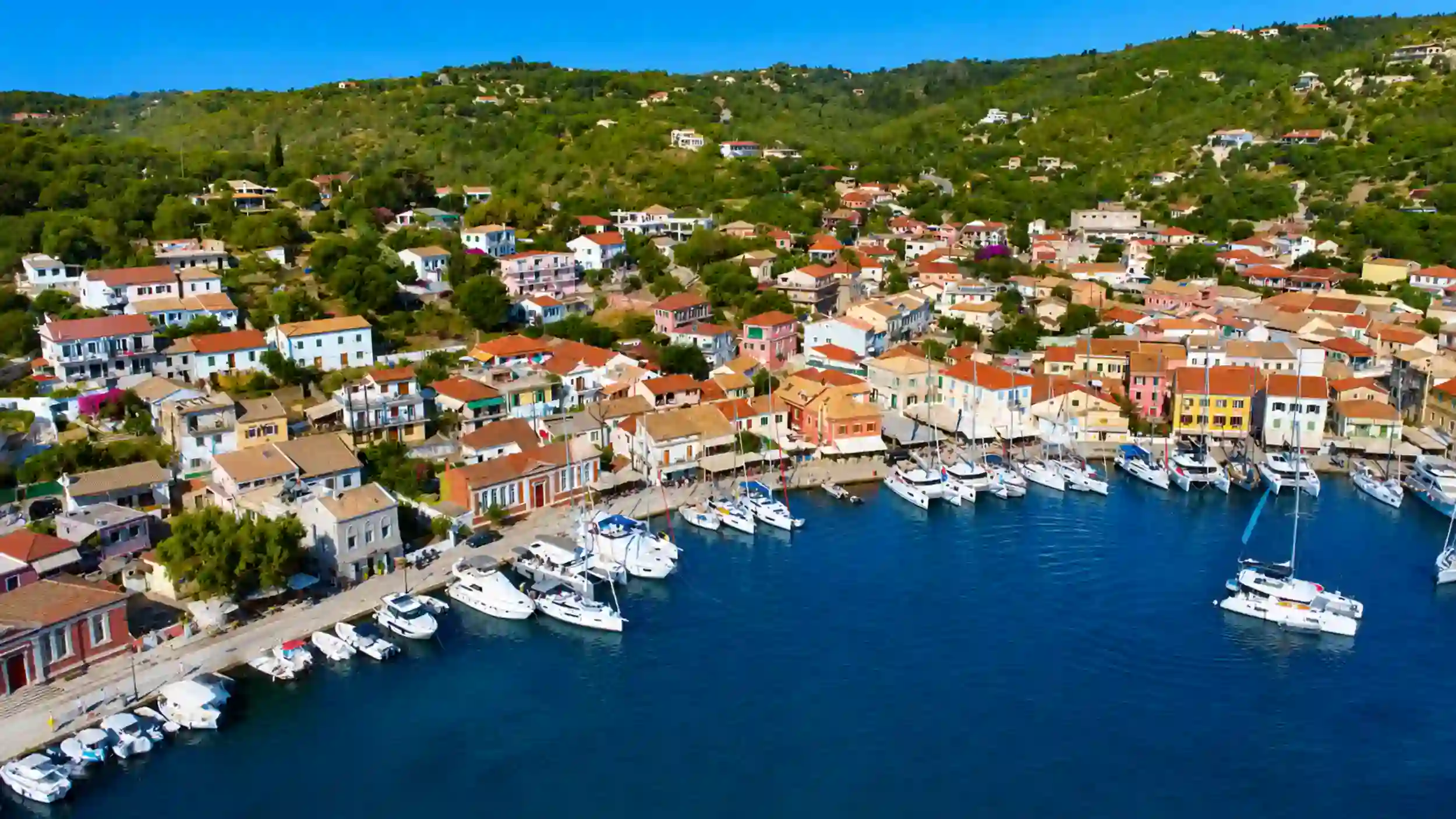
That is long enough to explore Gaios, Lakka and Loggos, spend proper time at the beach and add a boat trip without every decision being dictated by your departure time.
Four or five days becomes more attractive if relaxation is an important part of the holiday. Instead of squeezing experiences into an itinerary, you gain enough time to change plans, revisit somewhere you liked or simply spend longer beside the water.
So when asking how many days do you need in Paxos, think about your travel style before looking at the map. A small island does not automatically require a short stay.
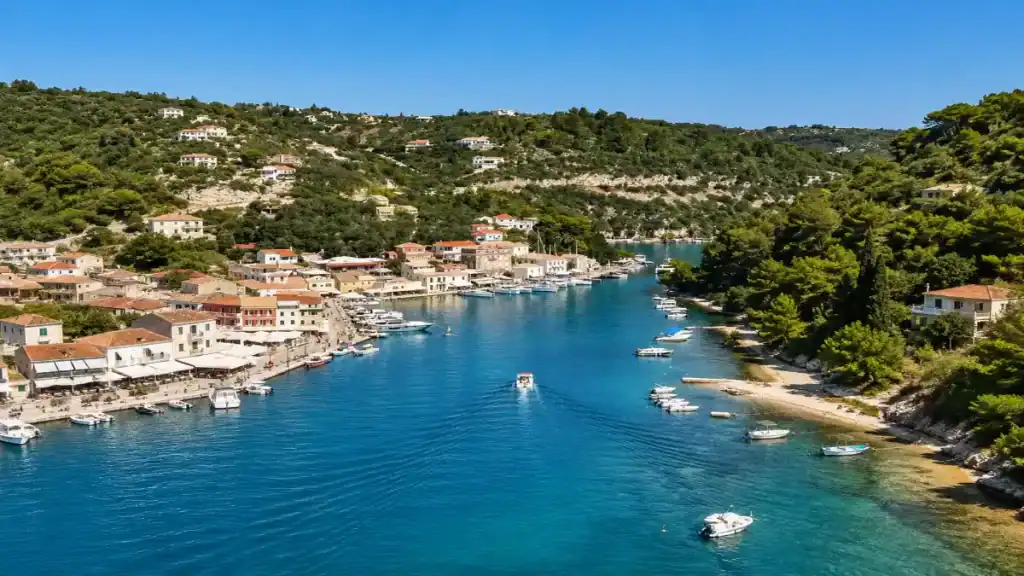
🗺️ Why Island Size Is The Wrong Way To Judge Paxos
At first glance, Paxos looks like an island you could finish quickly. It is only around ten kilometres long and three kilometres wide, and travelling from one end to the other takes surprisingly little time.
But distance is a poor way to decide how many days do you need in Paxos.
The island is not really about covering ground. Much of its appeal comes from experiences that become less enjoyable when squeezed into a timetable.
Small Distances Do Not Mean Short Experiences
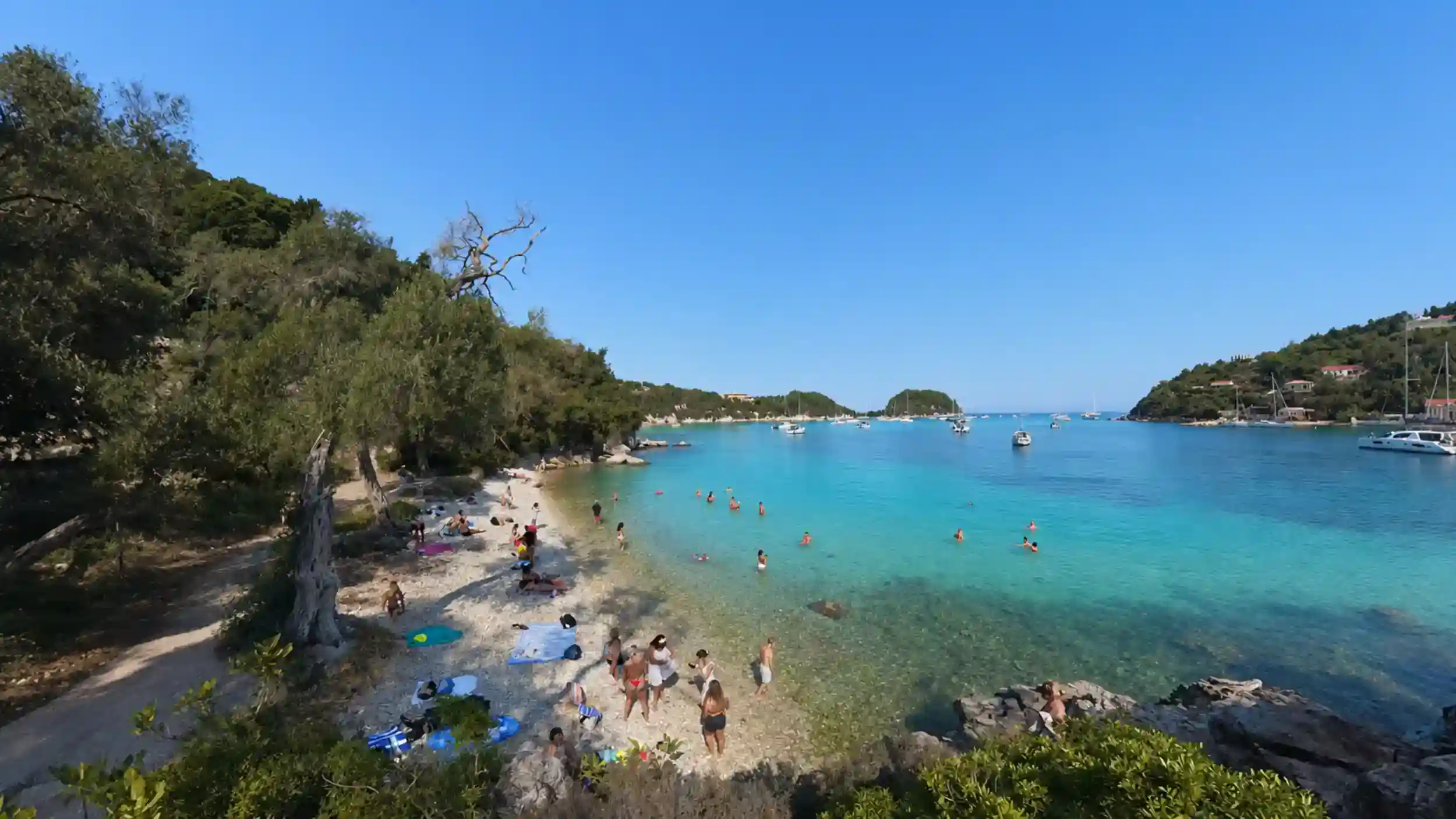
Swimming in a quiet cove can occupy an entire afternoon. Lunch overlooking a harbour can last far longer than expected. A walk through the olive groves might lead somewhere you had never planned to visit.
None of those experiences looks significant on an itinerary, but together they are what make Paxos rewarding. The original article captures this distinction particularly well: time here becomes less about distance travelled and more about how deeply you experience the island.
That is why adding an extra day can make a disproportionate difference. You are not necessarily adding another attraction. You are creating enough space to enjoy the places you have already come to see.

⛴️ One Day In Paxos: Enough To See It, Not Enough To Know It
Day trips from Corfu are extremely popular, and for good reason. The crossing is enjoyable, the island is small enough to explore without travelling huge distances and even a few hours can leave a strong impression.
You can wander around one of the harbour villages, swim in remarkably clear water, spend some time on a beach and get a genuine taste of the island.
If Corfu is your main base and your itinerary is already busy, one day in Paxos is certainly better than not visiting at all.
Who A Day Trip Works For
A single day makes most sense if:
- You are staying in Corfu.
- Your overall holiday is short.
- You want to experience several Greek islands.
- You mainly want to see whether Paxos appeals to you.
If you are weighing up the two islands more broadly, our Paxos or Corfu comparison will help you decide whether Paxos should be a day trip, part of a split stay or the main destination.
What You Miss By Leaving The Same Day
The problem is not how much you can physically see. It is how quickly you have to see it.
On my own visit, arriving in Lakka left barely enough time to explore several beaches, attempt the walk towards the Blue Cave and grab something to eat before returning to the harbour. Every decision became tied to the departure time.
The scenery was spectacular, but the experience still felt rushed.
That is the weakness of a day trip. You see some of the highlights, but rarely experience the rhythm that makes Paxos distinctive. So if you are deciding how many days do you need in Paxos and have enough flexibility to stay overnight, I would not limit the island to a single day.
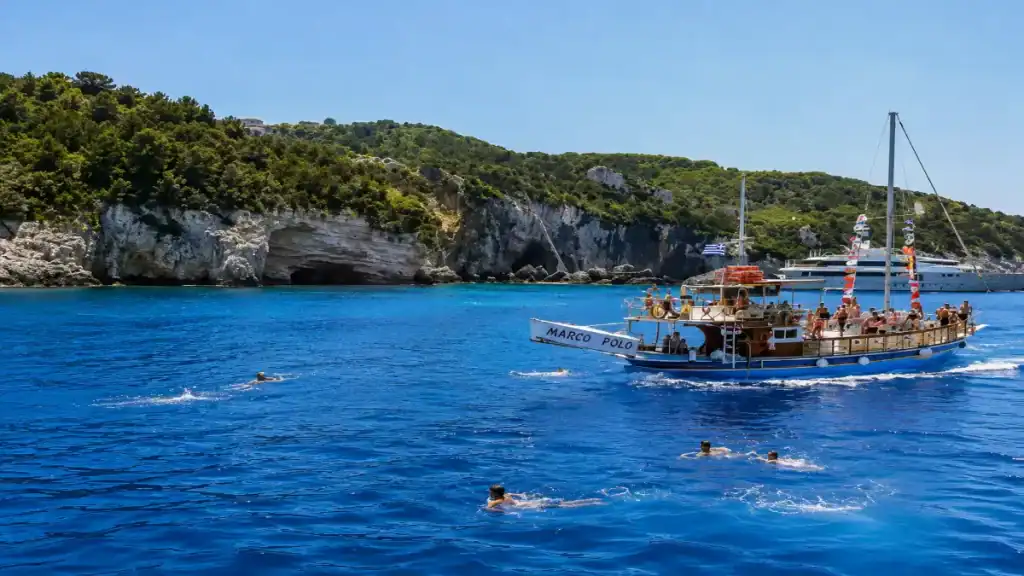
🌊 Two To Three Days: The Sweet Spot For Most Visitors
For most first-time visitors, two or three days provides the best balance. It is long enough to experience the island properly without requiring a large part of a wider Greek itinerary.
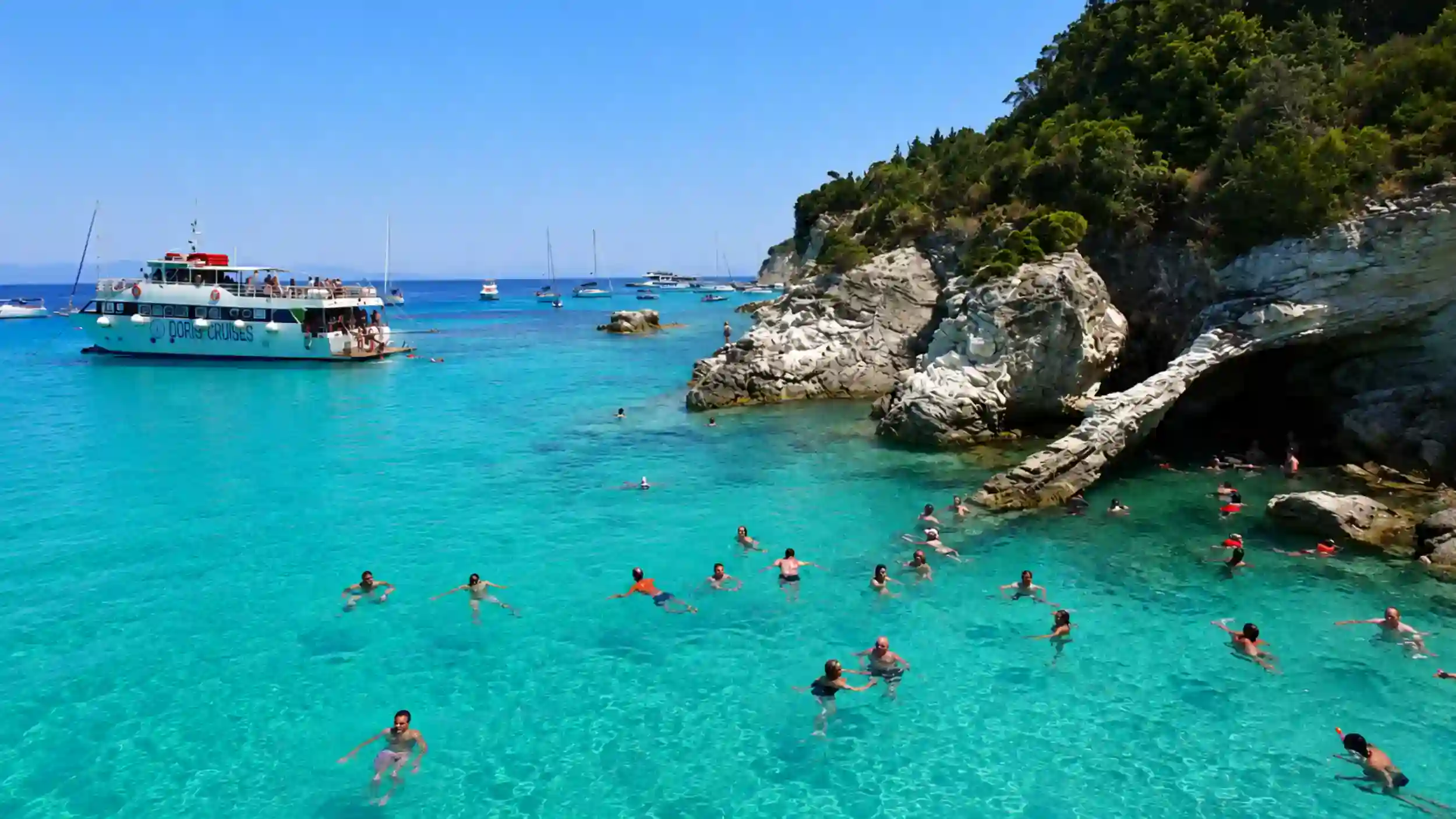
You have time to explore Gaios, Lakka and Loggos without rushing, spend several hours at the beach and still leave room for a boat trip. Antipaxos also becomes a realistic part of the itinerary rather than something squeezed into a few precious hours.
What Can You Realistically Fit In?
With two days, I would concentrate on the three main villages, a couple of beaches and one larger experience. With three days, the itinerary becomes much more flexible.
That additional day could be used for exploring the coastline, visiting more of the best beaches in Paxos or taking a boat across to Antipaxos. If the latter appeals, our guide to whether Antipaxos is worth visiting will help you decide whether it deserves one of your limited days.
The Biggest Difference Is Less Pressure
Missing something no longer feels like a problem because there is another morning or afternoon available. You can stay longer at a beach, have an unhurried lunch or change plans when somewhere unexpectedly catches your attention.
The island also begins to feel familiar. Routes make more sense, favourite tavernas emerge and you stop treating every hour as something that needs to be filled.
When travellers ask how many days do you need in Paxos, two to three days is therefore my default recommendation. It gives you enough time to experience the island’s main highlights while beginning to understand the slower rhythm that makes Paxos so appealing.
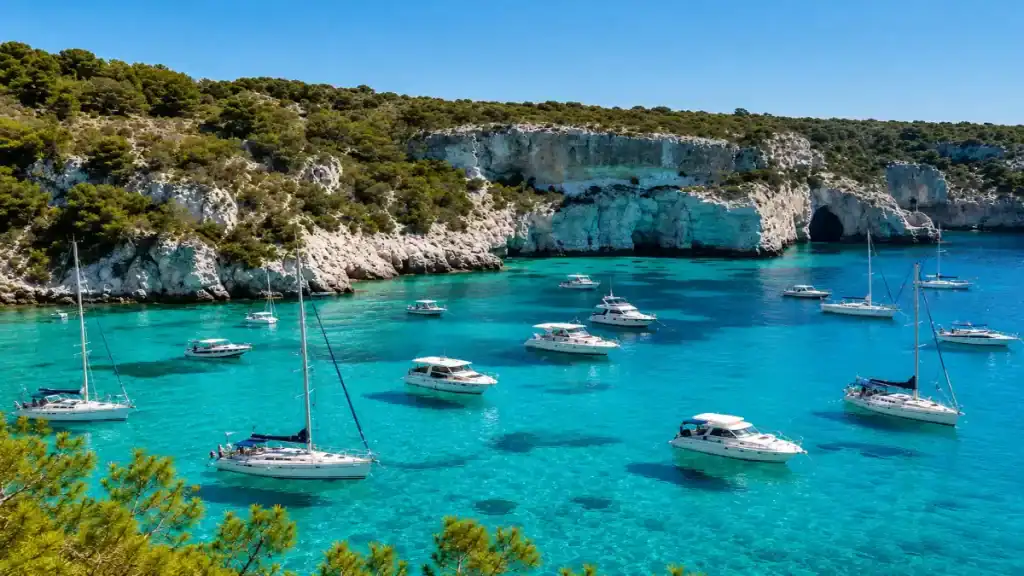
🌿 Four To Five Days: When Paxos Starts To Reveal Itself
Four or five days changes the experience considerably.
Shorter visits tend to focus on seeing Paxos. With more time, you begin living at the island’s pace instead.
By day four, there is less temptation to rush between places. Harbour villages become somewhere to linger rather than photograph, and beaches become places to spend an afternoon rather than stops on an itinerary.
You Have Time To Explore Properly
A longer stay creates room for the less obvious parts of Paxos. You can follow smaller roads, discover quieter stretches of coastline or return to a beach simply because you enjoyed it the first time.
This is also where having independent transport becomes more valuable. If you want to explore beyond Gaios, Lakka and Loggos, deciding whether you need a car in Paxos can make a significant difference to how much freedom those extra days give you.
There is also enough time for a boat day without sacrificing a large part of the rest of your trip. Antipaxos, sea caves and the west coast can become experiences in their own right rather than additions squeezed into an already busy schedule.
The Benefits Of Slowing Down
The extra time is not really about fitting in more attractions.
Perhaps you spend an afternoon watching sailing boats in a bay. Maybe lunch lasts much longer than planned. You might discover a beach you prefer to the one you originally intended to visit. Those moments sound insignificant on paper, but they are a large part of what makes Paxos memorable.
When deciding how many days do you need in Paxos, four or five days is where the answer starts moving beyond sightseeing. You have enough time to explore the island properly while also allowing yourself to do very little at all.
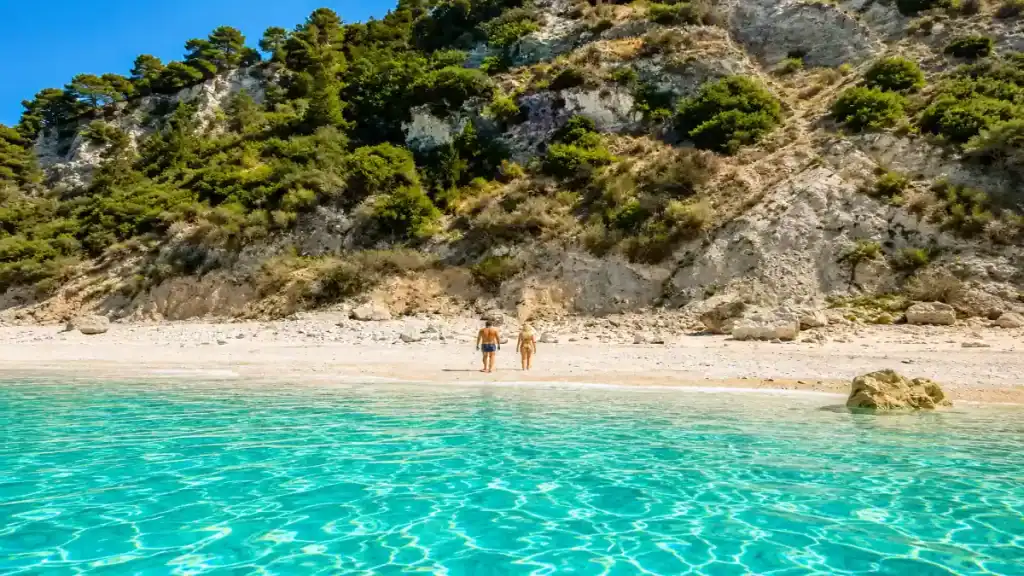
🌴 Can You Spend A Week In Paxos?
Yes. The better question is whether you should.
Some visitors would happily spend seven days or more on the island. Others would start looking for somewhere new after three or four. A week works particularly well when Paxos is the holiday rather than simply one stop on a wider Greek itinerary.
Who Loves A Seven-Day Stay?
A week suits travellers who genuinely enjoy slow days. If swimming, long lunches, exploring small villages and returning to favourite beaches sounds like a holiday rather than a lack of things to do, seven days can work beautifully.
You also gain the freedom to explore without turning every outing into a full-day itinerary. One morning can be spent in Lakka, another afternoon at a beach, while a completely separate day can be reserved for exploring Antipaxos or the coastline by boat.
If you are unsure whether that slower style of holiday would suit you, our guide to whether Paxos is worth visiting looks more closely at the type of traveller who tends to love the island.
Who Might Find A Week Too Long?
If you prefer major attractions, nightlife and a long list of new things to see every day, a full week may begin to feel repetitive.
In that case, three or four days in Paxos followed by time on Corfu may provide a better balance. You still experience the island properly without expecting it to provide a week’s worth of conventional sightseeing.
So when deciding how many days do you need in Paxos, do not automatically assume that seven days is excessive. For travellers who embrace the island’s slower rhythm, the extra time is often exactly what makes the holiday work.
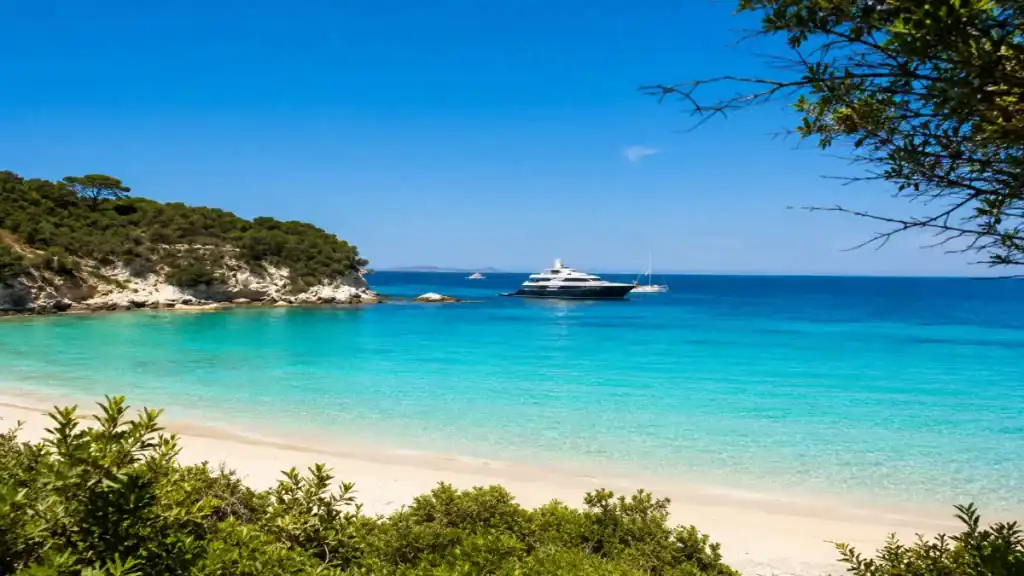
💭 Why Many Visitors Wish They Had Stayed Longer
One reaction appears repeatedly among travellers who connect with Paxos: they rarely complain about staying too long.
The regret is more often leaving too soon.
Part of that comes down to expectations. Paxos looks tiny on a map, so it is easy to assume that two days will be more than enough. Once you arrive, however, you realise that exploring the island is only part of the experience.
The Extra Day Often Becomes The Best Day
With limited time, the obvious places naturally come first. You visit the main villages, choose a few beaches and perhaps take a boat trip.
Add another day and something changes. There is no major sight left demanding your attention, so you can follow a road simply because it looks interesting, return to a favourite swimming spot or spend an afternoon somewhere you had never planned to visit.
This is why the answer to how many days do you need in Paxos can change once you are actually there. The extra days are not necessarily filled with more attractions. They give you time to become curious.
For travellers who enjoy that style of holiday, leaving before the island has had time to slow them down can feel like departing just as Paxos was becoming interesting.
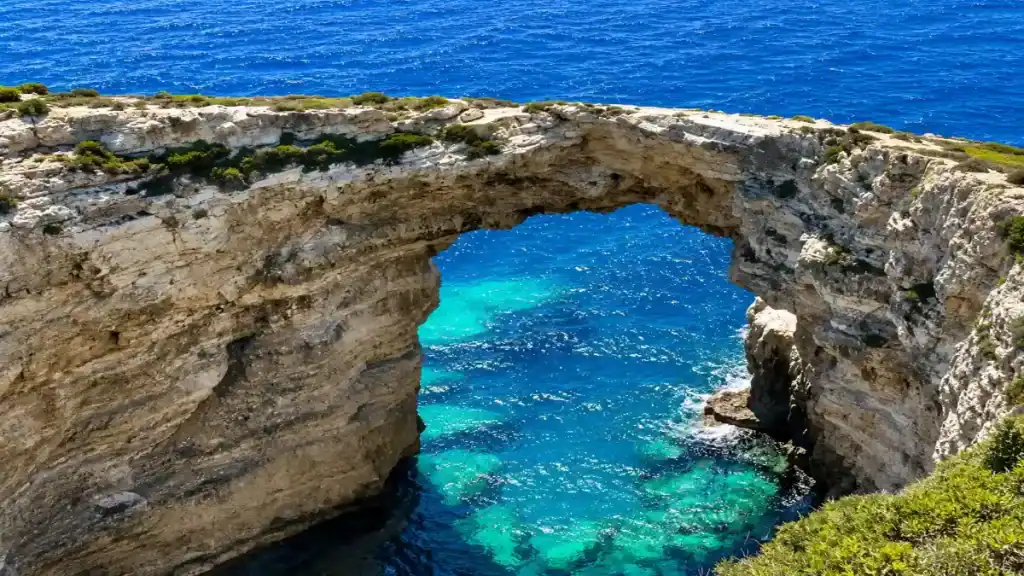
🧭 Paxos Rewards Curiosity
Not every destination becomes more rewarding when you move beyond the obvious places. Paxos often does.
Hidden coves, quieter beaches and unexpected viewpoints frequently sit just beyond where most visitors stop. Some require a longer walk, a narrow road or simply enough spare time to investigate somewhere that was never part of the original plan.
Extra Time Gives You Permission To Explore
On a short visit, experimentation carries a cost. Following an unfamiliar path for an hour feels risky when you only have one afternoon available.
Stay for several days and that pressure disappears. You can explore the coastline without worrying that every detour is taking time away from something more important.
The beaches are a good example. The easiest ones are not necessarily the most memorable, and our guide to the best beaches in Paxos includes places where a little extra effort can be rewarded with a much quieter experience.
This matters when deciding how many days do you need in Paxos. Extra time does not simply increase the number of places you can visit. It increases the chance of discovering the places you never knew you wanted to see.

🌅 The Island Is Experienced More Than It Is Sightseen
This may be the most important thing to understand when deciding how long to stay.
People rarely return from Paxos talking about a long list of famous attractions. The conversations are more often about the atmosphere, the water, the villages and the unexpectedly good afternoon they spent doing very little.
You Do Not Need To Fill Every Day
On a larger sightseeing destination, an extra day usually means adding another attraction to the itinerary. Paxos works differently.
An extra day might mean returning to a favourite beach, having lunch in Loggos, wandering around Gaios in the evening or simply choosing somewhere to swim because the water looks particularly inviting.
That is why judging the island purely by how many things there are to do can be misleading.
There are certainly enough experiences to build an itinerary, from beaches and villages to boat trips and coastal exploration. But the best trips usually leave some space between them.
When deciding how many days do you need in Paxos, therefore, do not ask only how quickly you can see the island. Ask how much time you want to spend actually enjoying it.
🏝️ So, How Many Days Do You Need In Paxos?
There is no perfect answer for everyone, but for most first-time visitors I would recommend two to three days as a minimum and four to five if you want Paxos to form a substantial part of your holiday.
One Day If…
- You are staying in Corfu.
- Time is limited.
- You simply want a taste of the island.
Two To Three Days If…
- This is your first proper visit.
- You want time for the villages and beaches.
- You want to include Antipaxos or a boat trip.
- You are combining Paxos with somewhere else.
Four To Five Days If…
- You enjoy slower travel.
- Atmosphere matters as much as sightseeing.
- You want time to explore beyond the obvious places.
- Relaxation is an important part of the holiday.
A Week If…
- You genuinely love quiet Greek islands.
- Exploring matters more than ticking off attractions.
- Harbour life, swimming and good food are enough to keep you happy.
- You want days where very little needs to be planned.
Ultimately, the answer to how many days do you need in Paxos has little to do with the island’s physical size. Extra days matter because Paxos reveals itself slowly.
If you are still deciding when to make the trip, the best time to visit Paxos can also affect how those days feel, particularly if you want warm swimming conditions without the busiest summer crowds.
Some travellers will be satisfied after a day trip. Others will spend a week here and immediately start thinking about when they can return. The difference is usually not how much they managed to see, but how much they enjoyed the particular rhythm of the island.