
Post title or brief description

Soft Footprints
Travel Guides

Soft Footprints Travel Guides

Our Destinations:
Your Inspiration!

How Do You Get To Paxos?

If you click on affiliate links and make a purchase, I may earn a small commission. This doesnโ€™t affect the price you pay. The commission helps support the website’s upkeep.

Getting to Paxos requires a little more planning than many Greek islands, but the journey is far easier than most people expect.

In fact, I would argue that the extra effort is one of the reasons Paxos remains so special.

Unlike islands with busy airports and endless streams of visitors, Paxos asks everyone to arrive the same way: by sea. That shared experience creates a sense of anticipation that starts long before you step onto the island itself.

The good news is that reaching Paxos is straightforward once you know how it works.

The Short Answer: Fly To Corfu Then Take The Ferry

For the vast majority of visitors, this is the simplest option.

Fly into Corfu International Airport, travel the short distance to Corfu Town, then take either a ferry or hydrofoil to Paxos.

The process sounds more complicated than it actually is.

Connections are well established, ferries operate regularly throughout the season and thousands of visitors make the journey every year without any difficulty.

If you’re travelling from the UK or elsewhere in Europe, this is almost certainly the route you will use.

Why Paxos Doesn’t Have An Airport

One of the first things people discover when researching Paxos is that there are no direct flights.

There isn’t an airport on the island.

At first glance that sounds inconvenient.

After visiting, I came to see it as one of Paxos’s greatest strengths.

Every Visitor Arrives By Sea

Whether you’re staying for three days or three weeks, everybody makes the final part of the journey by boat.

There are no shortcuts.

No direct transfers.

No huge influx of passengers arriving every hour.

That immediately creates a different atmosphere from many other Greek islands.

Why That’s Part Of Paxos’s Appeal

The absence of an airport has helped preserve much of the island’s character.

Paxos feels quieter.

It feels calmer.

The pace is slower.

By the time you arrive, you’ve already invested a little effort in getting there, which somehow makes the experience more rewarding.

Not every destination benefits from being harder to reach.

Paxos absolutely does.

The Easiest Way To Get To Paxos

For most travellers, the journey begins in Corfu.

Fly Into Corfu International Airport

Corfu has excellent connections with the UK and much of Europe, particularly during the summer season.

Direct flights operate from numerous cities and airports, making it easy to reach the island without complicated connections.

Once you’ve landed, you’re only one step away from Paxos.

Getting From Corfu Airport To The Port

The ferry and hydrofoil services depart from Corfu Town, also known as Kerkyra.

Getting there is straightforward.

The Number 15 Blue Bus operates from outside the airport terminal and connects the airport with the town and port area.

Taxis are also readily available and provide a quick transfer if you are carrying luggage.

The journey itself is relatively short and uncomplicated.

Ferry Or Hydrofoil?

Both options work well.

The hydrofoil is faster, usually taking just over an hour.

Traditional ferries take closer to an hour and a half.

If speed is your priority, choose the hydrofoil.

If you enjoy travelling by sea and prefer a more relaxed crossing, the ferry is perfectly enjoyable.

For most visitors, the difference comes down to schedule and availability rather than the journey itself.

Booking Your Ferry

This is one area where a little preparation pays off.

Why You Should Book In Advance

During peak season, popular sailings can sell out.

The last thing you want after a flight is discovering that the next available boat leaves several hours later.

Booking online before you travel removes that uncertainty completely.

It also allows you to coordinate your arrival times more effectively.

Peak Season Considerations

July and August are particularly busy.

Ferries and hydrofoils carry large numbers of holidaymakers between Corfu and Paxos every day.

Operators such as Kerkyra Lines, Kamelia Lines and Joy Cruises run services during the season, although schedules change throughout the year.

Checking current timetables before travelling is always sensible. If you have flexibility with dates, understanding when Paxos is busiest can help you avoid the most congested sailings entirely.

What The Crossing Is Actually Like

Most transport guides treat the crossing as something to endure.

I think that’s a mistake.

The journey is part of the experience.

The Hydrofoil Experience

The crossing is comfortable and surprisingly enjoyable.

Watching Corfu gradually disappear behind you creates a sense of excitement that is difficult to replicate when arriving by plane.

The Ionian Sea stretches out around you while smaller islands drift past in the distance.

Before long, Paxos begins to emerge on the horizon.

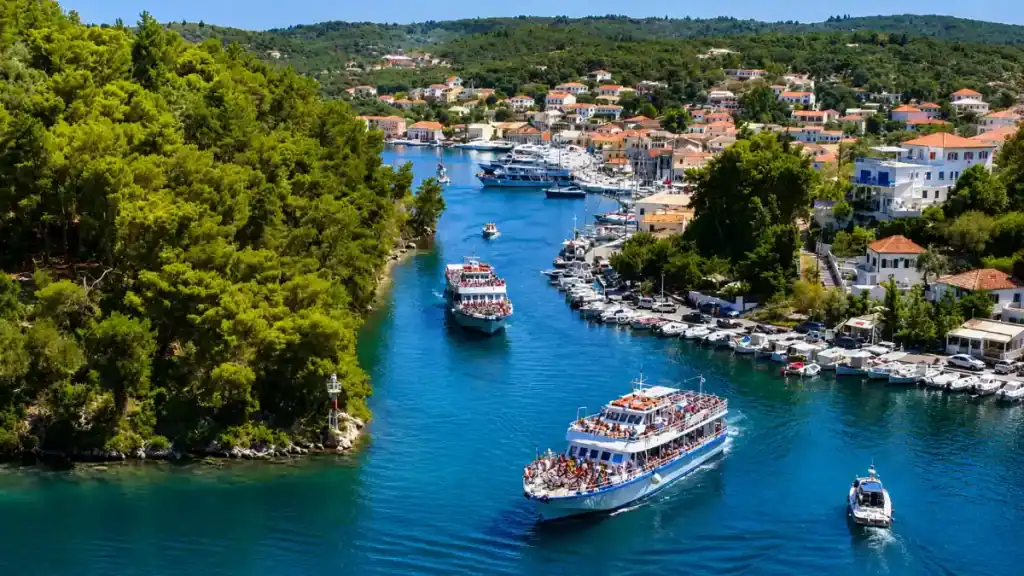
Approaching Gaios By Sea

This was one of my favourite moments of the entire journey.

Green hills rise above the coastline.

Olive groves tumble down towards the water.

The harbour gradually comes into view.

Approaching Paxos from the sea feels exactly right.

You gain an appreciation for the island before you’ve even stepped ashore.

Getting To Paxos From Mainland Greece

Not everyone arrives via Corfu.

The mainland route can make excellent sense in certain situations.

Ferries From Igoumenitsa

Regular services operate between Igoumenitsa and Paxos during the season.

The crossing typically takes around an hour and a half.

This option is particularly useful for visitors travelling through mainland Greece or those undertaking a wider road trip.

Bringing A Car

Unlike the hydrofoil routes from Corfu, ferries from the mainland can accommodate vehicles.

We travelled this way in late October and found the process straightforward.

The fare for two adults and a car was surprisingly reasonable.

Anyone planning to explore Greece by road should seriously consider this option. Once you arrive, having a car on the island opens up a very different version of Paxos that most visitors never discover.

Who This Route Suits

Drivers.

Road-trippers.

Travellers arriving from elsewhere in mainland Greece.

For everyone else, Corfu usually remains the easier choice.

Can You Visit Paxos As A Day Trip?

Yes, and many people do.

Day trips operate regularly from Corfu during the tourist season.

You’ll usually arrive in the morning and return later in the afternoon.

Is It Worth It?

That depends on what you’re looking for.

A day trip provides a good introduction to the island and allows you to see Gaios and some of the coastline.

Personally, I think Paxos deserves longer.

The villages, beaches and hidden corners reveal themselves more slowly.

One day feels like a taster rather than a complete experience.

Arriving In Gaios

Every visitor eventually arrives in the same place.

First Impressions

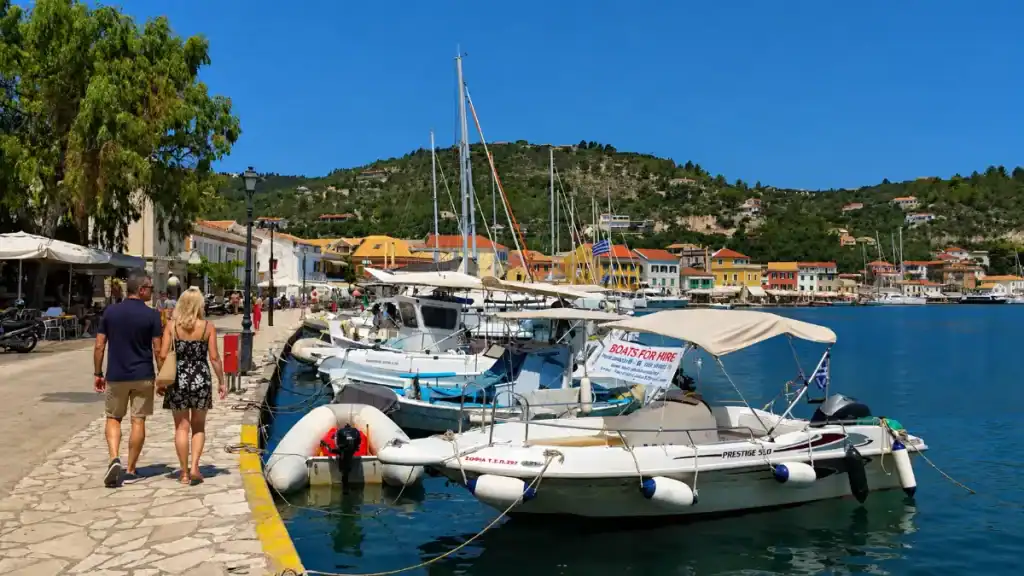
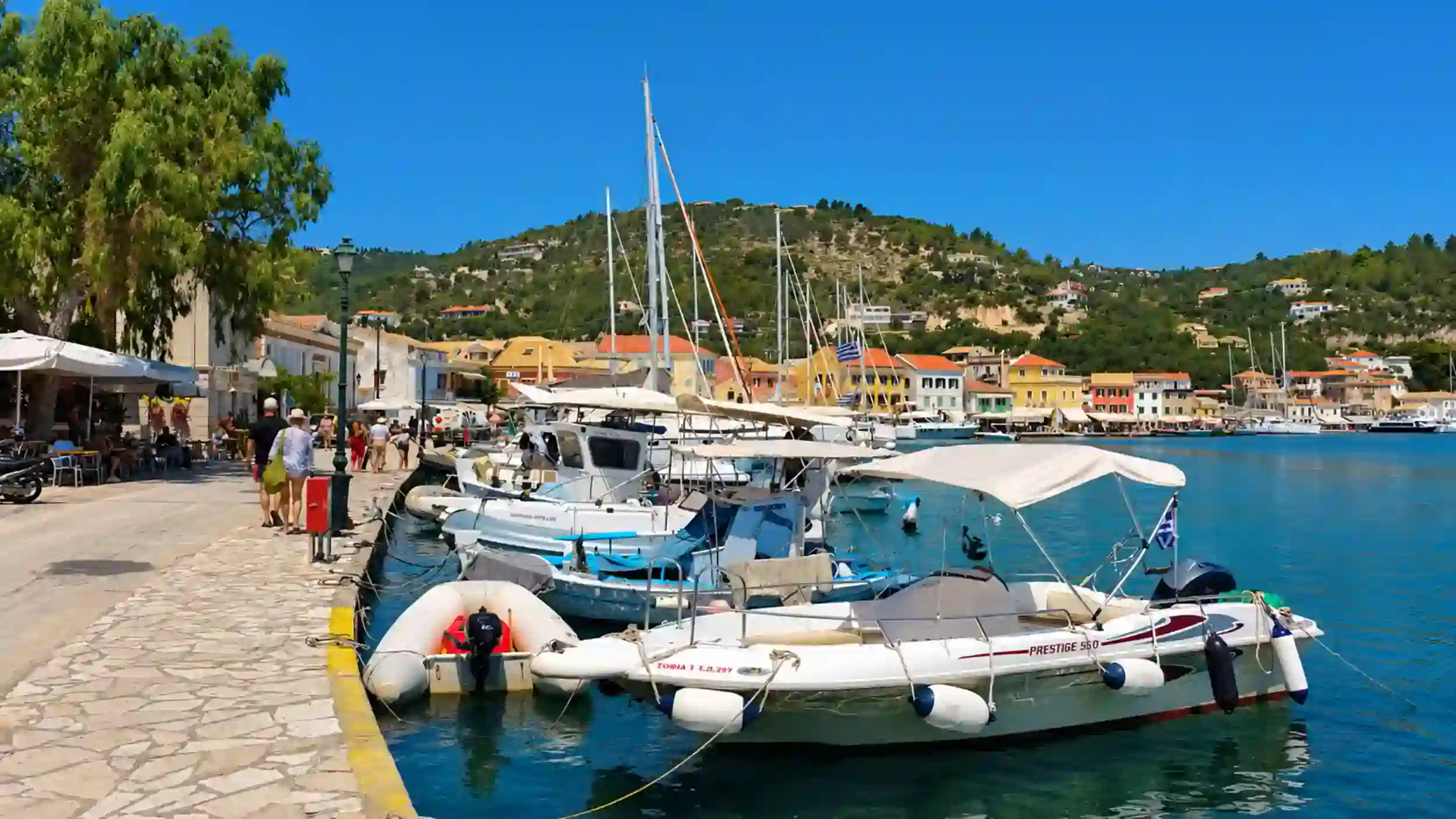
Gaios sits on the eastern coast of Paxos within a beautiful natural harbour protected by small offshore islands.

The arrival feels surprisingly intimate.

Rather than stepping into a huge ferry terminal, you find yourself immediately immersed in island life.

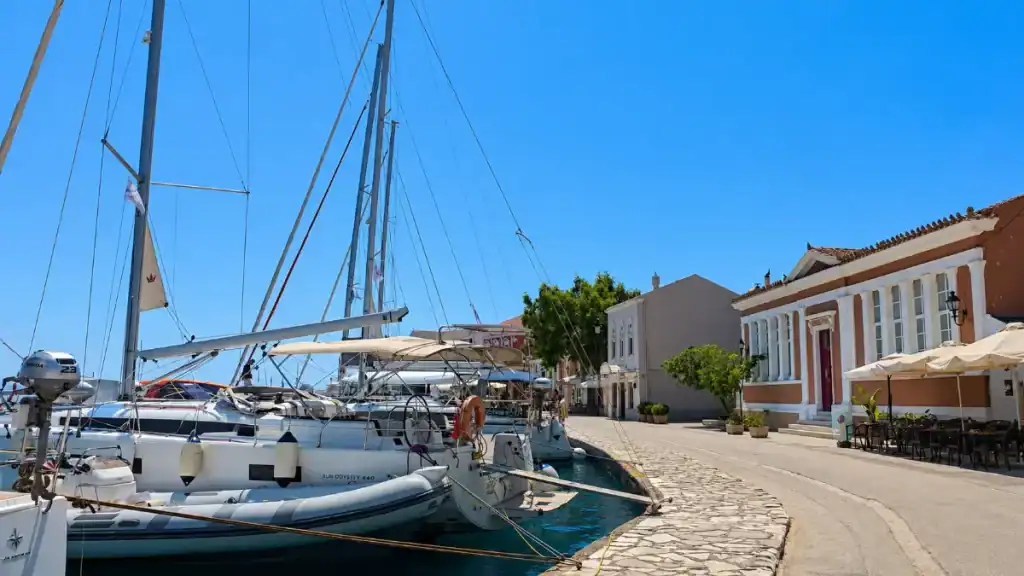
Waterfront cafรฉs line the harbour.

Boats bob gently beside the promenade.

Everything feels wonderfully relaxed.

What To Do Next

Once you’ve arrived, sort out transport as soon as possible.

Many visitors hire a quad bike, scooter or small car.

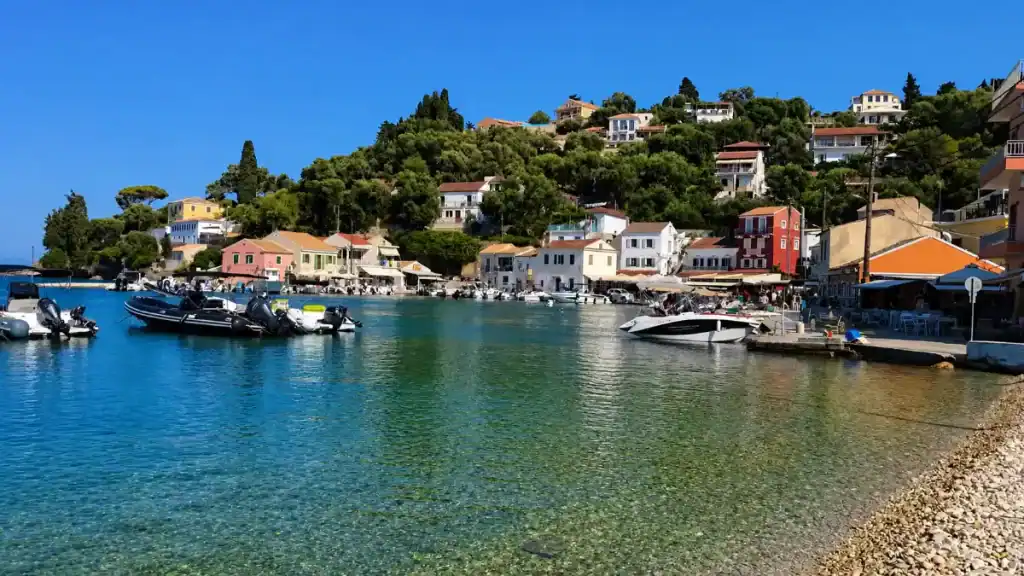
Local buses connect Gaios with Lakka and Loggos during the season.

Water taxis provide access to certain beaches and coastal locations.

Whatever option you choose, getting mobile allows you to experience much more of the island. Before deciding, thinking through whether Gaios is the right village to base yourself in is worth a few minutes โ€” it shapes everything that follows.

Is Getting To Paxos Difficult?

Not at all.

It simply involves one extra step compared with islands that have airports.

That additional step sounds more intimidating than it actually is.

Most visitors fly into Corfu, transfer to the port and board a ferry on the same day.

The process is straightforward.

Connections are frequent.

Facilities are good.

The journey rarely feels stressful.

Why The Journey Is Worth It

The absence of an airport helps create the Paxos people fall in love with.

Quieter villages.

Less development.

A more relaxed atmosphere.

By the time you step off the boat in Gaios, the island already feels different.

The journey has become part of the experience rather than simply a means of reaching it.

So, What’s The Best Way To Reach Paxos?

For most international visitors, the answer is simple.

Fly into Corfu and take the ferry or hydrofoil.

It is quick, reliable and easy to arrange.

Travellers exploring mainland Greece should consider the Igoumenitsa ferry, particularly if bringing a vehicle.

Whichever route you choose, don’t view the boat crossing as an inconvenience.

Treat it as the beginning of your holiday.

By the time Paxos appears on the horizon, you’ll understand why so many visitors consider the arrival one of the highlights of the trip itself.

FAQ

Can You Fly Directly To Paxos?

No. Paxos does not have an airport. Most visitors fly into Corfu and continue by ferry or hydrofoil.

What’s The Fastest Way To Get To Paxos?

Flying to Corfu and taking a hydrofoil is generally the quickest option.

How Long Is The Ferry From Corfu To Paxos?

Hydrofoils usually take just over an hour. Traditional ferries generally take around an hour and a half.

Is The Hydrofoil Better Than The Ferry?

Not necessarily. The hydrofoil is faster, while ferries often provide a more relaxed journey and better views from outside decks.

Can You Take A Car To Paxos?

Yes. Vehicle ferries operate from Igoumenitsa on the Greek mainland and allow cars to travel to the island.

Can You Visit Paxos As A Day Trip From Corfu?

Yes. Day trips are widely available and are a popular way to experience the island if you are staying in Corfu.

Which Ferry Companies Operate Between Corfu And Paxos?

Operators vary by season, but services are commonly provided by companies such as Kerkyra Lines, Kamelia Lines and Joy Cruises.

Is Paxos Worth The Extra Effort To Reach?

Absolutely. The additional step of taking a ferry helps preserve much of what makes the island special in the first place.


Before You Arrive

PS โ€” Planning a Vacation Soon? Use My Proven Booking System!

My personal travelย experiences have shaped this list of reliable resources I use consistently. In fact, by utilizing these links, youโ€™ll simultaneously supportย Softfootprintsย independent travel journalism while paying nothing extra yourself.

1.ย Omio

This platform searchesย hundreds of airlines worldwide for optimal flights. As a result, youโ€™ll never miss route options or deals.

2.ย Booking.com

One of the main reasonsย why it is so easy for me to find good accommodations is because they have a very big inventory of places. Moreover, I always check the reviews because they give me the confidence I need to choose the properties.

3.ย Rentalcars

The best thingย about traveling is when you are able to move around with your car because then you have complete freedom. I am always turning to Alamo, Hertz, and Sixt when looking for a trustworthy company to rent a car from, and also I make sure to take full coverage.

4.ย Viatorย andย Get Your Guide

These complementary platformsย help me discover exceptional local experiences. Similarly, both offer easy booking policies. However, I check both since their inventory varies by destination.

5.ย EKTA Insurance

You can never go wrongย if they decide to have travel protection for overseas trips. After all, part of their coverage that includes getting sick, injuries, theft, and cancellations gives one a feeling of tranquility. At the same time, their 24/7 assistance guarantees that help is there whenever a call is made.

They provide insurance coverage that even involves specially made packages with continuous emergency support. Naturally, this feature makes them perfect for people who travel abroad.

6.ย Priority Pass

Airport comfort becomesย accessible with this global lounge network. Indeed, itโ€™s my first check during layovers. After ten years as a member, having a peaceful retreat enhances my entire travel experience.

Picture of Ian Howes

Ian Howes

Ian Howes is a travel writer and the founder of Soft Footprints, a publication focused on lesser-known destinations, local culture, and experiences that most travelers overlook. His approach centers on slow, intentional travel and first-hand research, shaped by time spent exploring regions beyond mainstream tourism routes.

Ianโ€™s interest in meaningful travel began after a formative stay on a small Greek island, which reshaped how he engages with destinations and local communities. Since then, he has built extensive on-the-ground experience across diverse regions, with a focus on local traditions, overlooked landscapes, and sustainable travel practices.

Through Soft Footprints, Ian provides practical, experience-based guidance for travelers seeking authentic, off-the-tourist-path journeys. His work emphasizes accuracy, cultural respect, and responsible exploration, helping readers develop a deeper understanding of the places they visit.

Picture of Ian Howes

Ian Howes

Ian Howes is a travel writer and the founder of Soft Footprints, a publication focused on lesser-known destinations, local culture, and experiences that most travelers overlook. His approach centers on slow, intentional travel and first-hand research, shaped by time spent exploring regions beyond mainstream tourism routes.

Ianโ€™s interest in meaningful travel began after a formative stay on a small Greek island, which reshaped how he engages with destinations and local communities. Since then, he has built extensive on-the-ground experience across diverse regions, with a focus on local traditions, overlooked landscapes, and sustainable travel practices.

Through Soft Footprints, Ian provides practical, experience-based guidance for travelers seeking authentic, off-the-tourist-path journeys. His work emphasizes accuracy, cultural respect, and responsible exploration, helping readers develop a deeper understanding of the places they visit.