
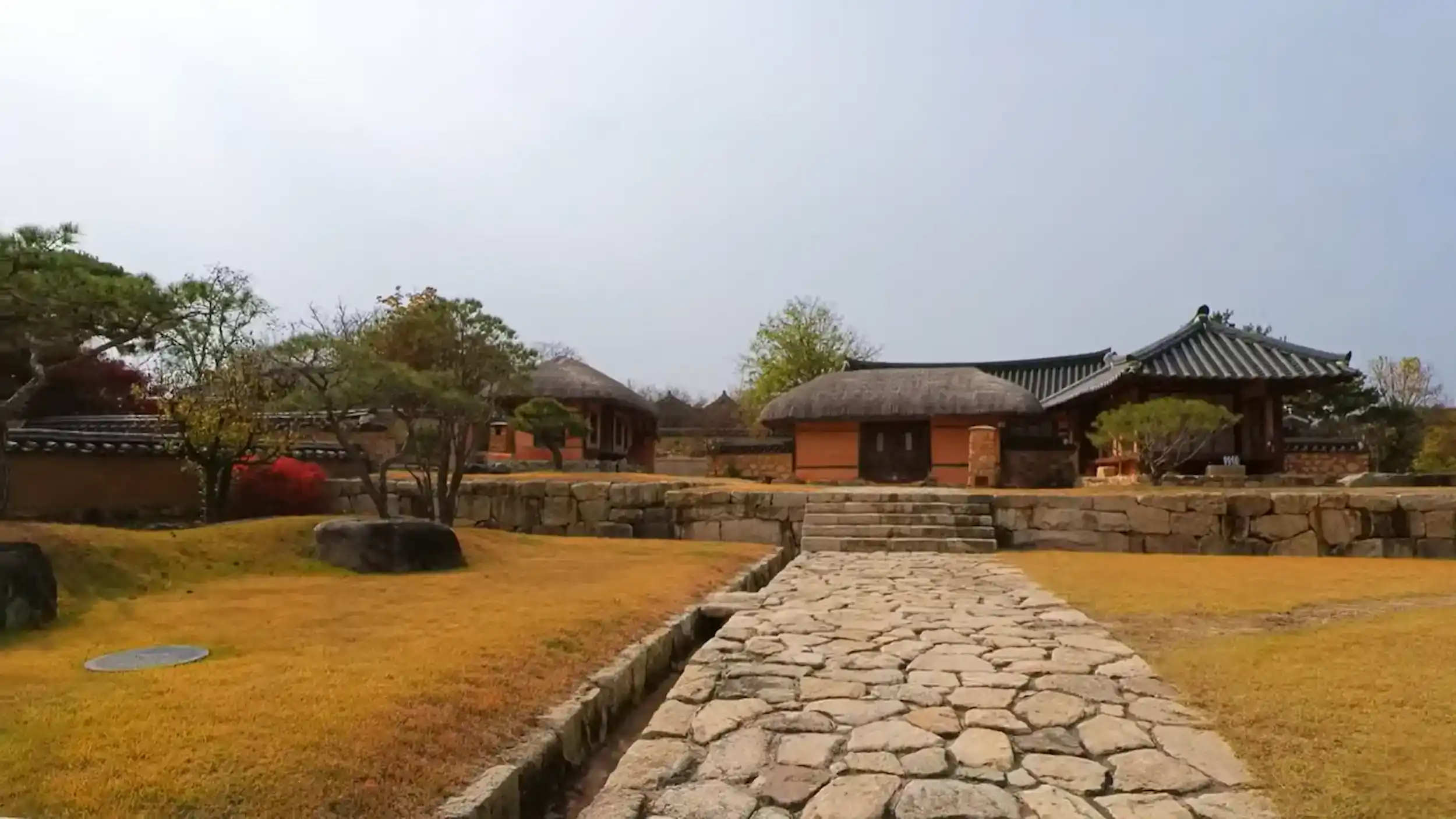
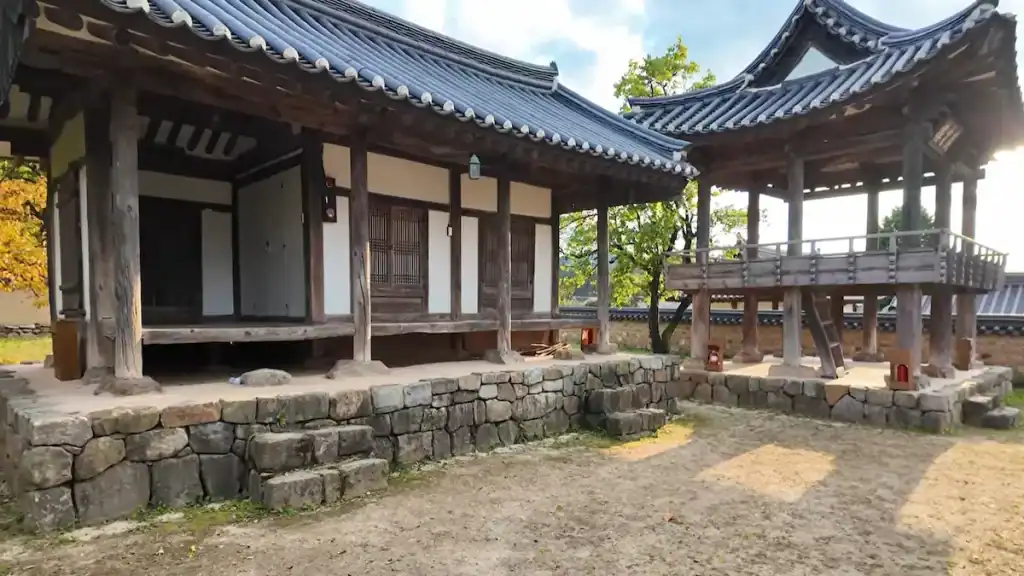
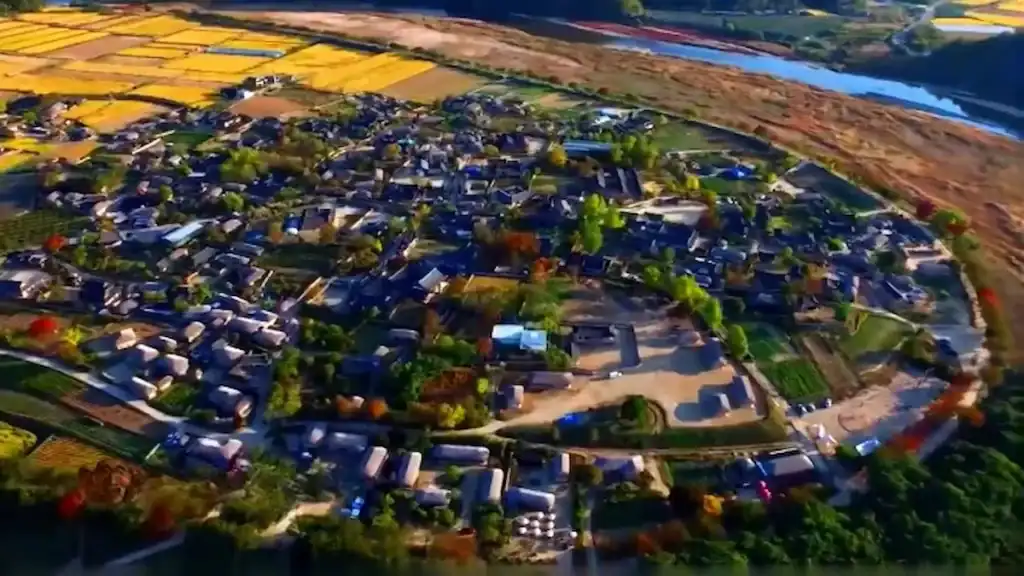
Andong Hahoe Village is a UNESCO World Heritage Site in Andong, South Korea, showcasing 600-year-old Joseon Dynasty architecture where the Pungsan Ryu clan has resided since the 14th century. Located beside the Nakdong River’s crescent bend, this living folk village features preserved hanok houses, the Buyongdae Cliff viewpoint, traditional mask dance performances, and the historic Yangjindang and Chunghyodang aristocratic residences.
👀 Andong Hahoe Village: At a Glance
📌 Real residents: 230 people still live in the village today (70% are Ryu clan descendants)
👥 Visitor volume: 1 million+ visitors annually since UNESCO designation
⏱️ Peak crowds: Tour buses flood the village 10 AM-3 PM on weekdays and weekends
🌤️ Best timing: Early morning (before 9 AM) or late afternoon (after 4 PM) for peace
💰 Entry cost: 5,000 won adults, includes mask dance performance access
⚠️ Reality check: Satellite dishes, cars, and modern amenities visible inside historic homes
🚫 Skip if: You want completely untouched authenticity or expect zero commercialization
🏠 What Makes Hahoe Village Actually “Living” vs. Staged?
Most folk villages in Korea feel like open-air museums. Actors wear period costumes and pretend it’s 1650. Hahoe is different. Real families live here. They cook breakfast, hang laundry, and drive modern cars into 600-year-old courtyards. Some travelers love this mix. Others find it jarring.
The village earned UNESCO World Heritage status in 2010. UNESCO recognized it as one of Korea’s best-preserved clan villages. The homes date back to the 14th and 15th centuries. Unlike most “folk villages,” nobody rebuilt these houses for tourists. They’ve stood here for six centuries.
How Many Real Residents Still Live in Hahoe Village Today?
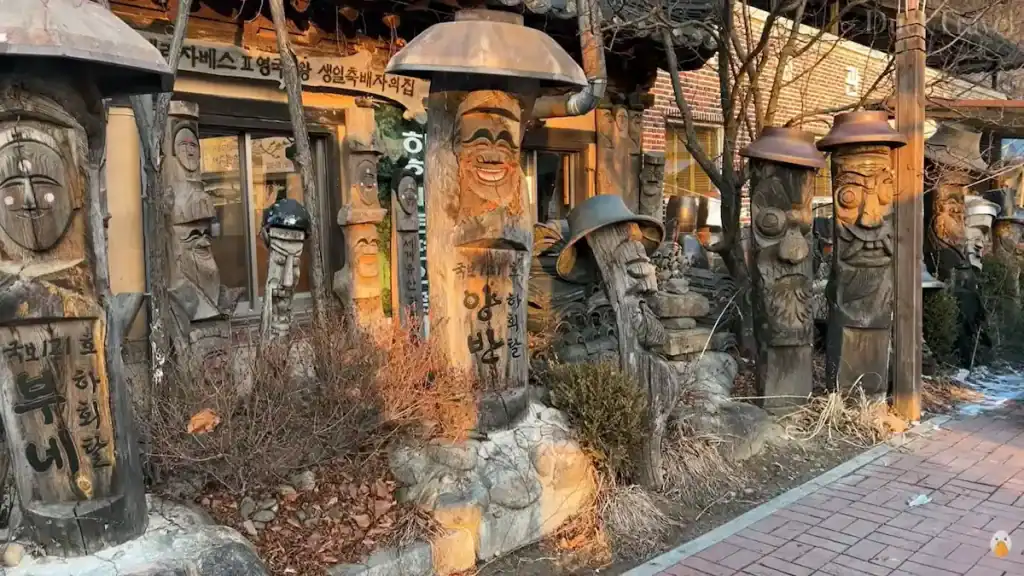
About 230 people currently live in Hahoe Village across 127 homes. The Ryu clan founded this place in the 1400s. Today, 70% of residents are still Ryu clan members according to Korea’s official tourism site. That’s 600 years of the same family living in the same village.
But here’s the problem. These residents live like zoo animals. Tour groups photograph their windows. Strangers peek over courtyard walls during dinner. Some homes have signs asking for privacy. Others installed satellite dishes and air conditioners behind traditional walls. One visitor called it “oddly commercial yet under-developed.”
🚌 Tourist Density Reality: When Does Hahoe Feel Like a Museum?
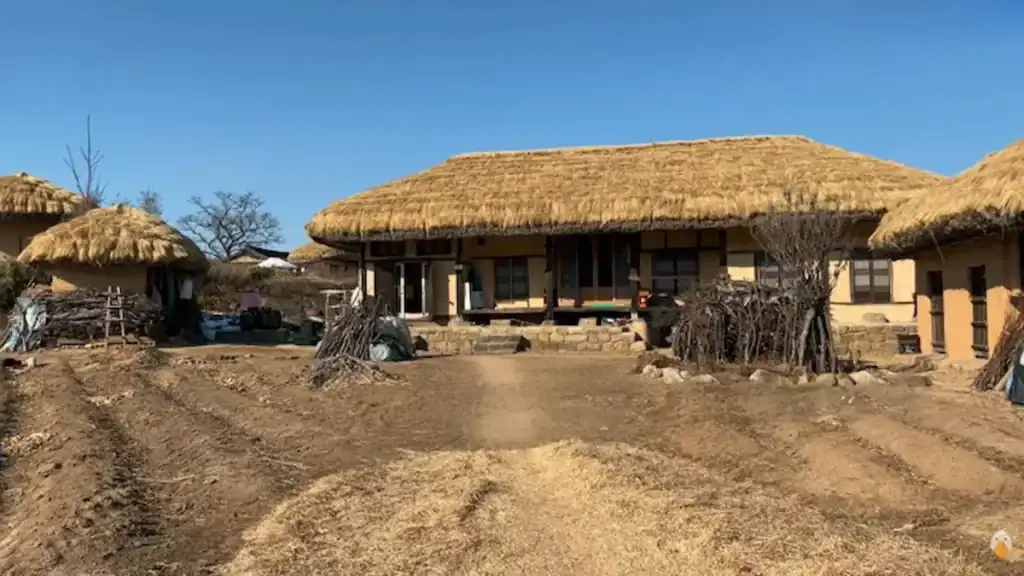
Peak hours turn Hahoe into a crowded mess. Between 10 AM and 3 PM, tour buses arrive constantly. This happens every day during peak season (April to October). The narrow stone paths become jammed. You’ll dodge selfie-takers and tour groups with numbered flags.
The village layout makes this worse. Everyone follows the same route. First, you take the entrance shuttle bus. Then you walk past Yangjindang Manor and Bukchon Residence. Next comes the 600-year-old tree. Finally, you head to the pine forest by the river. These spots concentrate all the crowds.
Best Times to Visit Hahoe Village to Avoid Tour Group Overload
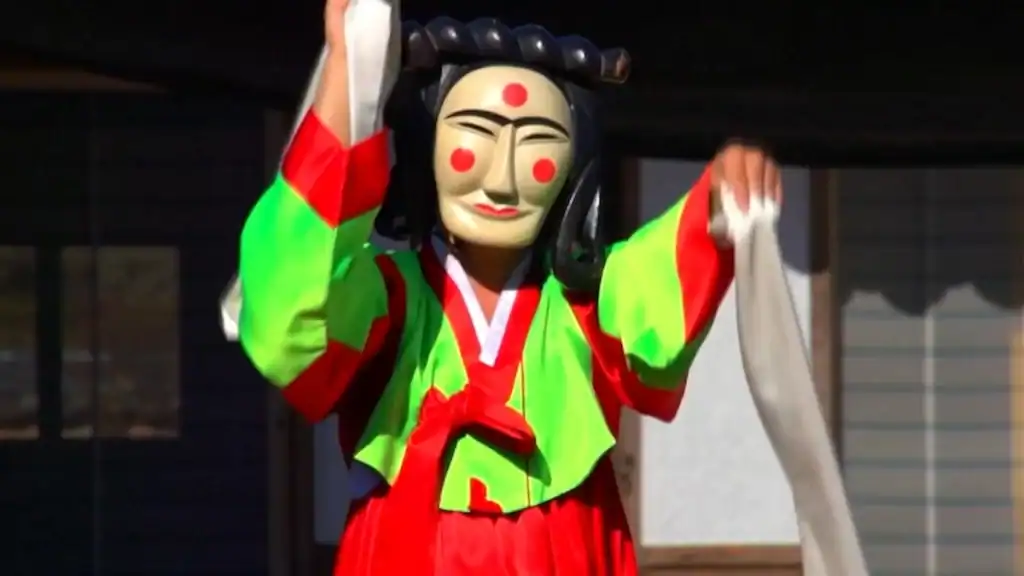
Early morning before 9 AM gives you the real experience. Day-trippers from Seoul haven’t arrived yet. You’ll see residents starting their day. Farmers work their fields. The village feels alive, not staged. The first shuttle runs around 8:30 AM in peak season. Bring your camera because nobody will photobomb your shots.
Late afternoon after 4 PM works just as well. Tour buses leave between 3 and 4 PM. The village empties fast. If you stay overnight in a traditional hanok guesthouse, evenings belong to you. The sunset from Buyongdae Cliff is spectacular. You can take a small ferry across the river (4,000 won). The golden-hour views over the village bend are worth every won.
🎭 What You’ll Actually Experience Beyond the Mask Dance Show
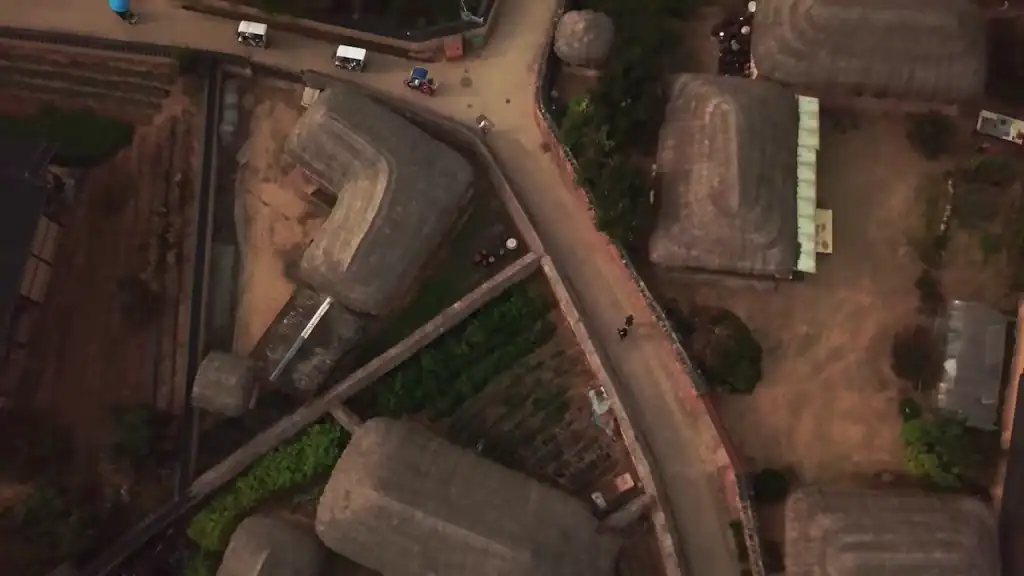
The Hahoe Byeolsingut mask dance runs every weekend at 2 PM (March to December). Weekdays get performances during high season. This hour-long show uses wooden masks to mock rich people, monks, and social snobs from the 1400s. English subtitles help. But most humor is physical comedy anyone can follow.
Most visitors spend 2 to 3 hours walking around. You’ll see tile-roofed houses where aristocrats lived. Thatched homes housed common people. This shows the old social order. Six houses out of 124 are National Treasures. But most are private homes. You can’t go inside.
Walking the Village Loop: What’s Actually Worth Stopping For?
The Bukchon Residence (within Hahoe) lets you enter its courtyards and some buildings. Built in 1862, this manor shows how rich families lived. You’ll see servants’ quarters, study halls, and family shrines. The house holds a 17th-century map of Korea. This map shows old territorial claims that historians study.
Mansongjeong Pine Forest by the river offers peace and quiet. Real residents use this sandy beach for picnics. The Presbyterian Church has a brick spire that looks out of place but photographs well. Cross the river by ferry (4,000 won) to reach Buyongdae Cliff. That’s where every Hahoe postcard photo gets taken.
⚖️ Is Hahoe Village Worth It: If You’ve Already Seen Bukchon or Jeonju?
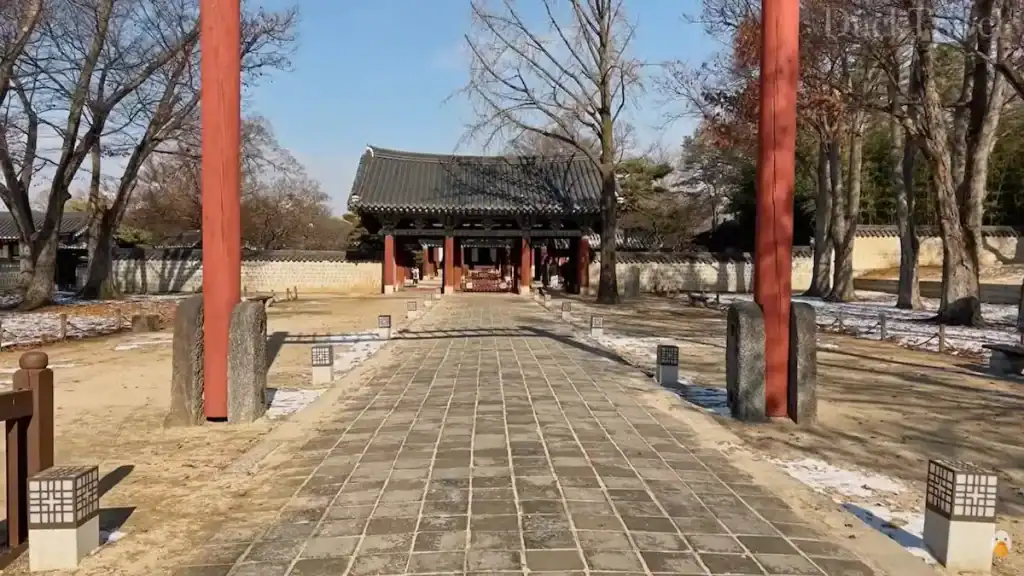
Hahoe is completely different from Seoul’s Bukchon Hanok Village or Jeonju. Bukchon is basically a modern neighborhood. They built it in the 1920s and 1930s. Most buildings are “modern hanok” with air conditioning behind old-style walls. It’s pretty and convenient. But it’s not 600 years old.
Jeonju has 700+ hanok buildings. It’s Korea’s top hanok tourist spot. You’ll find street food, craft shops, and hanbok rentals everywhere. It’s fun and vibrant but totally commercial. According to Korea Heritage Service, Jeonju is a Type II folk village (recently built). Hahoe is Type I (original village from 400 to 600 years ago).
Hahoe vs. Bukchon vs. Namsangol: Which Folk Village Experience Wins?
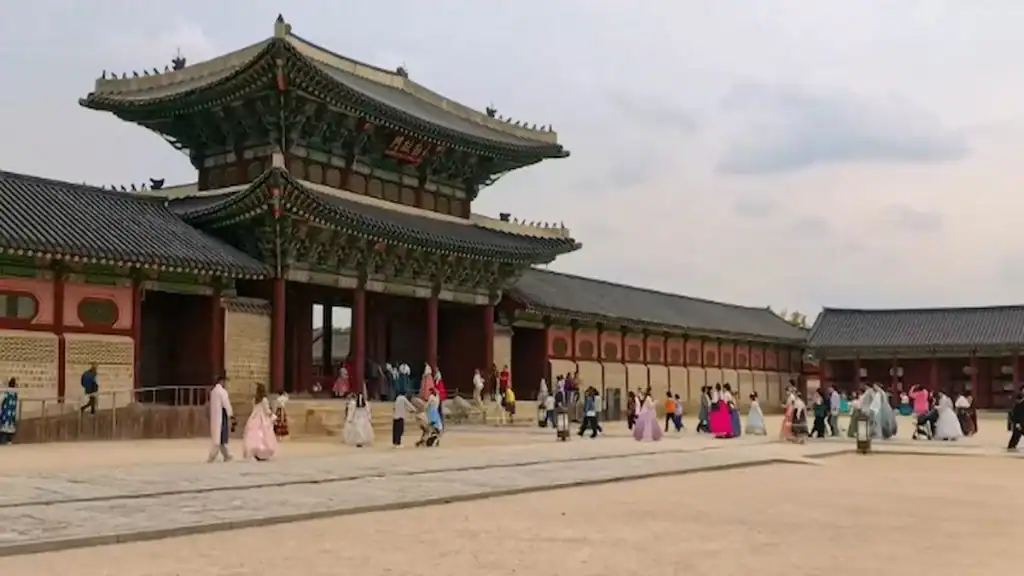
Bukchon wins for: Seoul location, Instagram alleys, palace access nearby, modern cafes, no entry fee. Gyeongbokgung palace is a 15 to 20 minute walk through Bukchon village. Palace has an entry fee.
You can also hire traditional dress locally for the occasion. Called Hanbok. This is very popular.
Jeonju wins for: Food tourism (bibimbap capital), hands-on activities, vibrant energy, tourist-friendly setup
Hahoe wins for: Real historical homes, genuine living community, beautiful natural setting, UNESCO status, overnight stays that feel authentic
Namsangol Hanok Village in Seoul collected old houses and put them in a park. Seoul City runs it. It’s free and educational. But it’s completely fake. Zero people live there. Think outdoor museum, not real village.
👨⚖️ The Honest Verdict?
If you’ve only got Seoul time, Bukchon satisfies most travelers’ hanok curiosity. If you’re doing a full Korea trip and appreciate historical authenticity over convenience, Hahoe justifies the 3-hour journey from Seoul. The village delivers something Bukchon cannot: the feeling of intruding (respectfully) on actual people’s lives in actual 600-year-old homes within an actual clan village that somehow persisted through wars, modernization, and now tourism pressure.