
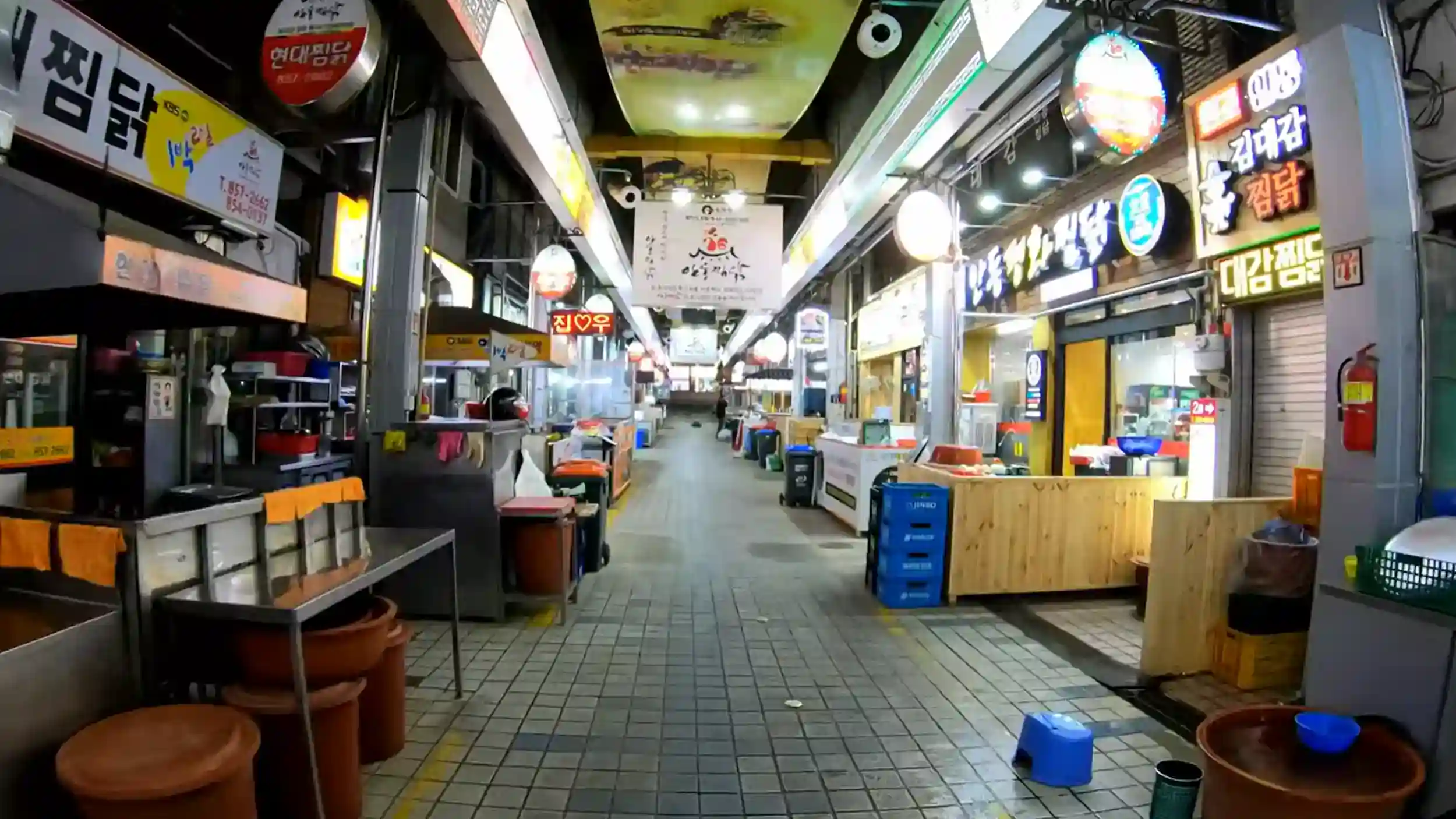
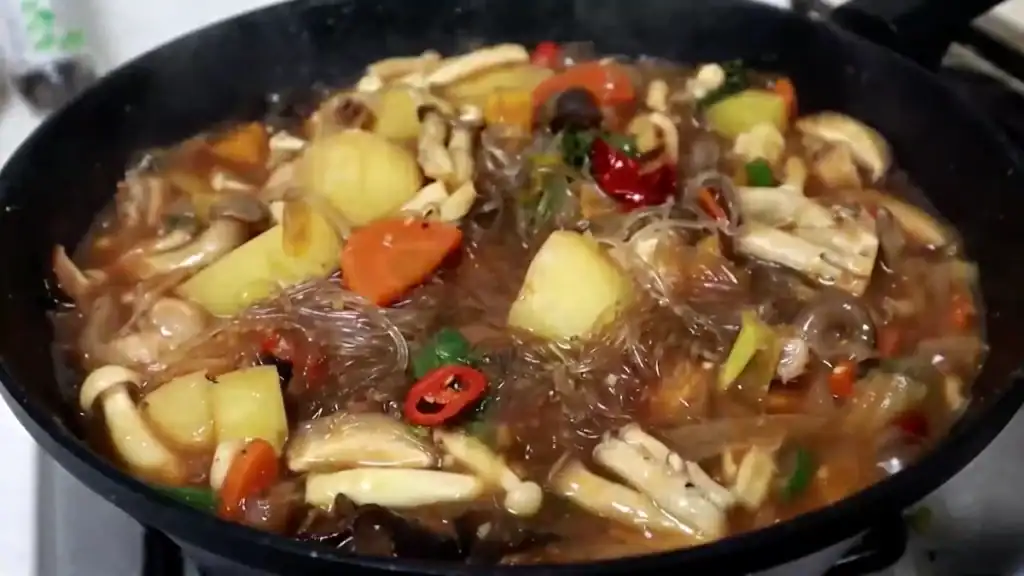
Andong Jjimdak is a braised chicken dish from Andong, South Korea, created in the 1980s in the city’s Dak Golmok (Chicken Alley) market district. Local vendors combined soy-braised chicken with glass noodles (dangmyeon), vegetables like carrots and potatoes, and gochugaru chili pepper in a sweet-soy sauce to create an affordable meal for students and soldiers, typically served in large portions starting around 25,000-35,000 won.
👀 At a Glance
📌 Origin story: Created in 1980s Andong Old Market to compete with Western fried chicken
👥 Portion reality: One small order (20,000 won) feeds 2-4 people
⏱️ Seoul availability: Found in every major neighborhood at chain restaurants
🌤️ Andong Chicken Alley: 30+ restaurants, mostly indistinguishable from each other
💰 Price difference: Andong costs 15,000-20,000 won vs Seoul’s 23,000-25,000 won
⚠️ Key distinction: Sauce consistency varies wildly between locations, not necessarily better in Andong
🚫 Skip if: You expect radically different flavors or think location automatically equals authenticity
🥢 What Makes Andong Jjimdak Different from Seoul’s Versions?
The truth might surprise you. Seoul’s version uses the same stuff as Andong. You get soy sauce, glass noodles, potatoes, carrots, onions, chicken, and green peppers. The cooking stays the same. Big chain restaurants use the same recipes in both cities. Where you eat it doesn’t change what goes in or how it cooks. Both cities make it the exact same way.
The Ministry of Food and Drug Safety sets rules for chicken across South Korea. Safety rules stay the same everywhere. Seoul follows the same rules as Andong. Both cities buy chicken from the same farms. Both use the same noodles and soy sauce brands. Location doesn’t matter. Everyone follows the same food laws. Everyone buys from the same stores.
The Original Andong Jjimdak Recipe: What Actually Changed Over Time?
Business competition created this dish in the 1980s. There’s no ancient tradition here. Vendors in Andong’s Chicken Alley invented it. Western fried chicken shops were taking their customers. They needed something new. They copied how galbi gets cooked. People used chicken instead of beef. They added whatever vegetables people wanted. They made huge servings at low prices. The Korean Tourism Organization says it started in the 1980s. The old royal family story is fake.
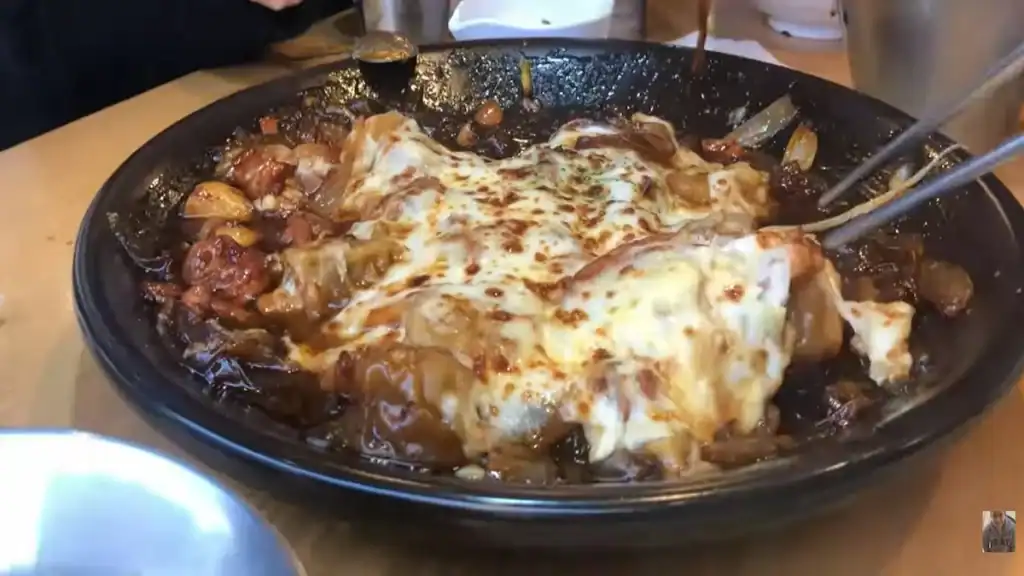
The recipe changed a lot in 40 years. Old versions were darker and spicier. Today’s Seoul chains make it milder. They add cheese. They use boneless chicken. Andong restaurants say they cook the old way. But food blogs show Andong’s restaurants all differ. Some add oyster sauce. Others don’t. Some throw in cucumber or spinach. Others skip those things. There’s no one “real” recipe.
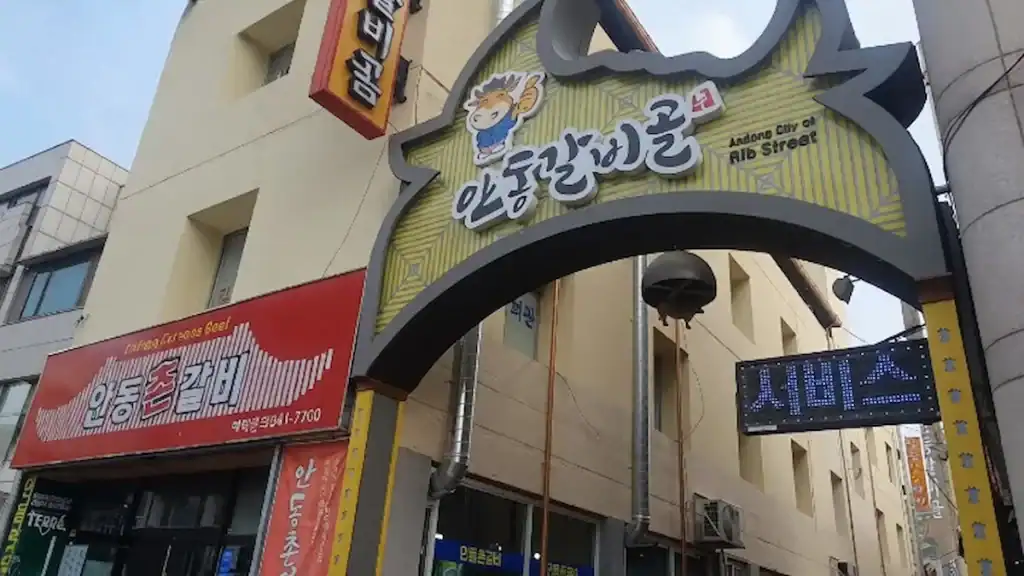
📍 Where to Actually Eat Andong Jjimdak & Other Food in Andong
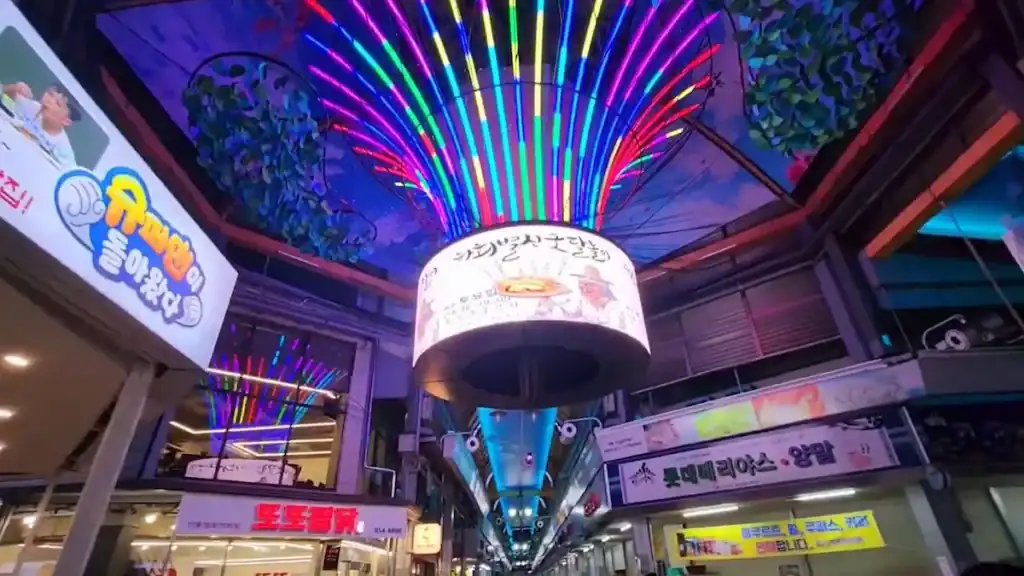
Jjimdak Golmok means Chicken Alley. It sits in Andong’s old market. About 30 restaurants pack into one street. The Andong Market website says over 20,000 tourists visit on weekends. Every restaurant has signs saying “original” or “best.” Most opened in the 1990s. They all jumped on the trend when jjimdak got famous.
You pick from 30 nearly identical restaurants. All look the same. Vendors yell at tourists. Prices run 15,000 to 20,000 won for small servings. They say it feeds 2-4 people. Four is pushing it. The place feels like a food court. It’s busy and crowded. Service is fast. Restaurants push people through quickly at meal times.
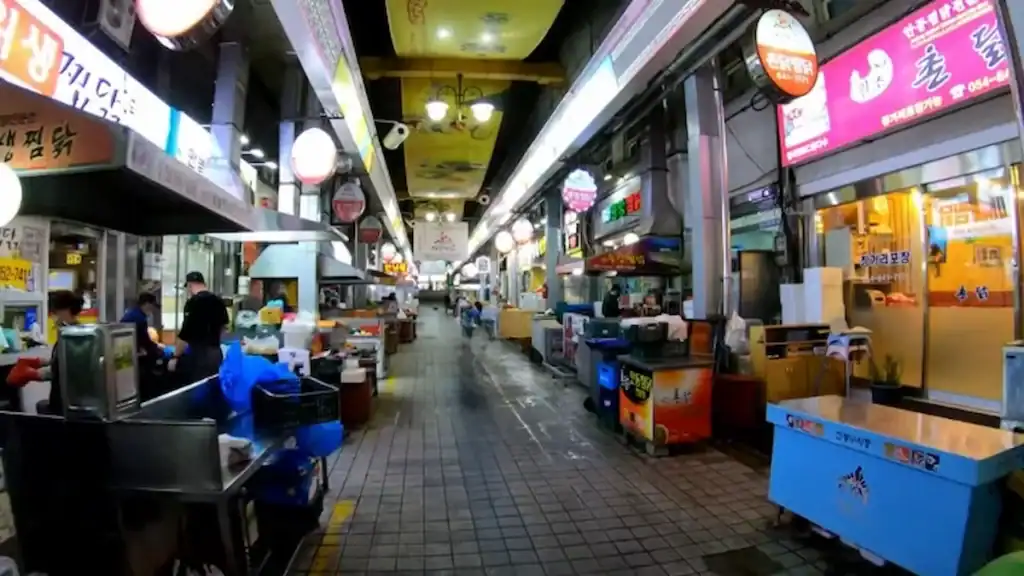
Jjimdak Alley Restaurant Comparison: Does It Matter Which One You Pick?
It doesn’t matter which one you pick. Many people say there’s “no big difference.” One blogger said she “picked the busiest one.” That’s probably smart. Random choice works fine. All restaurants serve basically the same food. You won’t notice much difference between them.
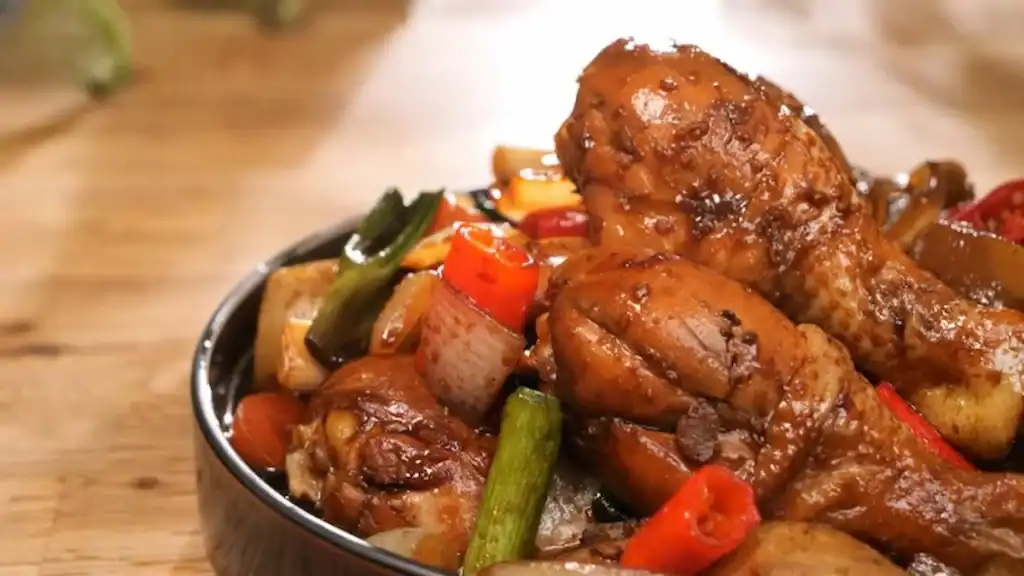
You might see tiny changes. Some sauce looks darker. Others taste sweeter. Spice changes based on peppers added. But these are small. It’s like eating at different chain restaurants. You get the same meal. Chicken in soy sauce with noodles. It comes on a big plate. You eat it with pickled radish and kimchi.
🧪 Is Andong Jjimdak Better in Andong or Just Nostalgia Marketing?
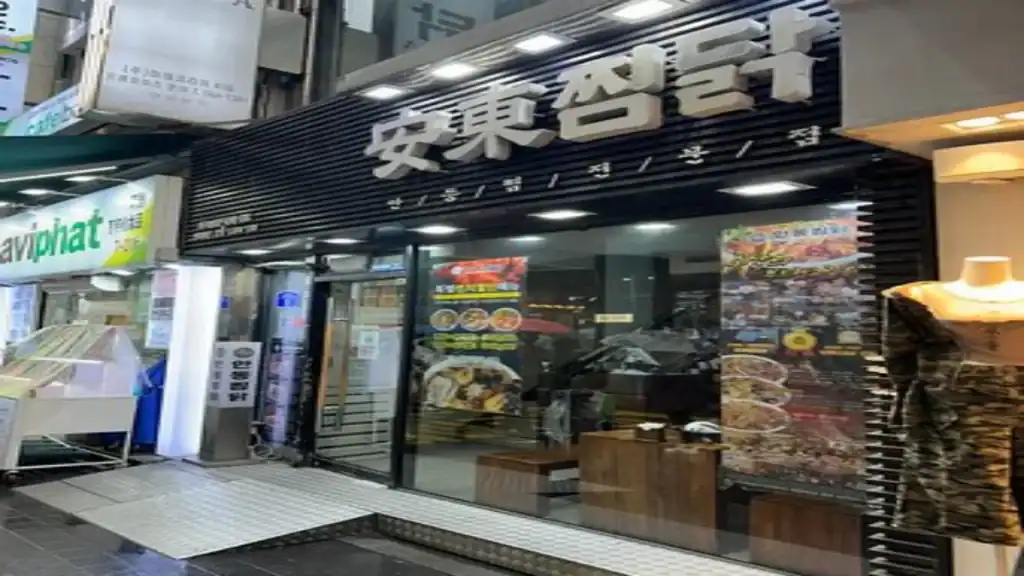
Seoul restaurants get great reviews. Andong Jjimdak restaurant in Myeongdong stays packed. People love it. One regular said, “This one works for me.” That’s important. Location doesn’t make food better. Good cooking matters more than where you are. Seoul cooks make it just as well as Andong cooks.
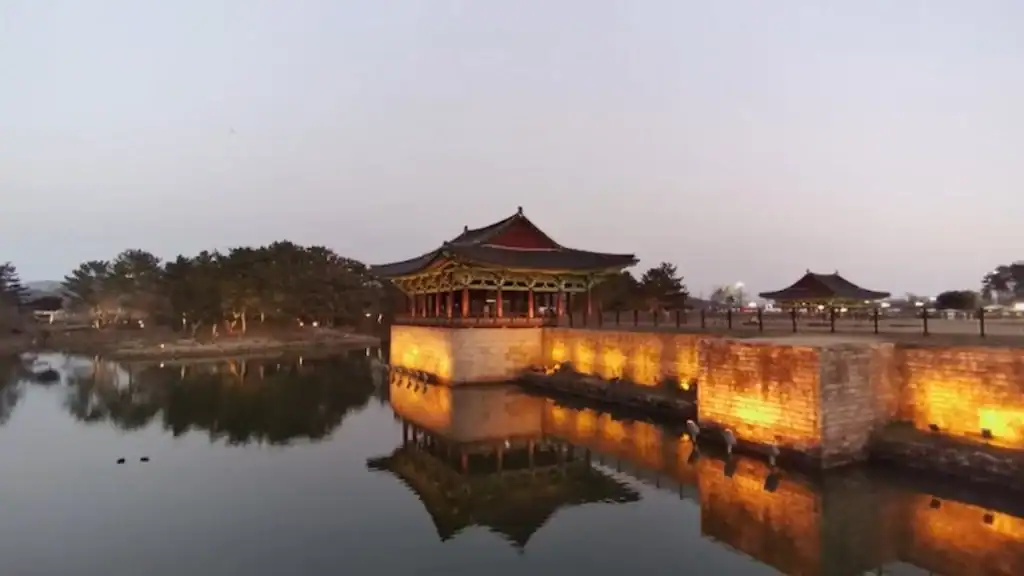
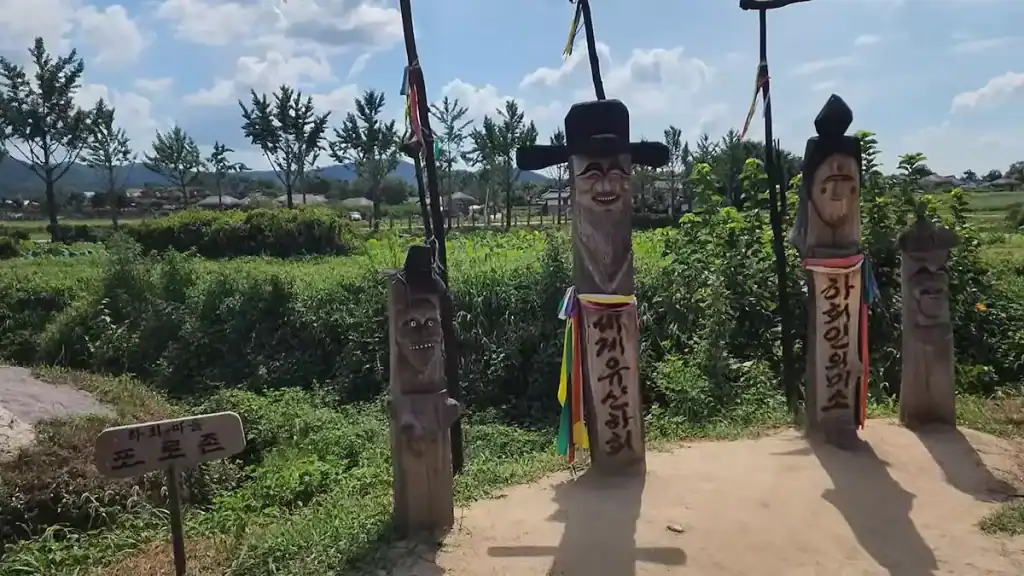
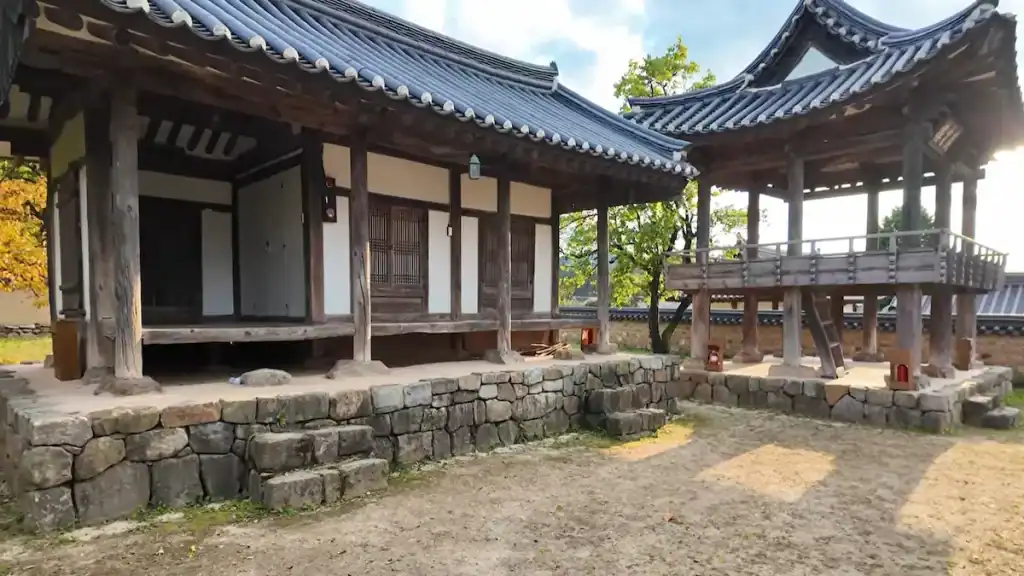
The Ministry of Culture, Sports and Tourism lists Andong for its cultural sites. Hahoe Folk Village has UNESCO status. Jjimdak is mentioned as local food. But there’s no official “real” restaurant. No special cooking method gets protected. This means no restaurant is more authentic. They all use the same recipe that spread 25 years ago.
Blind Taste Test Reality: Can You Actually Tell Andong’s Version Apart?
No real tests exist comparing the two. Stories from travelers suggest people can’t tell them apart. One person ate “tons of jjimdak” in Korea. He tried Seoul’s famous spot. He found it “nothing special.” But he couldn’t say what made Andong’s better. He just said Seoul’s “doesn’t do much for me.”
Another person liked Seoul’s version more than overseas versions. A cooking teacher in Korean Culture Magazine said some Seoul places taste “fake.” They use too much caramel sauce. This suggests Andong avoids that. But the article also says Andong uses oyster sauce a lot. Sweet soy chicken tastes like sweet soy chicken. Location doesn’t change the taste. Geography doesn’t make it better.
✈️ When Andong Jjimdak Is Worth the Pilgrimage (And When It’s Not)
Worth going if you’re already visiting Hahoe Folk Village. The trip from Seoul takes 3 hours by train or bus. If you’re spending all day seeing old buildings and festivals, eat jjimdak for lunch. You’re already there. Prices are cheaper. Servings are huge. You can say you ate it where it started.
Don’t go just for jjimdak. The round trip from Seoul takes 6 hours. It costs a lot. Hotels cost money too. A famous French chef said jjimdak is “underrated.” He compared it to fancy French food. That’s nice. But you don’t need to make a special trip. You can find great jjimdak in Seoul. No travel needed.
Should You Travel to Andong Just for Jjimdak? Honest Assessment
Don’t go for jjimdak alone. Save over ₩150,000 in travel costs. The dish near your Seoul hotel tastes just as good. Andong serves it in a crowded market. Seoul serves it in clean restaurants. Travelers who went just for jjimdak felt let down. Good food, yes. But nothing amazing you can’t get elsewhere.
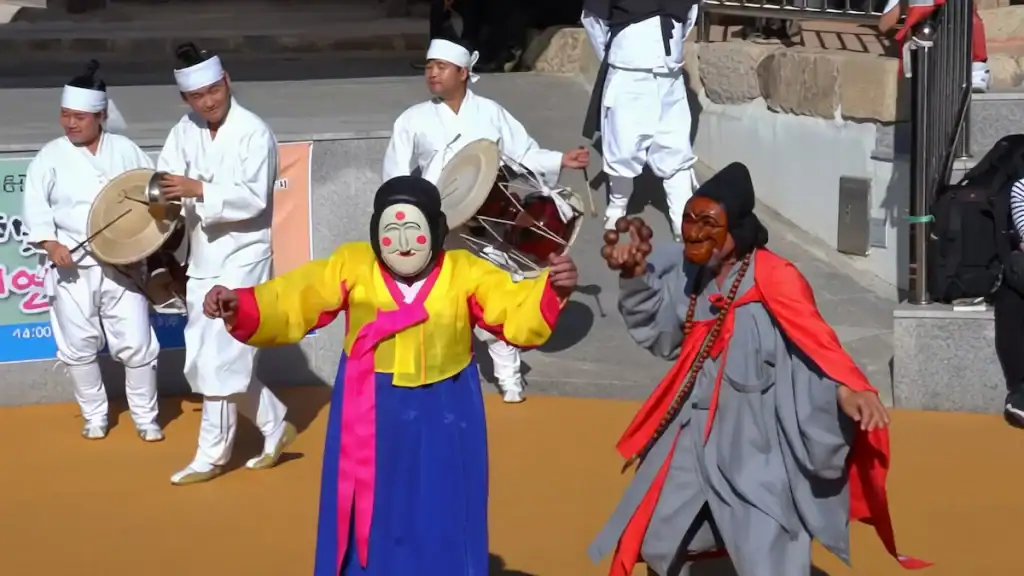
But mix jjimdak with other Andong stuff and it works. Visit Hahoe Folk Village. See old Confucian schools. Join the Mask Dance Festival in September. Eat jjimdak with other local foods. Try Andong soju rice wine. Now the trip has real value. It’s not just one dish. The question isn’t if Andong jjimdak tastes good. It does. The question is if Andong makes it better than Seoul. For most people, no. Seoul’s version tastes just as good.