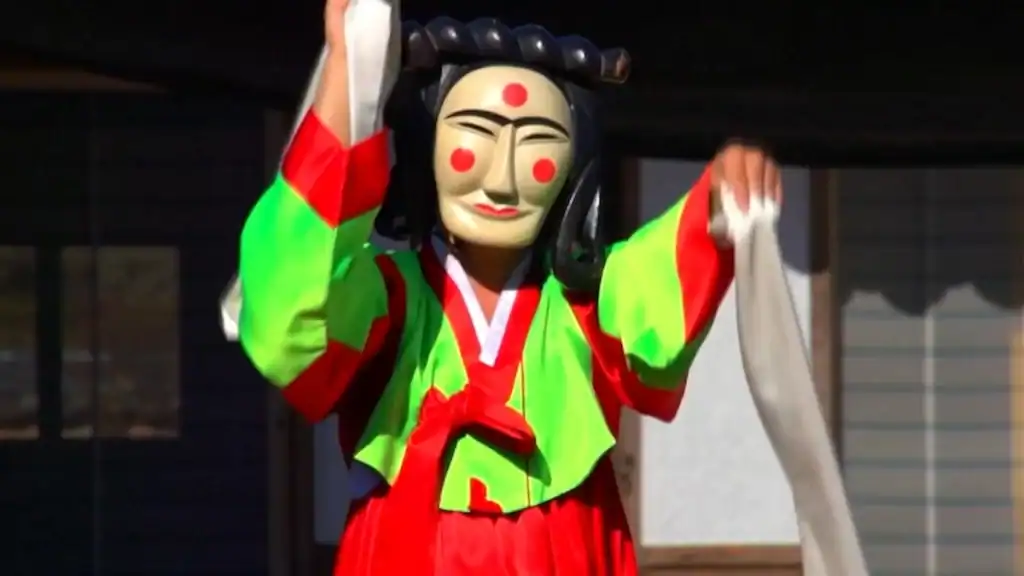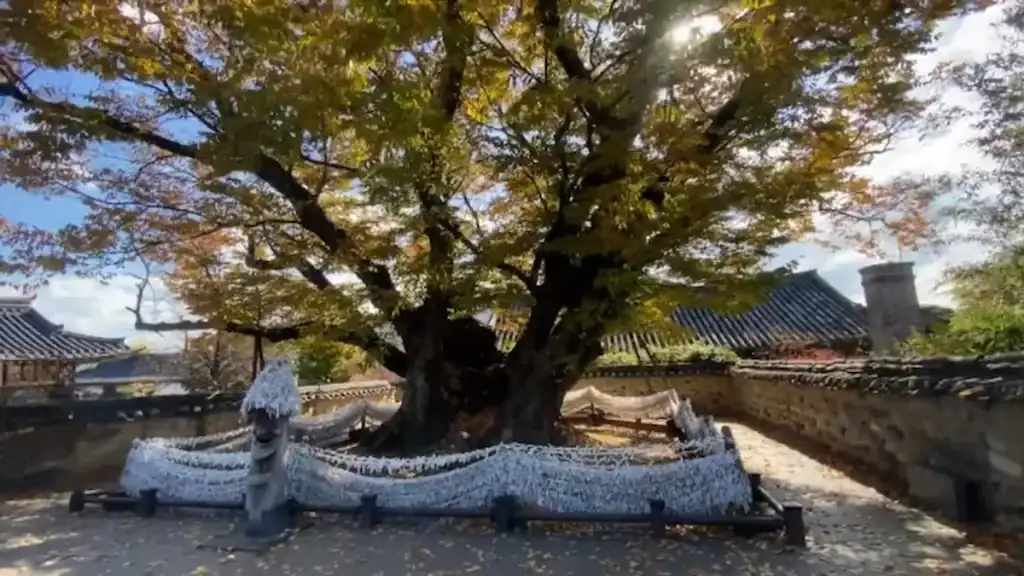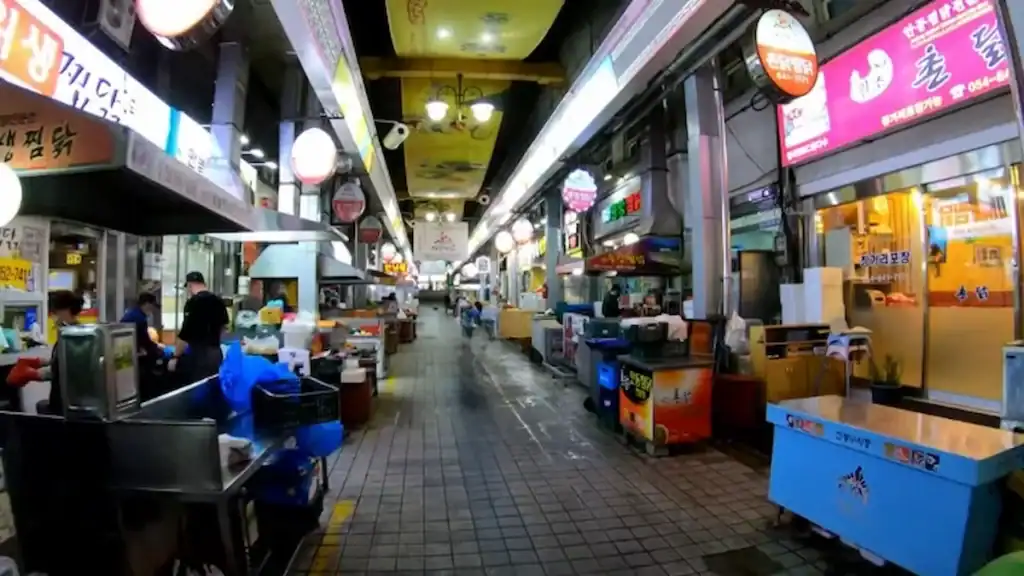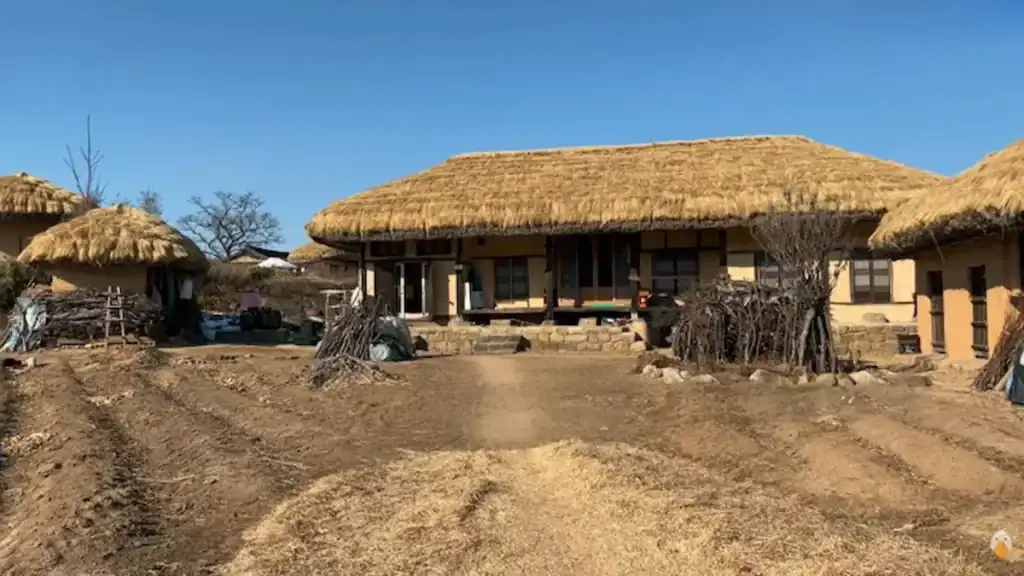

Andong vs Gyeongju: Gyeongju (UNESCO capital with 52 designated treasures) showcases Silla Dynasty grandeur through Bulguksa Temple, Seokguram Grotto, and 23 royal tombs in Daereungwon Park, located 370km southeast of Seoul. Andong (traditional culture hub) preserves authentic Joseon-era heritage at Hahoe Folk Village (UNESCO-listed), Dosan Seowon Confucian academy, and the renowned Andong Mask Dance Festival, offering intimate cultural immersion versus Gyeongju’s archaeological scale.
👀 Andong vs Gyeongju: At a Glance
📌 Cultural Focus: Andong = Living Confucian traditions / Gyeongju = Silla Dynasty archaeological sites
👥 Tourist Volume: Gyeongju sees 3x more visitors (easier but more crowded)
⏱️ Realistic Days Needed: Andong = 2 days ideal / Gyeongju = 2-3 days ideal
🚌 Getting Around: Gyeongju wins with buses every 10 min / Andong buses hourly, infrequent
💰 English Support: Gyeongju has English signs, maps, staff / Andong requires translation apps
⚠️ Main Challenge: Andong’s Hahoe Village is 30km out (45-min bus) / Gyeongju sites cluster centrally
🚫 Skip if: You want only surface-level tourism (both reward slow exploration)
🏛️ What Each City Actually Offers: Cultural Depth vs. Historical Scale
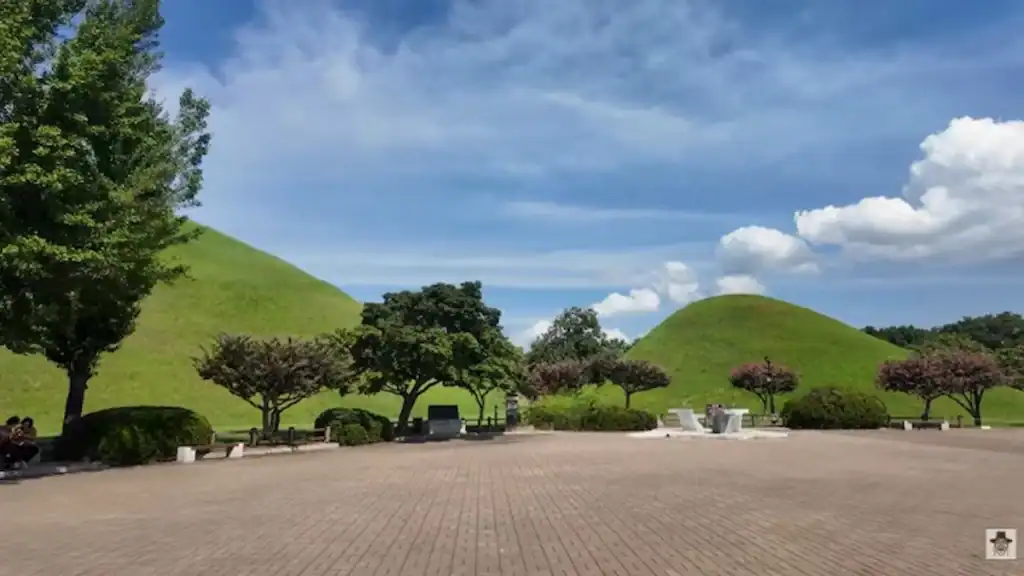
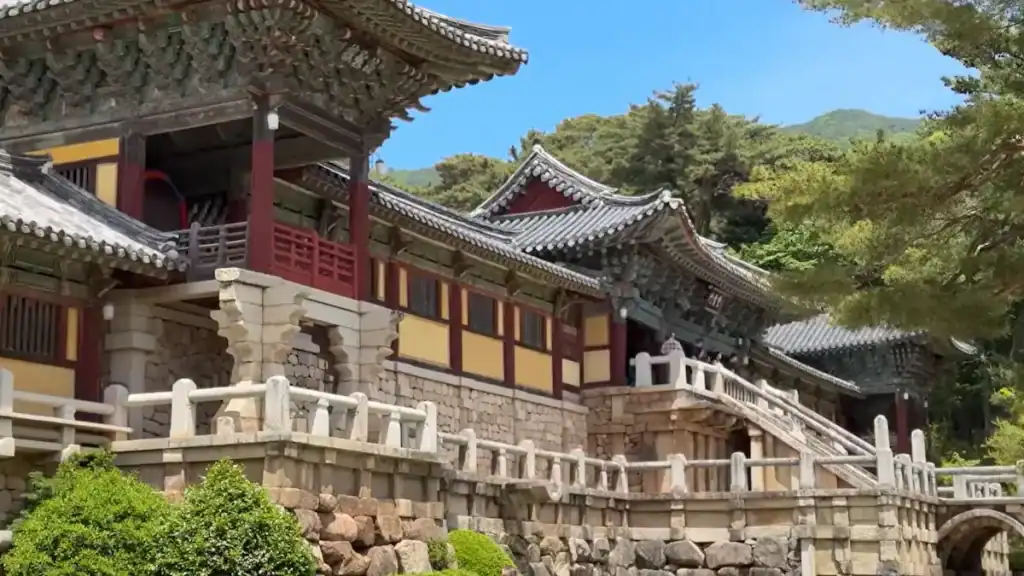
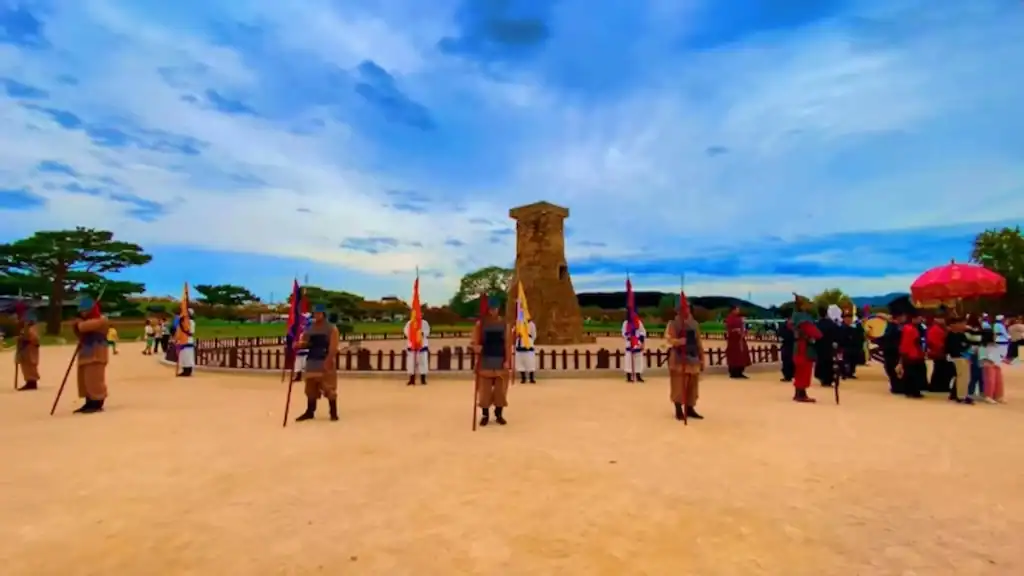
Gyeongju delivers big history you can see. It was the Silla capital from 57 BCE to 935 CE. Four UNESCO sites pack into a small area. You’ll walk past grass burial mounds in Tumuli Park downtown. These hold gold crowns from 1,500-year-old royal tombs. Bulguksa Temple sits 14 kilometers east. It shows Buddhist art from Korea’s golden age. Cheomseongdae is East Asia’s oldest star tower. You can visit it for free in a city park.
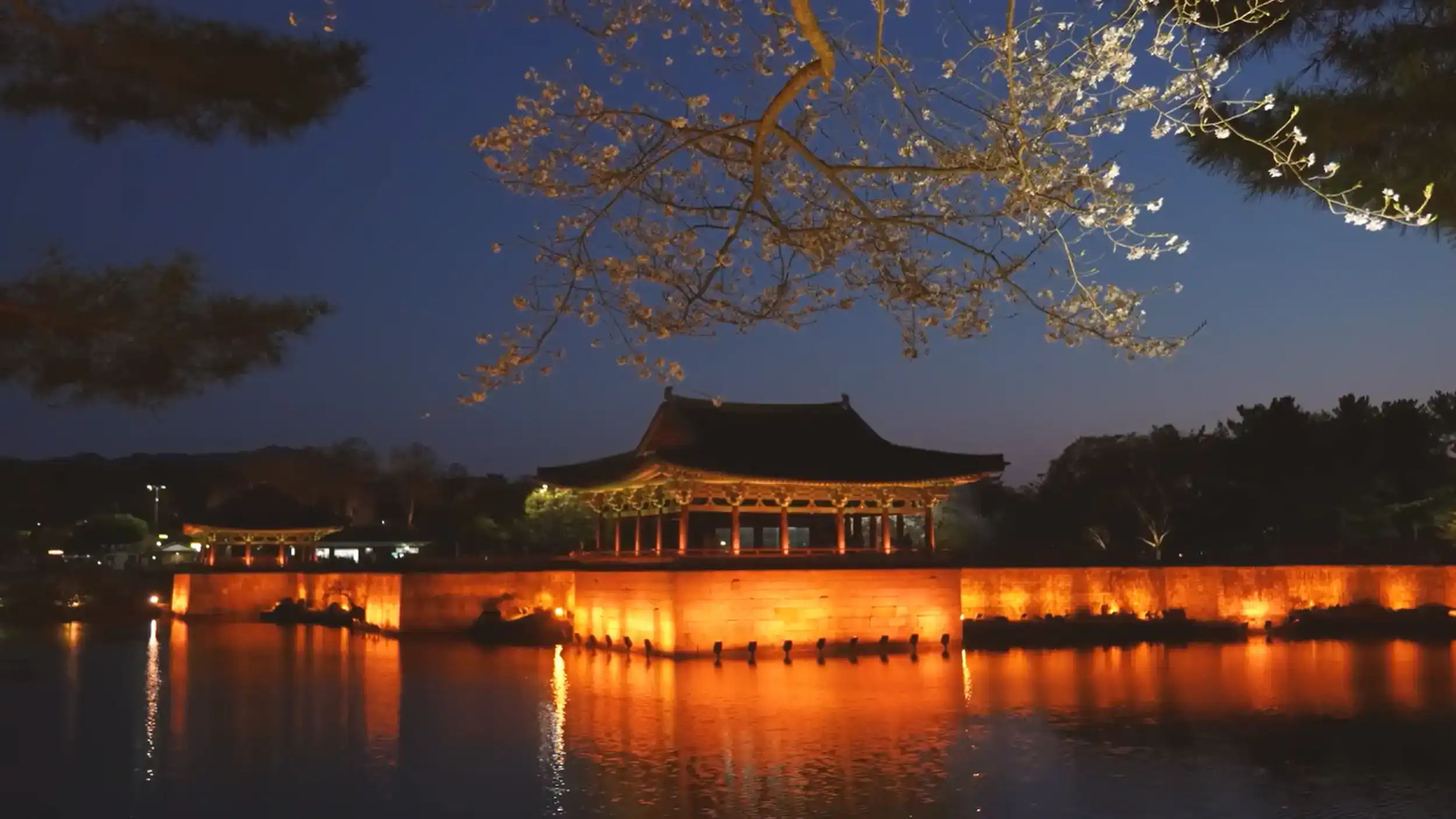
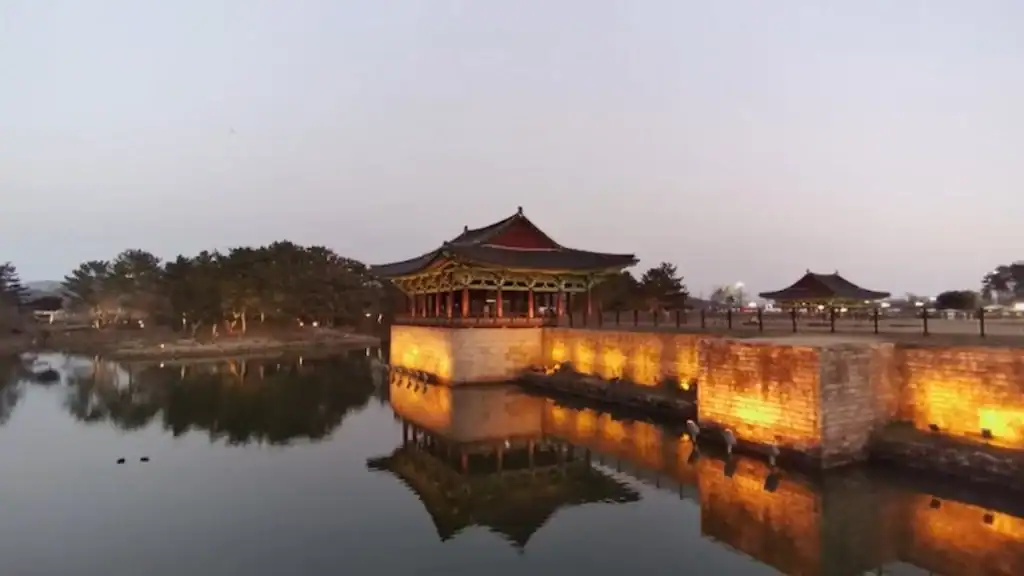
The Gyeongju National Museum shows 11,526 items dug up from one tomb. You’ll see jade, weapons, and crowns. Donggung Palace lights up at night over Wolji Pond. It makes great photos. The city earned its “museum without walls” name honestly. Every street corner has another old monument or temple gate. Most outdoor sites are free to enter.
Confucian Heritage (Andong) vs. Silla Dynasty Ruins (Gyeongju): Which Interests You More?
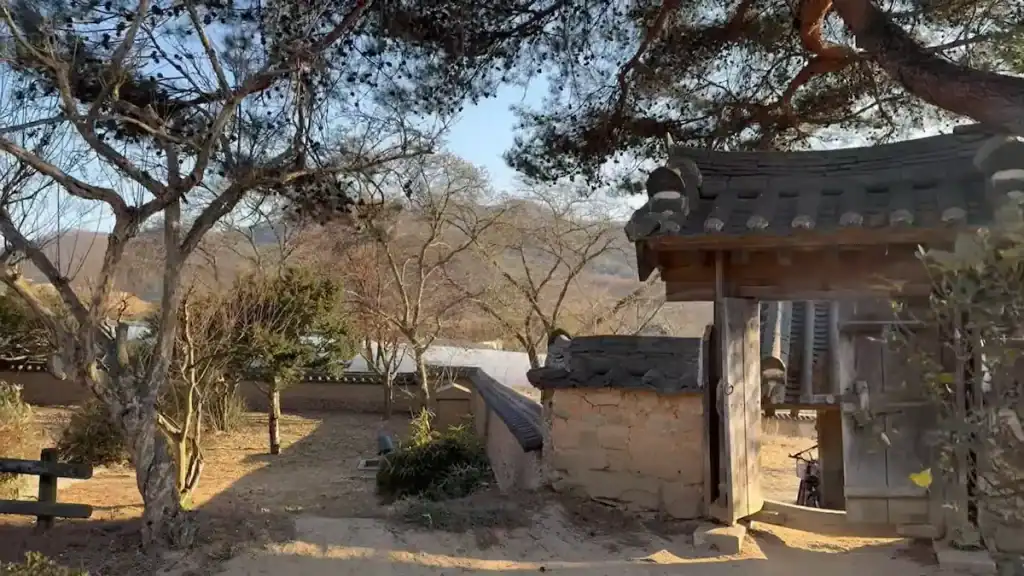
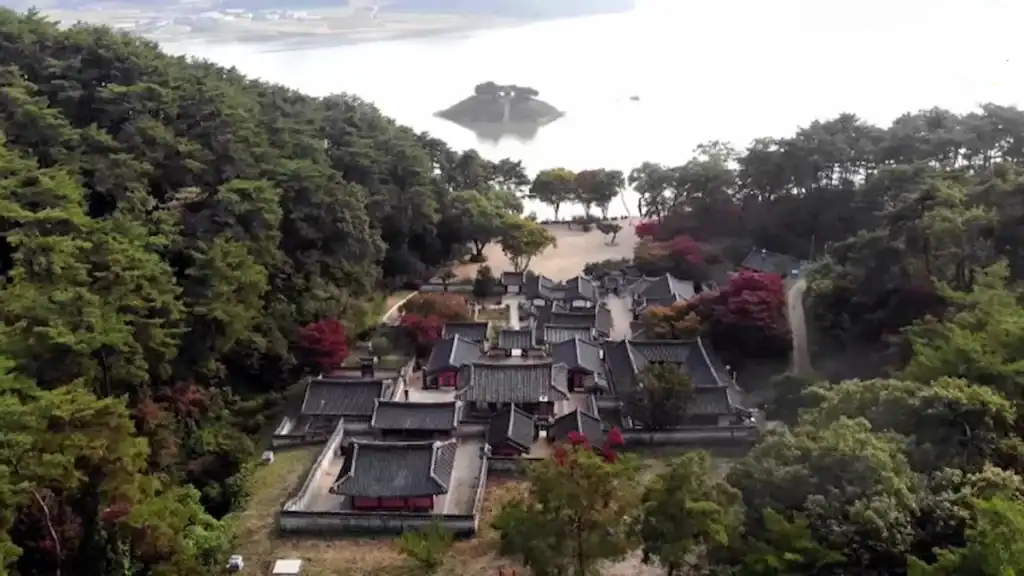
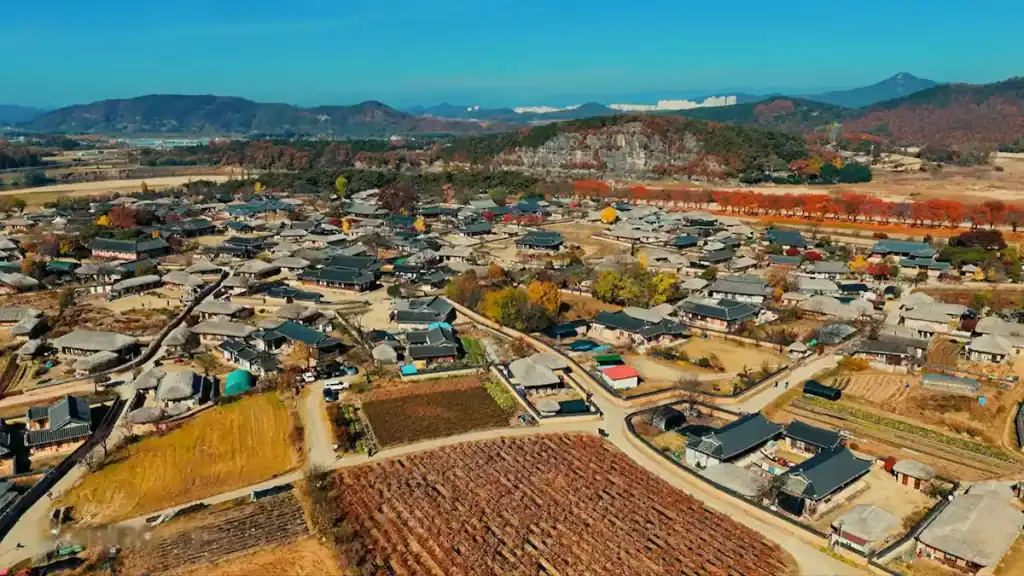
Andong shows living culture, not just old ruins. It’s Korea’s Confucian heart. Traditions still happen here that Gyeongju lost long ago. Hahoe Folk Village is 30 kilometers from town. It’s a UNESCO site with 600-year-old thatched houses. The Ryu clan still farms here. Mask dance shows happen twice daily. These dances date to the 1200s. Byeongsan Seowon Academy teaches old scholarly ways from the 1600s.
The Andong Folk Museum displays pottery and paper crafts. Old methods are still used. The soju museum tells how Mongol invaders brought Korea’s national drink. The choice is this: big sights versus deep culture. Gyeongju impresses you fast with scale and drama. Andong takes patience but gives you real participation. You enter working homes. Also you can watch mask carvers at work. You taste recipes passed down 400 years. Pick based on what you value more.
🚌 Andong vs Gyeongju: Where It’s Easier to Visit and Navigate
Gyeongju operates for foreign tourists. The train station changed names in 2023 from Singyeongju to Gyeongju Station. It sits 15 kilometers from downtown. Buses 60, 61, 700, and 711 run every 10-20 minutes. Station screens show English. Staff speak some English. A tourist center gives out free printed schedules. Downtown signs point to sights in Korean, English, and Chinese. Distances are marked clearly.
KakaoMap app works great. Type “Bulguksa” in English. The app shows you bus 10 or 11 with exact times. Buses cost 1,300-1,650 won no matter how far you go. Bike rentals cost 4,000 won per hour or 15,000 won all day. Shops cluster around the bus terminal. The 14-kilometer ride to Bulguksa takes under an hour on bike paths. Hwangnidan-gil street near Tumuli Park has cafes with English menus. Hip hanok-style buildings line the street.
Transportation, Accommodation, and English Accessibility: Which City Wins?
Andong challenges even ready travelers. The train station moved 7 kilometers outside town in 2021. This adds 15-30 minutes to every trip. Bus 246 goes to Hahoe Village hourly. It doesn’t leave at exact times like :00 or :30. The station tourist desk has English materials. But bus stop signs show only Korean. Drivers don’t speak English. KakaoMap helps. You’ll need screenshots with Korean writing to show drivers.
Buses to Bongjeongsa Temple or Dosan Seowon run 2-3 times per day. Miss one and you wait hours. Hotels differ too. Gyeongju has hundreds with English booking sites. Most sit near the bus terminal so you can walk. Andong spreads out: hanok stays in Hahoe (limited, book weeks early), business hotels near the far station (cheap but isolated), or downtown motels (clean, 40,000-60,000 won). Gyeongju wins big on ease of use. Andong needs research, patience, and Korean language help.
⏰ Andong vs Gyeongju: How Many Days Each City Needs
Gyeongju requires two to three days. Day one hits downtown spots: Tumuli Park tombs, Cheomseongdae tower, the national museum, Donggung Palace at sunset. This takes 6-7 hours walking or biking. Day two goes east to Bulguksa Temple and Seokguram Grotto. Get there before 10am to beat crowds. The trip plus exploring takes all day. These are UNESCO sites worth the time.
Most travelers add Yangdong Folk Village on day three. It’s 45 minutes north. Buses don’t run often. Or visit Lake Bomun Resort area. Three days lets you hike Namsan Mountain. It takes 4 hours. You’ll see 100+ temple ruins and Buddha statues. Some statues are beheaded from 1400s religious fighting. Or just slow down through main sites. Gyeongju rewards extra time but doesn’t demand it. You can see major spots in two busy days.
The Realistic Itinerary Comparison: 1 Day, 2 Days, or 3 Days in Each
Andong fills two days at a calmer pace. Day one: Morning at Andong Folk Museum. Afternoon bus to Hahoe Village for 2pm mask show (weekends only January-February, Tuesday-Sunday rest of year). Hahoe needs 3-4 hours minimum. Walk the village. Hike to Buyongdae Cliff viewpoint (20 minutes up). Explore in evening. The pace feels relaxed. You’re not rushing temple to tomb like Gyeongju makes you do.
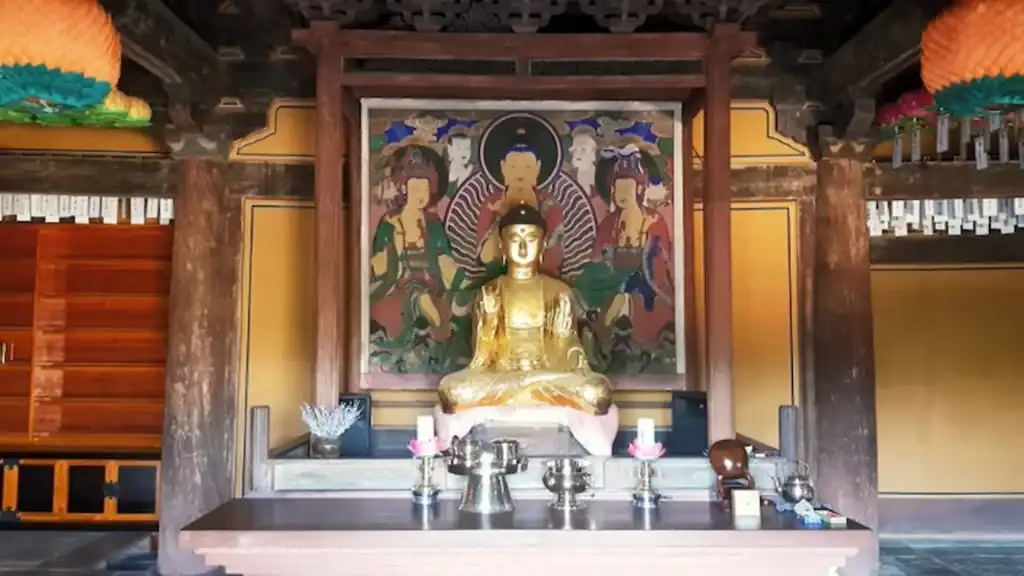
Day two: Morning at Bongjeongsa Temple. It has Korea’s oldest wooden building. Take bus 55 from the local terminal. Afternoon visit Dosan Seowon Academy or the soju museum. One day in either city feels rushed but works. Gyeongju: KTX from Seoul at 7:57am, arrive 10:10am. Taxi to Bulguksa Temple. Quick Tumuli Park walk. Sunset at Donggung Palace. Return KTX at 7:10pm. Andong: Rent a car or hire taxi (120,000 won all day). Fit Hahoe Village plus one more site.
🚄 Which City Works Better as a Seoul Day Trip vs. Overnight Destination?
Gyeongju functions okay as a Seoul day trip. You’ll feel tired though. The KTX from Seoul Station to Gyeongju Station takes 2 hours 13 minutes. Trains leave every hour from 6am. Round-trip costs 98,600 won ($74 USD). The earliest useful train (7:57am) gets you there by 10:10am. The last return train (7:10pm) gives you about 8 hours there. That’s enough for Bulguksa Temple and downtown main sites.
You can do Bulguksa Temple (get there by 11am, spend 2-3 hours). Grab quick lunch. Then see downtown tombs and Donggung Palace by evening. You’ll skip Seokguram Grotto (uphill from Bulguksa, adds 90 minutes). You’ll skip the museum too. Any real exploring gets cut. Most day trippers feel okay about it but know they missed half. The U.S. State Department travel page for South Korea notes the country has great public transport for day trips.
KTX Logistics Reality: Can You Actually Do Either as a Day Trip?
Andong fails completely as a Seoul day trip. No direct KTX runs there. You change trains at Cheongnyangni Station in northeast Seoul. Take KTX-Eum trains. These take 2.5-3 hours each way. Earliest arrival gets you to Andong around 10:30am. Latest smart return leaves at 5pm. That’s under 7 hours total time there. Hahoe Village alone eats 4-5 hours. This includes the 45-minute bus each way. Plus waiting for buses that don’t match train times well.
Day trips leave zero time for mask shows (2pm weekends, 3pm weekdays). No time for other sites either. Andong needs overnight stays or your trip wastes money. Gyeongju day trips work if you accept surface tourism only. Book KTX tickets days ahead. Weekends sell out. Use the Korail website or app (has English). Hire a taxi at Gyeongju Station. Negotiate 120,000 won for 8 hours. This saves time. Or take city bus 700 straight to Bulguksa from the station.