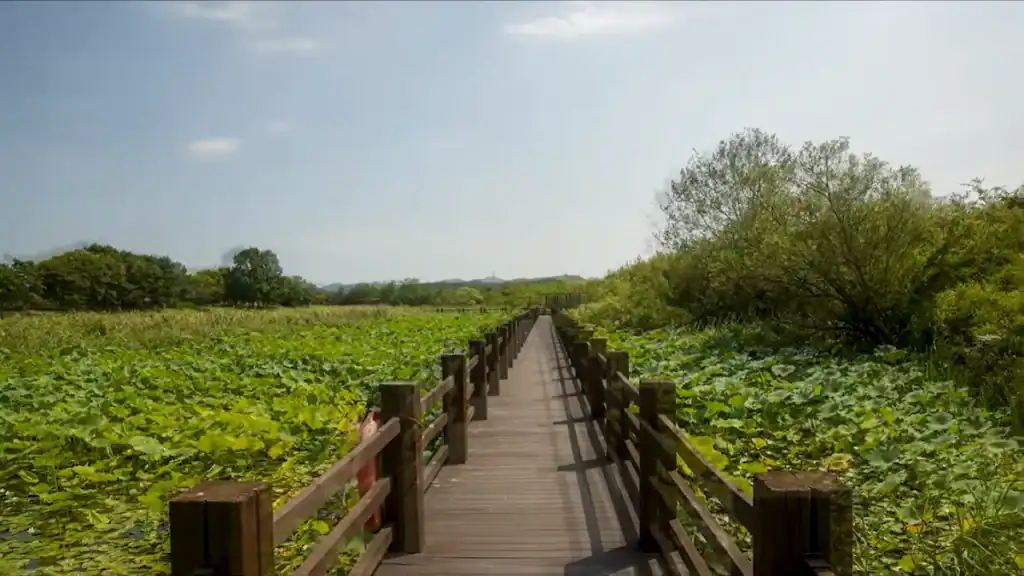

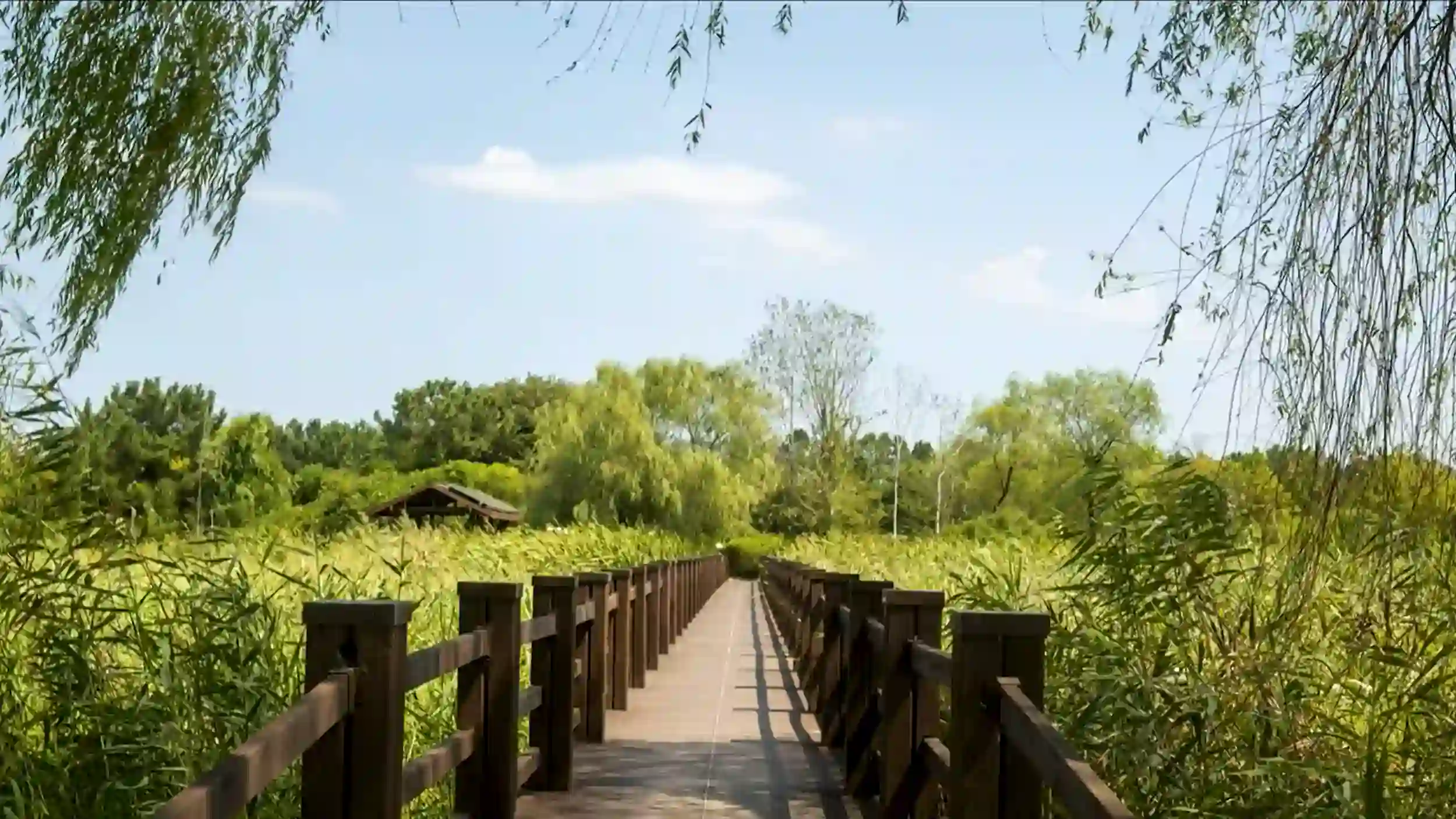
Ansan Reed Wetland Park is a 660,000-square-meter ecological park in Ansan, South Korea, featuring Korea’s largest artificial reed marsh ecosystem with over 30 wildlife species including migratory birds. The park offers 4.7 kilometers of walking trails, 6 kilometers of cycling paths, and observation decks at Sihwa Lake, with free admission year-round and peak viewing during autumn migration season (September-November).
👀 Ansan Reed Wetland Park: At a Glance
📍 Location: Sangnok-gu, Ansan City, 30km southwest of Seoul
🚶 Trail Distance: 1.7km total with 1.4km observation deck route
⏱️ Time Needed: 1-2 hours for full loop
🦆 Bird Species: 111 species recorded including 11 natural monuments
💰 Cost: Free admission, free parking
⚠️ Winter Warning: Closes early (4:30 PM) and sometimes for bird flu prevention
🚫 Skip if: You expect pristine wilderness or want guaranteed rare bird sightings
🏞️ What Ansan Reed Wetland Actually Looks Like (Setting Expectations)
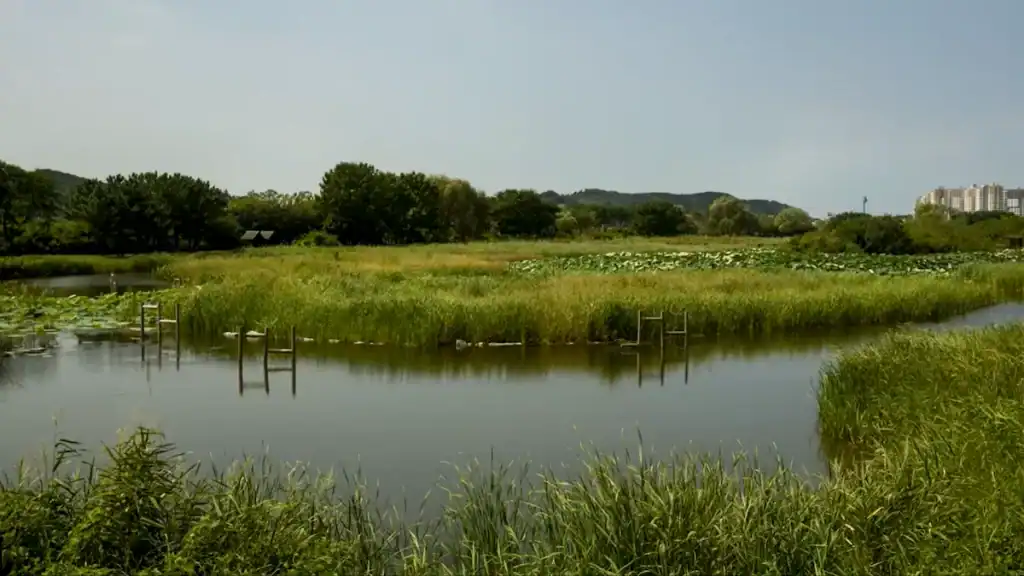
Ansan Reed Wetland spreads across approximately 1.03 million square meters of artificial marshland built in 2005 to filter wastewater flowing into Sihwa Lake. This is Korea’s first large-scale man-made wetland, not a pristine natural marsh. The ecology center sits at the entrance with exhibits and a second-floor observation deck for bird watching.
The landscape consists of vast reed fields that shift from vibrant green in spring to golden amber in autumn. An artificial island occupies the wetland center where wildlife rests, surrounded by deeper water zones free of reeds. You’ll walk alongside irrigation channels and see industrial development on the horizon, which some visitors find disappointing. According to Korea’s Ramsar Convention wetland profile, the park plays a critical role in regional water purification despite its industrial surroundings.
Boardwalk Infrastructure: Well-Maintained vs Muddy Sections
The wooden boardwalks through the main viewing areas remain in decent condition with regular maintenance by Ansan City. The 1.7-kilometer trail network includes elevated platforms that keep you above the marsh. These sections let you observe reeds up close while staying dry.
However, connecting paths between boardwalk sections can get muddy after rain, especially near the wildflower gardens. Some visitors report difficulty finding the park entrance due to poor signage from the main road. Construction noise from nearby industrial zones occasionally intrudes on the natural soundscape. The park’s location between two competing city jurisdictions has created maintenance inconsistencies, with some areas showing better upkeep than others.
🚶 The Walking Trails: Boardwalks Through Marshes and When They Shine
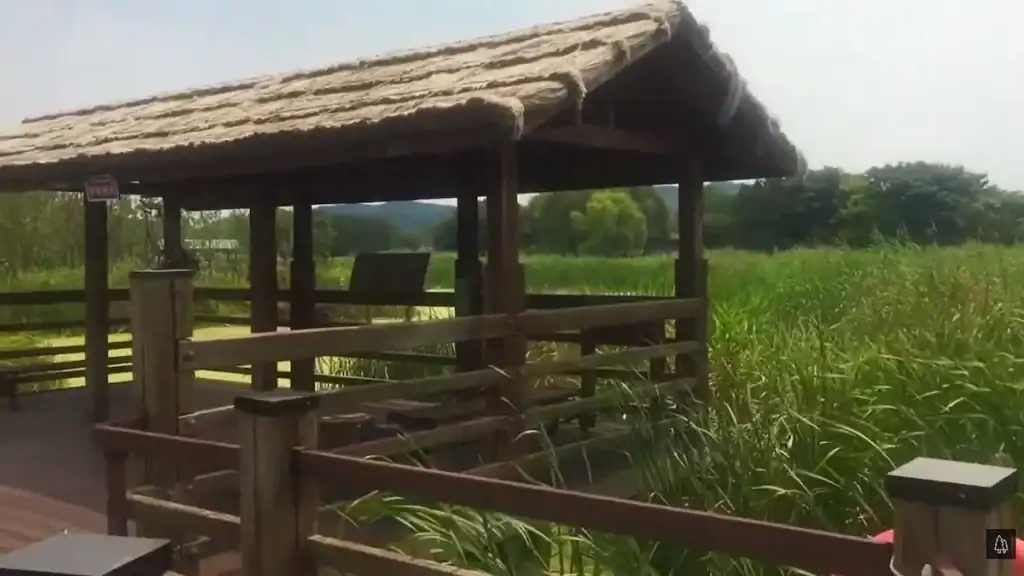
Walking through Ansan Reed Wetland works best during spring and fall when temperatures stay moderate and bird activity peaks. The primary route circles through the marsh on elevated wooden walkways that prevent you from disturbing the sensitive ecosystem. A 1.8-mile route (approximately 2.9km) includes the main observation areas, according to trail tracking data.
The boardwalks provide clear sightlines across the reeds to observe waterfowl feeding patterns. Cyclists frequently use the foreshore bicycle road that connects to the park, making it popular for combined bike-and-walk outings. The air near the marsh feels noticeably cooler and more humid than the surrounding industrial area. One visitor described the experience as hearing “lots of birds singing and the croaks of frogs,” which accurately captures the marsh atmosphere during active seasons.
The 1.4km Observation Deck Route: What to Expect
The shorter 1.4km route focuses on the observation deck circuit, perfect for visitors with limited time or mobility concerns. This path takes 30-45 minutes at a leisurely pace and hits the main viewing platforms. You’ll start at the ecology center, follow boardwalks through dense reed sections, and reach elevated observation points overlooking the central artificial island.
The route passes by ecological ponds where iris and water lilies bloom in season. Educational signage along the way explains wetland ecosystem functions, though some panels show weather damage. This condensed loop provides solid bird sightings without requiring the full 1.7km circuit. The flat terrain and stable boardwalks make this route accessible for most fitness levels, though heat exposure in summer can be challenging.
🦆 Birdwatching at Reed Wetland: What You’ll Actually See
Birdwatching success at Ansan Reed Wetland depends heavily on timing and expectations. A 2014 survey documented 2,929 individual birds representing 111 species within the park boundaries, including 11 natural monuments and 9 endangered species. This biodiversity resulted from successful ecosystem restoration, as noted by Korea’s Ministry of Environment wetland conservation efforts.
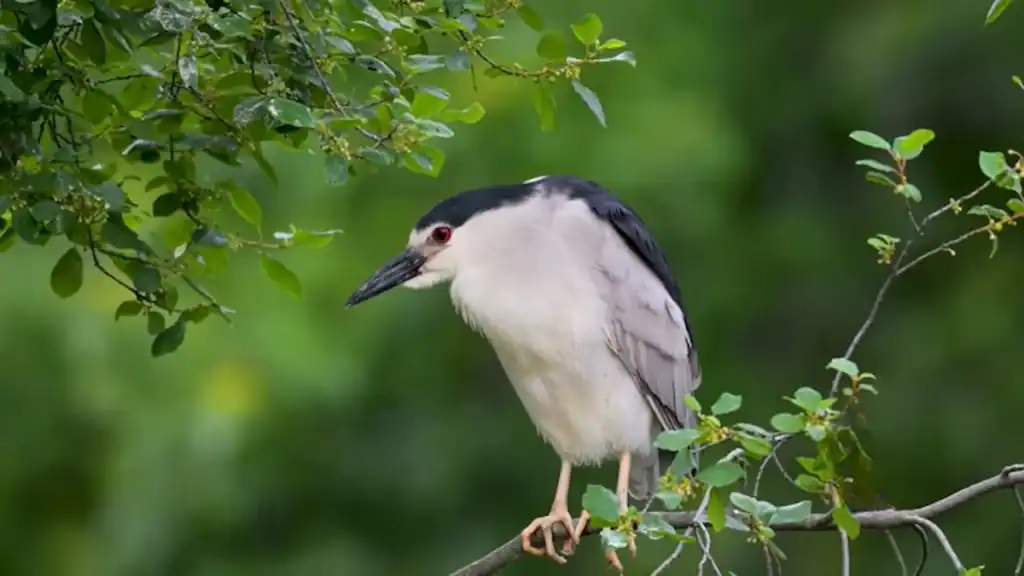
Common sightings include ducks, black-crowned night herons, and eastern great egrets throughout most of the year. You’ll frequently observe these species feeding in the shallow zones and roosting on the artificial island. The park serves as a waystation on the East Asia-Australasia Flyway, making it valuable habitat for migratory waterfowl moving between breeding and wintering grounds. For context, South Korea maintains 24 Ramsar Convention wetlands of international importance, and while Ansan Reed Wetland hasn’t achieved this designation due to jurisdictional conflicts, it still supports significant populations.
Common Species vs Rare Sightings: Managing Expectations
Managing expectations separates satisfied visitors from disappointed ones at Ansan Reed Wetland. Common species you’ll reliably observe include mallards, teal, various egret species, and cormorants. These birds appear year-round with population fluctuations during migration periods.
Rare sightings like black-winged stilts, common kestrels, and mandarin ducks (both endangered species documented at the site) require patience and luck. Some visitors report closures during winter for bird flu prevention, which limits access during peak waterfowl season. One birdwatcher noted coming “a couple times for weekend birdwatching” but finding it closed. The park preserves a relatively small patch of marshland compared to other Korean wetlands, as surrounding areas continue converting to industrial use. Don’t expect the diversity of larger protected sites like Suncheon Bay Ramsar Site or pristine mountain wetlands.
🌡️ Best Times to Visit: Seasonal Differences Matter Here
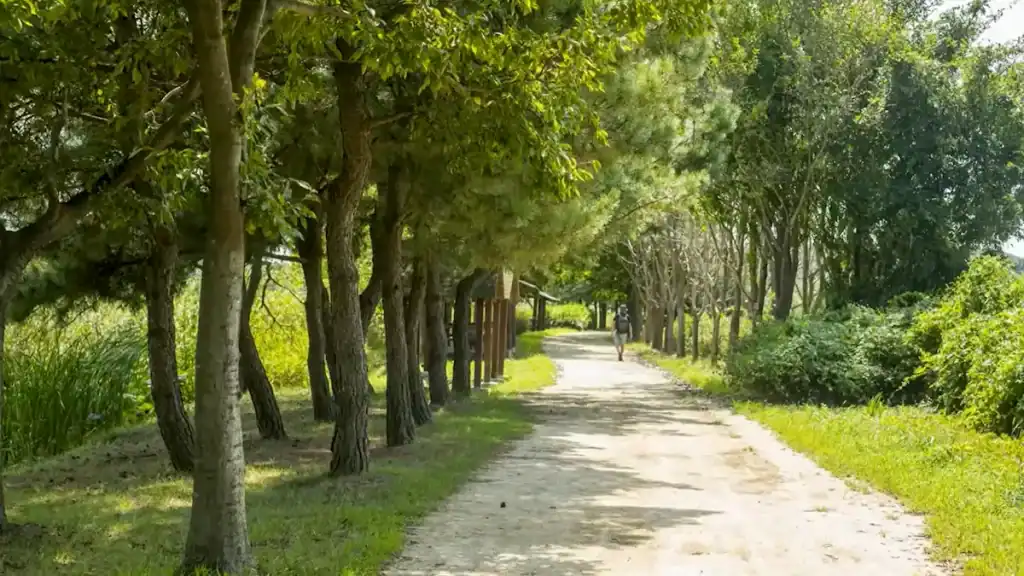
Seasonal timing drastically affects your Ansan Reed Wetland experience. Spring (March-May) and fall (September-November) offer optimal conditions with moderate temperatures, active bird migration, and visually striking reed colors. Spring brings green shoots and nesting activity, while autumn transforms reeds into golden-amber waves particularly photogenic during sunset hours.
Winter visits (December-February) face early closures at 4:30 PM and potential shutdowns for avian flu prevention. However, winter bird diversity can be excellent as species from northern breeding grounds stop over. The wetland occasionally hosts species documented on Korea’s protected wetlands list during this period. Early morning visits in any season provide the best wildlife viewing as birds actively feed before human traffic increases.
Why Summer Heat Makes This a Spring/Fall Destination
Summer heat significantly diminishes the Ansan Reed Wetland experience despite one reviewer claiming it’s “a really good spot for jogging n cycling especially in summer.” The exposed boardwalks offer minimal shade, and temperatures combined with humidity make extended walks uncomfortable. The marshland’s cooling effect provides some relief near the water, but open sections between reeds trap heat.
Bird activity decreases during summer afternoons as species shelter from heat. Reed beds look dense and uniform green, lacking the visual interest of golden autumn displays or fresh spring growth. Mosquitoes and biting insects peak during summer months, requiring bug spray. The park extends hours until 6:00 PM from March-October, but midday visits from June-August feel oppressive.
One visitor described the air as “normally cool n refreshing,” which applies primarily to spring and fall conditions, not peak summer. If you must visit in summer, arrive right at opening (10:00 AM) or late afternoon as temperatures drop.