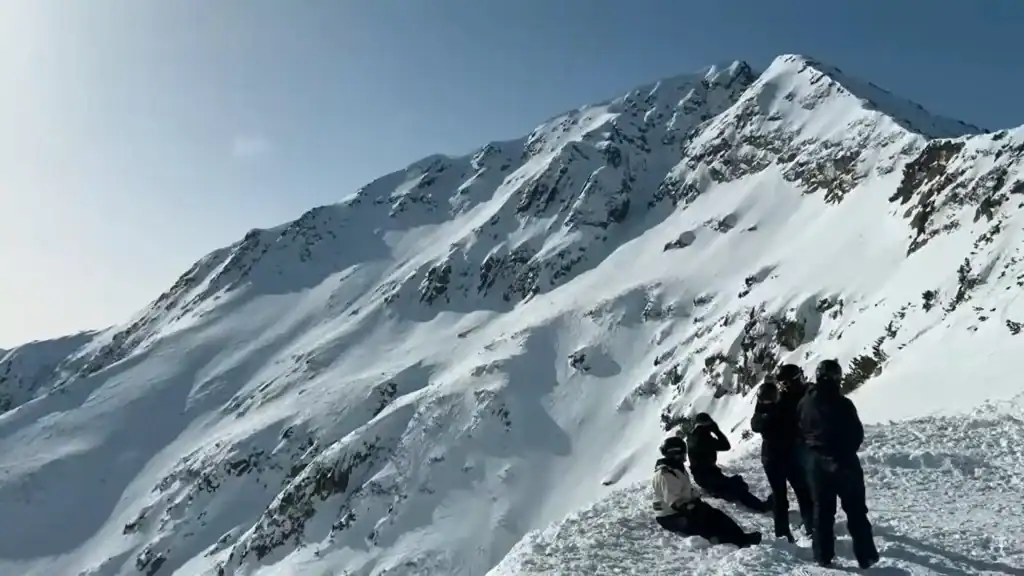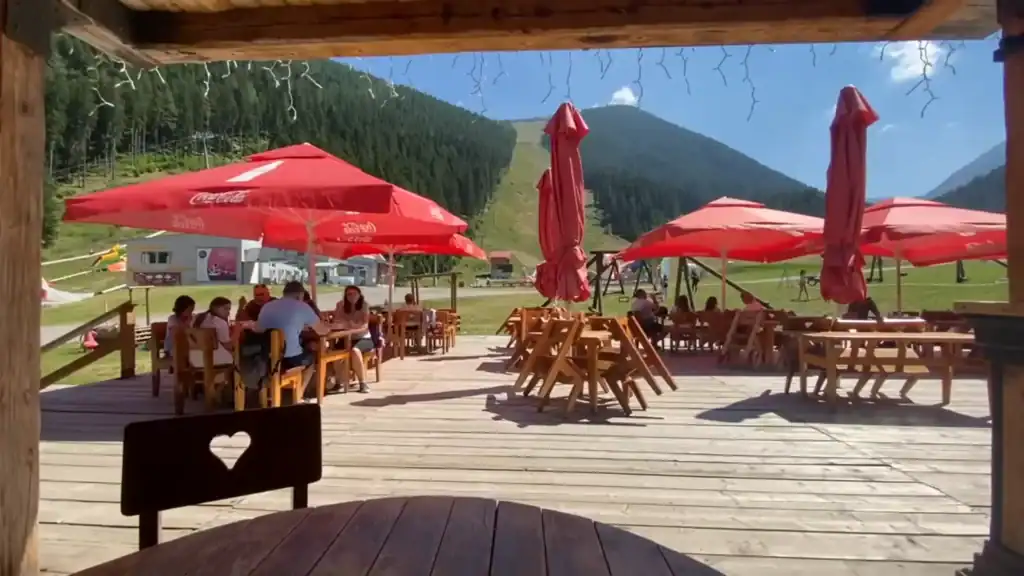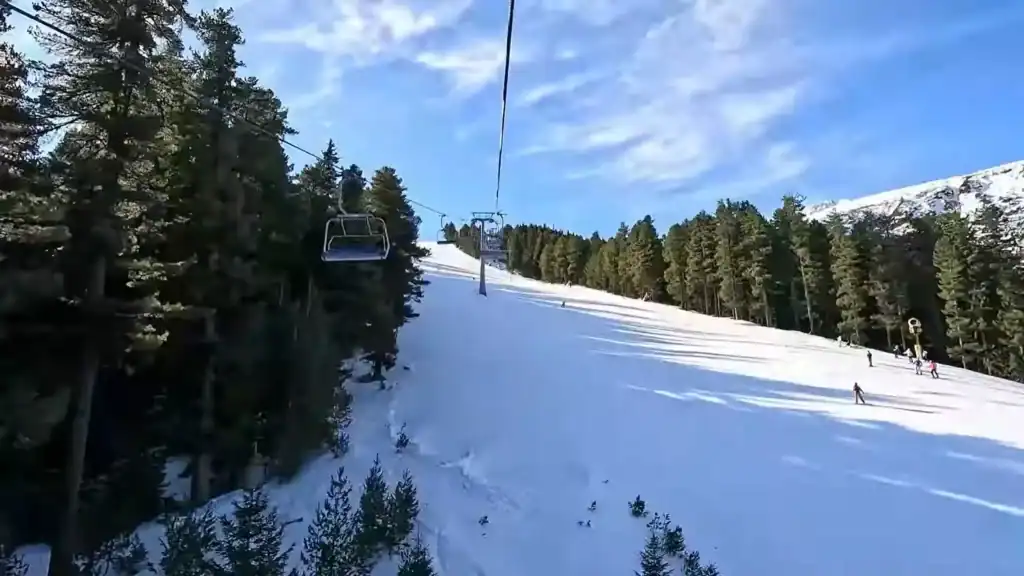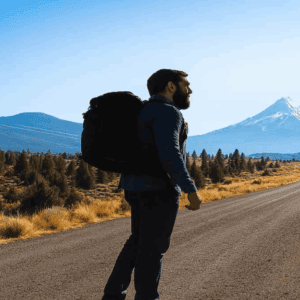


Bansko in summer offers hiking across 100+ trails in Pirin National Park (UNESCO site), mountain biking on 30km of routes, and activities like rafting on Struma River and horseback riding. Temperatures average 22-28°C, with attractions including Vihren Peak (2,914m), Banderitsa waterfalls, medieval Dobrinishte village, plus August’s International Jazz Festival and weekly farmers’ markets, all at 50-70% lower prices than winter season.
👀 Bansko in Summer: At-a-Glance
🏔️ Peak season: December-March (ski), June-September (hiking)
🏪 Open businesses: 40% of restaurants, most hotels, key cafes
👥 Summer crowd: Digital nomads, hikers, Bulgarian families
💰 Accommodation savings: 50-70% cheaper than winter rates
🥾 Hiking access: Pirin National Park lifts run June-September
🌡️ Temperature: 25-30°C valleys, 15-20°C mountains
🎿 Gondola status: Operates for hikers, not skiers

🏔️ The Off-Season Transformation
Bansko in summer looks half-asleep compared to its snowy persona. The gondola still runs. It now carries hikers, not skiers. Expect empty streets in the modern ski zone, but the Old Town retains its charm.
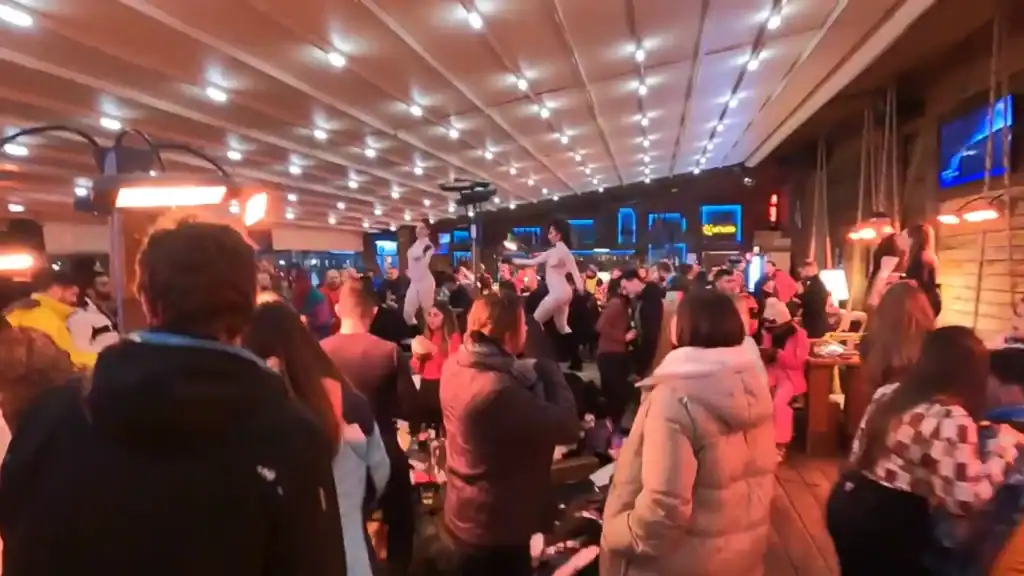
The atmosphere shifts from party-resort energy to quiet mountain retreat. You’ll hear more Bulgarian than English or Russian in July. The mehanas stay open, but après-ski bars shutter until December.
Which Businesses Actually Stay Open in Bansko in Summer
Hotels stay 60-70% full with lower prices. Four-star chains like Kempinski and Lucky Bansko operate year-round. Grocery stores, pharmacies, and ATMs function normally.
Restaurant survival follows a pattern. Old Town spots like Mehana Chevermeto stay busy serving Bulgarian families. Modern ski-zone restaurants often close or operate weekends-only. The ratio flips: 15 restaurants open in summer versus 40+ in ski season.
🥾 Adventure Beyond the Slopes
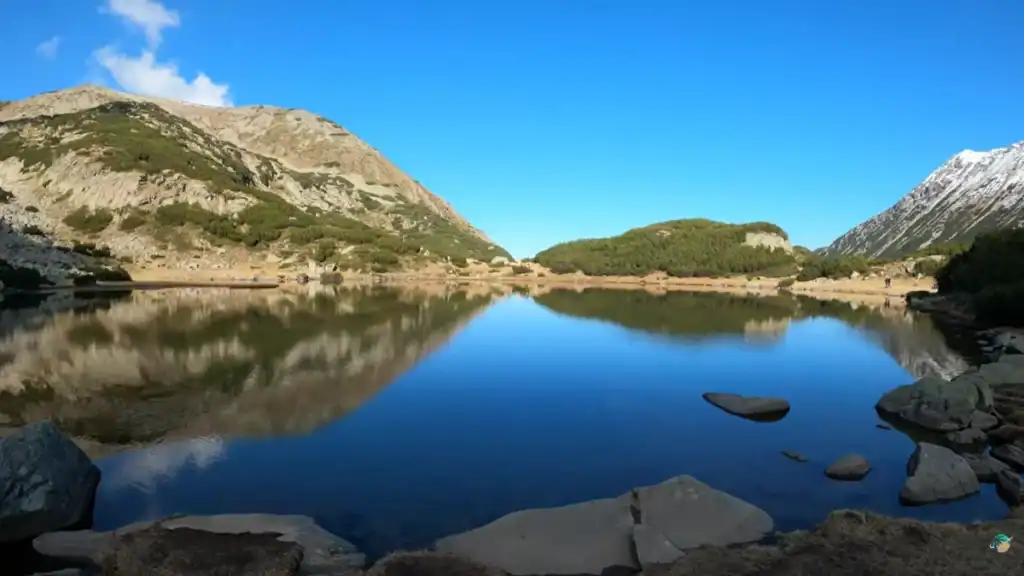
Bansko in summer reveals its original purpose as a gateway to Pirin National Park. The gondola runs daily June through September, saving hikers two hours. Summer rides cost €12 return versus €30 winter lift tickets.
Activities replace skiing with genuine diversity. Hiking dominates, but mountain biking trails open across Pirin’s lower slopes. Rock climbing routes near Bezbog Lake attract intermediate climbers. The Glazne River offers basic rafting for €25-35 per person.
Pirin National Park Access from Bansko in Summer
The gondola drops you at 1,800m. Trails lead to Vihren Peak or Seven Rila Lakes. The Vihren hike takes 6-7 hours return with 1,100m elevation gain – challenging but non-technical.
Trail conditions stay excellent June through September. The park requires €5 entry. Huts like Vihren Hut and Bezbog Hut serve meals and bunks for €8-12 per night. Book ahead for August weekends when Bulgarian hikers fill them.
💻 The Remote Work Reality
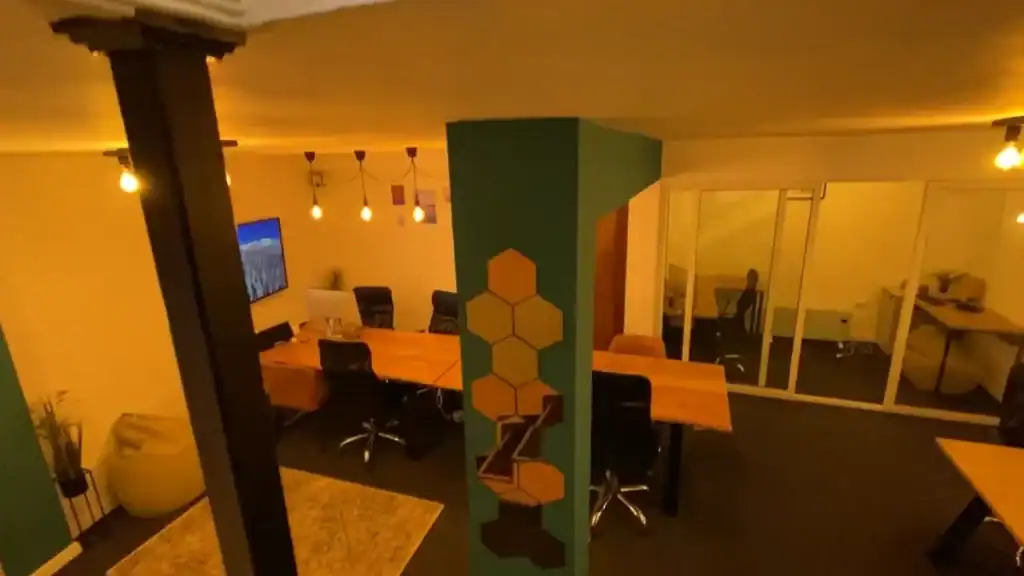
Digital nomads discovered Bansko in summer around 2019. Coworking Bansko costs €99 monthly. Hub by Sporthotel charges €5 daily. Fiber internet reaches 100Mbps in most accommodations.
The demographics surprise first-timers. July brings fewer Russians and Brits, more Bulgarians and remote workers from across Europe. The Old Town fills with Bulgarian families on weekend getaways from Sofia (160km north).
Why Remote Workers Choose Bansko in Summer Over Coastal Towns
Cost wins the argument. One-bedroom apartments cost €200-300 monthly in summer. That’s 60% cheaper than beach towns like Sozopol. The Bansko digital nomad scene runs on €600-800 monthly budgets.
Mountains beat beaches for focus. Coastal Bulgaria gets 35°C heat and tourist chaos. Bansko stays 25-30°C with afternoon mountain breezes. Reliable internet outperforms beach towns where summer crowds strain networks.

🏘️ Location Strategy Matters
Bansko in summer reveals a stark neighborhood divide. The modern Gondola Area feels deserted when lifts stop at 5pm. Hotels discount heavily, but restaurants close and streets empty.
Old Town maintains authentic appeal year-round. Cobblestone streets and family-run mehanas create atmosphere independent of ski season. Stay here for €30-50/night in guesthouses with mountain views.
How Bansko in Summer Changes by Neighborhood
Gondola Area operates on skeleton staff. The Lucky Bansko complex stays open with pools, spa, and restaurants. Surroundings feel vacant – imagine a ski village with 10% occupancy.
Old Town streets buzz with Bulgarian visitors and returning nomads. Mehanas fill for dinner, cafes host laptop workers. The farmer’s market (Thursdays) sells local cheese, honey, and produce. This feels like a functioning town.

✅ The Verdict: Worth It?
Is Bansko worth visiting in summer? It works brilliantly for hikers and digital nomads. It fails for those expecting resort energy. Hikers gain affordable access to Pirin National Park’s 180km of trails.
Problems emerge if you expect diverse nightlife. The party scene disappears with ski season. Activities center on hiking. Beach lovers should stick to the coast – the nearest Black Sea beach is 220km away.
When Bansko in Summer Beats Winter (and When It Doesn’t)
Bansko summer vs winter shows clear winners. Summer wins on cost, authenticity, and hiking access. You’ll pay €200-300 monthly rent versus €50-70 nightly in winter. Pirin National Park offers world-class hiking without crowds.
Final recommendation: Bansko year round attracts different crowds each season. Summer deserves 4-7 days if you hike or work remotely. Budget €30-50 daily including accommodation, food, and gondola. The ski town works in July – just not as a ski town.
For additional Bansko tourist information, check out: Bulgaria Ministry of Tourism