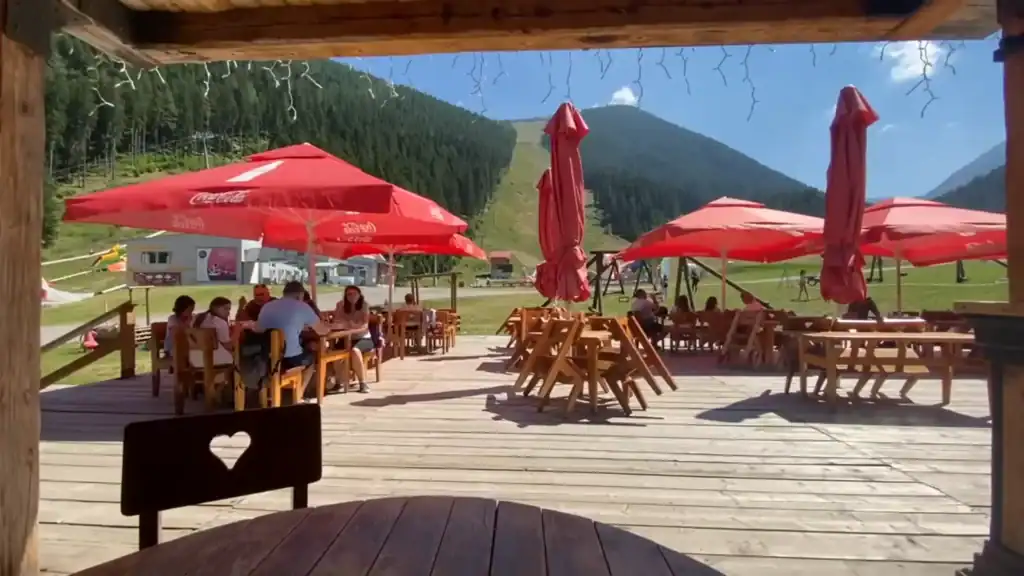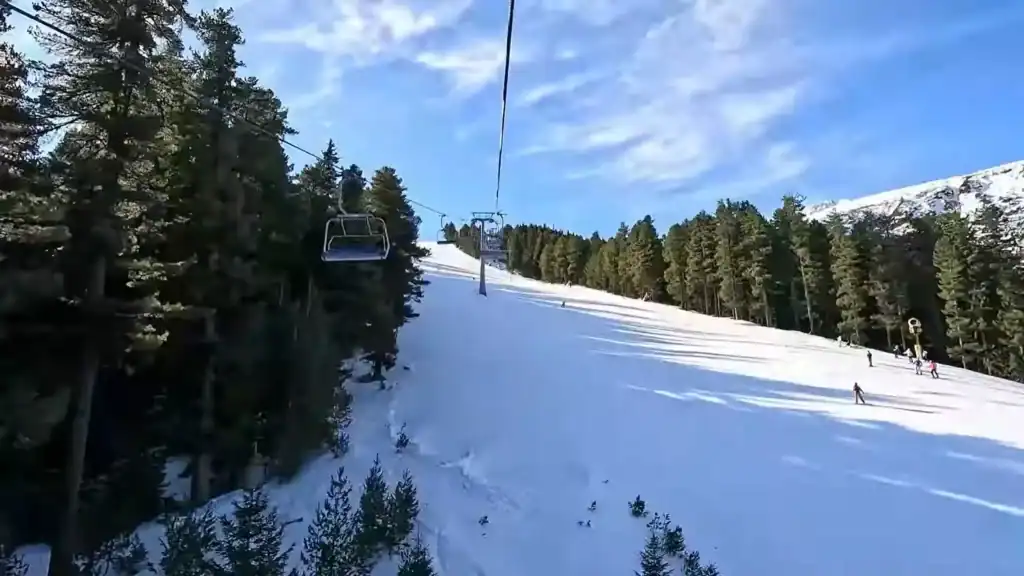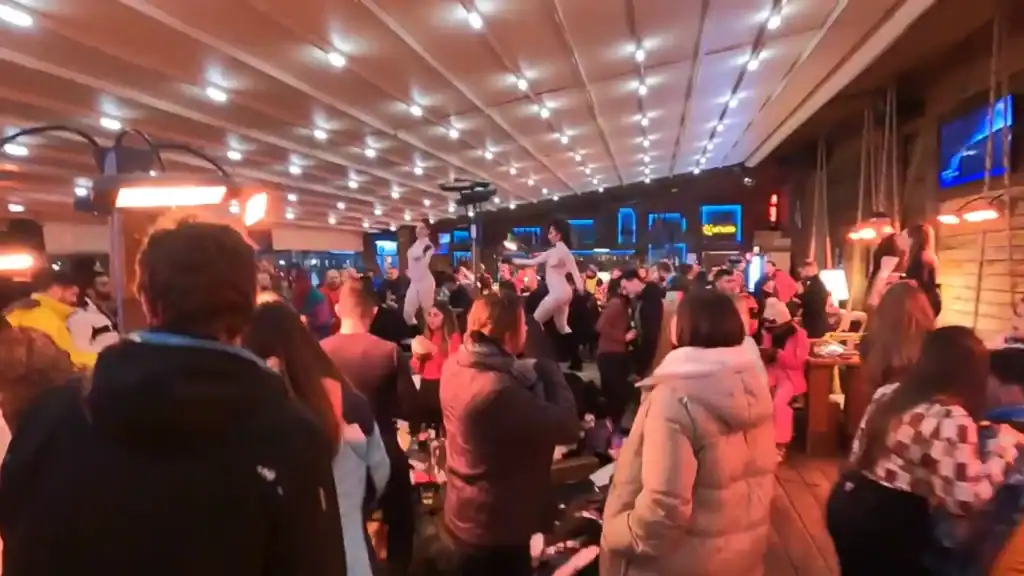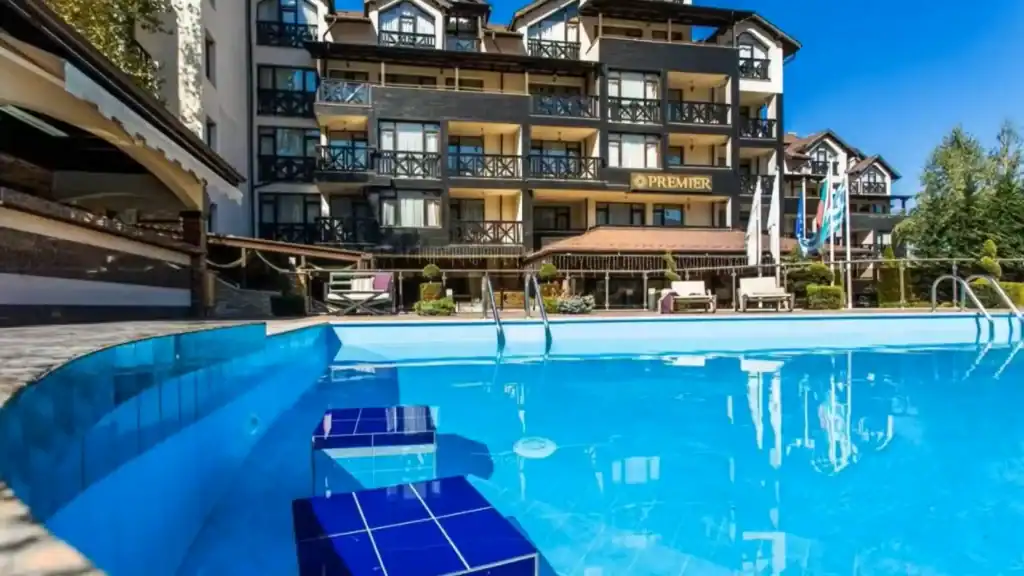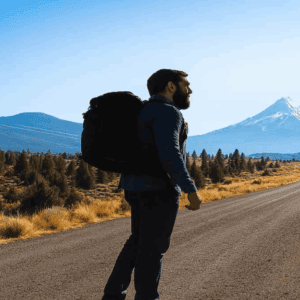

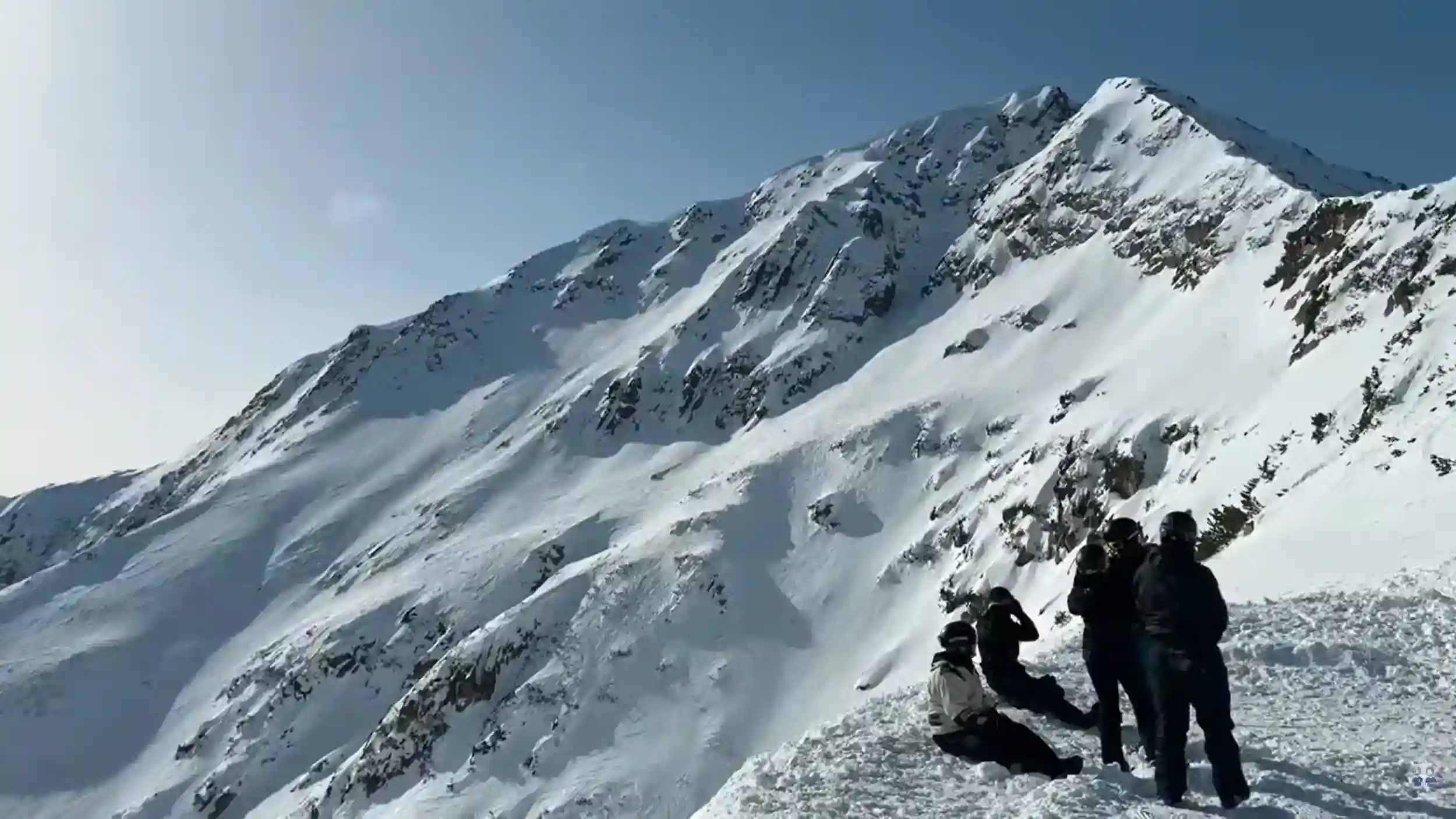
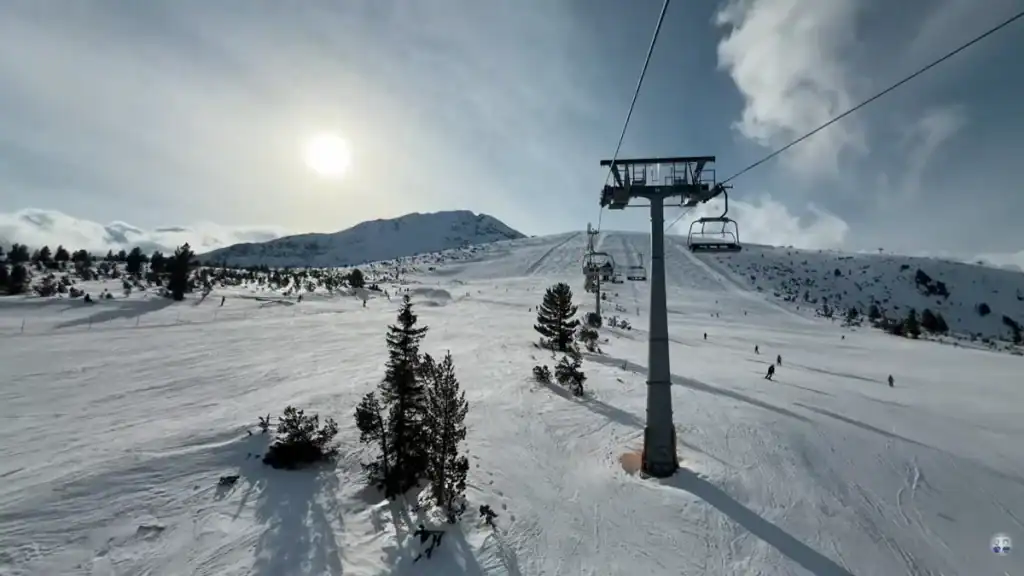
Bansko year round offers winter skiing on 75km of pistes at 925-2,560m elevation (December-April), summer hiking across Pirin National Park’s 100+ trails, Bansko Jazz Festival each August, and coworking spaces like DigitalNomaad at €150 monthly. Temperatures range from -5°C winters to 25°C summers, attracting skiers, hikers, and digital nomads continuously.
👀 Bansko Year Round: At-a-Glance
📅 Operating seasons: Ski (Dec-Mar), hiking (Jun-Sep), shoulder (Apr-May, Oct-Nov)
💼 Business survival rate: 60% operate year-round, 40% seasonal-only
🏨 Accommodation pricing: €50-70/night winter, €25-40 summer, €20-30 shoulder
👤 Visitor shift: International skiers → Bulgarian families → digital nomads → hikers
🚡 Gondola operation: 10 months (closed April, November)
📊 Year-round viability: Works for visitors, challenging for businesses
🎯 Sweet spot: May and September combine low prices with good weather
🏔️ From Ski Resort to Mountain Hub
Bansko year round shows Bulgaria’s €300 million gamble on tourism. The government spent big on gondolas, hotels, and ads. The goal was big: turn a ski resort into a year-round mountain town.
The results are mixed. Winter generates 65% of annual revenue. It lasts only four months. Summer brings hikers and families but at lower prices. Shoulder seasons bring budget travelers wanting empty trails and cheap rooms.
Why Bulgaria Invested Millions in Making Bansko Year Round
Infrastructure sat empty eight months each year. Winter facilities served 15,000 daily visitors. Summer brought only 2,000. This wasted money and stopped returns on investment.
EU funding unlocked the strategy. Bulgaria got €180 million for trails, gondola fixes, and Old Town repairs. The plan worked: longer seasons, fewer crowds, and full use of buildings.
🎯 What Works and What Fails
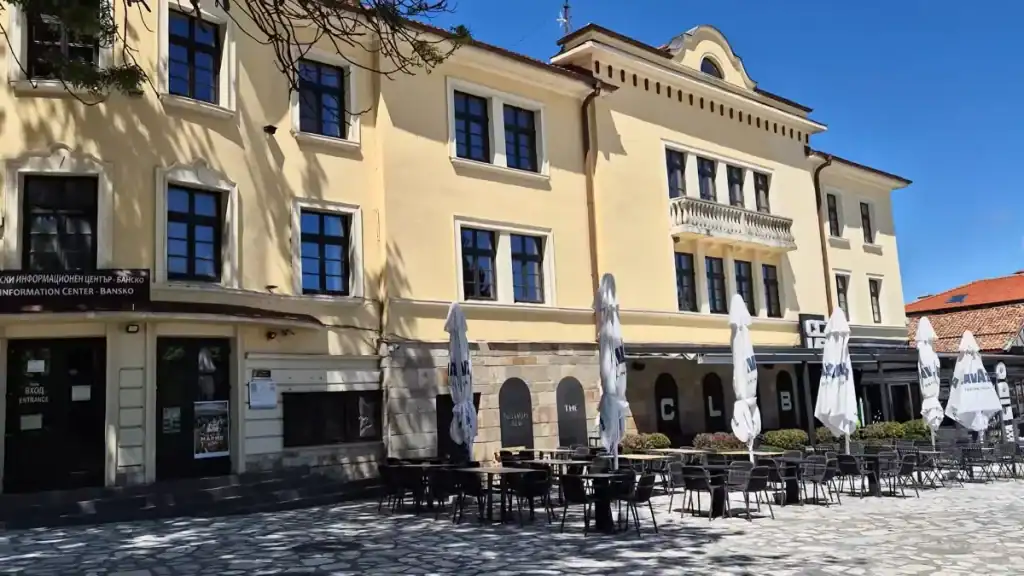
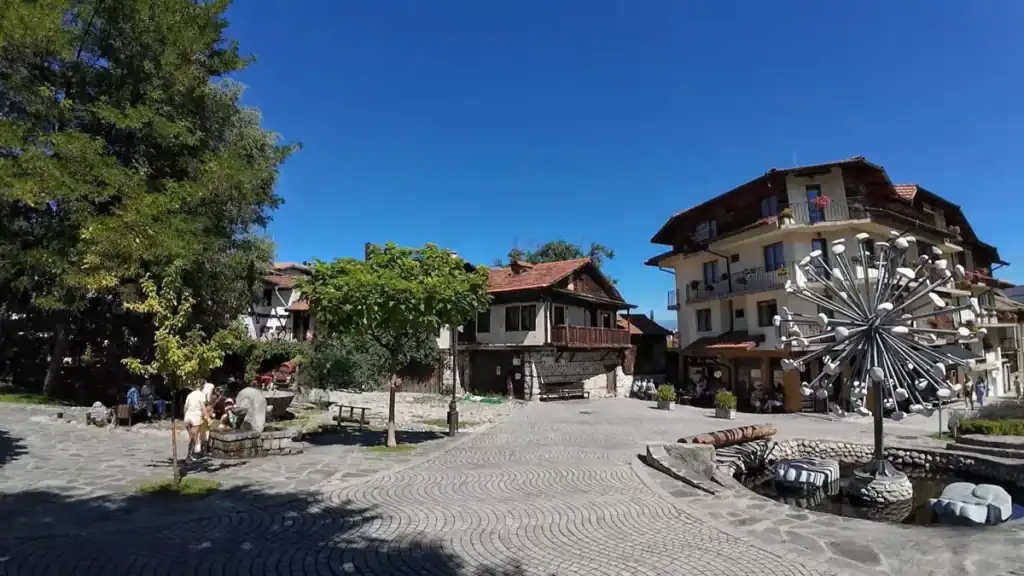
Bansko year round succeeds in Old Town and struggles everywhere else. Traditional mehanas, guesthouses, and cafes stay busy all year. They serve Bulgarian visitors all year, snow or no snow. The Gondola Area works differently.
Big hotels like Lucky Bansko make money with fewer summer guests. They book conference groups, yoga retreats, and weddings. Mid-tier ski hotels close May through November. They can’t afford the losses.
Old Town Success vs Gondola Area Struggles Bansko Year Round
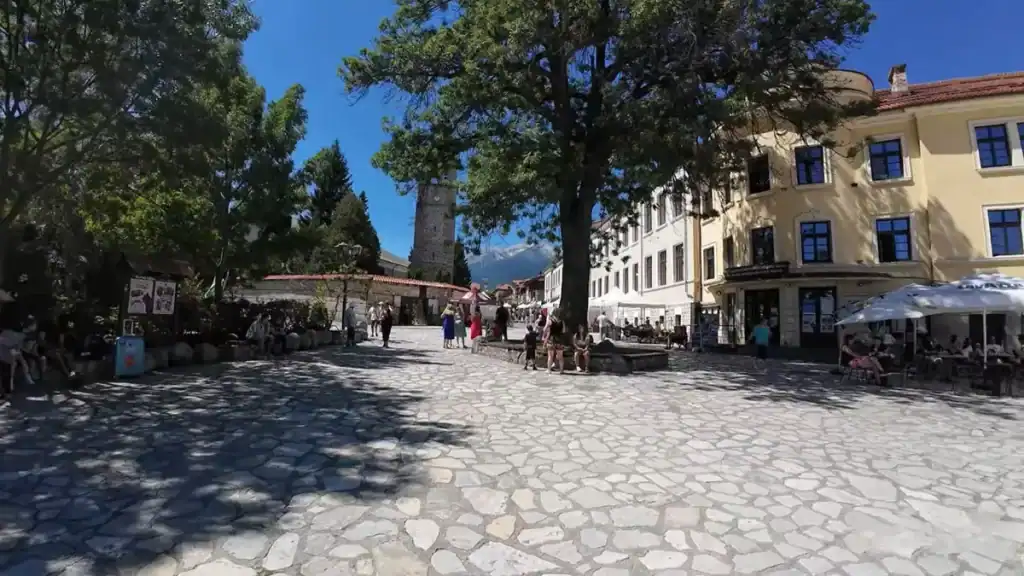
Old Town businesses handle seasonal changes well. Mehana Chevermeto serves the same Bulgarian families whether they’re skiing or hiking. Guesthouses stay 50-60% full in summer. They charge €30-40 nightly. The farmer’s market runs Thursdays regardless of season.
Gondola Area becomes a ghost town outside ski season. Purpose-built ski lodges sit empty. Restaurants close. The Lucky Bansko complex creates an isolated bubble – guests rarely leave the property. Is Bansko worth visiting in the Gondola Area off-season? Only if you want extreme quiet and discounted spa access.
💼 Living the Year Round Lifestyle
Can you visit Bansko year round as a tourist? Yes, but you’ll make trade-offs. Hotels and food are open all year. Internet remains reliable. The problem is closed businesses and changing weather.
The Bansko digital nomad community proves year round living works. Remote workers stay 3-6 months, moving between seasons. They pay €200-400 monthly rent depending on timing. Coworking spaces operate continuously. The town works better for long stays than short trips.
The Bansko Year Round Challenge: Seasonal Business Closures
Restaurant choices drop sharply between seasons. Expect 40+ open in winter, 15-20 in summer, and 8-12 in shoulder months. Your favorite winter spot likely closes May through November. Check current hours. Last year’s schedule means nothing.
Activity companies close without warning. Ski schools obviously close in summer. Mountain bike rentals close in winter. Rafting companies operate June-August only. The gondola closes in April and November for repairs. Bansko in summer works, but requires flexibility and backup plans.
🌤️ The Shoulder Season Secret
Bansko year round reaches peak value in May and September. Weather stays steady at 20-25°C with little rain. Trails stay clear but uncrowded. Hotel prices drop to €20-35 nightly. The town feels just right – not too busy, not too empty.
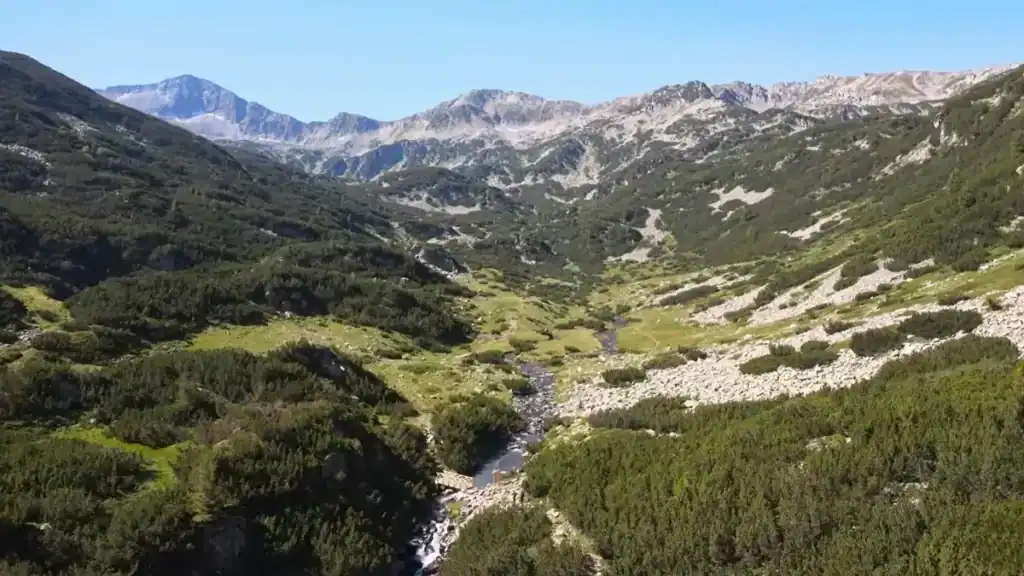
May delivers spring hiking with snow-capped peaks visible from valleys. Wildflowers bloom across Pirin National Park. The gondola opens mid-May after repairs. You’ll share trails with a few dozen hikers, not hundreds.
May and September Benefits for Bansko Year Round Visitors
September combines summer weather with autumn pricing. Trails stay open until late September. Bansko summer vs winter pricing shows September matching July for activities but beating it 20-30% on accommodation. The Bansko Nomad Fest happens early September, bringing networking opportunities.
Both months avoid extreme temperatures. Winter hits -10°C to -5°C regularly. Summer peaks at 30-35°C in valleys. Shoulder seasons offer good weather for hiking without the risk. Rain drops to 15-20%. Summer sees 40%.
For additional Bansko tourist information, check out: Bulgaria Ministry of Tourism
🎯 One Season or Multiple?
Should you plan a Bansko year round trip or focus on one season? The answer depends on your goals. Skiers gain nothing from summer visits – pick December through March. Hikers should stick to June through September when all trails open.
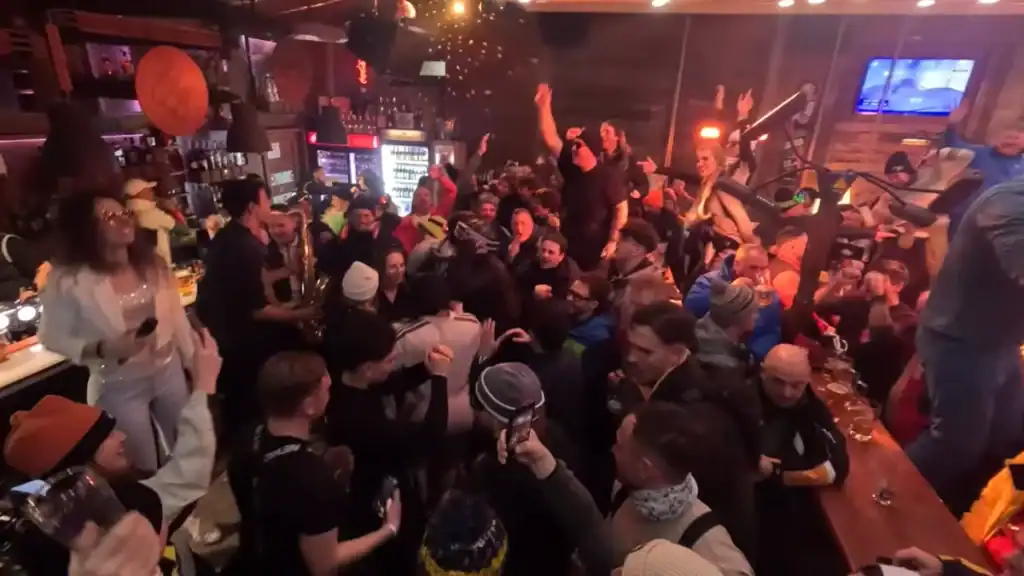
Multi-season visits work for some people. Digital nomads benefit from experiencing winter community energy and summer focus periods. Photographers capture dramatically different landscapes. Budget travelers can check prices and plan longer trips later.
Making the Most of Bansko Year Round Without Missing the Best Parts
Smart planning helps you see more of Bansko. Visit shoulder season first (May or September) to assess infrastructure and pricing. Return for your preferred activity season – winter for skiing, summer for hiking. This costs less than winter trips and shows the town’s true nature.
Avoid visiting between seasons (April, November) unless you’re a long-term resident unbothered by closures. These months offer the lowest prices (€15-25/night) but few activities. The gondola closes, trails get muddy, and restaurants operate on skeleton schedules.
Final recommendation: Bansko year round works best experienced across two seasons minimum. Mix cheap shoulder seasons with busy peak seasons. Budget €800-1,200 total for a two-week split trip (one week shoulder, one week peak). One-season visitors miss the big changes that make Bansko special.