
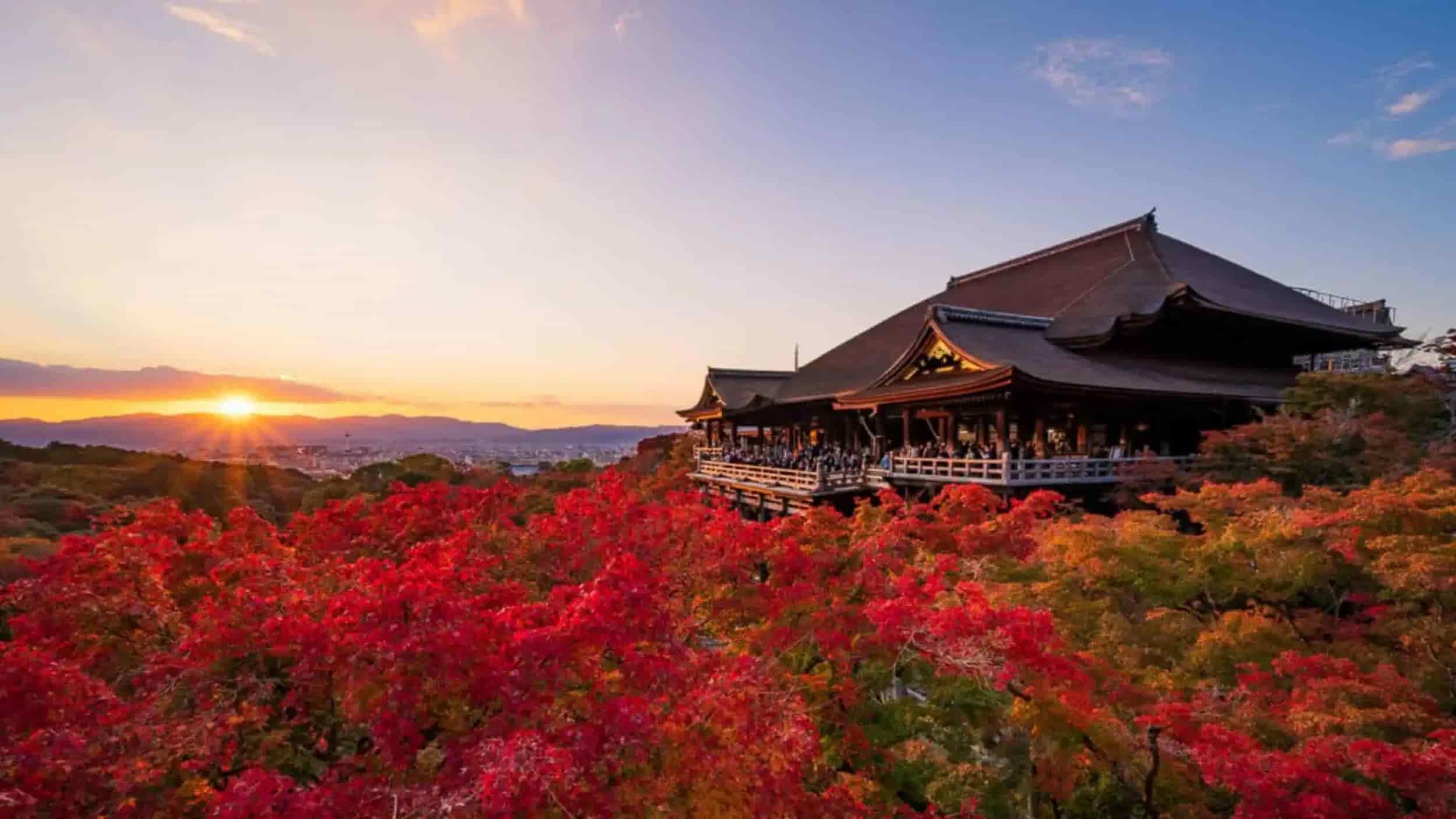
Best cities in Japan include Tokyo (population 14 million, 13,000+ restaurants), Kyoto (2,000+ temples and shrines, 17 UNESCO sites), Osaka (3.7 million residents, street food capital), Hiroshima (Peace Memorial Park, 1945 heritage), Kanazawa (Kenrokuen Garden ranked top-3 nationally), Nara (1,200+ wild deer, 8th-century temples), and Sapporo (annual Snow Festival attracting 2 million visitors), offering combinations of modern innovation and ancient cultural traditions.
👀 At a Glance: Best Cities in Japan
🏙️ Major cities: Tokyo (capital), Osaka (food paradise), Kyoto (cultural heart)
🌸 Best time: Spring (cherry blossoms) or autumn (fall colours)
🚄 Getting around: Japan Rail Pass (buy before arrival)
💰 Budget: ¥8,000-15,000 per day
📱 Must-have: Translation app and IC card
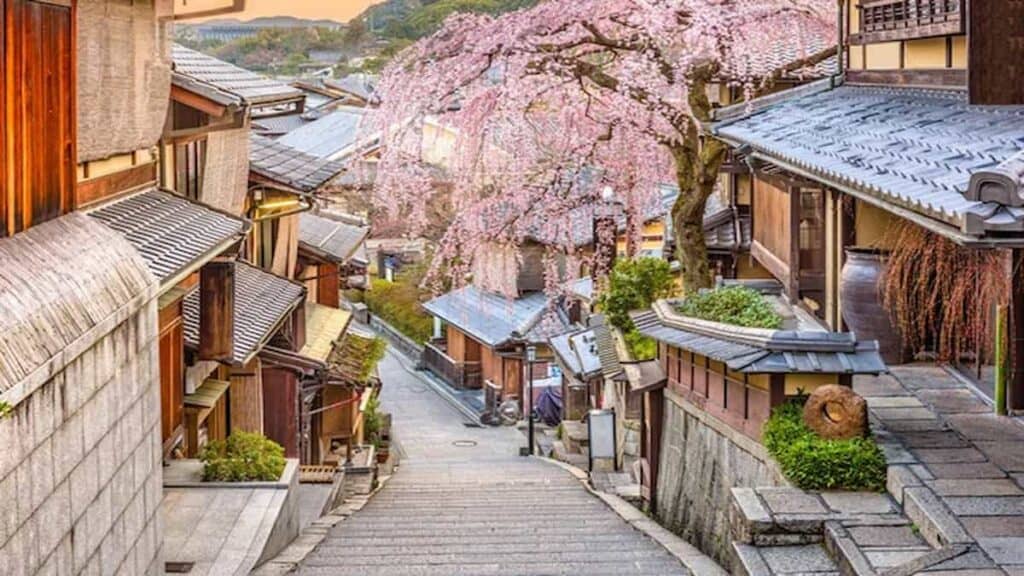
🏛️ Kyoto: Best Places to Visit in Japan’s Cultural Heart
Walking through Kyoto feels like stepping into a living fairytale – I’m getting goosebumps just thinking about it! Having served as Imperial Japan’s capital city for over a millenniu , this incredible city preserves Japanese culture in ways that’ll make you question everything you thought you knew about travel.
Here’s what the guidebooks won’t tell you: visit during spring (late March to early April) or autumn (November) when the city transforms into something so magical it almost doesn’t seem real. You’re going to love the cherry blossom displays and vibrant fall foliage that literally took my breath away.
Temple and Shrine Exploration in Japan’s Cultural Capital
Don’t make the mistake most tourists make by rushing through this place! Temple enthusiasts should absolutely allocate at least three full days to explore Kyoto’s mind-blowing collection of 2,000+ temples and shrines that showcase centuries of architectural brilliance and spiritual heritage.
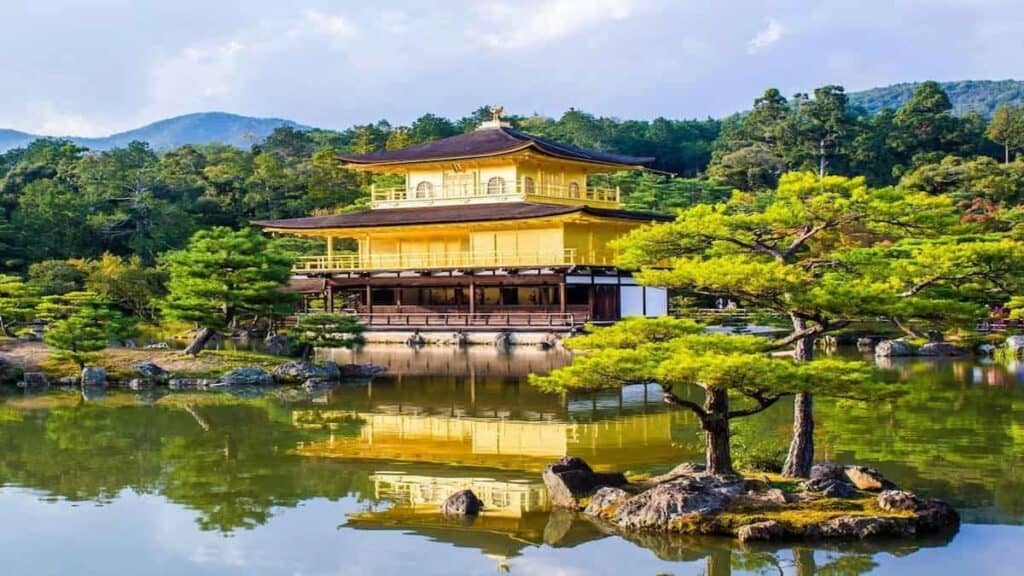
I discovered something incredible at Kinkaku-ji (Golden Pavilion) that changed everything – if you arrive right when it opens at 9 am, you’ll have this magical place practically to yourself. The Kyoto Official Travel Guide provides current temple schedules and seasonal information for planning your perfect visit to this historic site.
Picture this: its gold-leaf exterior reflecting in the surrounding pond like something straight out of a dream. I can’t tell you how many times I’ve stood there in complete awe, watching the morning light dance across those ancient walls.
No Kyoto visit would be complete without experiencing the iconic Fushimi Inari-taisha shrine. Thousands of vermilion torii gates create the most stunning pathway you’ll ever walk through, winding up the mountainside like a crimson ribbon.
Unlike most attractions, this shrine remains open 24 hours, but here’s my insider tip: visit around 7 am or after 6 pm. This timing helps you avoid that midday tourist surge and gives you a genuinely contemplative experience as you ascend.
Traditional Experiences in the Ancient Capital
Traditional experiences abound throughout this ancient capital city, and you’re going to love every minute of it. The Gion district offers authentic glimpses of geisha culture that most tourists completely miss due to poor timing or lack of local knowledge.
Remember to be respectful if you spot these incredible cultural artisans – they’re not performers, they’re living treasures carrying forward centuries of tradition. Photography requires permission, and maintaining appropriate distance shows respect for their important work.
Try a hands-on tea ceremony workshop at Camellia Tea Ceremony where skilled instructors guide you through this refined art form. These sessions typically last about 45 minutes and provide cultural insights that guidebooks simply can’t match through written descriptions alone.
✨ EXCLUSIVE Kyoto Experience: Private temple meditation at Shunko-in Temple (contact: [email protected]). For ¥3,000 per person, an English-speaking monk provides personal meditation instruction in a 400-year-old temple. 6 AM morning sessions available for the ultimate spiritual experience away from crowds.
🏙️ Tokyo: Popular Cities in Japan for Urban Adventures
Arriving in Tokyo feels like entering a completely different universe – and I absolutely mean that! This sprawling metropolis serves as Japan’s vibrant capital city, having evolved from humble beginnings as a fishing village into the largest city in Japan and one of the most exciting cities in the world.
Here’s an insider secret I learned after my fifth visit: Tokyo rewards early risers like nowhere else on earth. Do yourself a favour and reach Meiji Shrine around 7:30 am – you’ll experience its serene gardens in peaceful silence that most tourists never get to witness.
Neighborhoods and Places to Visit in Tokyo
The city’s neighborhoods each tell completely unique stories, and you’ll want to explore them all during your adventures. Wander through Asakusa to discover the magnificent Sensō-ji Temple, dating back to 645 AD and absolutely dripping with history that connects you directly to ancient Japan.
I suggest visiting in the early evening around 5 pm when the five-story pagoda becomes illuminated, creating magical atmosphere that’s distinctly different from the daytime experience you’ll find anywhere else in this incredible capital.
Food enthusiasts will find absolute paradise in Tokyo’s culinary landscape – trust me, this place will ruin you for food everywhere else! With the highest concentration of Michelin stars globally, this incredible city offers everything from mind-blowing sushi experiences to humble street food vendors.
Here’s what locals know: Tsukiji Outer Market remains one of my favourite morning destinations – arrive by 9 am to sample the freshest seafood imaginable. Watch skilled chefs prepare traditional dishes with remarkable precision while you savour authentic flavours that define Japanese culinary excellence.
The Official Tokyo Tourism Board confirms market times and vendor information for authentic culinary experiences. Access comprehensive planning through Tokyo Convention & Visitors Bureau and Visit Japan Web for verified attractions, seasonal recommendations, and accommodation booking assistance.
🐟 INSIDER Access: Tsukiji Fish Auction viewing (4 AM slots, register in advance). Limited to 120 people daily – arrive at 3:30 AM for queue. Bring warm clothes; it’s freezing inside but absolutely magical to witness the world’s largest fish market in action.
Tokyo’s Electrifying Nightlife Scene
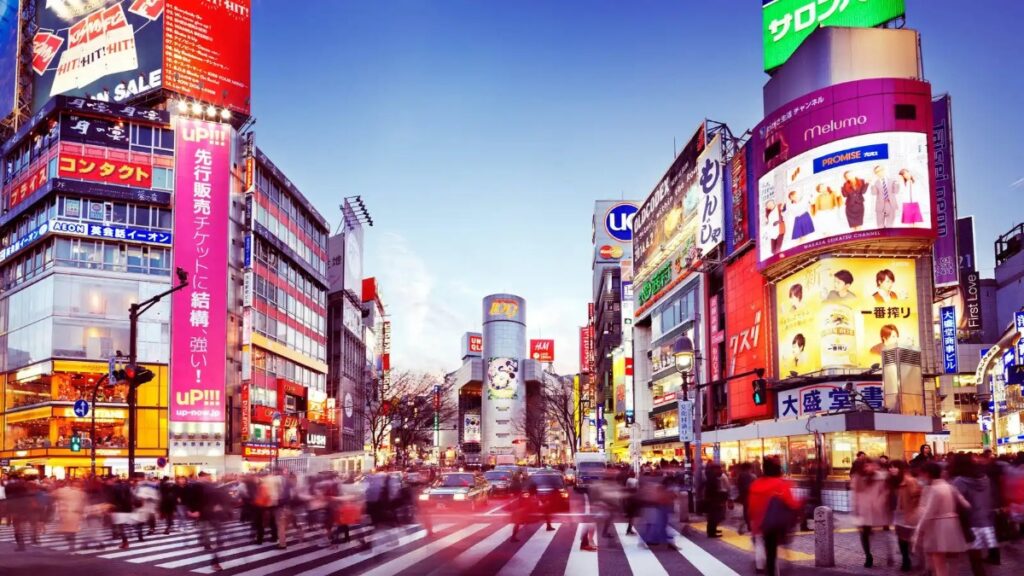
When night falls, Tokyo transforms yet again into something absolutely spectacular. The Shibuya and Shinjuku areas light up with bright colourful signs and countless places for nightlife that’ll keep you entertained until dawn breaks over the sprawling cityscape.
Consider taking the lift to the free observation deck at the Tokyo Metropolitan Government Building around sunset (typically 5-6 pm). Enjoy breathtaking views across the city as it transitions from day to night in this mesmerising urban ballet.
🥋 SUMO Secret: Free practice viewing in Ryogoku area (6 AM morning sessions). Completely free – just maintain respectful silence. Best times: February-March and September when tournaments aren’t running.
Living in Tokyo or just visiting, you’ll quickly understand why this capital of Japan captivates millions. Tokyo Bay stretches endlessly before you, while iconic landmarks like Tokyo Tower and Tokyo Skytree pierce the skyline like modern-day monuments to human achievement.
🚨 TOKYO Emergency Essentials: Tourist Hotline: 050-3816-2787 (24/7 English support) Police: 110 (say “Kokusai denwa onegaishimasu” for English)
Medical: 119 (ambulance/fire) Key phrases: “Tasukete kudasai” (Help me), “Michi ni mayoimashita” (I’m lost)
TOKYO Emergency services provide 24/7 support for international visitors throughout the metropolitan area. Access help through Japan National Tourism Organization Hotline and Tokyo Metropolitan Government for emergency procedures, medical facilities, and multilingual support services.
🍜 Osaka: Food in Japan’s Ultimate Destination
Food defines Osaka’s identity in ways that’ll absolutely revolutionise how you think about Japanese cuisine. I can’t tell you how excited I get talking about this place! Known affectionately as “Japan’s kitchen,” this incredible mercantile hub embraces a philosophy locals call “kuidaore” – eating until you’re nearly bankrupt.
I recommend dedicating entire evenings to exploring the Dotonbori district, where food stalls and restaurants line the canal. This creates the most incredible food scene you’ll experience in Japan, with neon signs reflecting off the water while incredible aromas fill the air.
The Osaka Convention & Tourism Bureau provides updated restaurant recommendations and cultural event schedules for visitors planning their perfect culinary adventure. Picture this: it’s pure sensory overload in the best possible way, with sounds, smells, and sights that assault your senses in the most delightful manner imaginable.
Osaka Castle and Historic Places in Japan
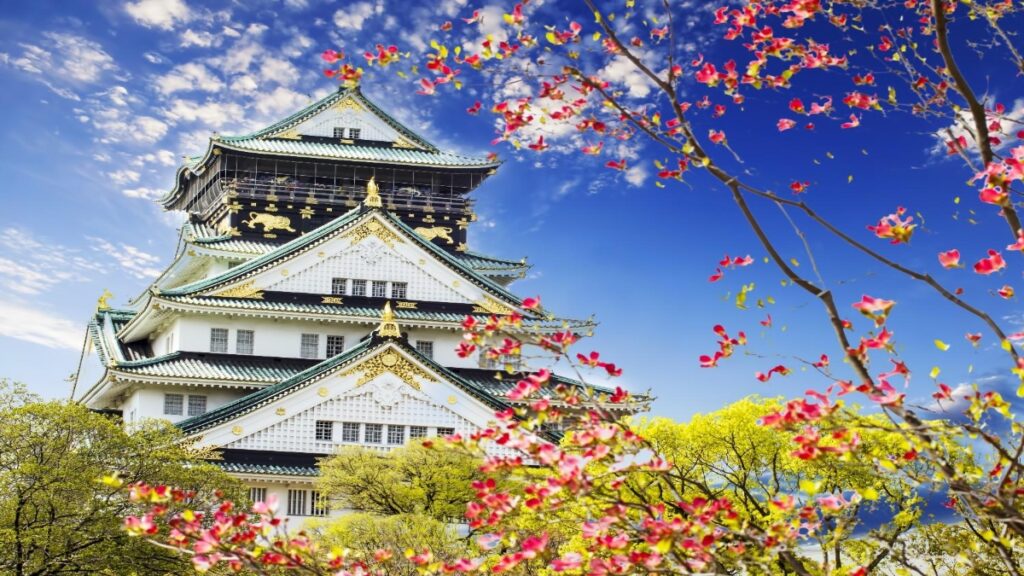
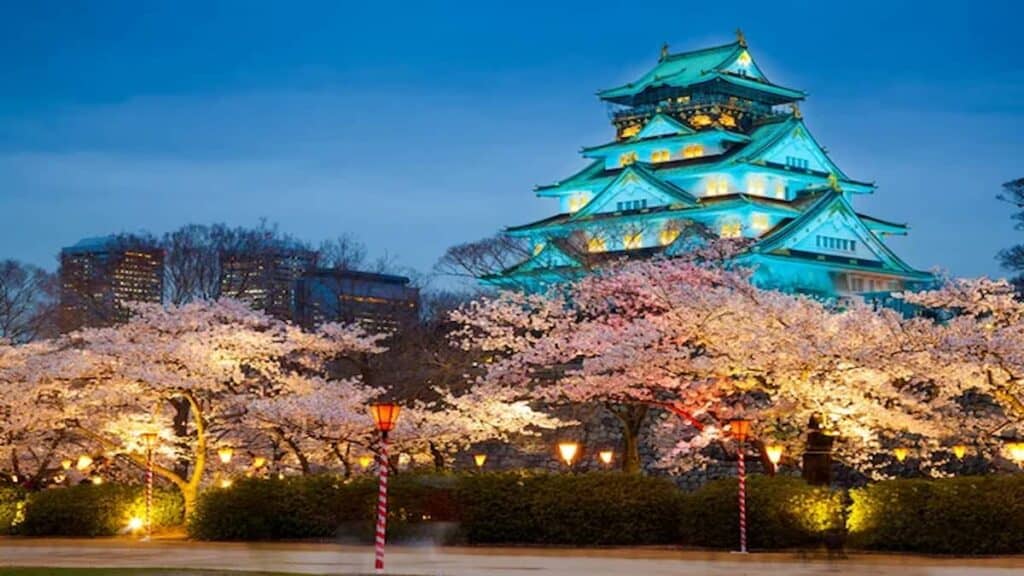
The iconic Osaka Castle deserves at least a half-day visit, and here’s why you’ll love exploring this magnificent fortress. Arriving around 9 am helps you beat the crowds while giving you ample time to explore both the impressive castle and its surrounding park grounds.
During cherry blossom season, typically early April, the castle grounds transform into one of Japan’s most picturesque settings that’ll make your heart skip a beat with pure wonder. The contrast between ancient architecture and delicate pink blooms creates photography opportunities you’ll treasure forever.
Culinary Adventures and Street Food in Japan’s Kitchen
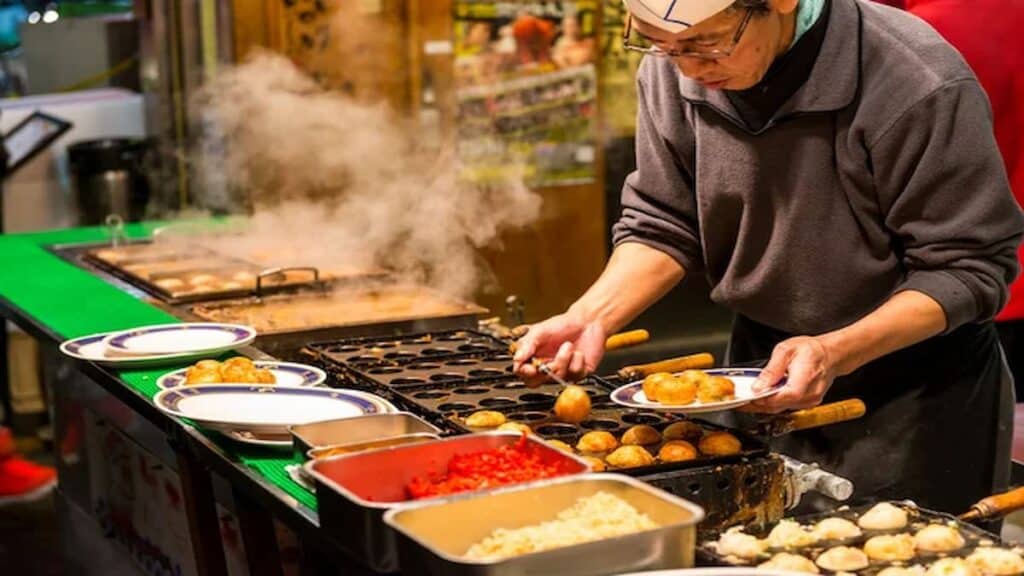
Culinary adventurers should absolutely seek out Osaka’s signature dishes that define this incredible city’s authentic character. Takoyaki (octopus-filled batter balls) from Abeno Takoyaki Yamachan and okonomiyaki (savoury pancakes) at Mizuno showcase authentic regional flavours you simply can’t find elsewhere in Japan.
I’ve found that visiting these establishments between 2-5 pm helps you avoid the longest queues that form during peak dining hours when locals finish work. This timing also allows you to experience the relaxed afternoon atmosphere before the evening rush begins.
Night owls will absolutely appreciate Osaka’s lively after-dark personality that’s completely different from anywhere else in Japan. Unlike Tokyo’s polished nightlife, Osaka gives you a more authentic and casual experience that feels genuinely local and unpretentious throughout every district.
The Shinsekai district delivers atmospheric glimpses into retro Japan, with illuminated streets best explored after 7 pm when local eateries fill with working-class residents. This neighbourhood showcases authentic Japanese working culture through its food, atmosphere, and genuine community interactions.
🕊️ Hiroshima: Peace Memorial and Island Beauty
History and beauty coexist remarkably in Hiroshima, creating experiences that’ll move you in ways you never expected. While many associate this city solely with the 1945 atomic bombing, today’s Hiroshima stands as the most powerful testament to human resilience I’ve ever witnessed.
The Peace Memorial Park opens at 8:30 am, and I absolutely recommend arriving early to fully absorb its profound significance. The Hiroshima Peace Memorial Museum provides essential context for understanding this site’s importance, with exhibits that’ll change your perspective on peace forever.
You know that feeling when a place changes you forever? That’s what happened to me at Peace Memorial Park, and I guarantee it’ll happen to you too. The memorial’s quiet dignity speaks volumes about humanity’s capacity for both destruction and renewal.
Miyajima Island Day Trip Adventure
Beyond the memorials, Hiroshima offers surprising delights that most visitors completely miss during their brief stays. The local specialty, Hiroshima-style okonomiyaki, features layers of ingredients rather than the mixed style found in Osaka, creating distinct flavours that showcase the region’s unique culinary pride.
Okonomimura houses dozens of stalls preparing this dish, creating friendly competitive atmosphere that keeps quality exceptionally high. Each vendor has perfected their unique approach over decades, resulting in subtle variations that food enthusiasts will absolutely appreciate.
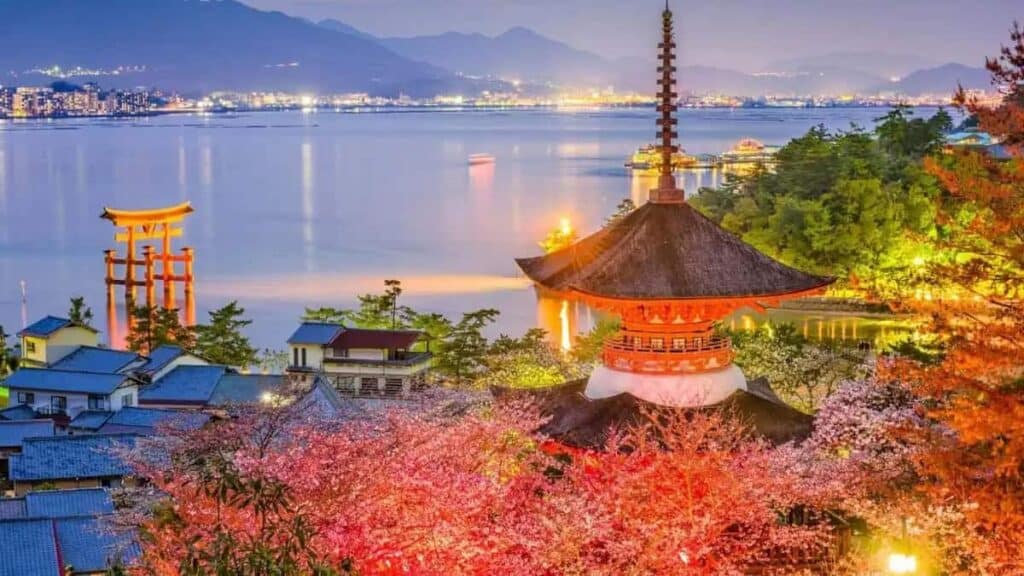
A quick boat trip from the city takes you to Miyajima Island, home to one of Japan’s most photographed sights in the entire country. Here stands the famous “floating” torii gate of Itsukushima Shrine that’ll absolutely take your breath away with its ethereal beauty and spiritual significance.
Time your visit according to tides for completely different experiences – high tide creates the magical floating effect, while low tide allows you to walk right up. Check local tide schedules before your visit to plan accordingly for your preferred viewing experience.
🌸 More Cities to Visit in Japan: Hidden Gems and Popular Destinations
Fukuoka: Gateway to Southern Japan and Kyushu
Southern Japan offers incredible experiences beyond the traditional Golden Route, and Fukuoka serves as the perfect gateway to the island of Kyushu. This vibrant city combines modern urban energy with easy access to hot springs, volcanic landscapes, and some of Japan’s best ramen.
Fukuoka’s food scene rivals even Osaka with its famous tonkotsu ramen that locals have perfected over generations, creating rich, creamy broths that’ll ruin you for noodles everywhere else. The city’s yatai (food cart) culture provides authentic street food experiences you simply won’t find in larger cities.
Yokohama: Day Trip from Tokyo Bay
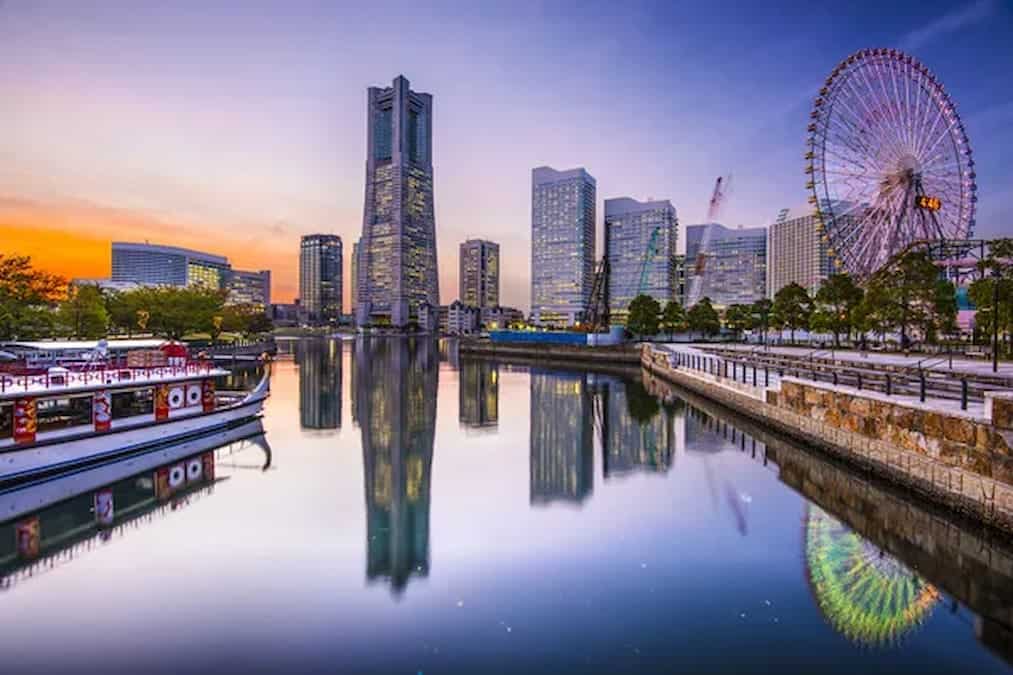
Just south of Tokyo, Yokohama offers a perfect day trip from the capital while providing completely different coastal vibes and international atmosphere. This port city features beautiful waterfront areas, historic Chinese quarters, and modern attractions like Cosmo World that create perfect contrast.
I recommend combining Yokohama with a Tokyo visit since it’s easily accessible and offers stunning views across Tokyo Bay that most tourists never experience during their Japan adventures. The international flair here provides a fascinating glimpse into Japan’s global connections and rich maritime heritage.
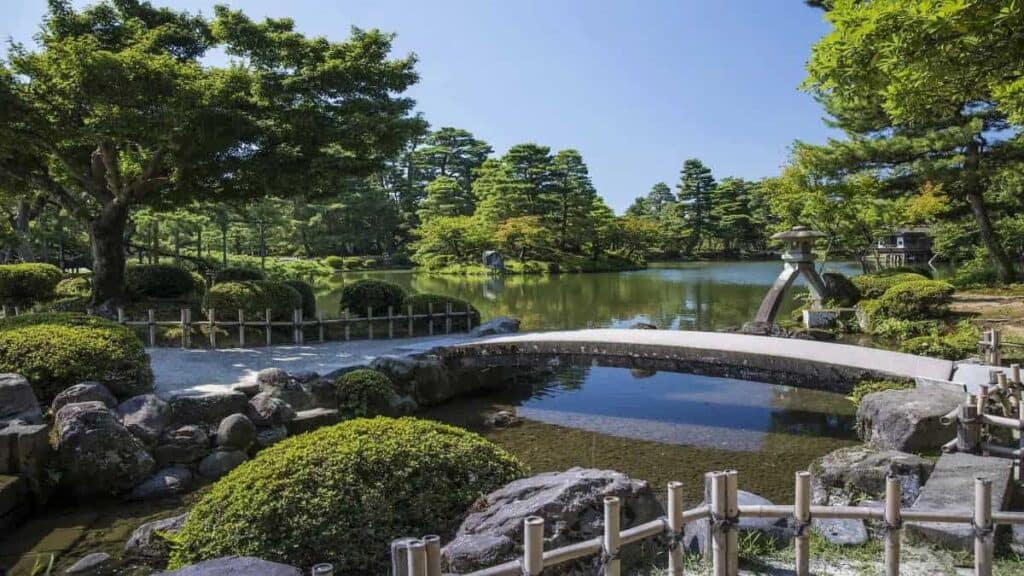
🏮 Kanazawa: Edo Period Atmosphere Preserved
Few places preserve Japan’s Edo period (1603-1868) atmosphere as beautifully as Kanazawa, and you’re going to fall in love with this place. Located on the Sea of Japan coast, this cultural jewel escaped bombing during World War II, leaving its historical districts remarkably intact.
I suggest starting your exploration at Kenroku-en Garden when it opens at 7 am, particularly during seasonal changes when morning light enhances its incredible beauty. This garden ranks among Japan’s three most beautiful landscapes, showcasing perfect harmony between human design and natural elements.
Samurai Heritage and Golden Traditions
The city’s Nagamachi district transports visitors straight back to the era of samurai with its perfectly preserved residences and authentic historical atmosphere. The Nomura Samurai House opens at 9:30 am and showcases exactly how these warriors lived, complete with traditional gardens and architectural details that have survived for centuries.
Artistic traditions thrive throughout Kanazawa, particularly in gold leaf production – 99% of Japan’s gold leaf comes from this amazing city. Visit the Hakukokan Gold Leaf Museum to learn about this incredible craft before shopping for unique souvenirs incorporating this delicate material.
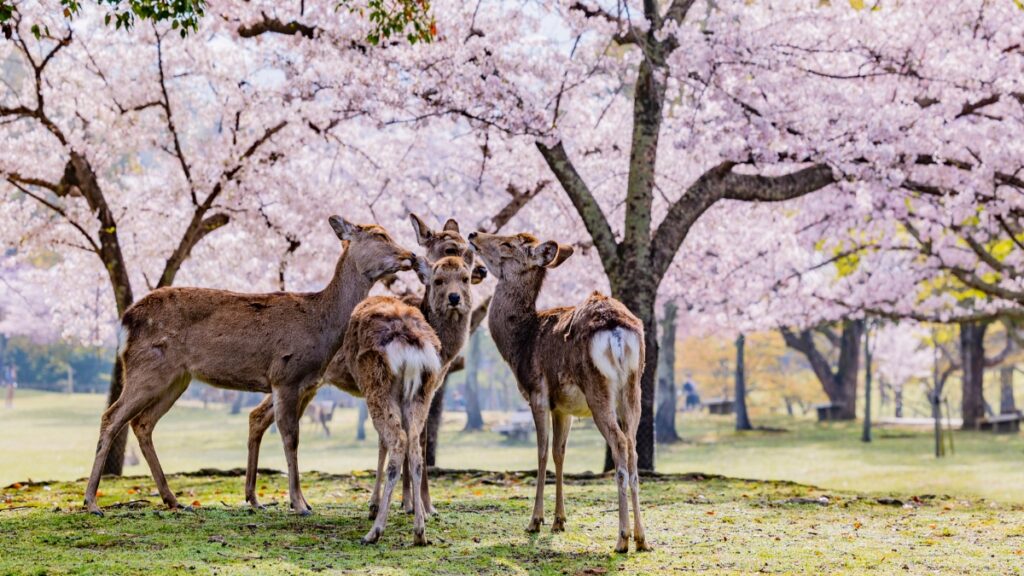
🦌 Nara: Ancient Capital and UNESCO World Heritage Sites
Japan’s first capital city features extraordinary UNESCO World Heritage Sites showcasing the country’s ancient heritage beautifully. Verify site status through UNESCO World Heritage Centre and Nara Prefecture Tourism for opening hours, guided tours, and cultural preservation information.
The city is easily accessible as a day trip from Kyoto (just 45 minutes by train) or Osaka (about 30 minutes), though I recommend staying overnight. This allows you to experience peaceful atmosphere after day-trippers depart and the sacred sites return to their contemplative quiet.
Todai-ji Temple and Nara Park: Great Buddha and Buddhist Temples
The amazing Tōdai-ji holds Japan’s biggest bronze Great Buddha inside what remains the largest wooden building on earth – seriously impressive! This temple complex opens at 8 am, and arriving within the first hour provides a more contemplative experience before tour buses arrive with their crowds.
The scale of both the building and the Buddha figure creates absolutely unforgettable impressions that connect you directly to Japan’s Buddhist temples heritage and ancient spiritual traditions. Standing before this massive statue, you’ll understand why pilgrims have journeyed here for over a millennium to experience its profound spiritual presence.
Tame deer roam freely throughout Nara Park, creating charming interactions that’ll make you smile for days after your visit. These animals are considered sacred messengers of the gods, and special crackers for feeding them are sold throughout the park grounds.
Morning visits around 8-9 am or evening visits after 4 pm offer the best opportunities for peaceful deer encounters when animals aren’t overwhelmed by midday crowds. The deer are remarkably gentle and accustomed to human interaction, creating magical moments for visitors of all ages.
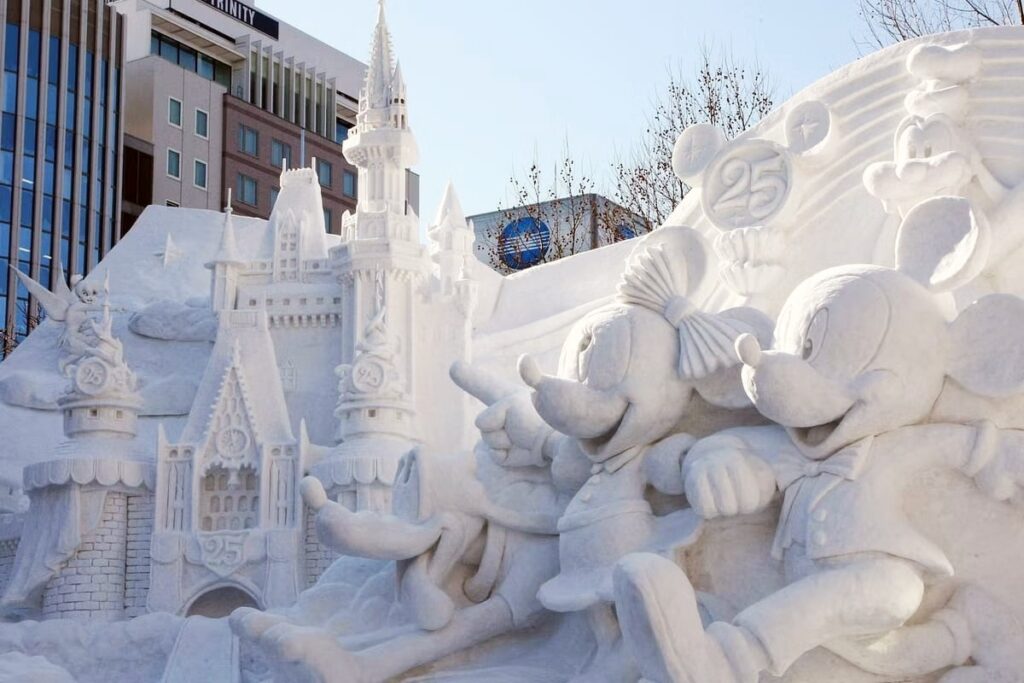
❄️ Sapporo: Winter Sports and Hokkaido’s Capital City
Northern Japan’s largest city offers a completely different atmosphere from its southern counterparts, and you’ll love this refreshing change of pace that defines the region. As the capital of Hokkaido, Sapporo combines urban comforts with easy access to some of Japan’s most spectacular natural landscapes and world-class winter sports facilities.
Winter visitors between late January and early February can experience the famous Sapporo Snow Festival when the city transforms into an outdoor gallery.
The Sapporo Snow Festival transforms the city into an outdoor winter gallery during late January and February. Plan visits using Sapporo Snow Festival Official Site and Hokkaido Tourism for current dates, venue maps, and accommodation recommendations during this spectacular event.
Food and Drink Culture in Northern Japan
Beer enthusiasts should absolutely visit the original Sapporo Beer Museum, tracing the history of Japan’s oldest beer brand since 1876 with incredible detail. The museum offers tours throughout the day with tastings that’ll make any beer lover happy, especially after exploring the cold Hokkaido streets.
I’ve found midweek mornings around 10 am provide the most relaxed experience with smaller crowds and more personal attention from knowledgeable guides. This timing allows for leisurely exploration without feeling rushed through the exhibits or tasting experiences.
Food exploration becomes a highlight in Sapporo, particularly its renowned miso ramen that’ll warm your soul during the coldest Hokkaido months throughout winter. This hearty soup featuring butter, corn, and miso-flavoured broth provides perfect sustenance and represents authentic northern Japanese cuisine at its absolute finest.
Ramen Alley in the Susukino district concentrates dozens of exceptional noodle shops in one convenient location that locals have cherished for decades. Each establishment has developed its unique interpretation of this beloved dish, creating friendly competition that benefits hungry visitors.
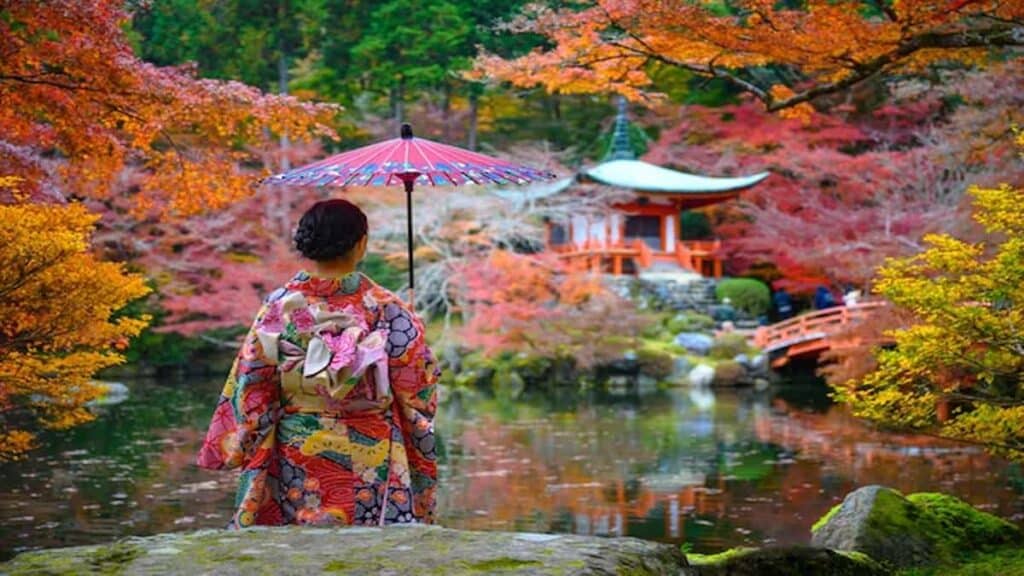
🗾 Planning: Your Ultimate Japan Itinerary & Travel Guide
When mapping out your exploration of the best cities in Japan, here’s what most guidebooks won’t tell you about seasonal timing and practical considerations. Cherry blossom season (late March to early April) brings extraordinary beauty but also massive crowds and inflated prices – but trust me, it’s absolutely worth it.
Autumn foliage (November) offers equally stunning visuals with slightly more manageable visitor numbers, and I actually prefer this season for photography and peaceful temple visits. Don’t make the mistake I made on my first trip by trying to see everything during peak bloom.
Transportation and Essential Travel Tips for Japan
Train travel connects most of these remarkable destinations with an efficiency that’ll spoil you for life, especially for first-time visitors to the country. The Japan Rail Pass, which must be purchased before arriving in Japan, provides excellent value for travellers planning to visit multiple cities across mainland Japan and its various regions.
The JR Pass Official Website offers current pricing and booking information for various pass durations. The pass covers most shinkansen (bullet train) routes, allowing you to maximise your time experiencing these diverse urban landscapes rather than worrying about individual ticket purchases.
💰 MONEY-SAVING Insider Hacks: Download “Hyperdia” app for cheapest train route combinations 7-Eleven ATMs accept foreign cards with zero fees Show any student ID at temples for 50% discount (even international) Convenience store meals: ¥300-500 vs ¥2,000+ at tourist restaurants
🌸 MONTH-BY-MONTH INSIDER SECRETS
❄️ January-February: Sapporo Snow Festival (book hotels 6 months ahead), plum blossoms start blooming
🌸 March 15-25: Cherry blossom forecasts become accurate, start planning viewing spots
🌸 April 1-7: Peak cherry blossoms but Golden Week crowds – avoid if possible
☀️ May: Perfect weather, wisteria blooms, fewer tourists than spring
🌧️ June: Rainy season begins, hydrangea flowers, indoor temple visits ideal
🎊 July 15: Gion Matsuri in Kyoto – book accommodations 6+ months in advance
🏮 August: Obon festival, family travel season, many businesses close mid-month
🌀 September: Typhoon season, stunning autumn preparation, fewer crowds
🍁 October-November: Peak autumn foliage, perfect hiking weather, harvest festivals
🔔 December 31: Temples offer midnight bell ceremonies (free entry), New Year preparations
Living in Japan: For Expats and Long-term Visitors
Cultural immersion happens best when you allocate enough time in each location rather than rushing around like most tourists do unfortunately. While Tokyo deserves at least four full days, smaller cities like Nara can be experienced meaningfully in a single day with proper planning.
When planning your itinerary through the best cities in Japan, resist the temptation to rush – fewer destinations explored deeply often creates more meaningful memories than whirlwind tours. Quality over quantity remains the golden rule for authentic travel experiences throughout this remarkable country.
Many expats find that living in Tokyo or other major cities provides incredible opportunities for work in Japan and cultural exchange experiences. Tokyo has become an increasingly popular choice for expats seeking career advancement, while cities like Osaka and Kyoto offer more traditional lifestyles.
Whether you’ve recently moved to Tokyo or considering long-term residence, each city offers unique advantages for international residents seeking authentic Japanese experiences. The combination of modern convenience and traditional culture creates an unparalleled living environment for foreigners.
Essential Travel Tips and Language Preparation
Language barriers need not deter you from venturing beyond well-trodden tourist paths, trust me on this important point. Major transportation hubs and popular attractions typically offer English signage, while translation apps bridge communication gaps beautifully in smaller establishments throughout the country.
Learning a few basic Japanese phrases demonstrates respect for the culture and often results in warmer interactions with locals who’ll appreciate your effort tremendously. Simple greetings, thank you, and excuse me go remarkably far in creating positive connections with Japanese people.
Must-See Attractions for First-Time Visitors
First-time visitors to Japan should definitely prioritise iconic landmarks like Tokyo Tower and Tokyo Skytree for spectacular city views, especially at sunset. The bustling Shibuya crossing provides quintessential Tokyo energy, while peaceful shrines and temples offer perfect contrast to urban excitement throughout Japan.
Whether you’re considering moving to Japan, planning Japan tours, or simply exploring the best places to visit, these incredible cities to visit in Japan will give you experiences you’ll treasure for a lifetime. Each destination offers its own unique character and attractions that the Japan National Tourism Organization officially promotes to international visitors.
Choosing Your Perfect Japan Experience
I can’t tell you how many times people ask me which city was my favourite – honestly, it’s impossible to choose! From Tokyo’s electrifying urban energy to Kyoto’s soul-stirring spiritual serenity, each destination tells a completely unique story of this remarkable country.
The Golden Route connecting Tokyo and Kyoto with Osaka provides the perfect introduction to Japanese cities, whilst adventures to Hokkaido or Kyushu reveal different facets that’ll surprise you every single time. The diversity across Japan’s regions ensures every traveller finds their perfect match.
You absolutely must experience these best cities in Japan for yourself – no amount of Instagram photos or travel documentaries can prepare you for the magic that awaits. Trust me on this one!